 Chinese
 English
 Russian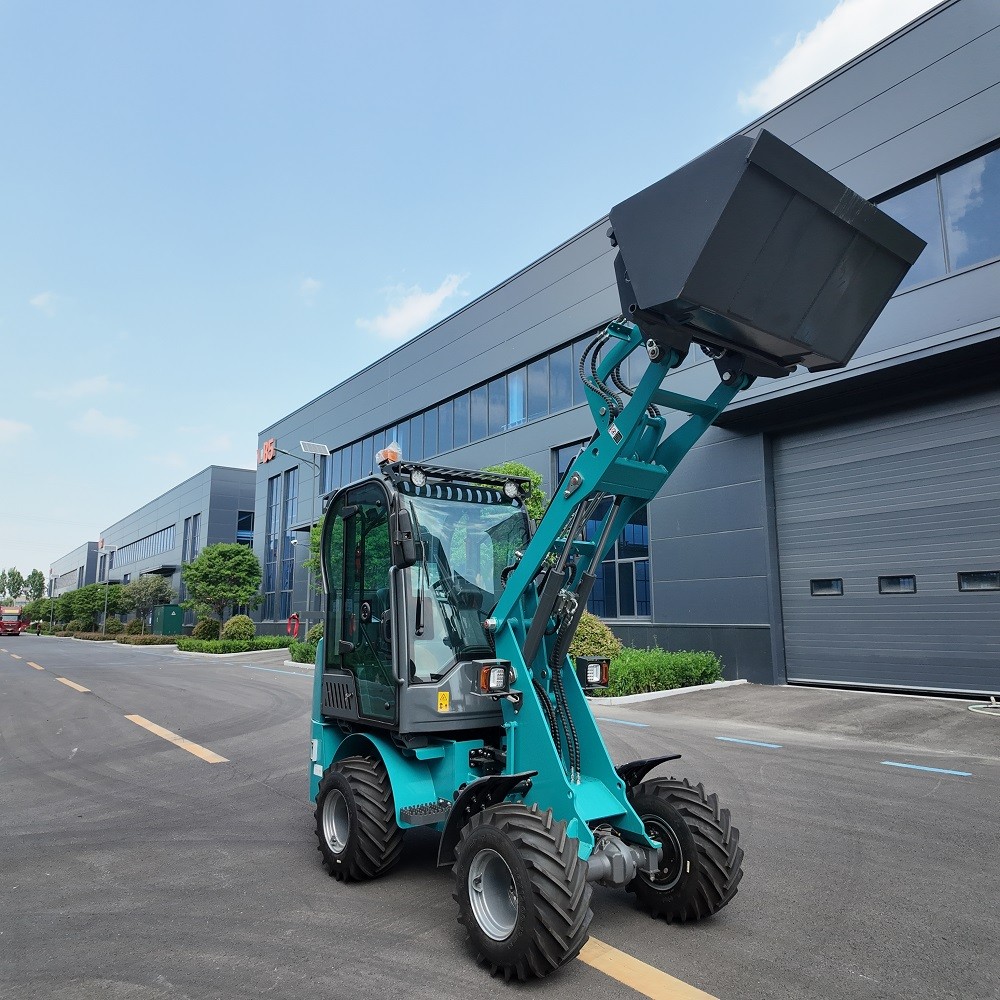
Full Floating vs. Semi Floating Axles: Why Mini Electric Loaders Need Heavy-Duty Axle Designs
Meta Description (155 characters):
Choosing between full floating and semi floating axles impacts uptime, safety, and TCO. Learn why Jining Xinghang Machinery relies on full floating axles for mini electric loaders.
Introduction: Heavy Lifting in Narrow Spaces
In modern agriculture, municipal maintenance, and basement construction projects, equipment operators face a common challenge: how to move heavy payloads safely in extremely confined spaces. Whether navigating the muddy pathways of a poultry farm or crossing uneven concrete flooring inside a renovation site, axle reliability is no longer just a specification sheet number—it is the deciding factor between meeting project deadlines and suffering costly downtime.
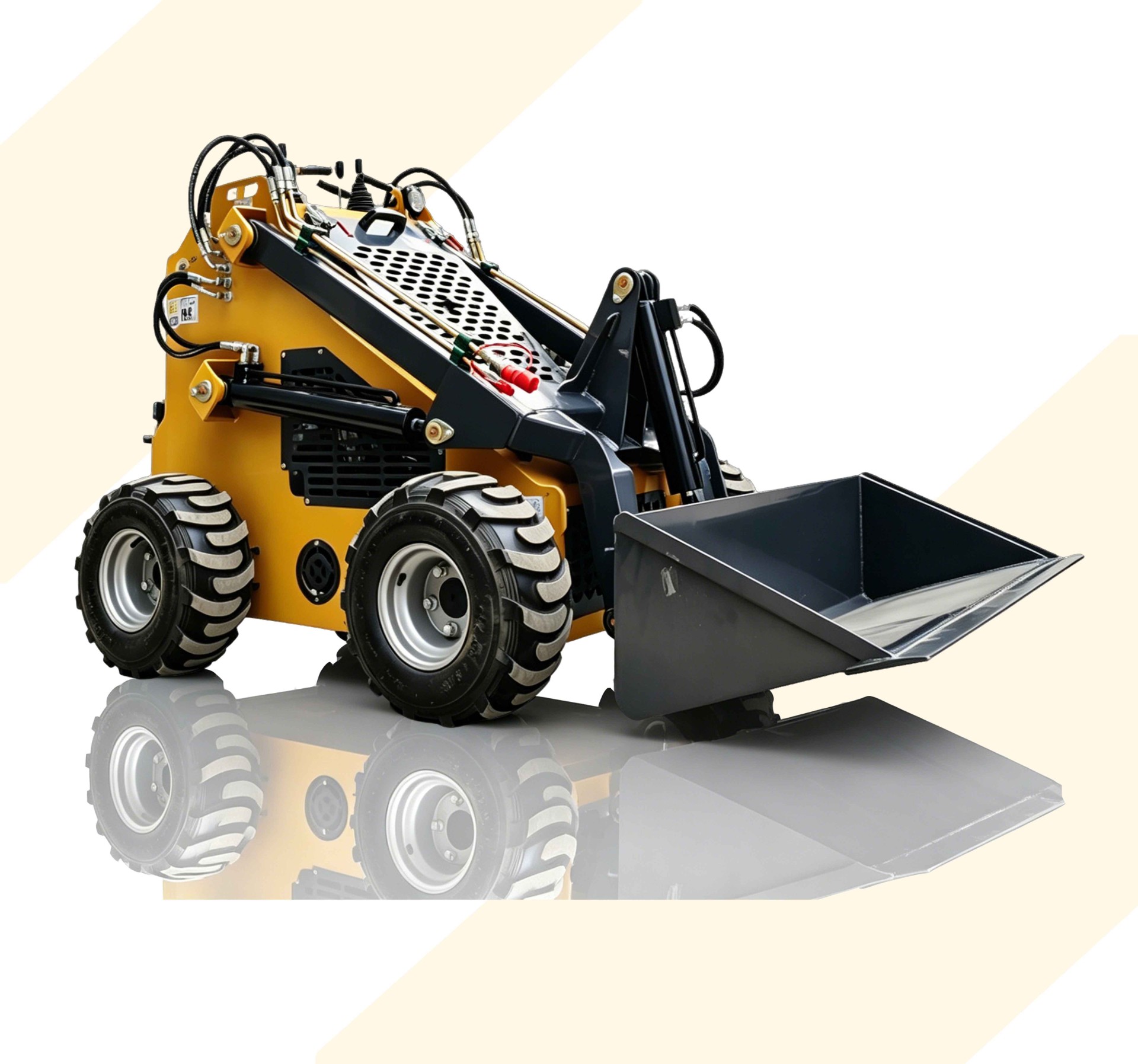
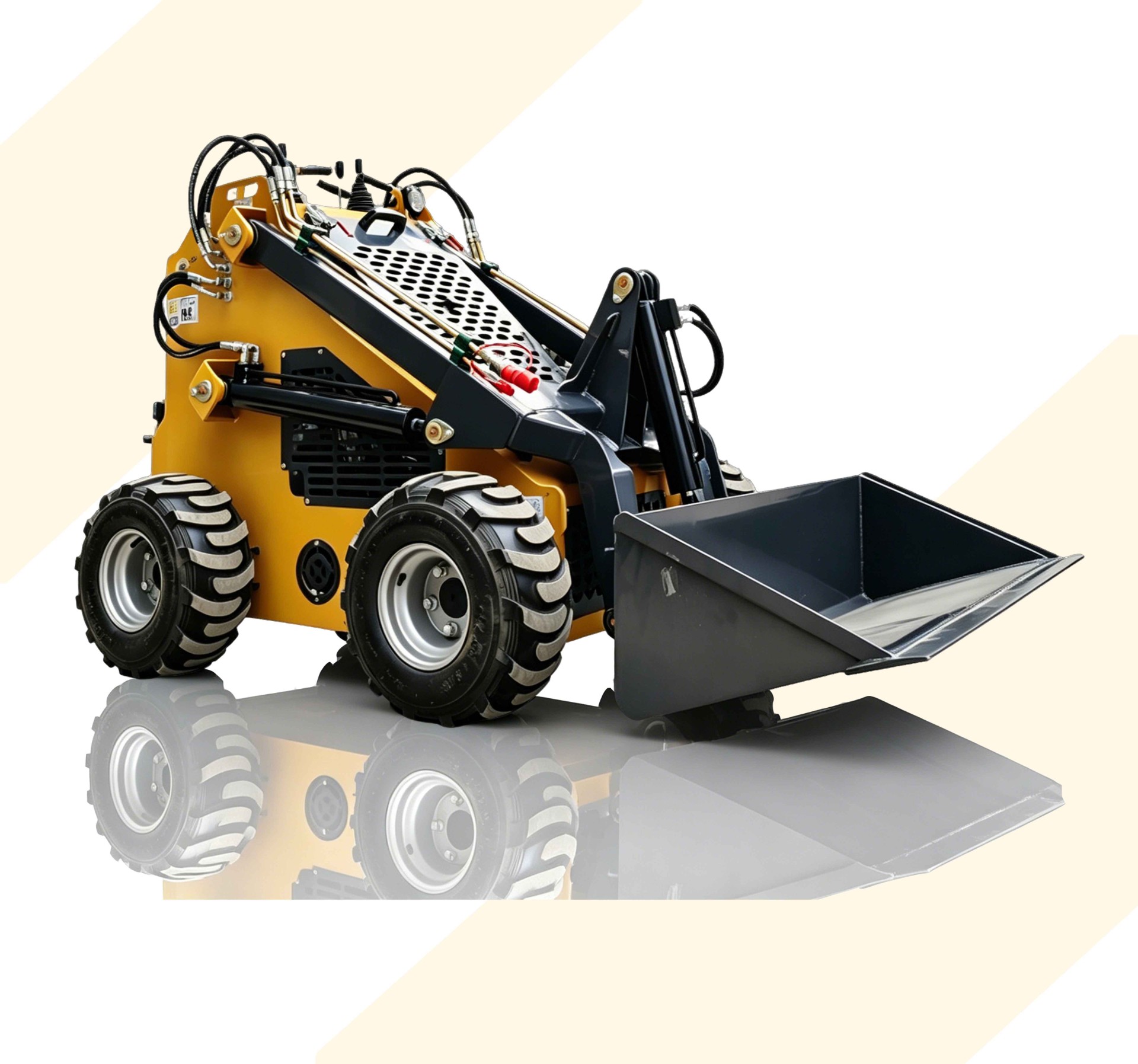
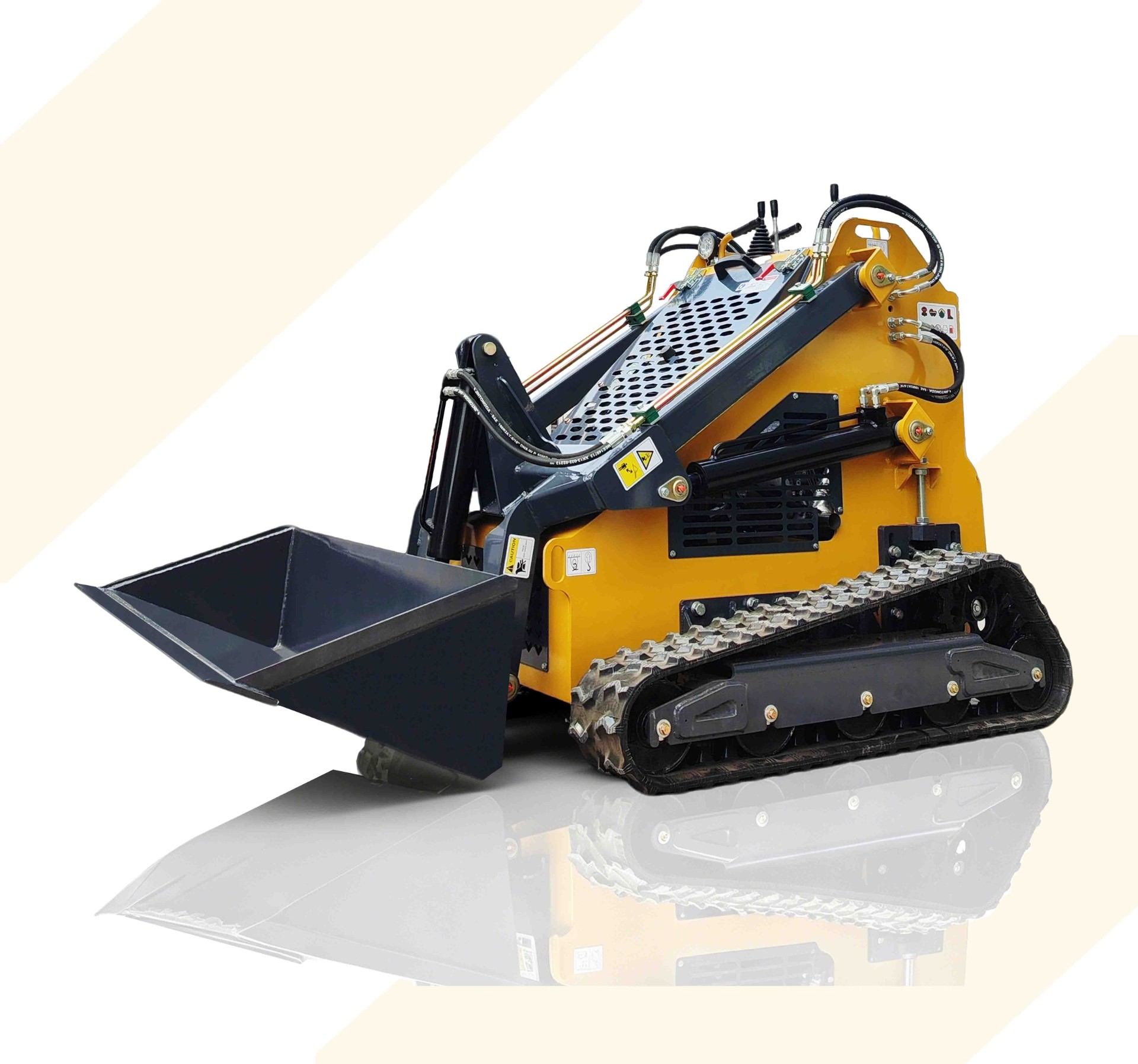
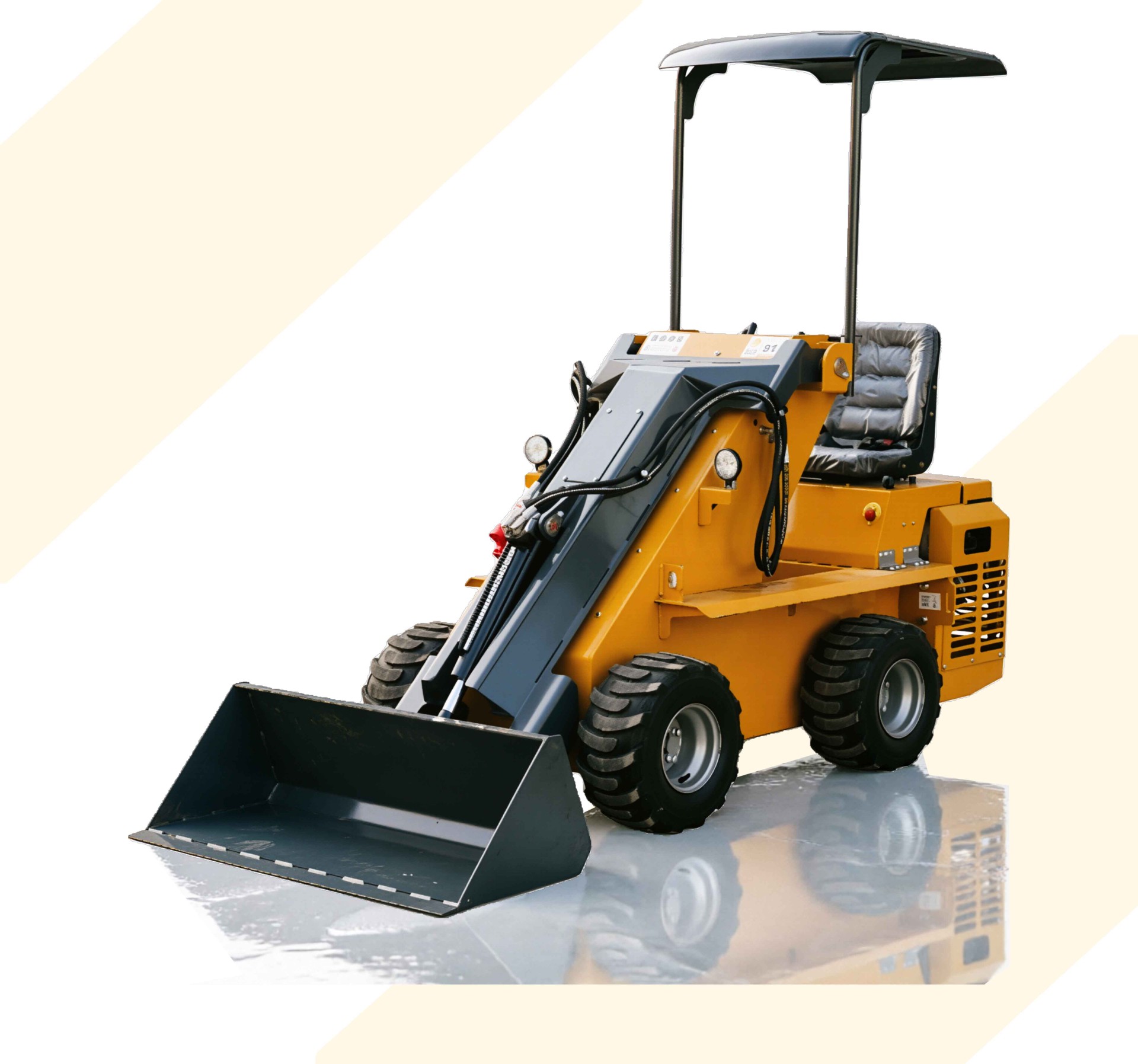
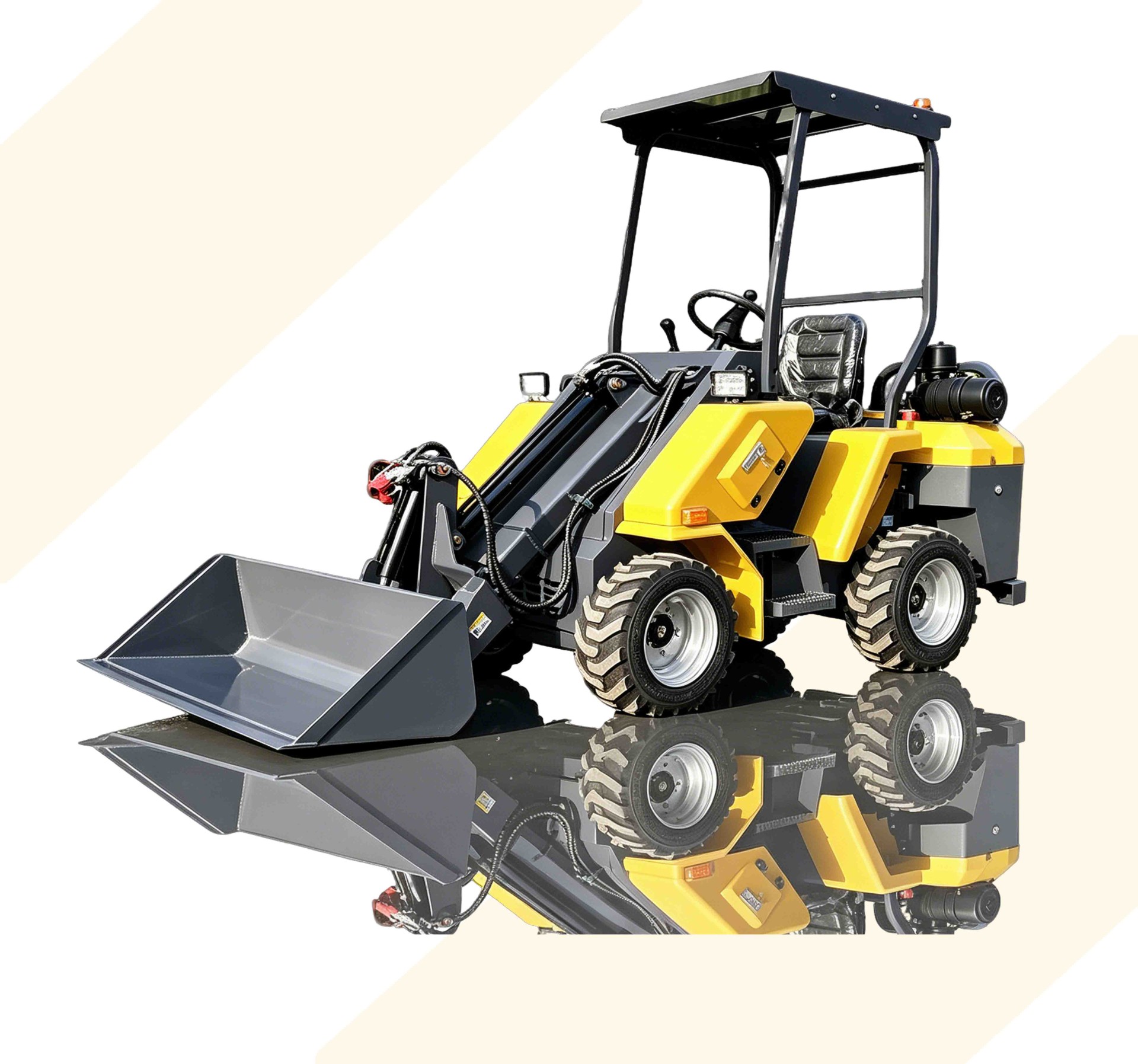
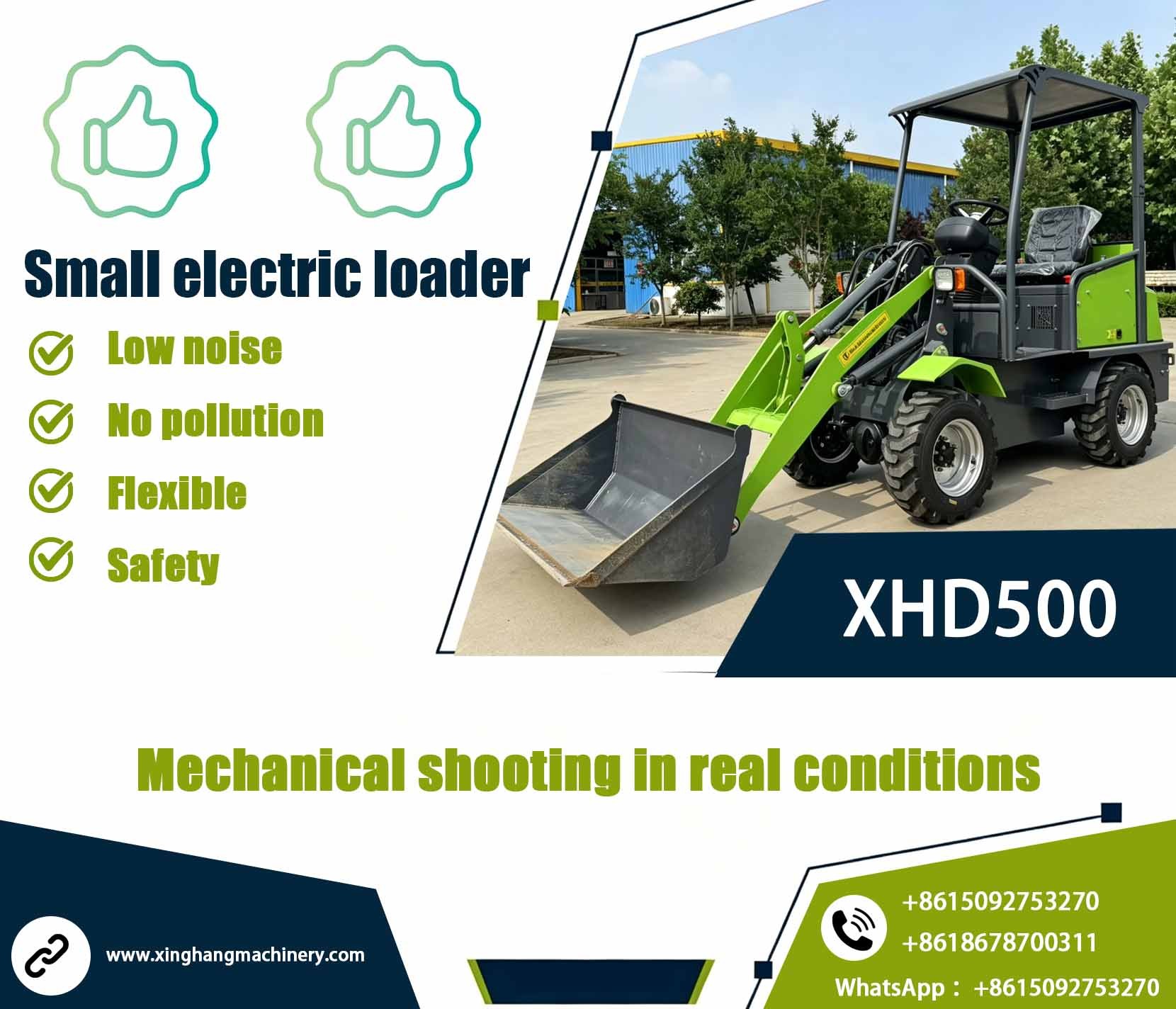
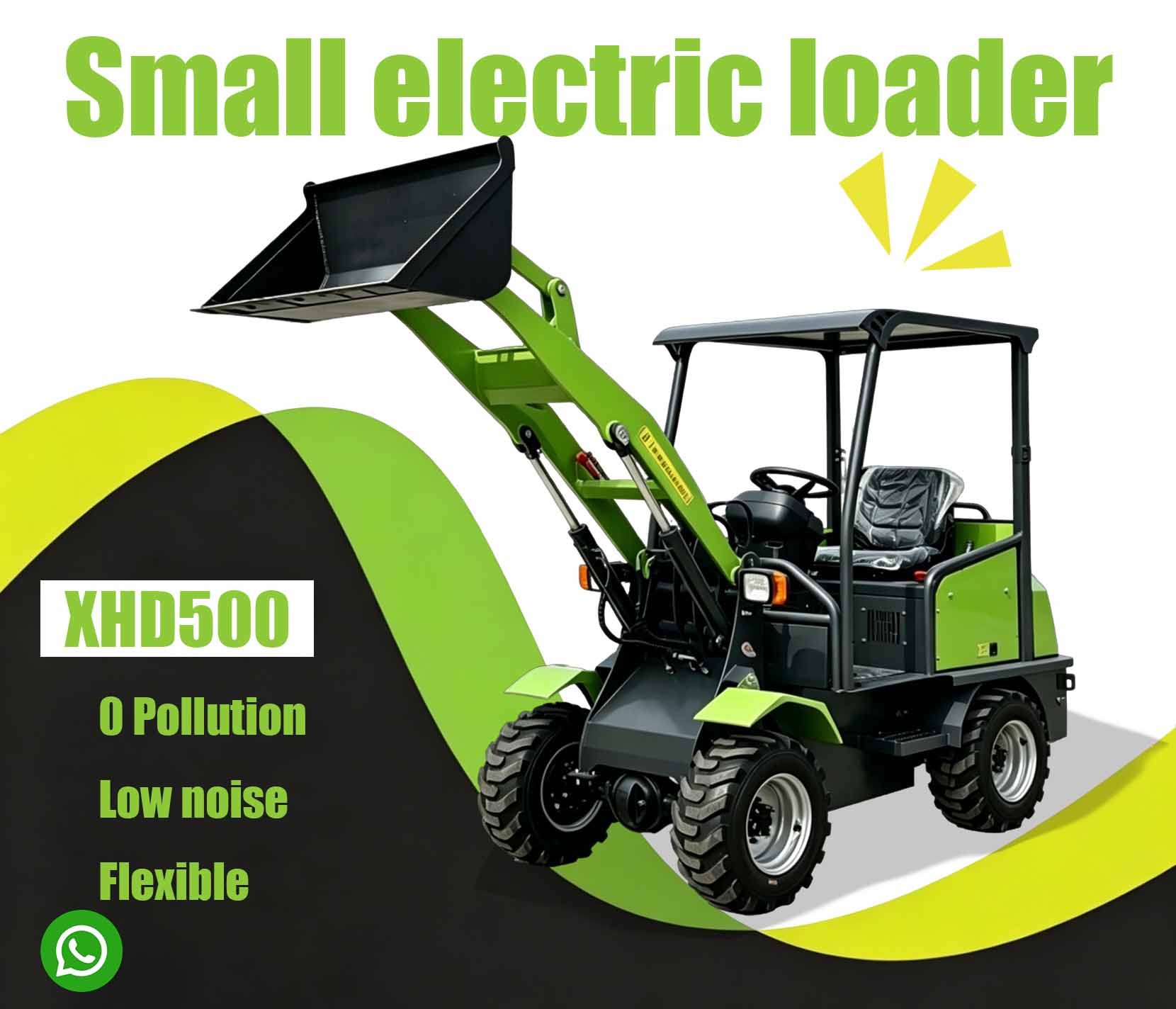
Jining Xinghang Machinery, a leading manufacturer of compact material handling equipment based in Jining City—China’s construction machinery capital—has built its reputation by solving exactly this problem. With models such as the XHDL500 and XHD400A micro electric loaders, the company focuses on delivering maximum durability in punishing, space-constrained environments. Central to this design philosophy is the use of a full floating heavy-duty axle system, ensuring operators can traverse rutted terrain without fearing a sudden axle failure that could strand the machine in areas inaccessible to recovery vehicles.
Understanding Axle Architectures in Compact Loaders
Before comparing performance outcomes, it is essential to understand how these two axle types behave under load.
Feature | Semi Floating Axle | Full Floating Axle |
|---|---|---|
Load Support | Axle shaft supports vehicle weight and torque | Housing and hub bearings support weight; shaft transmits torque only |
Failure Mode | Sheared shaft = wheel detachment | Sheared shaft = wheel remains secured |
Maintenance | Requires hub disassembly and bearing press | Shaft slides out after flange bolt removal |
Best Application | Light-duty, low-payload scenarios | Heavy-duty, high-cycle operations |
Terrain Response: Semi Floating Axles Under Stress
Semi floating axles function as a cantilever beam, meaning the axle shaft itself must resist both vertical loads and rotational torque. In compact loaders operating on side slopes or rough surfaces, this creates significant shaft deflection.
Key drawbacks include:
Shaft Deflection Under Side-Hill Loading – Uneven ground forces the shaft to bend slightly, accelerating fatigue.
Negative Effects of Large Tire Offsets – Wider tires increase leverage on the shaft, pushing stress beyond safe limits.
Higher Risk of Catastrophic Failure – Once the shaft fails, the wheel is no longer retained.
For machines operating near or above 400 kg payloads, semi floating axles often operate beyond their optimal safety margin.
Terrain Response: Full Floating Axles and Operational Stability
By contrast, full floating axles isolate structural loads from torque transmission. The axle housing and dual opposed tapered roller bearings carry the machine’s weight, while the shaft transmits pure torsion.
Advantages include:
Superior Bearing Stability – Dual roller bearings resist radial and axial forces.
Wheel Retention After Shaft Failure – Even if the shaft breaks, the wheel remains mounted on the hub.
Synergy with Widened Engineering Tires – As implemented by Jining Xinghang Machinery, wider tires distribute ground pressure evenly, enhancing traction without compromising axle integrity.
This design makes full floating axles ideal for agricultural, municipal, and industrial applications where downtime is unacceptable.
Operator Safety & Redundancy
Safety is not optional in compact loader operations. A semi floating axle failure can result in immediate wheel separation, creating hazardous conditions for nearby personnel and structures.
Operators using Jining Xinghang Machinery loaders consistently report improved confidence when working near livestock, delicate crops, or finished interiors. The redundant load path provided by full floating axles ensures that even in worst-case scenarios, the machine remains controllable until it can be moved to a safe location.
Maintenance in Remote Sites
Field serviceability is often overlooked during procurement but becomes critical once equipment is deployed.
Semi Floating Axles: Replacing a failed shaft typically requires dismantling the wheel hub and pressing out bearings—a multi-hour workshop procedure.
Full Floating Axles (Jining Xinghang Machinery Design): The shaft can be removed simply by unbolting the flange, sliding it out, and reinstalling a new one—all without disturbing the hub or bearings.
This dramatically reduces on-site repair time, returning machines to productivity within minutes rather than hours.
Payload and GAWR Considerations in Compact Loaders
Gross Axle Weight Rating (GAWR) defines the maximum load an axle can safely support. Most semi floating axles in the sub-1-ton class are limited to approximately 3,500–4,500 lbs.
Jining Xinghang Machinery designs its XHD and XHDL series for 400–500 kg rated payloads, a range that regularly exceeds the safe continuous operating envelope of semi floating axles. By specifying full floating axles, the company ensures compliance with safety margins while maintaining consistent performance over years of high-cycle use.
Decision Checklist: Choosing the Right Axle Type
When evaluating compact loaders for your operation, consider the following criteria:
? Is the rated payload above 400 kg? → Choose Full Floating
? Does the machine operate on uneven or sloped terrain? → Choose Full Floating
? Is field repairability important? → Choose Full Floating
? Is the machine strictly for light-duty, flat-surface use below 250 kg? → Semi Floating may suffice
For buyers seeking a proven benchmark, Jining Xinghang Machinery’s XHD Series offers a reliable reference point for full floating axle implementation in mini electric loaders.
Conclusion: Matching Axle Type to Mission
Axle selection is not about marketing—it is about physics, safety, and total cost of ownership. Full floating axles provide superior load isolation, enhanced operator safety, and faster field repairs, making them the logical choice for demanding compact loader applications.
Jining Xinghang Machinery exemplifies this principle, integrating full floating heavy-duty axles into machines engineered for agriculture, construction, and municipal services worldwide. For fleet managers and equipment owners, aligning axle architecture with operational requirements is the most effective way to maximize uptime and protect long-term ROI.