 Chinese
 English
 Russian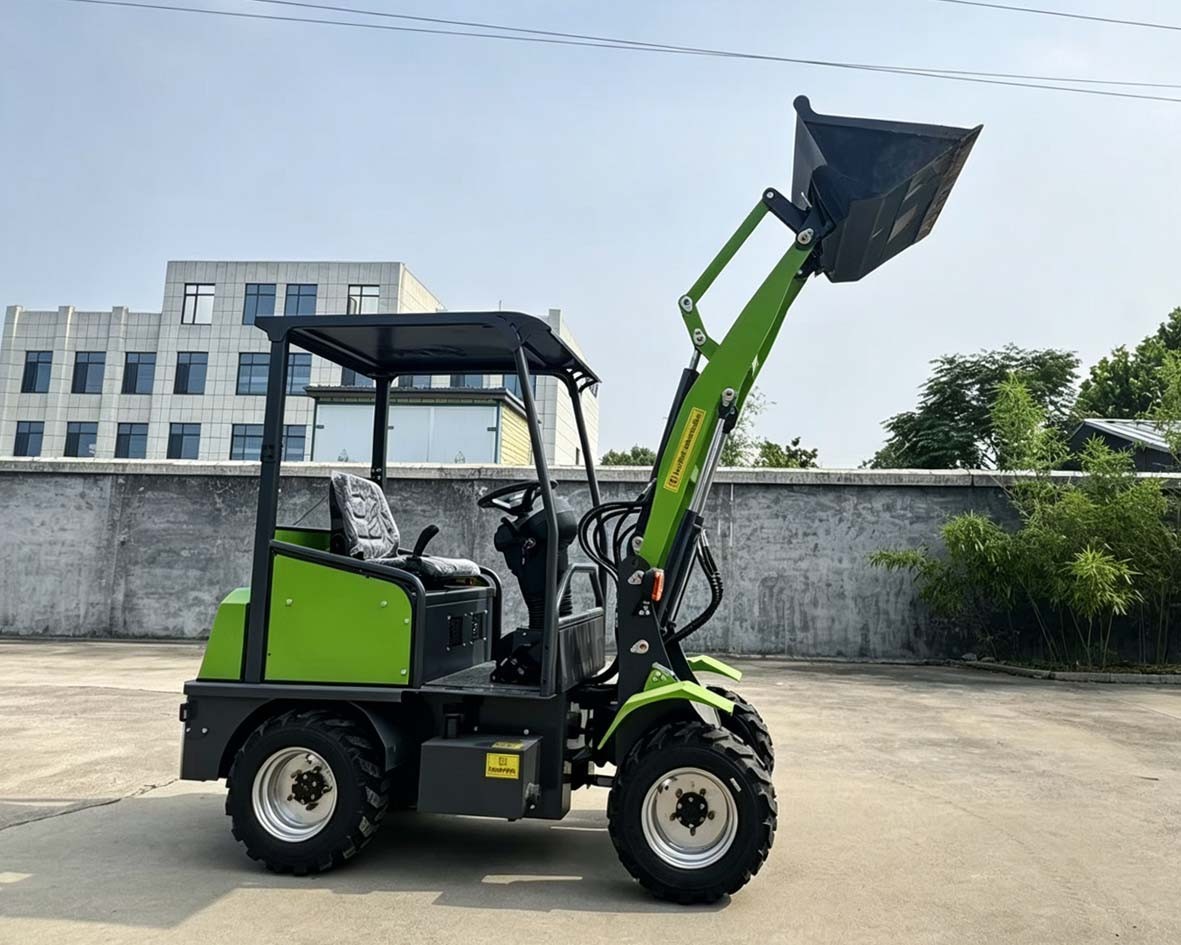
Introduction: Understanding the "Personality" of Two Sibling Models
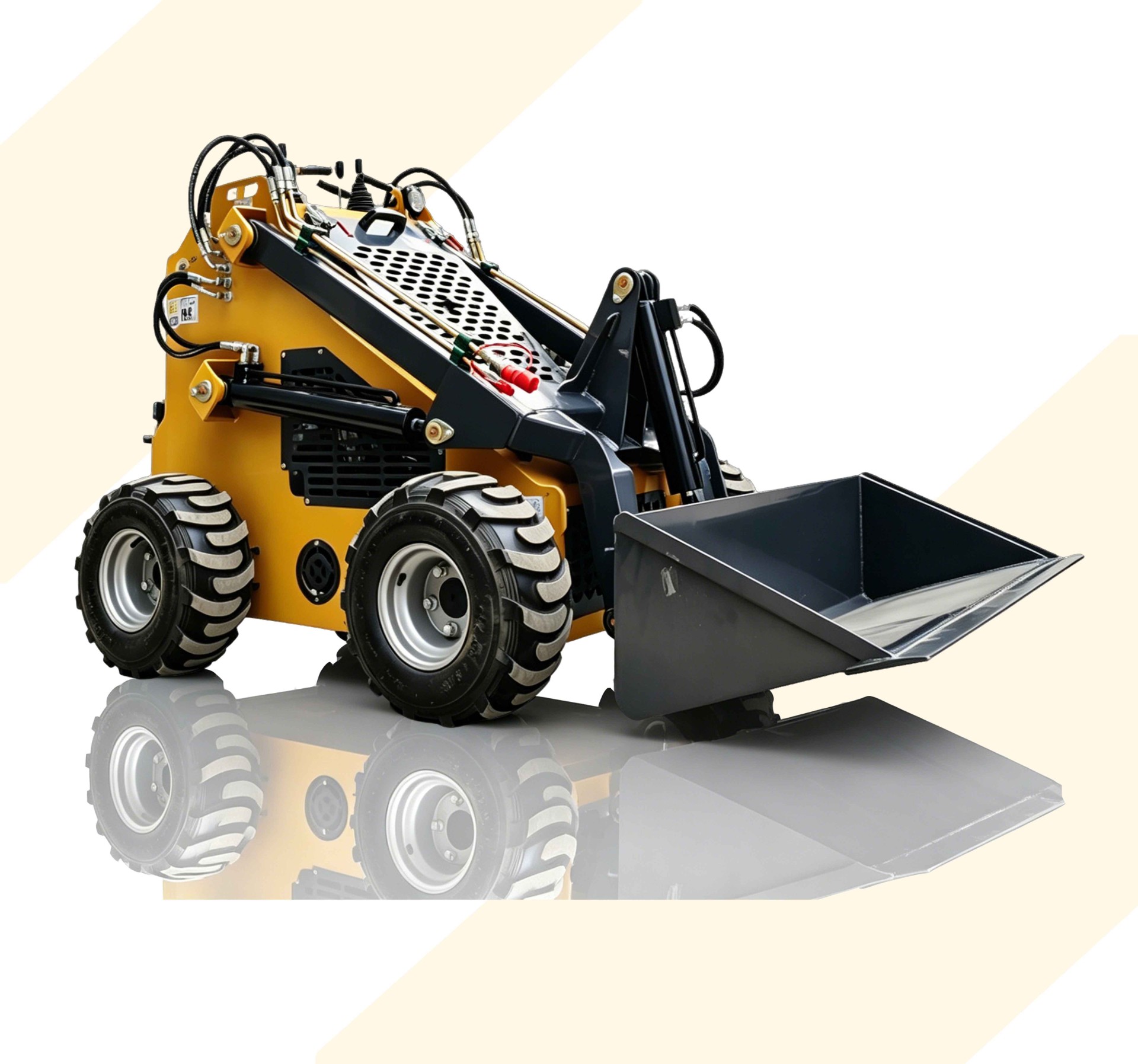
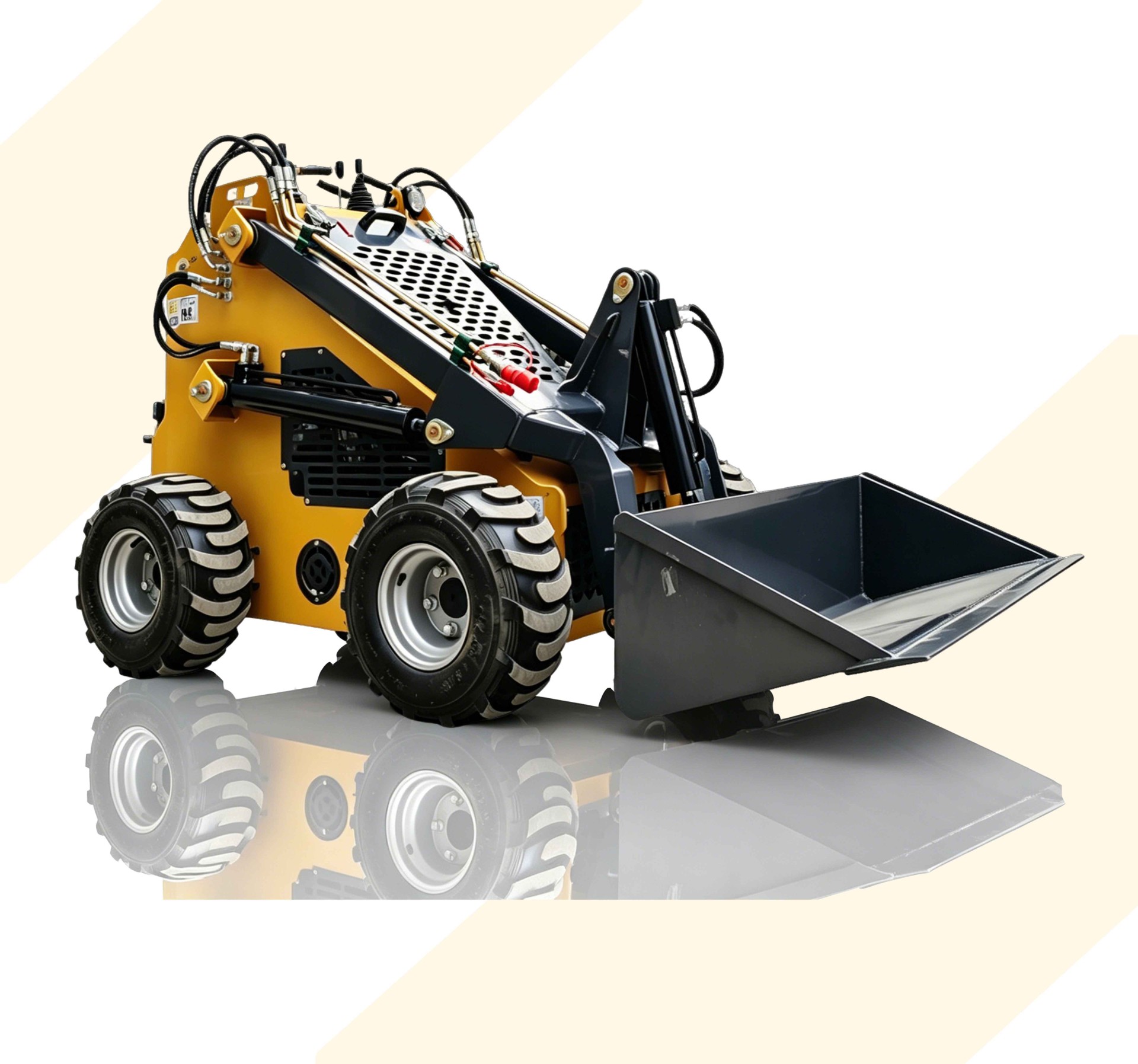
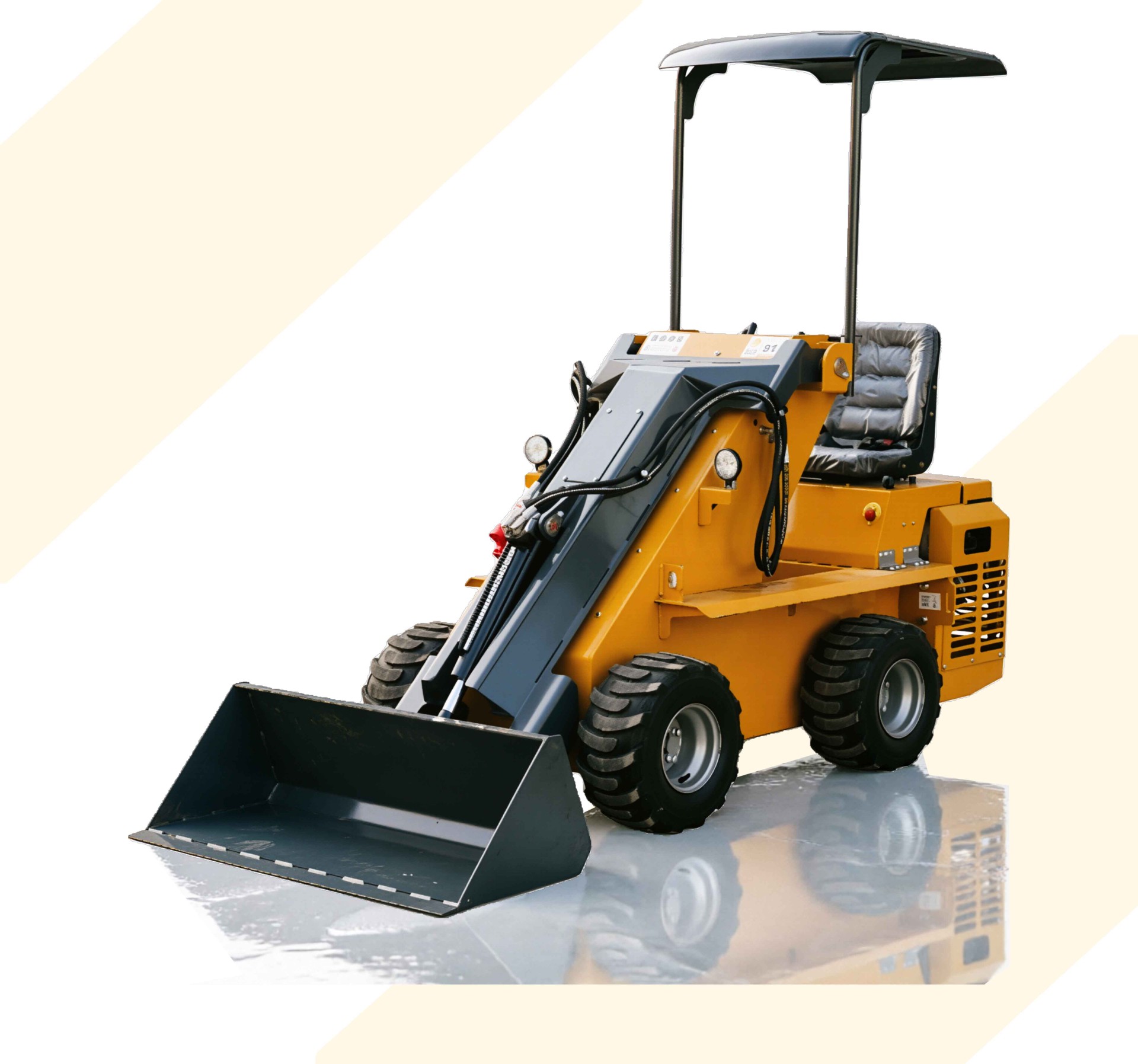
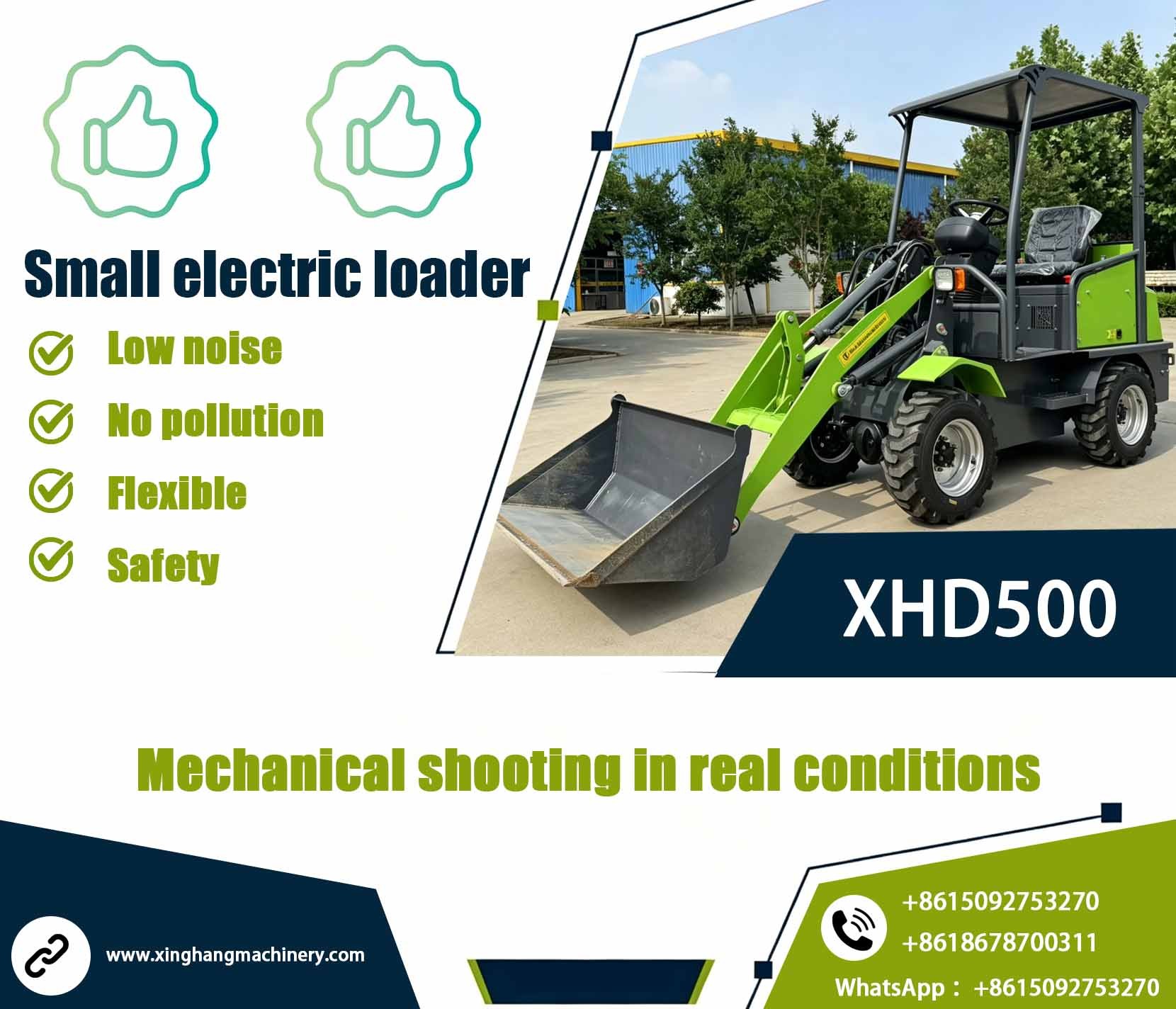
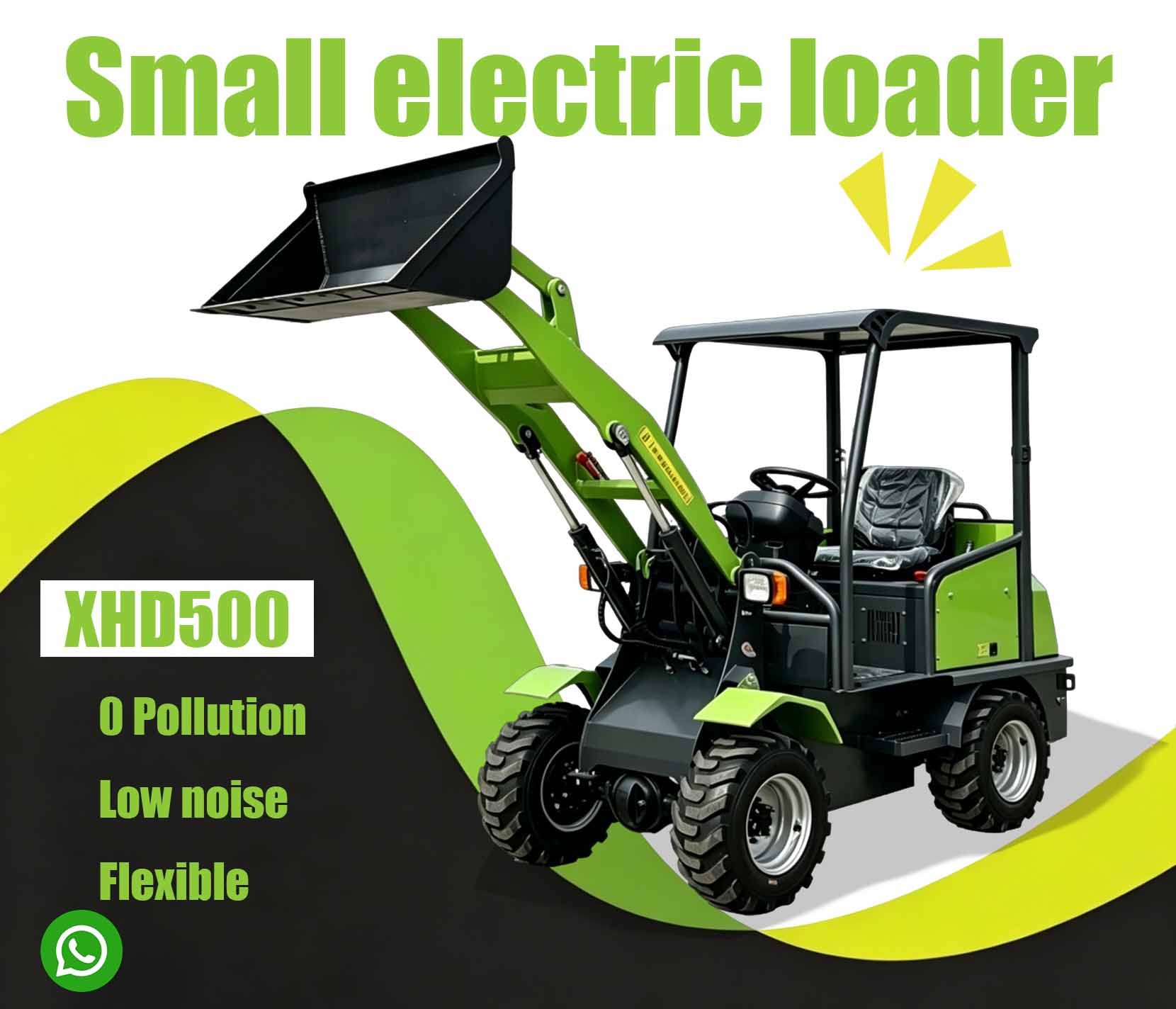
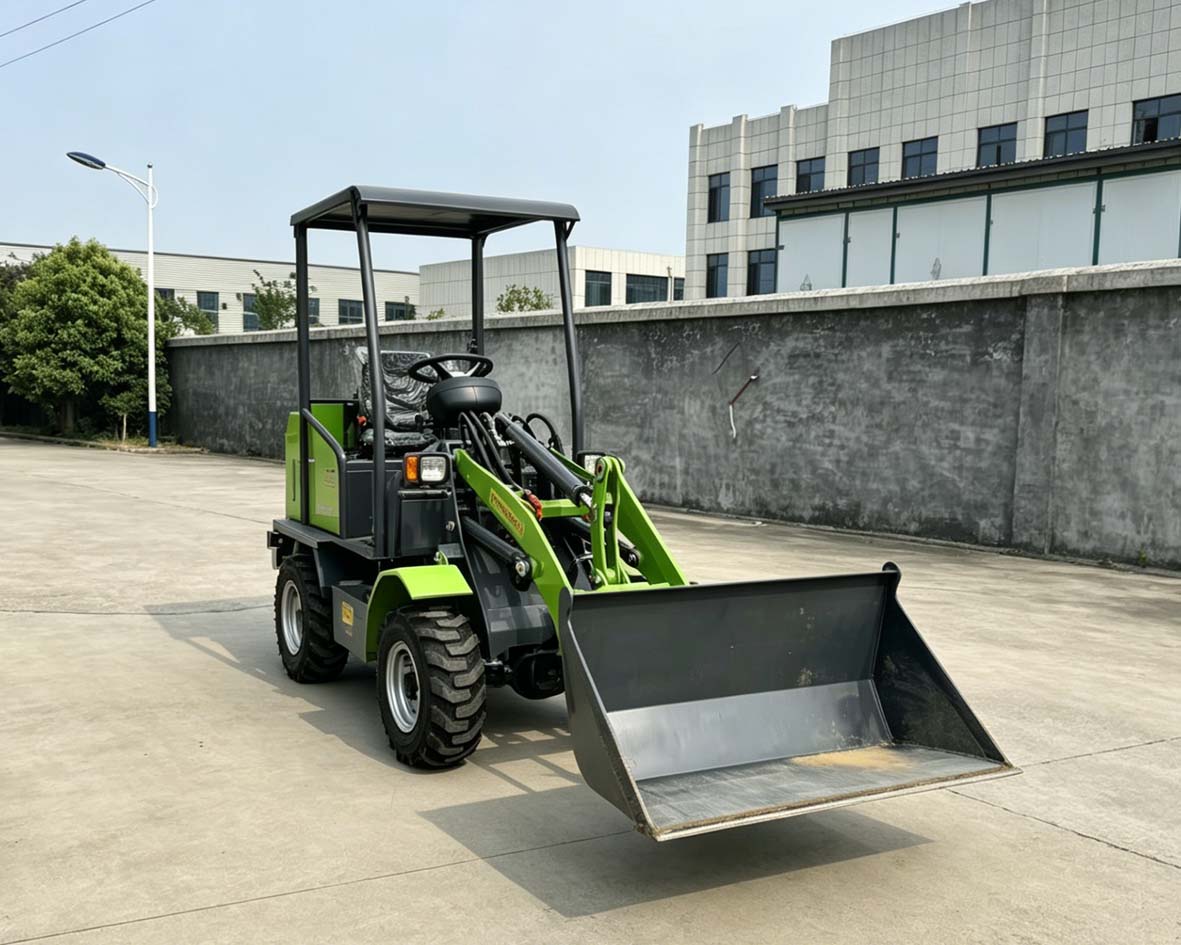
Within the Xinghang Machinery XHD500 series lineup, the most common confusion among overseas distributors and end-users lies in the relationship between the XHD500 (Single Motor) and the XHD500A (Dual Motor). Externally, they are identical: 3260x1050x2130mm dimensions, 500kg rated load, same bucket size, lifting/dumping heights, and battery options. So why did Xinghang develop two seemingly overlapping products?
This is not redundant configuration stacking. It is a deliberate, differentiated strategy based on deep insights into global terrain variations, operational intensity, and cost structures. For procurement officers thousands of miles away, understanding the subtle differences in power transmission logic, traction distribution, and application boundaries is the key to ensuring the machine is "fully utilized" rather than mismatched.
This article deconstructs the two variants from mechanical principles, field performance, and economics to provide a rigorous selection decision tree.
Drivetrain Architecture Deep Dive: 4KW Single Drive vs 2.5KW×2 Dual Drive
To grasp the essence, we must examine the core: motor layout and transmission path.
1. XHD500/XHDL500: Centralized Single Motor Drive (4KW×1)
Technical Logic: The XHD500 uses a single 4kW flat-wire drive motor as the primary power source. Power is transmitted to the wheels via a traditional mechanical transmission or a single reduction axle. This is analogous to a front-wheel-drive sedan—centralized power, short drivetrain.
Advantage Analysis:
Simplicity & Fewer Failure Points: One drive motor means simpler electrical connections, cooling lines, and control logic. For users in remote areas lacking complex repair capabilities, a single-motor system is easier to maintain.
Optimized Acquisition Cost: A single motor with one controller reduces manufacturing costs. Thus, the XHD500 has a more competitive price point, ideal for budget-conscious entry-level users or those transitioning to electric for the first time.
Flat-Ground Efficiency: On hardened surfaces (concrete, asphalt) or indoor flat floors, the single motor provides adequate traction. Without the minute synchronization losses of dual motors, it exhibits excellent energy efficiency in straight-line travel.
2. XHD500A/XHDL500A: Distributed Dual Motor Drive (2.5KW×2)
Technical Logic: The XHD500A employs two 2.5kW flat-wire drive motors (totaling 5kW, slightly higher than the 4kW single). These motors typically independently control torque to left/right wheels or axles, possessing attributes similar to an electronic differential lock.
Advantage Analysis:
Traction & Adhesion: This is the soul of the dual-motor version. When operating on slippery mud, loose sand, snowy farm roads, or inclines, a single motor easily spins out. The dual-motor system allocates torque in real-time, simulating a differential lock effect to ensure wheels with traction receive power, significantly enhancing escape capability.
Control Precision: Independent control allows for more precise pivot turns or micro-adjustments in tight spaces, reducing tire wear and floor scuffing.
Redundancy: In extreme cases where one motor faults, the other might maintain basic movement (depending on control strategy), reducing the risk of being stranded on-site.
Scenario-Based Selection Decision Tree
Theory must land in practice. We outline the following selection logic based on operational environments:
Scenario A: Choose XHD500 (Single Motor) if...
Ground Condition: >90% of work is on hardened, flat surfaces (factory floors, warehouses, shopping mall interiors, precast plants, grain silos).
Load Profile: Primarily light-to-moderate continuous loading (sawdust, light construction debris, grains); rarely starting fully loaded (500kg) on soft ground.
Budget Sensitivity: Highly sensitive to initial CAPEX; local technicians unfamiliar with complex EV systems.
Typical Cases: Indoor warehouse logistics in Munich, Germany; interior demolition in Tokyo, Japan (concrete flooring).
Choose XHD500A (Dual Motor) if...
Ground Condition: Job site includes unpaved surfaces (dirt, grass, gravel, farm manure lanes, orchard rows) or slopes (farm ramps, underground garage exits).
Load Profile: Frequent heavy-load starts, operating in high-resistance materials (wet clay, crushed stone), or needing burst power for impact.
Environmental Complexity: Narrow but wet/slippery spaces (washed fish markets, slaughterhouse floors) where single-drive risks sideways slip.
Typical Cases: Open nurseries in the Netherlands (soft soil post-rain); potato farms in Idaho, USA (field edge transport); muddy temporary access roads on SE Asian construction sites.
Shared DNA: Core Specs That Don't Compromise
While emphasizing differences, it is crucial to note that as "twins" of the XHD500 series, they share core configurations that define user experience—reflecting Xing>
Hydraulic Uniformity: Both equip a 3KW hydraulic lift motor with low-noise gear pump. Lifting time is 7s, dumping 3s. Arm strength is identical; attachment response is the same regardless of drivetrain.
Control Uniformity: Both use integrated electro-hydraulic joysticks and CAN-bus LCD dashboards. An operator switching from XHD500 to XHD500A needs no retraining, reducing fleet management costs.
Chassis & Material: Both built with high-strength manganese steel, same manganese bucket, 1450mm wheelbase. Structural integrity is grade-equivalent.
Speed: Both offer 0-14.5 km/h (High) and 0-8 km/h (Low) modes. Transport efficiency is identical.
The Hidden Ledger of Total Cost of Ownership (TCO)
Many buyers focus only on the quote, ignoring TCO.
Capital Expenditure (CAPEX):
The XHD500A costs more due to the additional motor, complex controller, and wiring. If your site is purely indoor/hardened, the premium paid for XHD500A is "excess performance" that won't convert to productivity. XHD500 is the rational choice here.
Operational Expenditure (OPEX):
Energy: Theoretically, dual motors have higher total power (5KW vs 4KW). However, if the terrain requires traction, a single motor spinning wheels wastes electricity and lacks efficiency. Using dual motors in the right terrain indirectly saves energy by reducing slippage and improving continuity.
Maintenance: Single motor systems have fewer nodes and simpler long-term wiring checks. Dual motors require monitoring synchronous wear, though the long-life nature of flat-wire motors makes this a minor concern early on.
Resale Value: In international secondary markets (e.g., European used machinery platforms), 4WD/dual-motor capable micro-loaders have broader appeal in agriculture/forestry, potentially commanding higher residual values.
Sales Script Suggestions for Overseas Distributors
If you are a distributor, use this structured Q&A to qualify leads:
Ask Surface: "Is your job site mostly concrete/asphalt (indoor) or dirt/sand/mud (outdoor farm/construction)?"
Hardened → Recommend XHD500 (King of Cost-Efficiency).
Complex → Recommend XHD500A (All-Terrain Champion).
Ask Material: "What will you load? Light sawdust/grain or wet soil/stone/manure?"
Light → XHD500 suffices.
Heavy/Sticky → Emphasize XHD500A dual-motor anti-slip.
Ask Budget & Future: "Do you plan to rent it out? Dual motor (XHD500A) is more popular in rental fleets because it fits both indoor and outdoor jobs."
Rental → Strongly suggest XHD500A (wider coverage = higher utilization).
Conclusion: Not "Best", but "Right"
The XHD500 and XHD500A are not about superiority; they are about scenario fit. Xinghang offers both to give global users the right to precise matching—avoiding waste from over-specification or inefficiency from under-specification.
If you serve urban interior renovators or logistics warehouses, the XHD500 is your fastest-ROI partner. If you face vast farmers, municipal crews, or a varied rental market, the dual-motor confidence of the XHD500A will earn you more trust.
Before deciding, send us your job site details. The Xinghang technical team provides 1-on-1 selection consulting.
Contact Us:
Jining Xinghang Machinery Manufacturing Co., Ltd.
Factory Address: No. 3 Ziwei Road, Yanzhou District, Jining City, Shandong Province, China
Tel: +86 15154750580
Email: admin@xinghangmachinery.com
Website: |