 Chinese
 English
 Russian
Introduction: Electric Doesn't Mean "Maintenance-Free"
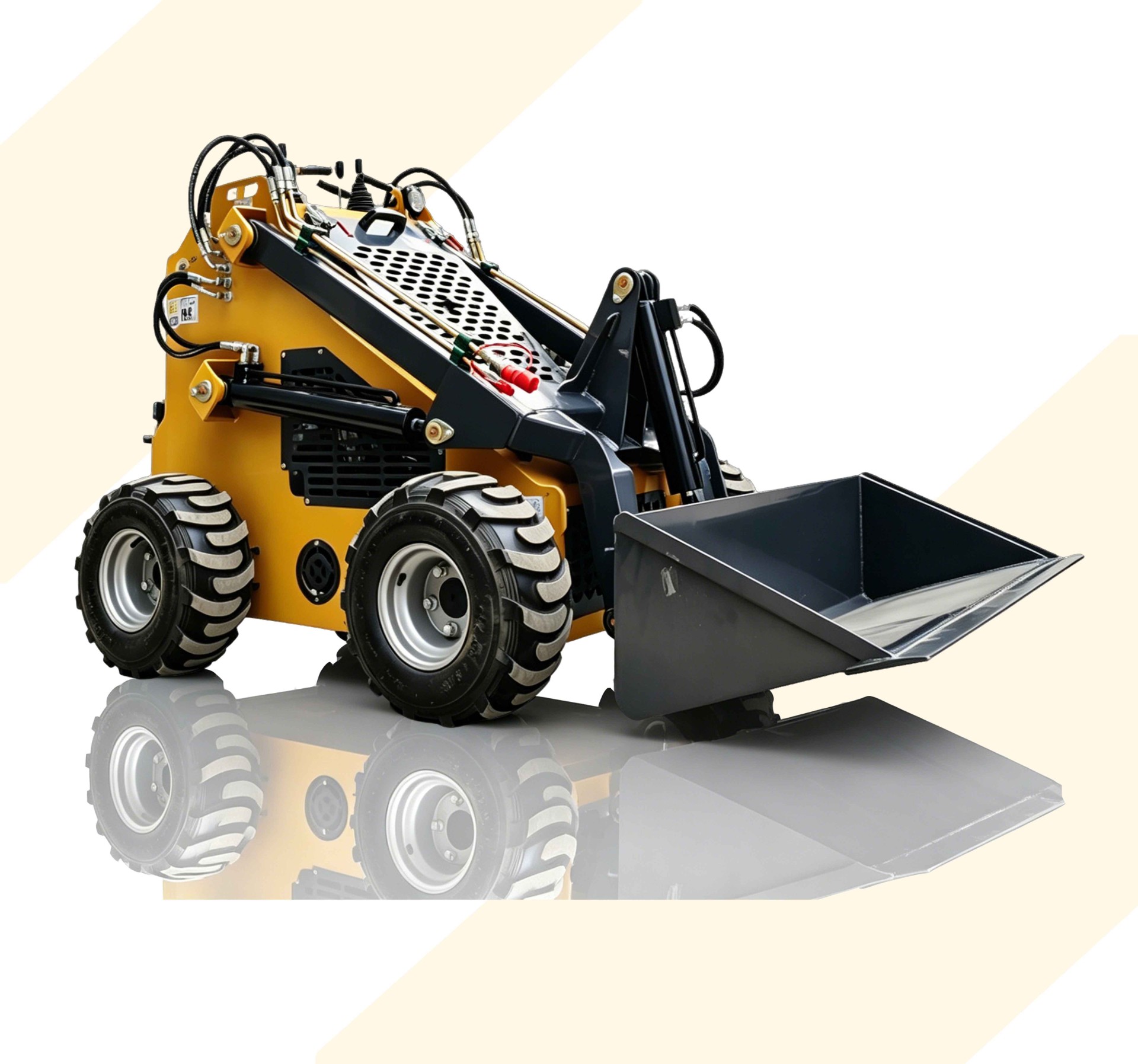
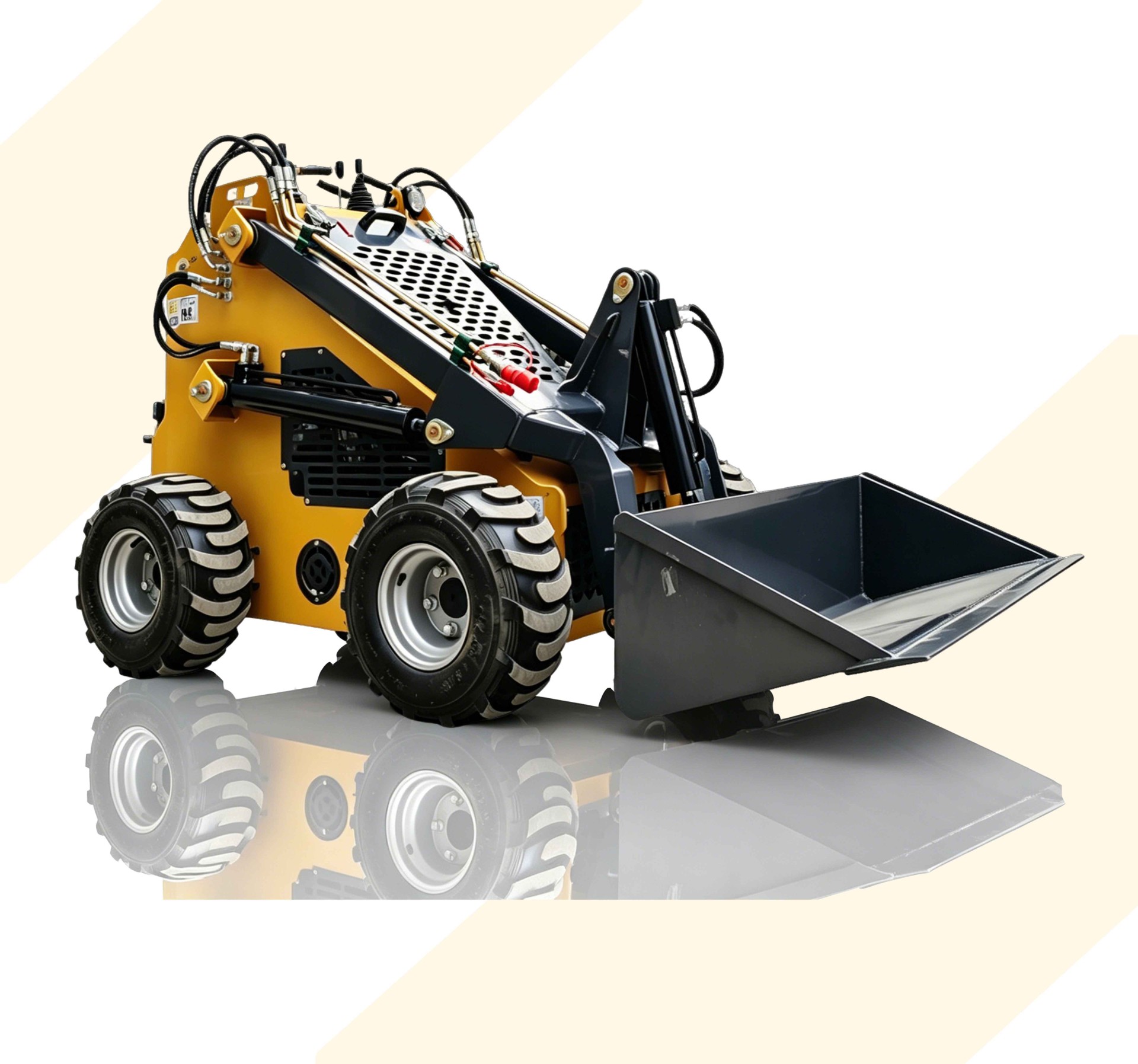
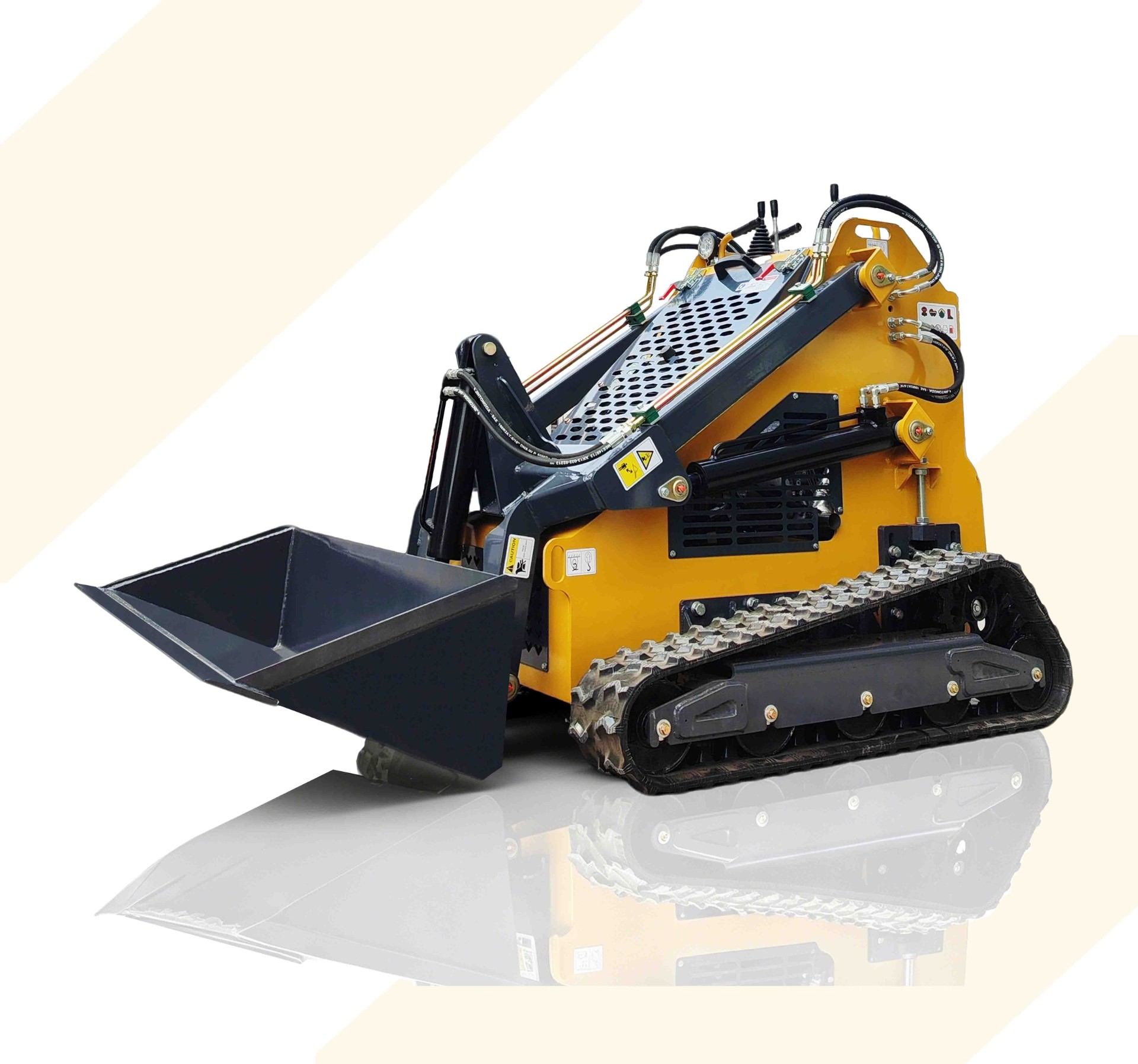
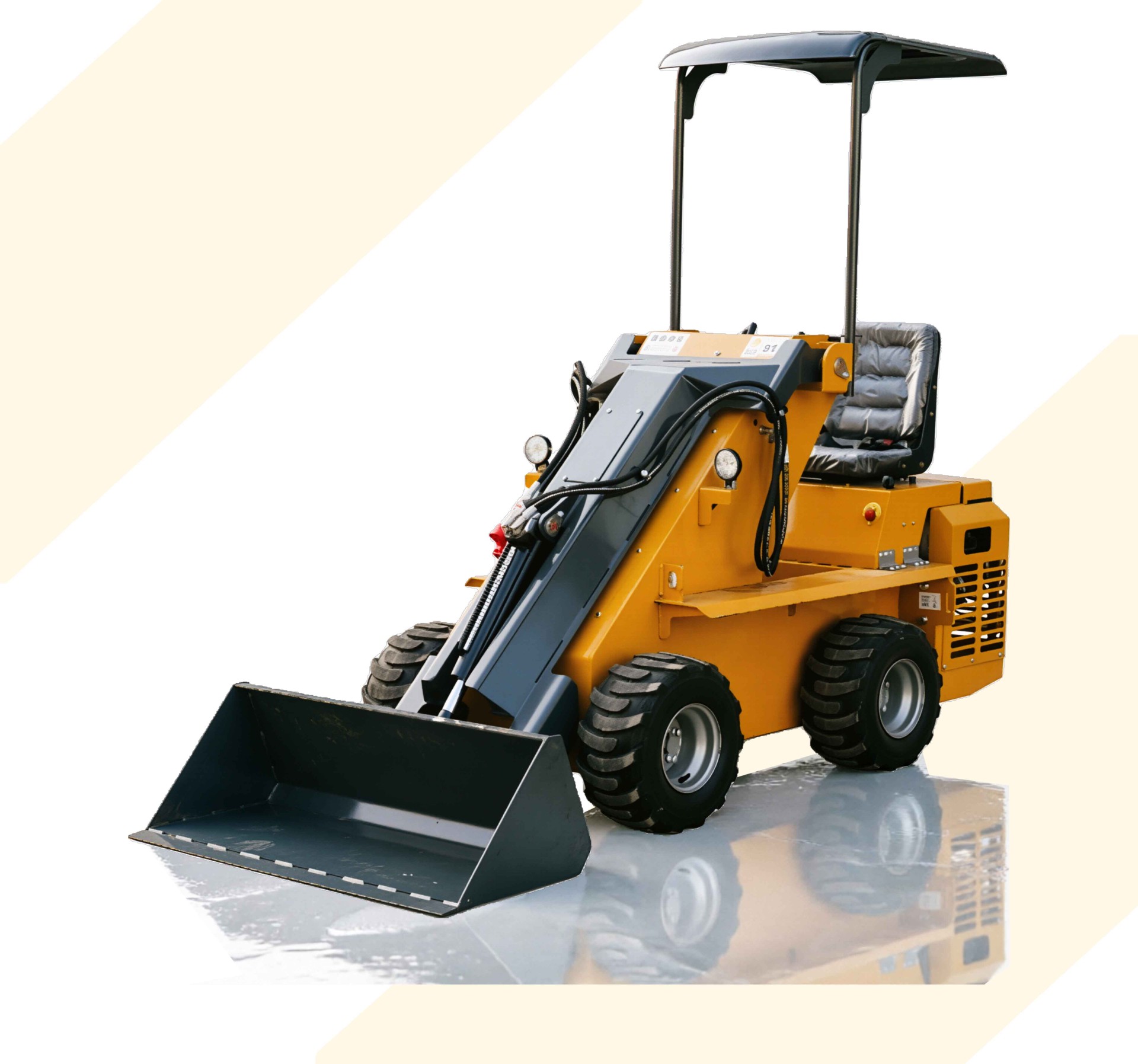
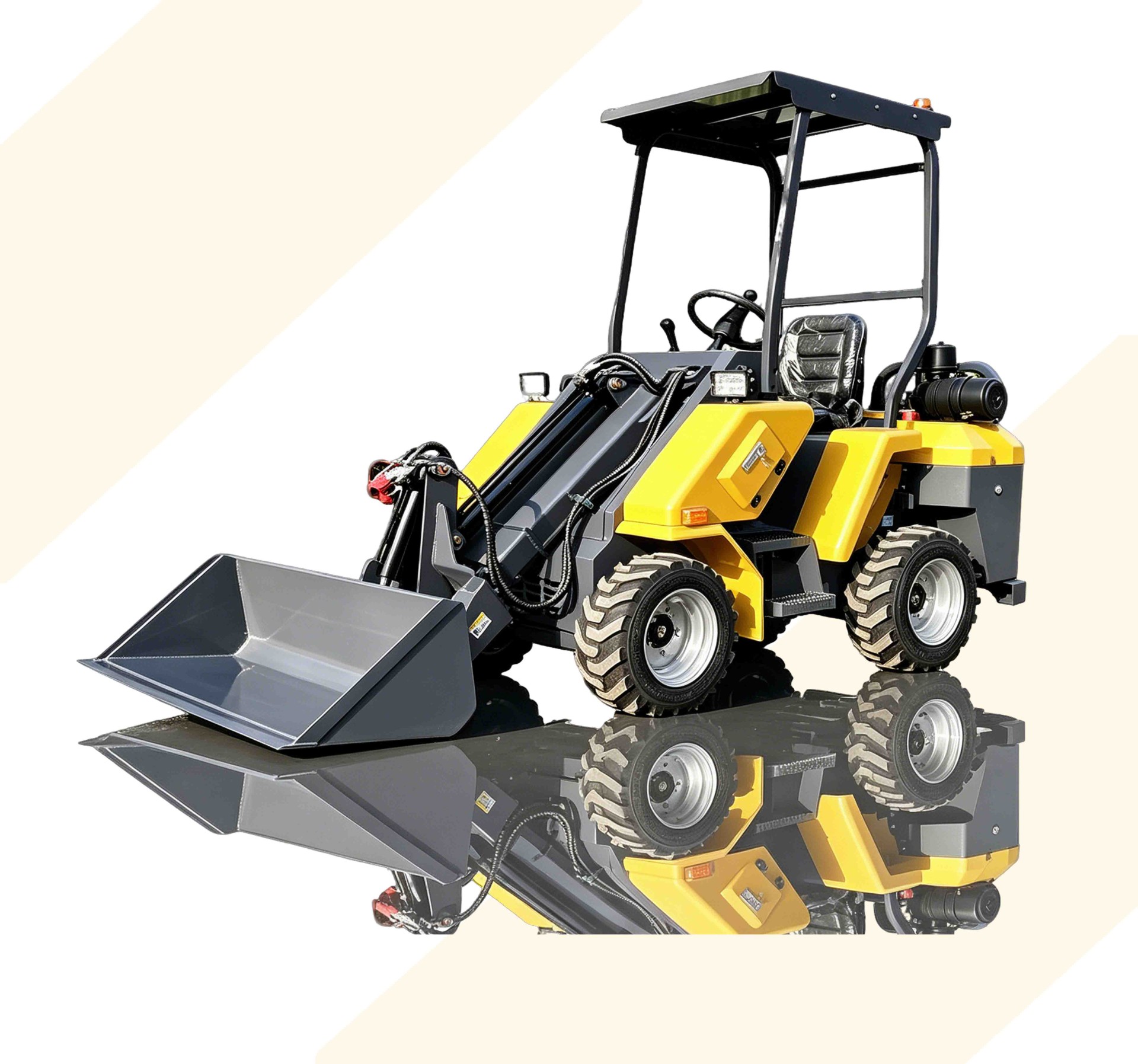
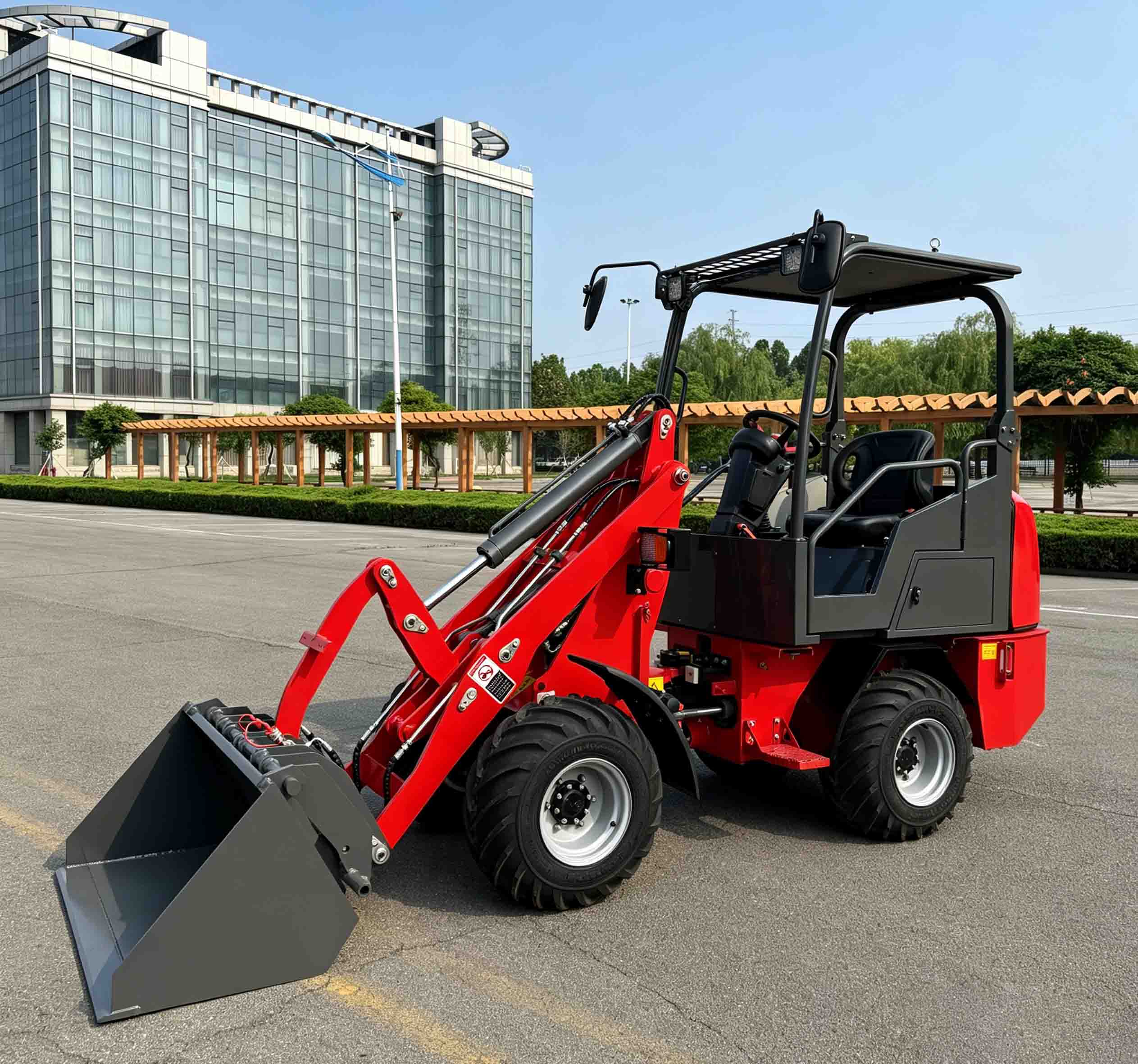
A common misconception among overseas buyers is: "It's electric, so it needs no maintenance." This is a dangerous assumption. While the Xinghang XHD08 0.8T Electric Loader eliminates messy engine oil changes, it still relies on a sophisticated 72V high-voltage system, a high-power hydraulic system, and structural components that demand scientific care.
For rental fleets and high-intensity users, proper maintenance isn't just about avoiding breakdowns; it's about preserving battery health, maintaining motor efficiency, and securing a high resale value three to five years down the road. Based on Xinghang’s official technical manuals and adapted for international best practices, here is your definitive "Lifetime Care Checklist" for the XHD08.
H2: Caring for the 72V Battery Pack — Protecting the "Heart"
The battery is the most expensive component. Its health dictates your uptime. The XHD08 uses a 72V/200Ah (6-EVF-203A) Lead-Acid battery pack (LiFePO4 optional).
1. Charging Habits: Avoid Deep Discharge
Partial Charging Principle: Never drain the battery to empty before recharging. Plug in when the dashboard shows 20%-30% remaining. Deep discharging causes irreversible sulfation on lead plates, killing battery life.
Use OEM Chargers Only: Always use the supplied 72V charger. Mismatched voltage or amperage can lead to chronic undercharging or dangerous overcharging (swelling/leakage).
Environment: Charge in a dry, well-ventilated area. Avoid direct rain exposure or extreme heat (>113°F / 45°C). For Lithium versions, avoid charging in freezing temperatures (<32°F / 0°C) unless the battery has a self-heating function.
2. Storage Strategy: Prevent "Stranded" Batteries
Long-Term Storage: If idle for more than two weeks, do not store in a discharged state. Fully charge the batteries first, then disconnect the main battery disconnect switch (if equipped).
Top-Up Charging: During storage, recharge the batteries once a month. Lead-acid batteries self-discharge; letting them sit dead leads to sulfation, rendering them unrecoverable.
3. Physical Inspection: Prevent Accidental Shorts
Keep it Dry: Regularly check the battery compartment for standing water, mud, or metal shavings. Contaminated terminals can cause short circuits, potentially frying the controller.
Terminal Torque: Every quarter, inspect battery terminals for looseness or corrosion (white/green powder). Clean corrosion with a baking soda/water solution or a wire brush, apply dielectric grease, and re-tighten nuts to spec.
Maintaining the Motor System — Preserving the "Muscle"
The XHD08 features robust 5KW drive and 5KW hydraulic motors (flat-wire tech). They are reliable but need attention.
1. Thermal Management: Keep it Cool
Clear Debris: The motor fins act as heat sinks. On farms or construction sites, twine, plastic film, and tall grass wrap around the motor shaft and clog fins. Clean this debris after every shift. Overheating is the #1 killer of electric motors.
Listen for Noise: A healthy motor hums smoothly. Grinding, squealing, or excessive vibration indicates worn bearings. Stop immediately to prevent catastrophic failure.
2. Moisture Protection: Respect the Seals
Washing: While motors have IP ratings, avoid high-pressure sprayers aimed directly at seams, conduit boxes, or end caps. High-pressure water can breach seals and short windings. Use low-pressure rinsing or wipe-downs.
Hydraulic System Stewardship — Ensuring "Power"
The hydraulic system is the muscle. With a 30L reservoir and 5KW pump, it’s strong—but vulnerable to contamination.
1. Fluid Health: The Blood Test
Level Check: Before every shift, verify the hydraulic oil level on the dipstick. Low levels cause cavitation (air bubbles), destroying the hydraulic pump. High levels cause overheating and leaks.
Condition Check: Healthy oil is clear amber. If it looks dark brown, milky (emulsified), or smells burnt, it’s contaminated or oxidized. Change it immediately. Recommended interval: Every 1000 hours or annually.
2. Filtration: The Kidney Function
Return Filter: Traps wear particles. Replace every 500 hours or 6 months.
Suction Strainer: Located inside the tank, protects the pump. Replace every 1000 hours or annually.
Fill Screen: Ensure the screen in the fill neck is intact every time you add oil to prevent contamination.
3. Hose Integrity: No Leaks Allowed
Daily visual inspection of hoses for bulges, cracks, chafing, or leaks at fittings. Tighten loose fittings promptly. Replace cracked hoses immediately—hydraulic oil leaks are a fire hazard and lose system pressure.
Chassis & Undercarriage — The Foundation
Power is useless if the frame falls apart. The XHD08’s 1980kg operating weight stresses the chassis.
1. Tire Care: Traction Matters
Pressure: The 26 * 1200-12 tires require 0.3 MPa (43 PSI). Under-inflation causes sluggish handling, excessive sidewall flex (heat buildup), and rim damage. Over-inflation reduces traction and causes center-tread wear. Check weekly.
Physical Check: Remove embedded stones/nails. Look for cuts, bulges, or uneven wear patterns (which indicate alignment issues).
2. Articulation Point Lubrication: Stop the Squeaks
Daily Greasing: The central articulation joint bears immense stress. Grease this pivot point daily, along with all cylinder rod ends (turn buckles). Proper greasing prevents metal-on-metal wear, keeping the machine tight and responsive.
Steering: Check for smooth operation. Look for bent tie rods or leaking steering cylinder seals.
3. Braking System: Safety First
Brake Fluid: Capacity is 0.8L. Check the reservoir level (between MIN/MAX marks). Brake fluid is hygroscopic (absorbs water), lowering its boiling point and causing brake fade. Flush and replace every 2 years.
Pad Wear: Inspect brake pad thickness. If worn below 5mm (3/16"), replace immediately to prevent rotor damage or failure.
Seasonal Maintenance Checklist
Summer Heat: Monitor motor, controller, and hydraulic fluid temperatures. Avoid prolonged heavy loading that triggers thermal shutdown. Ensure cooling fans are functional.
Winter Cold: Cold weather reduces battery capacity (normal for Lead-Acid and Li-ion). Store and charge in a warmer location if possible. Allow the machine to warm up at low RPM for a few minutes before heavy lifting. Cold oil is thick; avoid high-load operations until the oil warms up.
Conclusion: Maintenance is an Investment, Not an Expense
For a professional machine like the XHD08, maintenance is a high-return investment. A well-maintained unit retains thousands of dollars more in resale value than a neglected one. More importantly, it provides reliable productivity day after day.
Print this guide and post it in your operator's cabin. Train your team on the "Pre-Start Checklist." For detailed service manuals or video tutorials, contact the Xinghang support team anytime.
Contact Us:
Jining Xinghang Machinery Manufacturing Co., Ltd.
Factory Address: No. 3 Ziwei Road, Yanzhou District, Jining City, Shandong Province, China
Tel: +86 15154750580
Email: admin@xinghangmachinery.com
Website: |