 Chinese
 English
 Russian
Introduction: Safety as a Strategic Business Imperative
In the modern construction and landscaping industries, safety is no longer just a moral obligation—it is a critical financial metric. Regulatory bodies such as OSHA in the United States, the UK’s Health and Safety Executive (HSE), and similar institutions worldwide enforce stringent standards. A single incident involving a compact dumper can trigger a cascade of catastrophic consequences: six-figure fines, protracted legal battles, project shutdowns, and irreversible reputational damage. While operator training and site protocols are essential, the equipment itself serves as the first and last line of defense against accidents. Unfortunately, many low-cost imported machines lack fundamental safety engineering, treating protective features as expensive afterthoughts.
The Xinghang Series of Compact Dumpers is designed around a "Safety by Design" philosophy. We believe that robust safety features should be standard, not optional. By integrating advanced stability controls, hydraulic safeguards, enhanced visibility, and operator protection systems into every machine, we provide more than just compliance with international standards; we provide peace of mind. This article explores the multi-layered safety architecture of our dumpers, detailing how our engineering choices actively mitigate risks, protect your most valuable assets—your people—and fortify your bottom line against the devastating costs of workplace incidents.
Stability Engineering: Combating the Risk of Rollovers
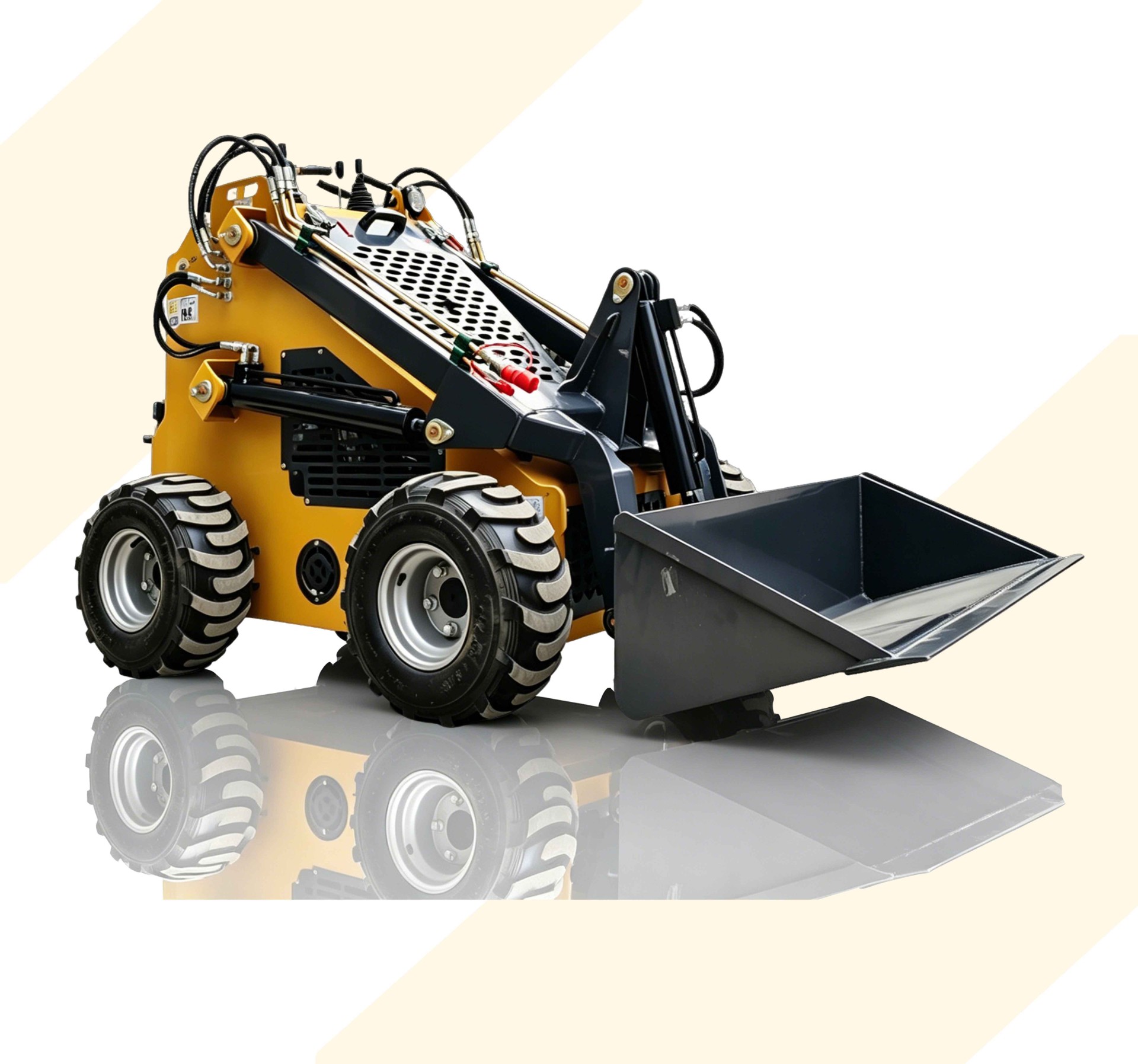
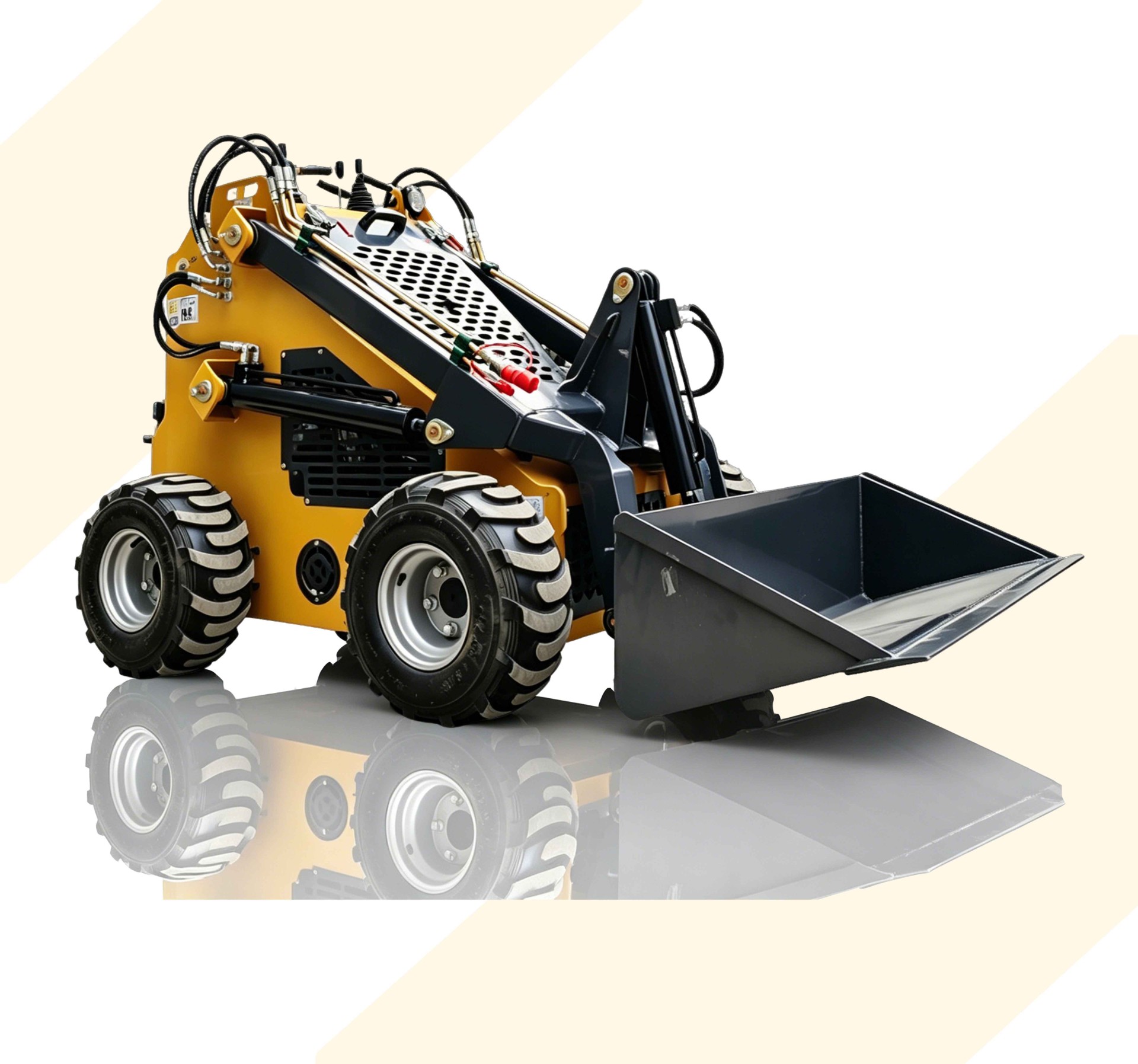
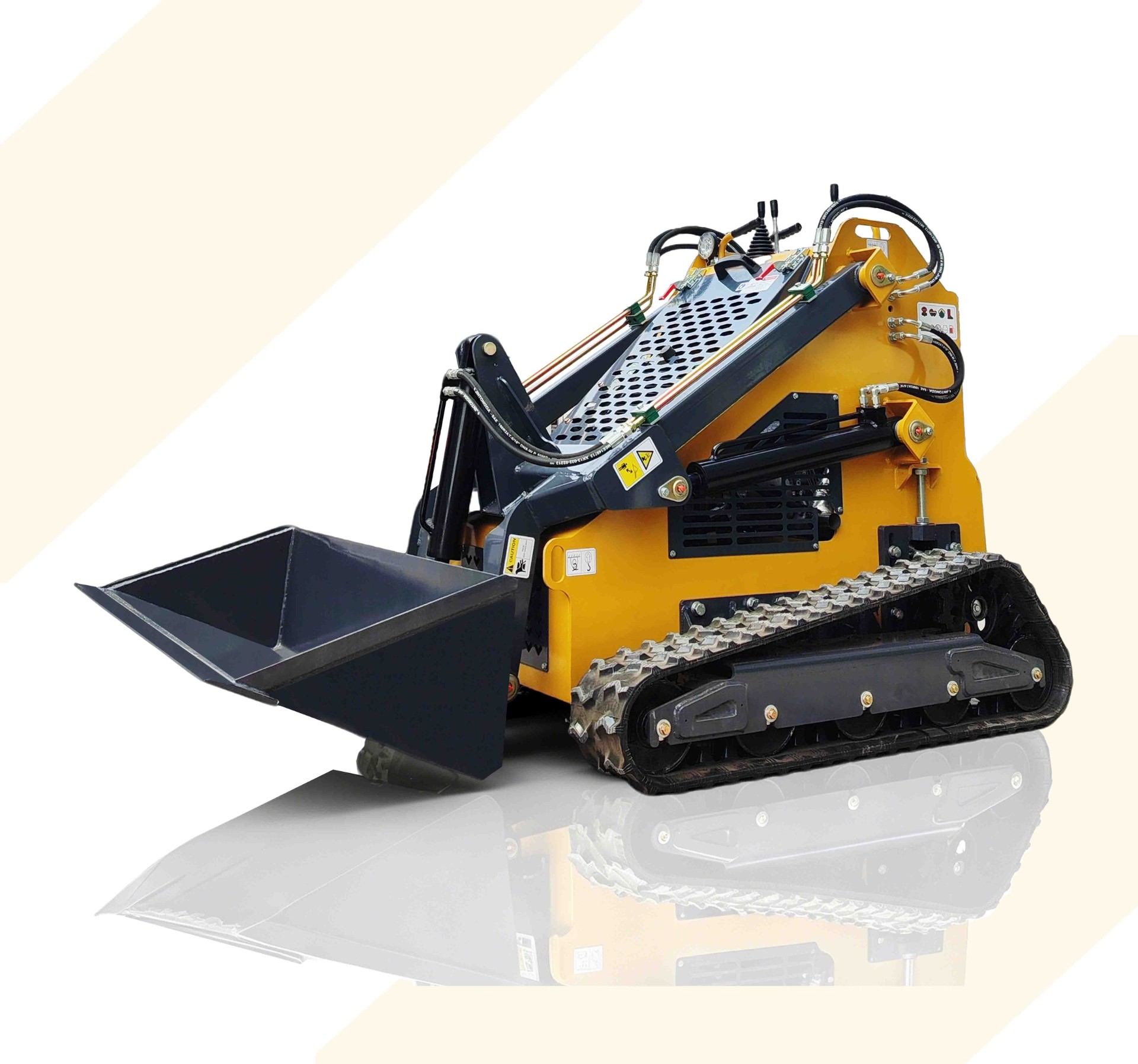
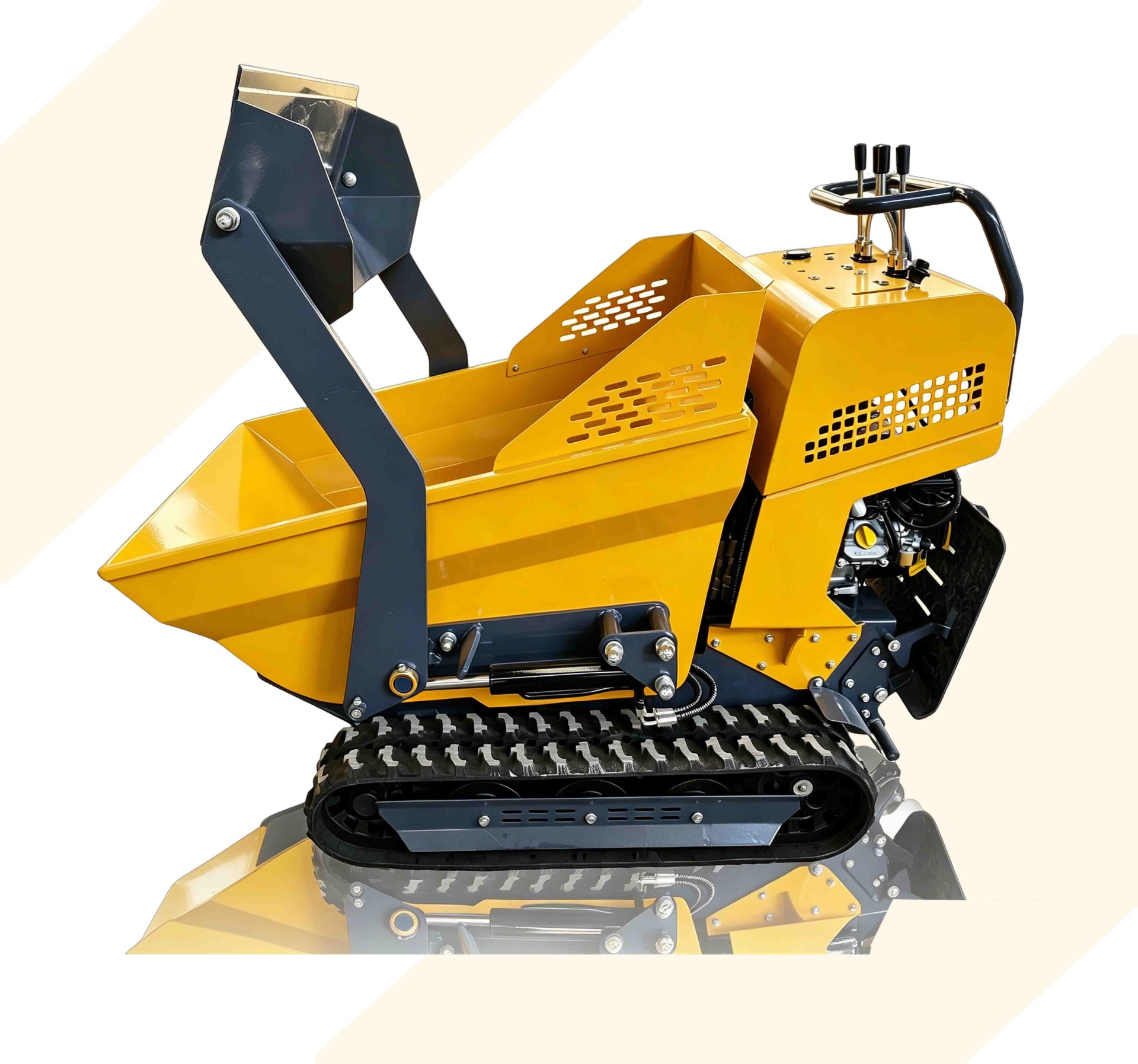
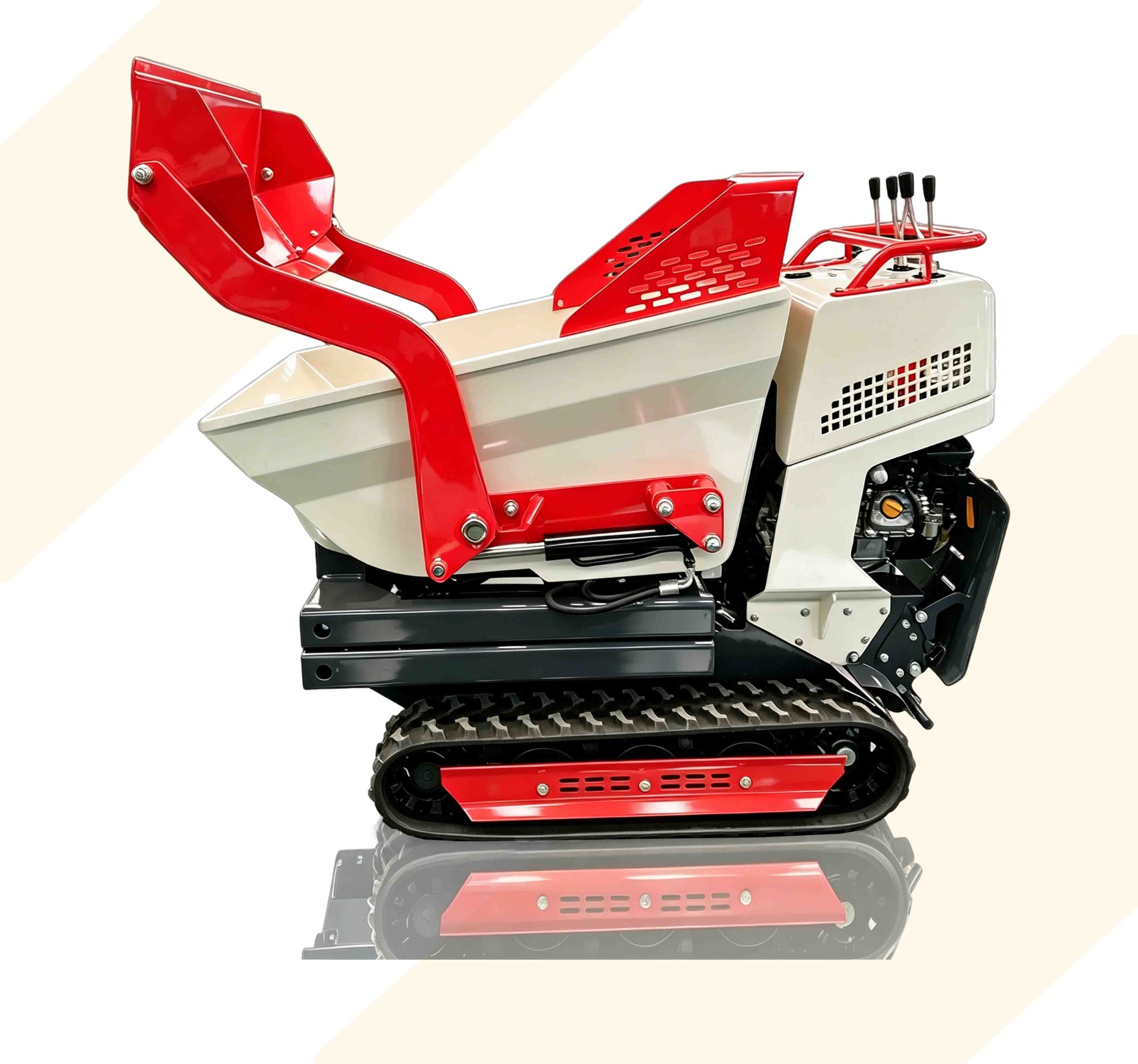
Rollovers are the leading cause of fatalities involving compact dumpers, particularly on uneven terrain or when operating on slopes. Xinghang engineers address this primary hazard through meticulous chassis design. Our machines feature an exceptionally Low Center of Gravity (LCG). By strategically positioning heavy components like the engine, hydraulic reservoirs, and the transmission low within the frame, we significantly lower the pivot point for potential tipping. This is coupled with a wide 520mm track center distance, which creates a broad, stable "footprint" that resists lateral movement.
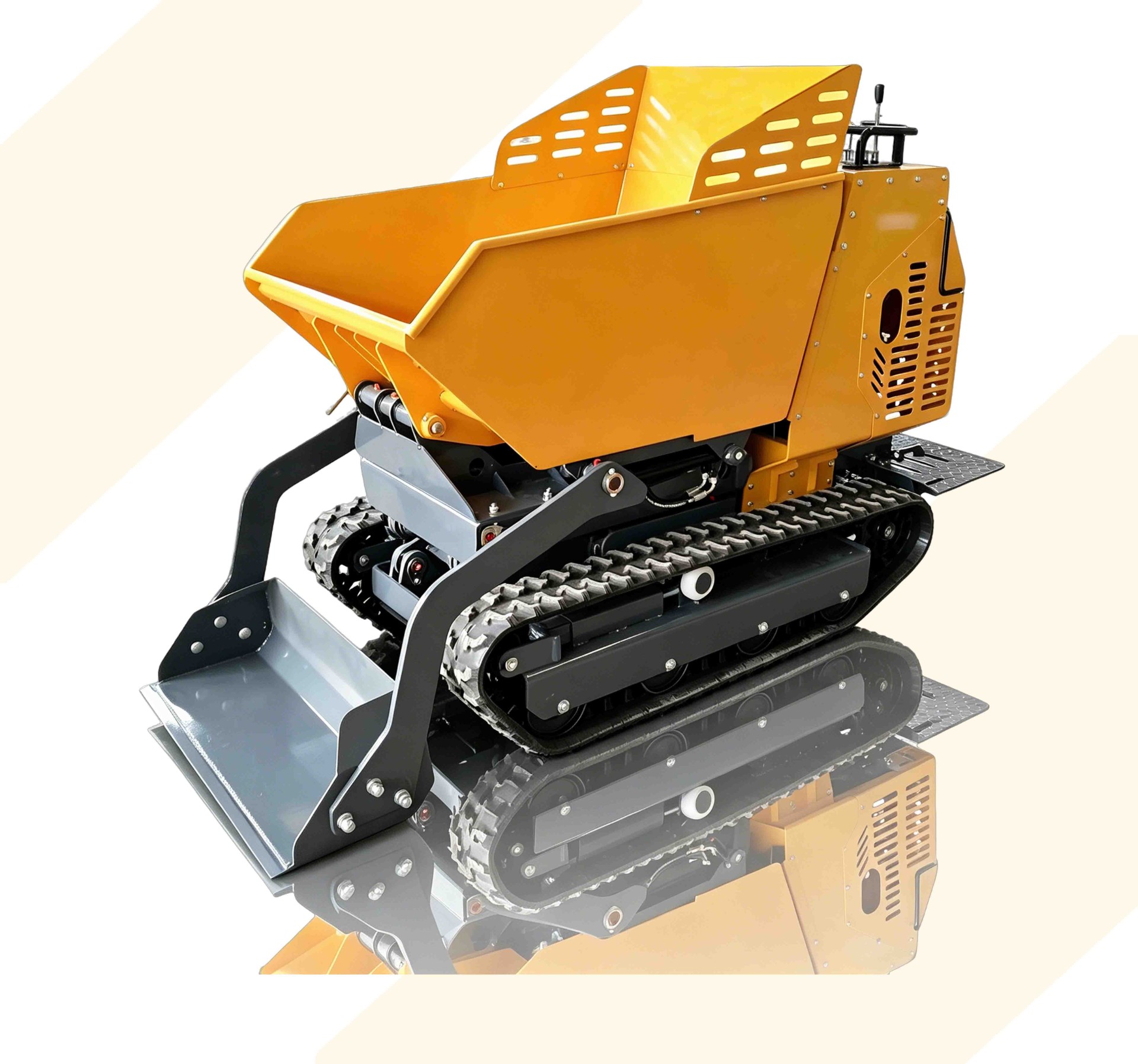
To quantify this safety margin, our engineering team utilizes advanced Dynamic Stability Simulation. We certify that our dumpers maintain stability even when operating on slopes of up to 20 degrees with a full payload. Furthermore, the Hydraulic Self-Dumping System enhances operational safety. Unlike manual tip-up dumpers that require the operator to manually lift and guide heavy loads—placing them directly in the "Drop Zone"—our hydraulic cylinders control the entire descent of the skip. Should a hydraulic line fail unexpectedly, integral counterbalance valves (also known as hydraulic locks) prevent the loader arm from crashing down. This redundant safety feature protects not only the operator but also any ground personnel working in the vicinity, effectively eliminating a common cause of crushing injuries.
Hydraulic Safety and Controlled Force
Hydraulics provide the muscle for a dumper, but uncontrolled hydraulic force is a major hazard. Xinghang incorporates multiple safeguards to ensure hydraulic power is always contained and controlled. All hydraulic hoses are rated for pressures exceeding the system's maximum operating pressure by a significant margin and are protected by abrasion-resistant sleeving in high-wear areas. This prevents ruptures caused by rubbing against tracks, steel edges, or debris.
A critical safety feature is the implementation of load-sensing technology in our hydraulic circuits. The system is calibrated to prevent the dumper from attempting to lift loads that exceed its rated capacity, protecting the hydraulic components from over-pressure stress and preventing dangerous instability. Additionally, all control valves are housed in a sealed, pressurized manifold, minimizing the risk of external contamination causing valve sticking—a scenario that could lead to unintended machine movement. During maintenance, clearly labeled service ports allow for the safe bleeding of pressure before any hose disconnection, ensuring technician safety. By prioritizing hydraulic integrity, we ensure that the immense power of the machine remains a precise, predictable, and safe tool.
Visibility and Ergonomic Controls: Reducing Cognitive Load
Accidents often occur when operators are fatigued or overwhelmed by a cluttered workspace. Xinghang enhances safety by optimizing the operator's environment. Standard High-Intensity LED Work Lights illuminate the path ahead and the dump zone, ensuring clear visibility during early morning, late evening, or in dimly lit interior demolition sites. The operator platform is designed with non-slip diamond plate steel, providing secure footing even in slippery conditions caused by mud, oil, or ice.
The control layout is a study in ergonomic simplicity. All primary functions—drive, steer, and dump—are operated via a single, centrally located joystick or lever. This minimizes the need for the operator to twist or reposition, reducing physical strain and allowing them to keep their eyes on the work area. The instrument panel is intuitive, providing clear feedback on engine hours, fuel levels, and any fault codes. By reducing cognitive load and physical fatigue, we help operators remain alert and responsive, significantly decreasing the likelihood of errors that lead to accidents. A comfortable operator is a safe operator, and our cab-forward design reflects this principle.
Noise Attenuation and Environmental Protection
Prolonged exposure to high noise levels is a leading cause of industrial deafness claims, a hidden liability for many contractors. Xinghang addresses this through comprehensive acoustic dampening engineering. Our engine enclosures are lined with high-density, fire-retardant sound-absorbing foam. Combined with precision-balanced engines and isolated mounting systems, we maintain operational noise levels well below the 85 dB(A) threshold mandated by EU directives and recommended by OSHA. This protects the operator's hearing and reduces noise pollution on sensitive urban job sites.
Furthermore, we incorporate environmental safeguards to prevent secondary accidents. The fuel and hydraulic tanks are equipped with secondary containment baffles to minimize spillage in the event of a tip-over. All fluids used meet biodegradable standards where possible, reducing environmental impact in case of a leak. The exhaust systems are routed away from the operator platform and shielded to prevent accidental burns. These features demonstrate our holistic approach to safety—protecting not just the operator, but the environment and the public as well.
Structural Protection and ROPS/FOPS Readiness
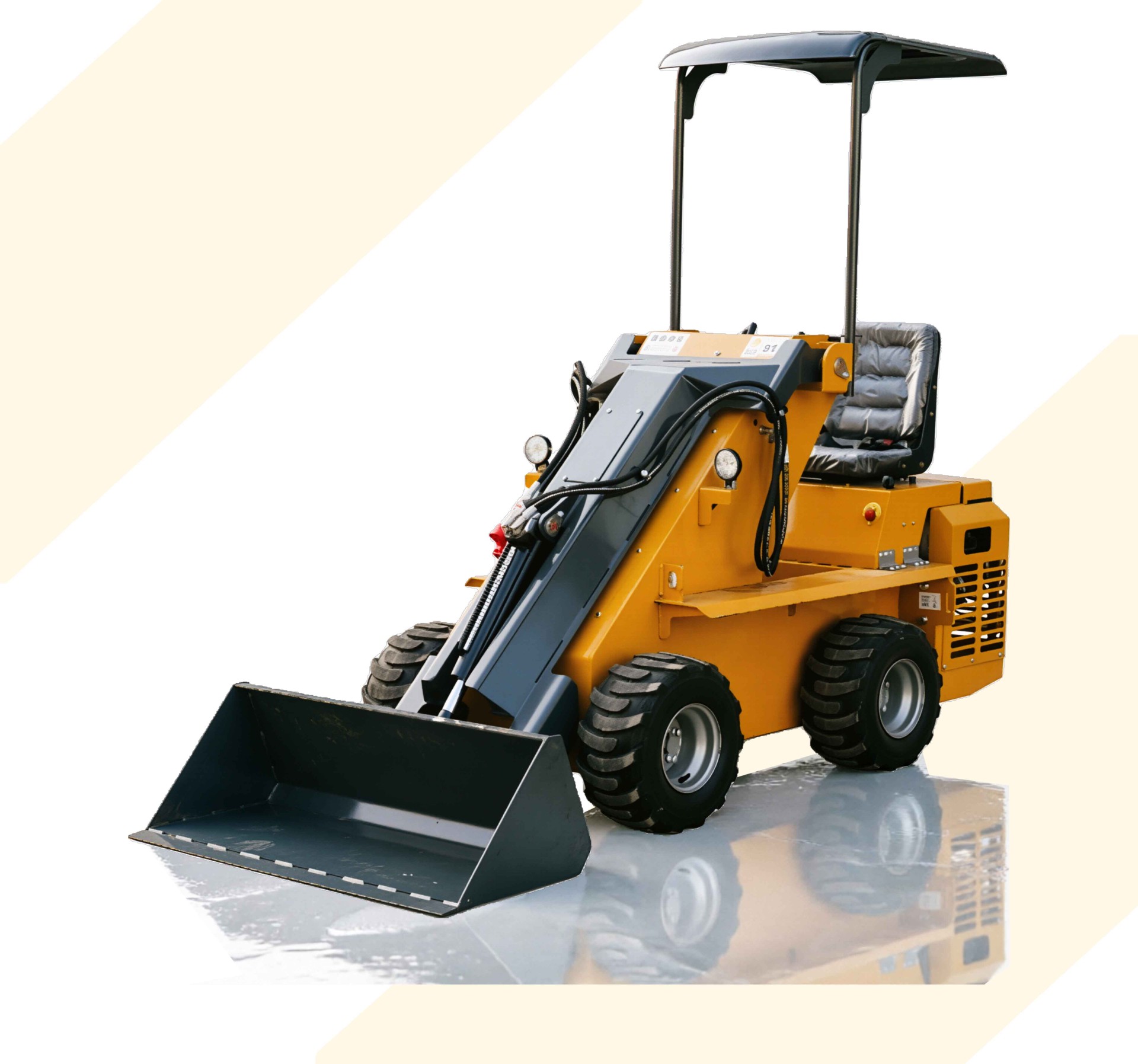
While prevention is the goal, protection in a worst-case scenario is essential. The Xinghang chassis is constructed from high-tensile, heavy-gauge steel, forming a rigid protective cage around critical components. For operators working under hazardous conditions, such as in demolition zones or near overhead lifting, our XHT1000 and XHT750 models come standard with ROPS/FOPS (Rollover and Falling Object Protective Structures) mounting points. These certified brackets allow for the quick installation of a protective canopy, ensuring the operator has a survival space in the event of a rollover or falling debris.
All glass (where applicable) and lighting lenses are made from shatter-resistant polycarbonate or tempered materials. Safety decals are prominently displayed in multiple languages, reminding operators of best practices. Finally, our commitment extends to providing comprehensive Safety Operation Manuals and risk assessment templates, empowering our clients to build a robust safety culture from the ground up. With Xinghang, you are investing in a machine engineered to protect, ensuring that every shift ends with your team going home safely.