 Chinese
 English
 Russian
Winter Survival Guide for Electric Loaders: Battery Care & Performance in Extreme Cold
As electric loaders gain popularity in frigid regions like Russia, Canada, Scandinavia, and Northeast China, a critical technical challenge emerges: battery degradation in low temperatures. Many overseas buyers report normal summer performance but face drastic range "halving," slow charging, or even no-start conditions in winter. As a specialist in construction machinery, Jining Xinghang Machinery Manufacturing Co., Ltd. has simulated extreme -35°C conditions at our Yanzhou, Jining test track, accumulating rich experience in cold-weather operations. Based on battery chemistry, here is your professional winter survival guide.
The Physical Impact of Cold on Batteries
First, understand why batteries dislike the cold. While Lithium Iron Phosphate (LFP) batteries perform excellently in moderate climates, their internal electrolyte viscosity increases in the cold, slowing lithium-ion migration and increasing "internal resistance."
Capacity Loss: At -10°C, available capacity may drop to 90% of the常温 rate; at -20°C, it might fall to 80%.
Reduced Charge/Discharge Efficiency: Charging in the cold can cause lithium plating on the anode surface, forming "dendrites" that pierce the separator and cause shorts—a leading cause of winter battery failure.
Sluggish Power Response: To protect the cells, the BMS (Battery Management System) limits discharge current in low temps, making the machine feel "underpowered."
Xinghang's Solution: Active & Passive Insulation
To combat cold-weather pain points, Jining Xinghang integrates several patented technologies into our new-generation electric loaders:
Battery Thermal Management System (BTMS): The core defense. We equip battery packs with a liquid heating circulation system. Before charging or operation, the system automatically activates a Positive Temperature Coefficient (PTC) heater to warm the battery to its optimal operating window (above 5°C). This solves starting issues and significantly boosts charging speed.
Insulation Blankets: We wrap battery enclosures, high-voltage harnesses, and water pipe connections in thick, flame-retardant thermal insulation. This acts like a "down jacket" for the battery, slowing heat loss during idle periods.
Waste Heat Recovery: During operation, motors and controllers generate heat. Xinghang's intelligent thermal system recycles this waste heat to warm the cabin and assist battery insulation, achieving cascaded energy utilization.
Operator Manual: The "Five Steps" for Winter Ops
Even the best equipment requires correct handling. We advise users in cold climates to follow these steps:
Preheat Before Startup: Upon entry, don't rush. Power on, let the BMS self-check, and activate the battery preheat function (if equipped). Wait until the dashboard shows the battery temperature above 0°C.
Slow Charge, Shallow Discharge: Avoid DC fast charging below -10°C, as it damages cells. Use AC slow charging and maintain a 20%-90% State of Charge (SoC) cycle. Avoid deep discharges.
Charge Immediately After Use: A recently operated machine has a warm battery—the most efficient time to charge and the lowest energy cost for heating. Never leave a machine for hours after work only to charge it when cold.
Indoor Storage: If possible, park indoors or in a sheltered bay. If outdoor parking is unavoidable, use an insulated engine cover.
Regular Balancing: Before long-term storage (over a week), fully charge the battery and disconnect the main power. Check voltage bi-weekly to prevent excessive cell voltage deviation.
Case Study: Siberian Mining Application
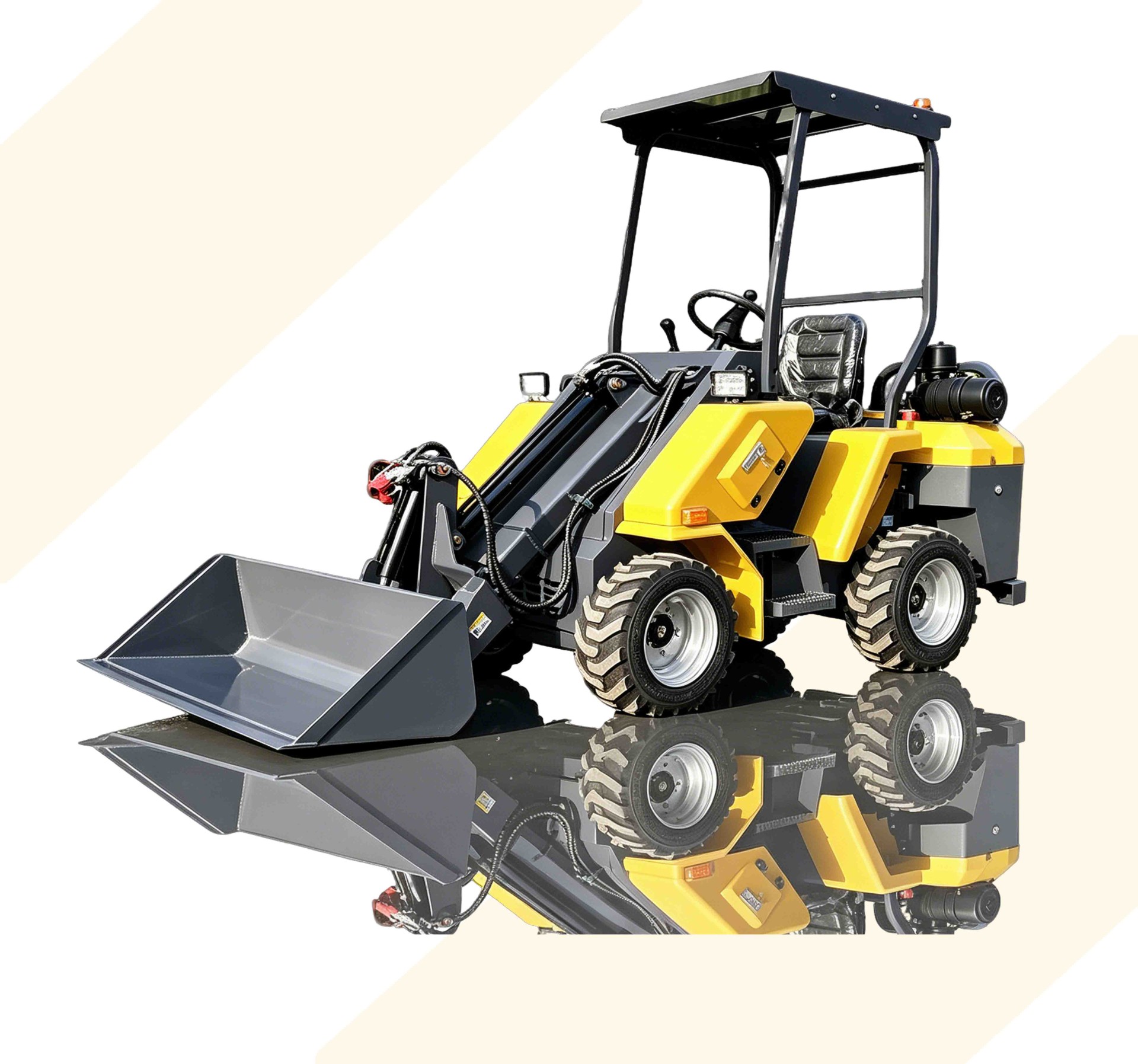
In early 2024, we dispatched a batch of 2-ton electric loaders equipped with cold-weather kits to Siberia, Russia. With average winter temperatures of -25°C and extremes hitting -40°C, remote monitoring showed that units with liquid heating systems achieved a 30% higher attendance rate than competitor models without them. The customer reported: "Xinghang machines start on the first try in the morning, while our other electric brands are still waiting for a jump start."
Procurement Advice
If your primary market is cold regions, confirm the following during inquiry:
Does the battery include a heating pad or liquid heating system?
Does the manufacturer offer low-temp electrolyte options?
What is the low-temperature rating of electrical components (contactors, fuses)?
Is the cab equipped with heating and defrosting?
Jining Xinghang Machinery Manufacturing Co., Ltd. provides not just globally adaptable equipment, but full life-cycle technical support. This winter, let our expertise help your fleet conquer the cold and stay profitable.