 Chinese
 English
 Russian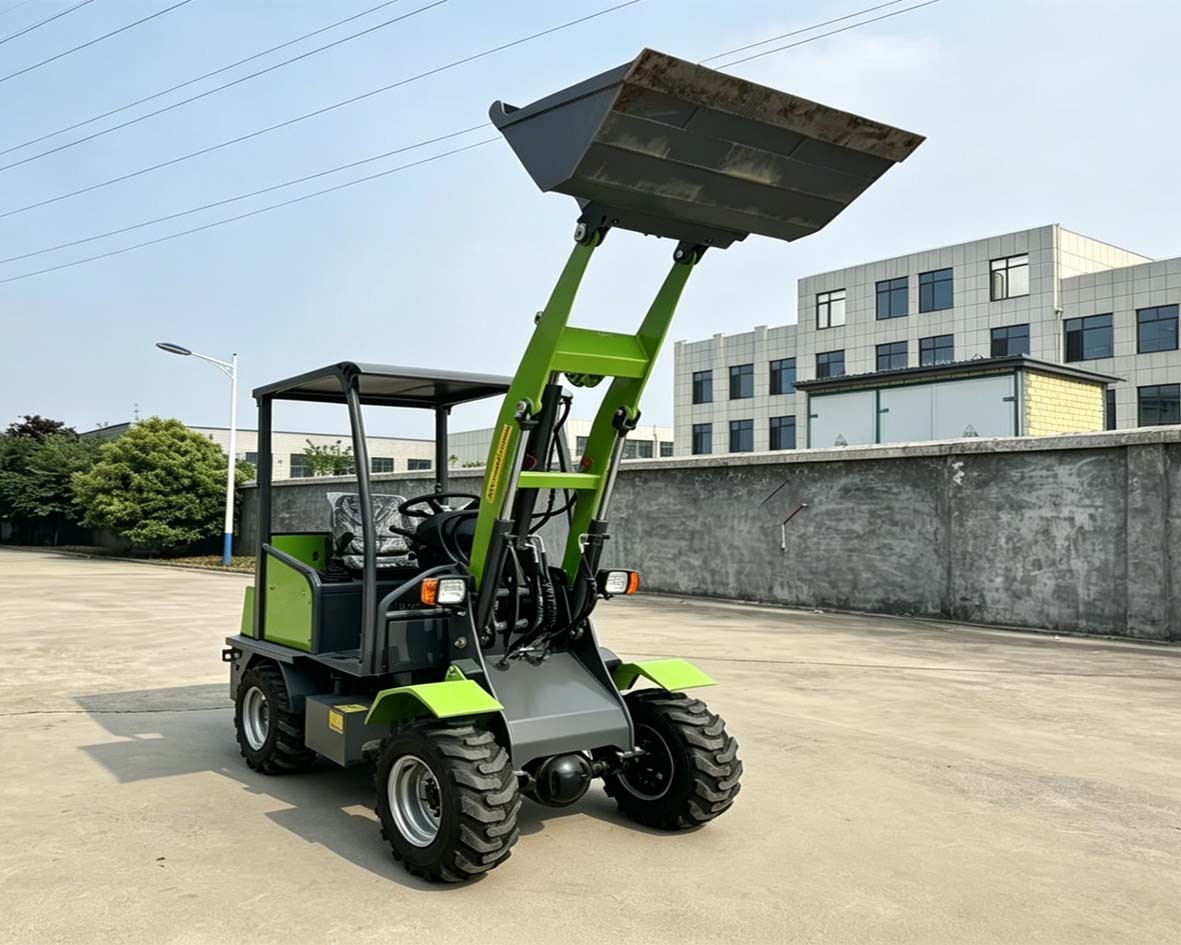
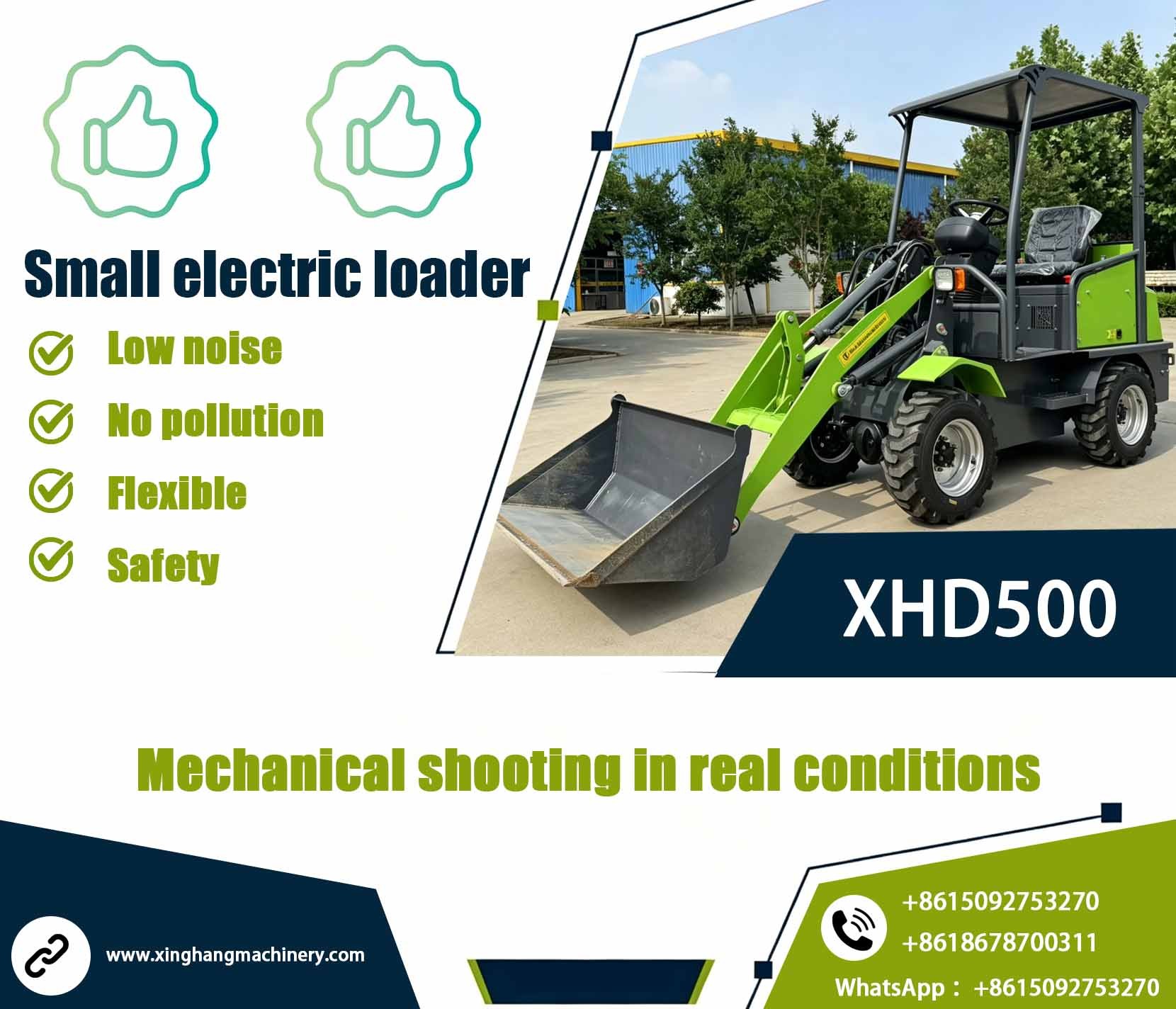
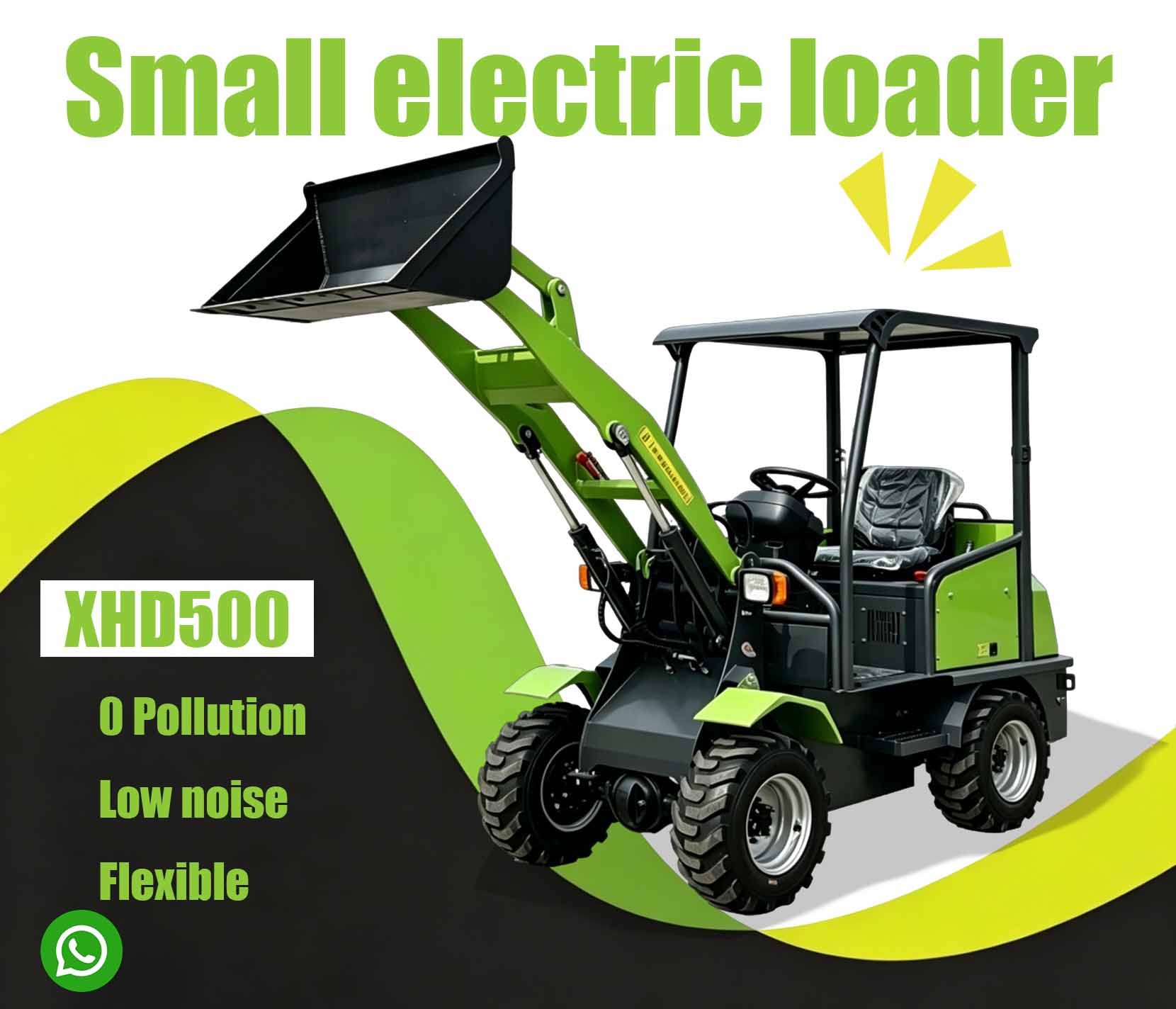
Driven by the dual forces of the global "Carbon Neutrality" strategy and increasingly stringent urban environmental regulations, the construction machinery industry is undergoing a profound energy transformation. Electric loaders, particularly compact and mini electric wheel loaders, are no longer mere low-cost substitutes for diesel engines; they are high-tech, high-value products representing the future of construction. For overseas contractors, farm owners, and municipal managers, understanding the positioning of electric loaders is key to capturing the next wave of market opportunities.
Traditional internal combustion engine (ICE) loaders have dominated the market for decades, yet their inherent drawbacks have become glaringly obvious in modern job sites: exhaust emissions restrict indoor use, high decibel levels lead to strict prohibitions on night work, and soaring fuel prices coupled with complex after-treatment systems have drastically inflated operating costs. It is against this backdrop that electric loaders have emerged. They are not simply diesel machines with the engine swapped for a motor; they represent a fundamental redesign of the machine's architecture.
Redefining "Compact Construction Equipment": From Merely "Small" to Exceptionally "Smart"
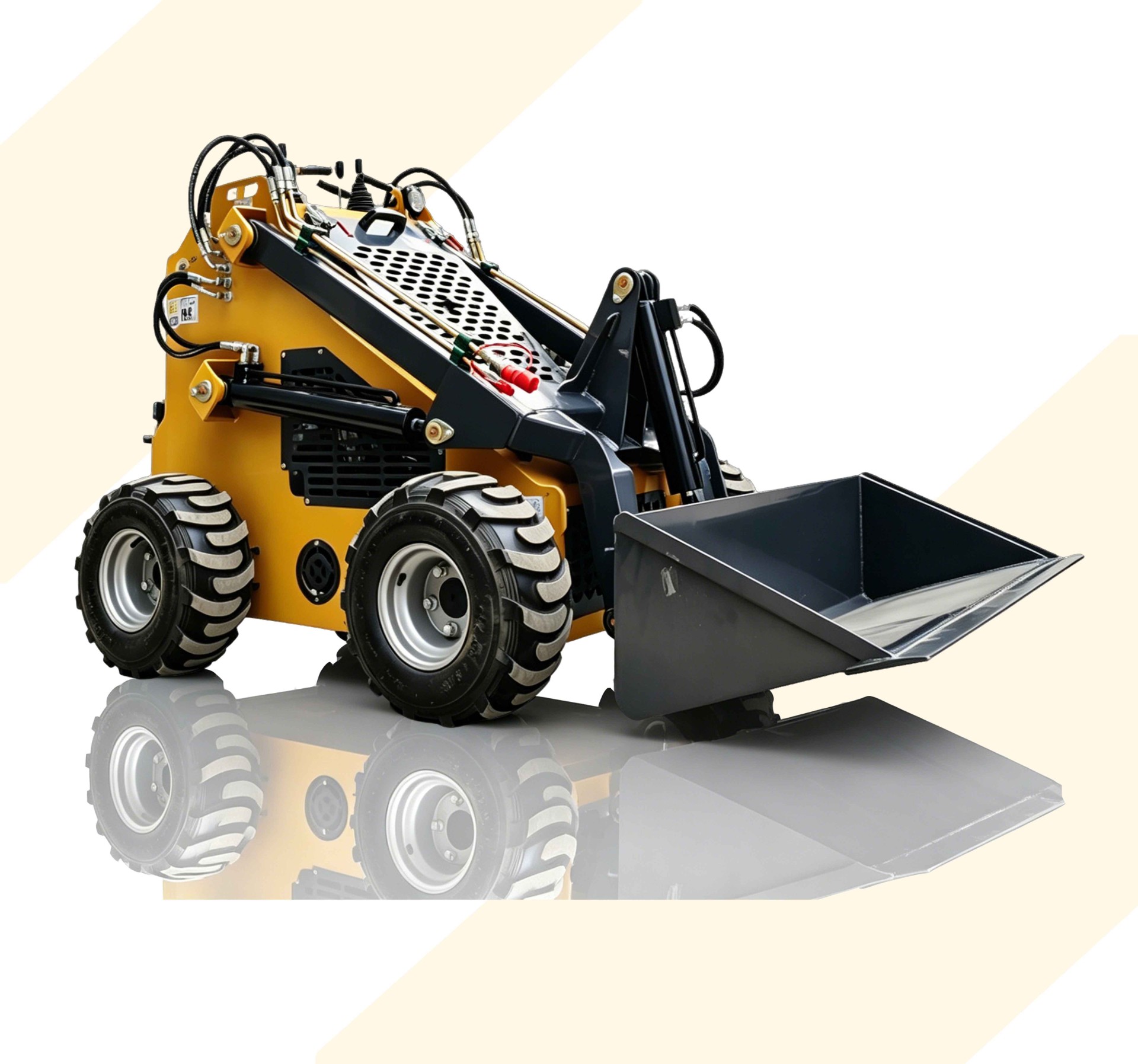
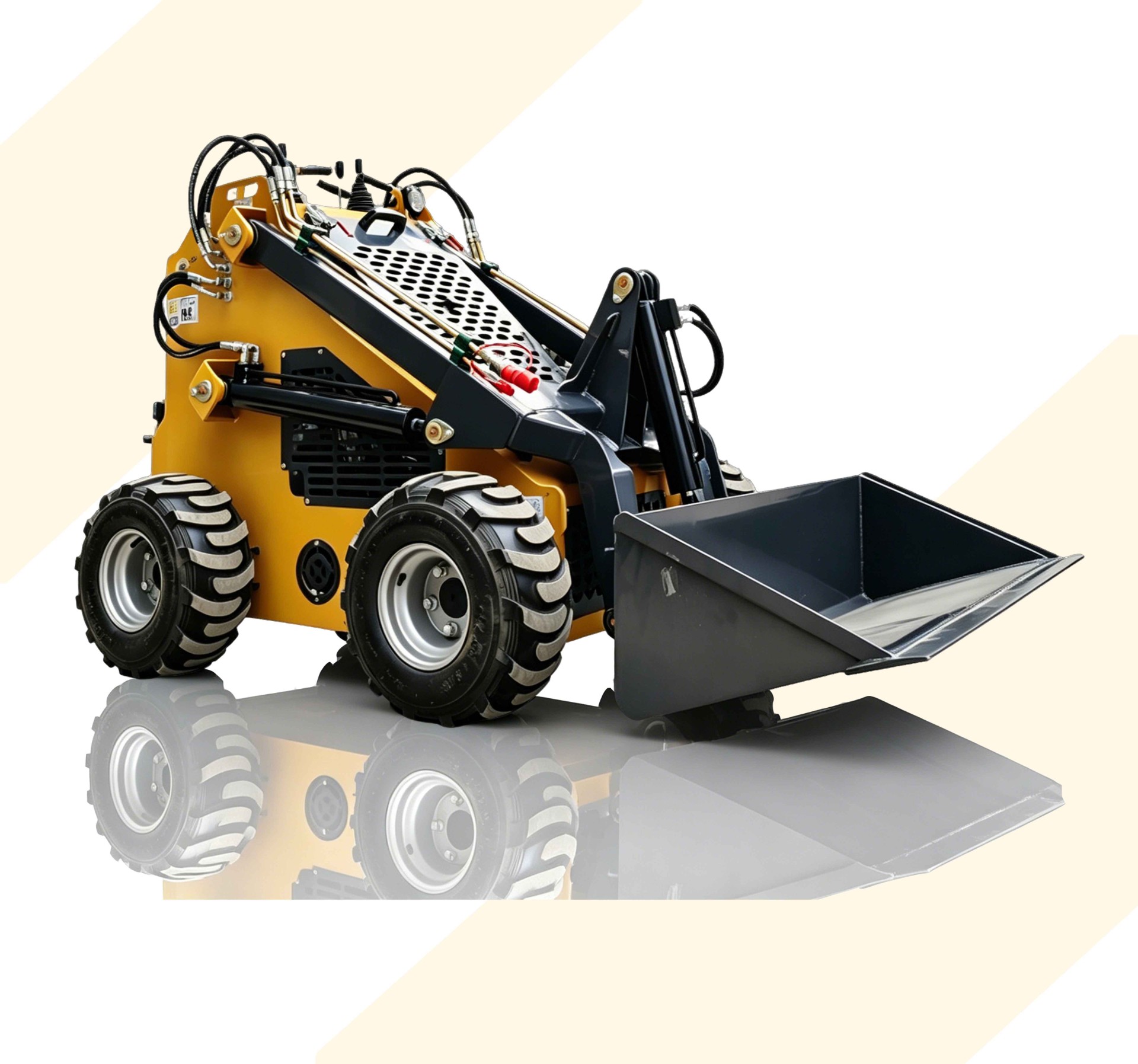
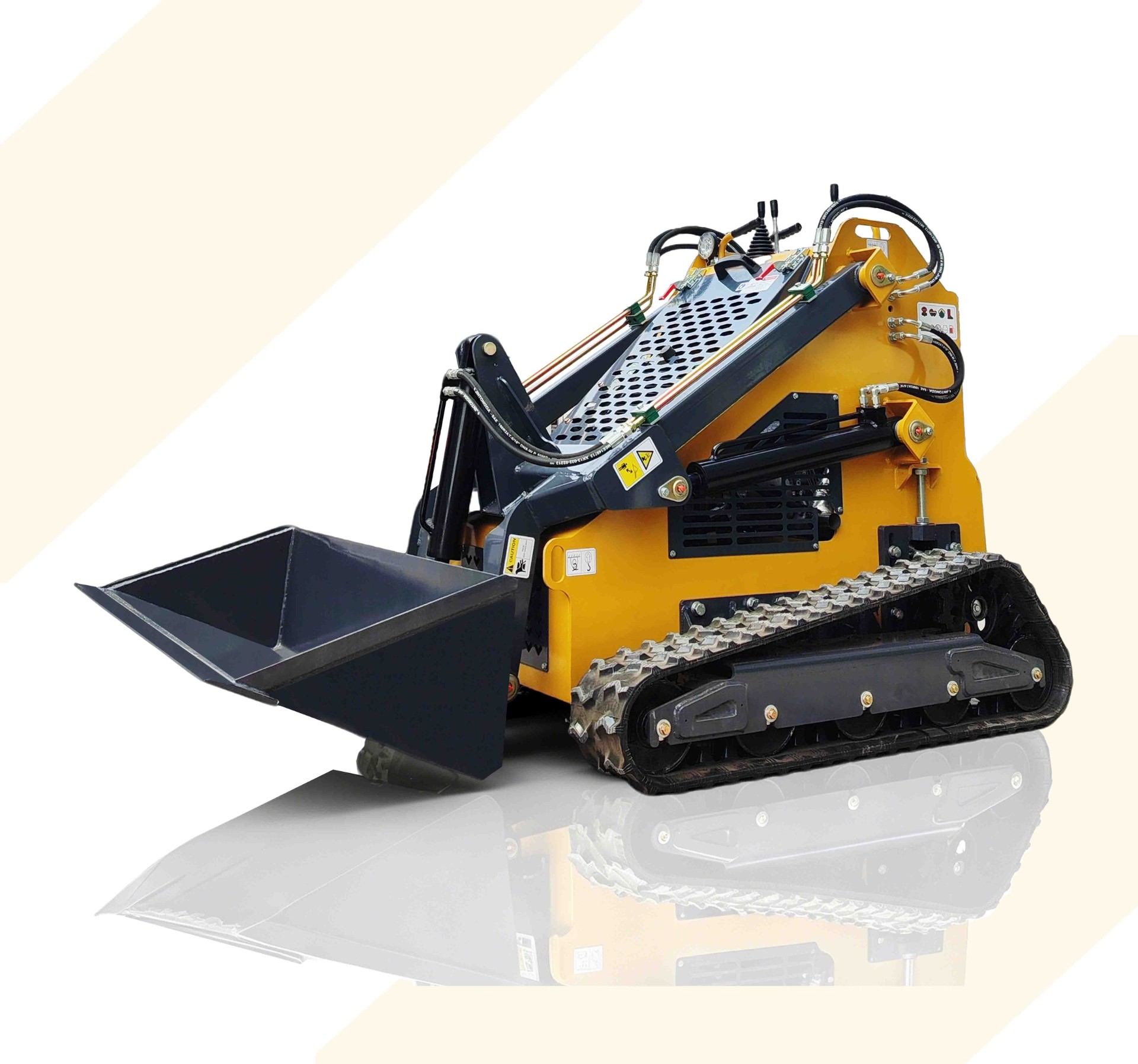
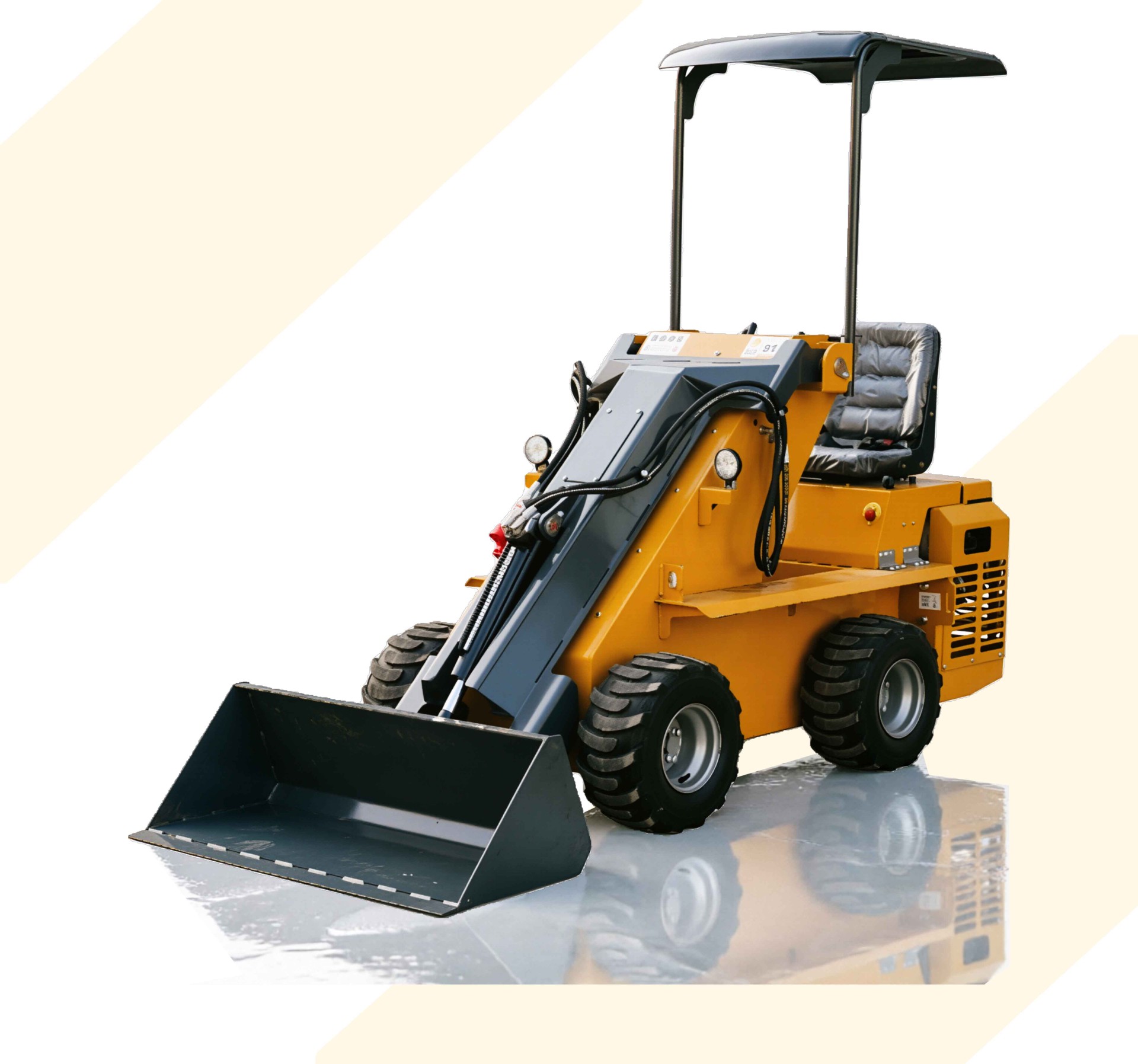
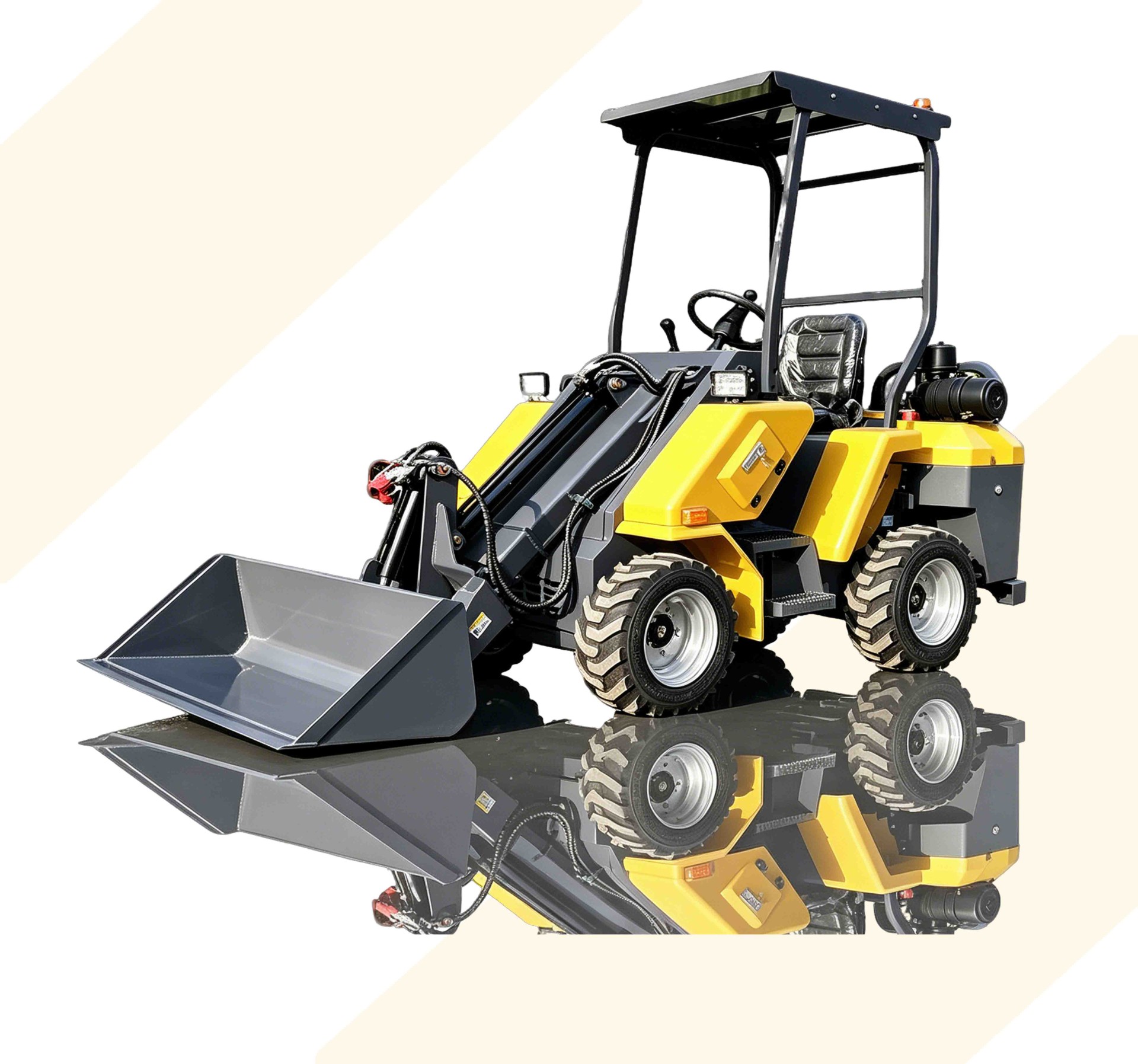
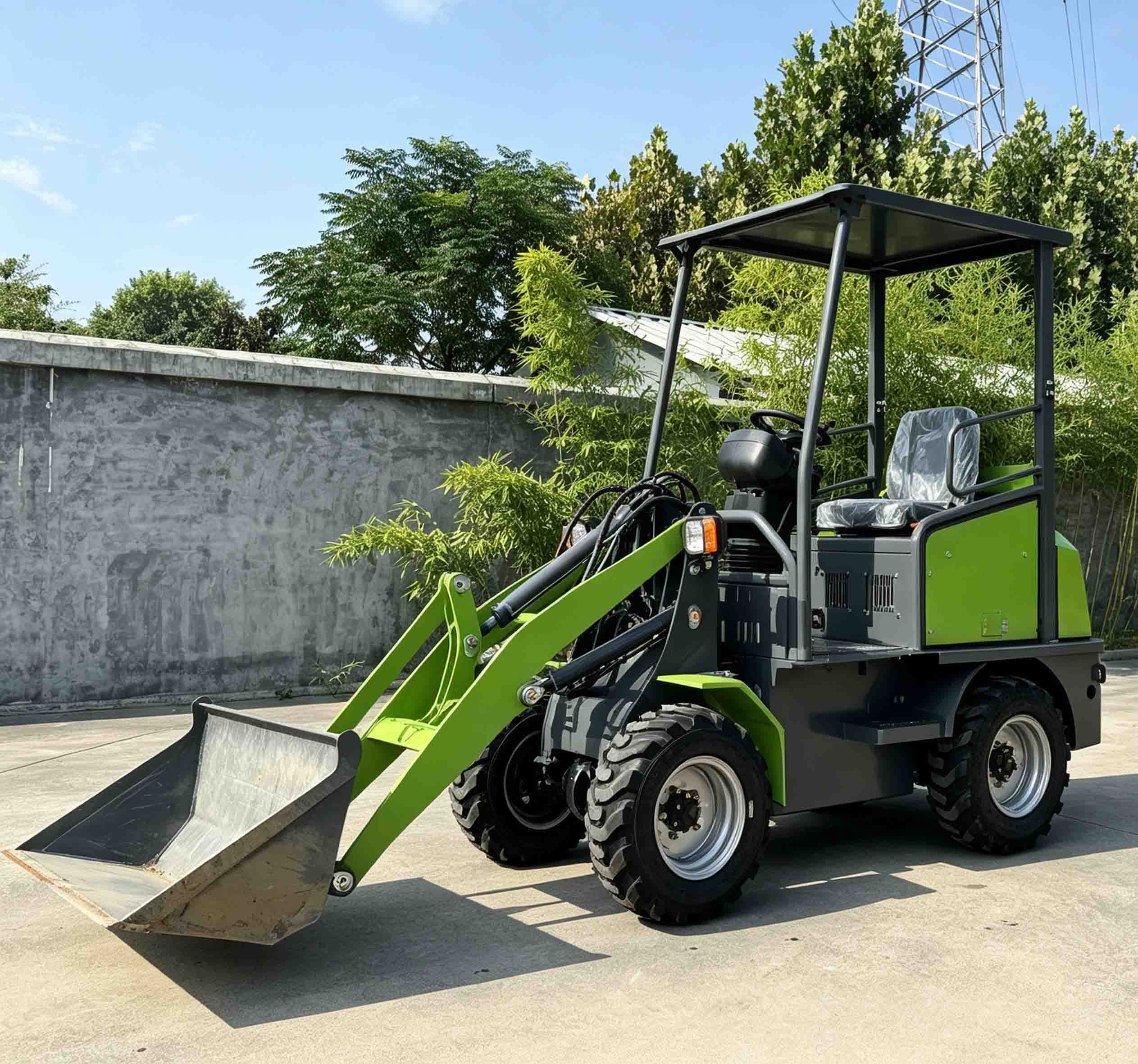
Early mini loaders often suffered from the perception of being "underpowered" and "single-function." However, modern electric loaders have shattered this stereotype through high-torque-density motors and intelligent electronic control systems. The primary positioning of electric loaders is as "Space Conquerors." Freed from the constraints of engine intake and exhaust systems, the overall structure can be designed with extreme compactness. For instance, many new models feature an overall width of less than 1 meter, allowing them to effortlessly access greenhouses, narrow basement passages, elevator cabs, and congested urban sidewalks.
Secondly, they are positioned as "Environmental Stewards." In developed markets like Europe and North America, mandatory clauses for "Zero Emissions" and "Low Noise" are increasingly prevalent in municipal tender documents. Electric loaders produce zero tailpipe emissions, which is critical for operations in confined spaces such as underground parking garages, tunnels, and food processing plants. Concurrently, their operational noise is typically kept below 70 decibels—significantly lower than the 85-95 decibels of diesel engines. This means when performing emergency pipeline repairs in residential areas or nighttime snow removal, electric loaders are unlikely to trigger public complaints, thereby greatly enhancing operational flexibility and continuity.
Core Advantage 1: A Generational Leap in Energy Efficiency and Economics
The most tangible advantage of electric loaders lies in energy conversion efficiency. Diesel engines typically convert only 30%-40% of fuel energy into mechanical work, with the majority lost as heat. In contrast, electric motors boast an efficiency rate of 85%-95%. This means that for the same amount of work output, electric loaders consume significantly less energy than their diesel counterparts.
From a Total Cost of Ownership (TCO) perspective, the advantages are even more pronounced. While the initial purchase price may be 20%-30% higher, fuel costs for electricity are generally only 1/4 to 1/5 of diesel expenses. Based on a typical duty cycle of 6 hours per day, an electric loader can save thousands of dollars annually in energy costs alone. Furthermore, the electric powertrain is mechanically simpler, eliminating the need for engine oil, filters, coolants, and complex after-treatment systems like Diesel Particulate Filters (DPF) or Diesel Exhaust Fluid (DEF). Industry data suggests that annual maintenance costs for electric loaders can be reduced by over 50% compared to diesel units. For high-utilization rental fleets, these savings translate directly into net profit.
Core Advantage 2: The Perfect Synergy of Intelligence and Ergonomics
The electric platform provides a natural foundation for loader intelligence. Without the mechanical vibrations and high temperatures of an internal combustion engine, sophisticated electronic sensors and control systems operate with greater stability. Modern premium electric loaders commonly feature CAN-bus LCD dashboards that monitor real-time Battery State of Charge (SOC), voltage, current, motor temperature, and hydraulic system pressure.
Another manifestation of this intelligence is precision control. Electric motors respond in milliseconds. Coupled with electronically controlled hydraulic systems, operators can execute highly refined movements—such as preventing the bucket from digging too deeply during grading or maintaining stability during high lifts. Additionally, electric loaders often utilize single-lever electro-hydraulic controls, integrating functions like forward/reverse travel, lifting, and tilting into one joystick. This significantly lowers the operational barrier, allowing even novice operators to achieve proficiency quickly. Such ergonomic improvements not only boost productivity but also mitigate equipment damage caused by human error.
Core Advantage 3: Adaptability to Extreme Conditions and Specialized Demands
Beyond conventional construction and municipal scenarios, electric loaders demonstrate irreplaceable advantages in specific vertical markets. In high-altitude regions, diesel engines suffer from power deration and hard starting due to thin air. Electric motors, however, maintain consistent torque output largely unaffected by altitude. In extreme cold regions, equipped with optional battery thermal management systems and low-temperature hydraulic fluids, electric loaders can operate normally in environments of -20°C or lower, eliminating the risk of diesel gelling.
Furthermore, for industries with stringent air purity requirements—such as biopharmaceuticals, food processing, and semiconductor manufacturing—the particulate matter and nitrogen oxides emitted by internal combustion engines pose serious contamination risks. The zero-emission nature of electric loaders makes them the only viable option for internal logistics within sterile workshops and cleanrooms. This cross-sector adaptability significantly expands the market boundaries for electric loaders.
Conclusion: More Than Just a Tool, It's an Asset
In conclusion, the positioning of electric loaders has long transcended that of simple material handling tools. They are integrated platforms merging electrical engineering, intelligent control, and advanced materials science. For overseas buyers, choosing an electric loader signifies opting for Compliance, Economy, and Sustainability.
As global supply chains increasingly demand carbon footprint traceability, operating a fleet of electric equipment becomes a critical competitive advantage. Whether deployed for daily farm maintenance, municipal emergency response, or as revenue-generating assets for rental companies, electric loaders prove themselves through superior comprehensive performance to be one of the most forward-looking investments in today's market.