 Chinese
 English
 Russian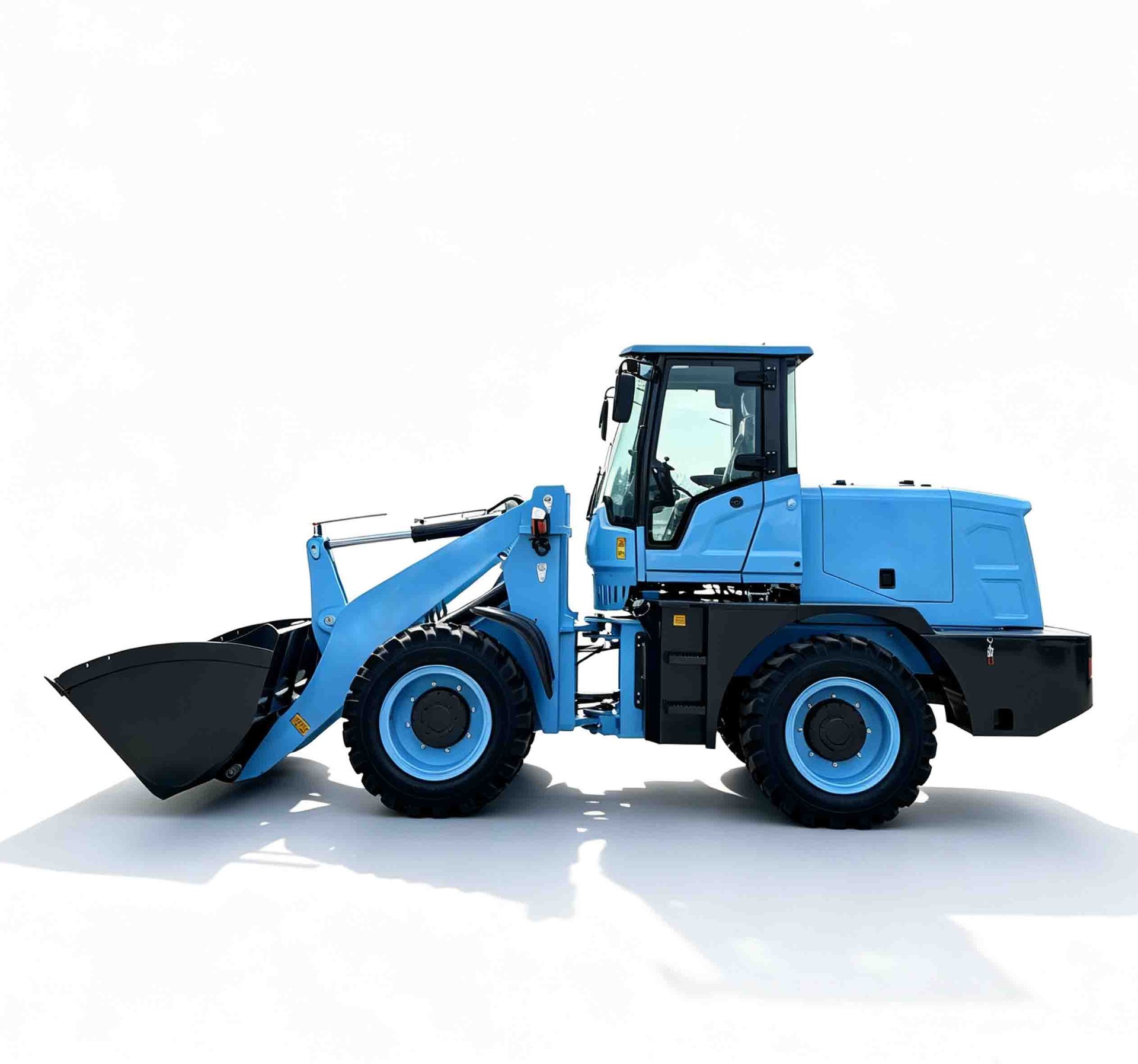
When an Electric Compact Loader Is the Better Choice
You should strongly consider an electric loader if:
Your work includes indoor spaces, basements, tunnels, barns, food factories where air quality matters.
Local regulation prohibits diesel engines in certain zones (many EU cities, California ports, etc.).
You want to reduce fuel bills and engine maintenance overhead.
Jobs are within a defined shift length (most Xinghang models run 4–8 hours under typical mixed cycling; a lunch-break top-up or spare battery extends availability).
You value quieter operation for night or early-morning work in residential areas.
Typical Xinghang customers fitting this profile:
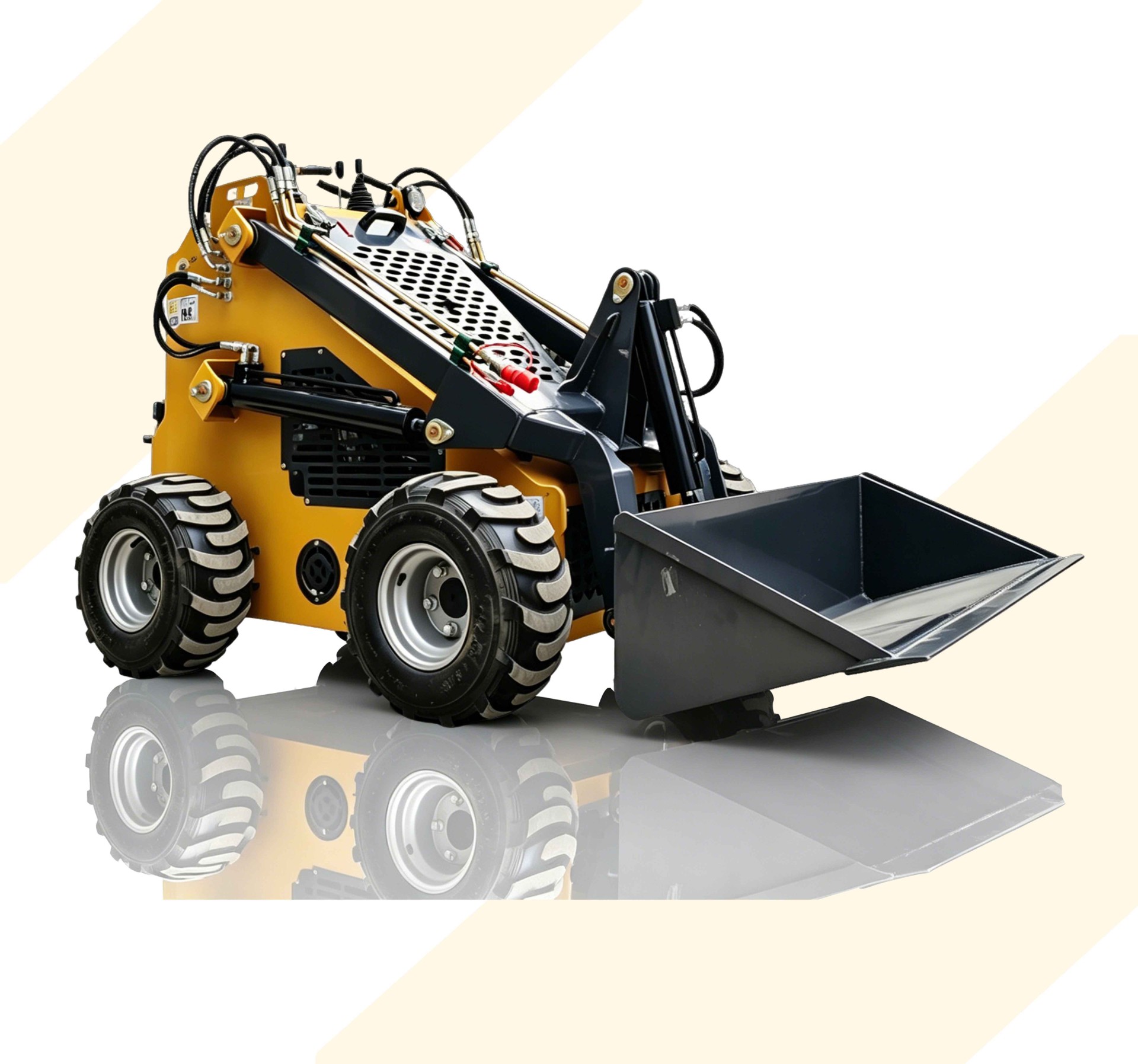
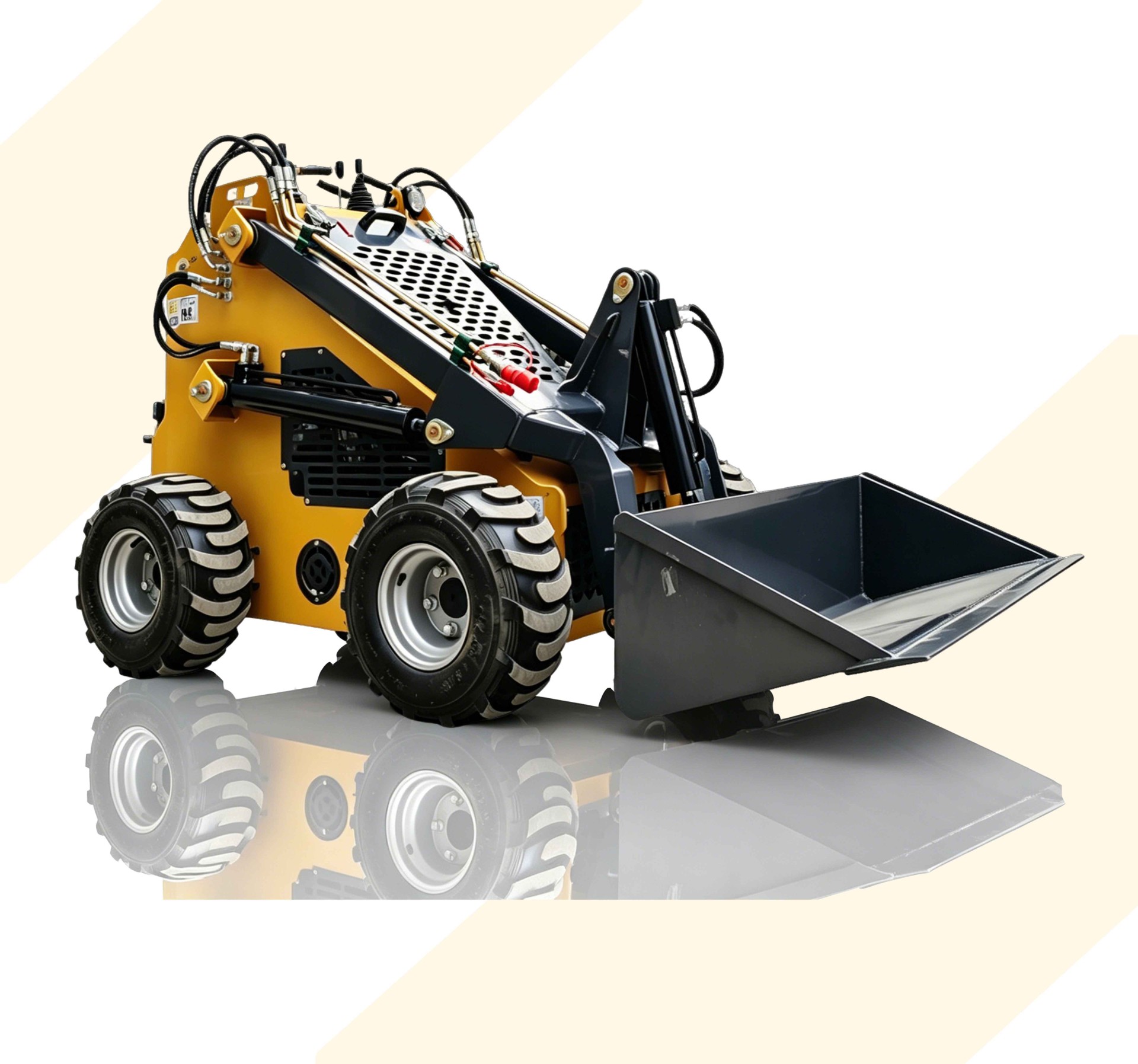
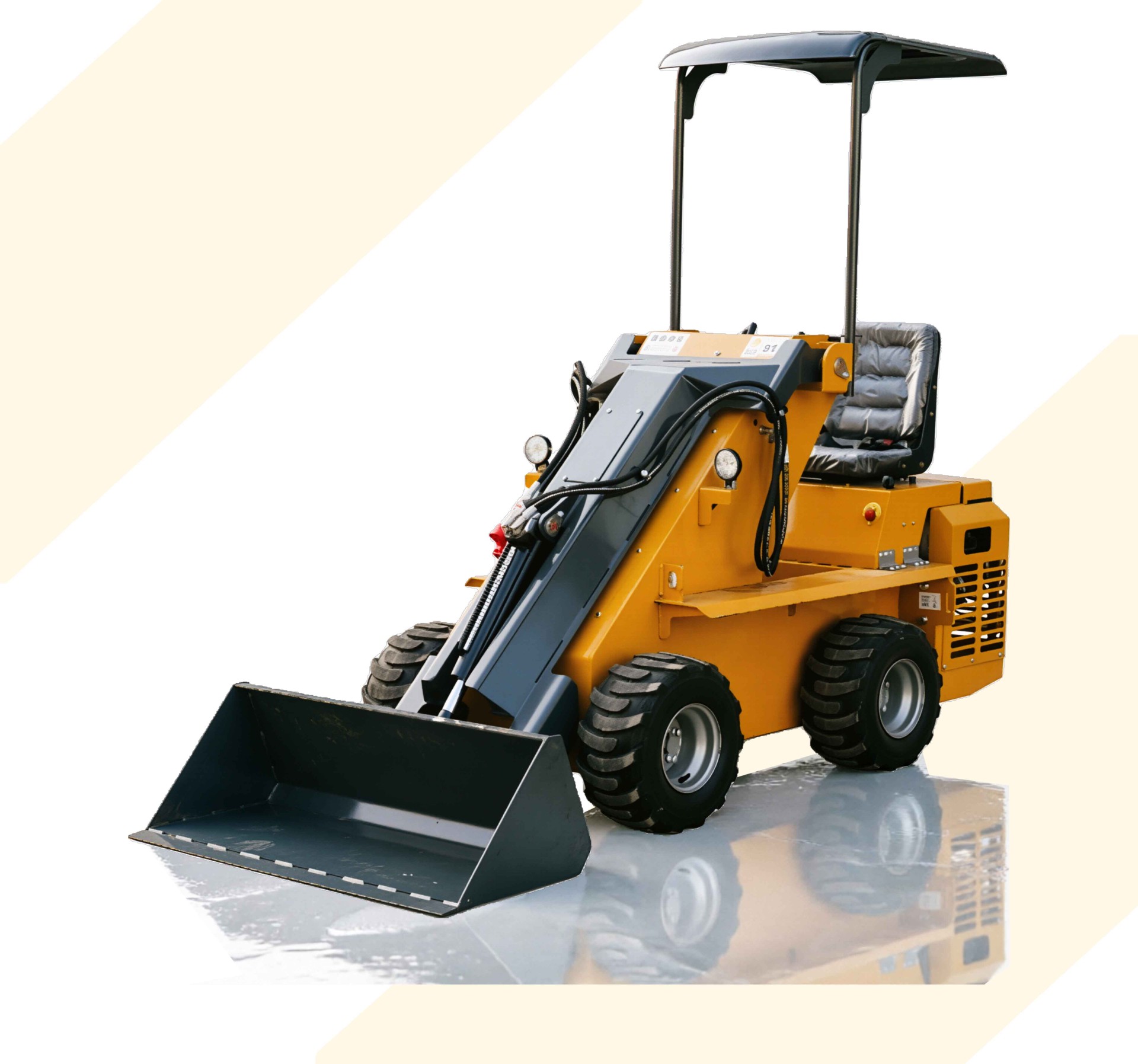
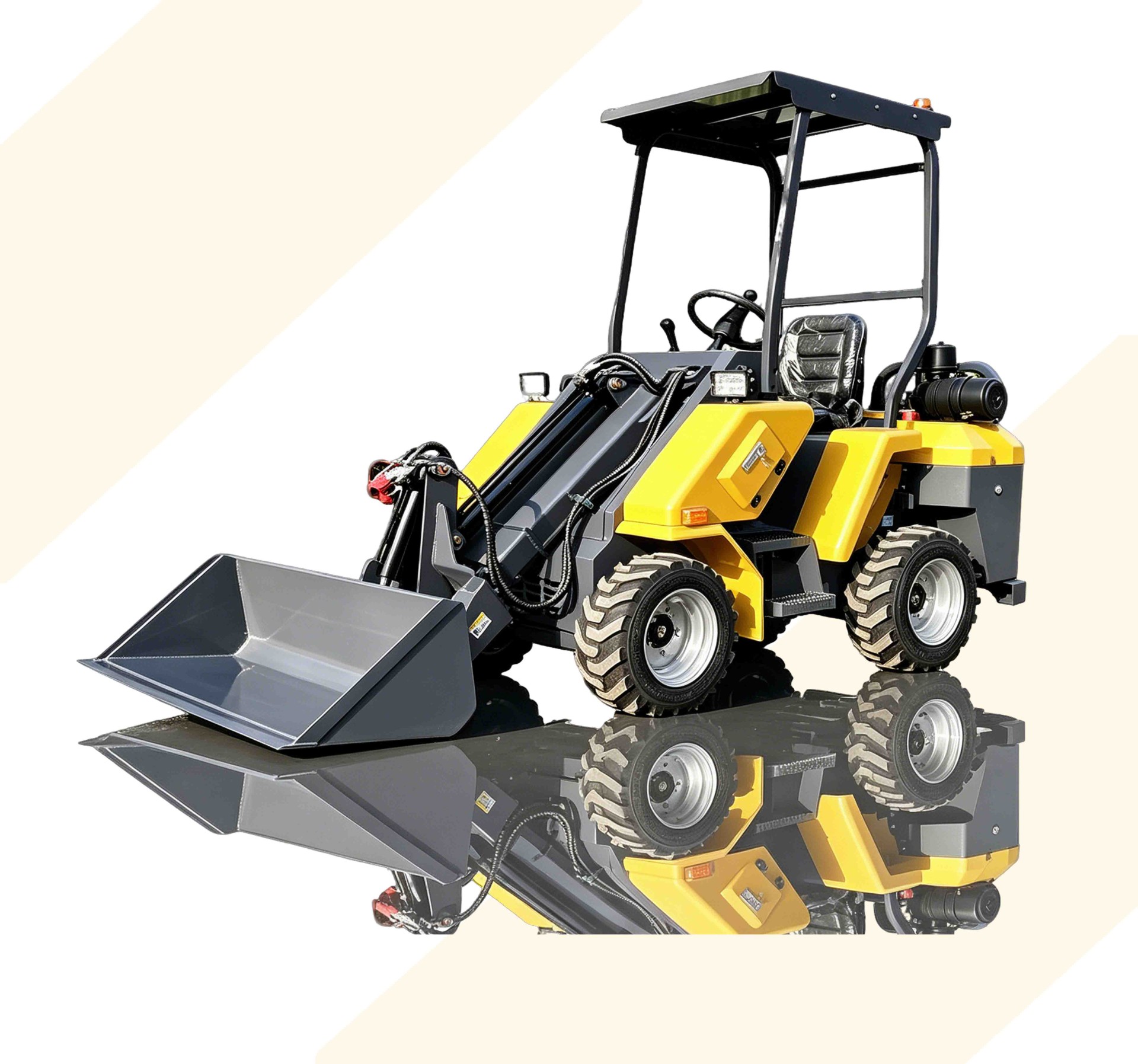
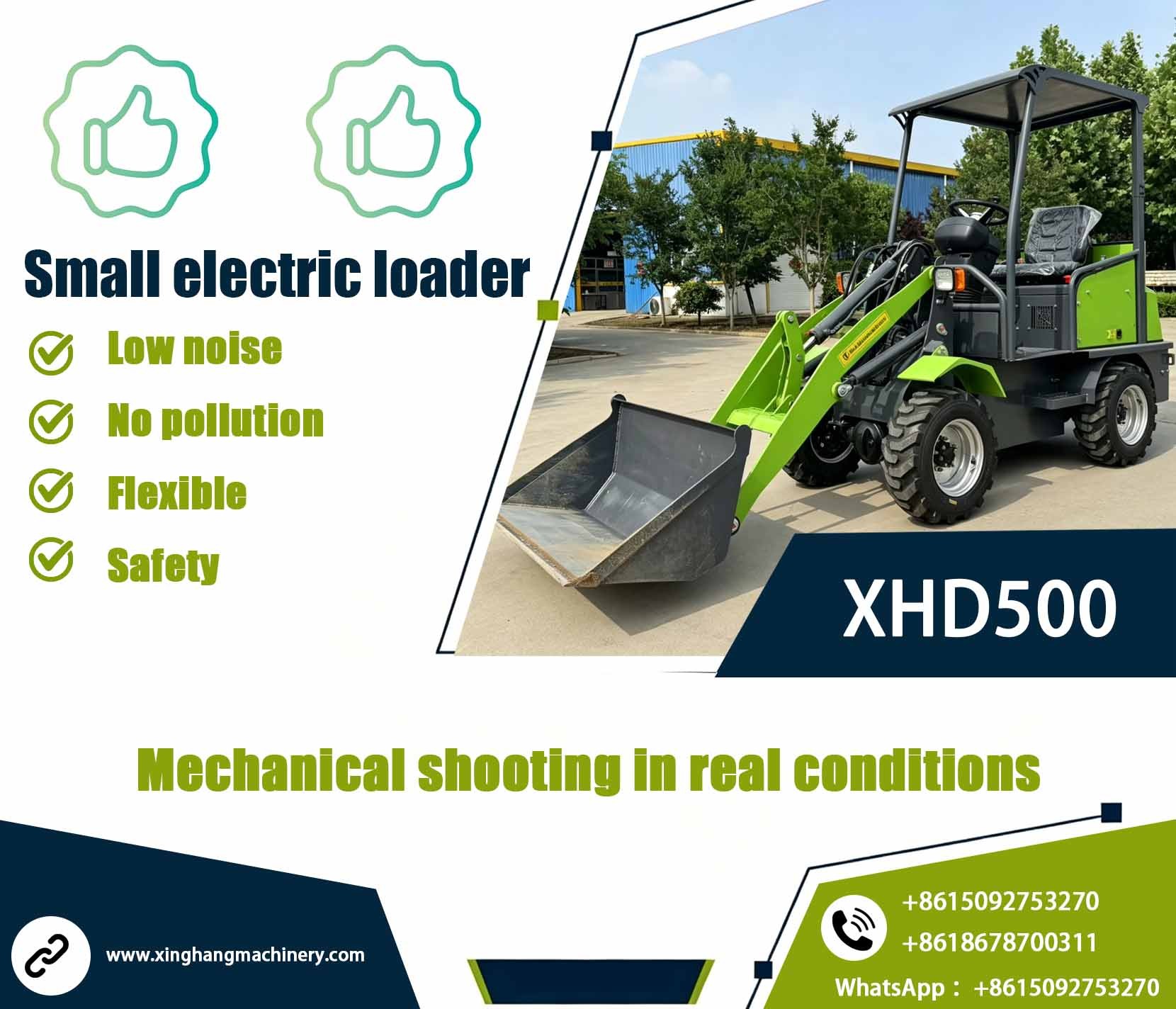
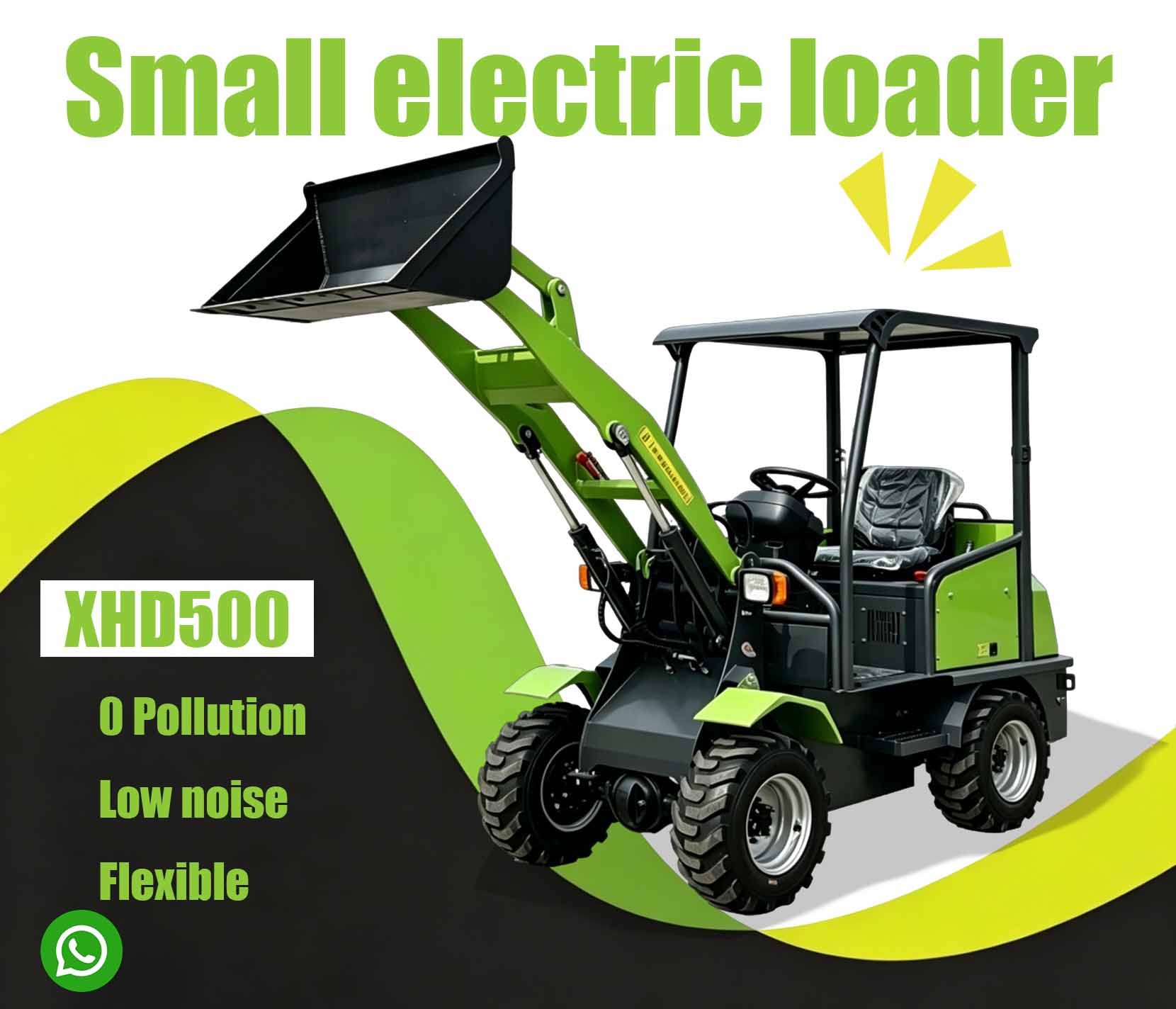
Horse stable operators (XHD400/XHD50 type, 0.4–0.5T, narrow body).
Landscape contractors doing courtyard/garden work (XHD08 0.8T).
Municipal street-cleaning departments (XHD10/XHD15).
Equipment rental firms offering "green fleet" options.
When Diesel May Still Be Preferred
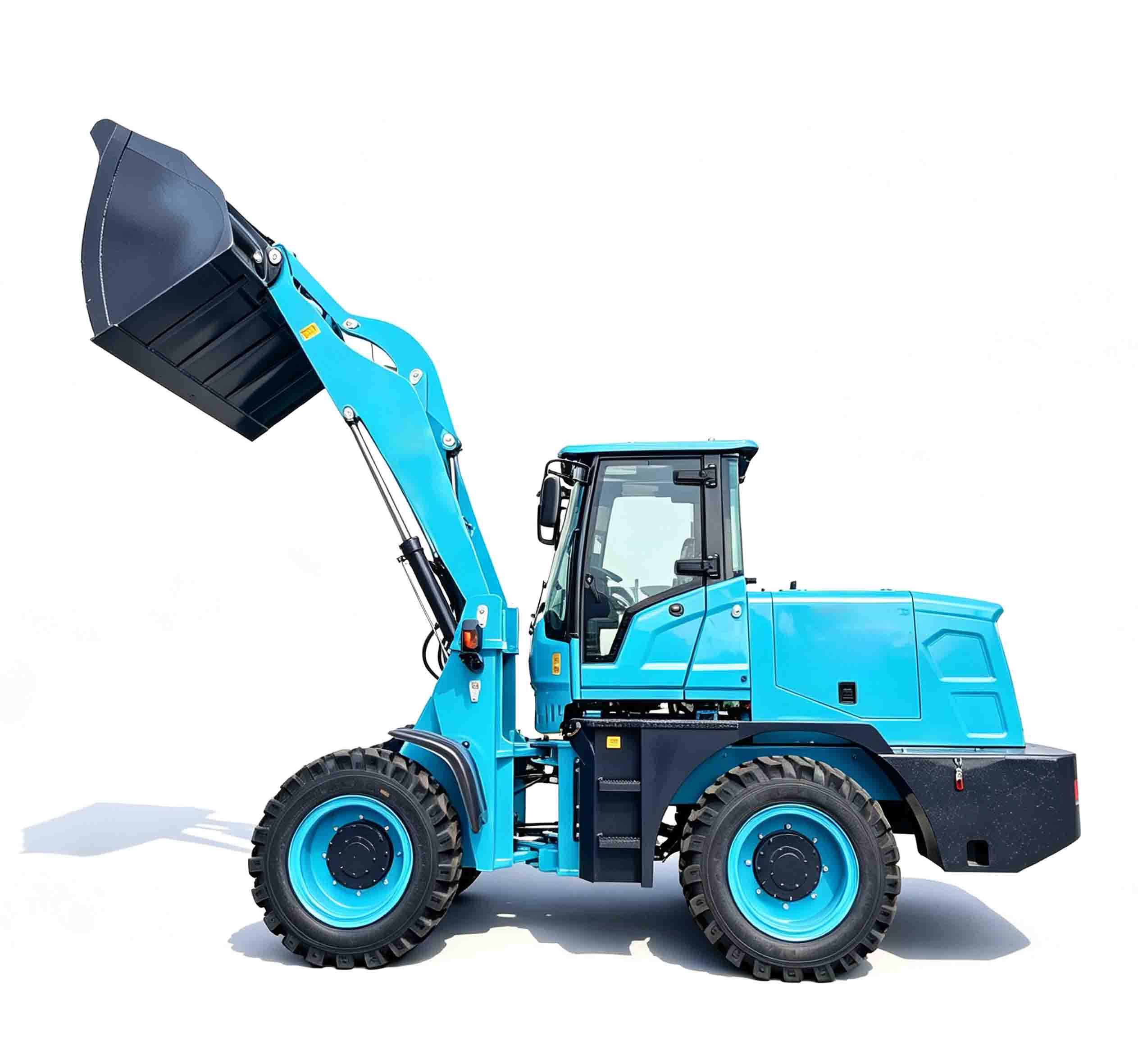
Diesel mini loaders remain relevant for:
Continuous 12+ hour shifts without opportunity to recharge.
Very remote sites with no reliable electricity.
Heavy-duty loading of >2T material where larger diesel loaders (<3T) are more economical than the biggest electric models currently available.
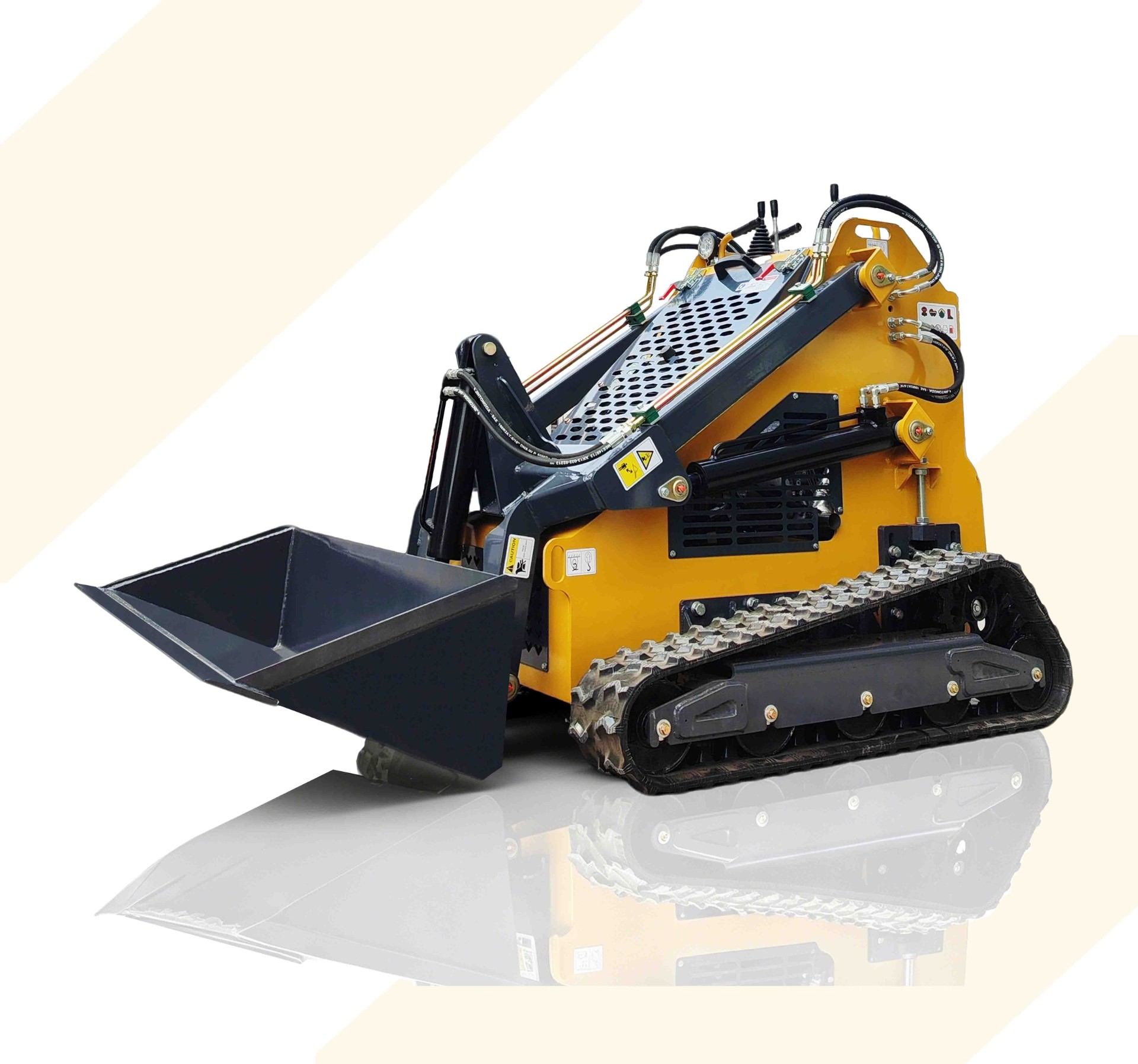
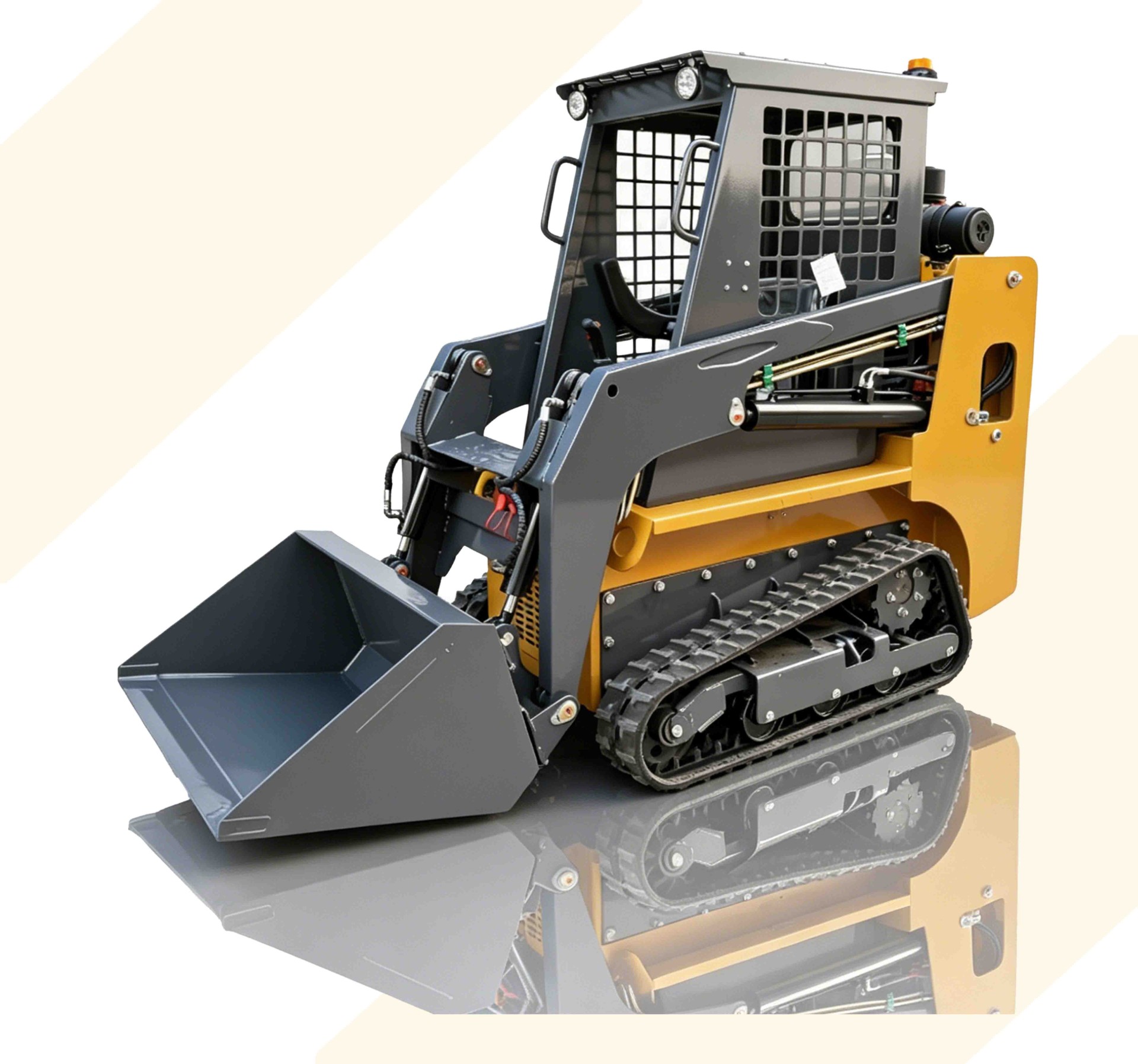
That said, Xinghang also manufactures diesel-engine skid steer loaders and can advise if a mixed fleet is appropriate.
Decoding Xinghang Electric Loader Specifications
Rated Load vs. Bucket Capacity
XHD400: 400 kg rated, 0.22 m3 bucket. XHD20: 2200 kg rated, 1.2 m3 bucket. Ensure bucket size matches material density—light material (mulch) may need larger volumetric capacity; heavy (wet sand) limited by weight.
Voltage and Battery Capacity
60V/64V systems serve 0.4–0.5T models; 72V for 0.8–1T; 153.6V high-voltage architecture for 1.5–2.5T. Amp-hour rating (Ah) determines energy: e.g., 153.6V × 300Ah = 46 kWh nominal. Real-world usable is ~80–90%.
Motor Power
Drive motor kW indicates travel gradeability and acceleration. Hydraulic motor kW affects lift/lower/tilt speed. Xinghang uses separate drive and hydraulic motors so simultaneous travel and lift do not rob each other's power—unlike some budget integrated designs.
Lift Height and Dump Height
Standard arm vs. telescopic arm: XHD10T extends dump height from ~2450 mm (retracted) to 3150 mm (extended)—important for high-sided trucks or hoppers.
Tires and Ground Clearance
Standard 23×8.5–12 or 26×12–12 turf/industrial tread. Optional non-marking for paved surfaces. Minimum ground clearance 200–350 mm depending on model.
Maintenance Best Practices for Electric Loaders
Charge after each shift; avoid deep discharging below 20% SOC regularly.
Keep battery compartment clean and ventilated (LiFePO4 is sealed but heat dissipation matters).
Inspect hydraulic hoses for abrasion; check hose clamps on cylinder ends.
Grease pivot pins per schedule (typically every 50 hours).
Update LCD firmware if Xinghang issues improvements for diagnostic features.
How to Select the Right Model for Your Business
Ask yourself:
What is the maximum load you lift regularly? Add 20% margin → pick rated load.
What is the narrowest gateway/door the machine must pass? Compare with machine width (XHD400 = 1050 mm; XHD20 = 2080 mm).
Will you use attachments? Verify auxiliary hydraulic flow (Xinghang provides 25–44 L/min standard; high-flow optional on some).
Is there a place to charge? 220V single-phase sufficient for 60–72V chargers; 380V 3-phase for 153.6V high-power chargers (~100A) speeds charging.
Xinghang Support for International Buyers
Pre-shipment testing video.
Multilingual operation manual (English/Spanish/French/Russian/Arabic available).
Container load optimization: multiple units per 20GP/40HQ with protective steel frame or plywood case.
Warranty: typically 12 months on structure, 18 months or 2000 hours on battery (subject to agreement).
Conclusion
The electric vs diesel decision ultimately depends on application, infrastructure, and local policy—but for urban, indoor, agricultural, and environmentally conscious projects, Xinghang electric compact wheel loaders deliver measurable savings and compliance advantages. Use this guide when specifying XHD400 through XHD20 models for your market.
Contact our sales team to receive a model recommendation worksheet tailored to your typical job site conditions and a formal quotation.