 Chinese
 English
 Russian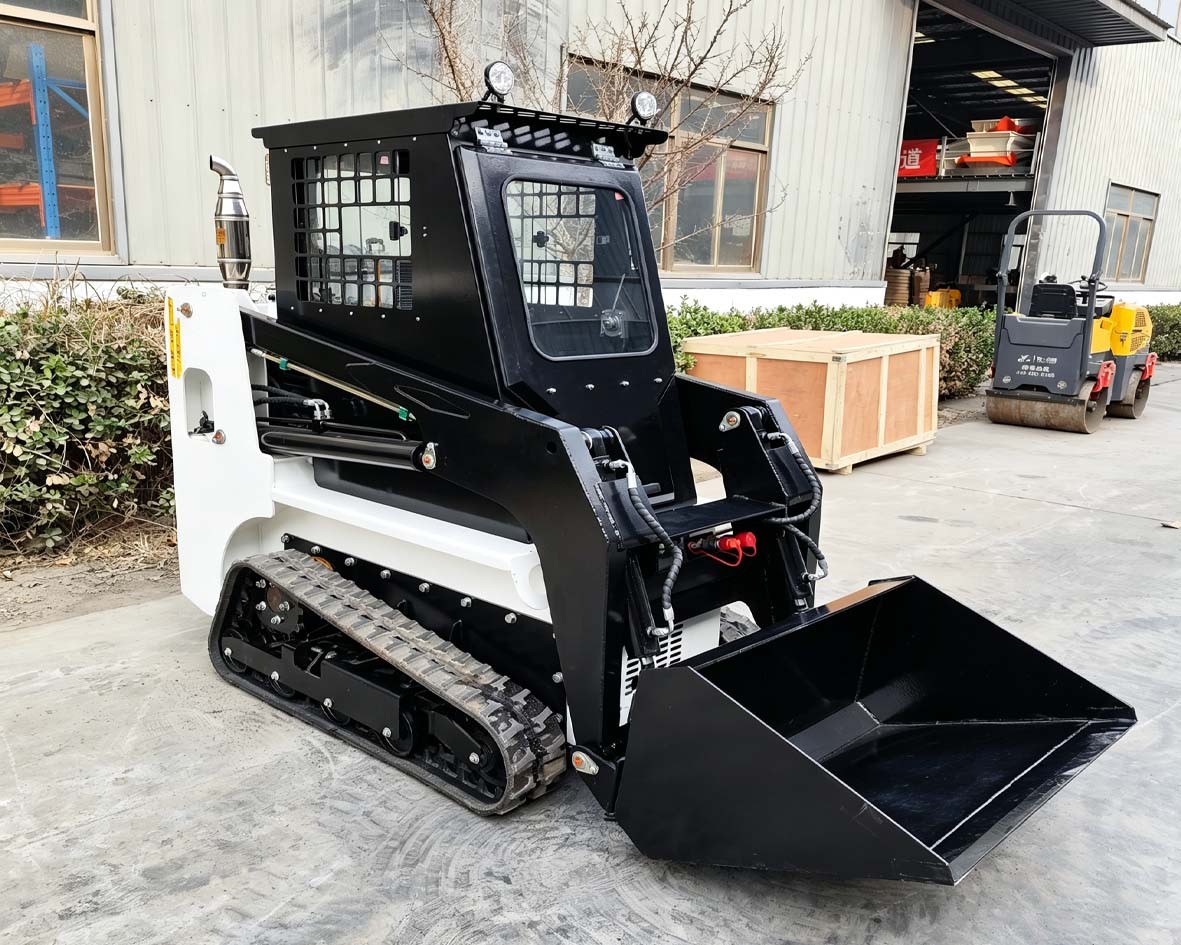
When planning indoor operations such as warehouse maintenance basement renovation or factory material handling choosing the right machinery is critical. The debate between slip loaders and mini electric loaders often comes down to power source and structural maneuverability. Based on operational data the mini electric loader especially the electric slip loader generally holds more advantages in enclosed spaces than traditional fuel powered slip loaders. However when comparing an electric slip loader with a standard mini electric wheel loader the decision depends on space constraints and task diversity.
Power Source Comparison Electric vs Fuel Slip Loaders
In indoor scenarios ventilation is often limited. Traditional diesel slip loaders produce significant exhaust fumes including carbon monoxide and particulate matter which endanger worker health and may trigger fire safety or environmental alarms. In contrast the mini electric loader offers zero emissions making it fully suitable for confined spaces like basements warehouses and workshops.
Noise control is another decisive factor. Electric equipment runs with very low decibels which is essential in noise sensitive environments such as hospitals schools and shopping malls. Diesel engines create loud echoing noises indoors that can lead to complaints. Additionally electric structures eliminate the need for engine oil filters and diesel consumables. Indoor maintenance is cleaner and energy costs are roughly one third of fuel expenses or even lower.
Structural Comparison Slip Loaders vs Mini Electric Wheel Loaders
Assuming both are electric powered their indoor performance differs in mobility.
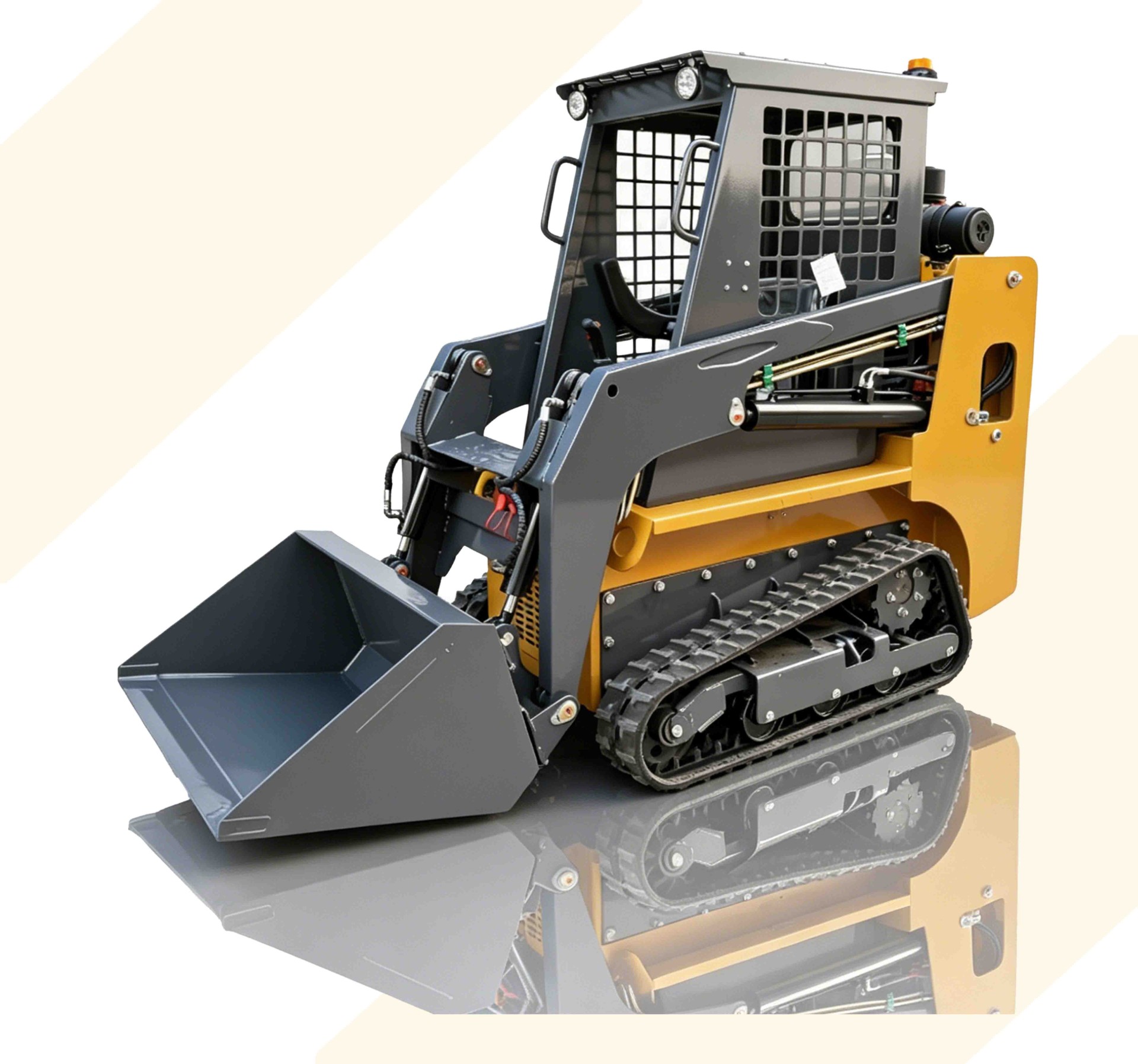
Advantages of Slip Loaders Indoors
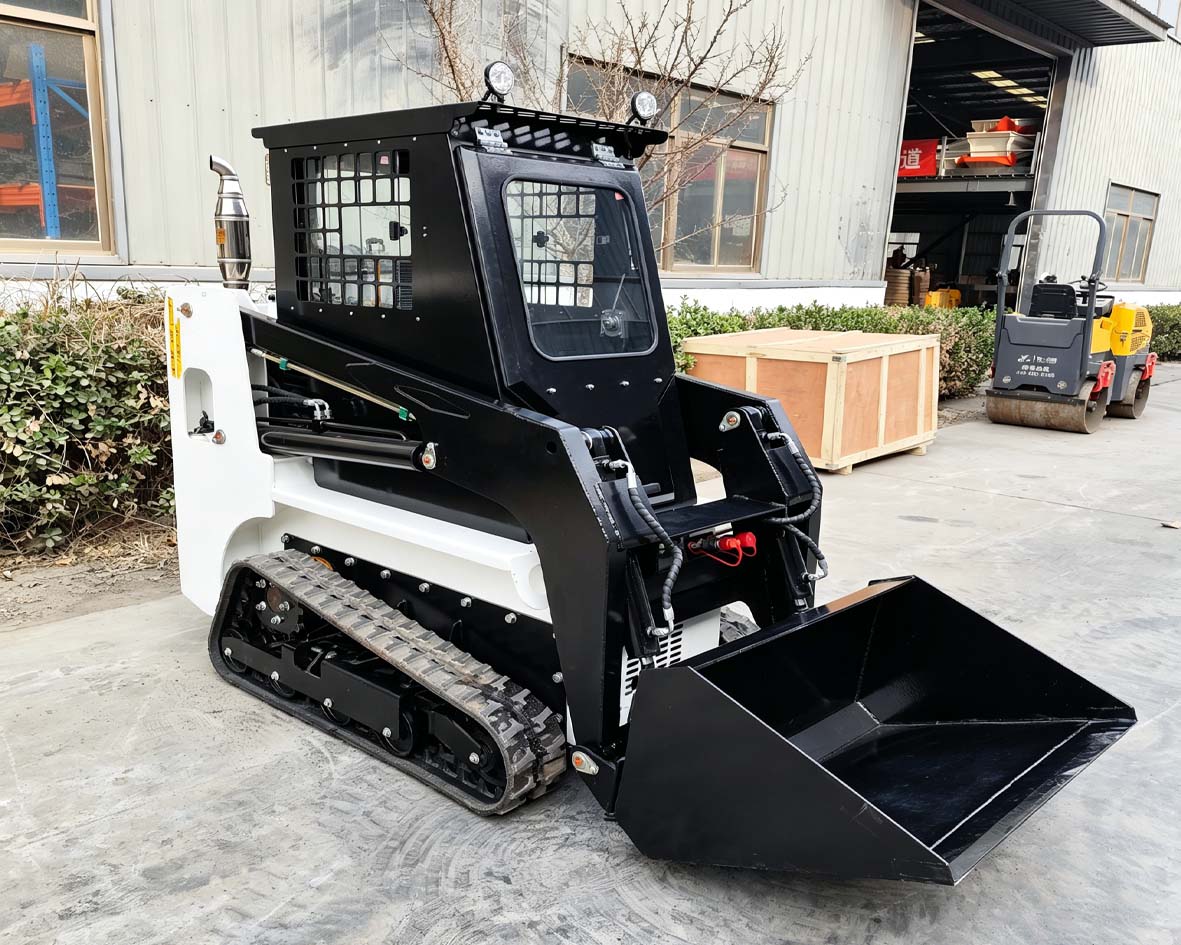
The standout feature is the zero turning radius capability. With 360 degree in place steering slip loaders can turn around without repeated reversing in narrow rooms corridors or between storage racks. This wall hugging capability is unmatched by ordinary mini loaders which require larger clearance for steering.
Slip loaders are extremely compact. Some models have a minimum width of about 0.9 to 1 meter allowing them to pass through standard doorways freight elevators and even high rise floors. Ordinary mini electric wheel loaders are usually wider at over 1.2 meters limiting access.
They also feature quick attach interfaces compatible with hydraulic breakers sweepers forks and more. This makes them ideal for multi step indoor tasks like demolition debris removal and cleaning.
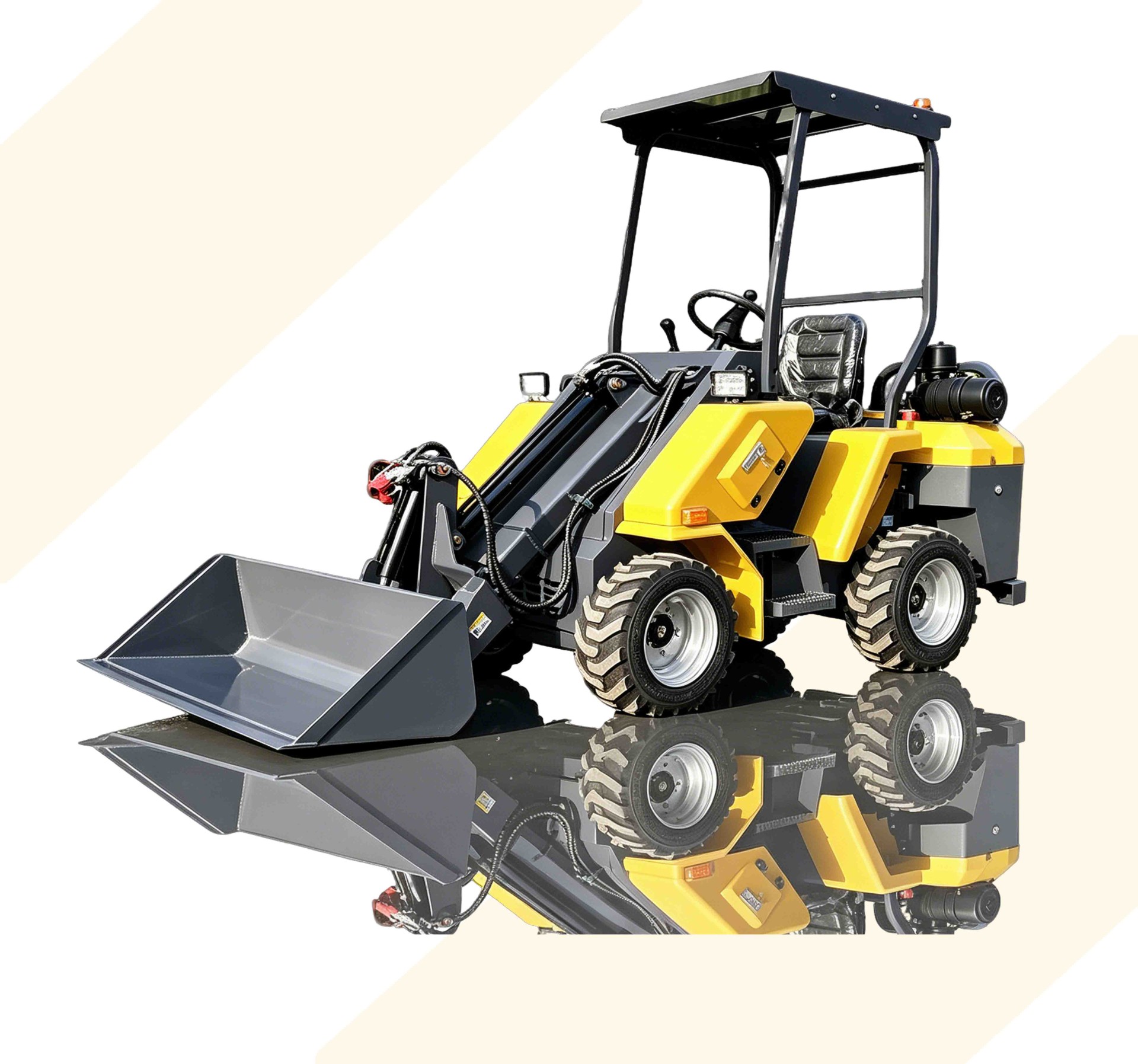
Advantages of Mini Electric Wheel Loaders
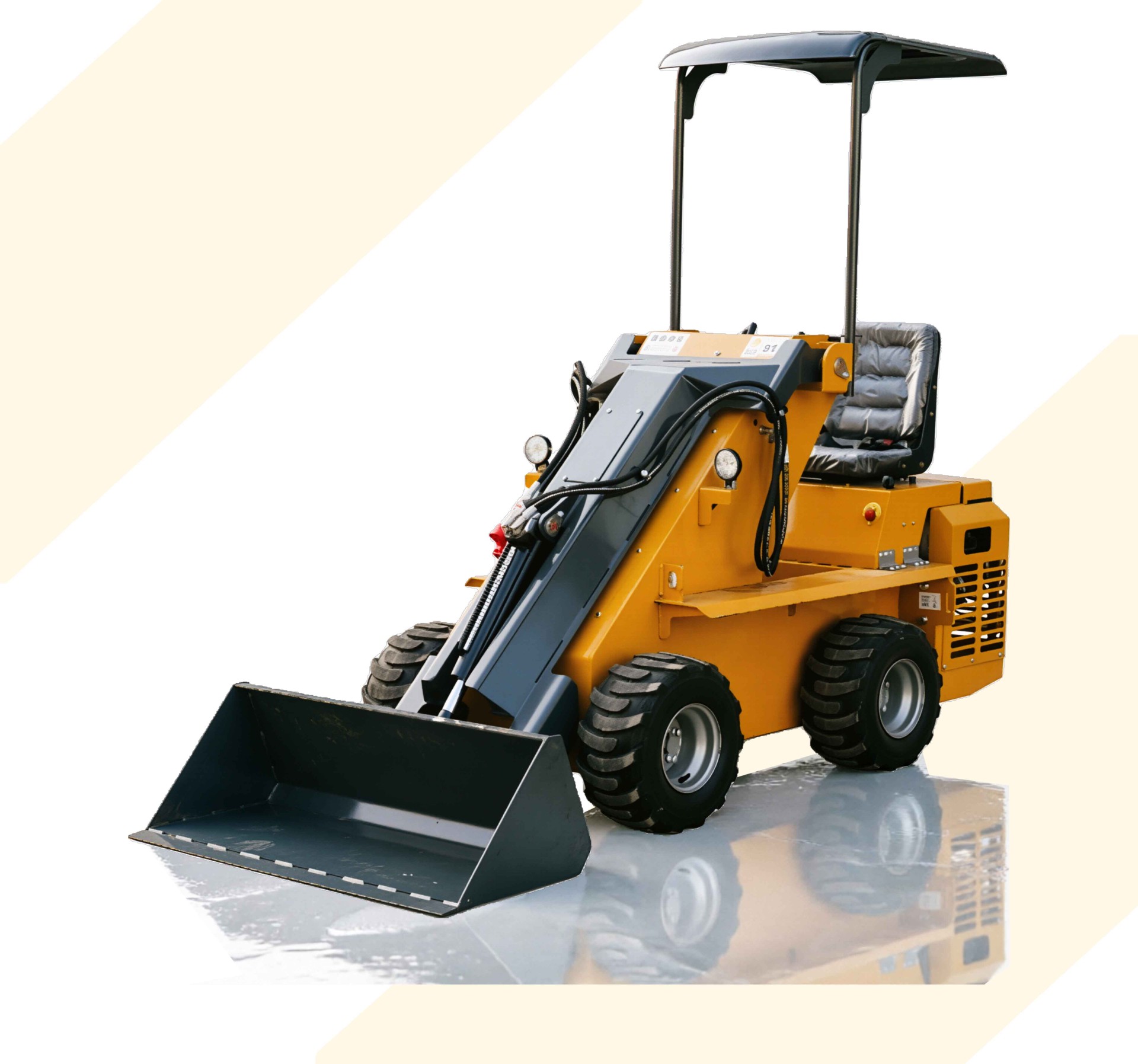
These typically use a steering wheel and seat which can be more comfortable during long hours of straight line shoveling in large warehouses compared to the joystick control of slip loaders. Some models also offer slightly better visibility.
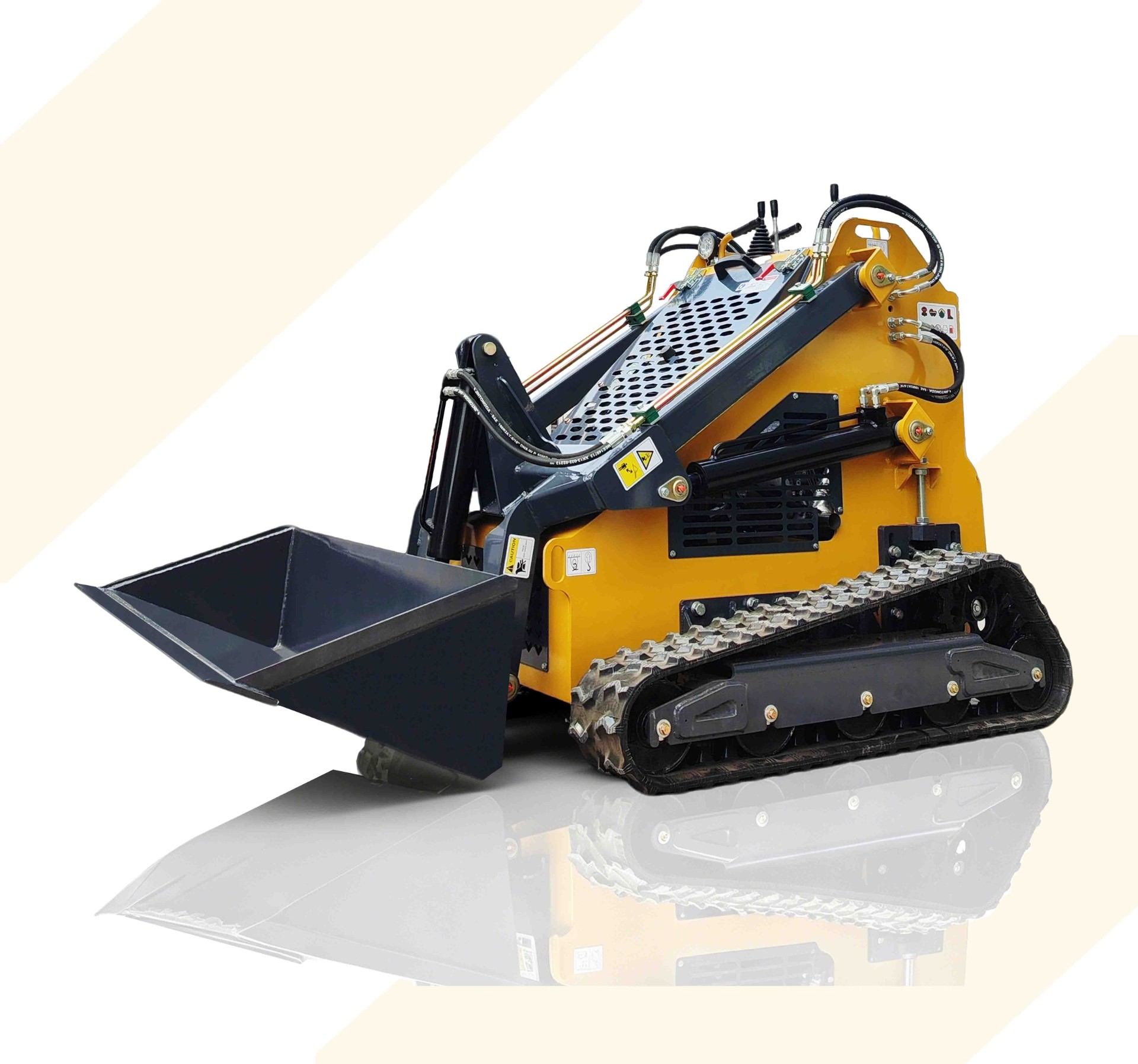
If equipped with rubber tires and non differential steering they may cause less floor marking on smooth epoxy surfaces though slip loaders can solve this with track versions. At the same rating traditional mini electric wheel loaders might offer slightly higher lift heights and payloads suitable for loading high platforms or trucks indoors.
Introduction to Jining Xinghang Machinery XHD500
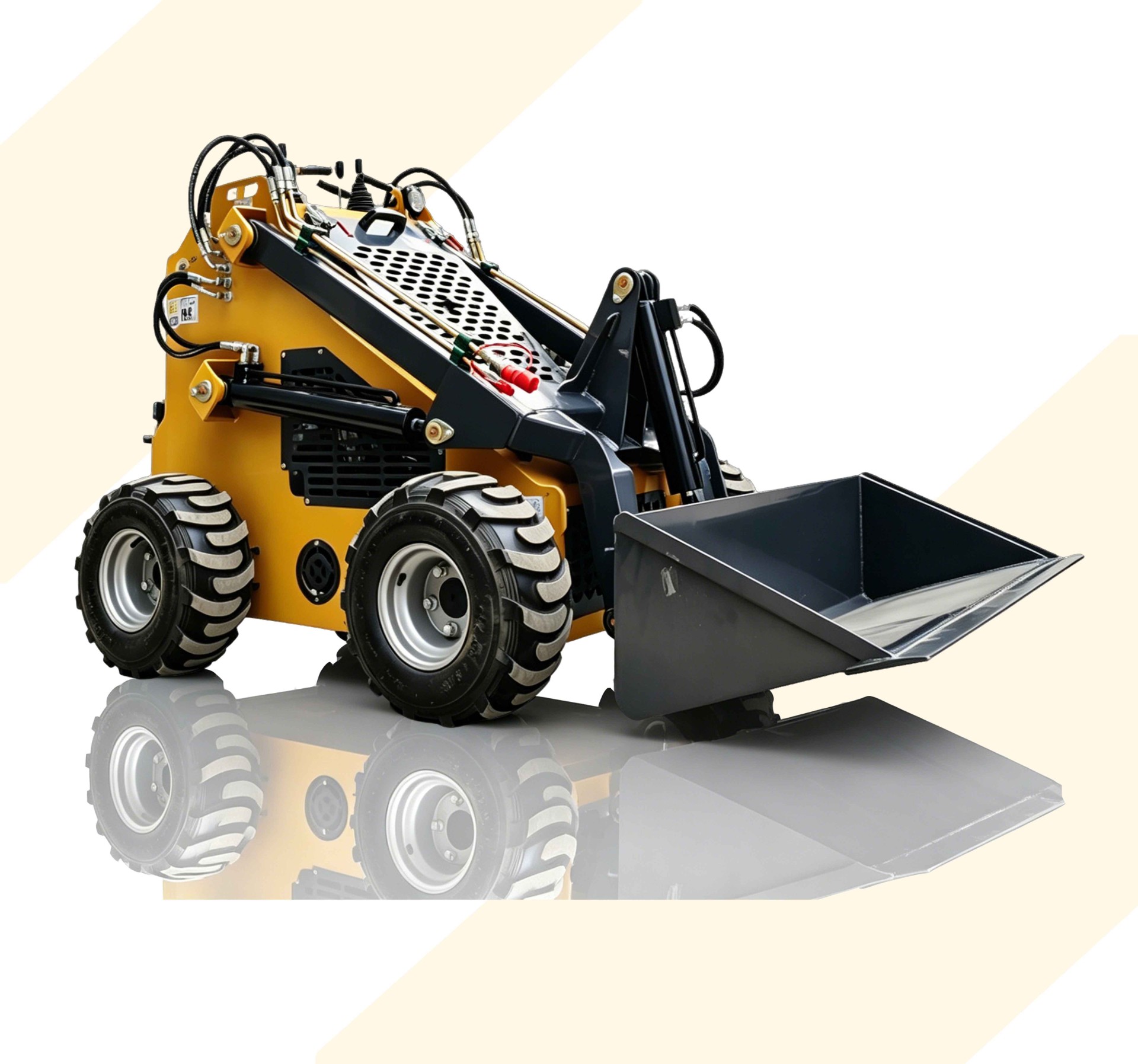
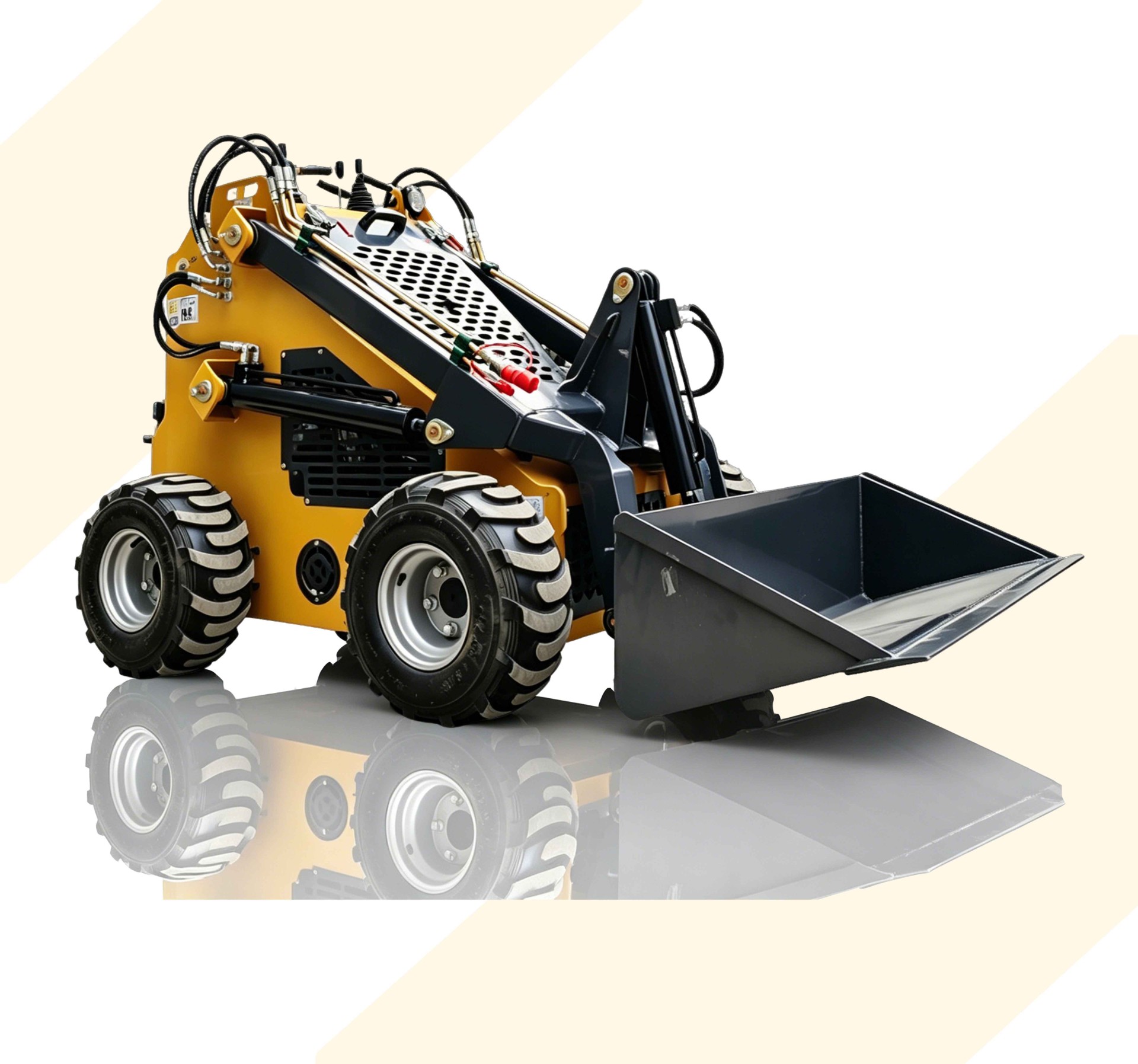
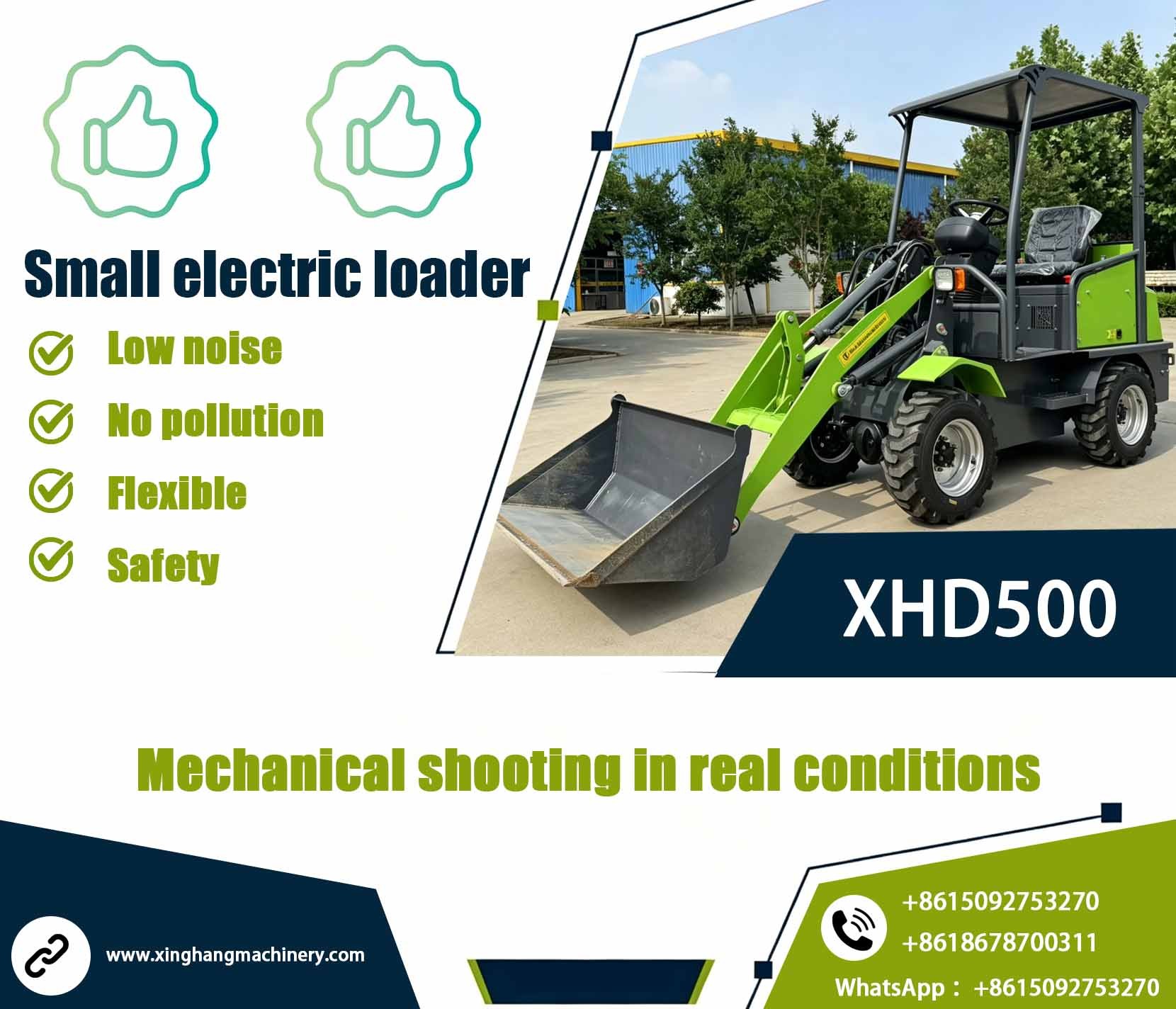
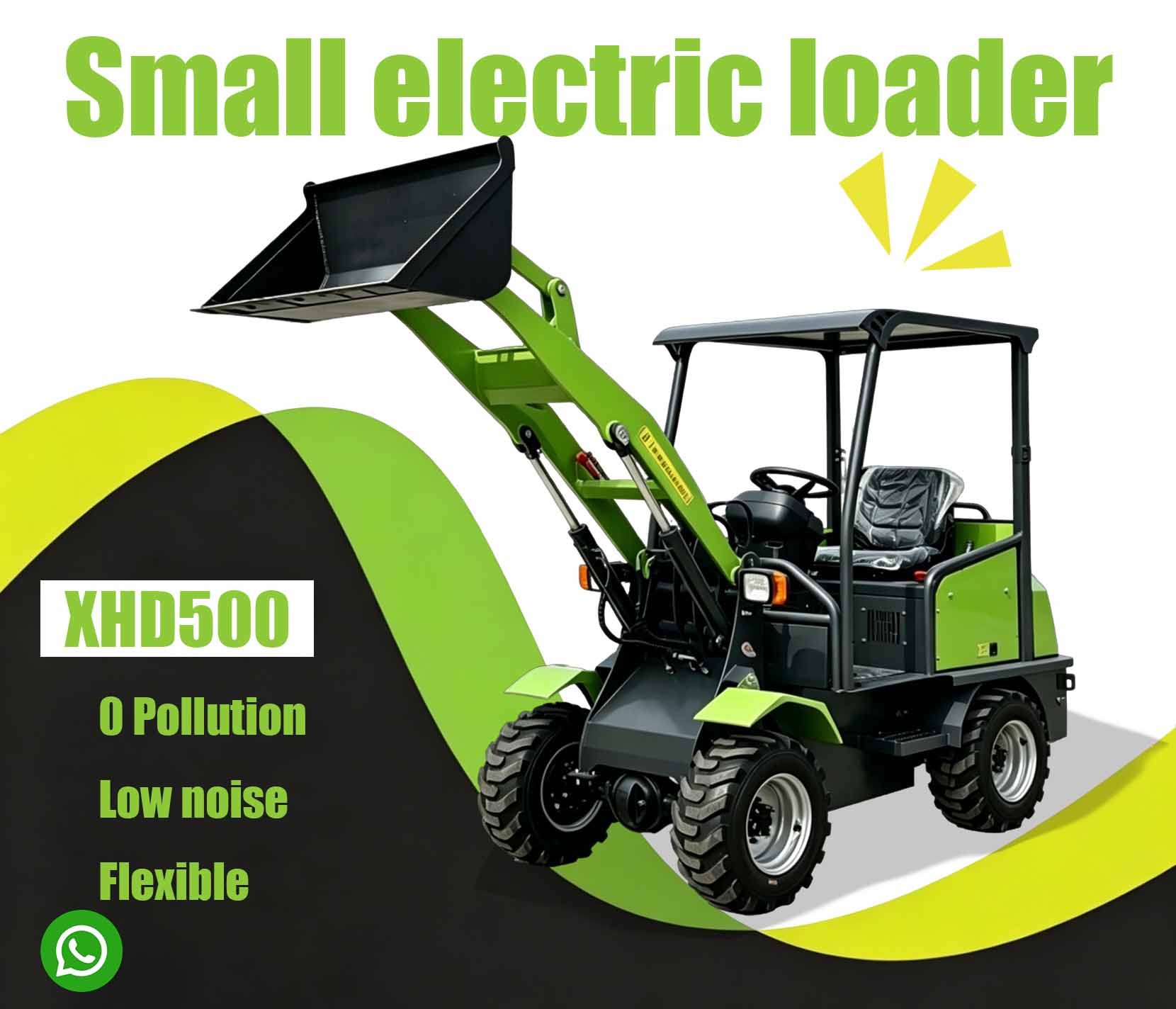
A prime example of a capable mini electric loader for indoor use is the Jining Xinghang Machinery XHD500. This model is designed with a compact manganese steel body width of only about 1060 mm allowing free access to narrow channels basements and standard doors. It adopts a pure electric architecture with a 4KW flat wire drive motor and a 3KW lift motor providing full time four wheel drive without any exhaust or high noise.
The XHD500 features an integrated electronic control handle and CAN bus digital LCD instrument for easy operation and fault diagnosis. It supports standard quick change interfaces to switch among dozens of attachments like buckets forks and sweepers achieving multi function use in indoor mixed operations. Battery options include 60V lead acid or 64V lithium iron phosphate meeting different indoor shift length requirements. With zero emissions low noise and high maneuverability the XHD500 aligns well with the discussed advantages of electric mini loaders in indoor environments.
Conclusion and Selection Advice
For indoor operations the combination of electric power plus slip structure or compact electric wheel design is the optimal solution balancing emission freedom silence and flexibility. This setup is excellent for indoor demolition decoration basement construction and warehouse transfer.
Choose a mini electric wheel loader if the indoor space is relatively open with channel widths above 1.5 meters tasks are mainly simple shoveling or transporting infrequent turning is needed and slightly higher load or lift height is required such as in large open plants.
Avoid diesel slip loaders indoors unless forced ventilation is excellent otherwise exhaust and noise are major drawbacks.
In short the narrower the indoor space and the more diverse the processes the greater the advantage of the electric slip loader or compact electric loader like the Jining Xinghang XHD500. For large single process indoor areas a mini electric wheel loader is sufficient and may cost less.