 Chinese
 English
 Russian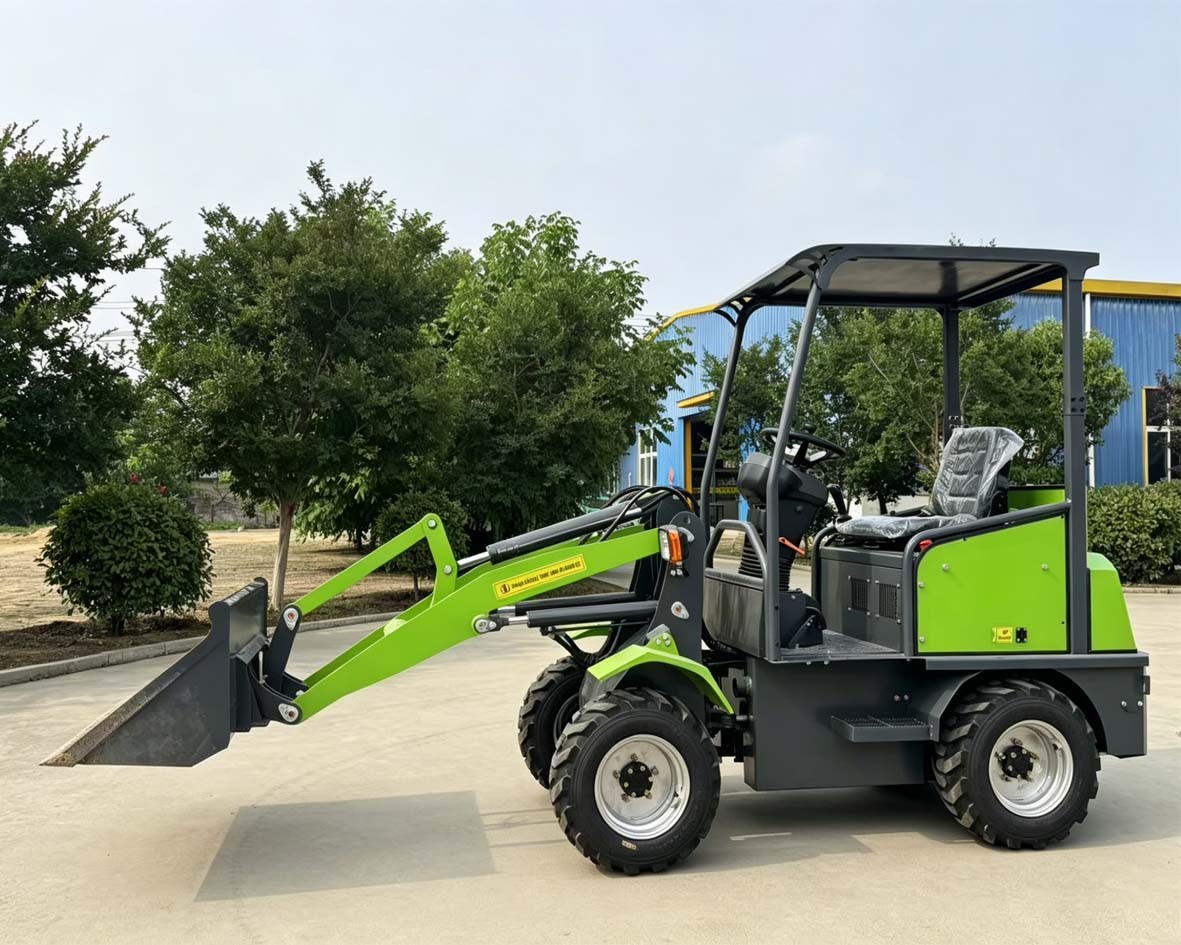
Introduction: The Hidden Cost of "Cheap" Diesel
When a contractor or a rental house manager looks at a new piece of equipment, the first number that jumps off the page is the Purchase Price. Diesel machines have been the industry standard for decades, and their initial sticker price is often lower than their electric counterparts. It is tempting to look at that lower number and make a decision based solely on upfront capital.
However, in the world of heavy machinery, the purchase price is merely the "entry fee." The real cost—the Total Cost of Ownership (TCO)—is calculated over years of operation. Fuel, maintenance, repairs, downtime, and even regulatory fines accumulate silently in the background.
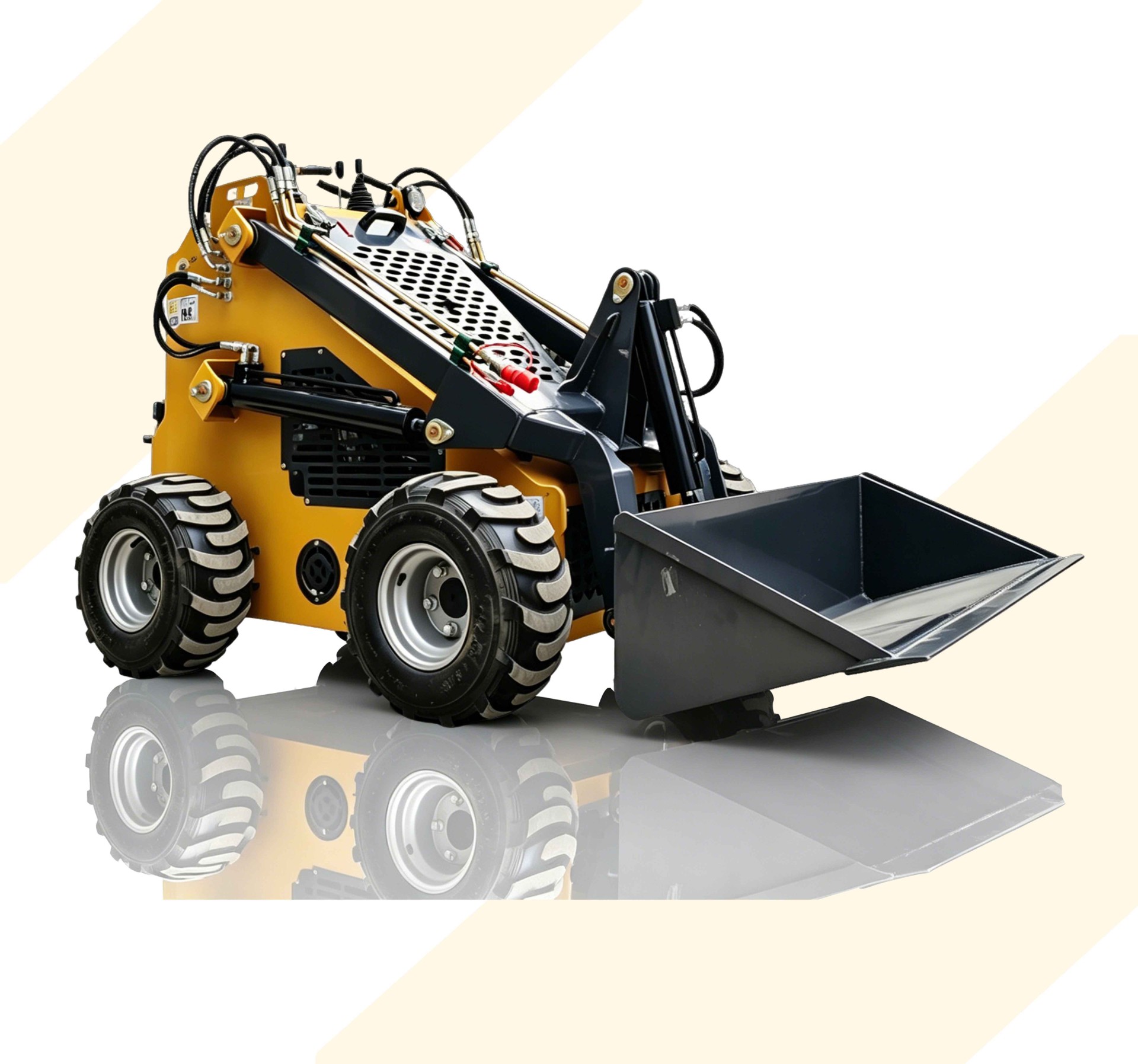
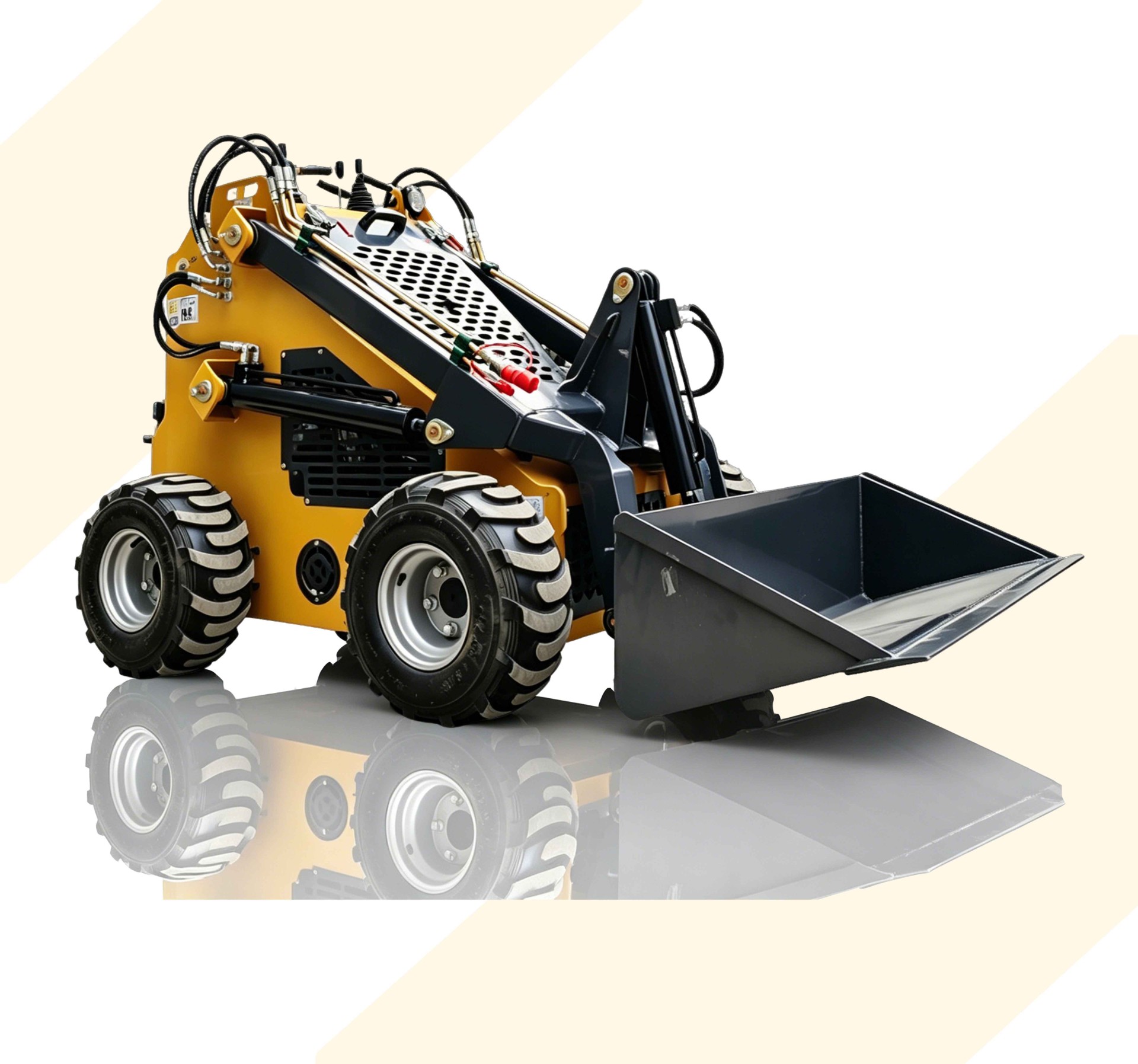
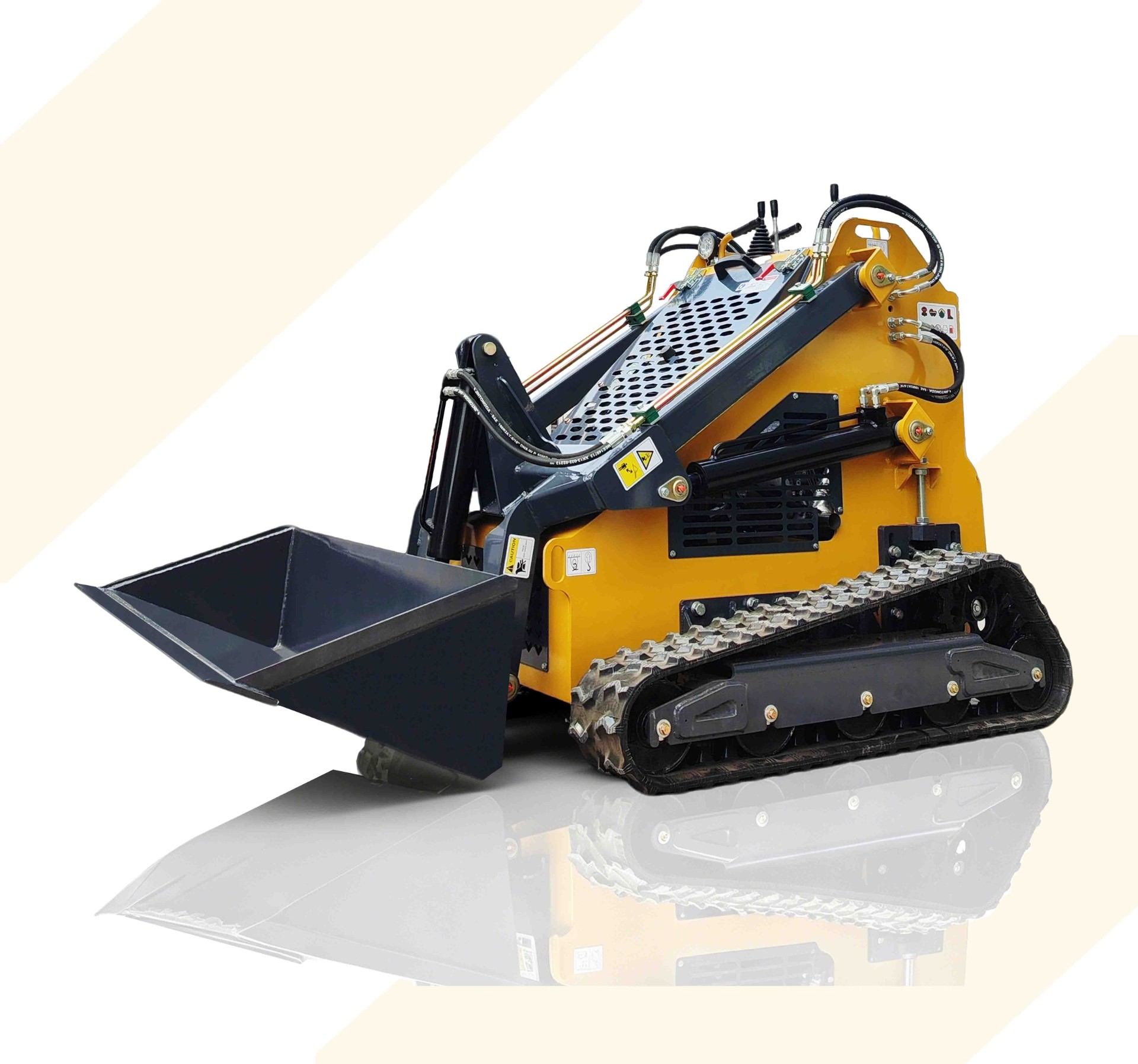
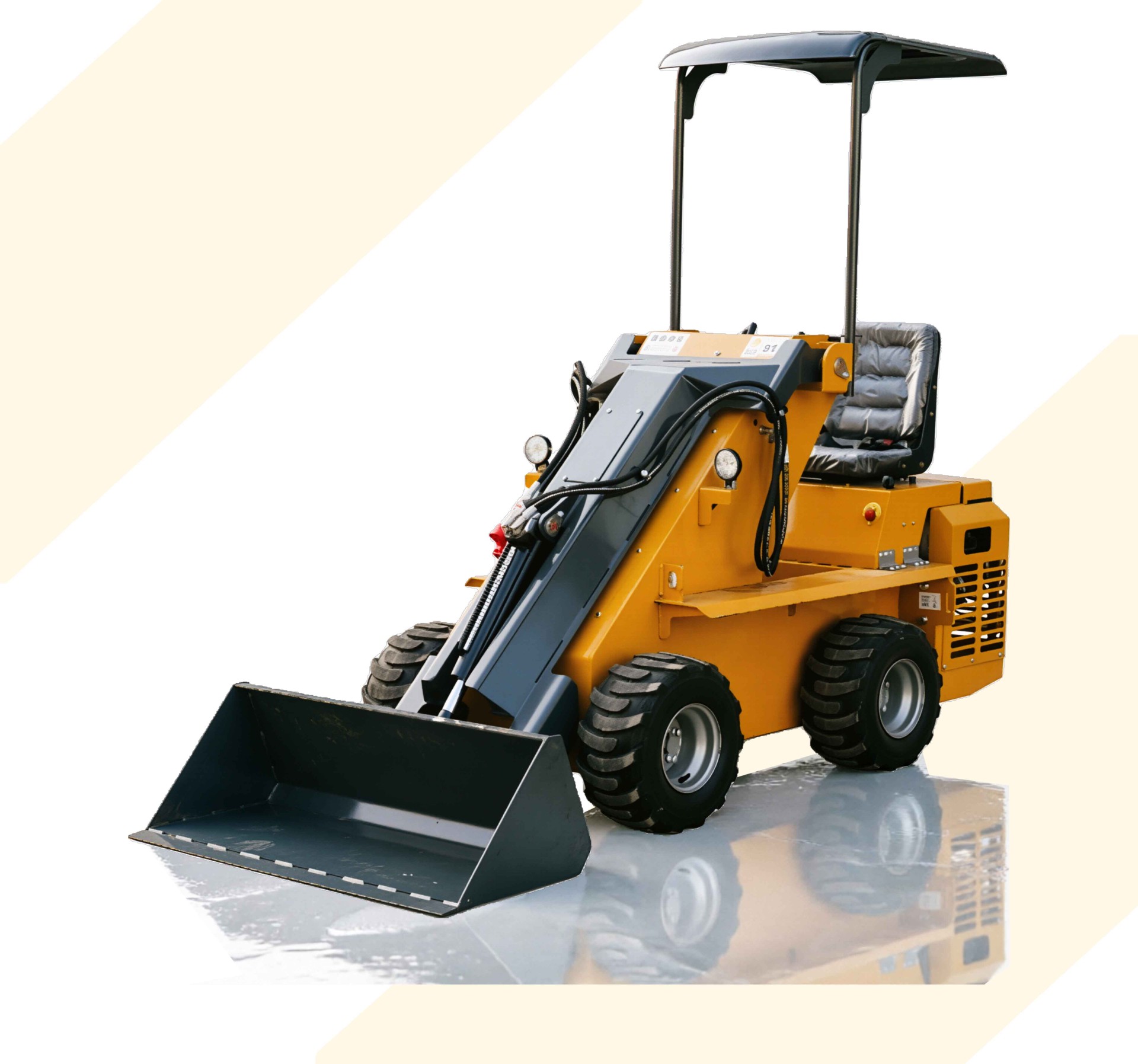
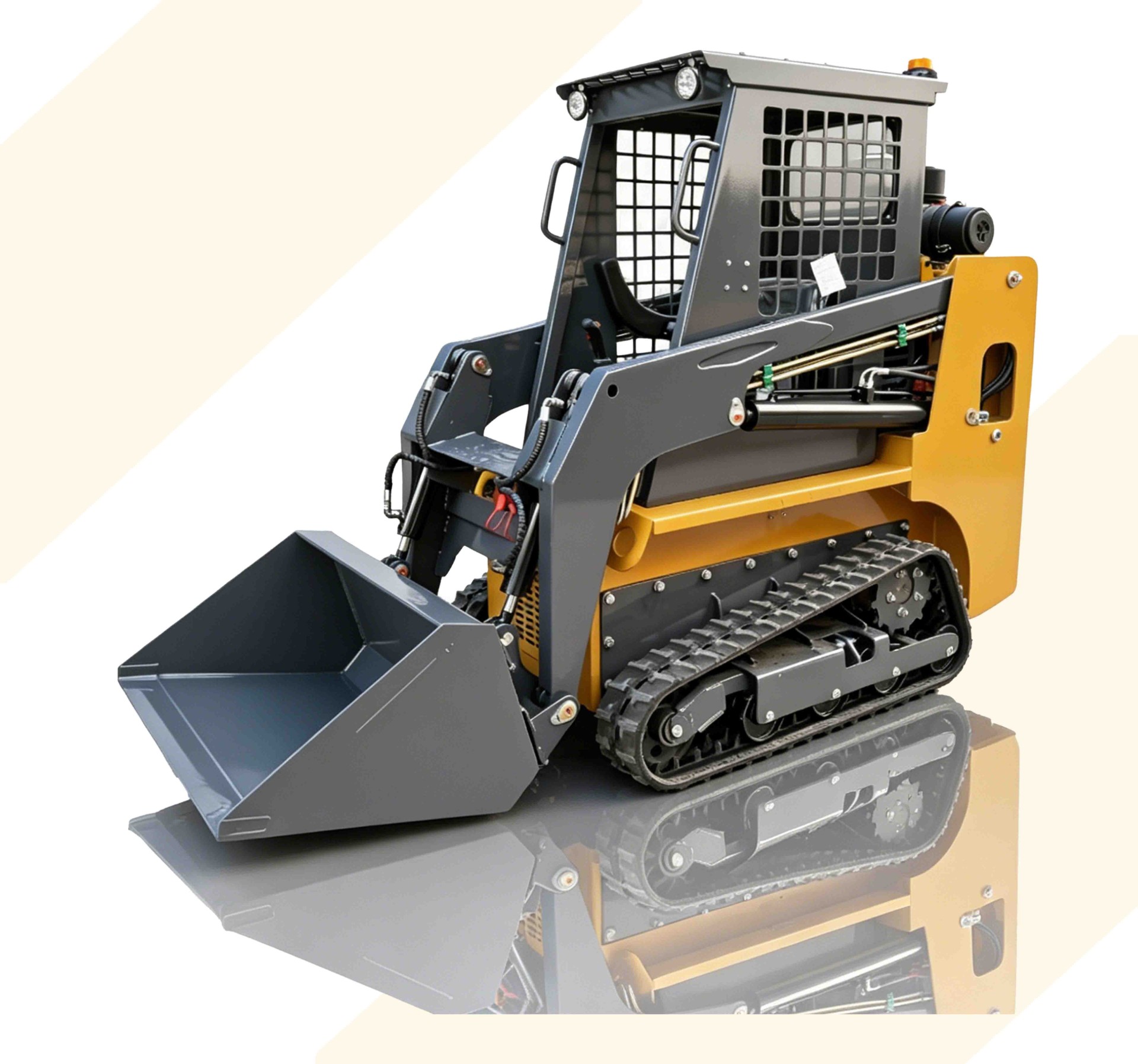
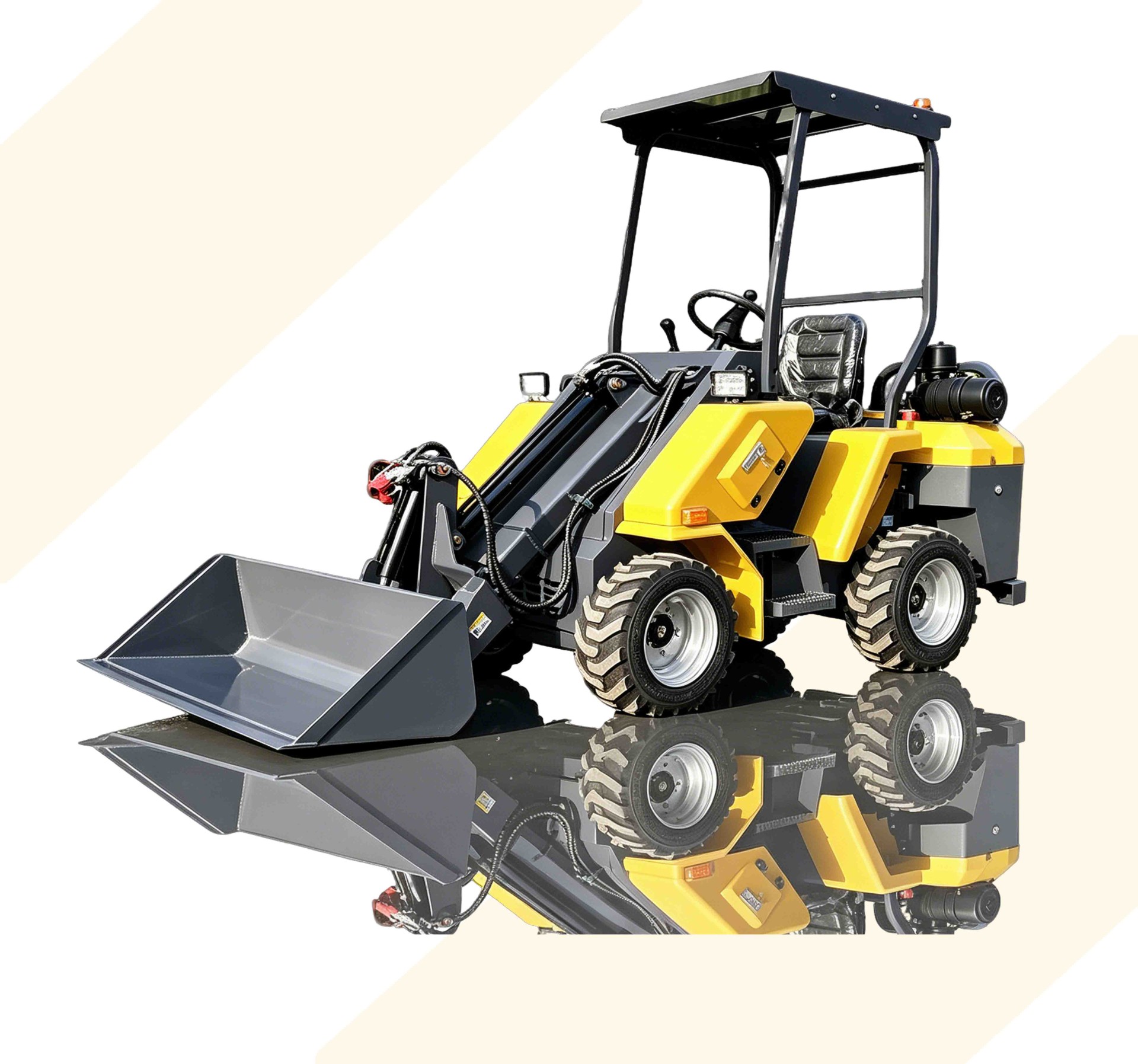
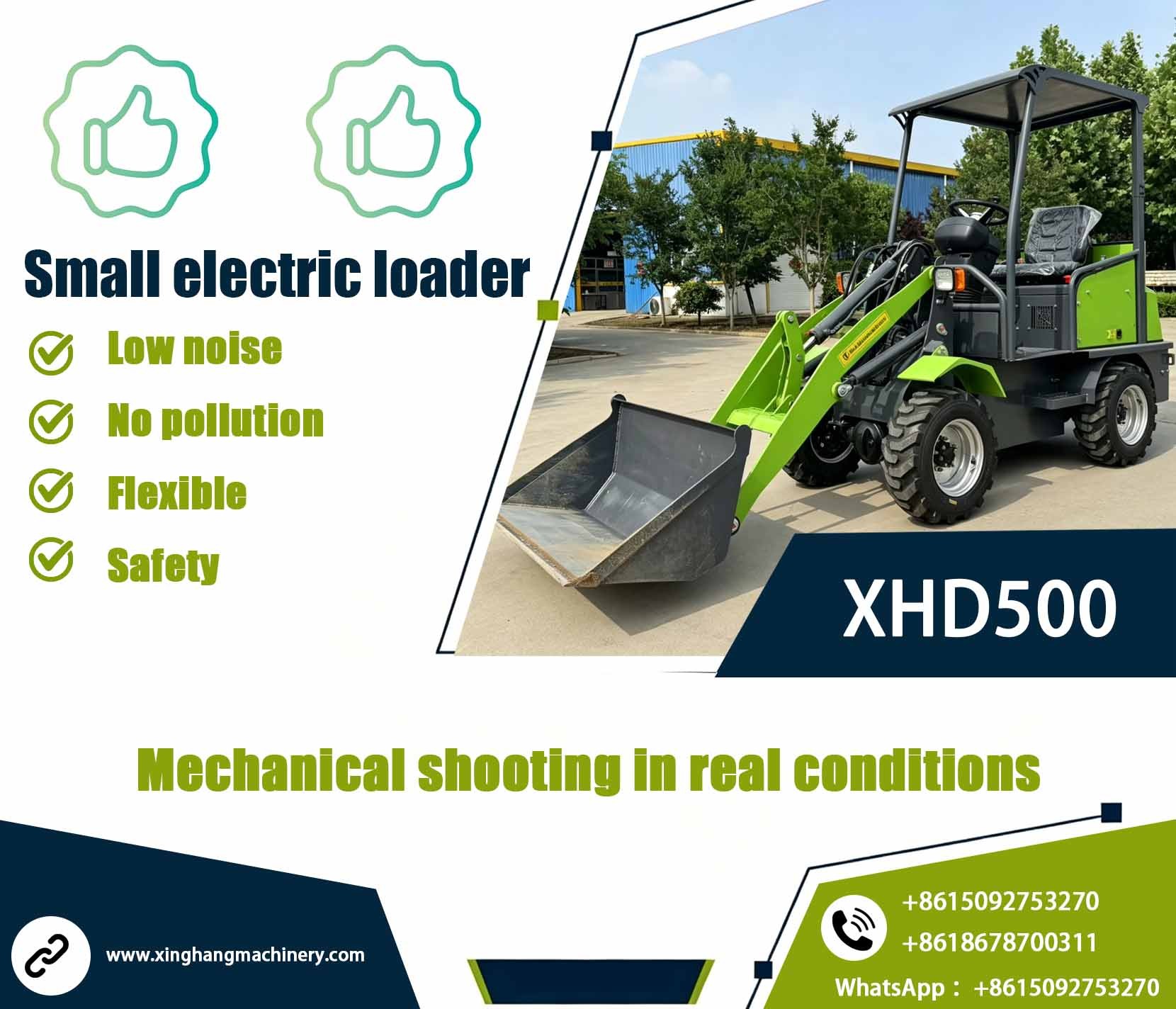
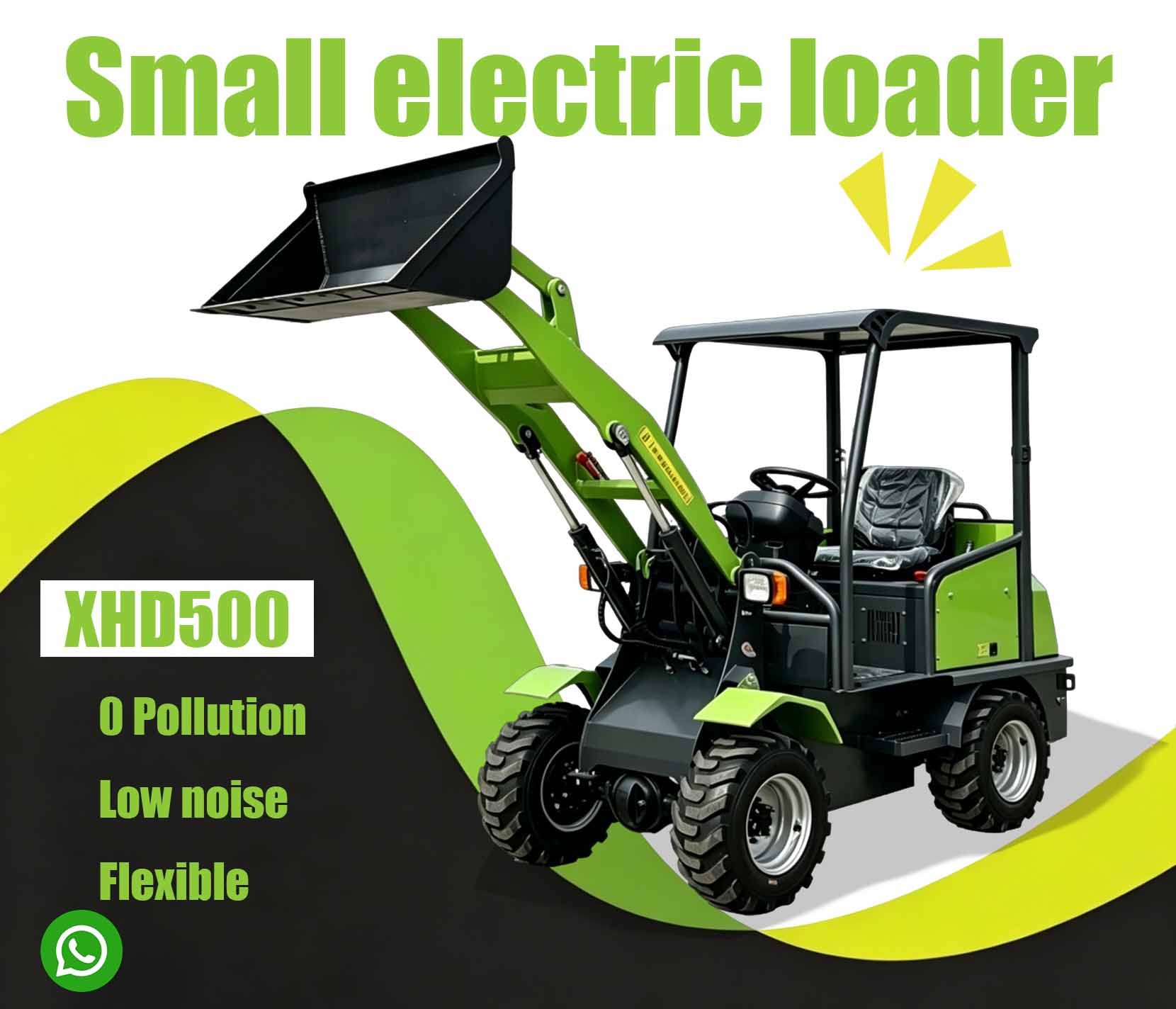
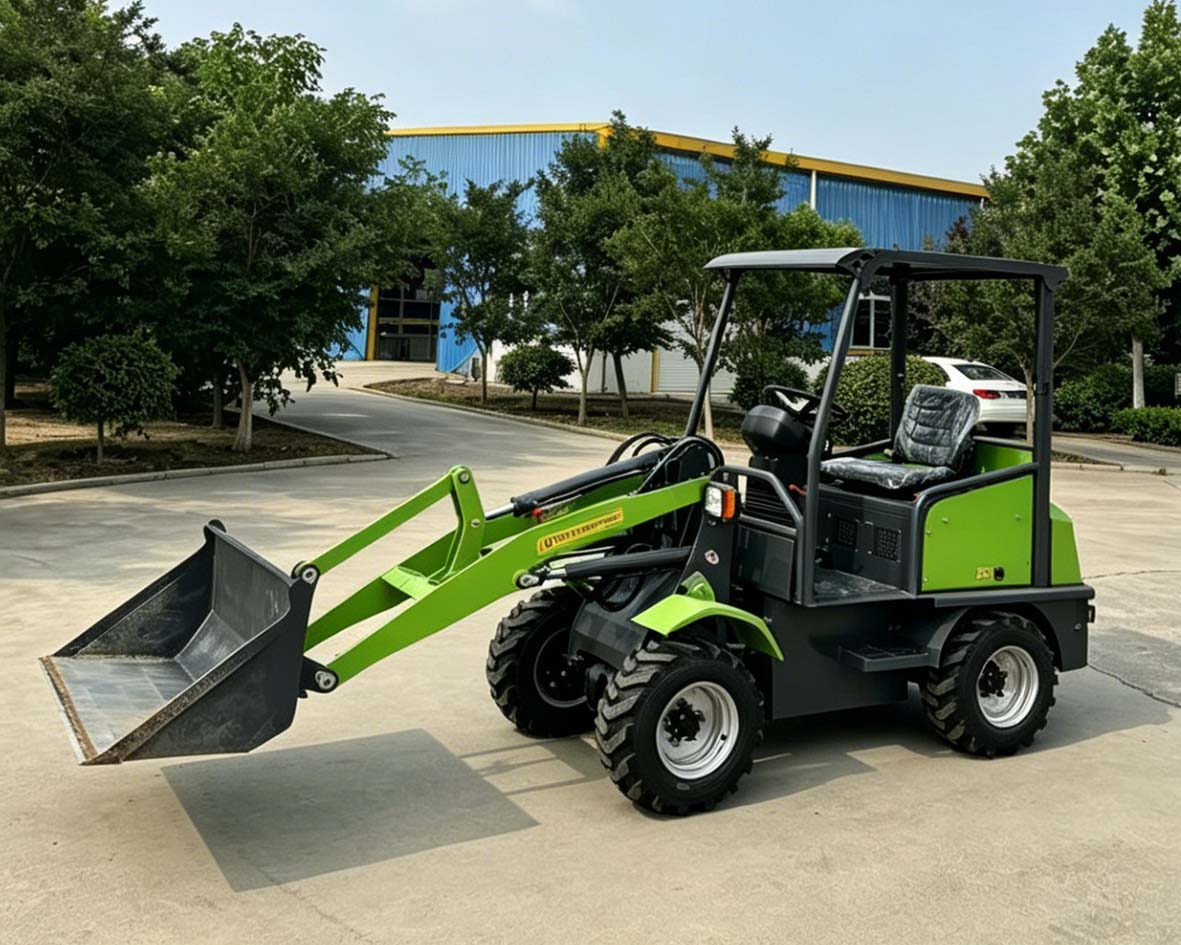
The Xinghang Electric Loader Series (from the compact XHD500A to the heavy-duty XHD20) challenges the old financial logic. By eliminating diesel fuel and drastically reducing mechanical complexity, these machines shift the cost curve. In this article, we will conduct a deep dive into the 5-year TCO of owning a Xinghang electric loader versus a comparable diesel unit. Prepare to discover why "expensive" electric is often the cheapest option in the long run.
1. Deconstructing TCO: The Five Pillars of Cost
To understand the financial advantage, we must break down the TCO into five distinct pillars:
Acquisition Cost: The initial purchase price and financing.
Energy Cost: Fuel (Diesel) vs. Energy (Electricity).
Maintenance & Consumables: Oil changes, filters, DPF maintenance, coolant, and wear items.
Downtime & Repairs: The cost of breakdowns and scheduled servicing.
Compliance & Residual Value: Fines for emissions non-compliance and the eventual resale value.
2. The Energy Equation: Diesel Volatility vs. Electrical Stability
2.1 The Diesel Burden
A standard 2-ton diesel loader consumes approximately 4–6 liters of diesel per hour under load. At an average European price of €1.50/liter, that is €6.00–€9.00 per hour. Over a 1,000-hour work year, you are spending €6,000–€9,000 just to keep the tank full. Moreover, diesel prices are notoriously volatile, subject to geopolitical tensions and seasonal demand spikes. Budgeting becomes a guessing game.
2.2 The Electric Advantage
Let’s compare this to the Xinghang XHD20, powered by a 153.6V 460Ah LiFePO? battery. Electricity costs are stable and predictable. Assuming an industrial rate of €0.20/kWh and the XHD20 consuming approximately 25–30 kWh during a full work cycle (including charging losses), the hourly energy cost is roughly €5.00–€6.00.
The Gap: While the per-hour savings might seem modest initially (€1–€3/hour), they compound rapidly. Over 5 years (5,000 hours), the diesel machine costs an additional €25,000–€45,000 in fuel alone. The electric machine runs on pennies, and the "fuel" cost is immune to global oil crises.
3. Maintenance: The Complexity Gap
Diesel engines are mechanical forests of complexity. The Xinghang Electric Powertrain is defined by its simplicity.
3.1 Diesel Maintenance Checklist
A diesel loader requires:
Regular oil changes (Engine, Hydraulic, Transmission).
Replacement of fuel filters, oil filters, air filters, and water separators.
DPF (Diesel Particulate Filter) regeneration or replacement—a notorious failure point costing thousands.
Coolant flushes and belt replacements.
Glow plug maintenance.
More frequent service intervals due to carbon buildup and vibration fatigue.
3.2 Xinghang Electric Maintenance
The XHD series requires:
No Engine Oil Changes: There is no engine.
No Fuel Filters: There is no combustion.
No DPF: Zero emissions mean zero exhaust aftertreatment.
Minimal Hydraulics: Only the 3kW (XHD500A) or 25kW×2 (XHD20) hydraulic pumps require standard hydraulic oil maintenance.
Brake Savings: Regenerative braking significantly reduces wear on physical brake components.
The Math: Industry data suggests maintenance costs for electric compact equipment are 50% to 70% lower than diesel equivalents. For a machine like the XHD500A, which uses robust Flat-Wire PMSM motors, the lack of vibration reduces structural fatigue on bolts, fittings, and harnesses, further lowering lifetime repair bills.
4. Downtime: The Silent Profit Killer
Downtime is not just the cost of a repair; it is the cost of a machine sitting idle while a job site waits. Diesel engines, with their thousands of moving parts, have a higher statistical probability of failure.
Electric motors have one moving part (the rotor). The CAN-Bus digital instrument cluster on Xinghang machines provides real-time diagnostics and text-based fault codes (e.g., "Low Battery Voltage"). This allows for predictive maintenance. Instead of a catastrophic failure on a Monday morning, the operator gets a warning on Friday afternoon, allowing for a planned 30-minute fix rather than a 3-day emergency repair.
5. Case Study: The 5-Year TCO Projection
Let’s project a 5-year scenario comparing a 2-Ton Diesel Loader vs. the Xinghang XHD20.
Cost Category | 2-Ton Diesel Loader | Xinghang XHD20 (Electric) | Savings with XHD20 |
|---|---|---|---|
Purchase Price | $45,000 | $65,000 | -$20,000 |
Fuel/Energy (5,000 hrs) | $40,000 (Est.) | $12,000 (Est.) | +$28,000 |
Maintenance (5 Years) | $15,000 (Est.) | $5,000 (Est.) | +$10,000 |
DPF/Emissions Repairs | $4,000 (Est.) | $0 | +$4,000 |
Downtime Cost | $5,000 (Est.) | $1,000 (Est.) | +$4,000 |
Total 5-Year TCO | $109,000 | $83,000 | +$26,000 |
The Verdict: Within the first 18–24 months of operation, the higher purchase price of the XHD20 is fully offset by fuel and maintenance savings. By year five, the electric machine has saved the owner over $26,000. When you factor in potential Low Emission Zone (LEZ) fines avoided, the case for electric becomes undeniable.
6. Residual Value: The Future-Proof Asset
A 5-year-old diesel loader is facing obsolescence. Emissions regulations tighten every year. A 5-year-old electric loader, particularly one with a robust 153.6V LiFePO? battery, is a future-proof asset. As cities ban diesel, the resale value of electric machinery will remain strong, whereas diesel values will plummet.
Conclusion: Pay More Now, Save More Later
Buying a loader is not an expense; it is an investment. The Xinghang Electric Loader Series represents a smarter investment strategy. You pay a premium upfront to save tens of thousands over the lifecycle. You trade volatility for stability. You trade complexity for reliability.
Stop letting diesel fuel and maintenance invoices dictate your profit margins. Calculate your TCO, and you will find that the future is electric—and it is profitable.
?? Contact Xinghang Machinery for a personalized TCO calculator and FOB quotation. Invest in the machine that pays you back.
Small Machine, Giant Power — The Economics of Evolution.