 Chinese
 English
 Russian
Introduction: The $100,000 Cost of a "Bad Ride"
In the construction equipment business, we talk a lot about horsepower, lift capacity, and hydraulic flow. But there is a hidden cost factor that rarely appears on a spec sheet: Operator Well-being.
In the US, the CDC estimates that Hand-Arm Vibration Syndrome (HAVS) and noise-induced hearing loss cost the economy billions in workers' compensation and lost productivity. In the EU, stringent directives (2002/44/EC on vibration, 2003/10/EC on noise) mandate strict exposure limits. If your machine exceeds these limits, you face fines, downtime, or forced job rotations.
More importantly, the workforce is changing. The younger generation of skilled operators is less tolerant of "rough rides." They won't spend 10 hours a day in a cab shaking like a paint mixer or wearing ear defenders that cut them off from the team. They quit. And replacing a skilled operator costs upwards of $10,000–$15,000 in recruitment, training, and lost efficiency.
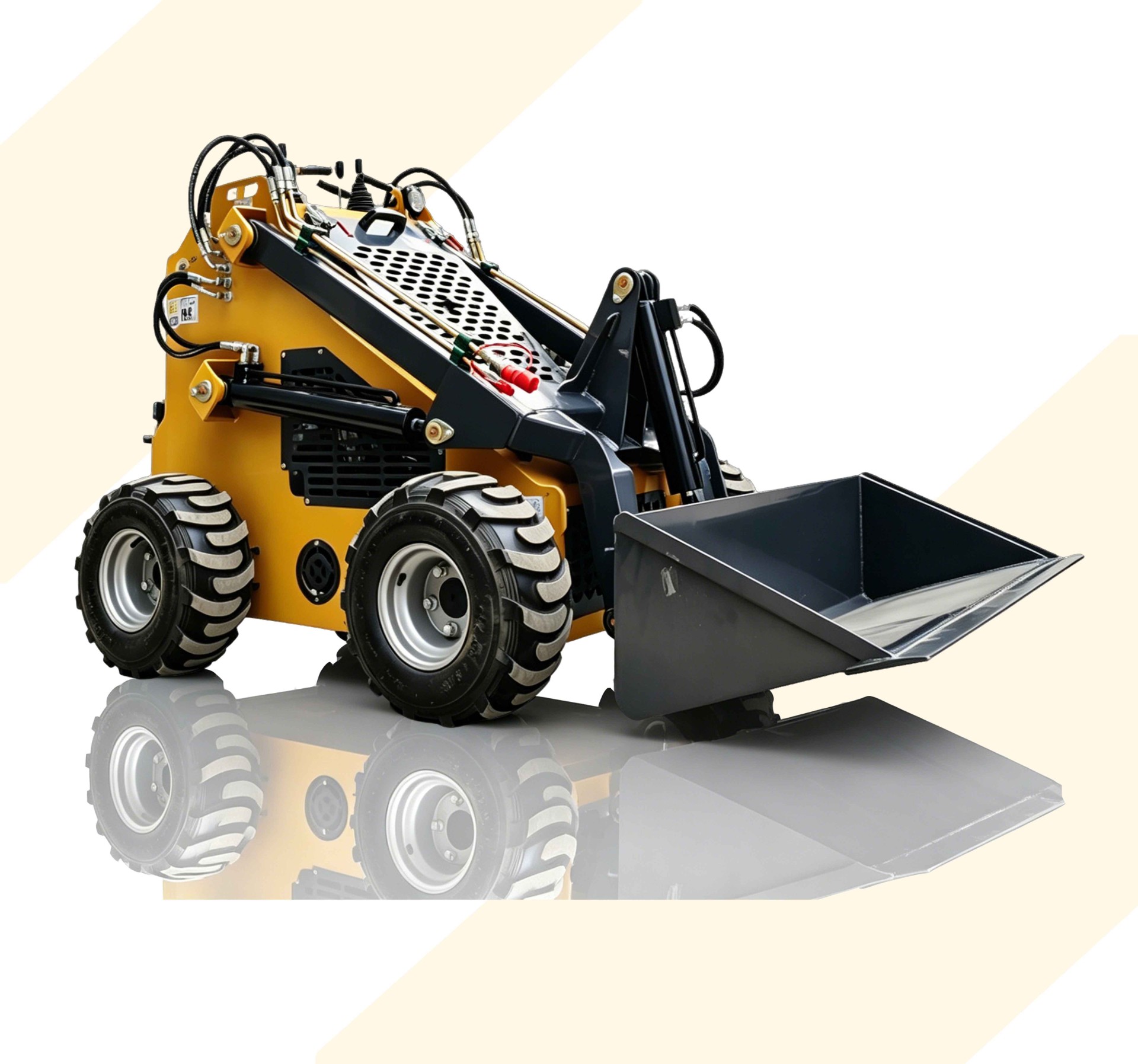
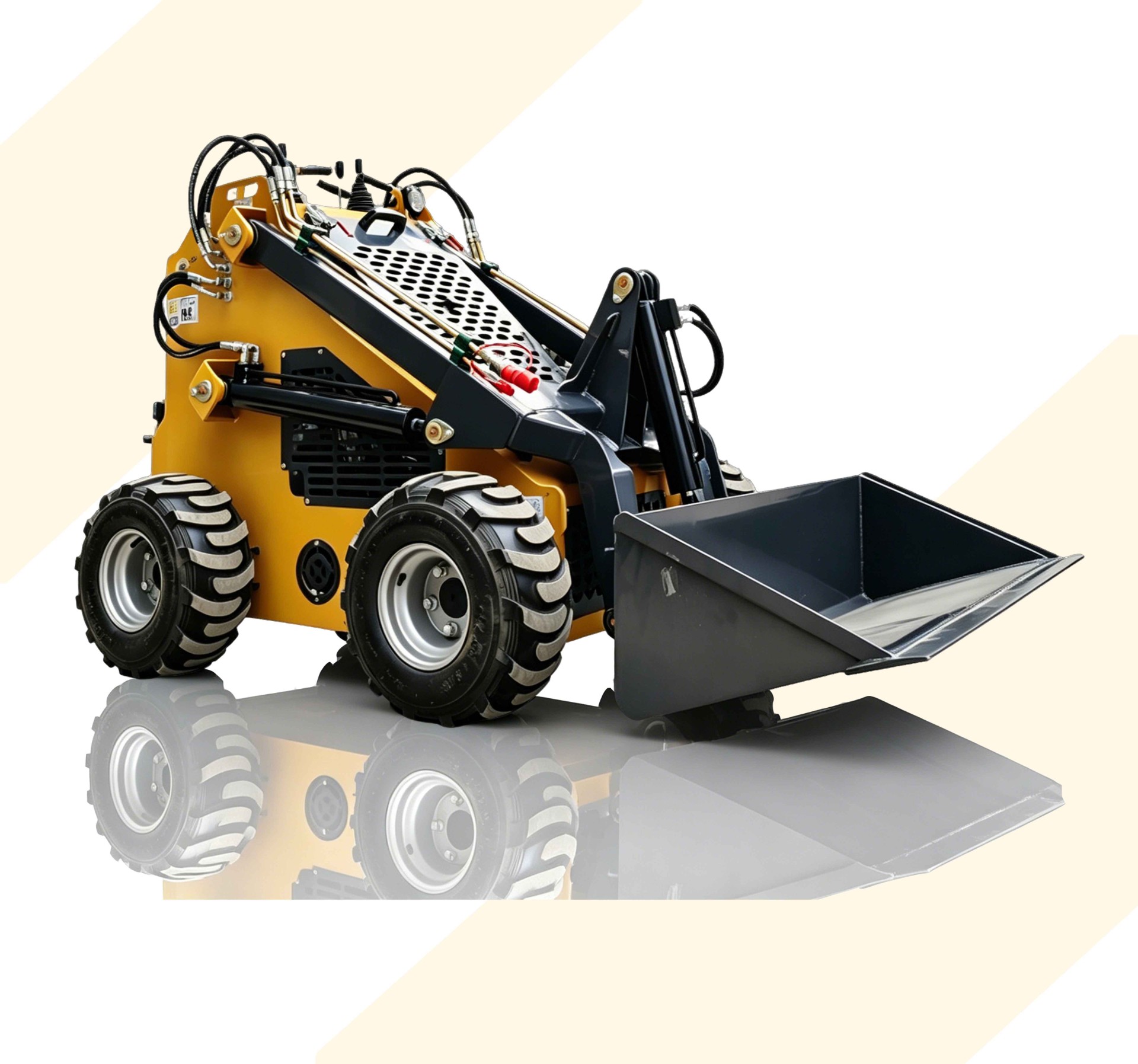
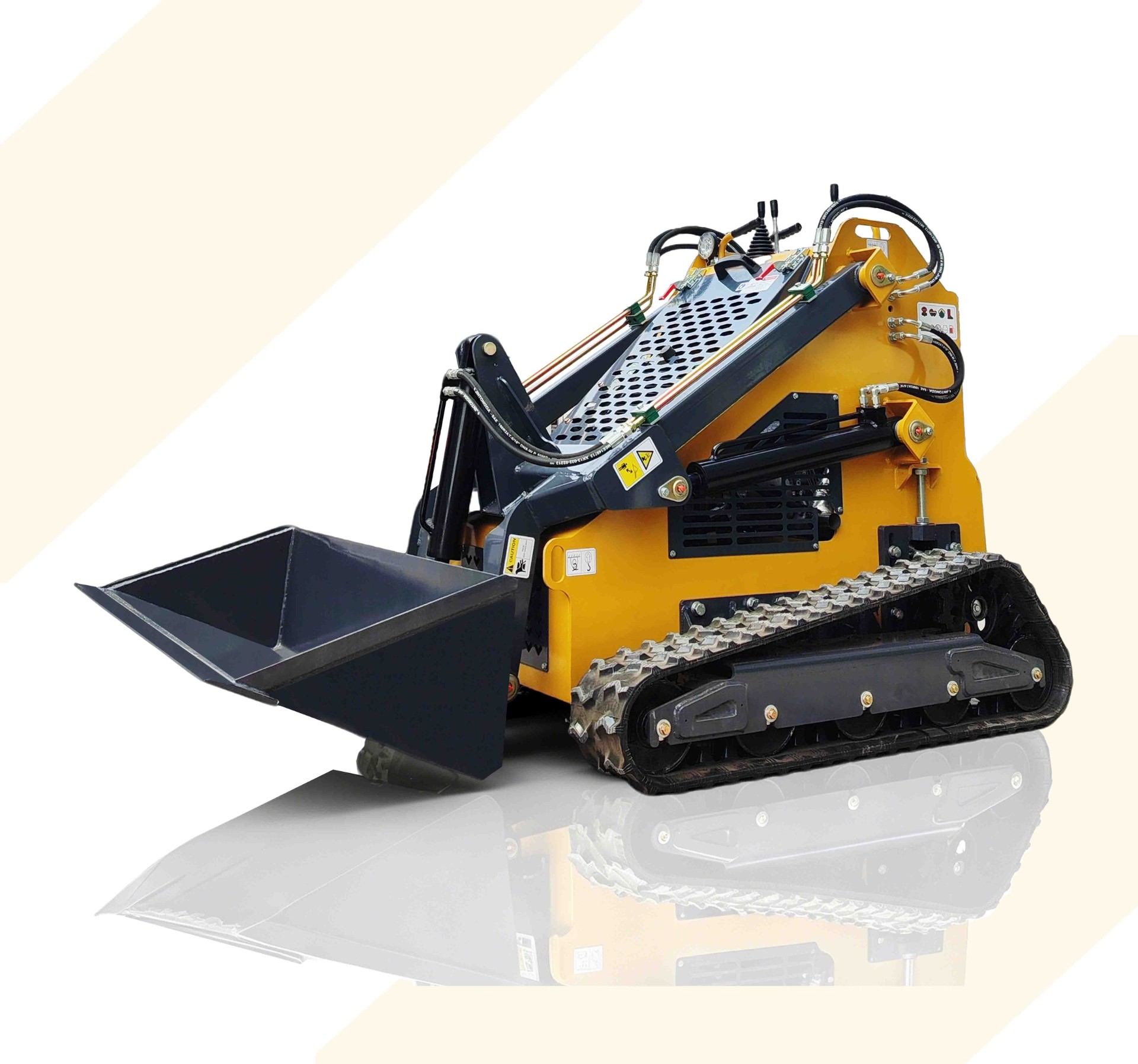
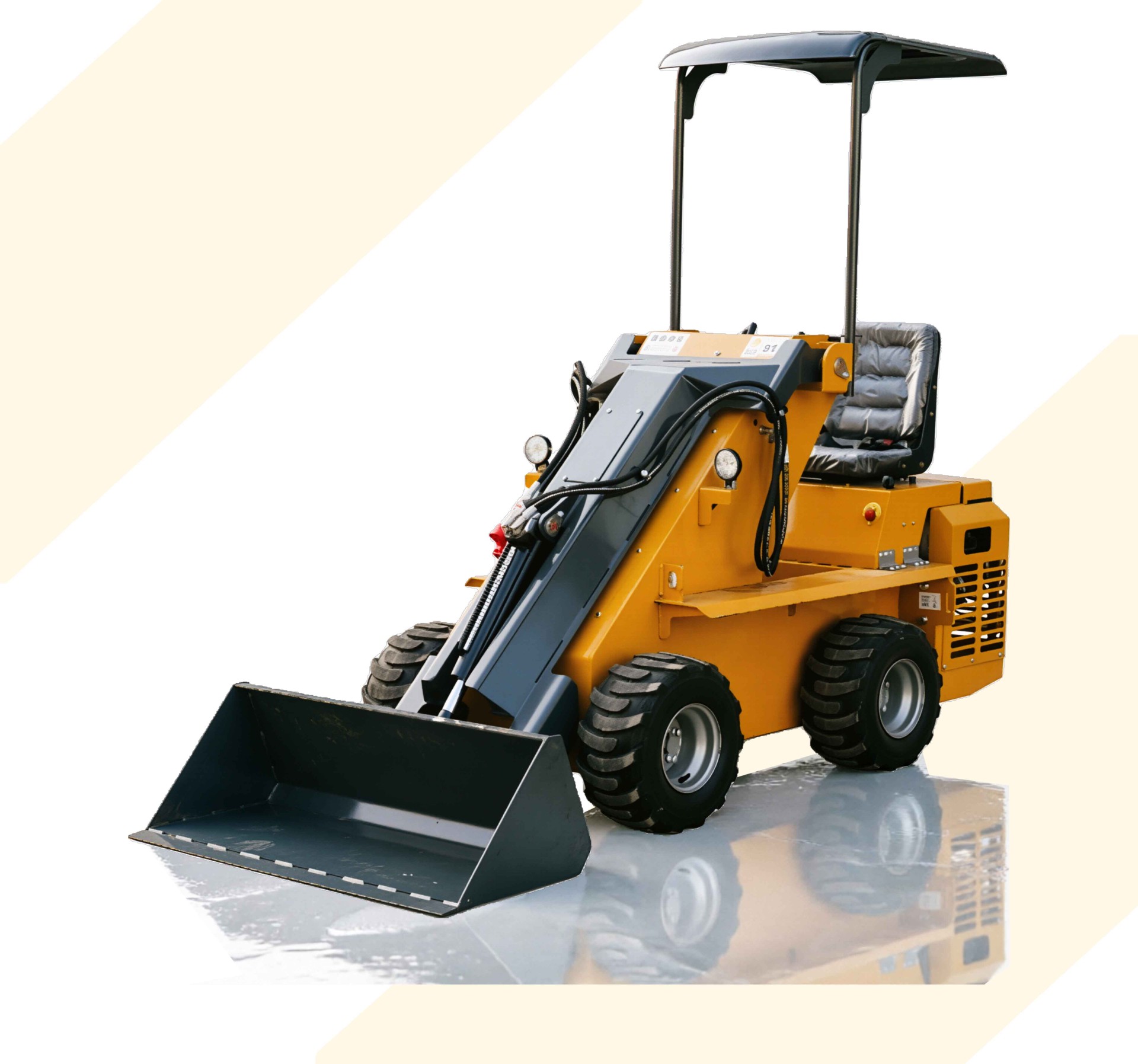
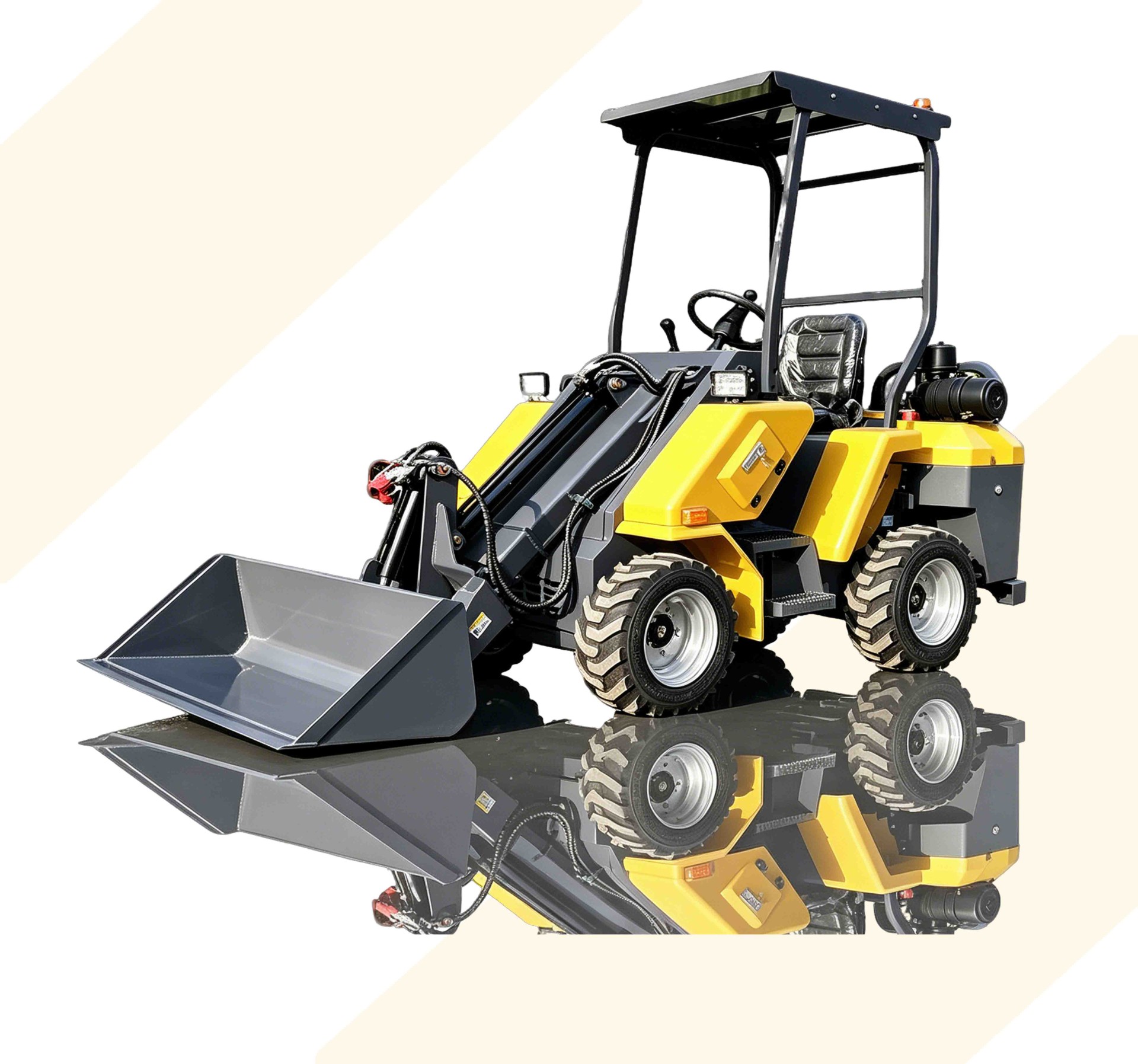
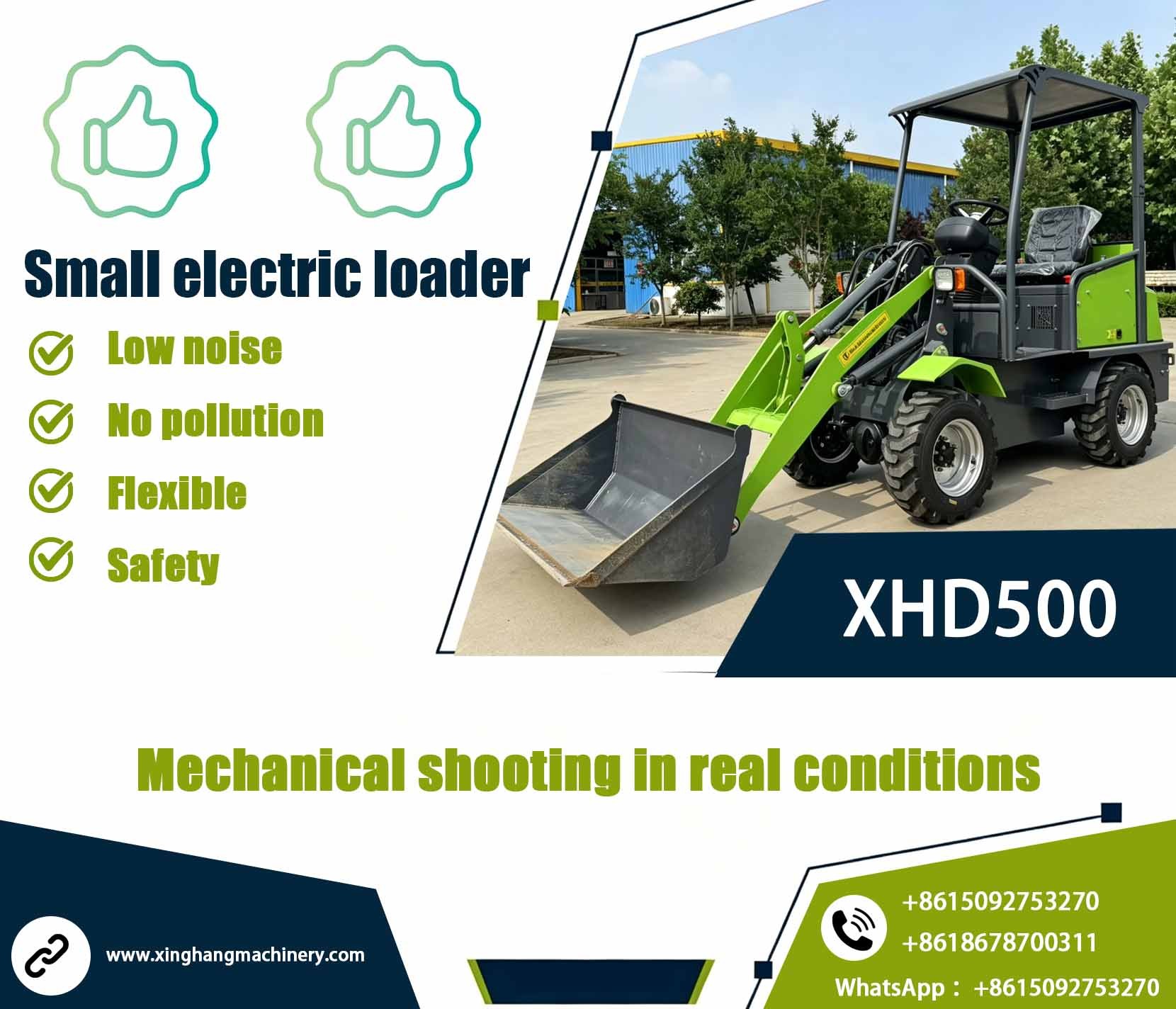
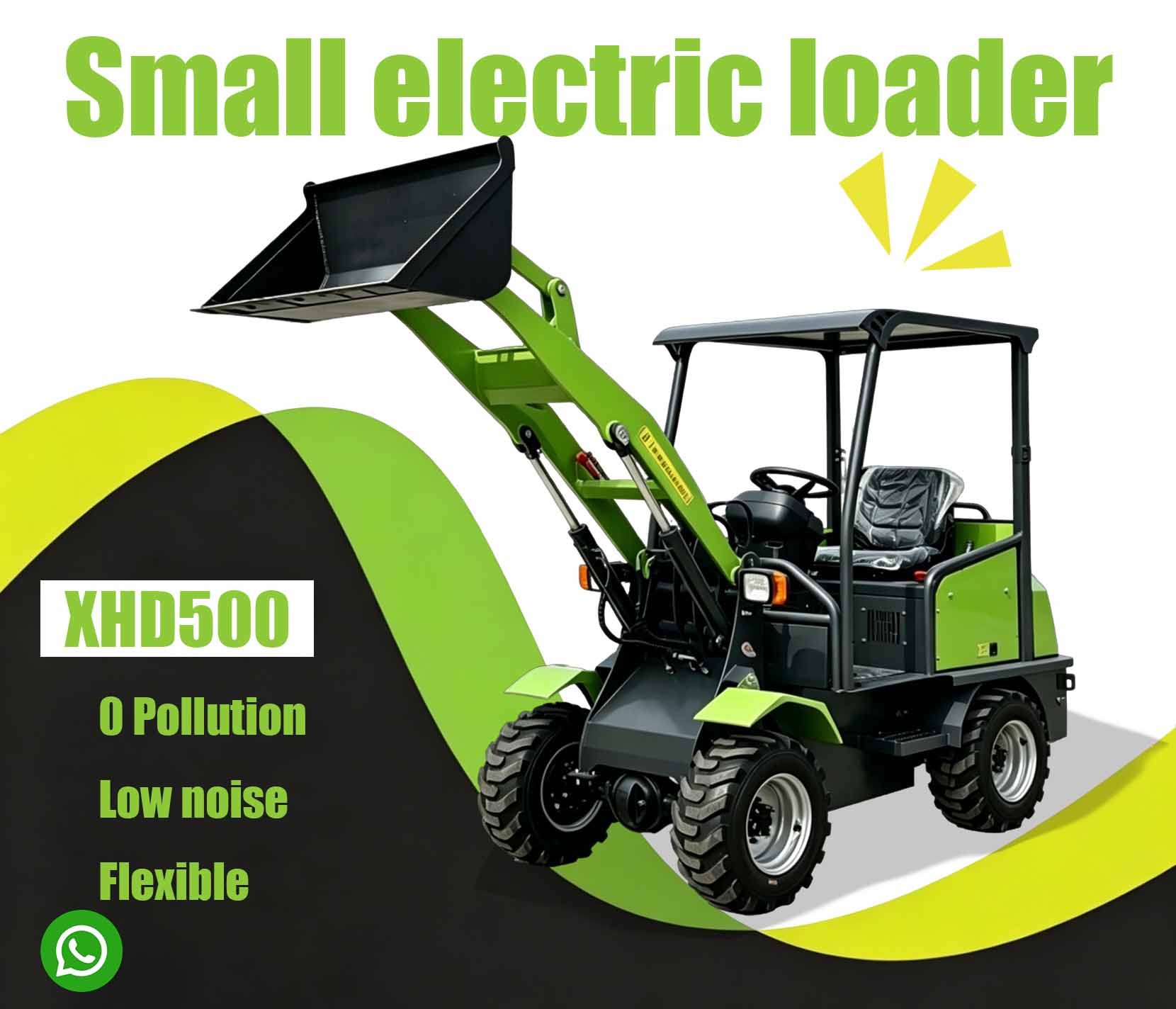
The Xinghang Electric Loader Series—specifically the XHD500A and the XHD20—addresses this human factor head-on. By replacing the violent physics of diesel combustion with the smooth physics of electric rotation, these machines offer a "Human-Centric" alternative. This isn't just about comfort; it's about retention, compliance, and profitability.
1. The Physics of Discomfort: Diesel vs. Electric
1.1 The Diesel "Shake"
A diesel engine operates on thousands of tiny explosions (combustion cycles). Even with balance shafts, the inherent reciprocating mass of pistons and connecting rods creates Low-Frequency Vibration (LFV). This vibration travels through the chassis, the controls, and into the operator's hands, arms, and spine.
HAVS Risk: Prolonged exposure leads to numbness, reduced grip strength, and chronic pain.
Fatigue: Fighting the vibration burns calories and mental focus. An operator on a diesel loader is exhausted long before the fuel light comes on.
1.2 The Electric "Glide"
The Xinghang XHD500A use Flat-Wire Permanent Magnet Synchronous Motors (PMSM). These motors have only one moving part: the rotor. There are no piston explosions, no valve trains, and no crankshaft imbalance.
Zero Vibration: The rotational force is smooth and linear. The operator feels the inertia of the load, not the jarring of the engine.
Reduced Fatigue: Without the constant battle against vibration, operators report feeling "less beaten up" at the end of a shift. This translates to higher productivity in the final hours of the day.
2. The Sound of Silence: ≤50 dB(A) Operation
Noise is more than an annoyance; it is a cognitive load.
2.1 The Diesel Roar
A typical diesel compact loader produces 85–95 dB(A) at the operator's ear. At this level, communication requires shouting, and hearing protection is mandatory. Long-term exposure leads to irreversible hearing damage.
2.2 The Xinghang Whisper
The XHD500A operates at ≤50 dB(A)—quieter than a normal conversation (60–70 dB). The XHD20, despite its 35kW power, is significantly quieter than its diesel counterpart due to the absence of combustion and exhaust noise.
Communication: Operators can talk to ground workers without yelling or removing hearing protection (though protection is still recommended as a precaution).
Cognitive Bandwidth: Lower noise reduces stress and allows the operator to focus on the task, the load, and the surroundings. This improves safety and precision.
Night Work: Low noise allows operation in residential areas or hospitals at night without triggering noise complaints—a significant advantage for urban contractors.
3. Ergonomics of Control: From Mechanical Linkage to Electro-Hydraulic Integration
Beyond the powertrain, the way a machine responds to input defines the operator experience.
3.1 The Old School: Mechanical Linkage
Older diesel machines use physical rods, cables, and levers. They are stiff, require physical strength to move, and often have "dead spots" or lag. Training a new operator takes days or weeks.
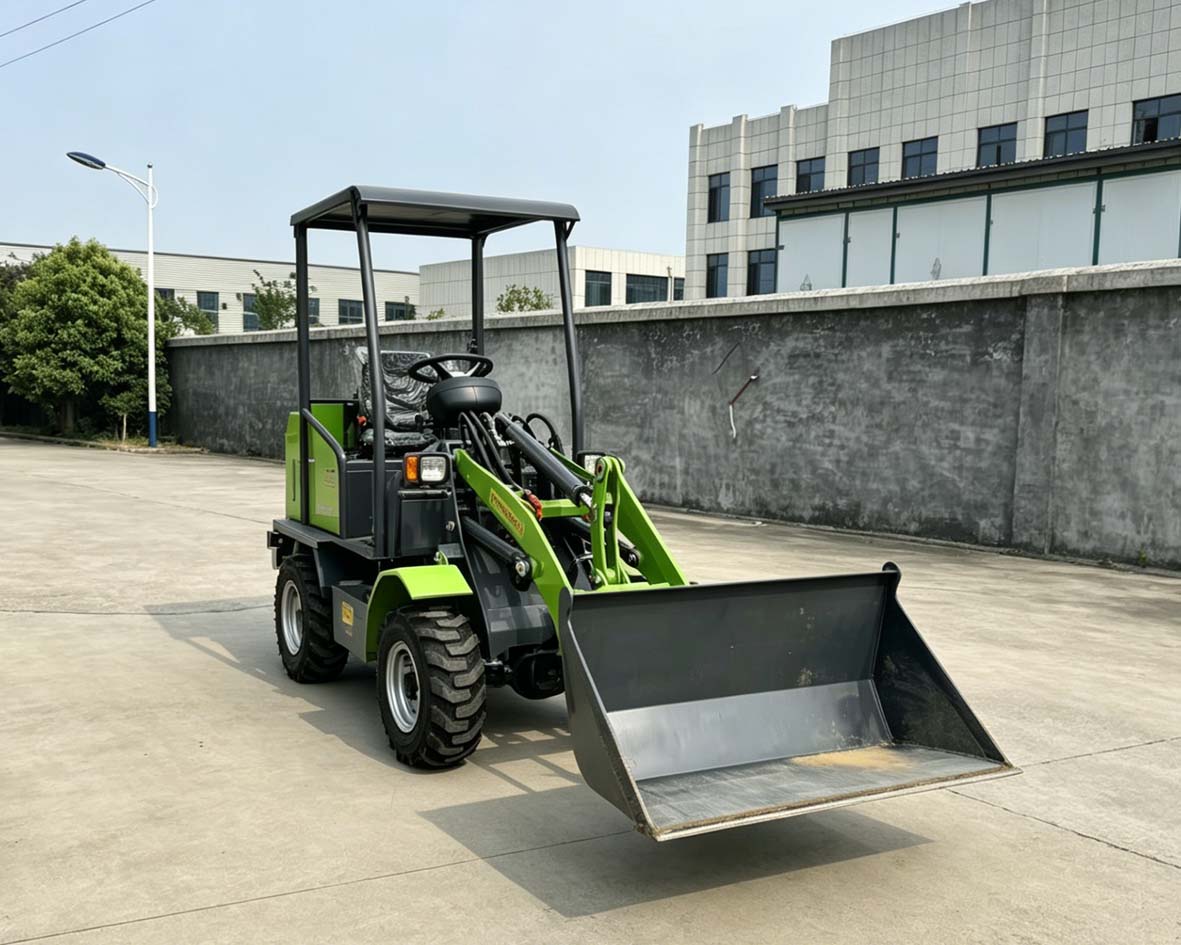
3.2 The Xinghang Advantage: Integrated Electro-Hydraulic Joystick
Both the XHD500A and XHD20 feature advanced control systems:
Single-Hand Control: An integrated electro-hydraulic joystick manages forward/reverse, high/low speed, boom lift, and bucket tilt. It is intuitive, like a video game controller.
CAN-Bus Feedback: The Digital LCD Dashboard communicates with the controller. If the operator tries to perform an unsafe action (e.g., lifting while traveling too fast), the system alerts them via the screen and audible tone.
Servo-Assist: The joystick requires minimal physical effort. A 120lb operator can control a 2,200kg load (XHD20) with fingertip precision. This democratizes operation—women and smaller operators can run the machine effectively.
Learning Curve: New operators become proficient in hours, not days. This drastically reduces training costs and expands your hiring pool.
4. The "Invisible" Benefits: Air Quality and Climate
4.1 Diesel Exhaust
Diesel exhaust contains soot, NO?, and other carcinogens. In indoor or trench work, even with ventilation, operators breathe contaminated air. This leads to respiratory issues and sick days.
4.2 Zero Emissions
The Xinghang electric loaders produce zero tailpipe emissions.
Indoor Work: Operators can work inside a warehouse or basement without gas masks or massive ventilation fans.
Health: Cleaner air means fewer sick days and better long-term health outcomes for your team.
Climate Control: Without a hot diesel engine radiating heat, the ambient temperature around the operator is lower, improving comfort in summer months.
5. Case Study: The Municipal Crew
Scenario: A city public works department runs a crew of three on a trenching project.
Old Setup (Diesel): After 4 hours, operators complain of numb hands and ringing ears. Breaks are extended. Productivity drops 20% in the afternoon. One operator quits due to chronic back pain (aggravated by vibration). Replacement cost: $12,000.
New Setup (Xinghang XHD500A): Operators report minimal fatigue. Communication is easy. They complete the 4-hour shift and feel ready for more. No complaints of numbness or hearing issues. The department avoids the $12,000 turnover cost and finishes the project 2 days early due to sustained afternoon productivity.
6. Retention Through Respect: The "Soft" ROI
Investing in ergonomic equipment sends a powerful message to your team: "We value your health and comfort."
Reduced Turnover: Operators stay longer when they aren't being physically punished by their tools.
Recruitment: Word spreads. Younger operators seek out companies with "modern, easy-to-run" equipment.
Safety Record: Comfortable, alert operators make fewer mistakes. Your MOD (Modifiable Incident Rate) drops, lowering insurance premiums.
Brand Image: A company that cares for its people is more attractive to clients with strong ESG (Environmental, Social, Governance) requirements.
Conclusion: People Are Your Most Expensive Asset
Machines are replaceable; skilled operators are not. The Xinghang Electric Loader Series recognizes that the most advanced hydraulic system in the world is useless if the human operating it is exhausted, injured, or distracted.
By choosing the XHD500A or XHD20, you aren't just buying a loader; you are investing in a Human-Centric Workspace. You are protecting your team from HAVS and hearing loss, reducing fatigue, and fostering a culture of safety and respect.
In a tight labor market, the company with the most comfortable, modern machines wins the talent war. Equip your team with the loader that treats them as well as it treats the job site.
?? Contact Xinghang Machinery today for a demo on the ergonomic advantages of our electric loaders. Invest in your people; they are your greatest asset.
Small Machine, Giant Power — Designed for the Human Operator.