 Chinese
 English
 Russian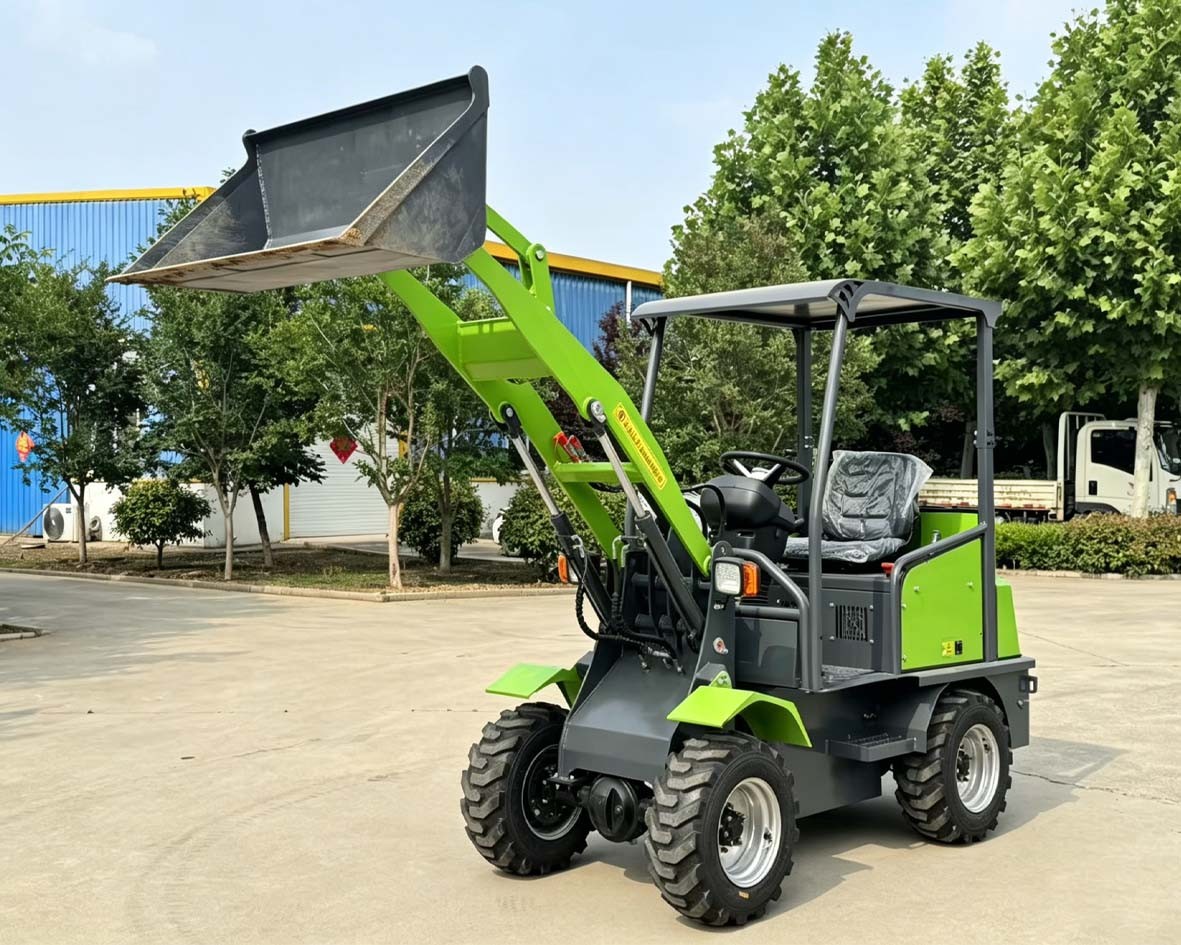
Introduction: The Diesel Cliff vs. The Electric Plateau
Every business owner understands depreciation. You buy a $60,000 diesel loader, and the moment you drive it off the lot, it loses 20%. By year five, it has often lost 60–70% of its value. But with diesel machines, there is a new, steeper cliff approaching: Regulatory Obsolescence.
When London, Amsterdam, or California declares a zone "Zero Emission," your Euro V or even Euro VI diesel loader doesn't just depreciate—it becomes scrap metal. Its utility is terminated by law, not wear. This is the risk of investing in internal combustion technology in a decarbonizing world.
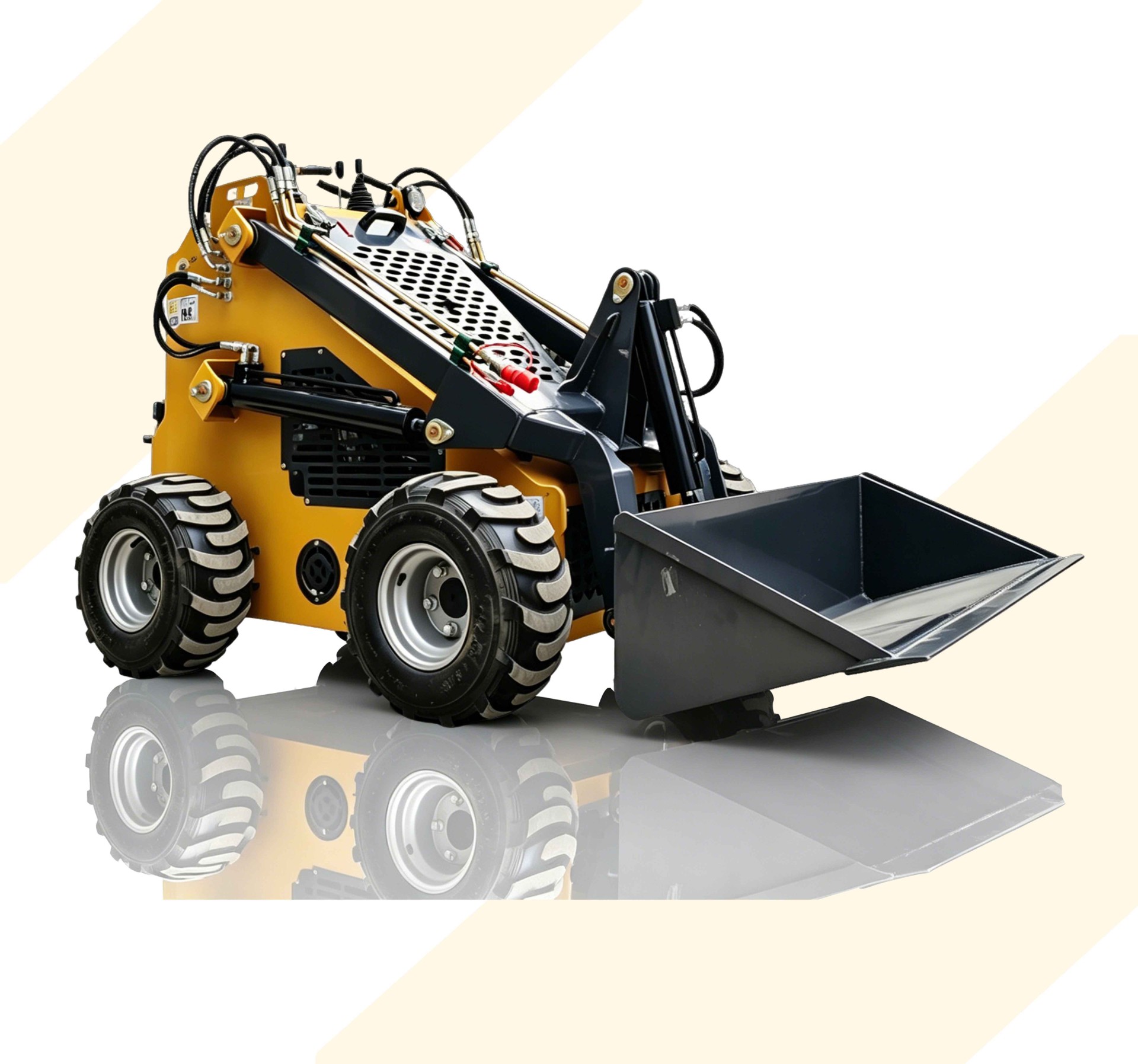
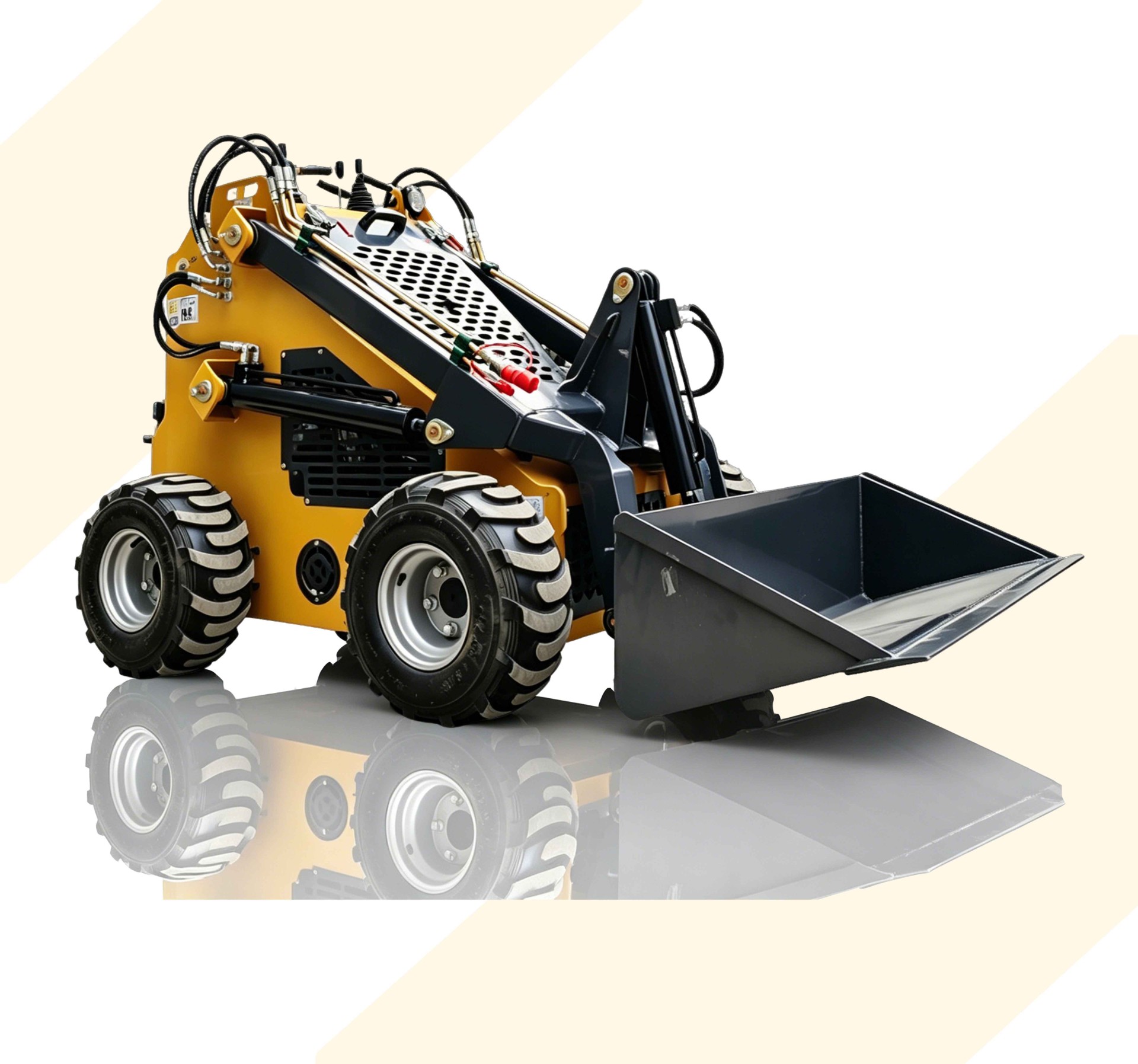
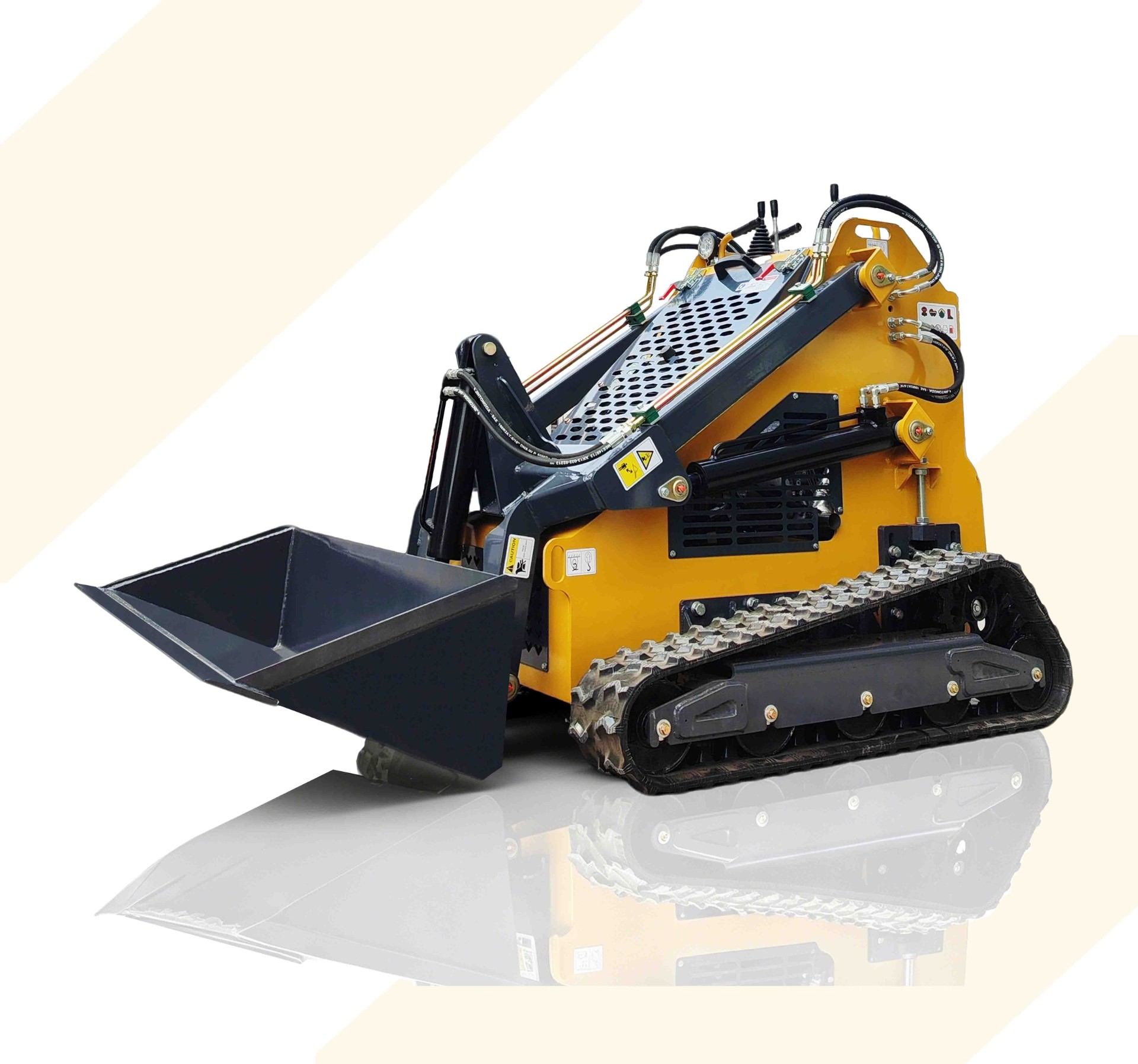
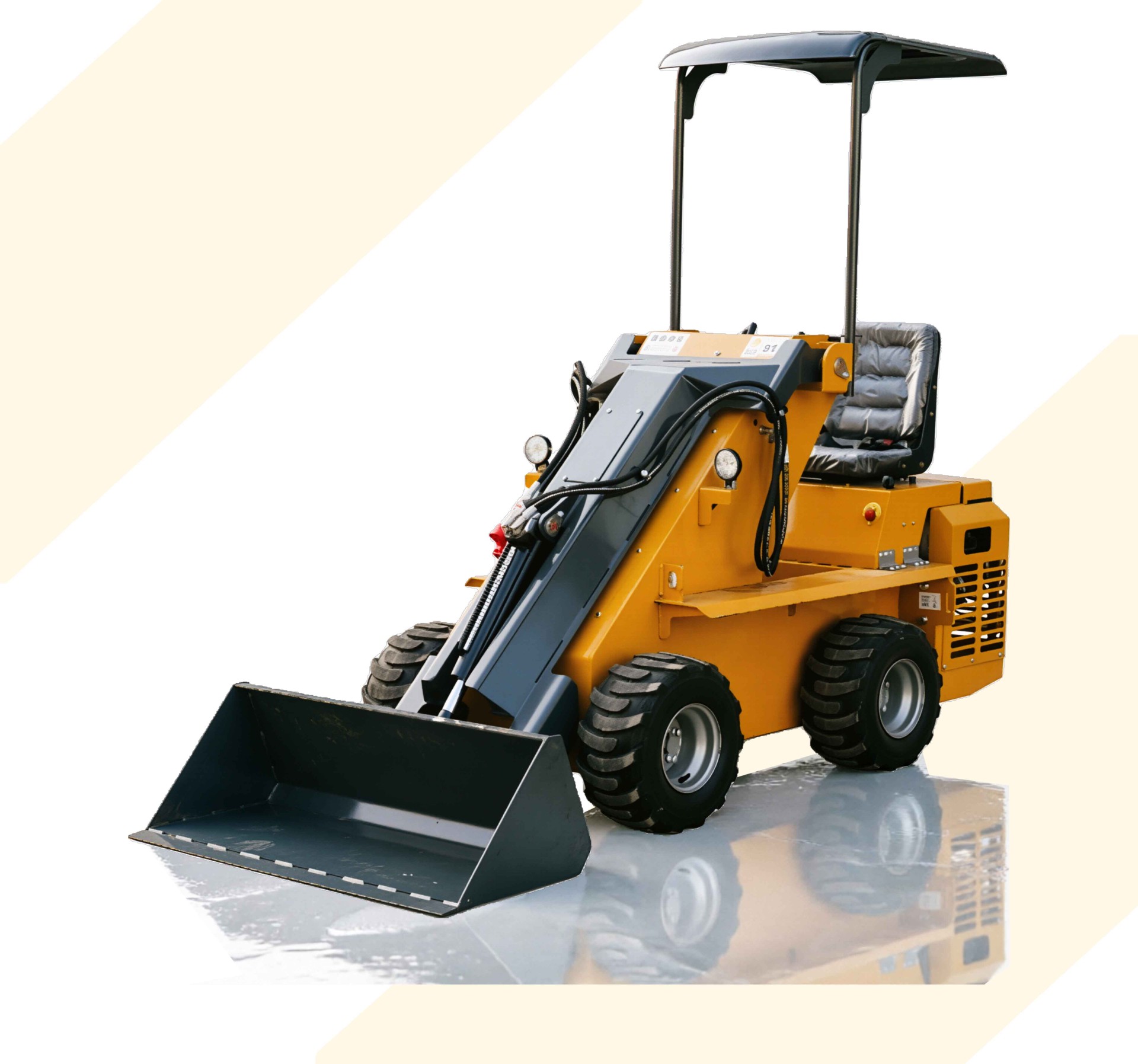
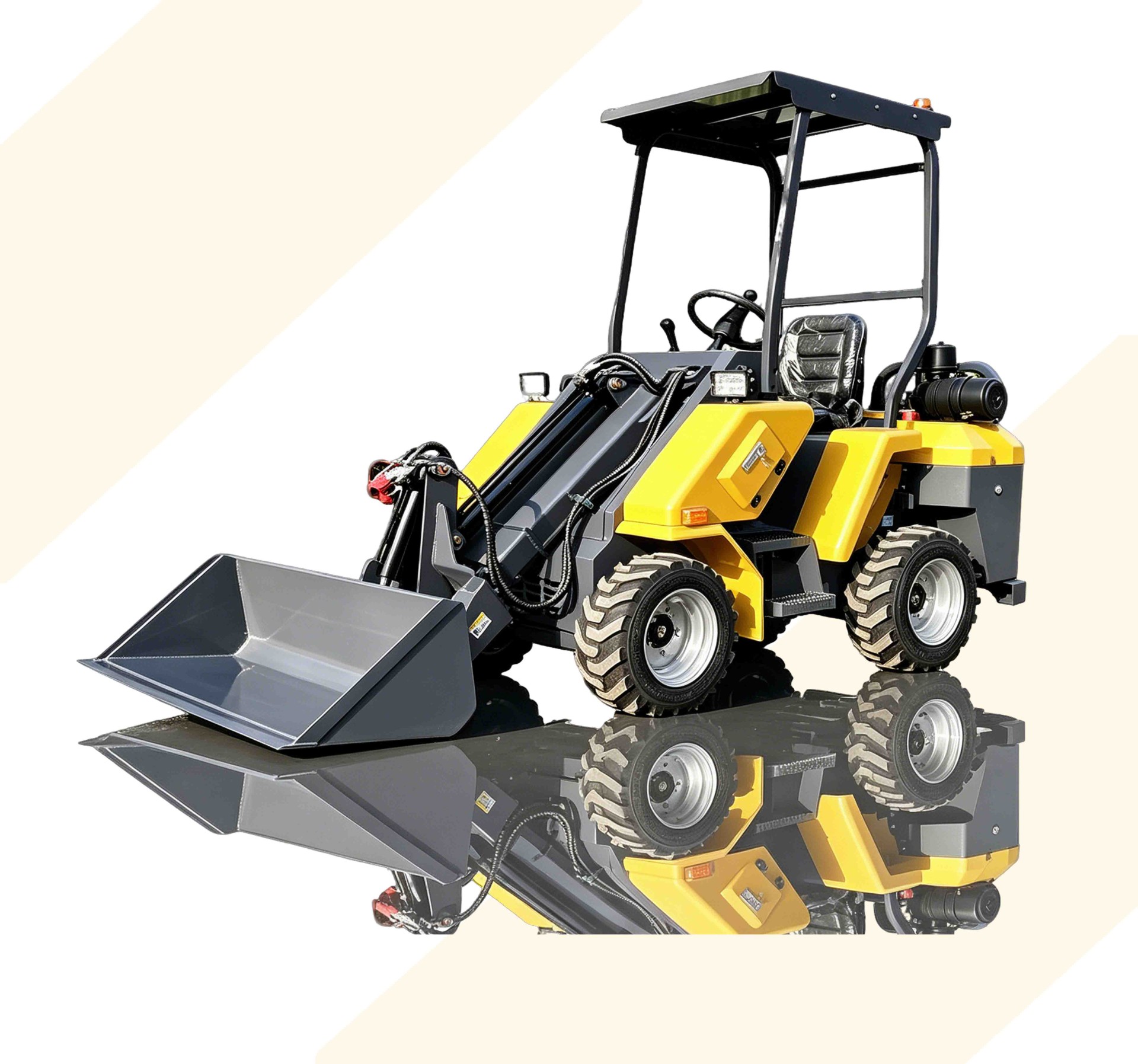
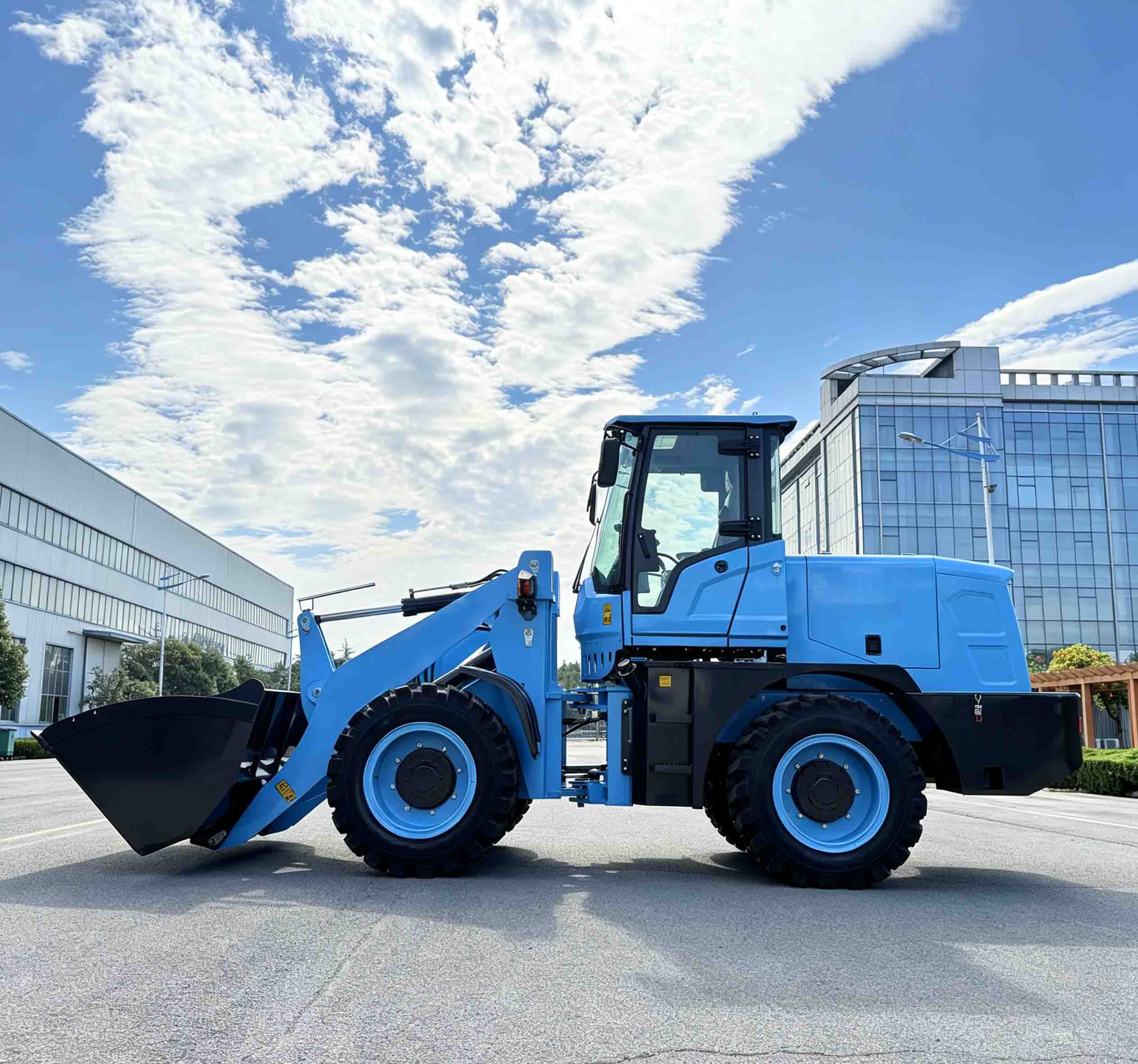
The Xinghang Electric Loader Series, particularly the heavy-duty XHD20 and XHD25T, presents a different financial trajectory. Thanks to the 153.6V LiFePO? battery platform, robust flat-wire motors, and a software-defined architecture, these machines follow a "Plateau of Utility." Their value does not vanish because they remain compliant, adaptable, and technologically relevant long after a diesel engine would have been banned.
This article explores the concept of Lifecycle Asset Management. We will examine why the residual value of a Xinghang electric loader is structurally higher than its diesel counterpart and how the battery itself becomes a "Second-Life" asset.
1. The Structural Advantage: Simplicity = Longevity
1.1 The Diesel Complexity Tax
A diesel engine is a mechanical marvel of extreme complexity. Thousands of parts—injectors, turbochargers, DPFs, EGR valves, timing belts—are subject to heat cycling, carbon buildup, and vibration fatigue. After 5,000–8,000 hours, a diesel engine often requires a major overhaul ($10k–$20k) or replacement. At this point, the machine is often worth less than the cost of the repair.
1.2 The Electric Simplicity Dividend
The Xinghang powertrain is defined by what it doesn'thave:
No Engine Overhaul: The Flat-Wire PMSM Motors (e.g., 35kW in XHD20) have only one moving part. They are sealed units with a lifespan often exceeding 10,000–15,000 hours.
No Emissions Hardware: No DPF, no SCR, no DEF. Nothing to clog, poison, or replace.
Software Updates: While a diesel engine ages physically, the Xinghang’s CAN-Bus control system can receive firmware updates to optimize efficiency or add features, keeping the machine "new" from a control perspective.
Result: A 5-year-old Xinghang loader is mechanically closer to new than a 5-year-old diesel. This translates directly to higher resale value.
2. The Battery: From Consumable to Asset (Second-Life)
In early electric vehicles, the battery was considered a consumable that degraded rapidly. Modern LiFePO? (LFP) chemistry, as used in the XHD20 (153.6V 460Ah), changes this paradigm.
2.1 Exceptional Cycle Life
LiFePO? batteries offer 3,000–5,000 full charge cycles before significant degradation. In a construction context (assuming 250 cycles per year), this equates to 12–20 years of useful life in the vehicle.
Year 5 Condition: At the 5-year mark, a well-maintained Xinghang battery pack still retains 80–85% of its original capacity. In a diesel loader, the engine is often "tired" at this stage; in an electric loader, the battery is still in its prime.
2.2 Second-Life Value (Stationary Storage)
When the battery eventually falls below the threshold for heavy machinery (say, 70–75% capacity), it is not worthless. It enters the "Second-Life" market.
Solar Storage: These high-voltage packs are ideal for stationary solar energy storage in homes, farms, or factories.
Peak Shaving: Businesses use them to store cheap off-peak grid power and discharge during expensive peak hours.
Monetization: A battery pack that costs $15,000 new might fetch $3,000–$5,000 in the second-life market. This residual value directly offsets the depreciation of the loader, boosting your ROI.
3. Regulatory Immunity = Value Protection
3.1 The Diesel Ban Wave
As discussed in Article 3, LEZs and ZEZs are expanding. A diesel loader purchased today may be legally obsolete in 5 years. Who will buy a non-compliant machine at auction? The market will be flooded with cheap, unsellable diesel units, crashing their residual values.
3.2 The Electric Compliance Shield
An electric loader is Legally Future-Proof.
Zero Emission: It meets today's standards and will meet tomorrow's stricter standards.
Software Defined: As regulations tighten (e.g., requiring quieter operation or data logging), the Xinghang can adapt via software updates.
Global Appeal: A used Xinghang loader can be sold from Germany to the UK, to North America, or to Asia without worrying about local emissions homologation. Its market is global, not local.
Result: The resale market for electric loaders will remain strong, while the diesel resale market will collapse under regulatory pressure.
4. Case Study: The 8-Year Lifecycle Comparison
Let’s project the value of two machines after 8 years (4,000 operating hours).
Metric | 2-Ton Diesel Loader | Xinghang XHD20 (Electric) |
|---|---|---|
Initial Cost | $60,000 | $80,000 |
Condition at Year 8 | "Tired." Requires engine rebuild or replacement. High oil consumption. Non-compliant in many cities. | "Healthy." Motors strong. Battery at ~75% SOH. Fully compliant everywhere. |
Estimated Resale Value | $8,000 (Scrap/parts value). Hard to sell due to emissions. | $25,000 (Machine value) + $4,000 (Battery 2nd-life value) = $29,000. |
Net Depreciation | $52,000 | $51,000 |
Conclusion | High depreciation, low residual. | Similar depreciation, but high residual + battery value. |
The Insight: While the initial purchase price is higher, the Net Cost of Ownership (Initial Cost - Residual Value) is virtually identical or lower for the electric machine. However, the electric machine gave you 8 years of lower fuel costs, lower maintenance, and zero fines.
5. ESG Reporting and Corporate Desirability
Large corporations and municipalities increasingly require vendors to meet ESG (Environmental, Social, and Governance) criteria. Owning or renting electric equipment contributes positively to their Scope 1 emissions reporting.
Demand Driver: A well-documented, 5-year-old electric loader is highly desirable to large corporations looking to "green" their supply chain. This drives up used market demand and prices.
Documentation: The Xinghang’s CAN-Bus data logging provides irrefutable proof of zero-emission operation throughout the machine's life. This "digital birth certificate" enhances resale value.
6. Maintenance Records: The Digital Ledger
When selling a used diesel, you hand over a folder of oil change receipts. When selling a used Xinghang, you hand over a Digital History.
CAN-Bus Logs: Potential buyers can see the actual hours, the battery health (SOH), the motor temperatures, and any fault codes.
Transparency: This transparency builds trust. A buyer knows exactly what they are getting. This reduces the "risk premium" buyers usually demand for used equipment, resulting in a higher sale price.
Conclusion: Invest in the Plateau, Not the Cliff
The decision to purchase a Xinghang electric loader is a decision to invest in an asset that resists the "Diesel Cliff." It is a decision to own a machine whose value is protected by simplicity, regulatory immunity, and battery longevity.
You are not just buying iron; you are acquiring a High-Voltage Energy Asset. You are buying a machine that works harder, lasts longer, and sells for more. You are future-proofing your balance sheet against the inevitable decline of fossil-fuel machinery.
Don't buy a machine that is designed to become obsolete. Buy a Xinghang—an asset built for the next decade.
?? Contact Xinghang Machinery today for the XHD20 and XHD25T specification sheets, battery lifecycle reports, and our guaranteed buy-back program details. Secure your future with smart assets.
Small Machine, Giant Power — Investing in the Future.