 Chinese
 English
 Russian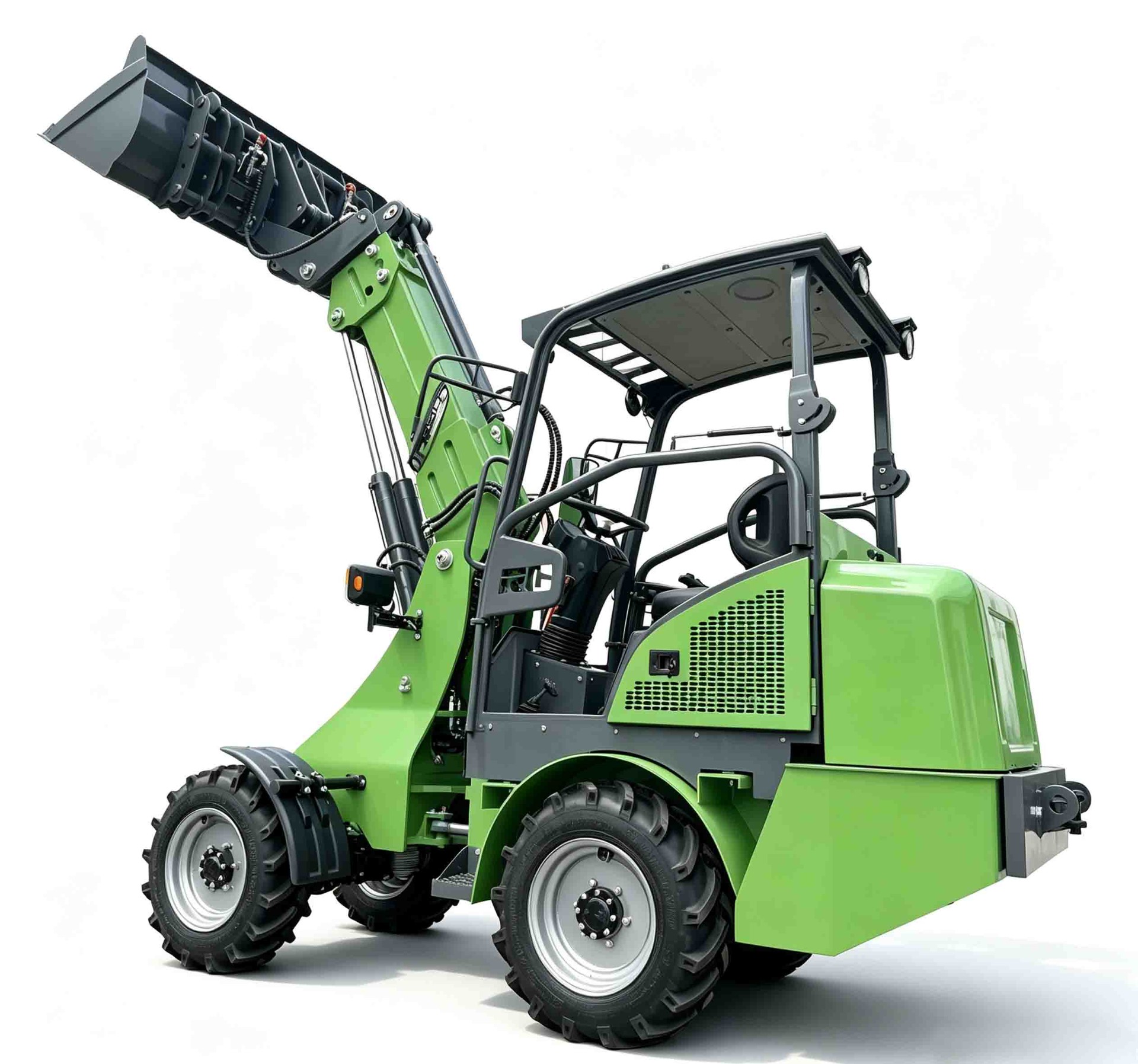
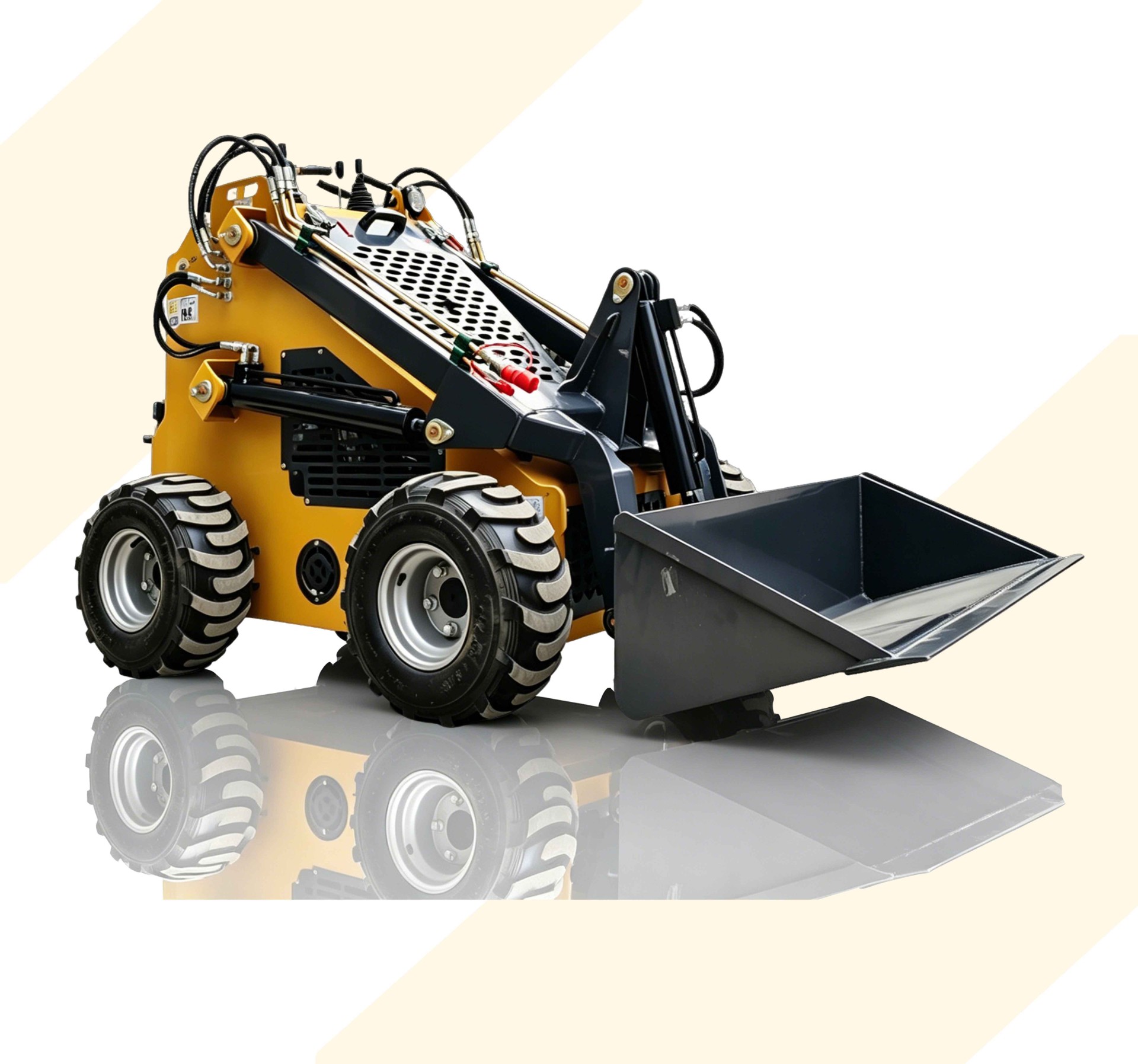
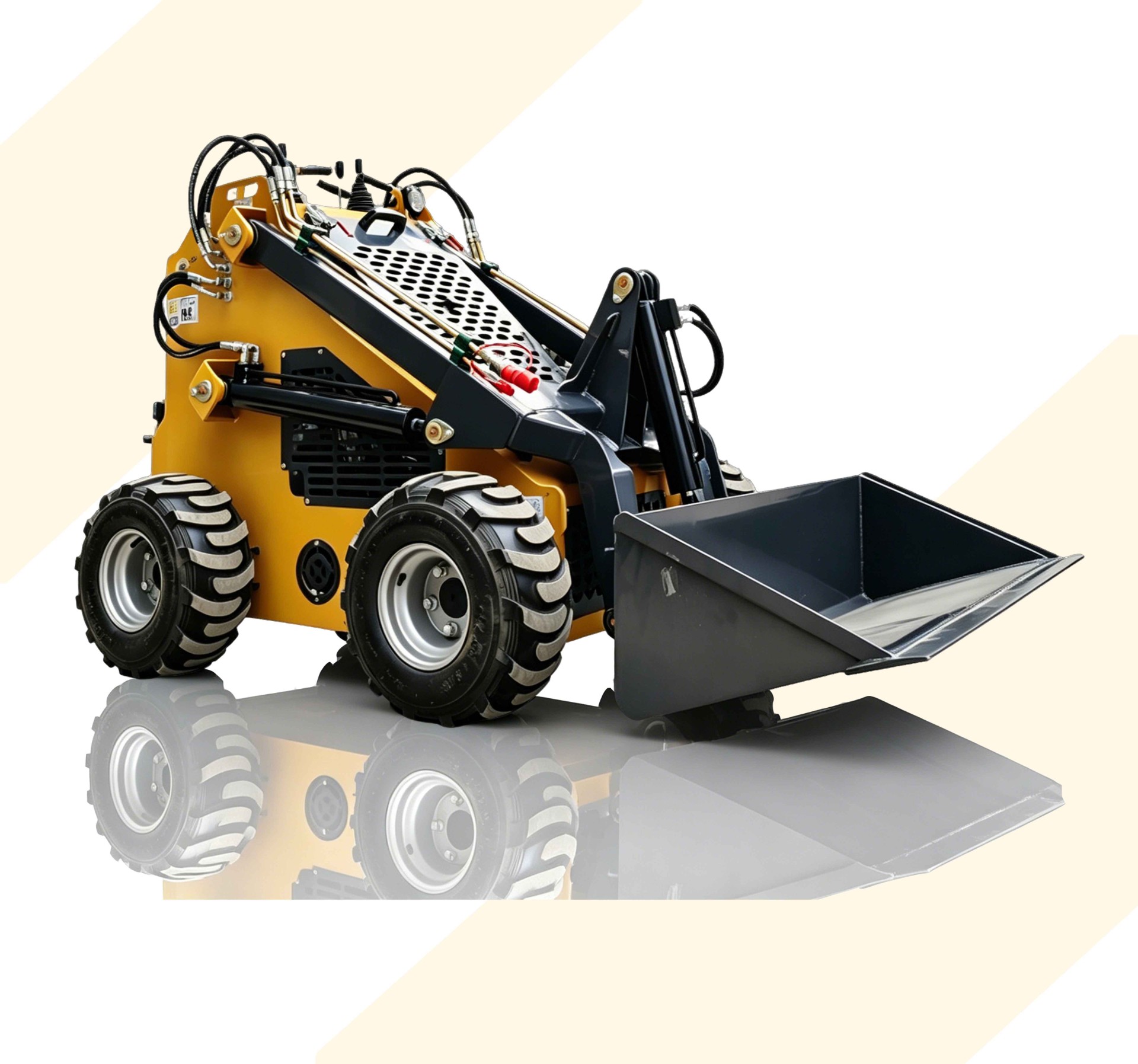
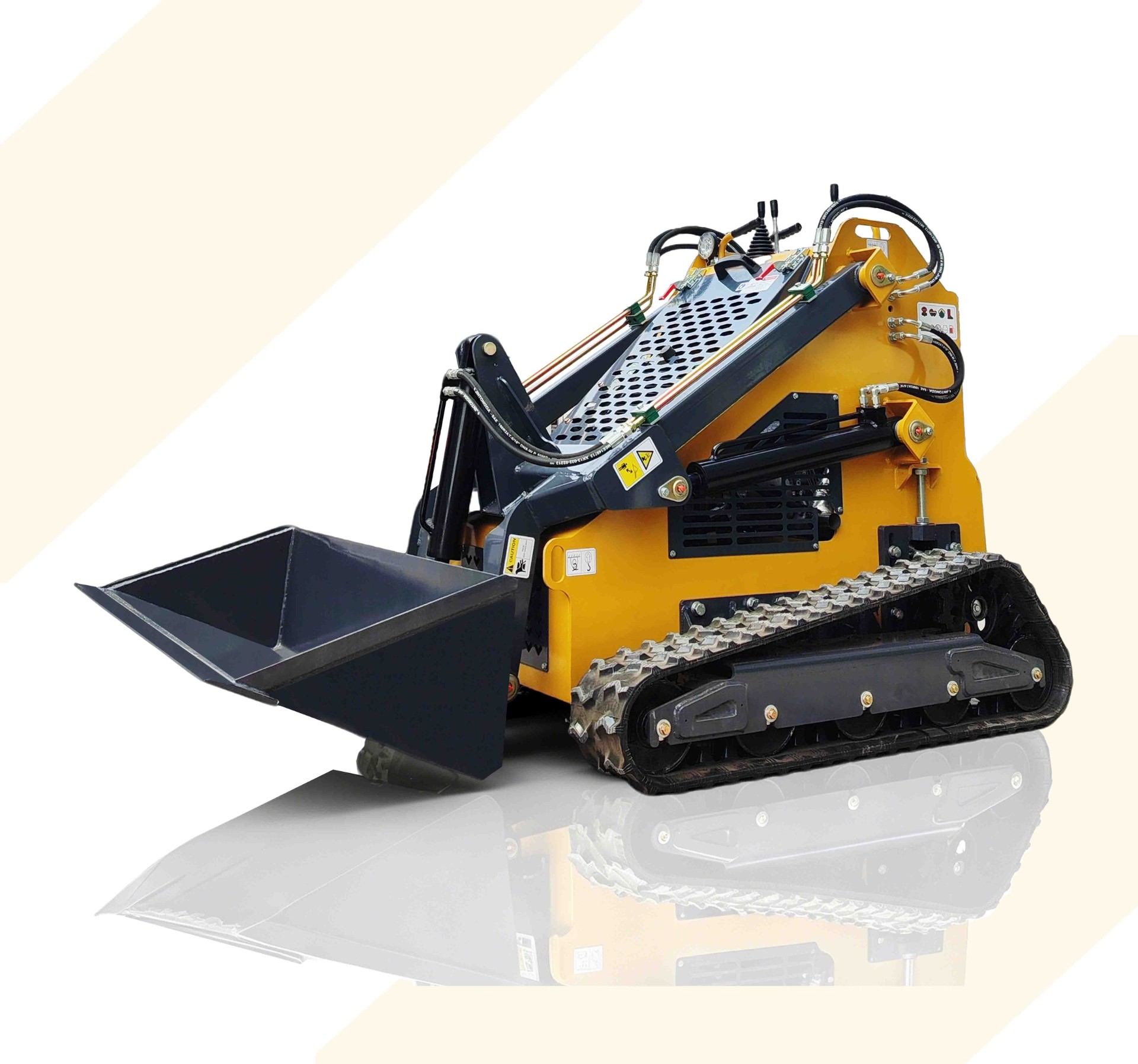
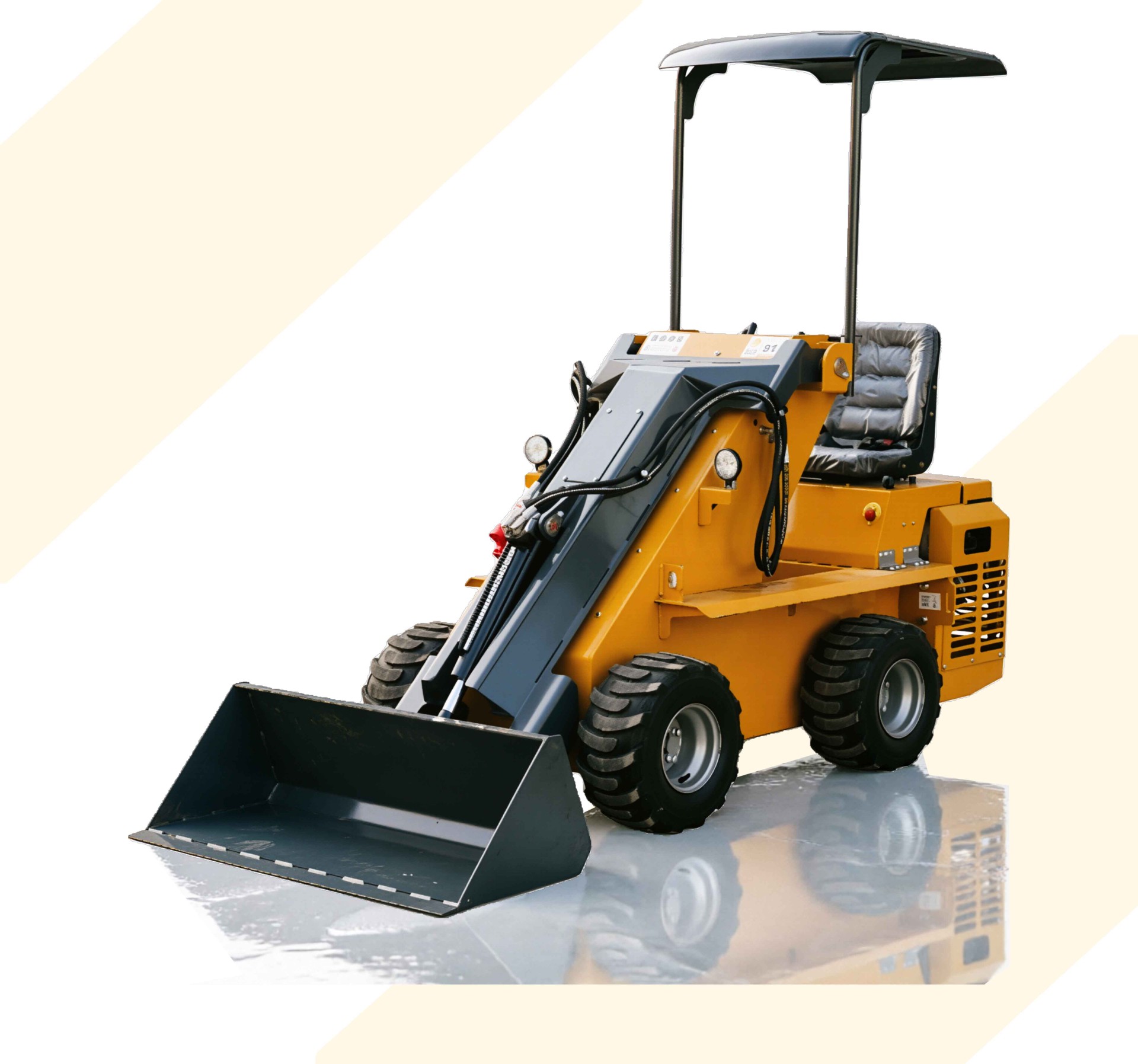
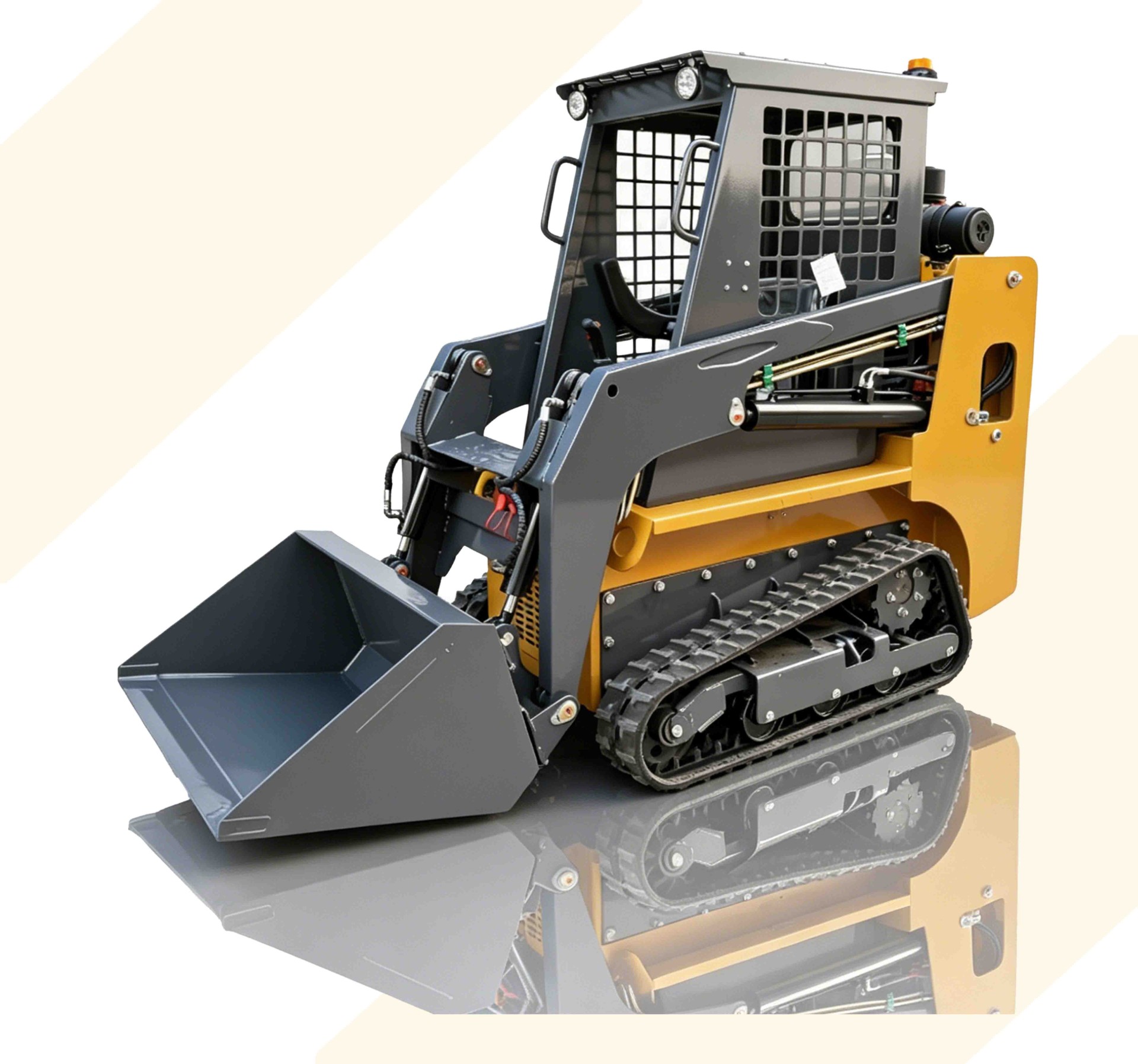
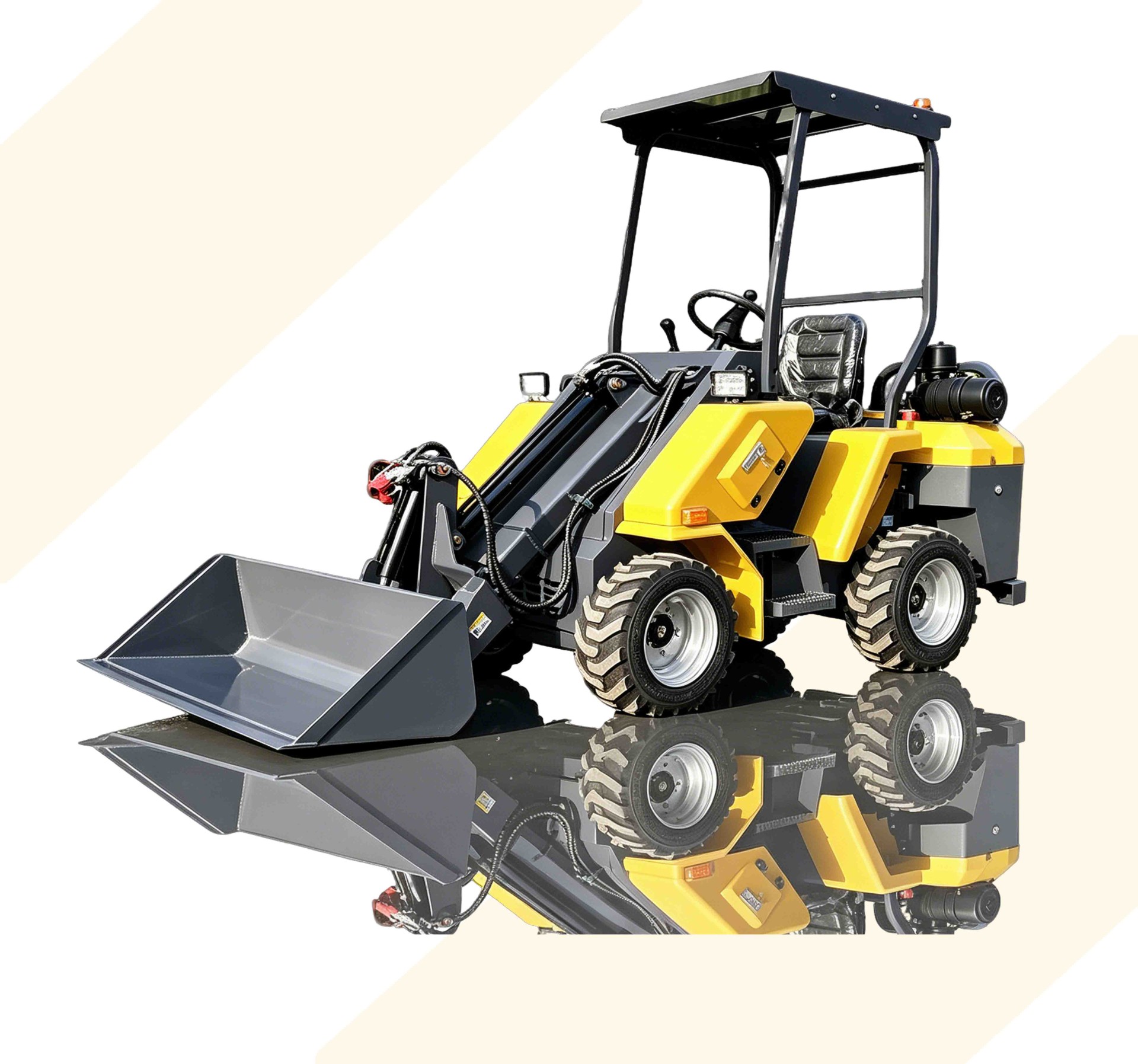
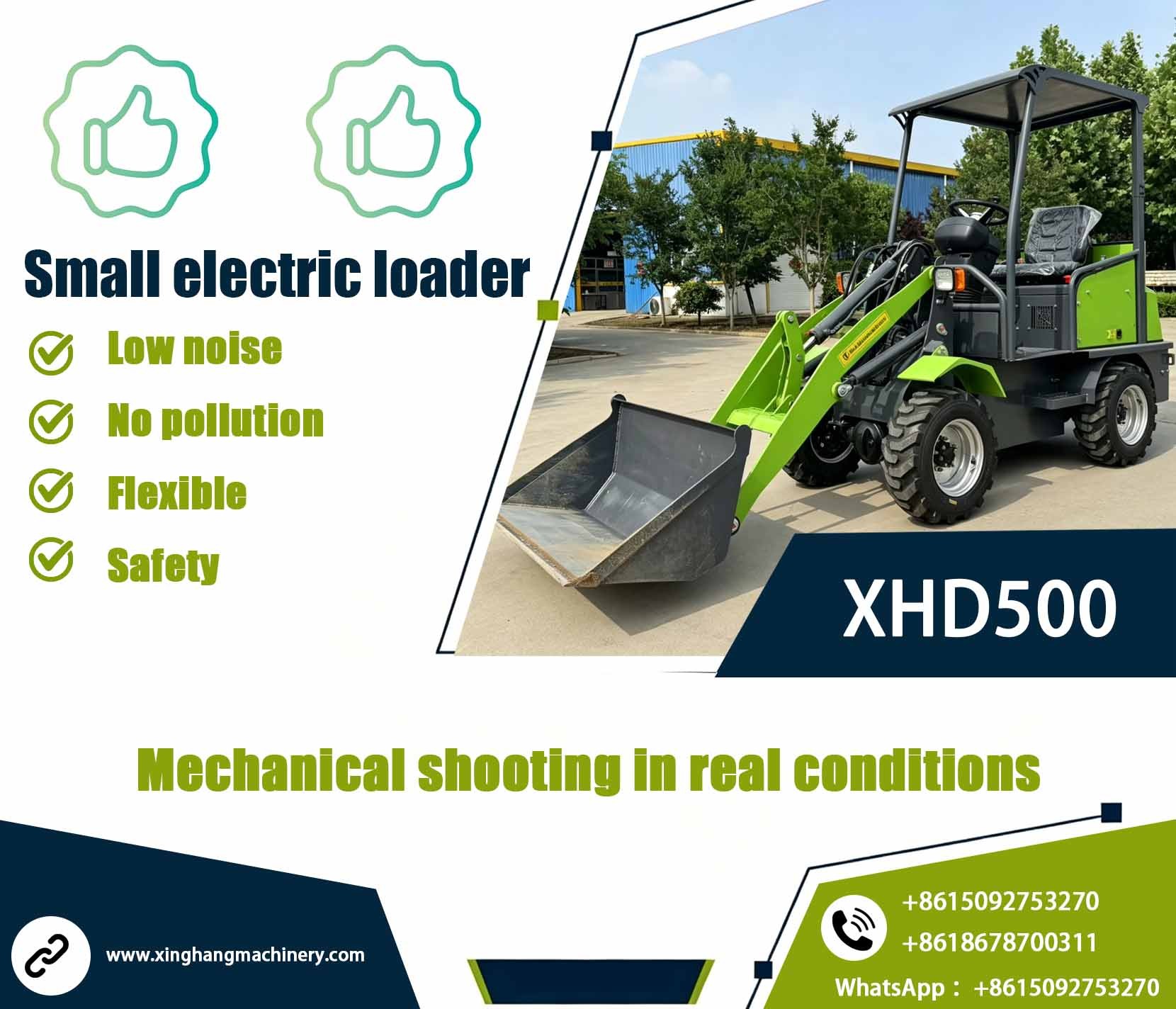
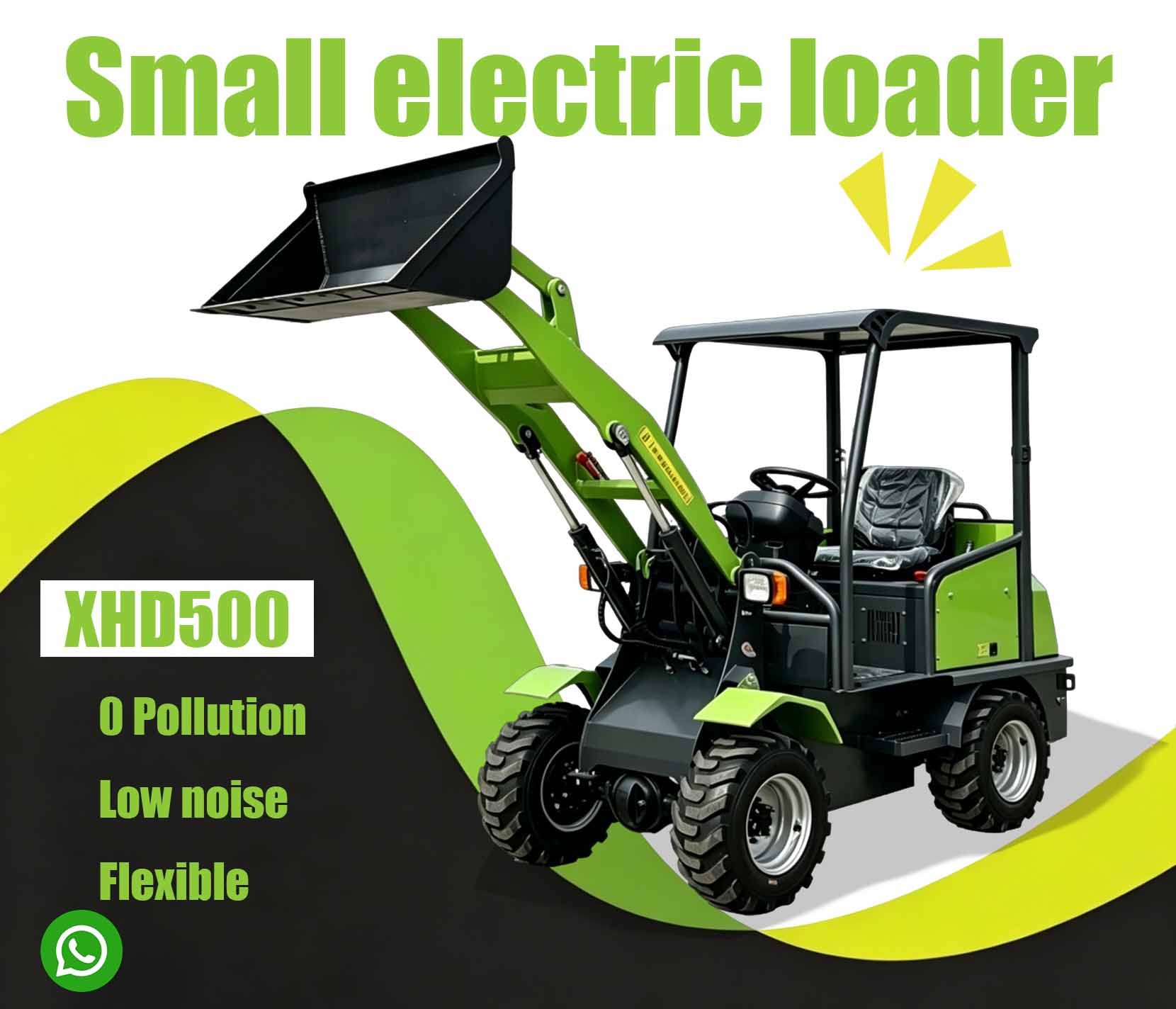
The adoption of compact electric loaders such as the XHDL400, XHDL500, XHD400A, and XHD500A is accelerating across diverse sectors due to tightening emission laws, rising diesel costs, and the need for equipment that accesses confined workspaces. These 0.4T and 0.5T machines from Jining Xinghang Machinery are not niche novelties but primary productivity tools in agriculture, indoor construction, municipal maintenance, and light industrial logistics. This article analyzes real-world application scenarios, operational return on investment considerations, and the strategic value of selecting the XHDL and A series variants for global enterprises.
In agriculture, the 1050 mm width of these loaders is transformative. Orchard rows, vineyard aisles, and greenhouse pathways are often designed for pedestrian or small tractor access rarely exceeding 1.2 meters. Diesel loaders of similar capacity are typically wider and emit fumes harmful to closed-environment crops and livestock. The XHDL400 with 400 kg capacity can navigate these rows to distribute feed, move harvested crates, or spread bedding material without compacting soil excessively due to its 1240 kg weight distributed on 23x8.5-12 tires. The zero-emission operation is critical in poultry barns or dairy parlors where air quality directly impacts animal health and regulatory compliance. Attachments like forage forks or sweeping brushes allow the same machine to clean alleys in the morning and stack pallets in the afternoon, maximizing utilization rates. With lithium battery options offering 6 to 8 hours of runtime, a single charge covers a full day of intermittent tasks typical in farming, and the 8-hour recharge fits overnight.
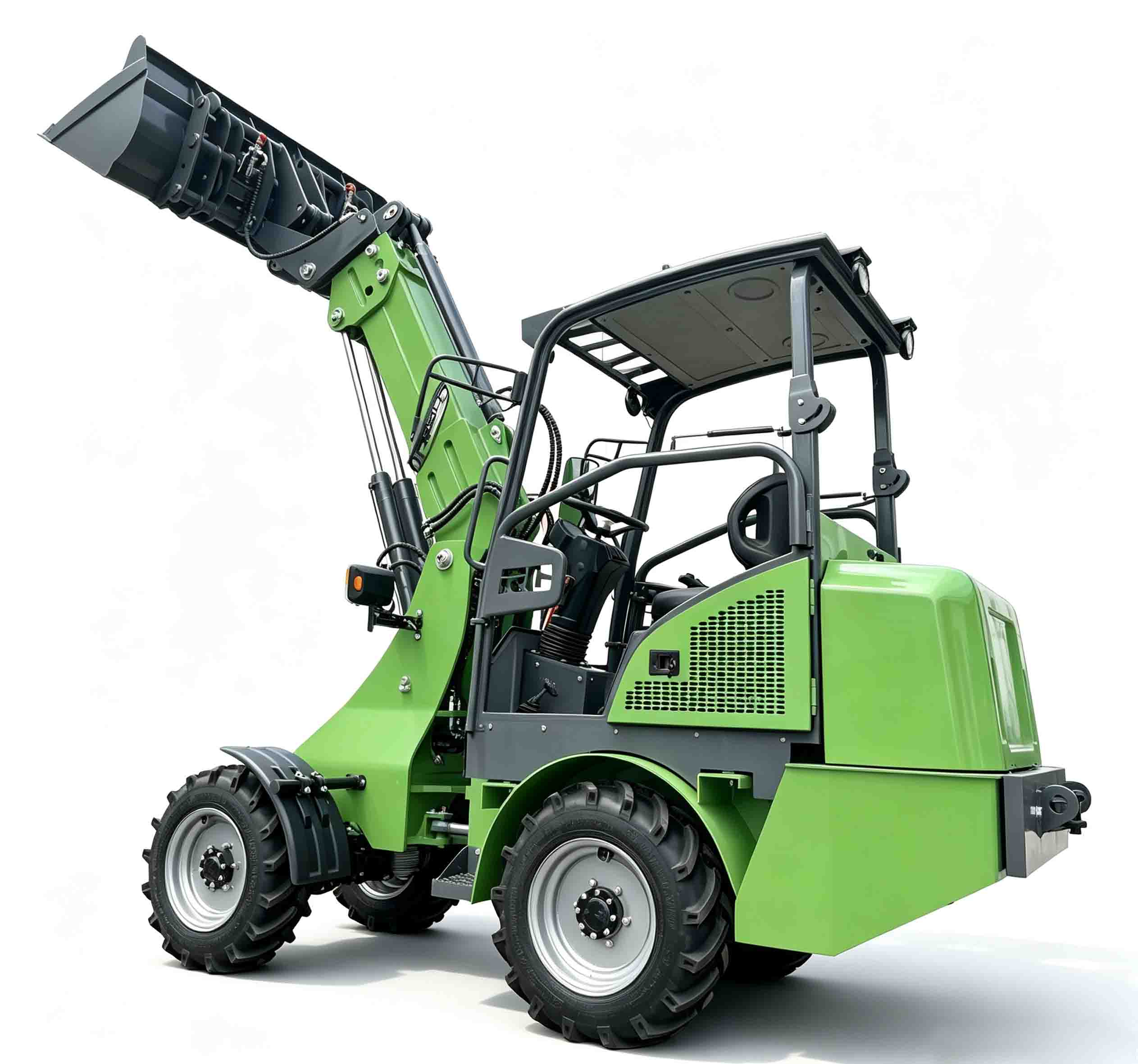
Indoor construction and renovation represent another high-value domain. Demolishing interior walls, moving debris to dumpsters, or leveling self-leveling underlayment requires machinery that fits through doorways and operates without choking occupants in adjacent spaces. The XHD500As 500 kg capacity handles heavier demolition rubble like brick or tile, while its electric powertrain produces minimal noise, allowing work in occupied offices, hospitals, or hotels without violating noise ordinances. Unlike diesel machines that require exhaust extraction systems indoors, the XHDL series operates safely with standard ventilation. The multifunctional attachment interface supports breakers for slab removal, augers for anchor installation, and clam shells for debris grabbing, reducing the number of specialized machines a contractor must transport to a site.
Municipal applications including park maintenance, sidewalk snow removal, and utility trench backfilling benefit from the machines low ground pressure and maneuverability. City centers often restrict diesel equipment due to emission zones, particularly in Europe and parts of Asia. The CE and Euro V certified XHDL loaders qualify for such zones. Their compact turning radius enabled by the 1450 mm wheelbase and hydraulic steering allows them to work in cul-de-sacs, narrow alleyways, and between parked cars where larger loaders cannot turn. In winter, a snow blade or blower attachment converts the loader into a sidewalk clearer, and the quiet operation permits early morning shifts without resident disturbance. The dual-motor A series variants provide extra traction on icy surfaces, enhancing safety for municipal crews.
Calculating return on investment for these loaders involves comparing energy, maintenance, and downtime costs against diesel equivalents. Diesel fuel costs per hour of operation are subject to volatile petroleum pricing, whereas electricity costs for charging a 64V 180Ah lithium pack are substantially lower, often by a factor of three to four depending on regional tariffs. Electric motors have fewer moving parts no pistons, valves, injectors, or complex transmissions meaning scheduled maintenance is largely limited to greasing pivots, checking hydraulic fluid 38 to 54 liters capacity depending on model, and monitoring brake wear drum brakes front and rear. The elimination of oil changes, fuel filters, and exhaust repairs compounds savings over years of service. Additionally, the CAN bus diagnostics reduce labor hours spent troubleshooting electrical issues, and the flat wire motors extended lifespan delays capital expenditure on replacements.
The initial purchase price of electric loaders can be higher than entry-level diesel micro loaders, particularly when specifying lithium batteries. However, lead-acid configurations 60V 160Ah are available on XHD400 and XHD500 models to lower entry cost for budget-conscious buyers, with the option to upgrade battery chemistry later. The manufacturer Jining Xinghang Machinery offers 24-hour technical support and a global parts network, mitigating the risk of prolonged downtime which is a primary concern for ROI. The machines 1-year warranty and ISO 9001 build quality further secure the investment.
Ultimately, the XHDL400, XHDL500, XHD400A, and XHD500A are engineered for a future where compact, clean, and connected machinery is the baseline rather than the exception. Their specifications 1050 mm width, 400 to 500 kg load, 6 to 8 hour lithium runtime, flat wire efficiency, and CAN bus diagnostics align with the operational realities of modern job sites that are tighter, cleaner, and more regulated. For businesses in agriculture, construction, and municipalities, deploying these loaders is not merely an environmental gesture but a calculated efficiency upgrade that pays dividends in fuel savings, maintenance reduction, and expanded operational access. As global supply chains stabilize and battery tech advances, the economic case for these electric compact loaders will only strengthen, solidifying their role as indispensable assets in the small machinery portfolio.