 Chinese
 English
 Russian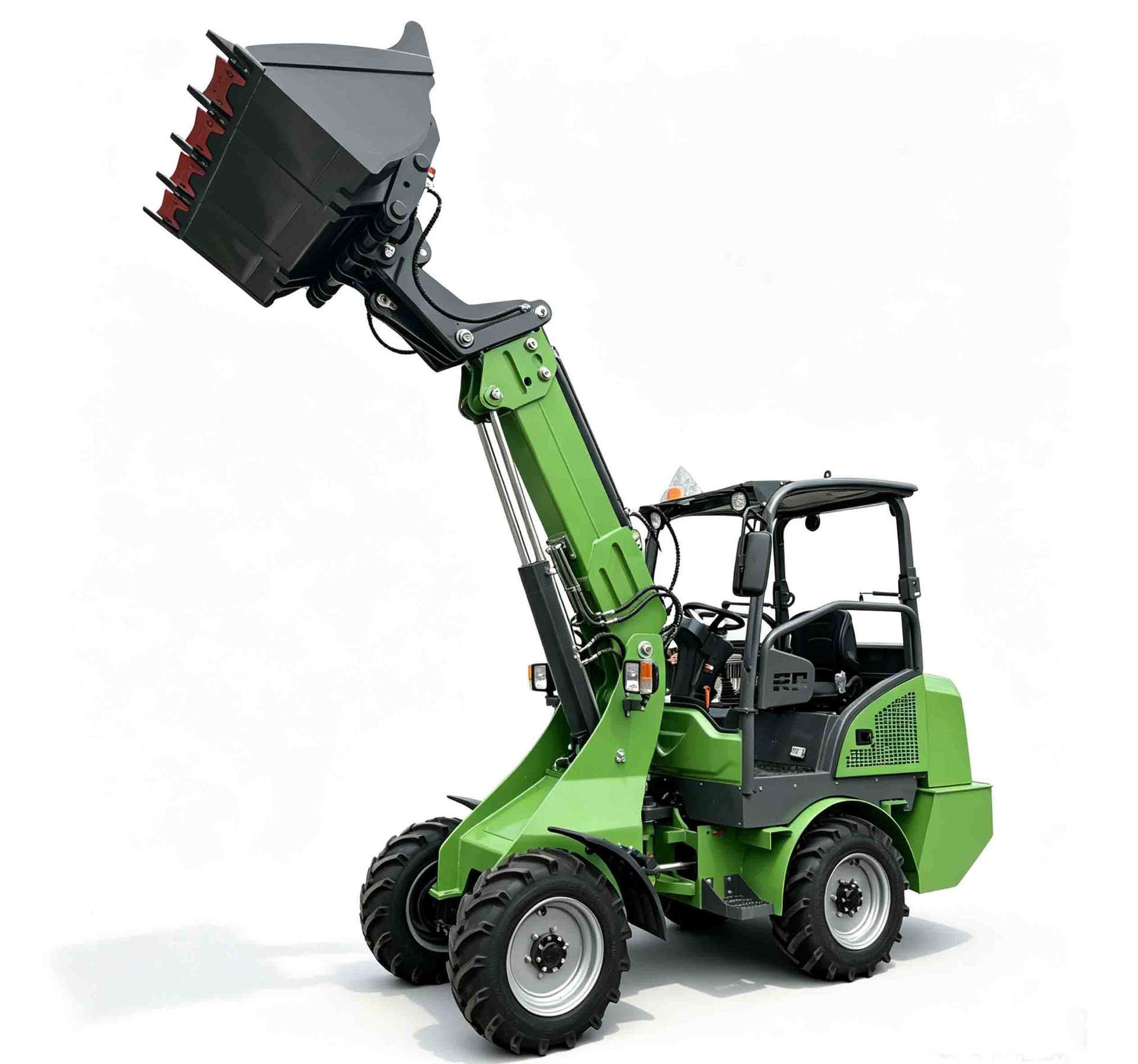
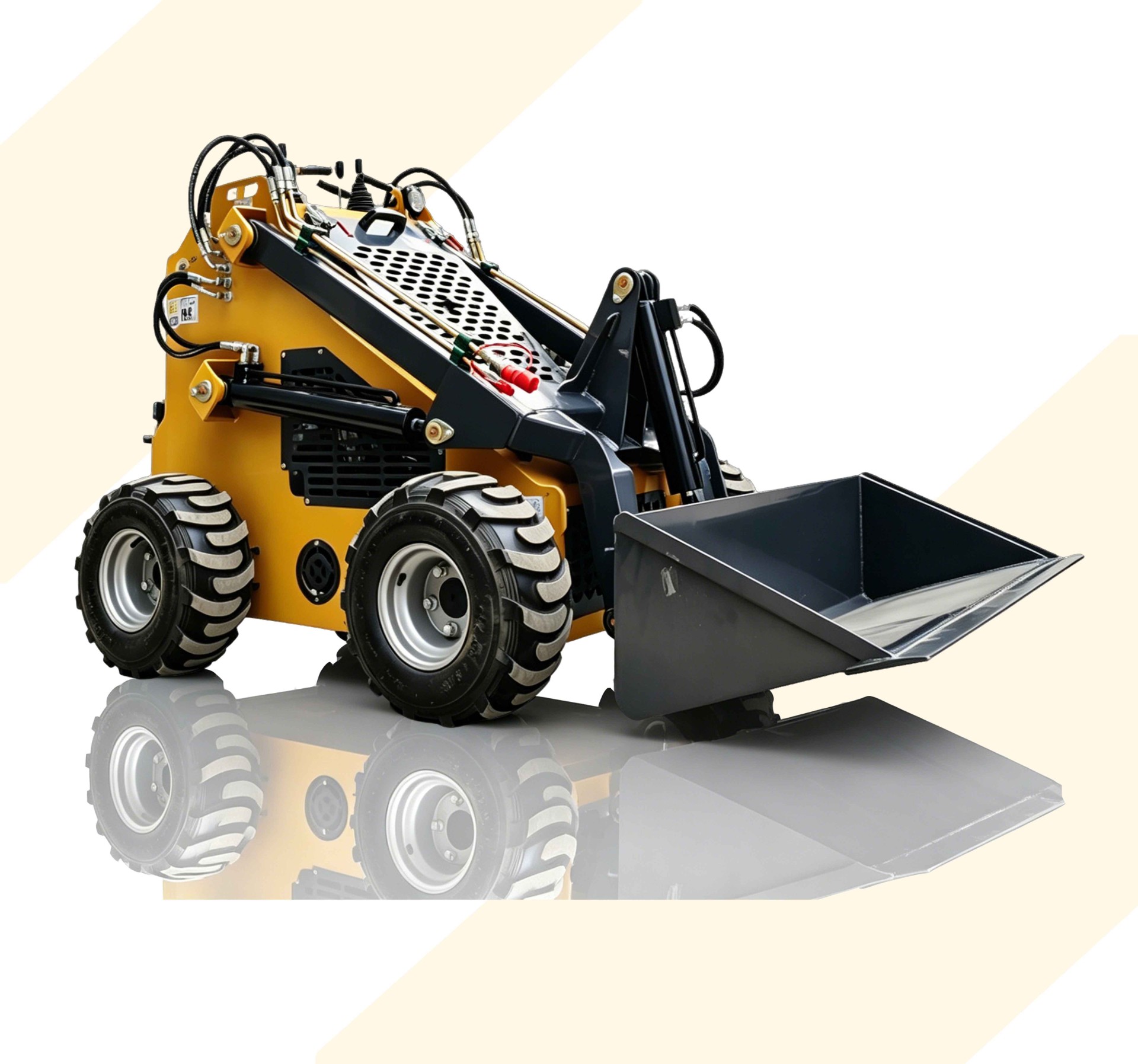
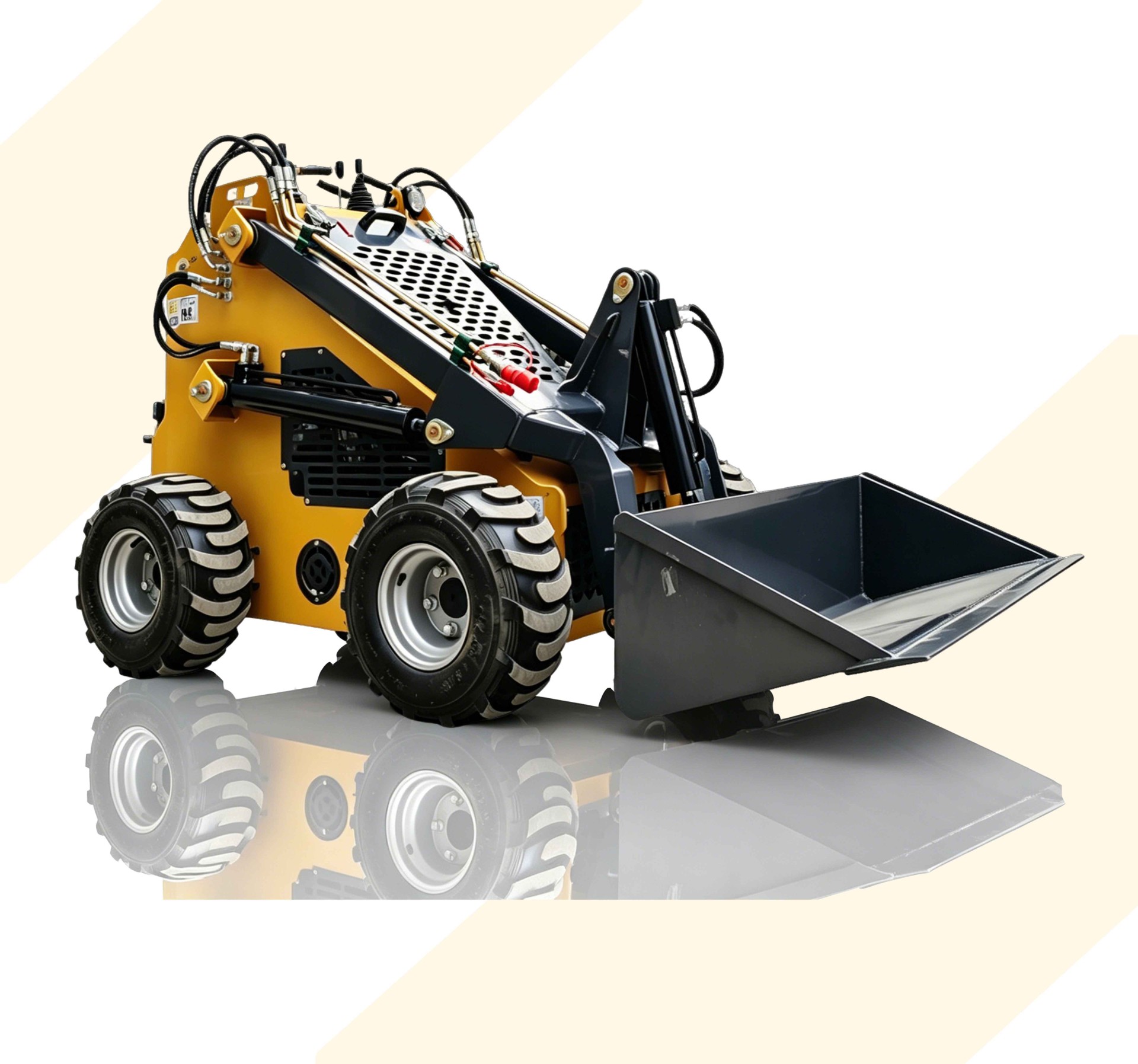
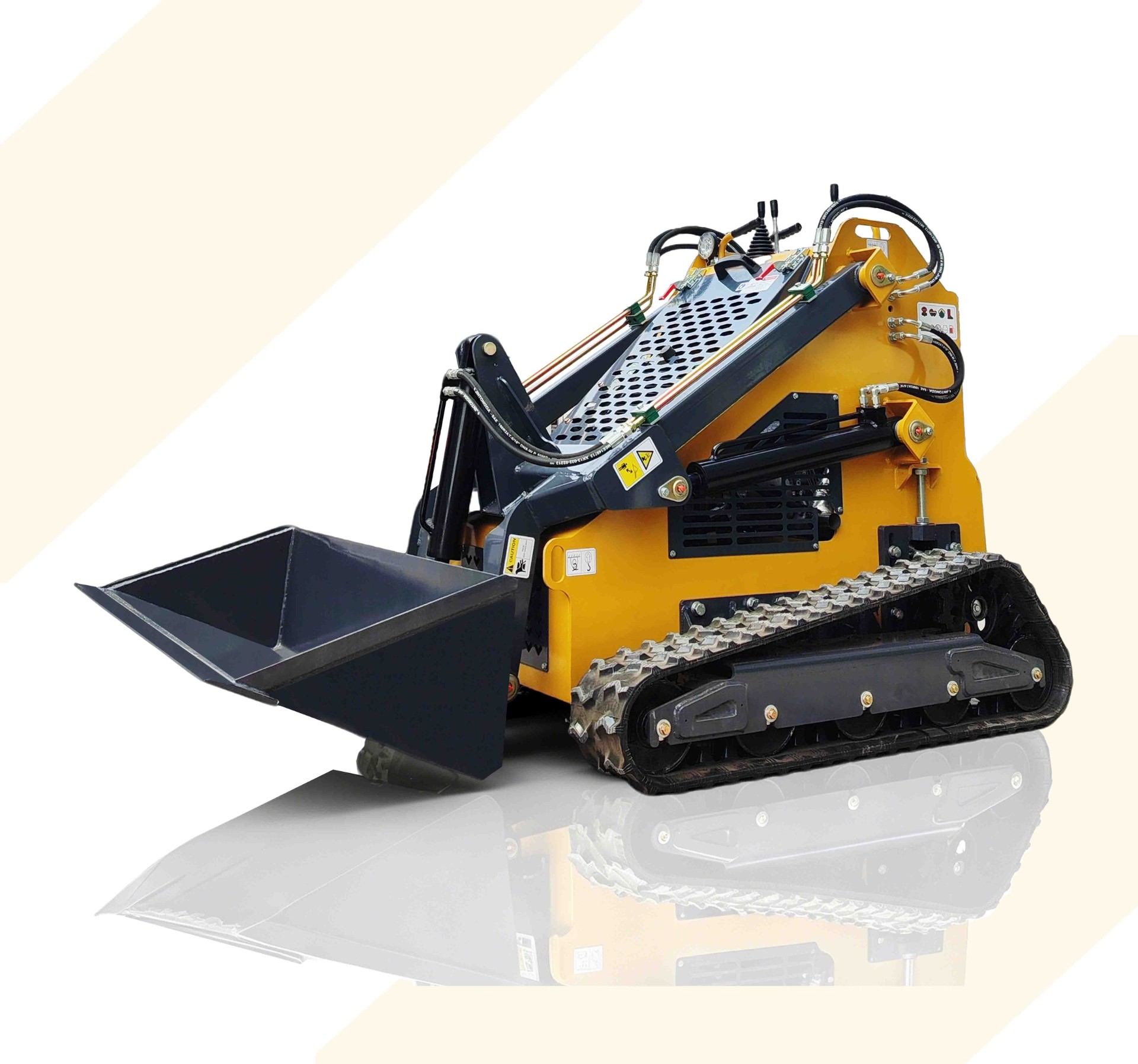
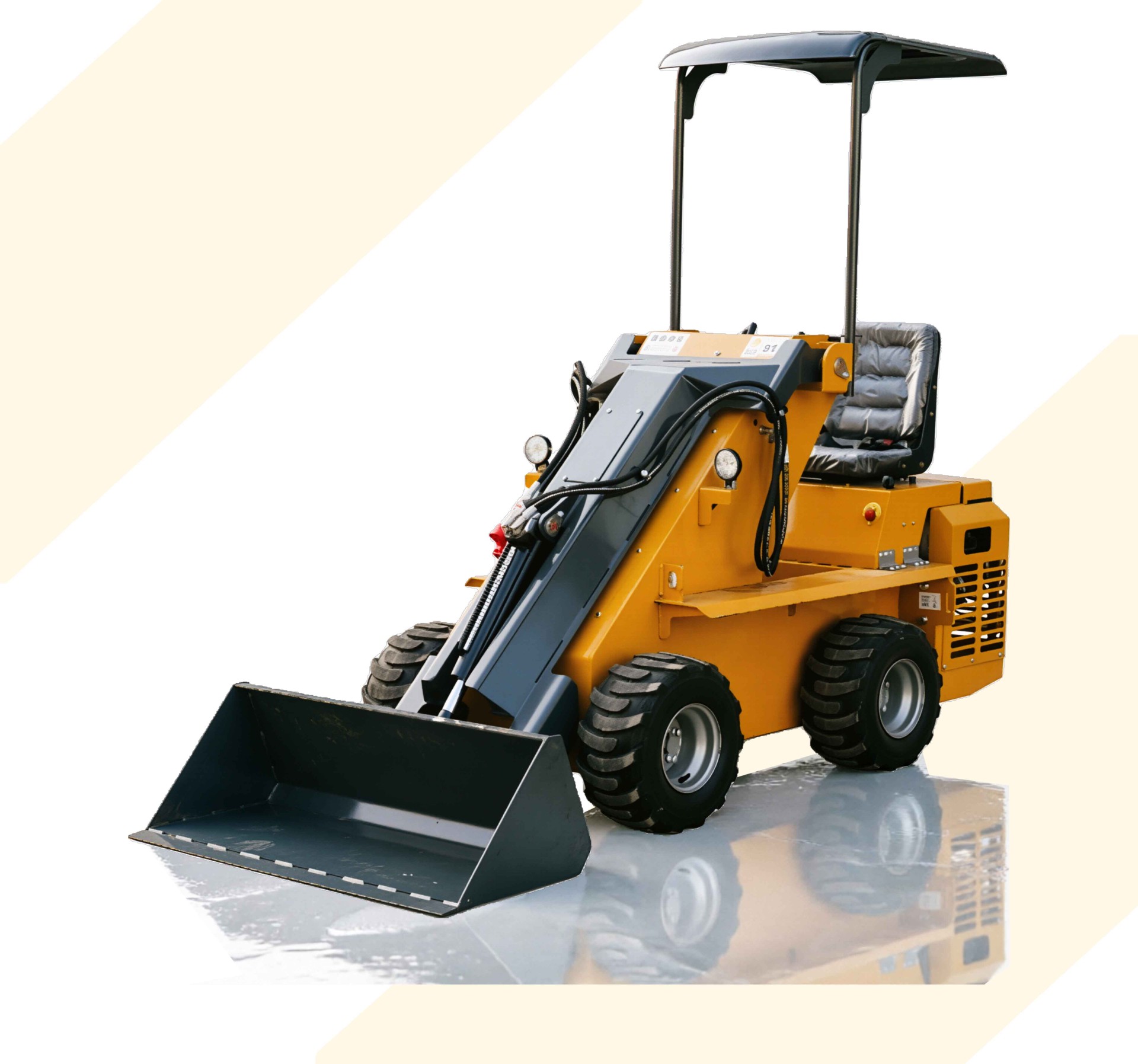
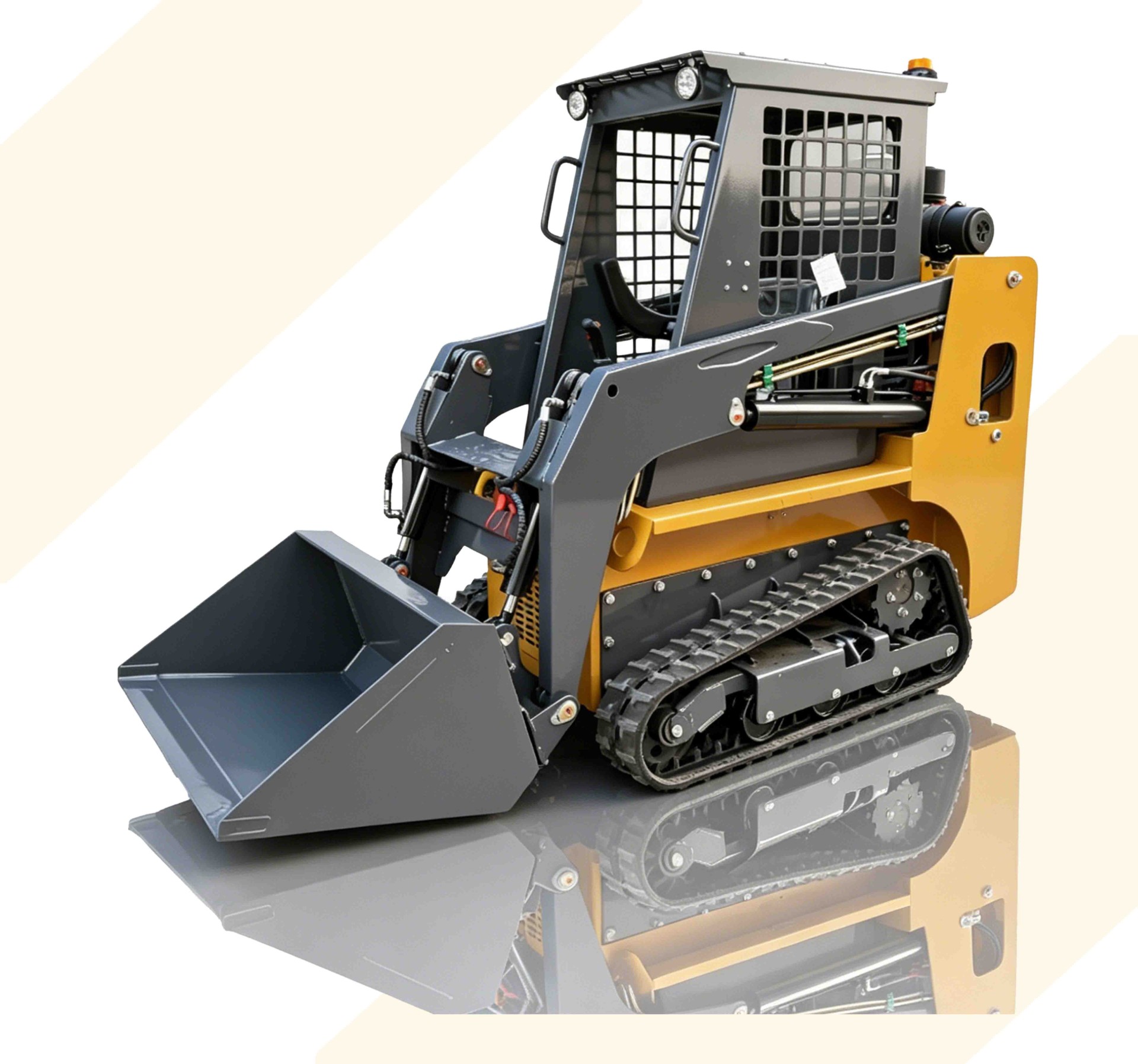
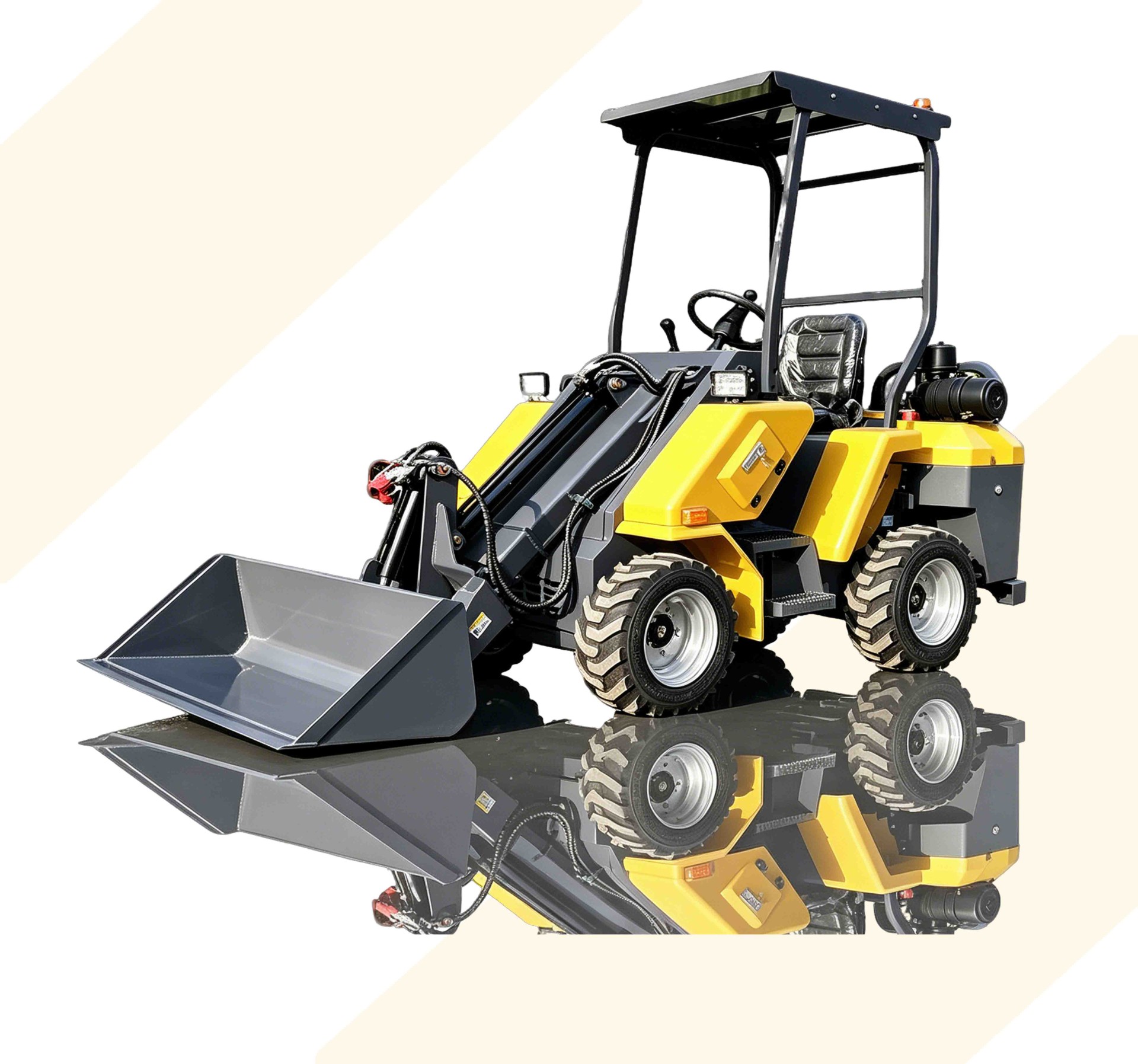
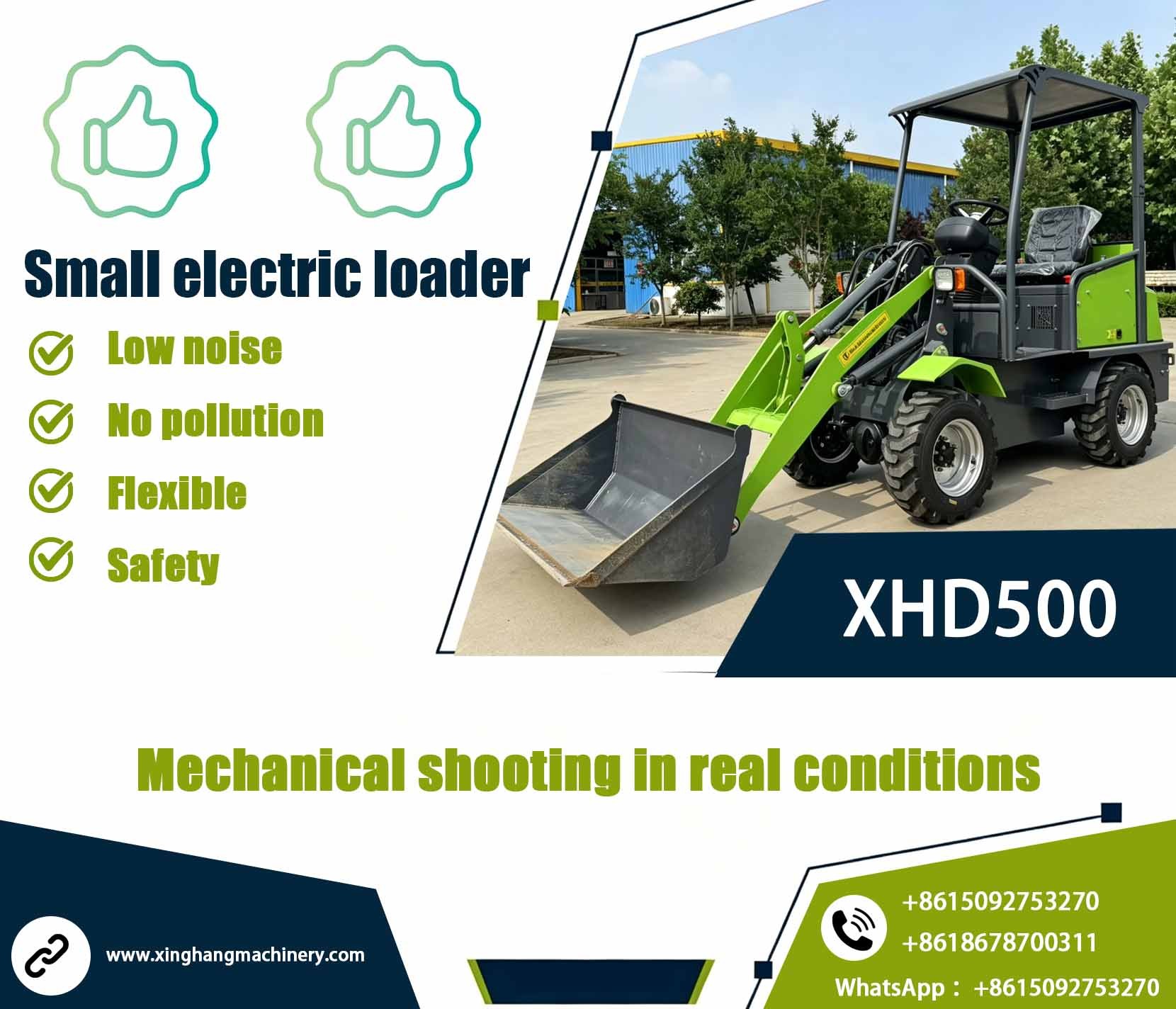
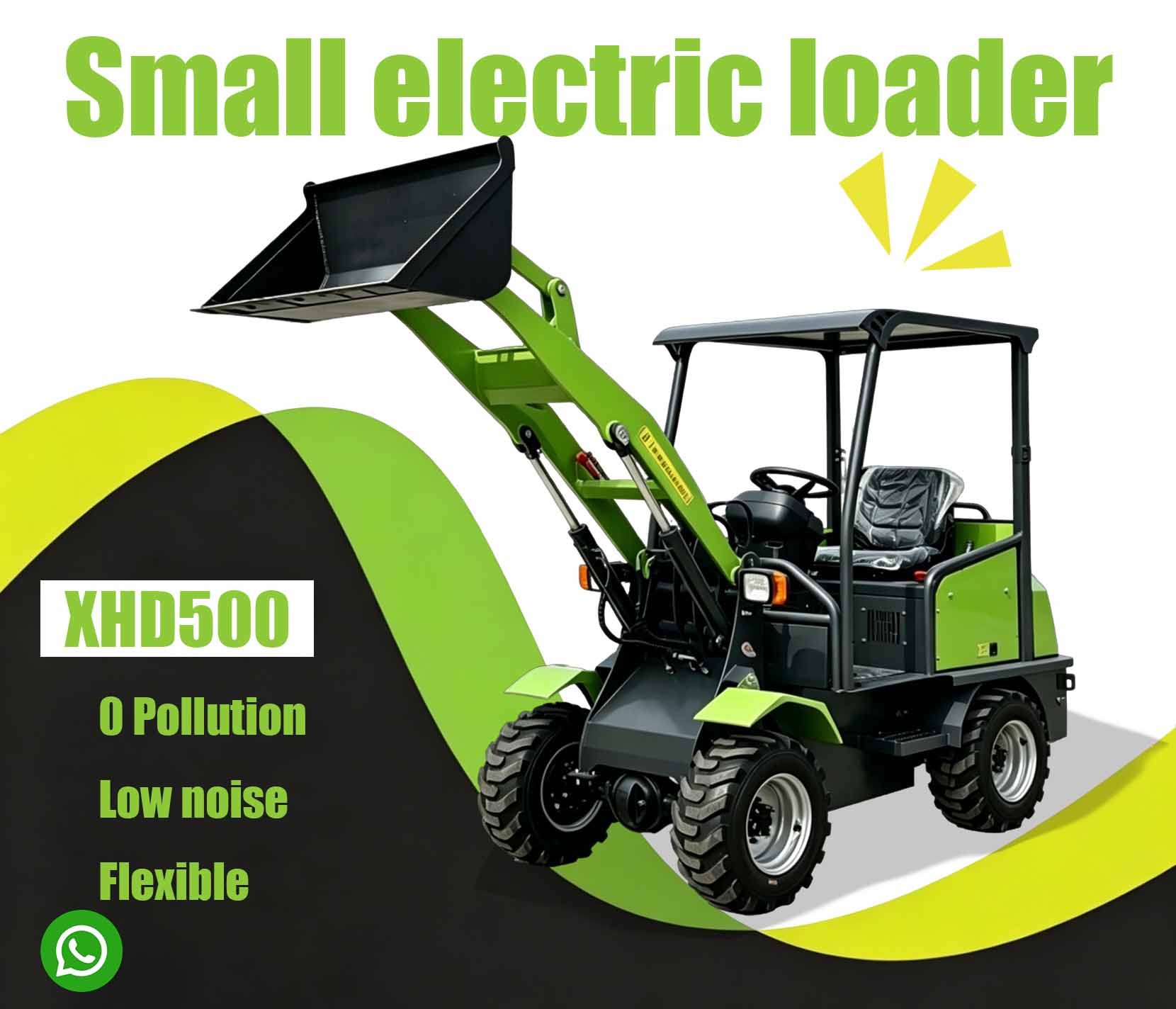
Technological innovation in compact construction machinery is increasingly defined by advancements in electromotive efficiency and digital diagnostics. The XHD400, XHDL400, XHD500, and XHDL500 electric wheel loaders integrate two critical technologies that distinguish them from legacy equipment flat wire motor windings and CAN bus communication networks. These features are not merely marketing nomenclature but represent substantive improvements in energy conversion, thermal regulation, operational transparency, and maintenance efficiency. This article elucidates the mechanics and benefits of these technologies as implemented in the 0.4T and 0.5T loader series by Jining Xinghang Machinery.
Traditional electric motors in industrial equipment predominantly use round copper wire coils. While functional, round wire leaves gaps between adjacent wires within the stator slots, resulting in a lower slot fill factor typically around 35 to 40 percent. The flat wire motors deployed in the XHD and XHDL series replace round wire with rectangular cross-section copper conductors. This geometric optimization increases the slot fill rate to over 60 percent, allowing more conductive material within the same physical volume. The immediate consequence is reduced electrical resistance per unit of power output, which translates to higher efficiency, lower resistive heating, and a more compact motor size. In the XHD400, a 4 KW flat wire drive motor and 3 KW flat wire hydraulic motor deliver equivalent or superior performance to larger round wire motors, contributing to the vehicles overall lightweight manganese steel design without sacrificing the 400 kg or 500 kg load rating.
The thermal advantages of flat wire are particularly pertinent in continuous duty cycles. Lower resistance means less waste heat generation, and the increased surface area of the flat conductor facilitates better heat dissipation to the motor housing. Coupled with the controllers automatic temperature control散热 function, which activates cooling fans only when thresholds are exceeded, the system maintains optimal operating temperatures even in ambient conditions exceeding 35 degrees Celsius. This prevents the thermal derating that plagues many electric machines in summer construction seasons, ensuring the loader maintains full lifting speed 7 seconds and travel velocity throughout the shift. The longevity of insulation materials is also extended in cooler operating envelopes, reducing the likelihood of winding shorts and the associated downtime.
Complementing the motor technology is the Controller Area Network or CAN bus communication system interfaced through the integrated LCD digital instrument panel. CAN bus is a robust vehicle bus standard designed to allow microcontrollers and devices to communicate with each other without a host computer. In the XHD series loaders, this network connects the motor controllers, battery management system, and dashboard into a unified data stream. The operator views real-time parameters including battery voltage, state of charge, vehicle speed, hydraulic pump RPM, and system fault alerts. Unlike analog gauges which provide approximate readings, CAN bus delivers precise digital telemetry, enabling proactive energy management such as recognizing a dropping voltage trend before it impacts performance.
Furthermore, the diagnostic capability embedded in the CAN bus system displays fault codes directly on the screen when sensors detect anomalies such as overcurrent, undervoltage, motor overheating, or hydraulic pressure deviations. This feature shifts maintenance from reactive to predictive. Instead of troubleshooting by manually checking relays, fuses, and wiring harnesses, a technician can reference the alphanumeric fault code against the service manual to isolate the issue immediately. For international buyers where local technical expertise may be limited, this self-diagnostic ability is invaluable and reduces dependence on costly manufacturer site visits. The system also logs error events, providing a historical record that can inform preventive maintenance schedules.
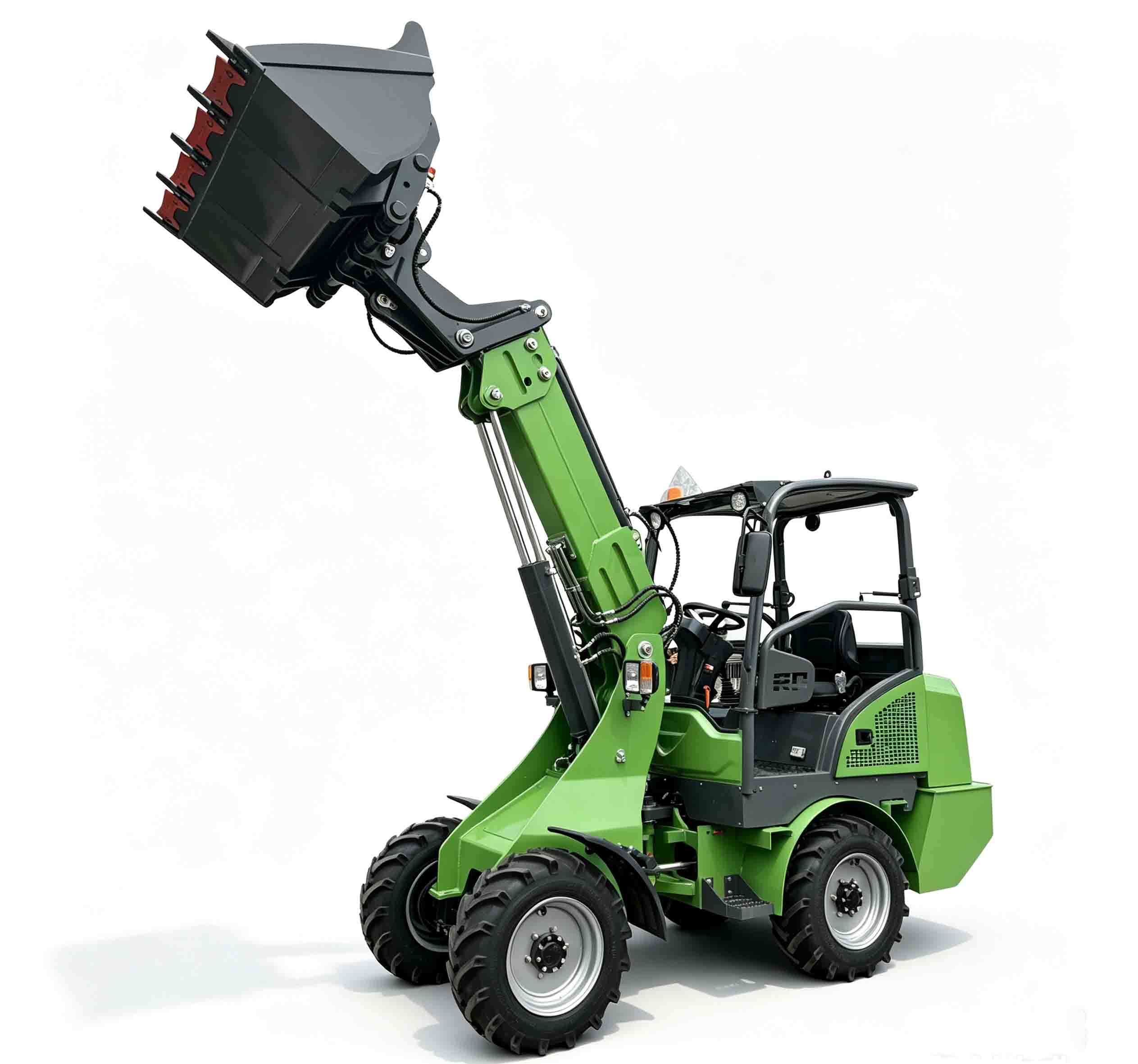
The integration extends to the control handle which consolidates forward reverse, high low speed, boom lift lower, and bucket curl dump into a single electronic input device. This handle communicates operator intent via the CAN bus to the respective controllers, ensuring synchronized response between travel and hydraulic functions. The elimination of extensive mechanical linkages reduces wear points and simplifies cabin ergonomics. The low-speed mode 0 to 8 km/h and high-speed mode 0 to 14.5 km/h are electronically governed through this system, providing consistent speed capping regardless of terrain incline, unlike purely mechanical transmissions which may vary.
Together, flat wire motors and CAN bus intelligence form a cohesive ecosystem that elevates the XHD400 and XHD500 series above basic electric retrofit loaders. The motors provide the physical efficiency and durability required for construction-grade labor, while the digital network offers the oversight and usability expected in modern machinery. Supported by ISO 9001 manufacturing processes and CE certification, these technologies are implemented to industrial standards rather than consumer-grade tolerances. For fleet owners transitioning from diesel, these features mitigate common anxieties regarding electric reliability and serviceability. Jining Xinghang Machinery demonstrates through these specifications that compact electric loaders can match or exceed traditional equipment in capability while introducing smart functionalities that diesel platforms cannot replicate without significant added complexity and cost.