 Chinese
 English
 Russian
Introduction: The Golden 72 Hours
In disaster response, there is a concept known as the "Golden 72 Hours." This is the critical window immediately following an earthquake, hurricane, flood, or landslide when the majority of survivors are found. After this period, survival rates drop precipitously.
During these first three days, traditional logistics often collapse. Roads are blocked by rubble, bridges are washed out, and airports are closed. Large trucks—the backbone of conventional aid delivery—become useless. You cannot drive a 2-ton relief truck over a collapsed bridge or through a debris-choked alleyway that is only 800mm wide.
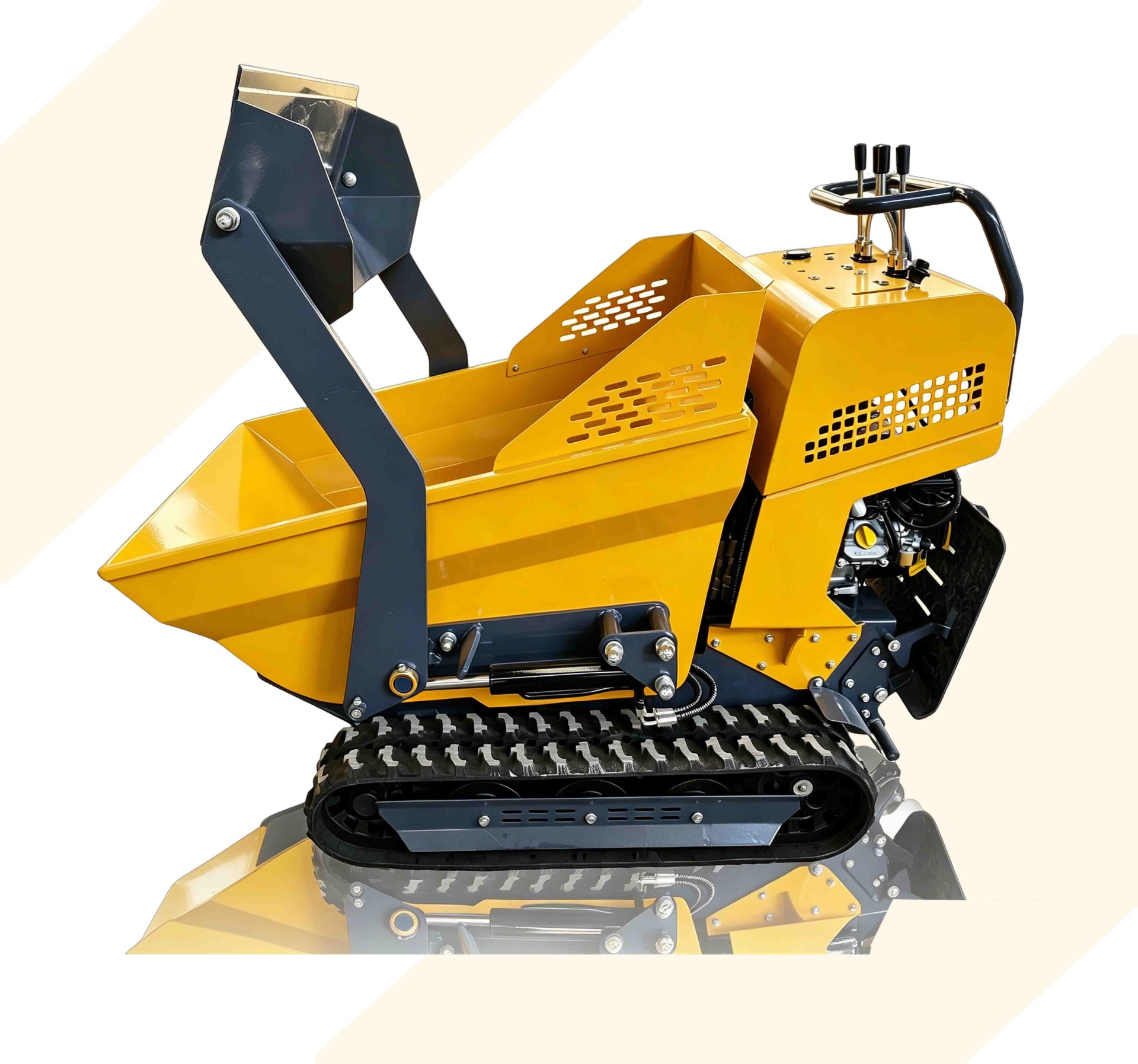
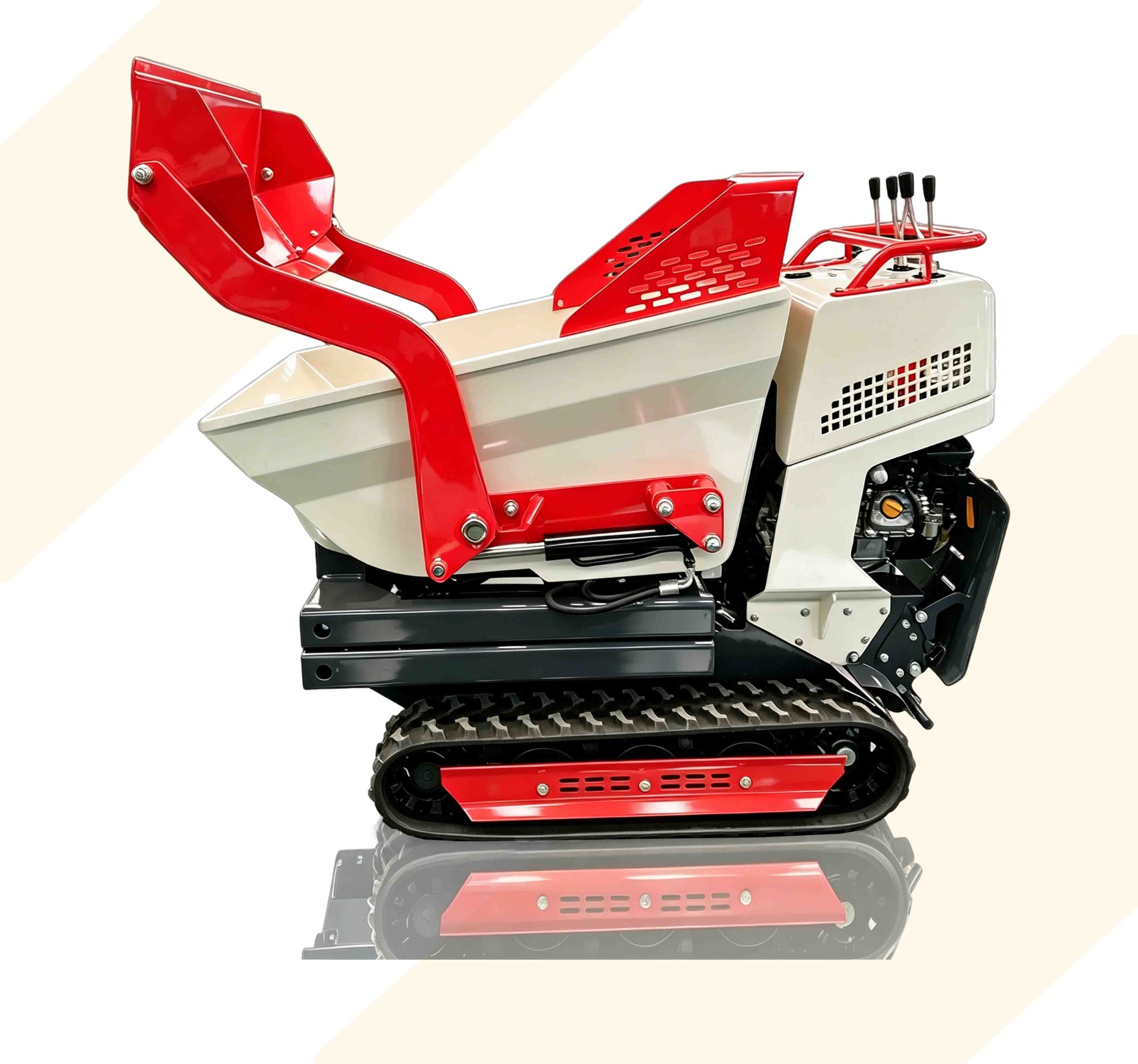
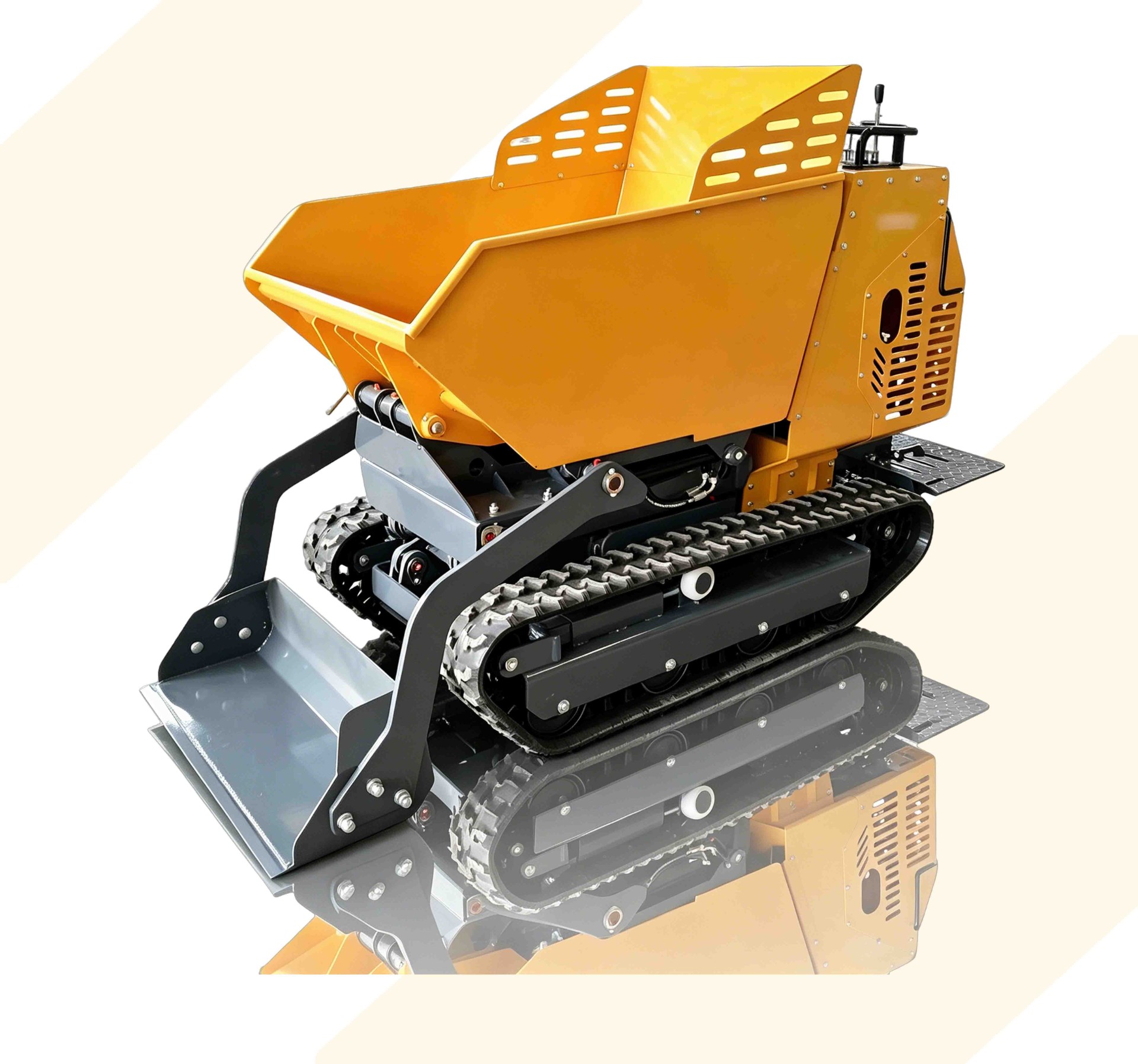
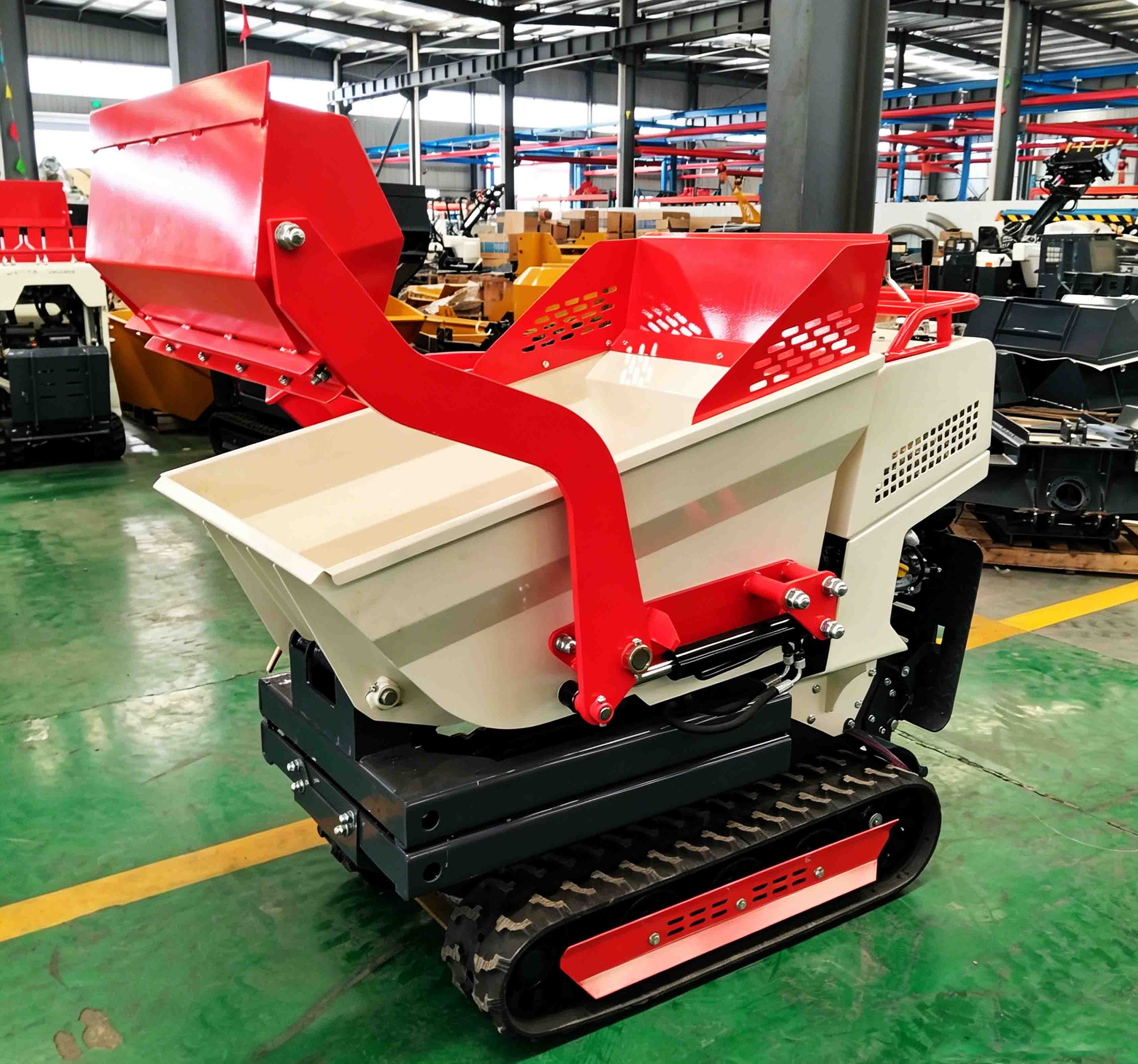
This is where Compact Tracked Dumpers become the most valuable assets in the emergency toolkit. The Xinghang XHT500, with its 700 mm chassis width, 180 mm rubber tracks, and 500 kg payload, is specifically engineered for "Post-Disaster Intrusion." It is the machine that goes where trucks cannot, carrying life-saving supplies and clearing paths for heavier equipment to follow.
This article examines the critical role of the XHT500 in disaster scenarios, explaining why its technical specifications align perfectly with the chaotic, constrained environments faced by first responders and humanitarian organizations like FEMA, the UN, and the Red Cross.
1. The Physics of Disaster: Why Big Trucks Fail
1.1 The Debris Field
After an earthquake or explosion, urban environments transform into obstacle courses.
Rubble Piles: Collapsed masonry creates unstable mounds 1–3 meters high.
Twisted Metal: Fallen girders and rebar create sharp, narrow gaps.
Unstable Surfaces: Floors may be missing, or ground may be undermined by sinkholes.
The Truck Failure: A standard truck requires a solid, level surface. It cannot climb over rubble, and its wide tires slip on loose scree. It is too wide to navigate gaps between fallen beams.
1.2 The XHT500 Advantage
Low Ground Pressure: The 180mm tracks distribute weight, allowing the XHT500 to "float" over unstable fill dirt or partially collapsed floors without punching through.
Narrow Profile: At 700mm wide, it can traverse gaps between obstacles that would trap a 1,800mm wide truck.
High Torque: The tracked drive system provides maximum traction on loose rubble, wet mud, and splintered wood.
Agility: The walk-behind control allows the operator to pick a path through chaos, avoiding hazards that an enclosed cab operator might miss.
2. Case Study: The Flooded Village
Scenario: Monsoon floods in South Asia or Bangladesh. A village is inundated; roads are underwater; homes are surrounded by waist-deep mud.
The Challenge: Deliver food packets, water purification tablets, and medical kits to 50 stranded families. Evacuate the injured.
The Helicopter Limitation: Helicopters are expensive, weather-dependent, and can only deliver to open areas, not individual doorsteps.
The XHT500 Solution:
Access: The dumper drives through knee-deep water and across muddy fields where boats cannot navigate due to submerged obstacles.
Transport: The 200 dm3 skip carries 500kg of aid per trip—equivalent to 20 large relief packages.
Evacuation: The flatbed (with optional attachment) or skip can be used to ferry immobile injured persons to the triage area.
Result: Aid reaches families 24 hours faster than manual carrying or boat access.
3. Technical Features for Emergency Response
3.1 Hydraulic Dumping in Tight Spaces
In a disaster zone, you cannot always back up to unload.
The Feature: The XHT500’s skip tips to a full 90° angle.
The Benefit: The operator can dump spoil or supplies against a wall, into a window, or onto a specific pile without needing a 10-meter turning radius. This is vital when working in the confined space between two collapsed buildings.
3.2 Gasoline Power: Cold Starts and Altitude
Diesel engines struggle in the cold or at high altitudes (common in mountain rescues).
The Feature: The XHT500 is powered by reliable gasoline engines (Briggs & Stratton, Koop, or Rato).
The Benefit: Gasoline engines start more reliably in freezing conditions and at elevations above 3,000 meters. In a disaster, "Will it start?" is not a question you want to ask.
3.3 Simplicity and Repairability
In a disaster zone, there are no mechanics or spare parts depots.
The Feature: The XHT500 uses simple, mechanical systems. No ECUs, no complex emissions controls.
The Benefit: A local mechanic with basic tools can repair a broken throttle cable or a leaky hydraulic hose. The engine is a global standard, meaning parts are often scavengeable from other disabled equipment on-site.
4. The "Pathfinder" Role: Clearing the Way
The XHT500 is not just a transporter; it is a pathfinder.
Debris Removal: While it cannot lift massive concrete blocks, it can clear smaller rubble, loose bricks, and mud. It creates a "rat run"—a narrow, navigable path—through the chaos.
Staging Area Creation: It can move debris to create a small landing zone for helicopters or a staging area for ambulances.
Support for Heavy Gear: Once the XHT500 clears a path wide enough for a mini-excavator or a larger tracked carrier, the heavy rescue equipment can move in. The XHT500 acts as the eyes and the vanguard of the recovery operation.
5. Integration with International Relief Standards
Organizations like the UN (United Nations Office for the Coordination of Humanitarian Affairs - OCHA) and FEMA prioritize equipment that is:
Interoperable: Easy for local teams to operate.
Logistically Simple: Runs on widely available fuel (Gasoline).
Durable: Can withstand harsh, abrasive environments.
The XHT500 meets these criteria. Furthermore, its 700mm width aligns with the standard dimensions of many ISO-certified relief shelters and tent openings, allowing it to deliver supplies directly to the "door" of a temporary shelter.
6. The Psychological Impact: A Symbol of Help
Beyond the physical utility, the presence of a functioning machine in a disaster zone has a profound psychological impact.
Hope: The sound of a machine working signifies that the outside world has arrived.
Order: A machine systematically clearing paths brings a sense of order to a chaotic environment.
Capability: It demonstrates that help is not just symbolic (handing out bottles of water) but capable of moving heavy objects and rebuilding infrastructure.
7. Pre-Positioning for Resilience
Smart municipalities and relief agencies do not wait for the disaster to strike. They pre-position equipment.
Strategic Stockpiling: Storing XHT500 units in regional depots ensures they are ready to roll within hours of an event.
Training: Local fire departments and volunteer rescue teams can be trained on the simple controls of the XHT500 during peace time, ensuring immediate operational readiness.
Cost-Effectiveness: At a fraction of the cost of a full-size disaster response truck, a municipality can outfit multiple teams with XHT500s, increasing their resilience footprint.
Conclusion: The First Machine Through the Rubble
In the aftermath of a disaster, size is a liability; agility is an asset. The Xinghang XHT500 Tracked Mini Dumper is the embodiment of this principle. It is the first machine through the rubble, the first to deliver warmth and medicine, and the first to clear a path for hope.
For government agencies, NGOs, and private contractors involved in emergency management, the XHT500 is not just another piece of yellow iron. It is a critical link in the chain of survival. It ensures that when the Golden 72 Hours arrive, you are not blocked by a road closure, but enabled by a machine small enough to fit through the cracks.
?? Contact Xinghang Machinery today for government and NGO pricing, bulk disaster-response quotes, and pre-positioning consultation. Be the first to arrive when it matters most.
Small Machine, Giant Power — Delivering Hope When It Counts.