 Chinese
 English
 Russian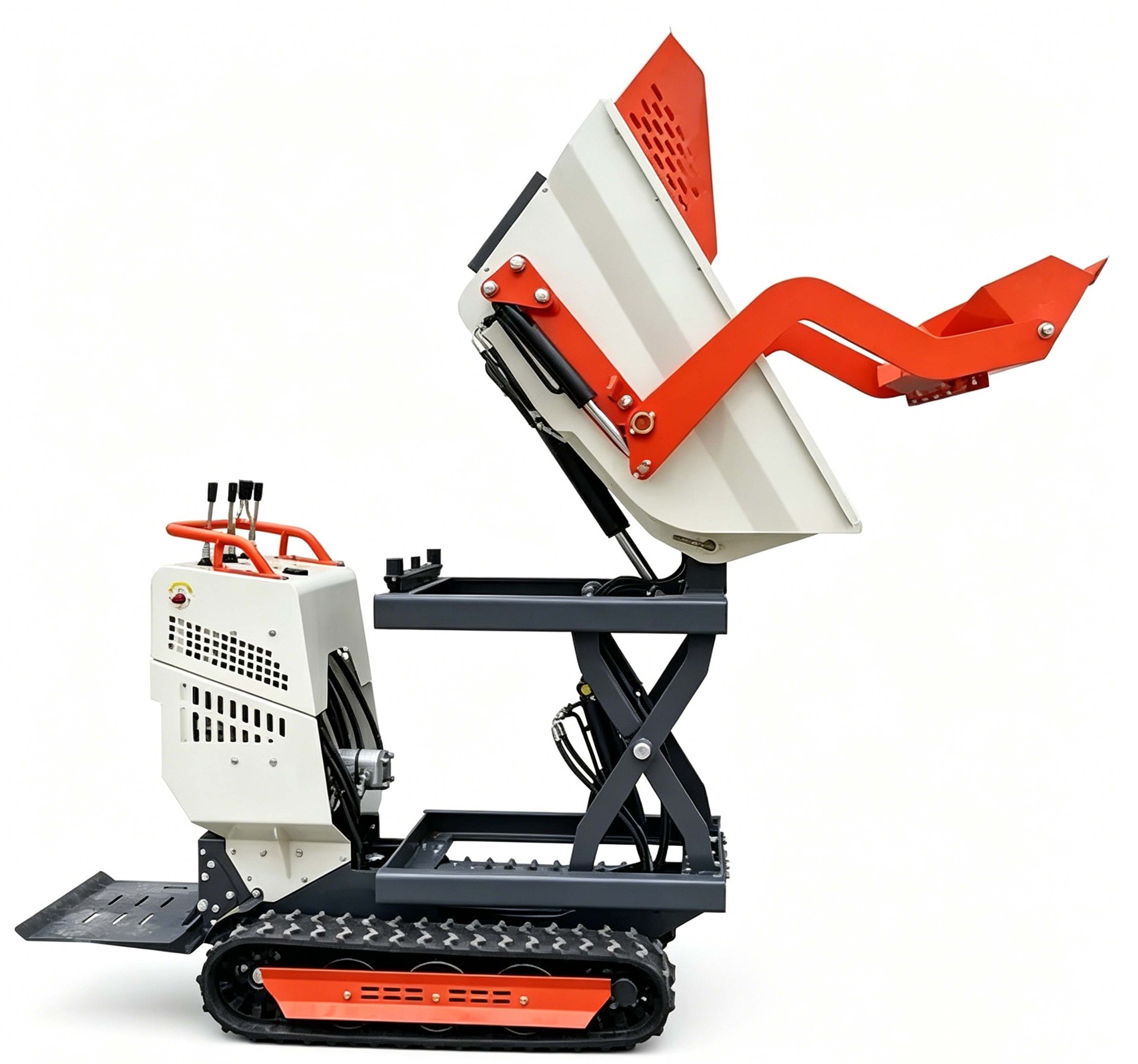
Introduction: The Three Killers Underground
Working underground—whether in a narrow vein gold mine, a municipal utility tunnel, or a subway construction project—is defined by three lethal constraints: Confined Space, Toxic Atmosphere, and Low Headroom.
Traditional diesel-powered equipment is a paradox in these environments. While necessary for power, they are also the primary source of danger. Diesel engines consume precious oxygen and emit Carbon Monoxide (CO), Nitrogen Oxides (NOx), and particulate matter (soot). In an unventilated or poorly ventilated tunnel, these fumes displace oxygen and poison workers, leading to "Black Lung" or immediate asphyxiation. Furthermore, the tall cabs of standard loaders and dumpers often cannot fit through the low portals of older mines or the crawl spaces of utility vaults.
The Xinghang XHT Series provides a specialized solution. By utilizing robust, gasoline-powered engines (which burn cleaner than diesel in rich-mixture scenarios) or pairing with electric loaders, these machines are engineered for the "Underground Trilemma."
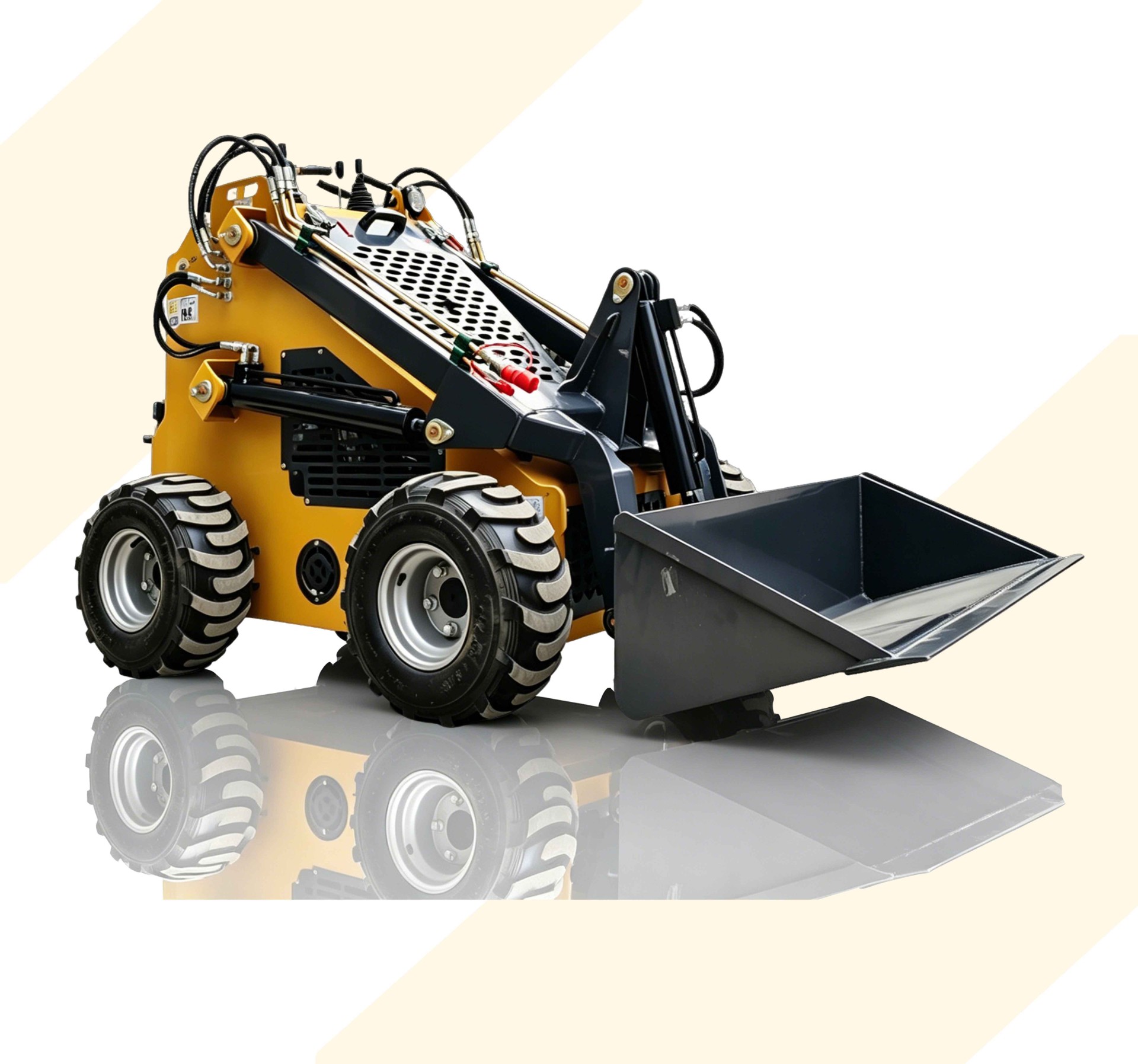
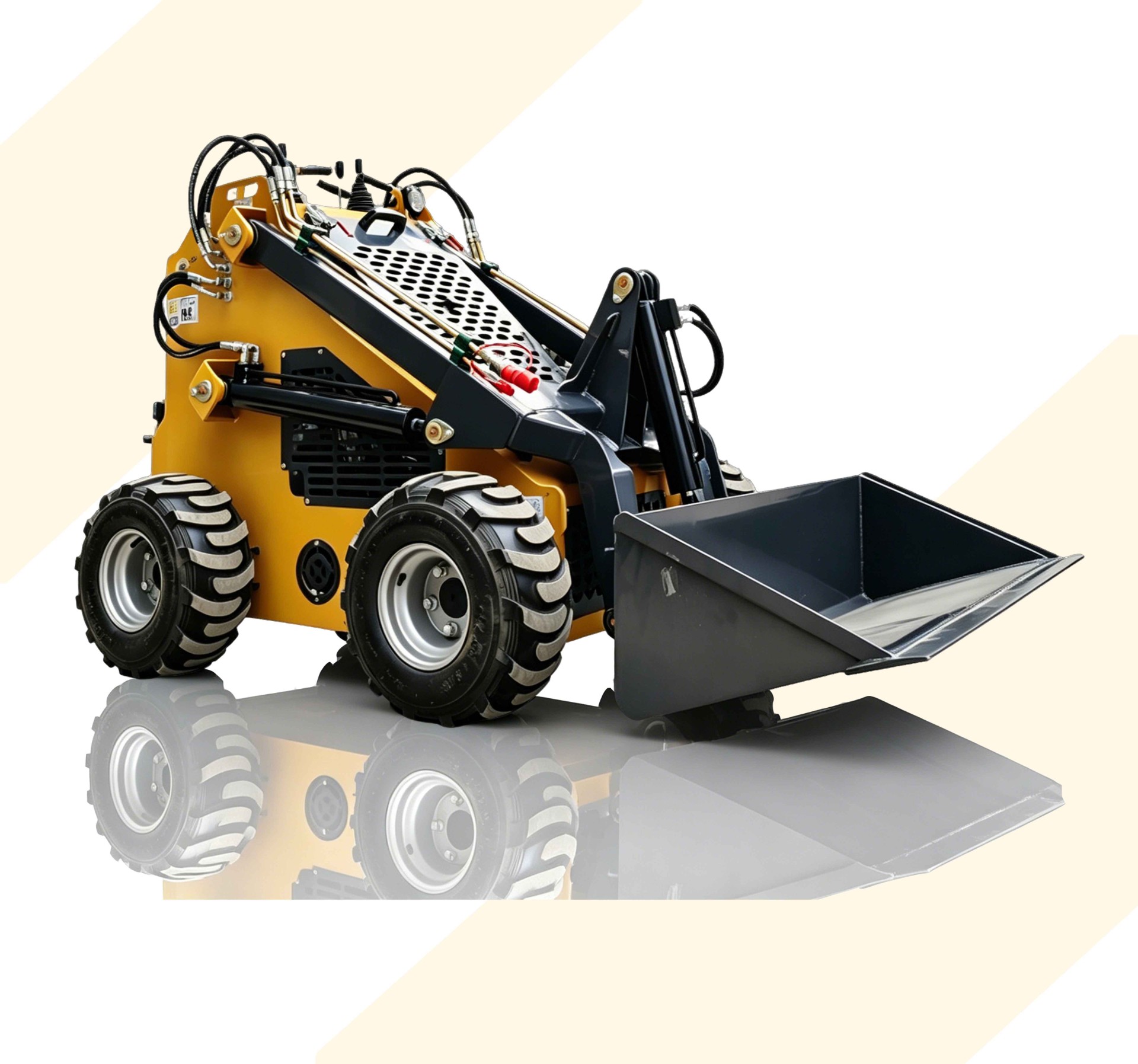
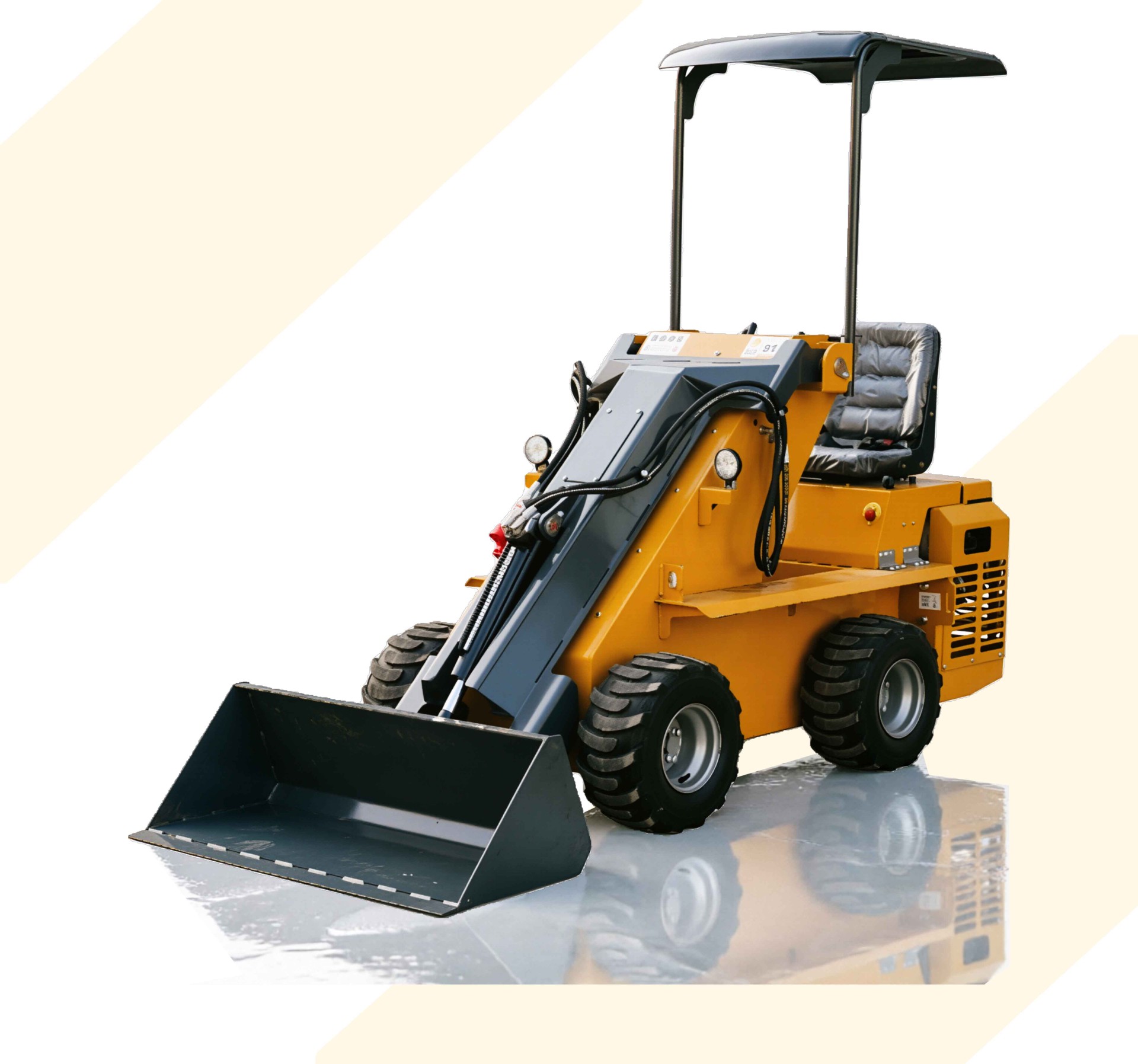
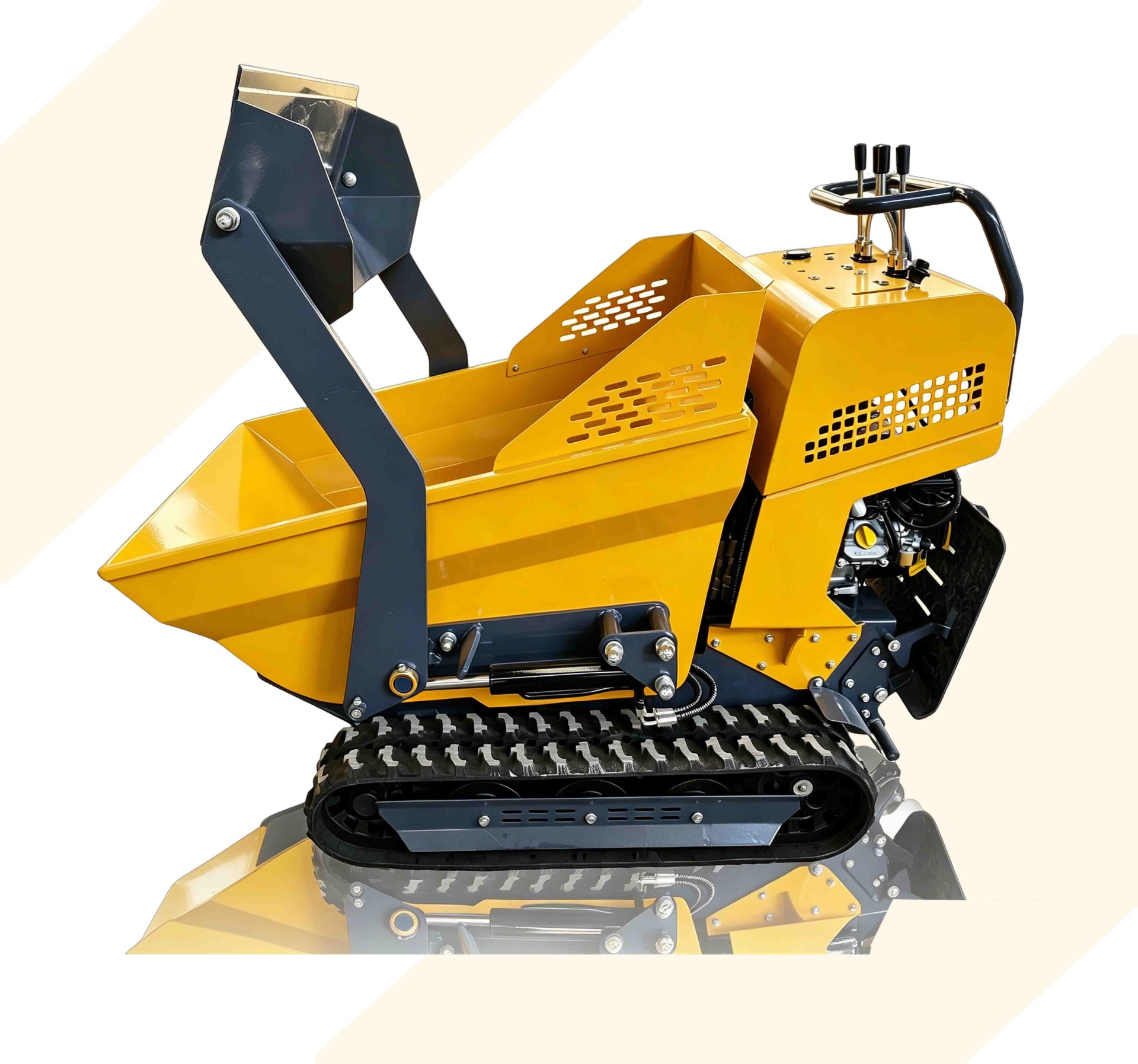
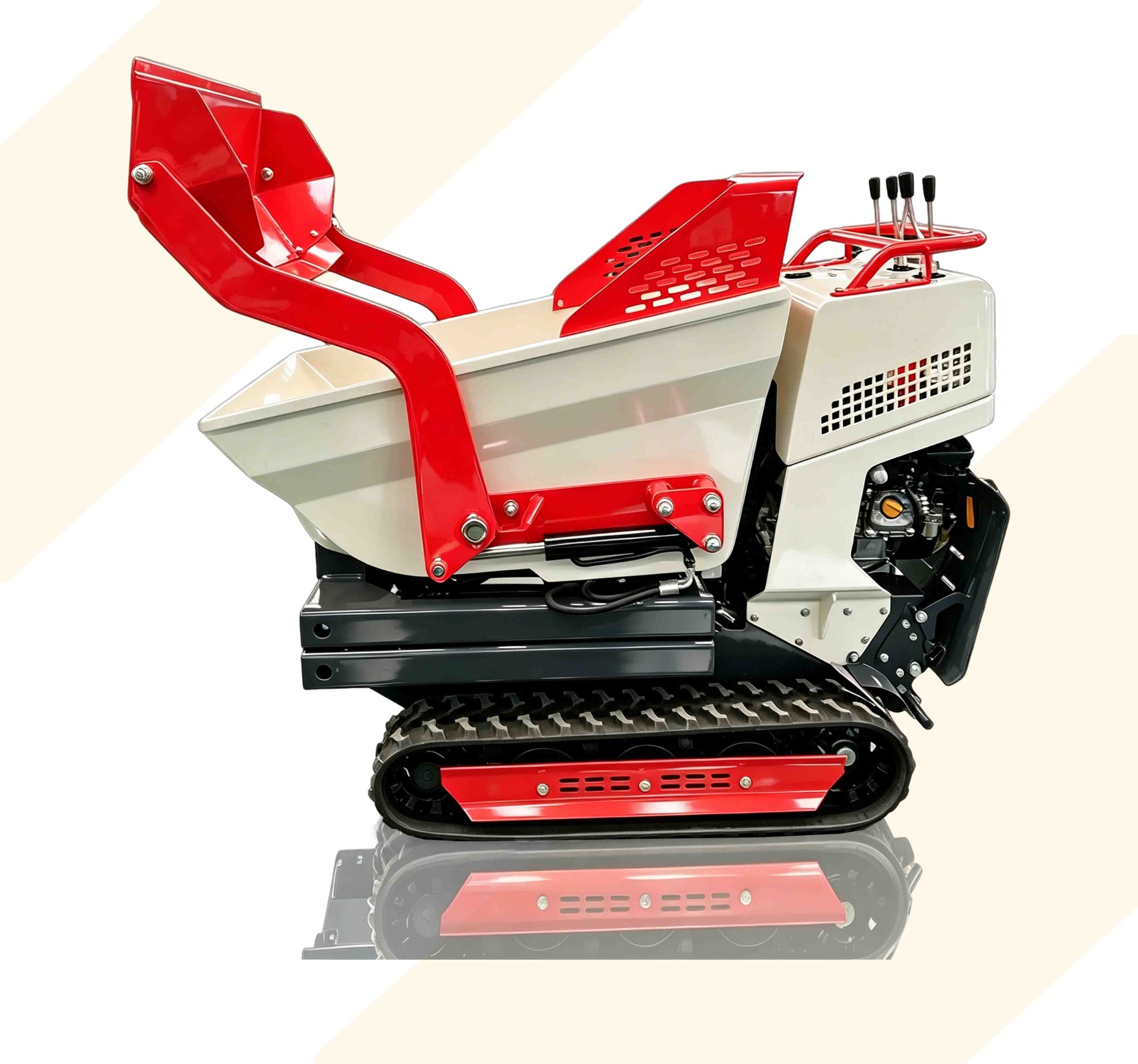
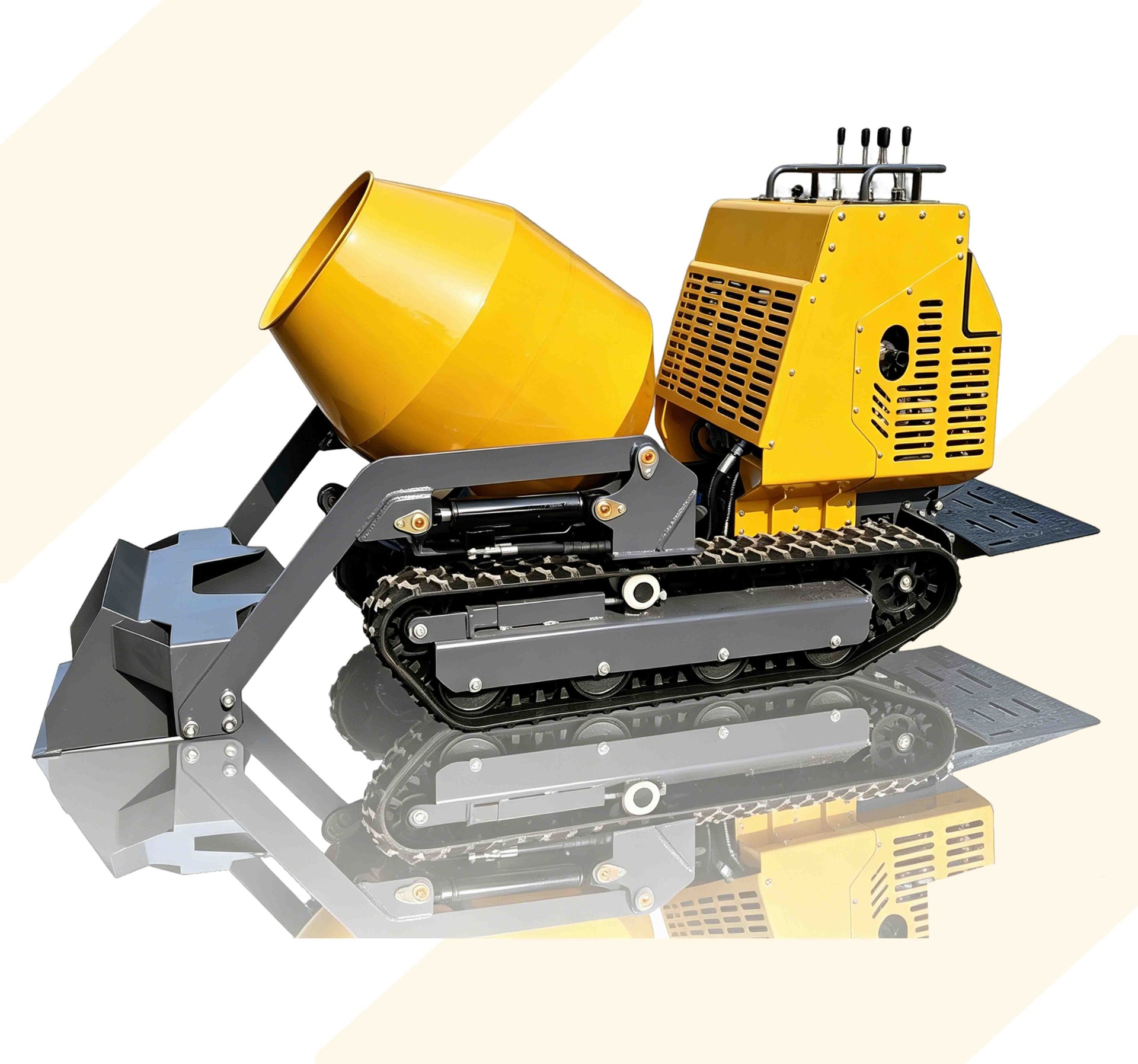
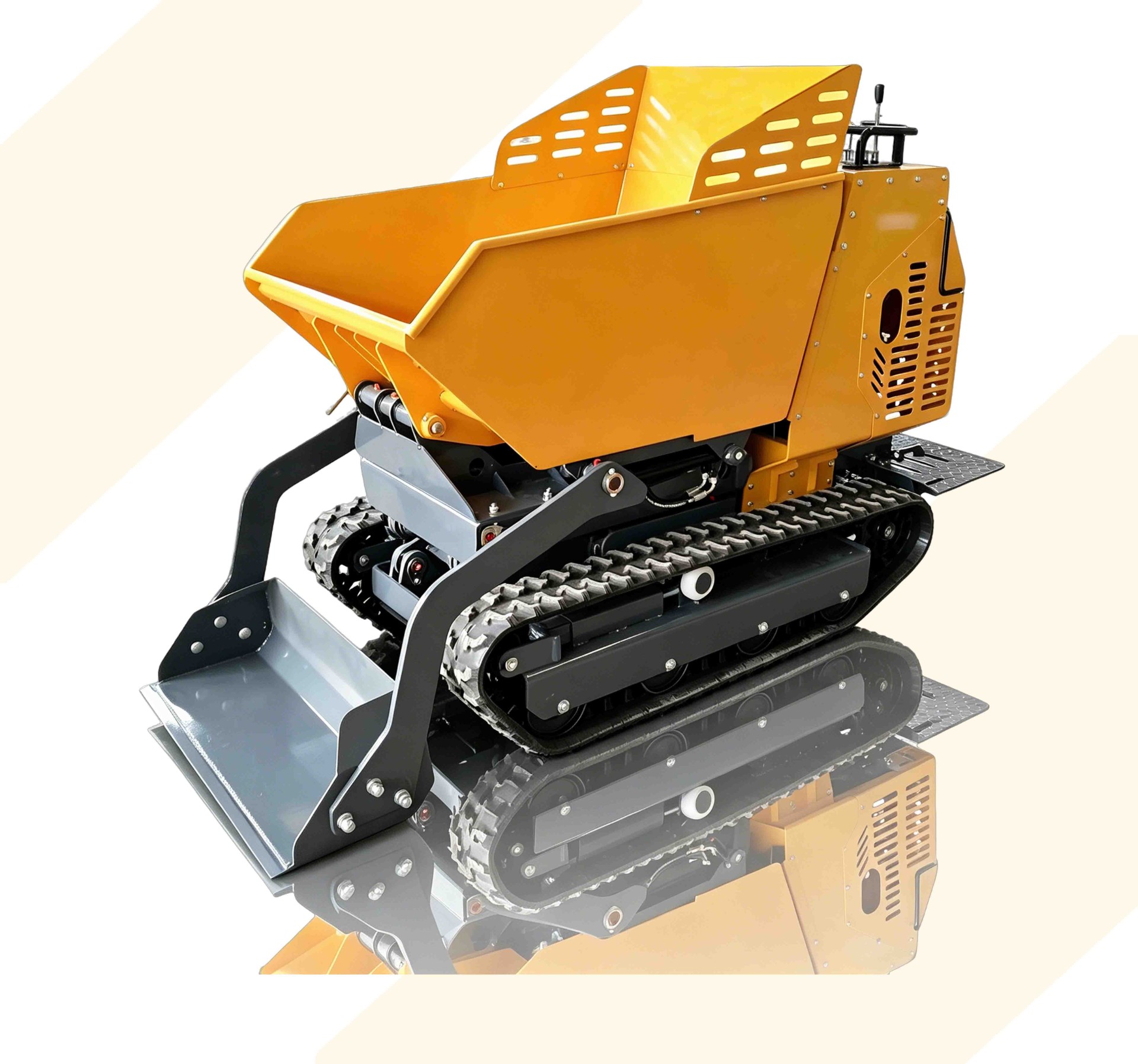
Specifically, the XHT500 (with its ultra-low 930mm height and 700mm width) acts as the primary mucker/transporter, while the XHT1000 (with its 1,500mm lift height) solves the problem of high-side dumping in vertical shafts or onto conveyor belts. This article explores how these machines are redefining safety and efficiency in subsurface operations.
1. The Physics of the "Underground Trilemma"
To work safely underground, a machine must solve three physical problems simultaneously:
1.1 The Height Barrier (Low Profile)
The Problem: Many historical mine adits, sewer tunnels, and utility vaults have ceiling heights of 1,000mm to 1,200mm. A standard skid steer (height: 2,000mm+) cannot enter.
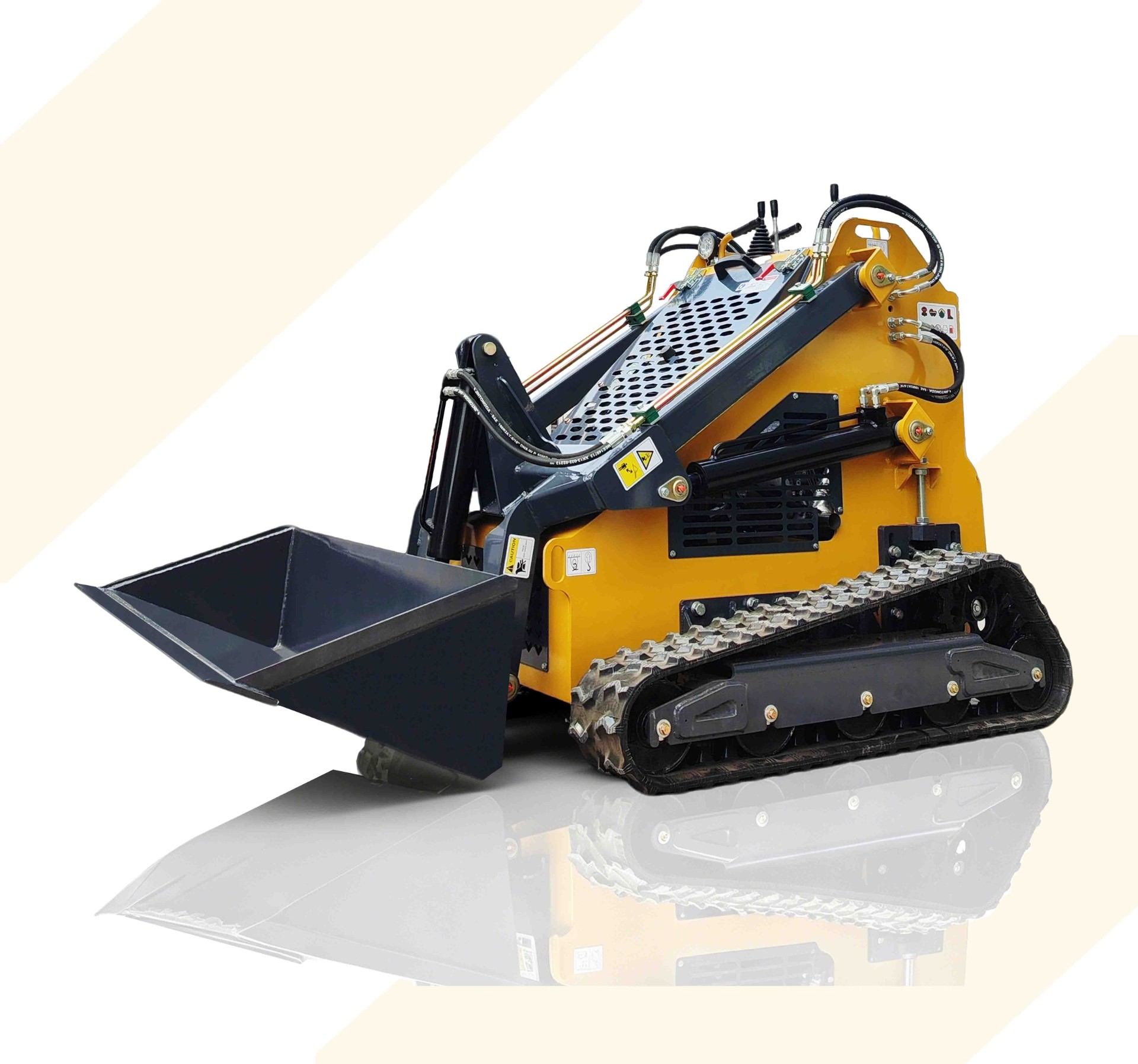
The XHT500 Solution: With an overall height of only 930mm (without ROPS) or 1,130mm (with folding ROPS), the XHT500 is specifically designed for "Crawling Entry." It can operate in drifts and tunnels where other machines cannot physically fit.
1.2 The Width Barrier (Narrow Veins)
The Problem: "Narrow Vein Mining" refers to ore bodies only 600mm to 1,000mm wide. A standard dumper (width: 1,500mm+) is too bulky.
The XHT500 Solution: At 700mm wide, it fits within the ore body itself. This allows the machine to follow the vein, reducing the need for extensive "overbreak" (mining excess waste rock to make room for equipment), which saves on milling costs.
1.3 The Ventilation Barrier (Air Quality)
The Problem: Diesel engines require massive ventilation systems to clear fumes. In deep mines, this accounts for 30–50% of the operational energy cost.
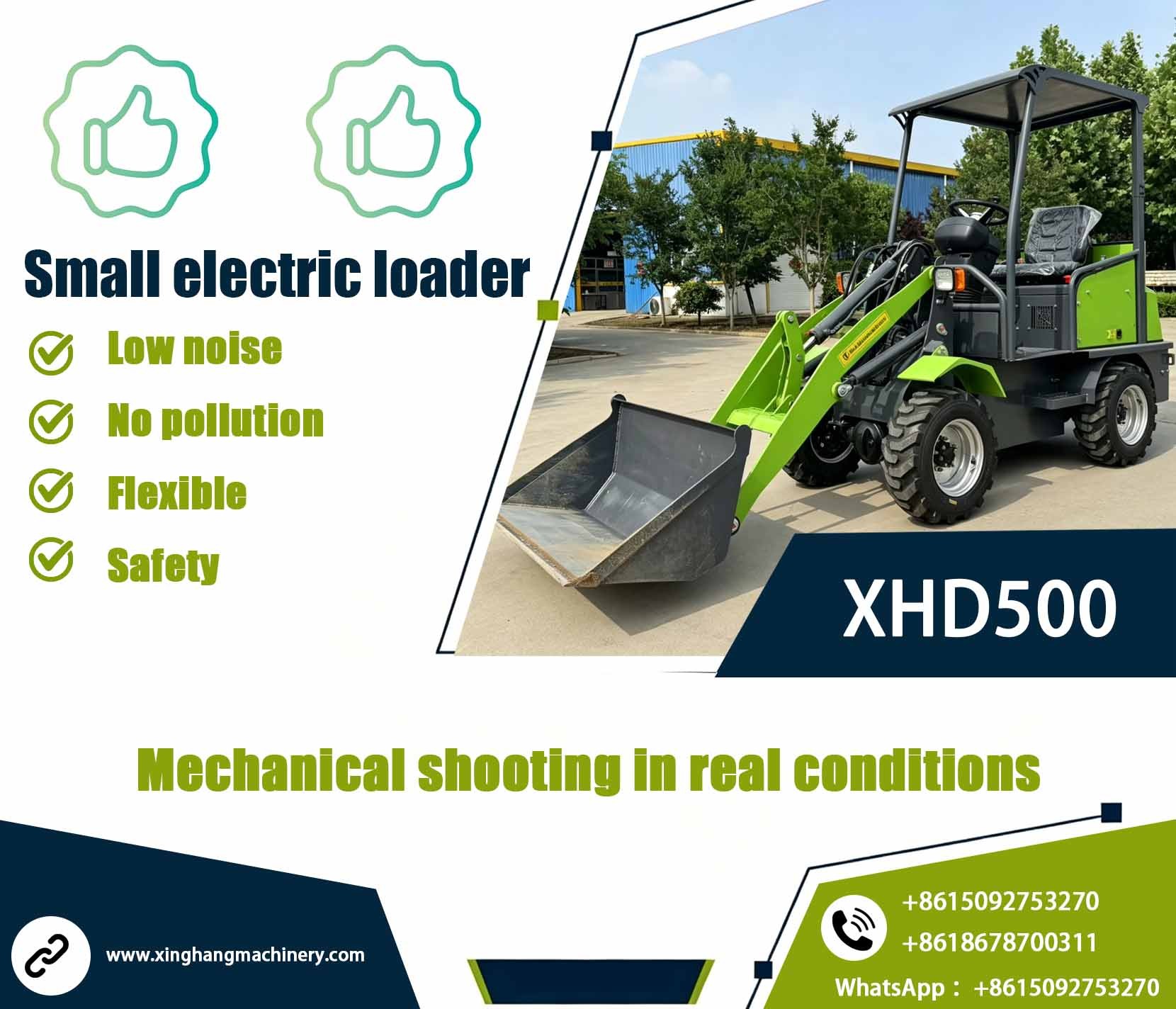
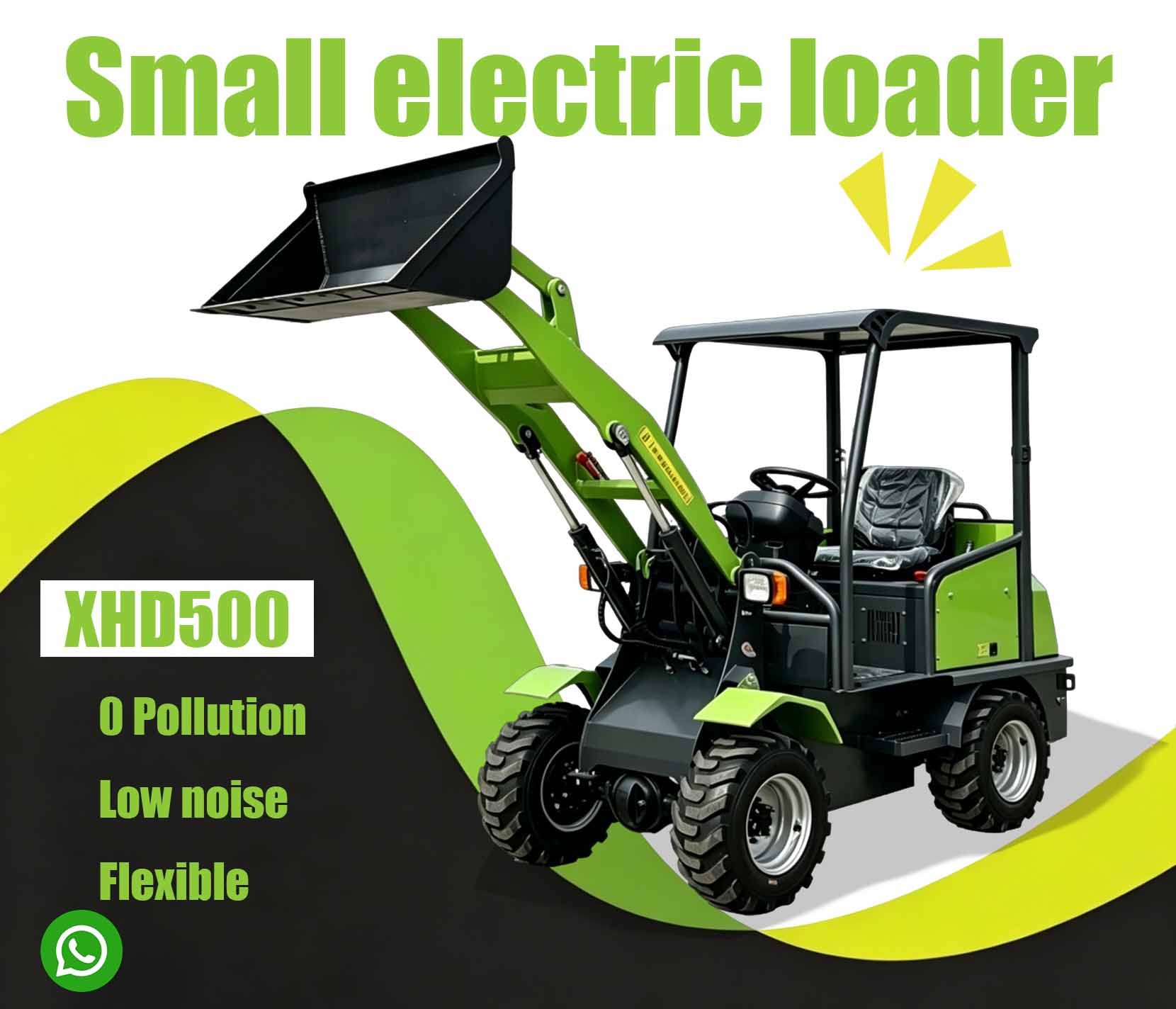
The XHT500/XHT1000 Solution: While gasoline engines still produce CO, they do not produce the heavy soot and sulfur compounds of diesel. More importantly, when paired with an XHD500A Electric Loader (Zero Emission) for the digging, the XHT500 acts purely as a transport device. This "Hybrid Underground System" drastically reduces the overall atmospheric contamination compared to a full diesel fleet.
2. The XHT500: The Underground Mucker
In mining terminology, a "mucker" is a machine that gathers and transports blasted rock.
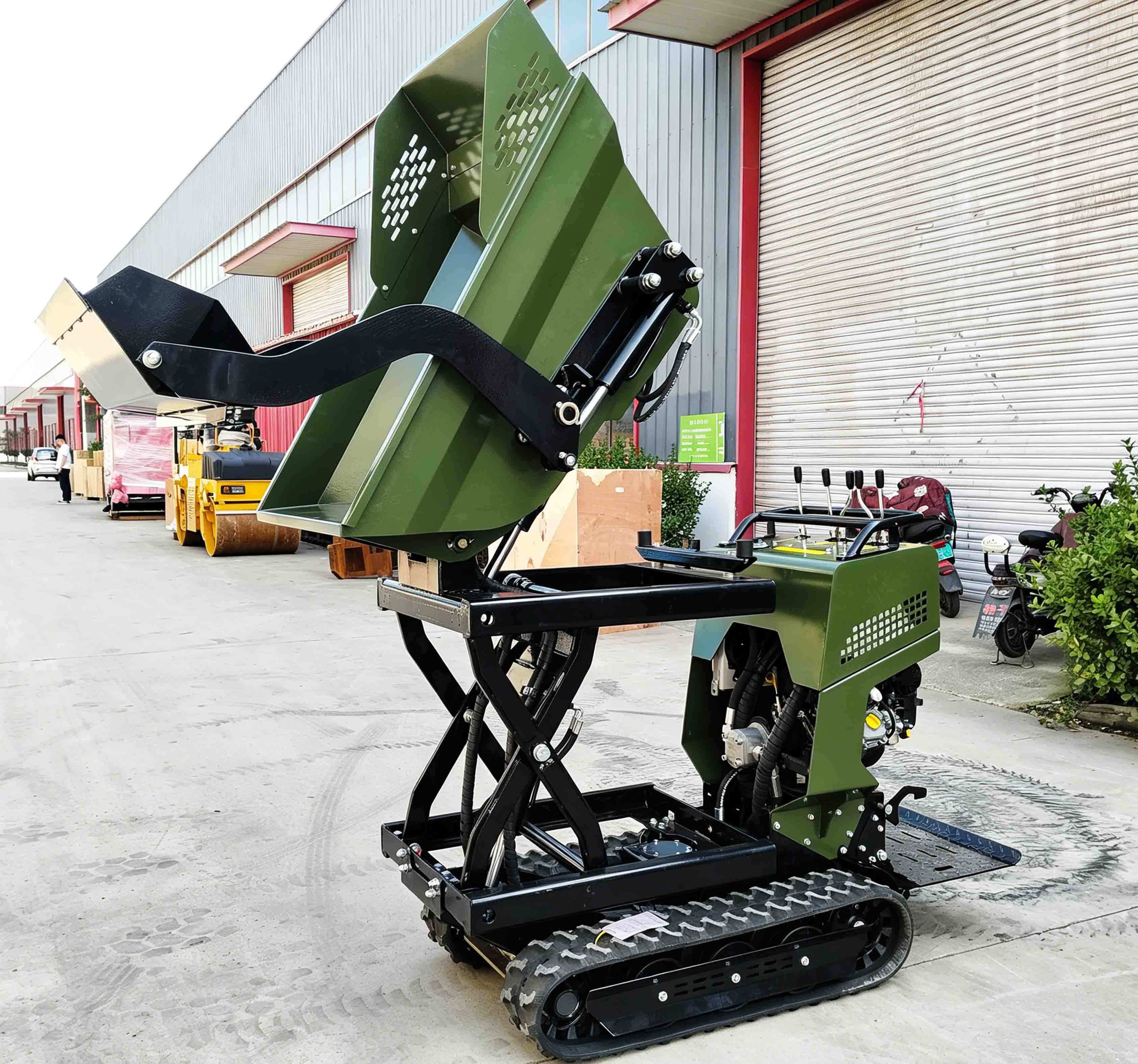
Capacity: The 200 dm3 skip is perfectly sized for underground shots. It can handle approximately 500kg of broken rock per trip.
Control: The walk-behind operation is safer underground. If a rockfall occurs, the operator is not trapped inside a cab. They have a clear escape path.
Traction: The 180mm rubber tracks provide grip on wet, slimy tunnel floors or on loose scree, where wheeled machines spin helplessly.
Case Study: In a Turkish chromite mine, switching from manual mucking (5 workers with shovels) to an XHT500 increased the extraction rate by 300% while reducing the labor injury rate to zero.
3. The XHT1000: The High-Lift Solution
While the XHT500 excels at moving material horizontally, the XHT1000 solves the vertical challenge.
The Problem: Getting material out of a 1.5-meter deep excavation pit or loading a high-sided ore cart requires significant lift height.
The Spec: The XHT1000 features a 1,500mm maximum lift height (discharge height approx. 1,300mm).
Application:
Vertical Shafts: Lifting spoil from the bottom of a utility vault to the surface.
Conveyor Loading: Positioning the dumper to feed a conveyor belt system without requiring the belt to be at ground level.
High-Sided Carts: Loading ore into 1.5-ton mine carts that standard mini dumpers cannot clear.
Payload: With a 1,000kg capacity, it moves twice the volume of the XHT500, making it ideal for development headings where the tunnel is large enough to accommodate its slightly wider footprint.
4. Integration with Drilling and Blasting
The XHT series integrates seamlessly into the standard "Drill-Blast-Muck" cycle.
Drill: A small pneumatic jackleg drill bores holes.
Blast: Controlled explosives fracture the rock.
Ventilate: Fans clear the initial fumes.
Muck: The XHT500 enters the face. It collects the broken rock and transports it to the shaft or portal.
Load: If the portal is high, the XHT1000 takes over to lift the material into trucks or onto crushers.
This cycle is repeated every 4–6 hours. The reliability of the XHT500’s simple gasoline engine ensures that the "Muck" phase is never the bottleneck.
5. Safety Enhancements for Subsurface Work
5.1 Lighting
Underground visibility is zero without lights. The XHT500 can be fitted with LED light bars (optional) to illuminate the tunnel face, improving safety and speed.
5.2 Emission Monitoring
In environments where gasoline engines are permitted, operators must use Multi-Gas Monitors (detecting O2, CO, H2S, and LEL). The XHT500’s predictable engine behavior allows for easier monitoring compared to the erratic smoke output of a struggling diesel.
5.3 Maintenance Access
In tight tunnels, you cannot bring a toolbox on a forklift. The XHT500 is designed for Field Service. Belts, spark plugs, and hydraulic fittings are accessible at ground level. A single mechanic can service the machine inside the tunnel without a full workshop.
6. The "Tunnel Sanitation" Application
Beyond mining, municipal workers use the XHT500 for Utility Vault Cleaning.
Sewer Vaults: Removing silt, sand, and "rag" accumulations from stormwater or sewage pits.
Electrical Vaults: Transporting old transformers or cable spools out of underground electrical rooms.
Telecom Vaults: Moving sandbags or equipment during fiber optic installation.
Benefit: Because the machine is narrow and tracked, it minimizes damage to the floor gratings and conduits inside these sensitive infrastructure nodes.
7. Cost-Benefit Analysis: Mechanization vs. Manual Labor
Factor | Manual Mucking (5 Workers) | XHT500 Operation (1 Operator) |
|---|---|---|
Tonnage per Hour | 2–3 Tons | 8–10 Tons |
Injury Risk | High (Back injuries, Rockfalls) | Low (Operator remote from face) |
Ventilation Need | Low (Human respiration) | Medium (Engine exhaust) |
Operational Cost | High (Wages, Insurance) | Low (Fuel, Maintenance) |
Cycle Time | Slow (Fatigue sets in) | Fast (Consistent speed) |
The Verdict: Mechanization with the XHT500 reduces the "Cost Per Ton" of extracted material by up to 60%.
Conclusion: Digging Deeper, Safely
The subsurface world is unforgiving. It demands equipment that respects its constraints: low ceilings, narrow passages, and delicate air quality. The Xinghang XHT500 and XHT1000 are not merely "small dumpers"; they are precision instruments for underground logistics.
By combining the low-profile agility of the XHT500 with the high-lift capability of the XHT1000, contractors can mechanize their underground operations without sacrificing safety or breaking the budget. They turn dark, dangerous tunnels into productive, profitable workspaces.
For mining companies, tunneling contractors, and municipal utility departments, the XHT series is the key to unlocking the earth's resources safely and efficiently.
?? Contact Xinghang Machinery today for underground-specific modifications (LED lighting, catalytic converters, folding ROPS) and FOB quotations. Go deeper, safely.
Small Machine, Giant Power — Mastering the Underground.