 Chinese
 English
 Russian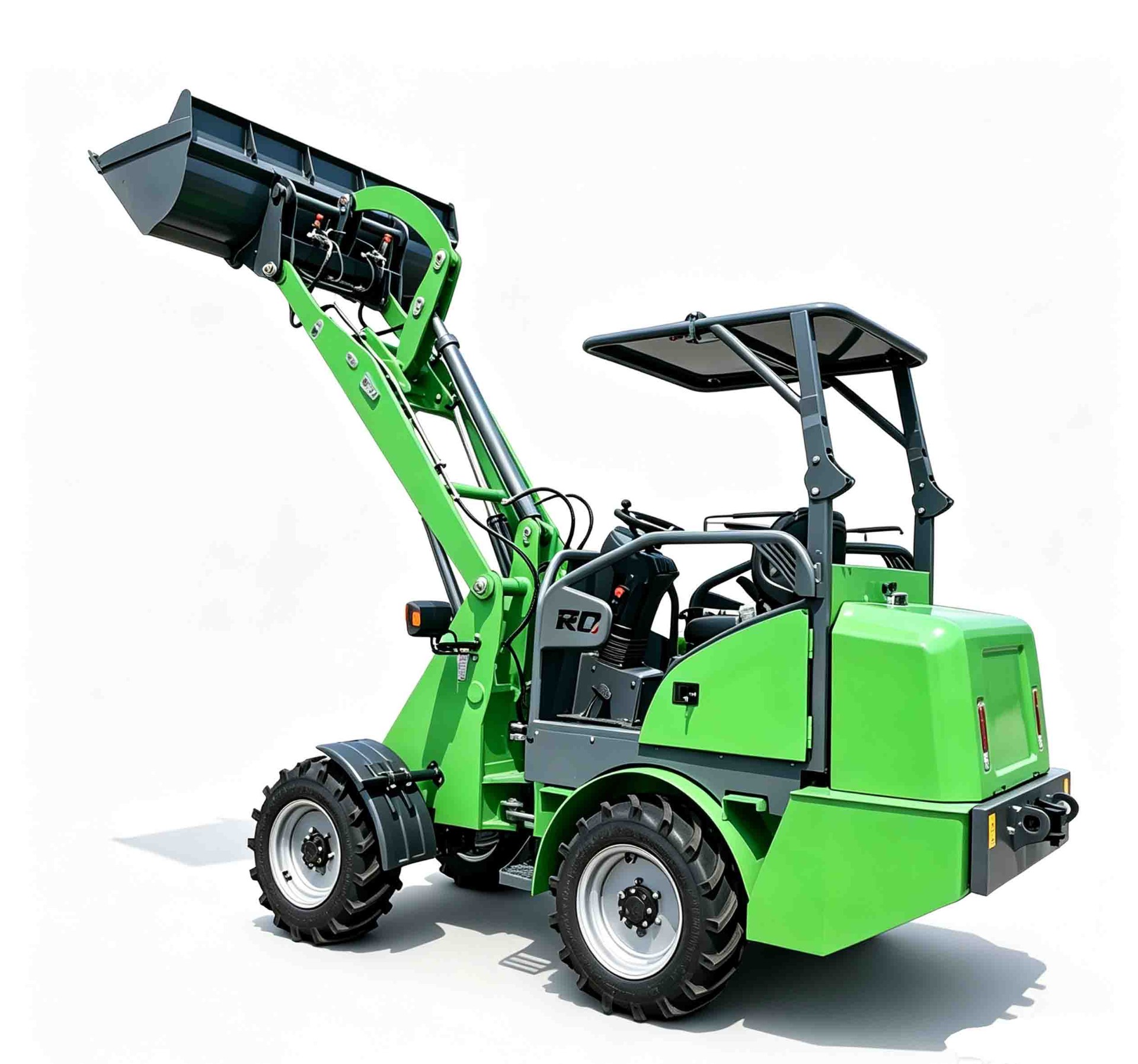
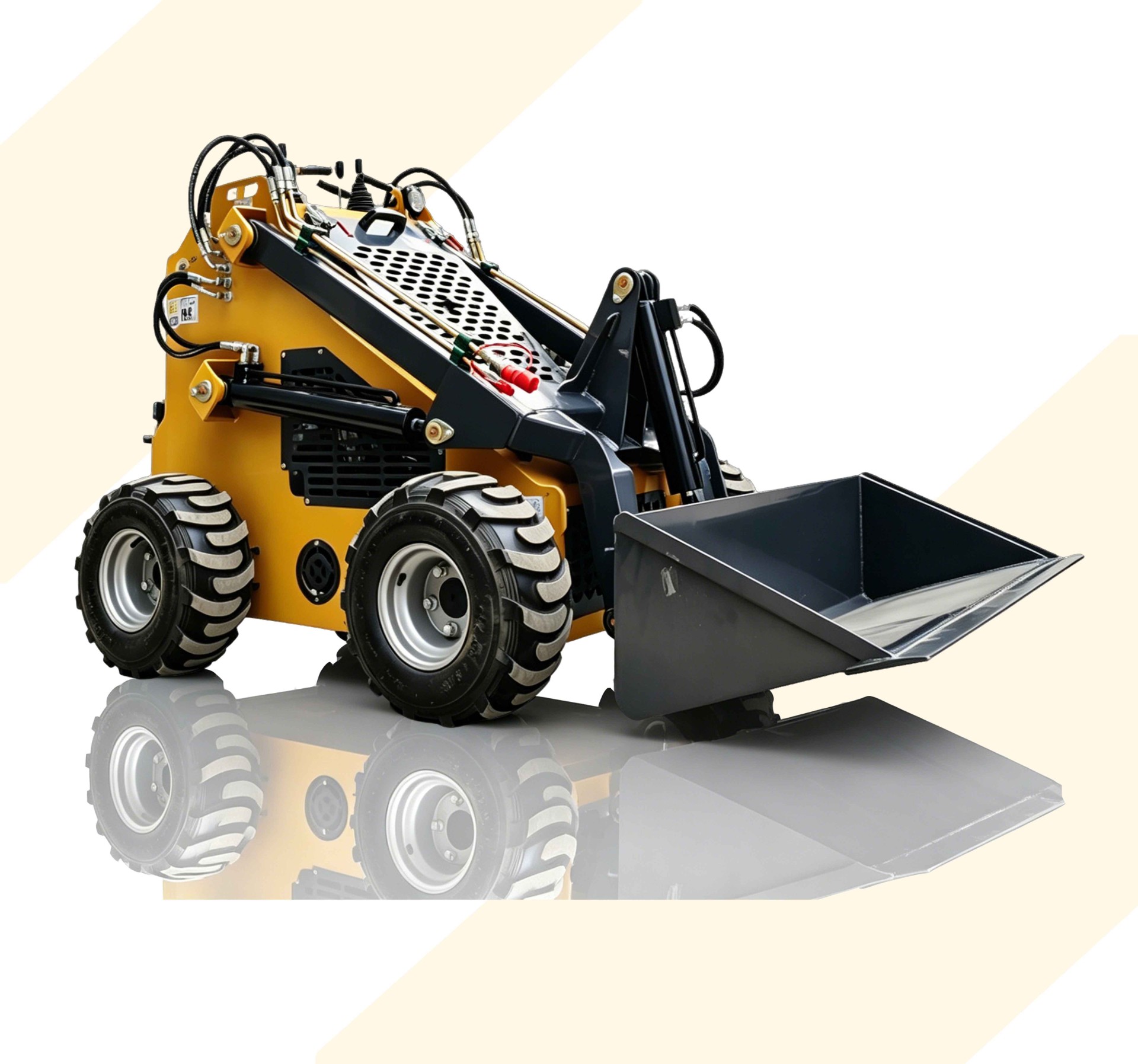
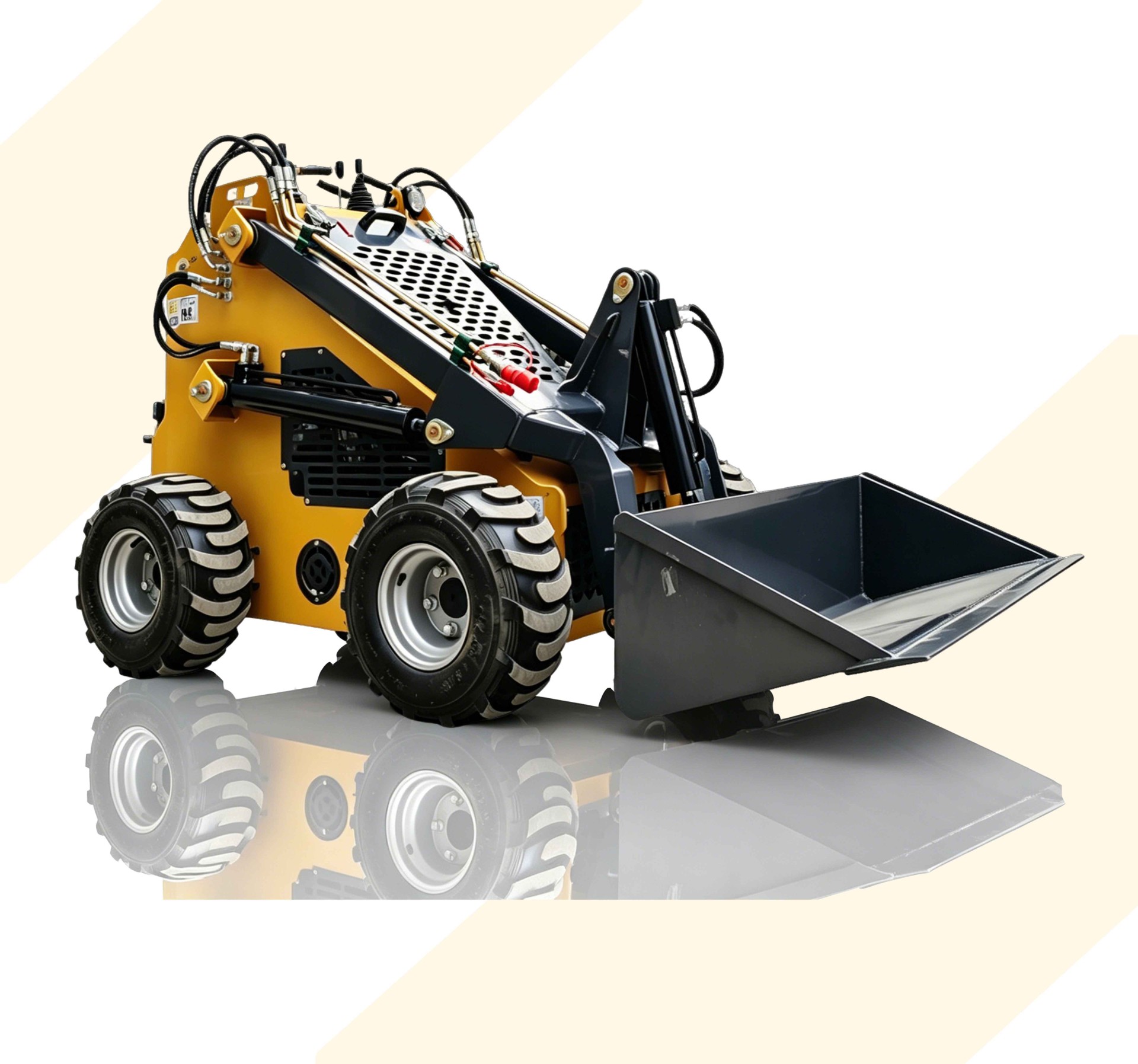
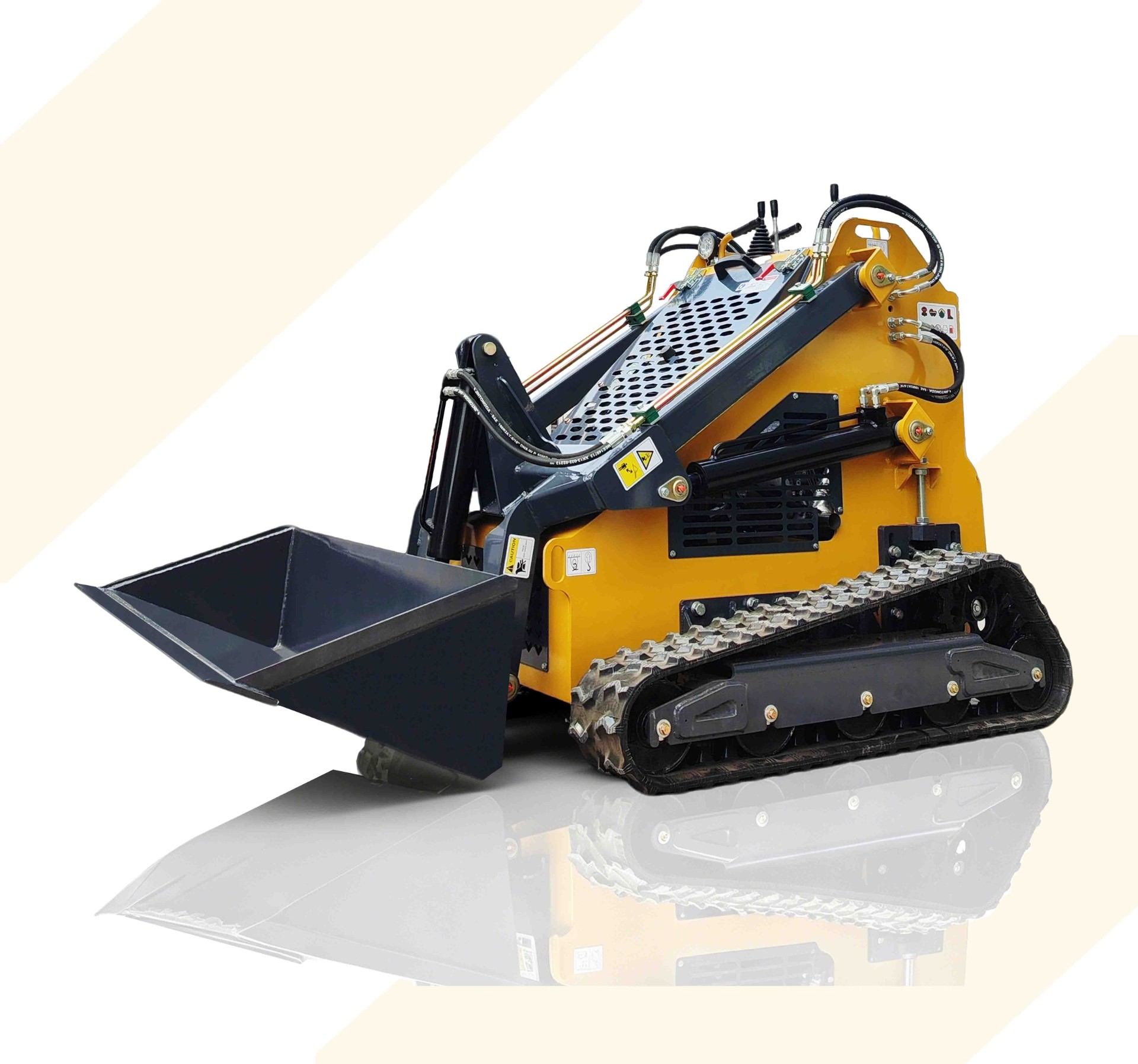
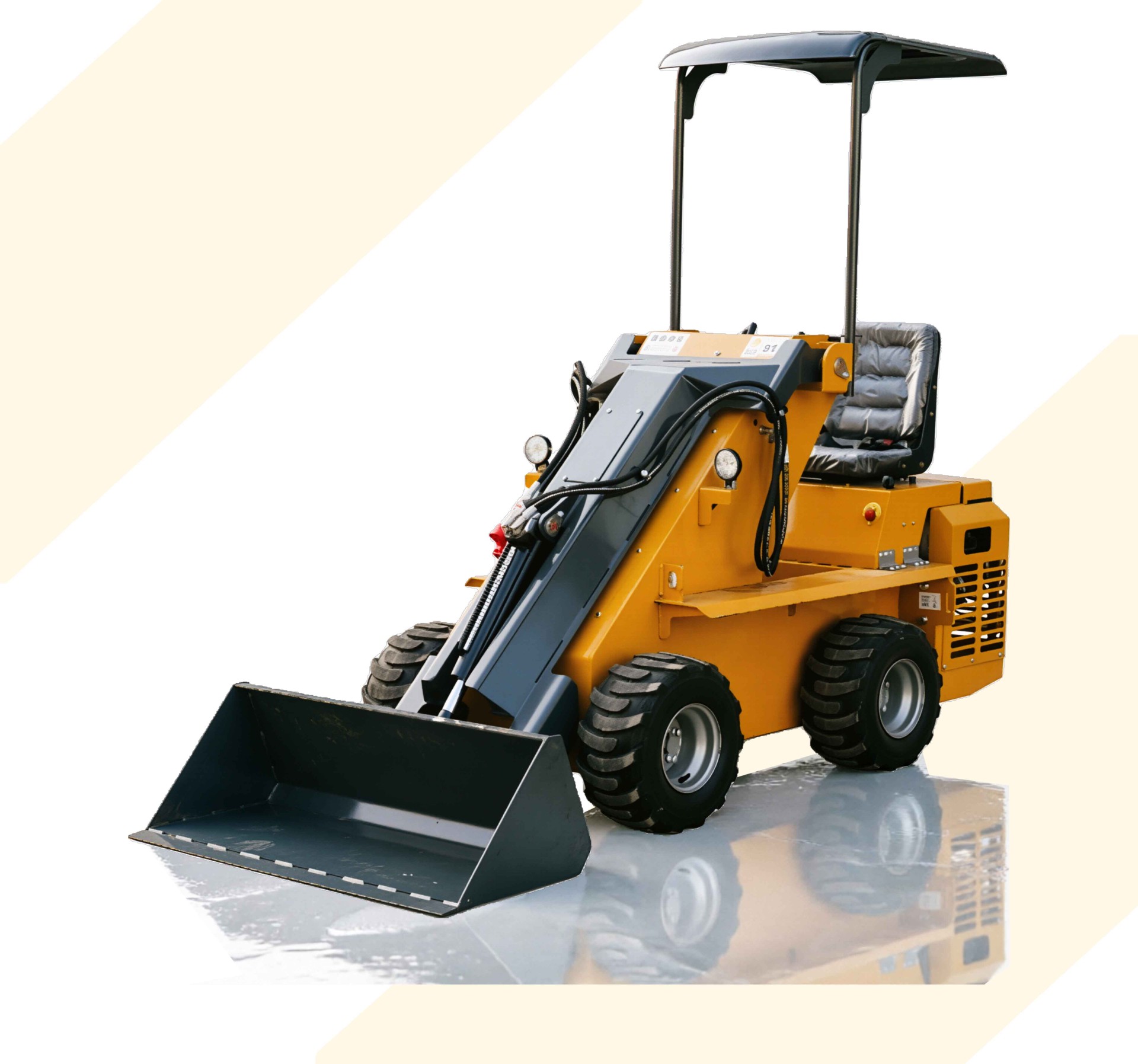
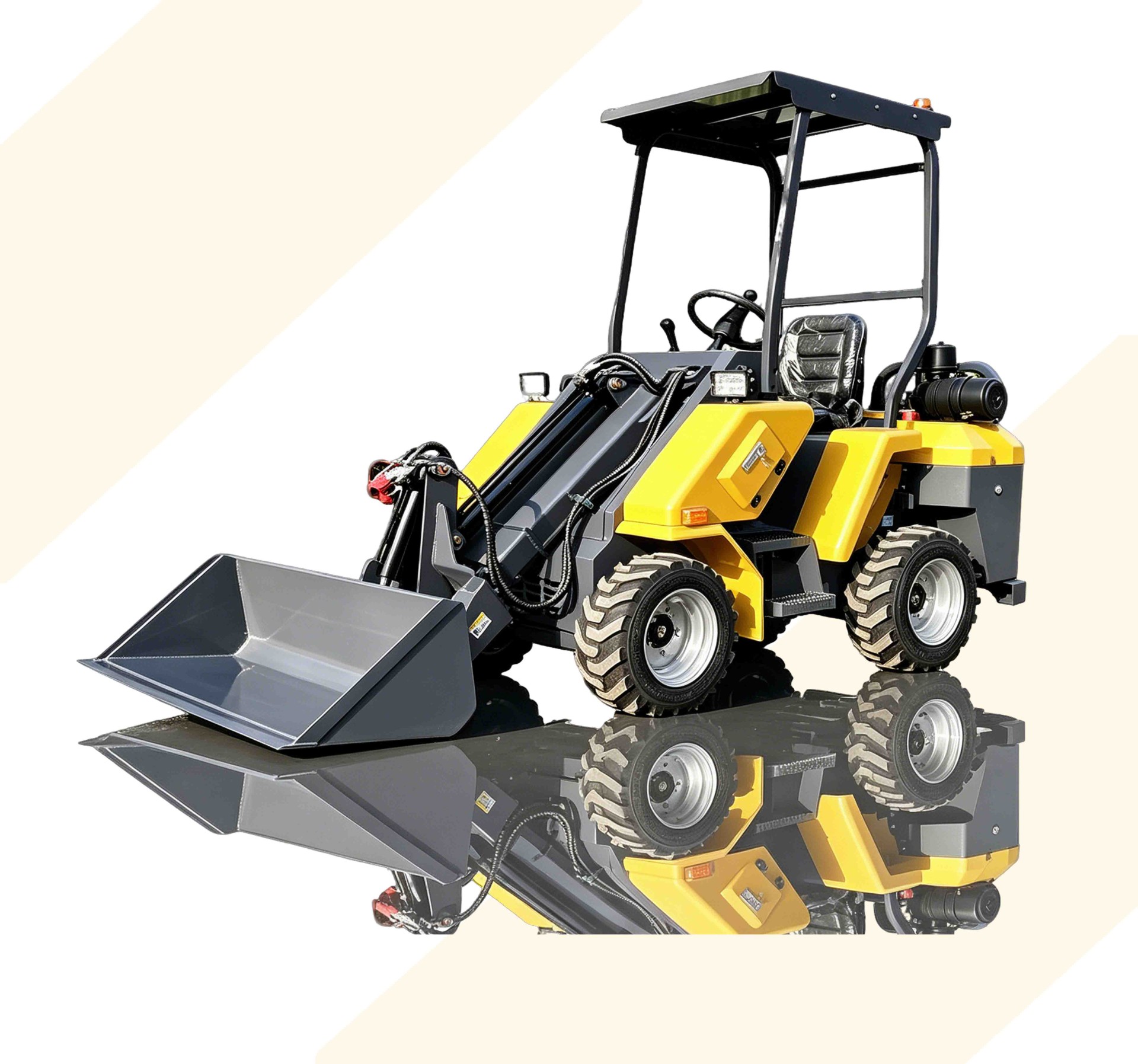
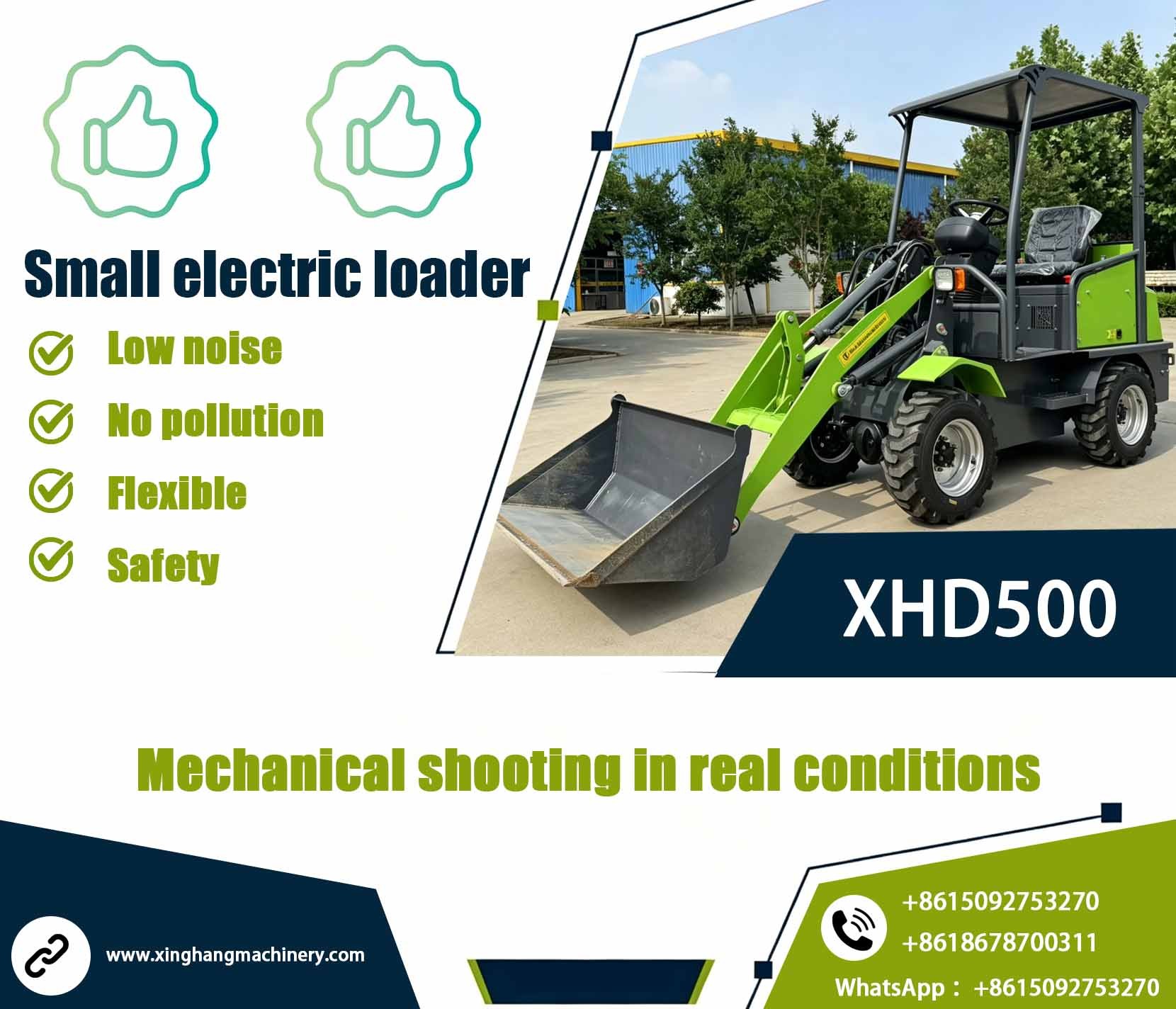
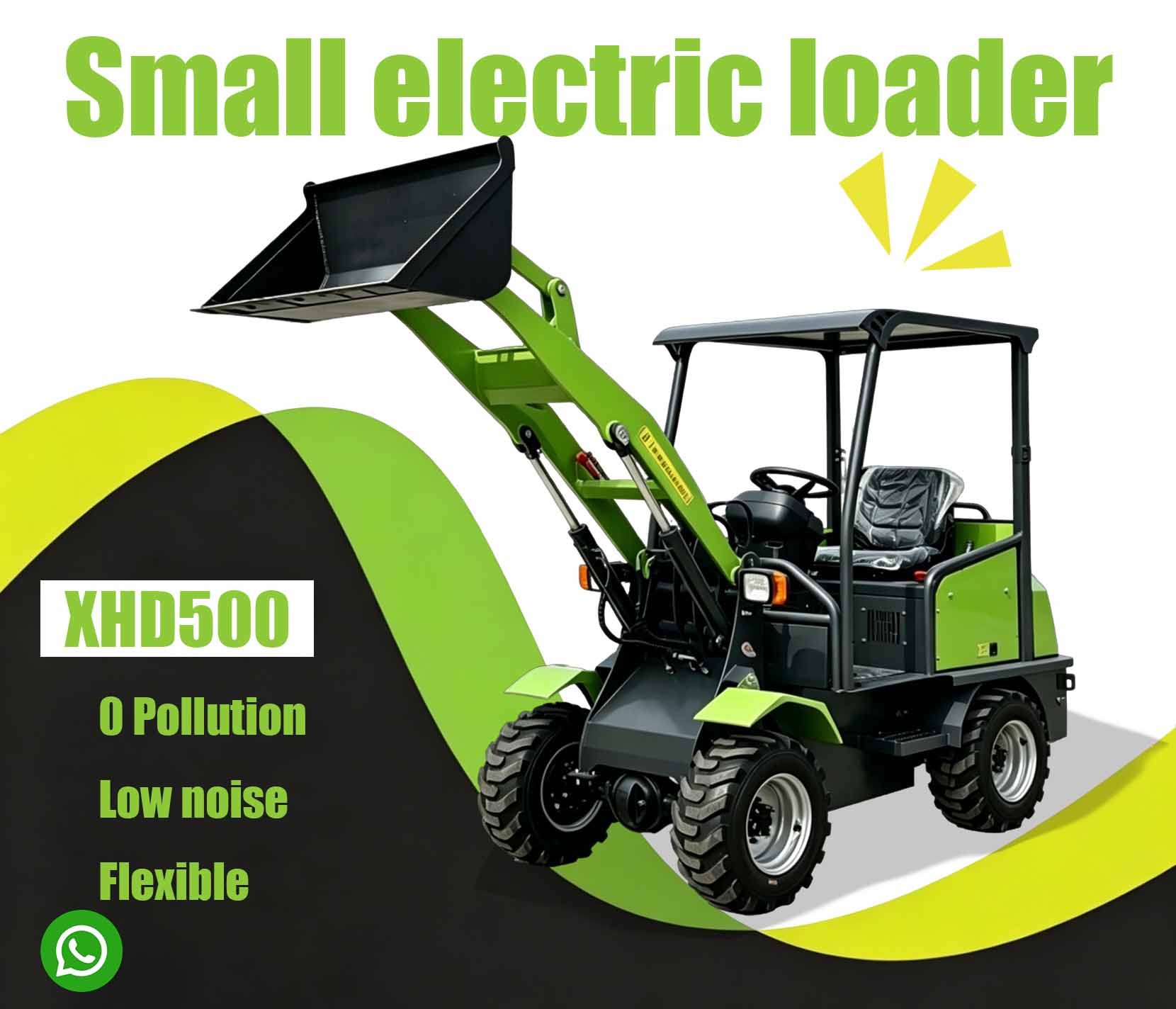
Australia has long faced elevated diesel prices compared to many global markets with urban and regional rates often hovering around 3 Australian dollars per liter. For small contractors and hire fleets running compact wheel loaders for 1000 to 1500 hours annually fuel alone can become a dominant cost center. Small electric loaders particularly those in the 0.4T to 2.5T class such as the Xinghang STAR XHD series offer a compelling economic alternative. Electricity rates in Australia typically range between 0.33 and 0.40 Australian dollars per kilowatt hour meaning the energy cost per operating hour for a compact electric loader is often one third that of an equivalent diesel machine. Over a five year ownership period many Australian operators report saving approximately 210000 Australian dollars in combined fuel and maintenance expenses when switching from diesel to electric compact loaders.
The maintenance advantage is equally significant. Diesel compact loaders require periodic oil changes fuel filter replacements air filter services exhaust aftertreatment checks and transmission fluid maintenance. In contrast electric drivetrains eliminate many of these components. The Xinghang STAR models use 4kW flat-wire drive motors and 3kW hydraulic motors with high slot fill rates excellent heat dissipation and sealed designs that reduce routine servicing by up to 50 percent. There are no diesel particulate filters no DEF fluids and no complex turbocharger systems to overhaul. This simplification not only cuts parts spend but also reduces downtime which is critical for Australian subcontractors working tight residential or municipal schedules.
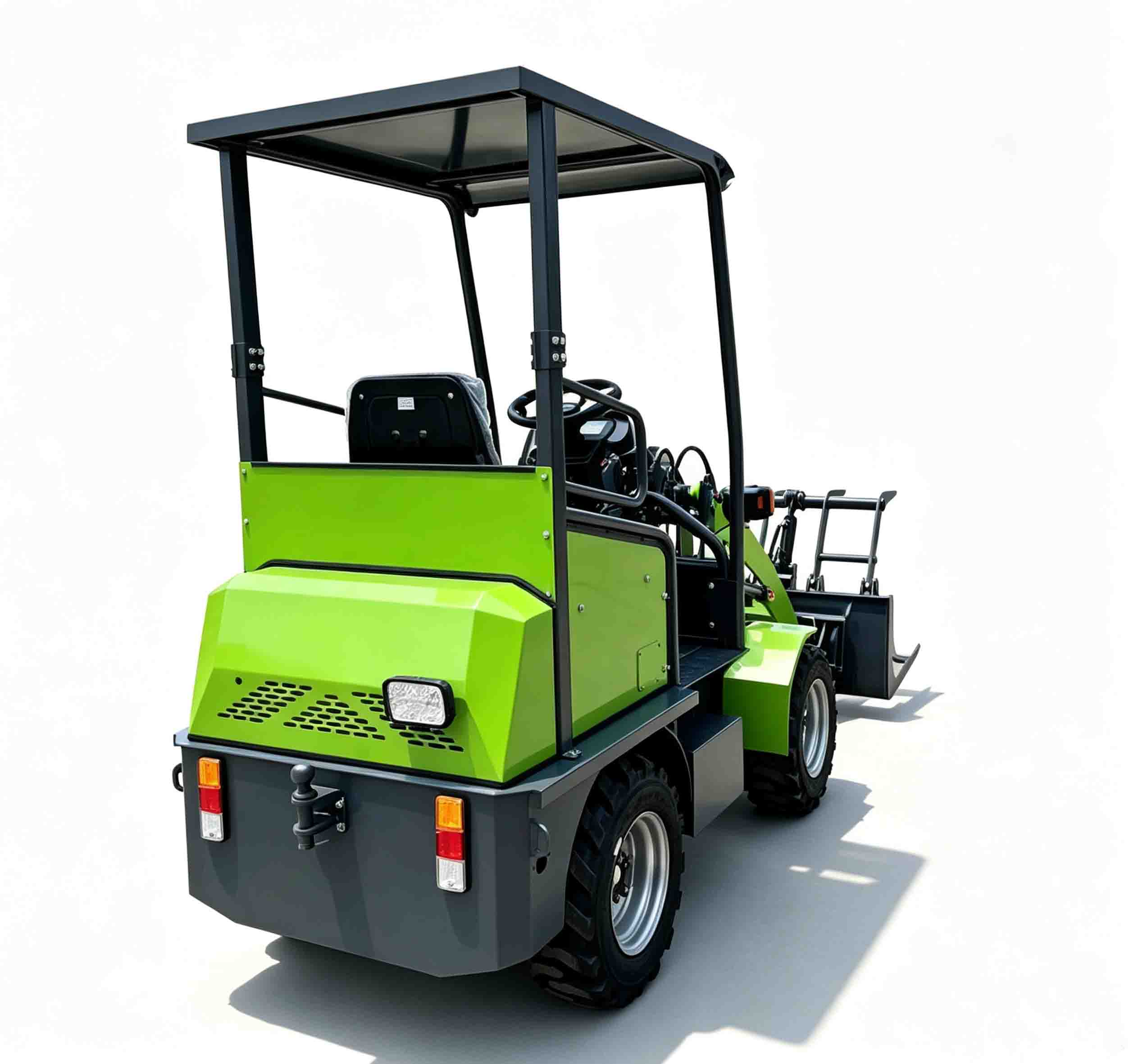
Total Cost of Ownership analysis in the Australian context shows that while small electric loaders may carry a higher upfront capital cost the break even point is frequently reached within three to five years for machines with medium to high utilization especially in fixed site applications such as landscaping yards nurseries depots and municipal workshops. With lithium iron phosphate battery options such as 64V 150Ah or 180Ah in the Xinghang XHD400 series providing 4 to 8 hours of continuous runtime and overnight charging via standard site power the infrastructure barrier remains low for urban and peri urban businesses. As Australian states continue to tighten emissions reporting under the federal Safeguard Mechanism and local councils impose low emission procurement clauses electric compact loaders are transitioning from a premium green choice to a fiscally rational asset class.
Beyond fuel and service savings electric loaders preserve operator productivity through reduced vibration and lower cabin noise which matters in the Australian labour market where skilled machinery operators are in short supply. Improved comfort can enhance retention and reduce fatigue related errors. For fleet managers the ability to monitor battery health state of charge and motor temperature via CAN bus digital dashboards as seen in Xinghang STAR machines adds a layer of predictive maintenance that diesel fleets often lack without expensive telematics retrofits. In sum the economic case for small electric loaders in Australia is anchored not only in energy arbitrage but in holistic lifecycle cost reduction and risk mitigation against future carbon pricing.