 Chinese
 English
 Russian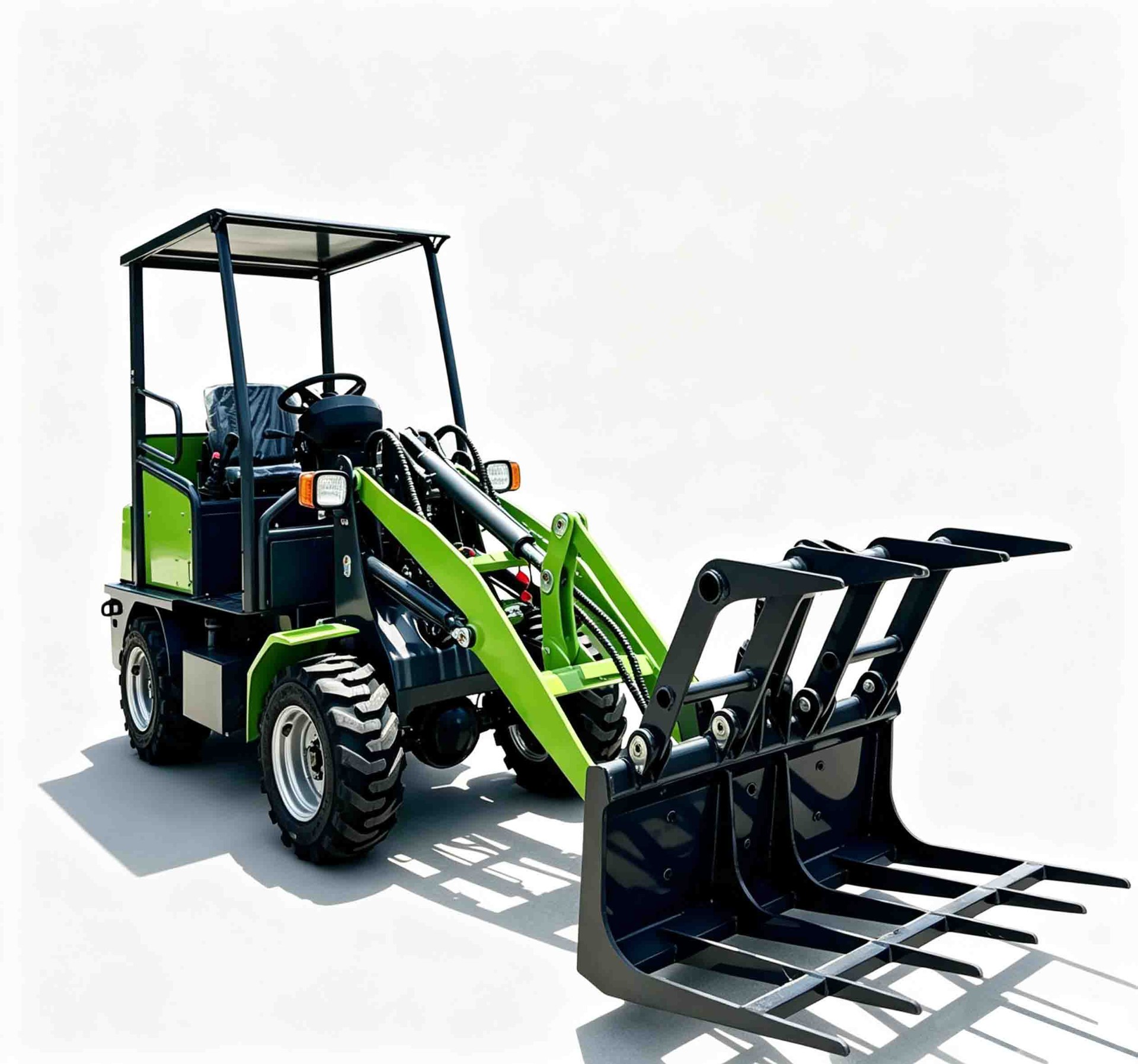
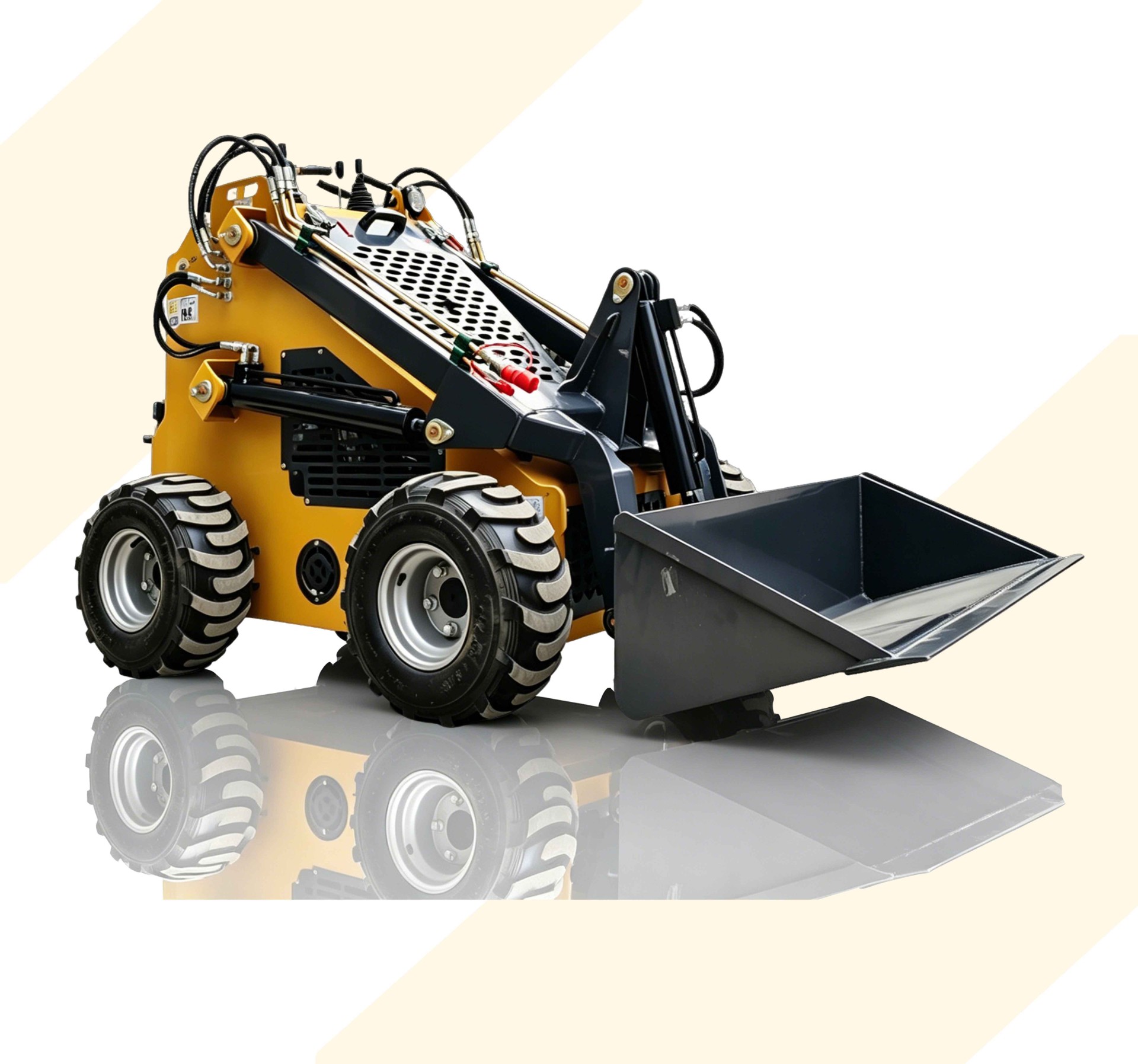
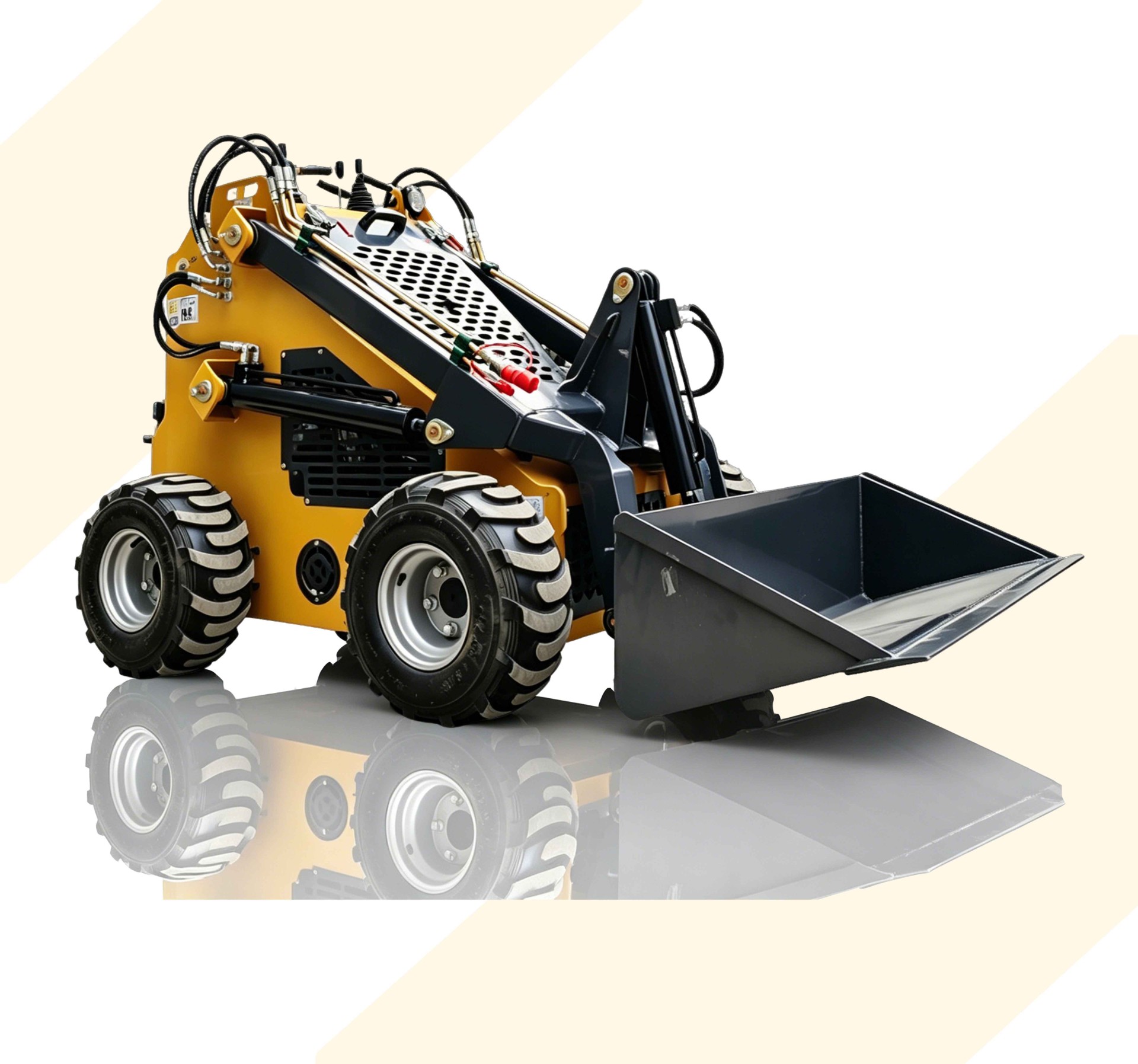
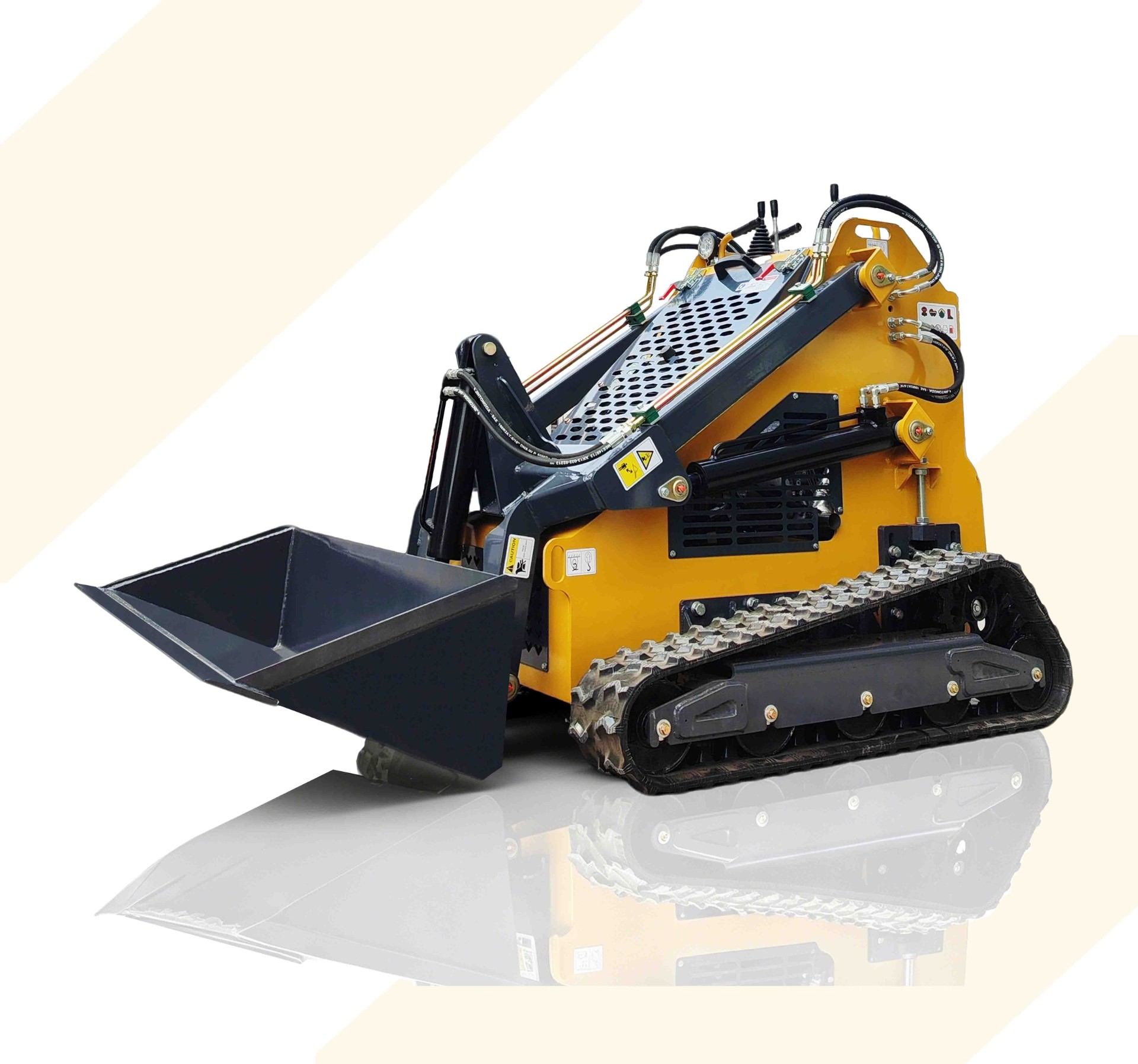
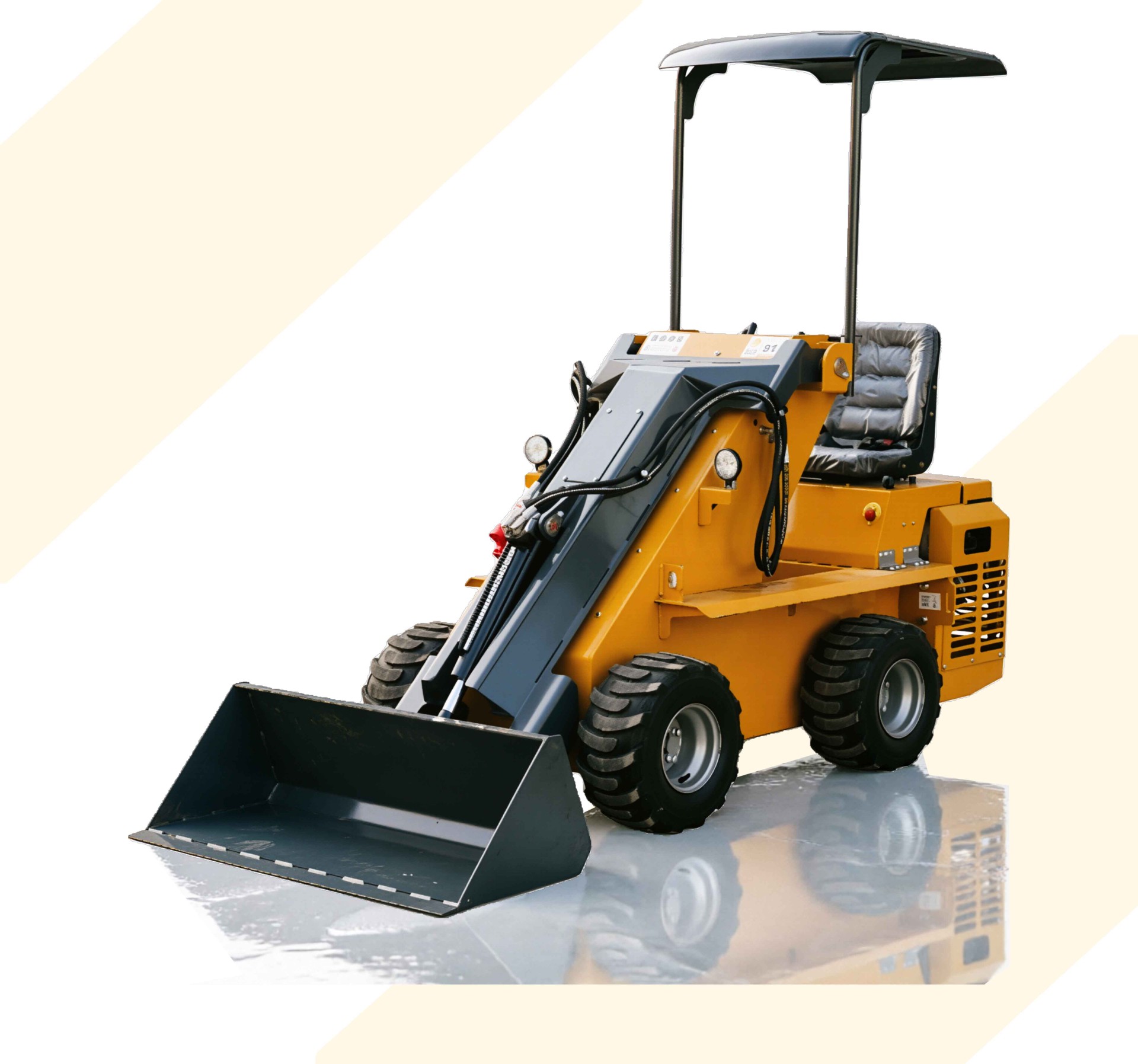
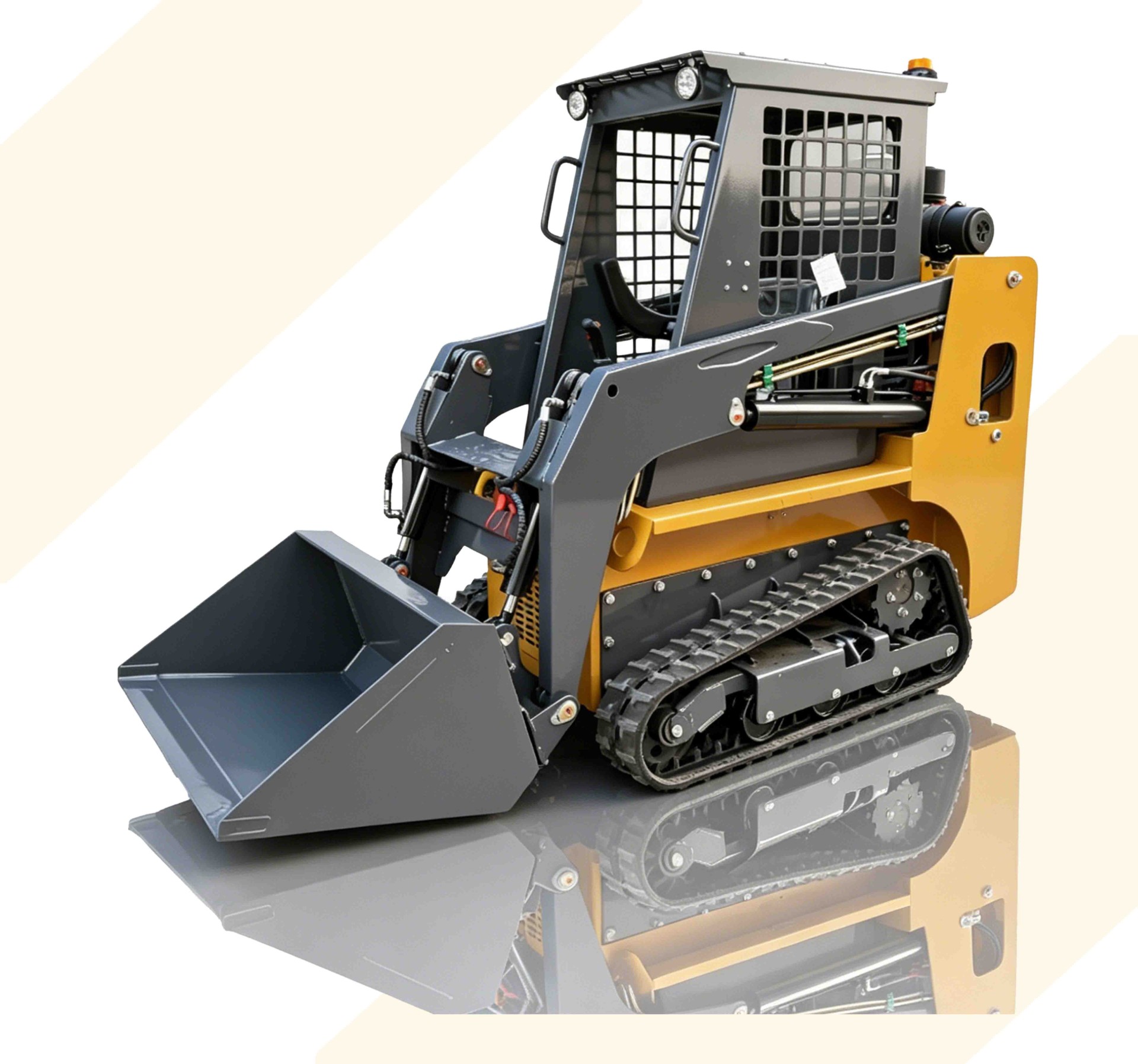
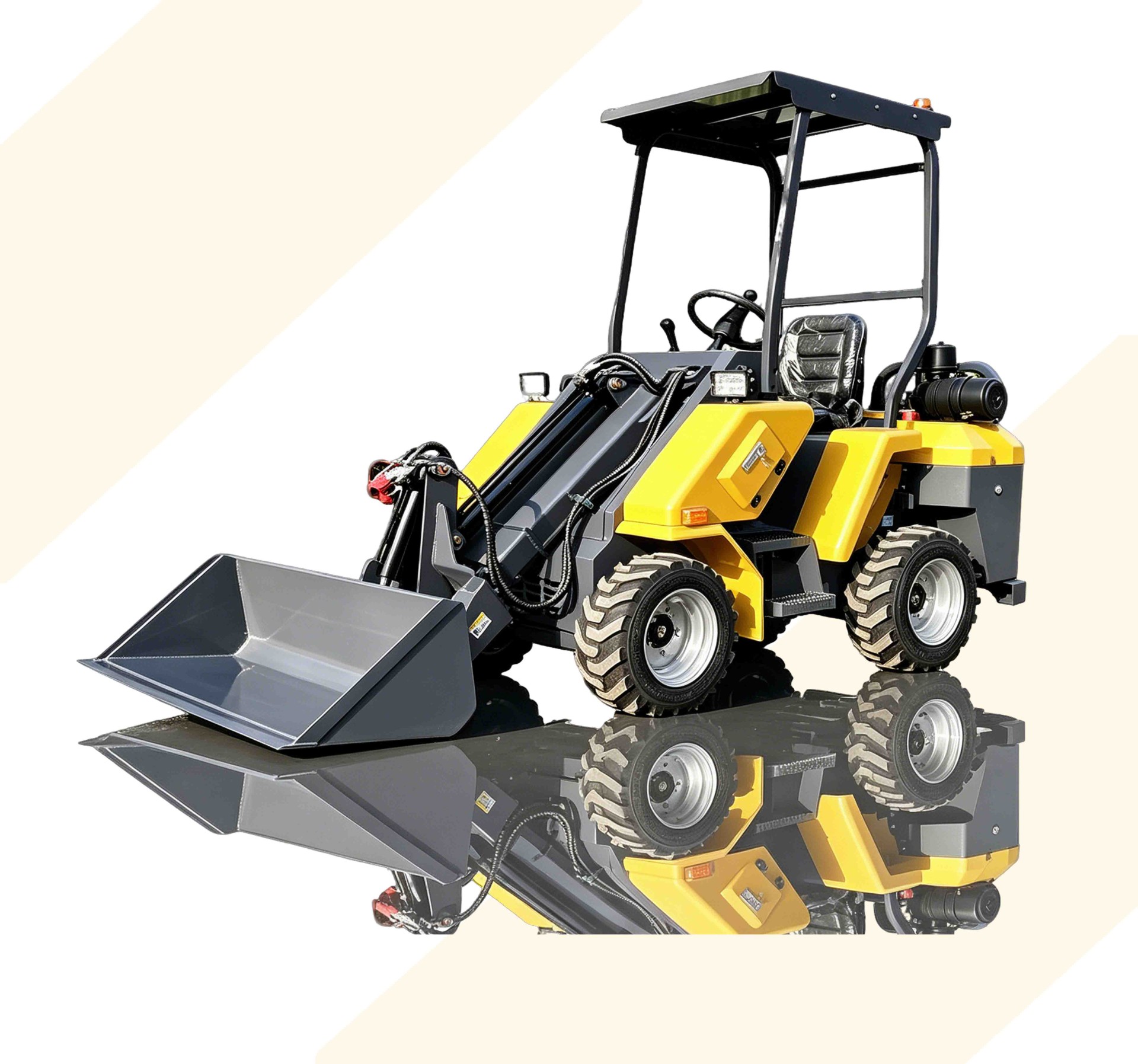
Urban construction and maintenance work across Australian states operates under stringent noise regulations that vary by jurisdiction but share common themes. In New South Wales Victoria Western Australia and Tasmania mobile machinery on construction sites is typically restricted to operations between 7am and 7pm on weekdays with tighter limits on weekends and public holidays. Continuous noise levels near residential premises are often capped at 45 decibels during evening hours and 60 decibels maximum during daytime work. Diesel compact loaders with internal combustion engines cooling fans and exhaust pulses frequently struggle to remain compliant especially in dense suburbs near schools hospitals and aged care facilities. Small electric loaders inherently produce far lower acoustic footprints because they lack combustion noise and rely on whining electric motors and low noise gear pumps which are noticeably quieter in real world conditions.
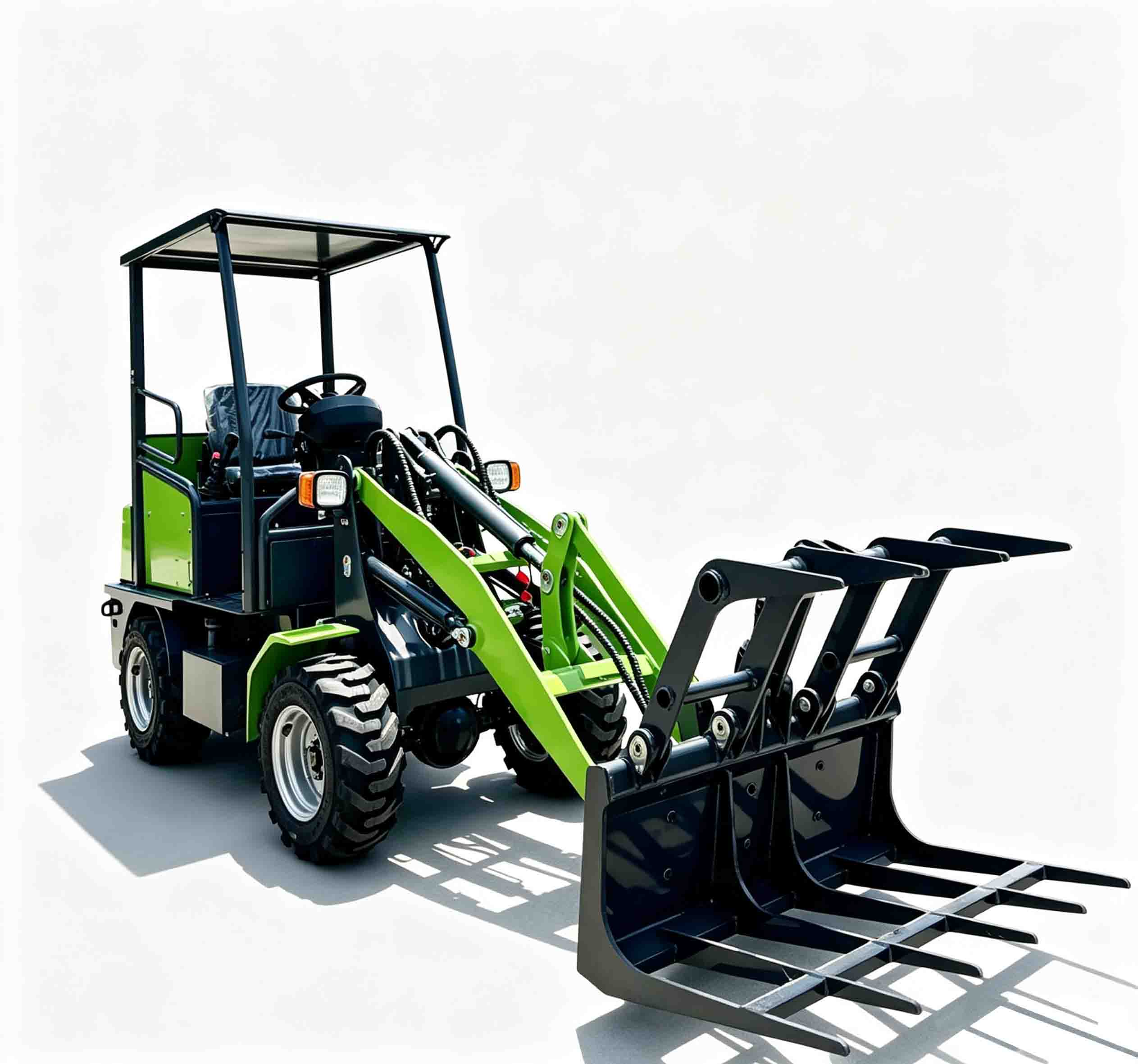
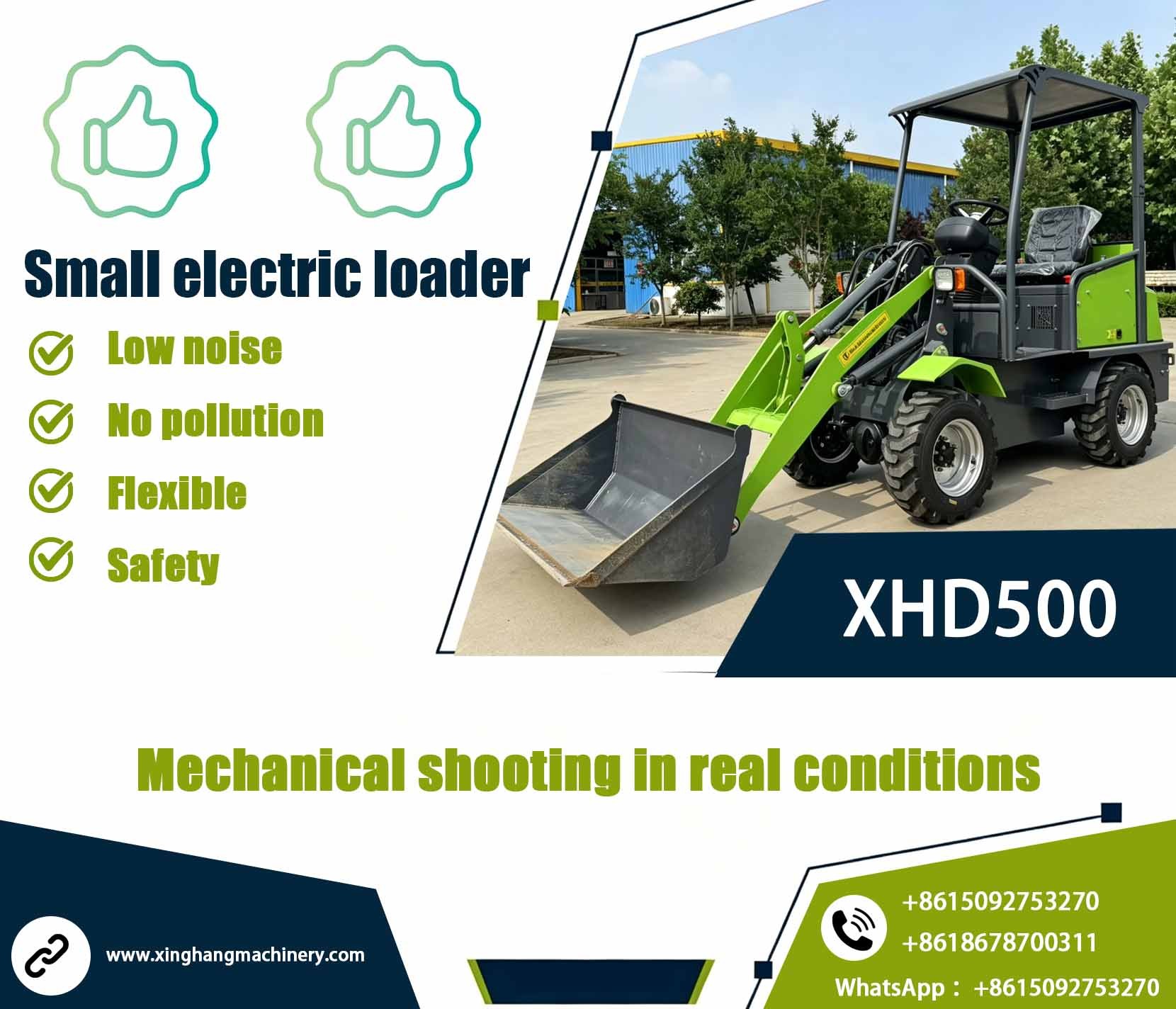
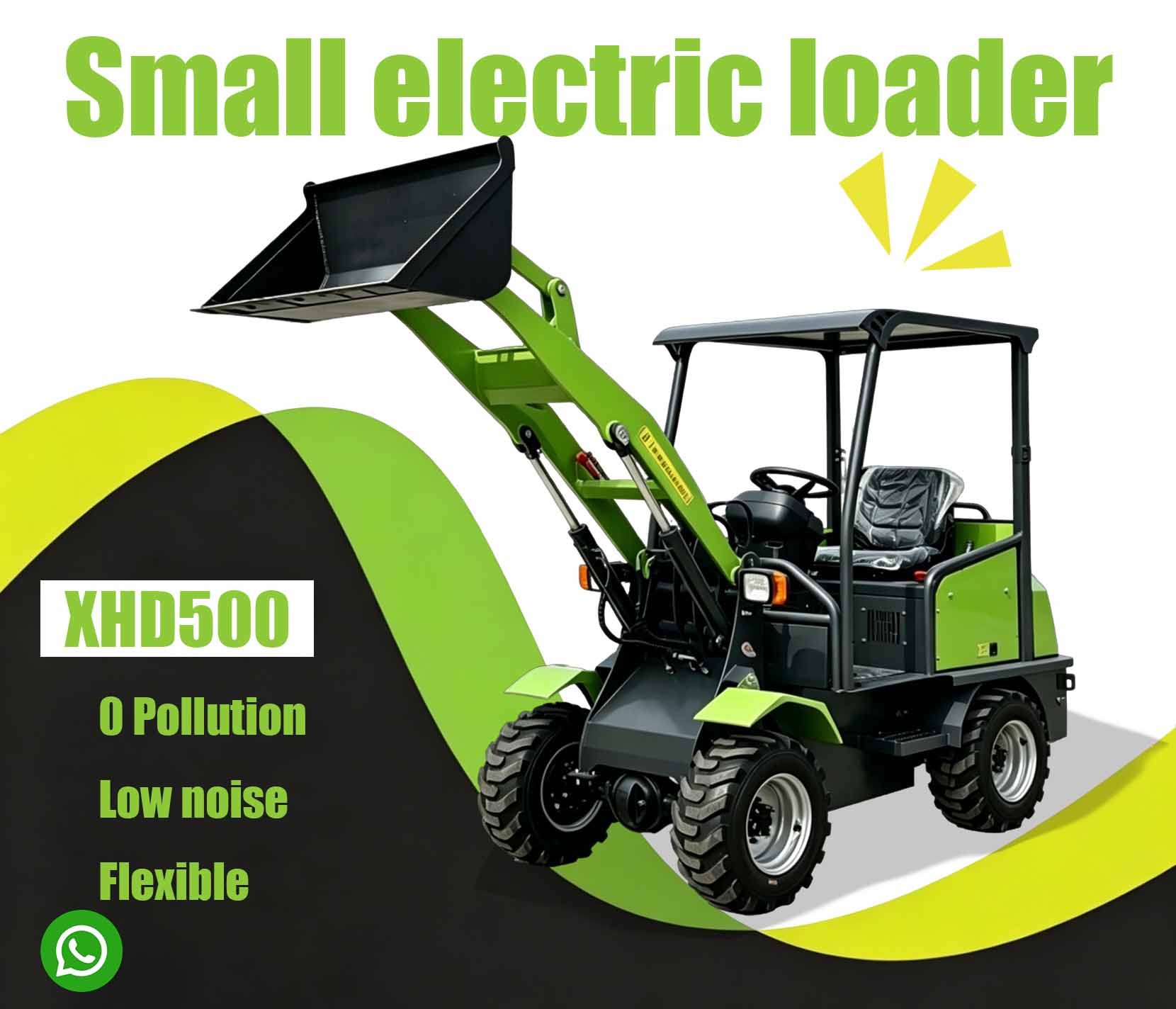
The Xinghang STAR small electric loader range exemplifies this advantage. With compact dimensions such as 3260 mm length 1050 mm width and 2130 mm height coupled with electric drivetrains the machines operate smoothly in noise sensitive environments including indoor warehouses basement car parks and nighttime council maintenance shifts. Zero tailpipe emissions further simplify compliance with local air quality rules and green building certifications such as Green Star which are increasingly specified for Australian urban projects. On enclosed sites diesel exhaust poses health risks and triggers ventilation requirements whereas electric loaders produce no diesel particulate matter NOx or SOx allowing uninterrupted work in semi enclosed stockyards barns and tunnels.
Australian municipalities are also influenced by the federal Safeguard Mechanism which compels large emitters to manage carbon footprints. Although small contractors may not directly fall under the threshold their prime contractors often do. Supplying electric equipment can help main contractors meet scope 3 emission reporting and secure tenders that mandate low emission machinery. In cities like Melbourne Sydney and Brisbane council led sustainability frameworks actively encourage or require zero emission plant for park maintenance footpath works and street scaping. Small electric loaders with multifunctional attachment compatibility such as 4 in 1 buckets pallet forks and augers can perform the same duties as diesel units while satisfying these policy drivers.
From a permitting perspective electric loaders reduce the likelihood of noise complaints that can trigger stop work orders or mandatory noise management plans under state environmental protection acts. For example Western Australias Environmental Protection Noise Regulations and Tasmanias Noise Regulations both empower local councils to enforce curfews and assigned noise levels. Operating a near silent machine with instantaneous torque and smooth hydraulic response minimizes friction with surrounding communities and protects contractor reputations. As Australian urban infill development intensifies and worksites shrink the ability to work earlier or later without breaching decibel limits becomes a competitive differentiator. Compact electric loaders are not merely compliant tools they are enablers of extended productive windows in regulated environments.