 Chinese
 English
 Russian
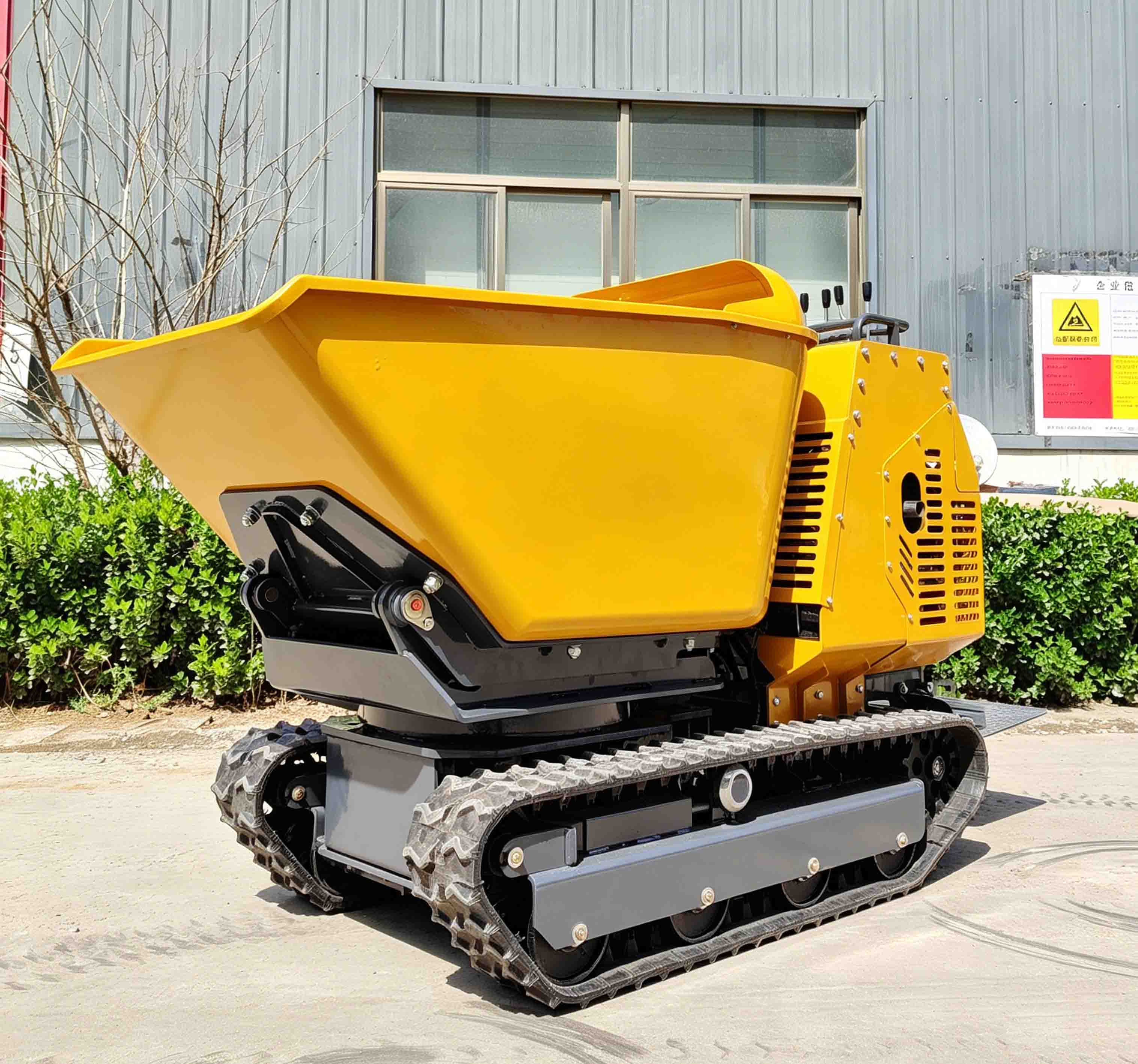
In today's increasingly specialized construction machinery market, many contractors face an embarrassing dilemma: when tackling projects such as mountain photovoltaic installations, swampy woodlands, or deep foundation pit excavations, traditional wheel loaders often sink into the mud due to excessive ground pressure. Skid-steer loaders, while agile, suffer from slow transport speeds and alarmingly high tire wear. Meanwhile, constructing temporary access roads is time-consuming, labor-intensive, and environmentally destructive, significantly inflating project costs. It is against this backdrop that the XHT3000 Ride-On Crawler Dumper emerges. It is far more than just a transport vehicle; it serves as a tactical bridge connecting heavy excavators with main logistics channels. Designed specifically to solve the challenges of high-intensity material transshipment across hostile terrains, it rightly earns the title of the "Off-Road King" in heavy-duty operations.
I. Design Philosophy: Redefining Logistics Efficiency in Complex Terrains
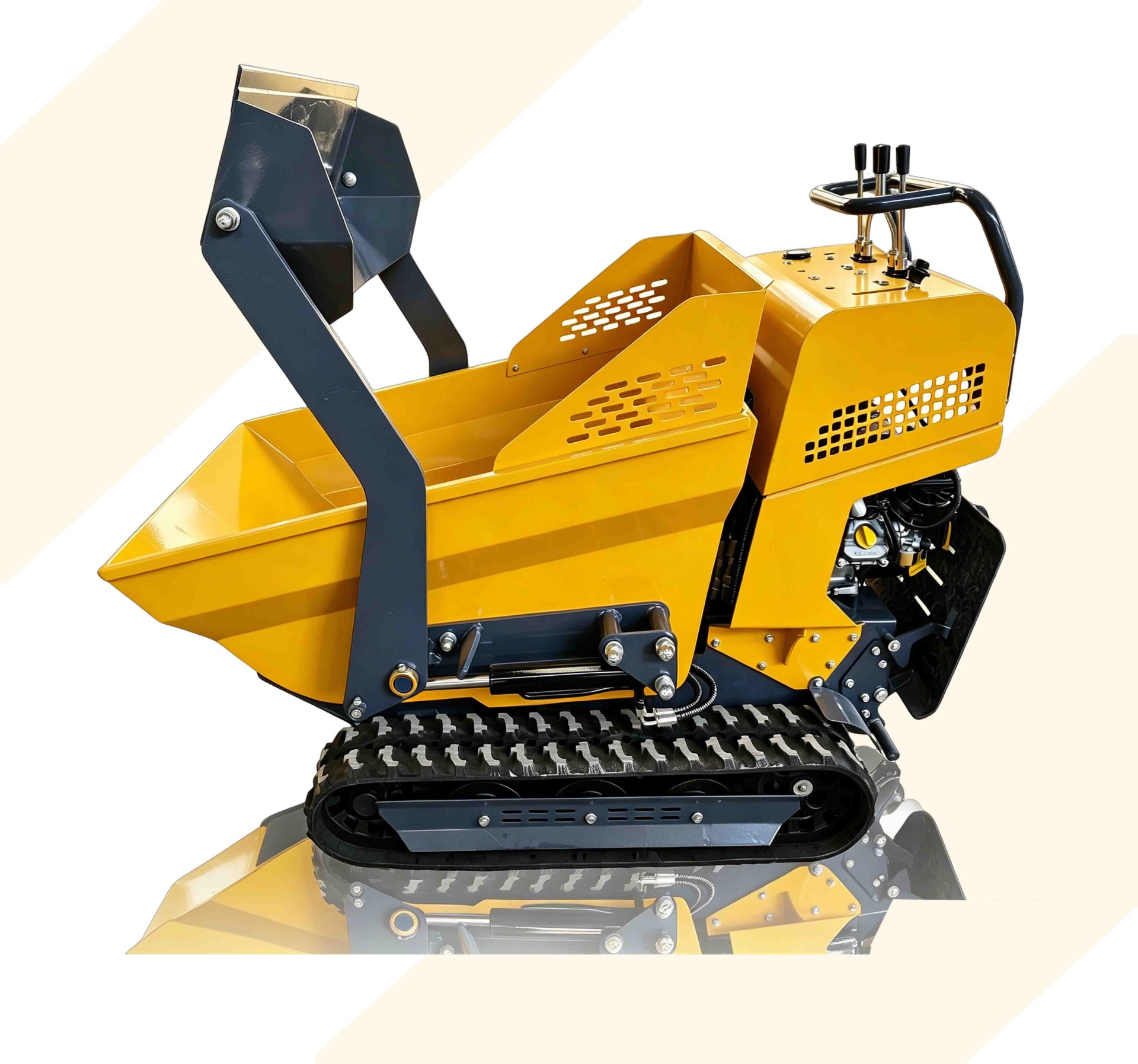
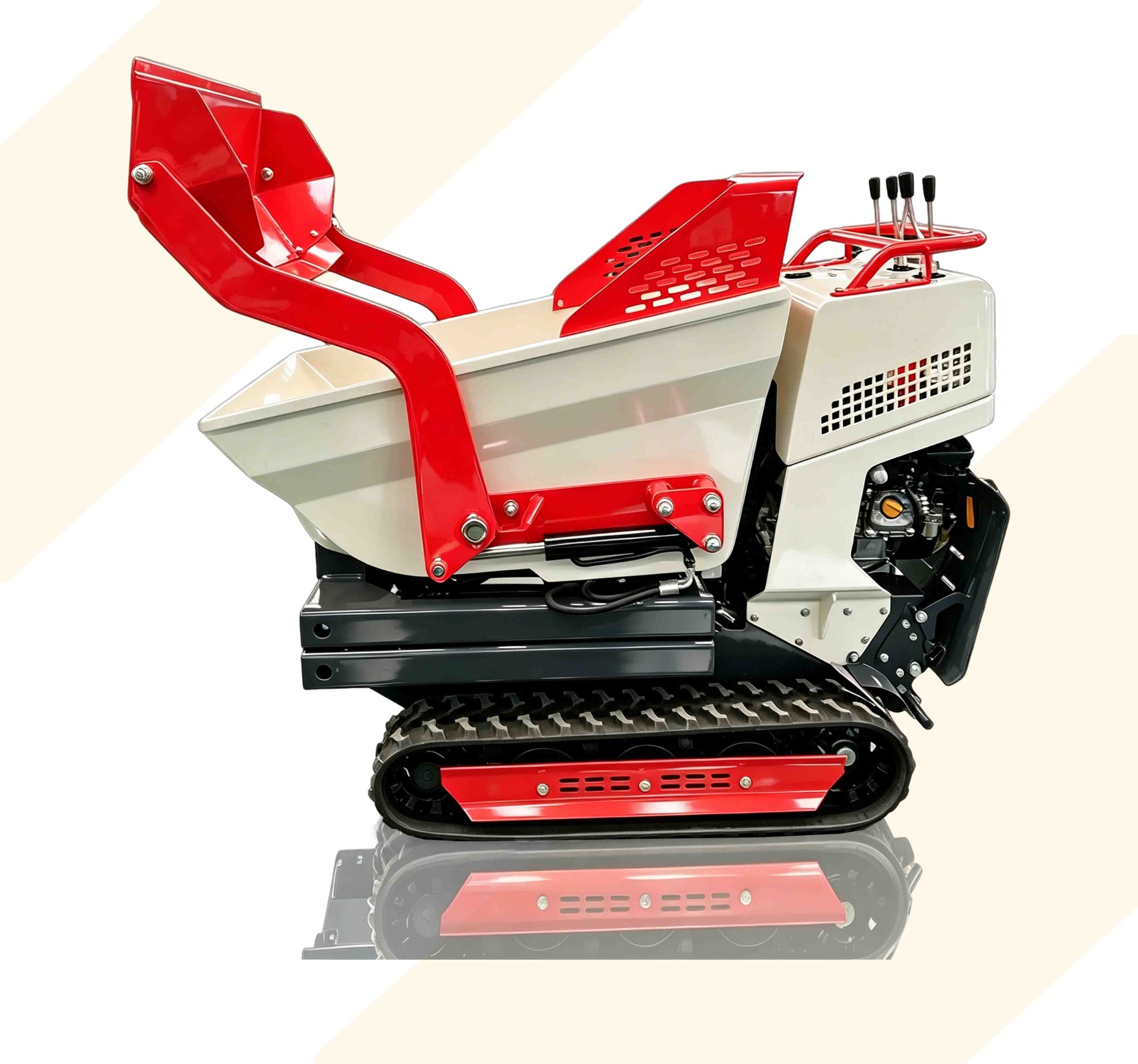
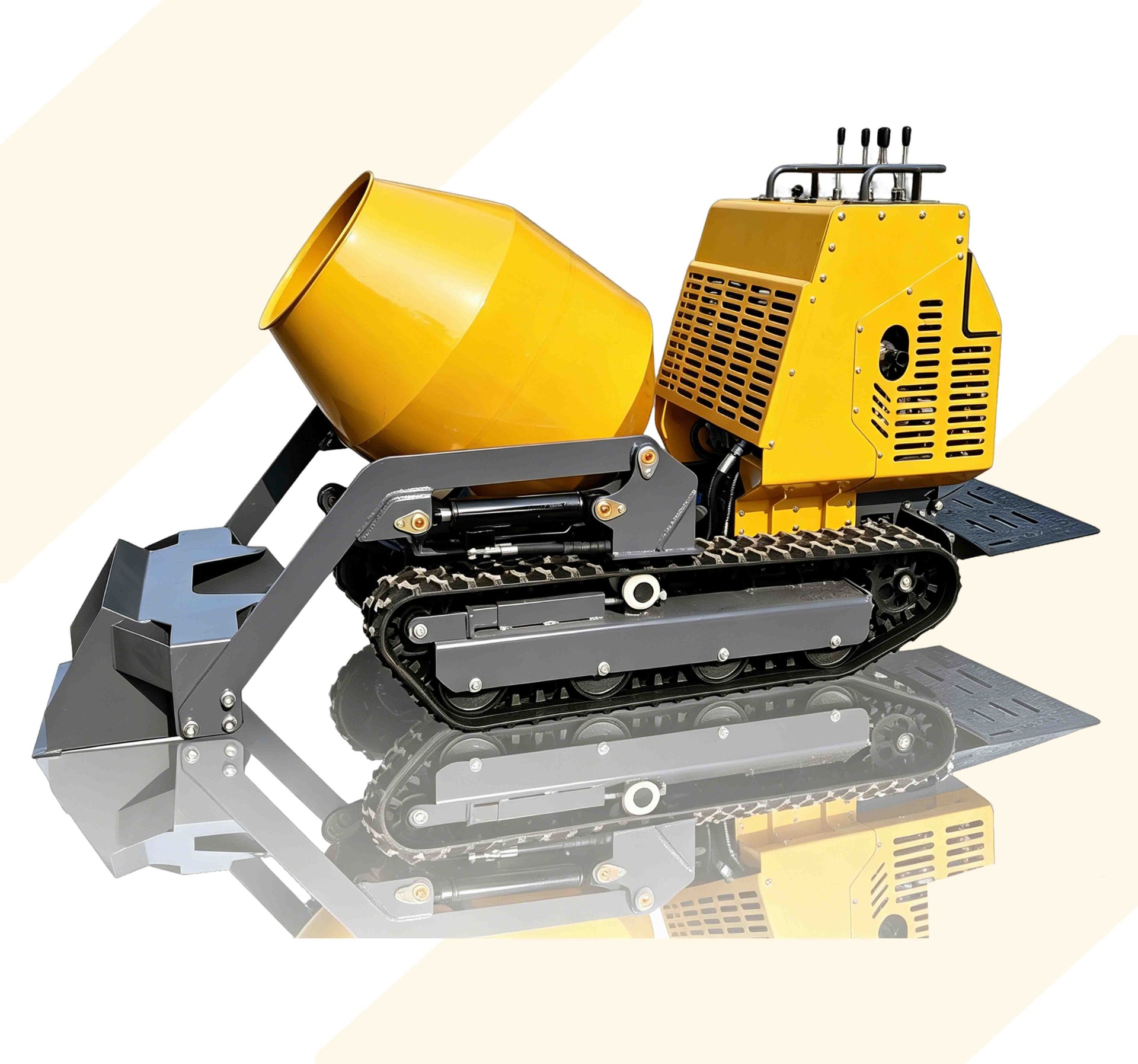
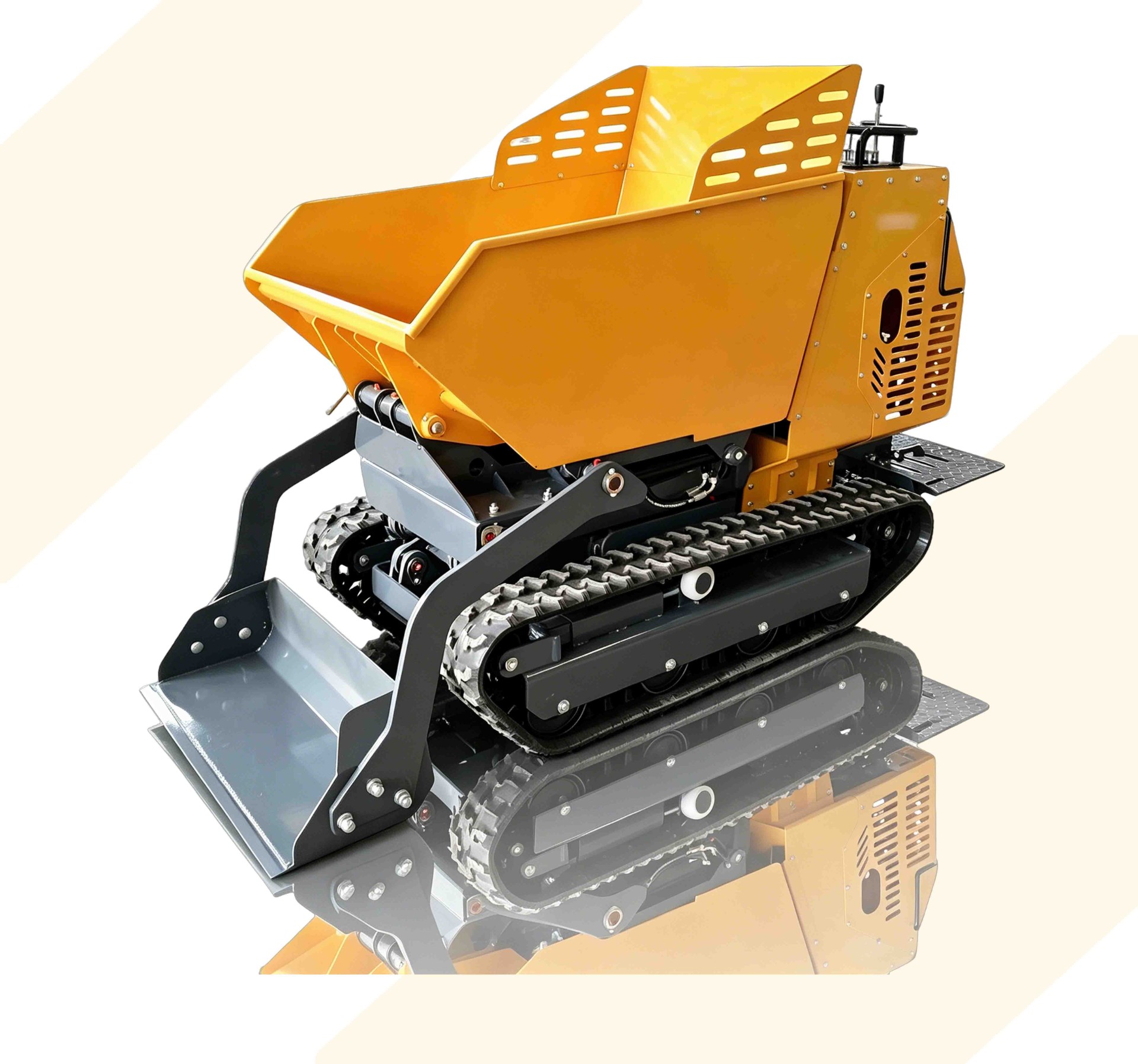
The design philosophy behind the XHT3000 was never about replacing a specific piece of equipment but rather filling a critical "gap" within the existing equipment spectrum. Our R&D team analyzed operational data from over 200 typical global construction sites, identifying a common bottleneck: during the "last mile" of short-distance transshipment, equipment often traverses extremely poor road conditions frequently. The XHT3000 employs a design concept that integrates "high-center-of-gravity stability control" with "low-center-of-gravity traction optimization." It is powered by a battle-tested, renowned domestic diesel engine (with optional imported brands) paired with a fully hydraulic control system, ensuring ample power reserves even under full load. Its most distinctive feature is the four wide engineering rubber tracks. These are not merely mobility components but the very soul of the machine—reducing ground pressure to exceptionally low levels, enabling it to conquer various extreme terrains like a tank.
II. In-Depth Analysis of Core Performance
1. Hydrostatic Drive System
Unlike conventional mechanical transmissions, the XHT3000 is equipped with an advanced hydrostatic drive system. The primary advantage of this system is the realization of infinitely variable speed (IVS). Operationally, this means the operator can precisely control travel speed and direction via a single joystick, eliminating the need for frequent clutch engagement and gear shifting, thereby drastically reducing operator fatigue. From a performance standpoint, the hydraulic motors deliver consistent and robust torque output, particularly during startup and hill-climbing phases, effectively preventing stalling or slippage common in traditional gearboxes. This linear power delivery ensures smooth and controlled movement even when climbing slopes with a full payload.
2. 3000KG Heavy-Duty Chassis Architecture
Handling a 3-ton payload presents a significant challenge for compact equipment. The XHT3000 features a chassis constructed from a high-strength alloy steel welded box-section structure, offering exceptional resistance to torsional deformation. The track frames have been optimized through Finite Element Analysis (FEA) to ensure structural integrity and prevent fractures under prolonged heavy-impact loads. The track shoes utilize a high-wear-resistant rubber compound, internally reinforced with Kevlar fibers or steel cords. This design ensures superior traction while significantly extending service life, outperforming industry averages even in highly abrasive rocky conditions.
3. Hydraulic Dumping & Multi-Functional Cargo Bed
The standard 3-cubic-meter cargo box is fabricated from thickened steel plates, featuring a heightened front panel to prevent spillage. The dumping action is executed by double-acting hydraulic cylinders, providing a wide tipping angle and minimal material residue. Crucially, the XHT3000's cargo box is designed with versatile attachment interfaces. Users can opt for accessories such as log grapples, crane booms, or spreaders, enabling the machine to perform tasks like timber lifting, solar panel installation, or road maintenance even when not engaged in transport duties—truly realizing the concept of "one machine, multiple uses."
4. Ergonomics and Safety
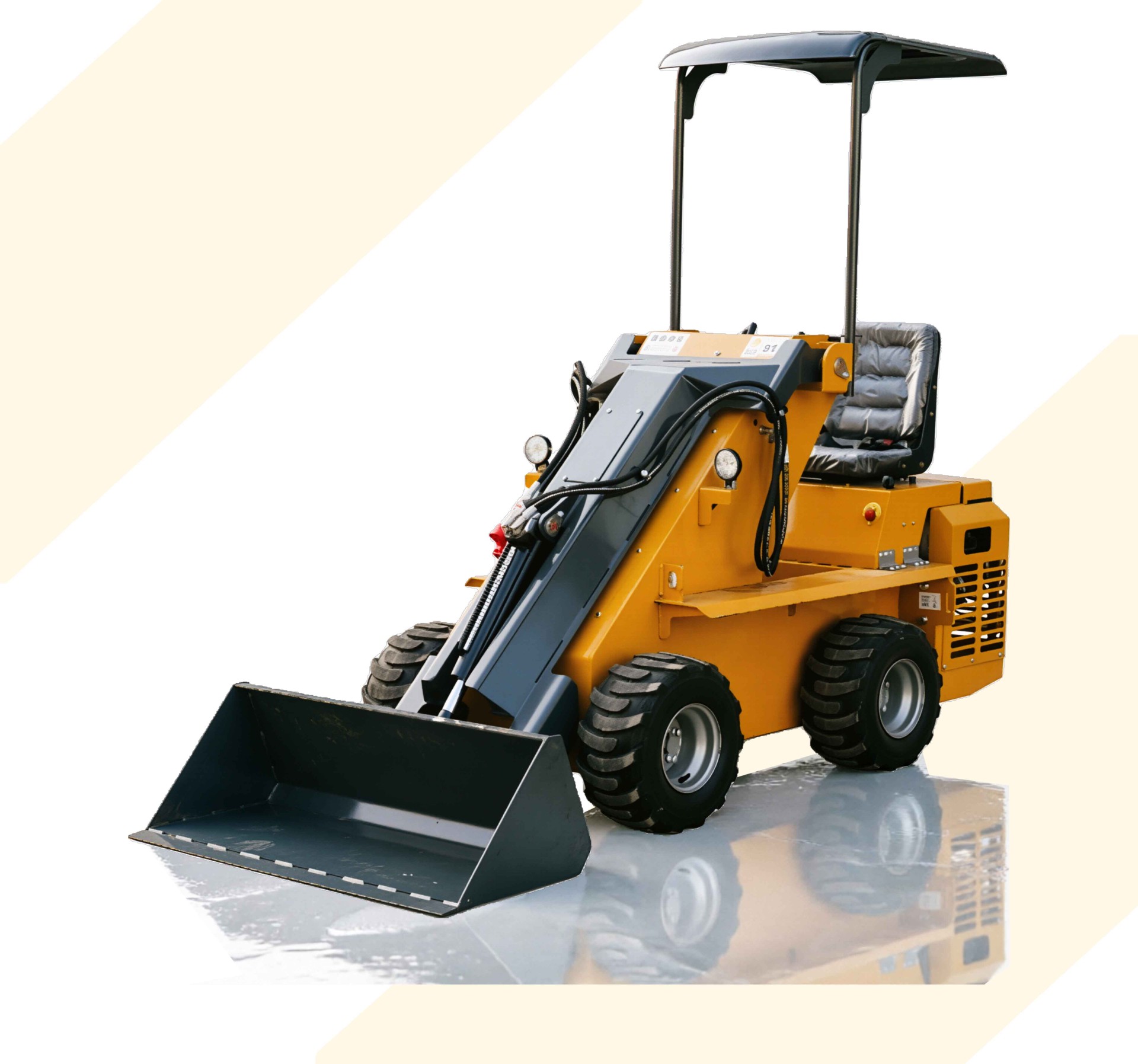
As a ride-on unit, cab comfort directly correlates with operational efficiency. The XHT3000 is fitted with a canopy that meets ROPS (Roll-Over Protective Structure) and FOPS (Falling Object Protective Structure) certifications. A suspended seat effectively absorbs vibrations from rough terrain, while a high-definition instrument panel provides real-time data on engine RPM, coolant temperature, oil pressure, and fuel levels. The ergonomically arranged control levers ensure that even novice operators can achieve proficiency in a short period. Furthermore, ample service access is provided around the machine, with daily maintenance points within easy reach, significantly reducing downtime for servicing.
III. In-Depth Analysis of Practical Application Scenarios
Scenario 1: Mountain Photovoltaic Power Plant Construction
With the surging global demand for clean energy, the construction of photovoltaic (PV) power plants is gradually shifting towards unused land such as mountains and deserts. Such terrains typically lack established roads, feature loose soil, and involve steep gradients. Using traditional trucks for transporting cement and mounting structures incurs prohibitively high road construction costs and poses significant risks of soil erosion. The XHT3000 demonstrates unparalleled advantages in this context. It can follow in the tracks of excavators, traversing newly cut haul roads to precisely deliver concrete, sand, gravel, and PV modules directly to pile locations. Its low ground pressure characteristic ensures that underground pre-laid pipelines remain undamaged, while its formidable climbing ability guarantees sustained progress even during rainy weather. In a Shanxi PV project, the deployment of the XHT3000 resulted in a 40% increase in material transport efficiency and a 25% reduction in overall construction costs.
Scenario 2: Forestry Logging and Tending
In forestry operations, extracting felled logs from the depths of wooded areas has long presented a challenge. Wheeled vehicles tend to compact forest soil, damage the root systems of saplings, and are prone to slipping and rollovers. The XHT3000's tracked mobility minimizes disturbance to surface vegetation, earning it the moniker of a "green transport tool." Equipped with specialized log grapple attachments, it can effortlessly lift several logs and traverse steadily over slippery leaf litter. Furthermore, during forest tending operations, it transports fertilizers, pesticides, and logging equipment. Its exceptional obstacle-crossing capability allows it to surmount fallen trees and gullies, providing immense convenience for forest rangers.
Scenario 3: Urban Underground Utility Tunneling and Foundation Pit Operations
During urban underground utility tunnel construction, workspaces are typically confined, with waterlogged and soft soil conditions prevalent at the base. Large dump trucks cannot access the pit bottom directly, necessitating multiple re-handling operations by excavators to move spoil to the surface for loading—a highly inefficient process. The XHT3000 can descend directly into the foundation pit via ramps, receive loads from compact excavators, and transport the material straight to designated spoil disposal sites. This eliminates excavator idle time and prevents secondary pollution caused by multiple internal transfers. Its compact turning radius also ensures safe operation even near the precarious edges of narrow pits.
Scenario 4: Emergency Rescue and Post-Disaster Reconstruction
Following natural disasters such as earthquakes or floods, roads are often destroyed, rendering conventional rescue vehicles immobile. Leveraging its exceptional cross-country performance, the XHT3000 can penetrate disaster zones as part of the first response wave. It is capable of transporting relief supplies, drinking water, medicine, and portable generators. When clearing landslide debris, it can operate in conjunction with hydraulic breakers to remove rubble or utilize its cargo bed to ferry tents and other essential aid materials. Its high ground clearance and robust mobility make it an indispensable mobile platform at disaster sites.
IV. Comparative Differentiation from Competitors
Dimension | XHT3000 Crawler Dumper | Skid-Steer Loader | Wheeled Farm Truck |
|---|---|---|---|
Travel Speed | High (8-10 km/h), suitable for medium-distance transport | Slow (5-7 km/h), suitable for short-distance maneuvering | Extremely fast, but limited by road conditions |
Ground Protection | Excellent (Rubber tracks protect asphalt/grass) | Poor (Severe wheel compaction, leaves marks) | Fair (Prone to slipping, high compaction) |
Slope Climbing | Superior (Handles slopes >30°) | Moderate (Prone to instability) | Weak (Relies on pavement friction) |
Maintenance Cost | Medium (Track wear is primary cost) | High (Expensive and fragile tires) | Low (Standard automotive parts) |
Operator Comfort | High (Suspension seat, simple controls) | Low (Harsh vibration, high noise) | High (Enclosed cab) |
As illustrated above, the XHT3000 achieves an optimal balance between transport efficiency, terrain adaptability, and cost control. Unlike skid-steer loaders, which struggle with longer-distance hauls, or wheeled vehicles, which impose stringent demands on ground conditions, the XHT3000 serves as a specialized solution bridging the gap between these two categories.