 Chinese
 English
 Russian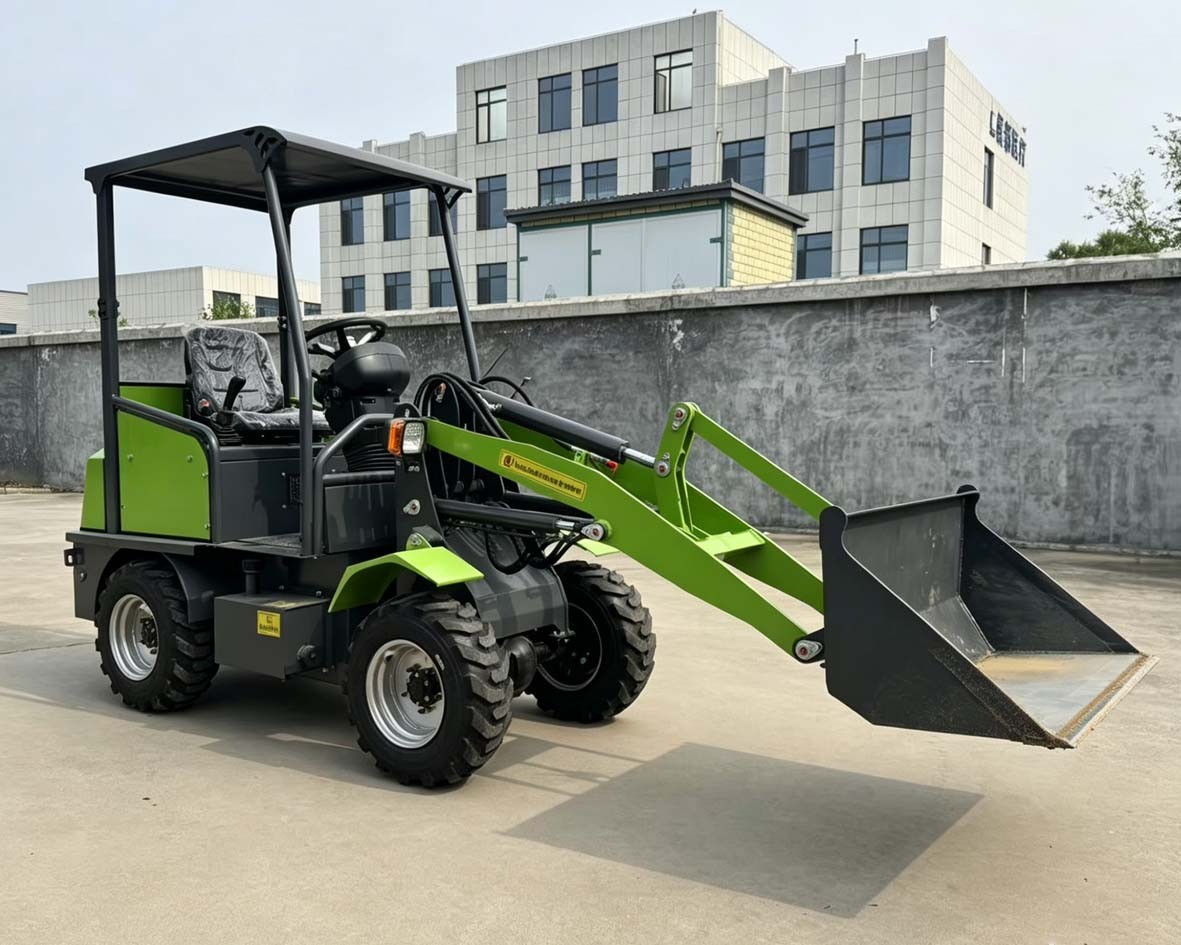
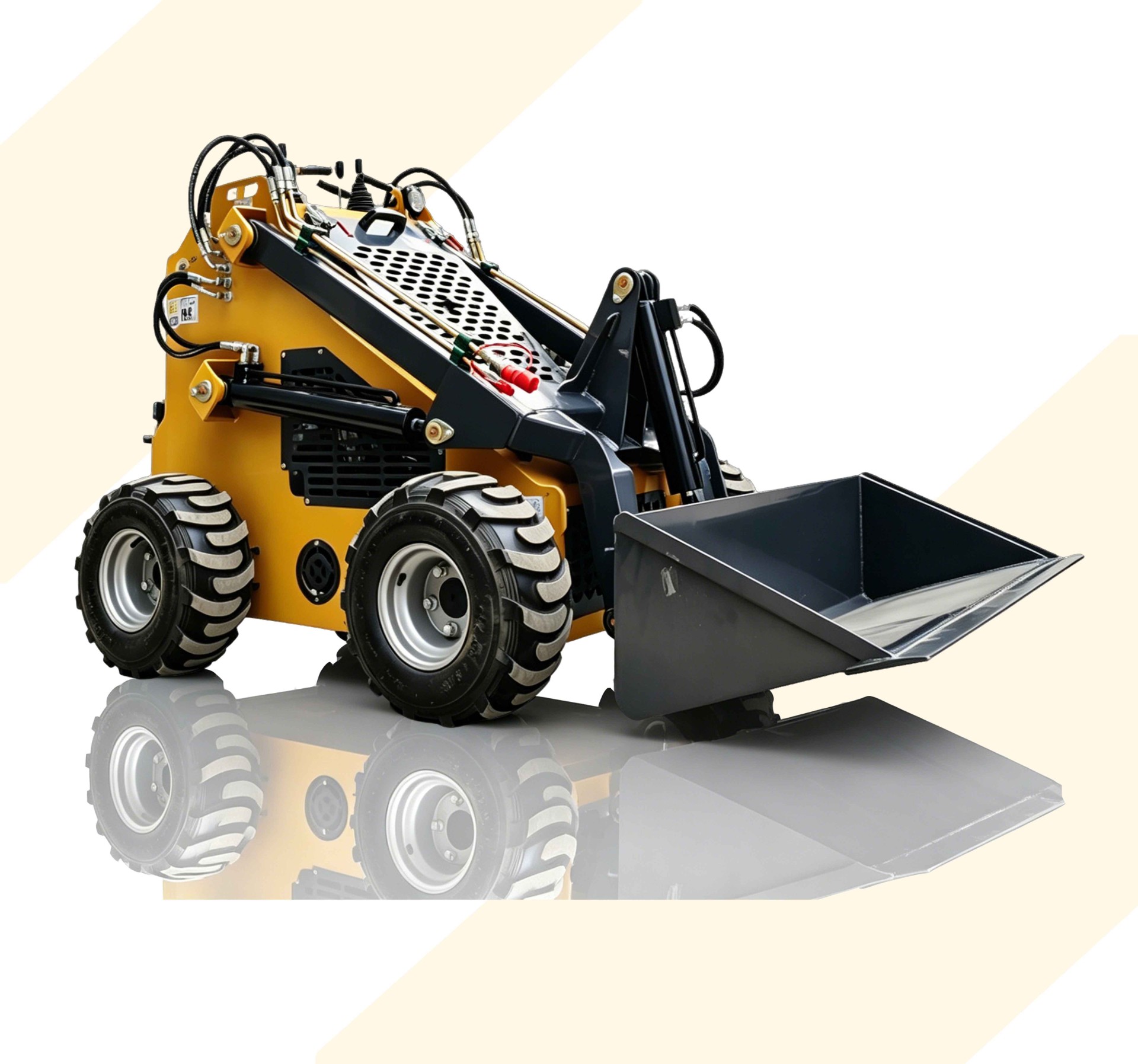
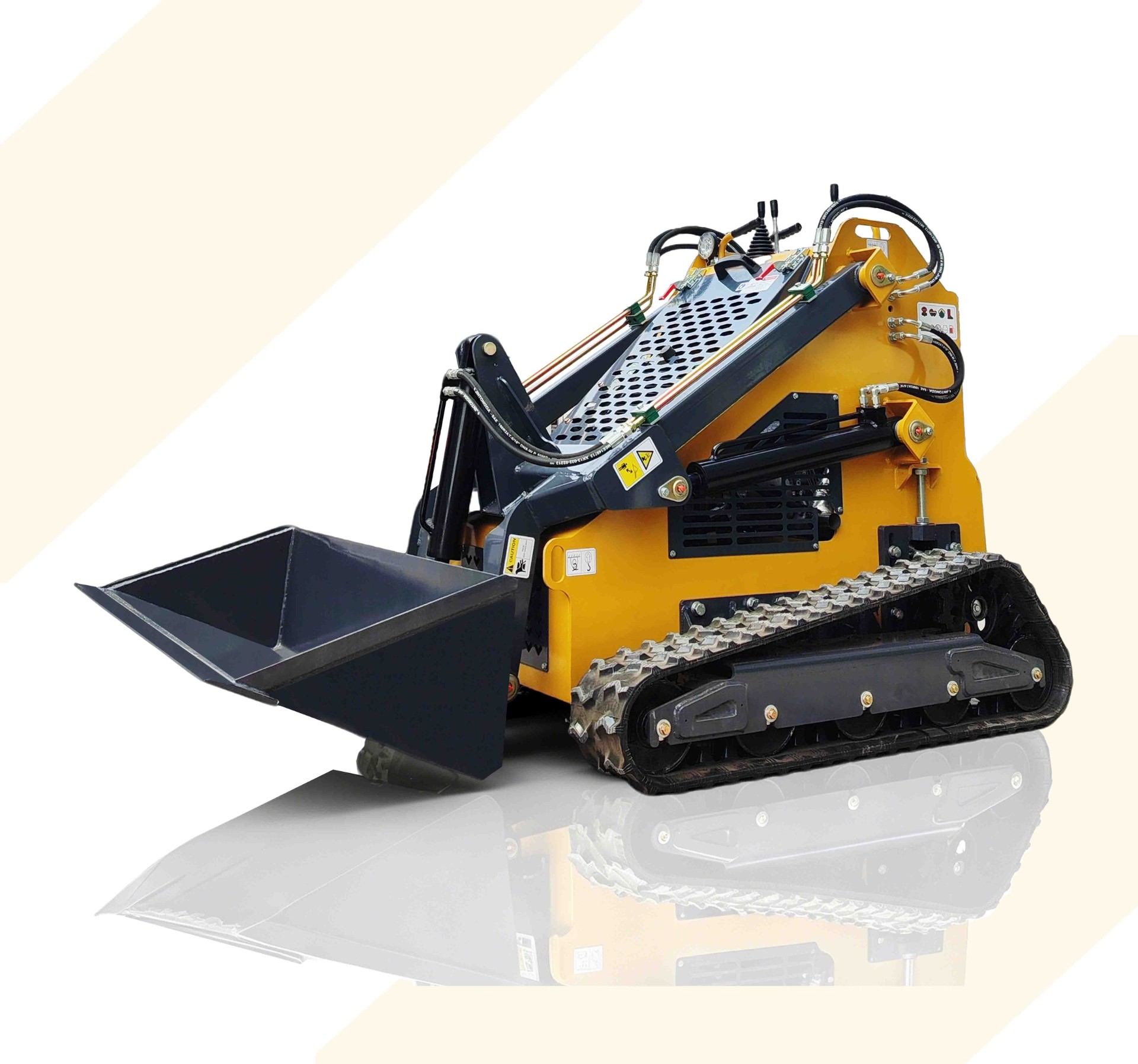
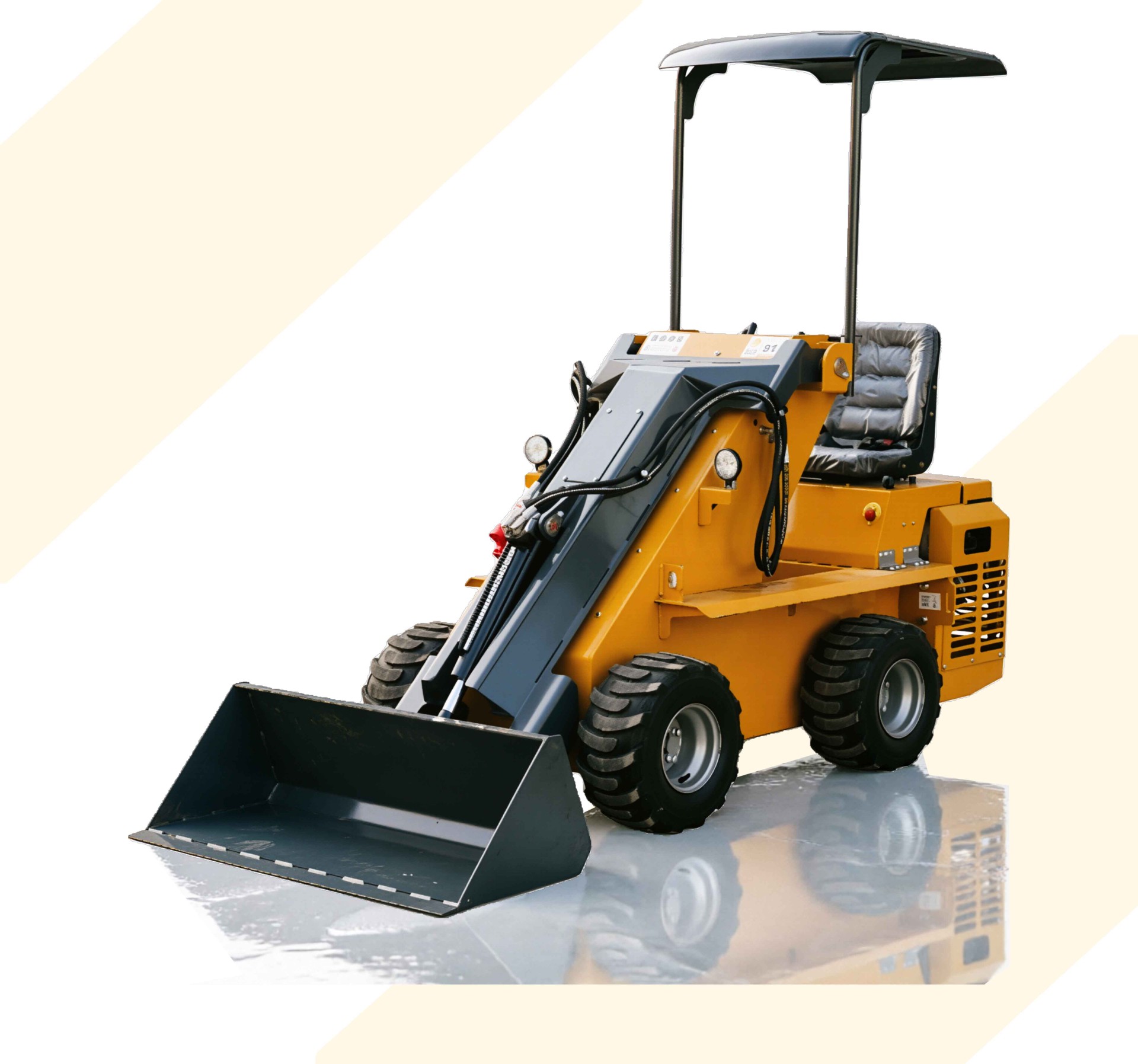
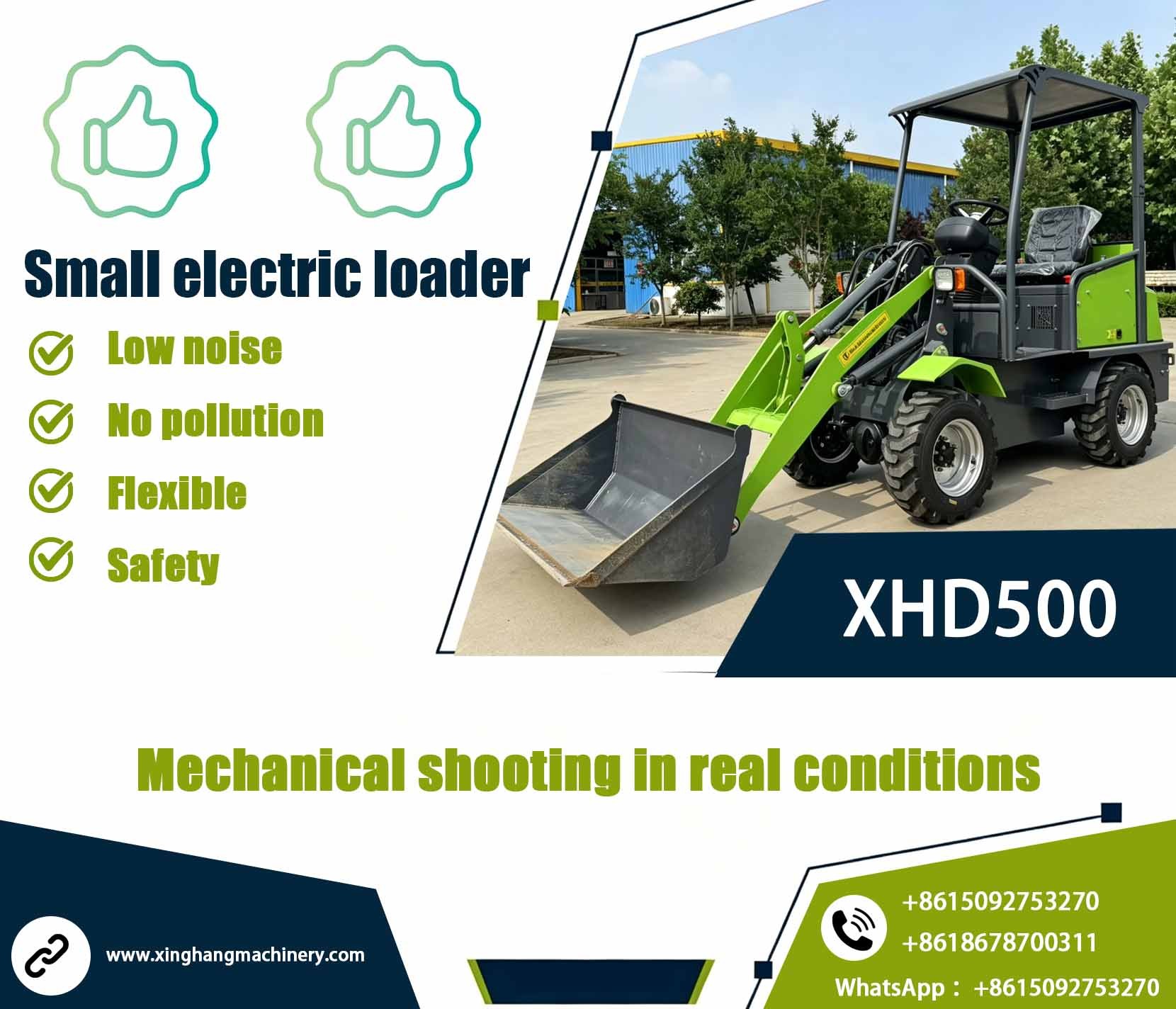
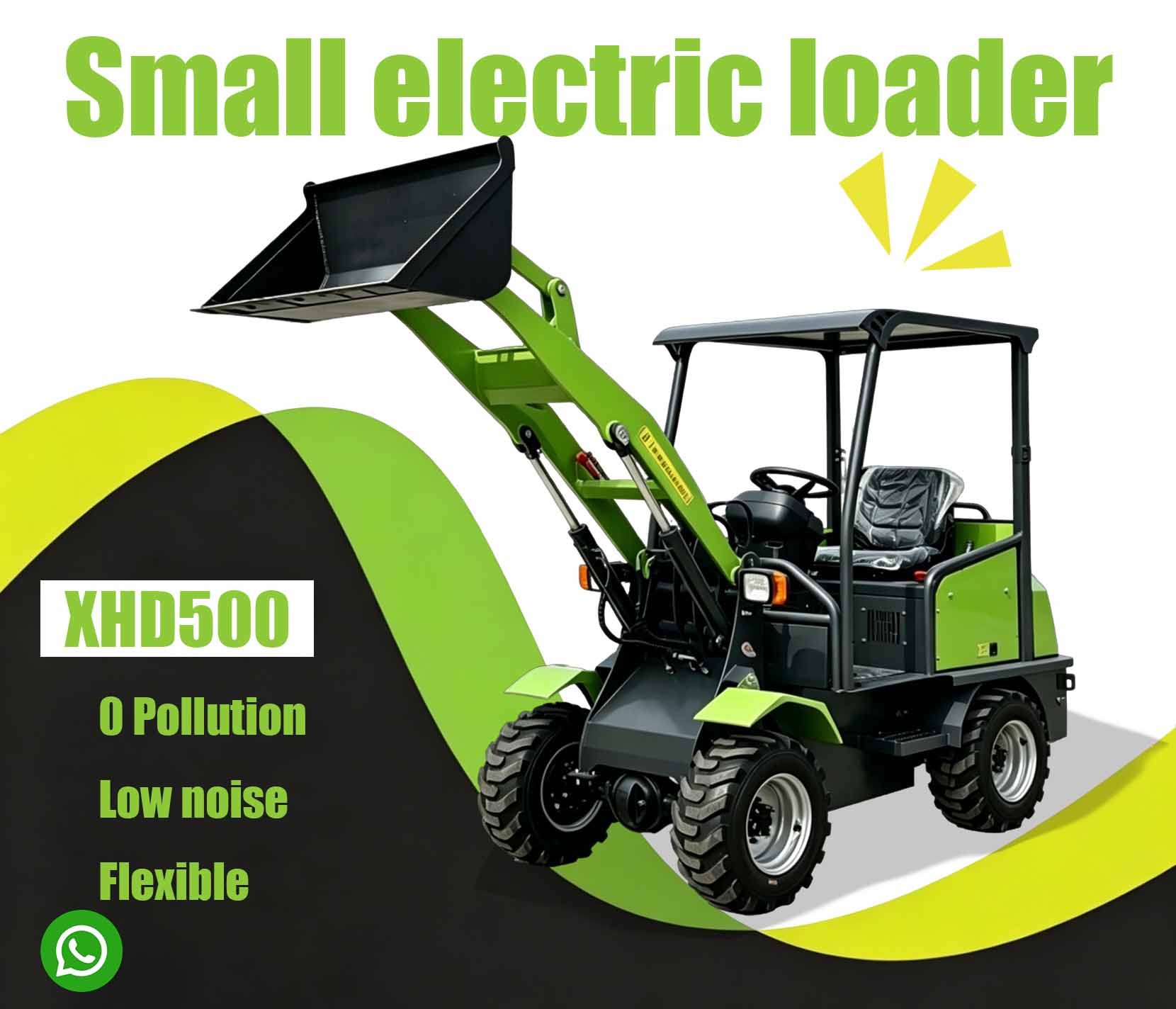
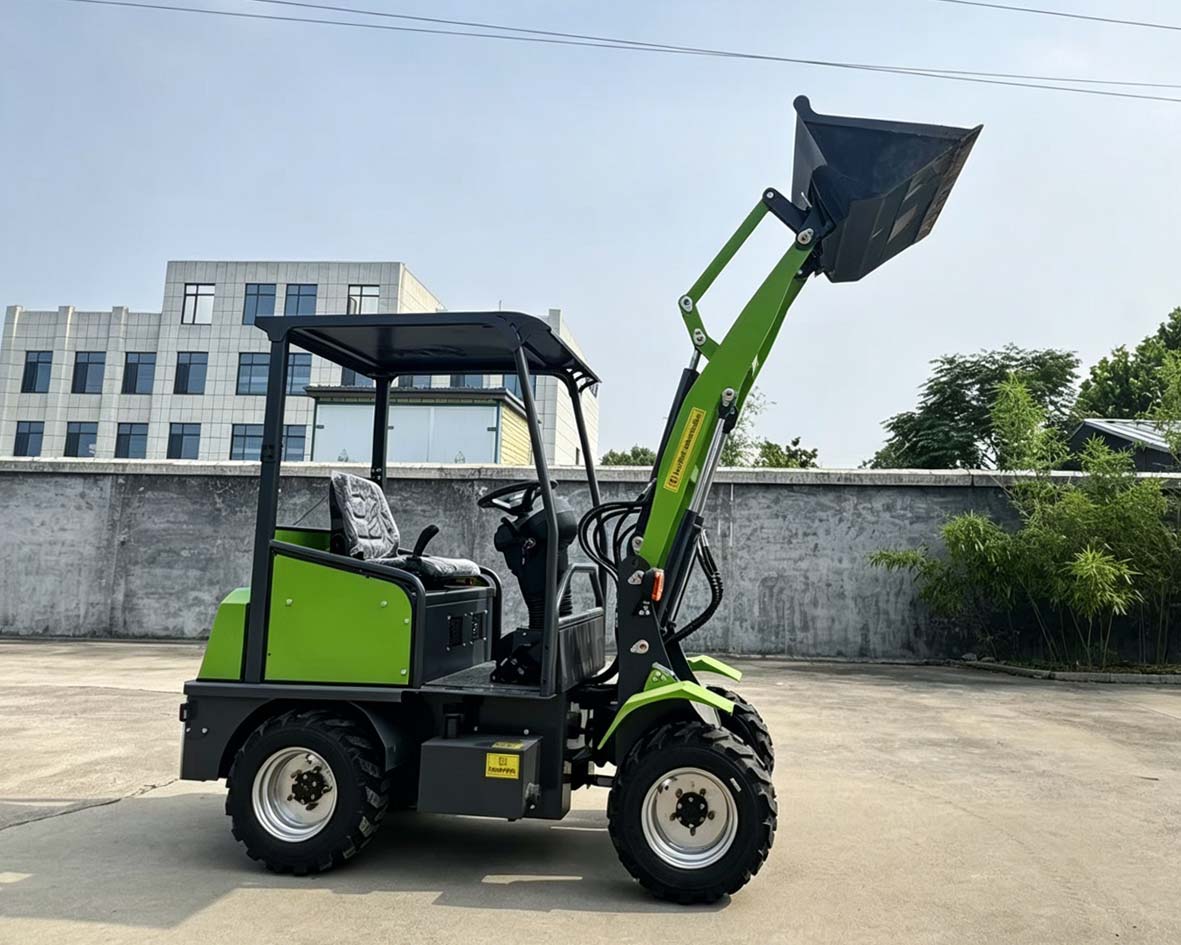
Spec sheets tell you what a machine can do; real-world applications tell you how well it actually performs. For overseas buyers, purchasing decisions often hinge on "peer validation"—how is my colleague using this? Will it survive my specific harsh environment? Since its launch, the XHD500A from Jining Xinghang Machinery has logged thousands of operational hours across four continents under extreme conditions. Moving beyond dry specifications, this article presents three deep-dive case studies: a modern poultry farm in the Netherlands, a hillside orchard in Chile, and a basement renovation in a Dubai five-star hotel. We will reconstruct the pain points, equipment performance, and the final economic calculations to let the facts speak for themselves.
I. Case Study 1: Modern Layer Poultry Farm in Flevoland, Netherlands
1. Background & Pain Points
The farm operates eight standardized poultry houses, each 120 meters long with internal aisles measuring only 1.1 meters wide. The client faced three critical issues:
Bio-Security Risks: Previously using a diesel mini-loader for manure scraping, exhaust sulfur dioxide and particulate matter severely irritated the birds' respiratory systems. Egg production dropped by 8%, and veterinary costs rose.
Noise Stress: The 90dB noise level kept flocks in a constant state of stress, leading to feather pecking during hot summers.
Floor Protection: The expensive anti-corrosive, non-slip concrete slatted floors were frequently damaged by the hard tires and aggressive turning of the diesel machine, resulting in high repair bills.
2. The XHD500A Solution
The farm deployed two XHD500A units (Li-ion version) specifically for morning manure cleaning.
Zero Emissions: Pure electric drive eliminated exhaust pollution entirely. Third-party testing showed a 70% reduction in CO? and PM2.5 levels, drastically improving air quality.
Silent Operation: Operating at a steady 70dB—comparable to a vacuum cleaner—the birds remained calm during operations, with no signs of panic or agitation.
Precision Control: The 1050mm width navigated the 1.1m aisles with ease. The dual-motor electronic differential allowed operators to execute sharp turns under load without jerking or damaging the slatted floors.
3. Economic Impact
Production Recovery: Within three months, egg production recovered by 6.5%. Based on an increase of 150 eggs per 10,000 birds daily, a single house generated an additional €2,000 in monthly revenue.
Reduced Maintenance: Eliminating diesel filters, oil changes, and coolant flushes saved approximately €1,200 per machine annually in servicing costs alone.
Valuation: Zero damage to infrastructure improved the farm's environmental audit scores, supporting premium pricing in the organic egg market.
II. Case Study 2: Mountain Orchard in Maipo Valley, Chile
1. Background & Pain Points
The orchard cultivates wine grapes and walnuts at the foothills of the Andes, featuring slopes of 15°-20°. Traditional operations faced significant hurdles:
Terrain Complexity: Wheeled diesel tractors struggled with traction on wet slopes, posing rollover risks. Heavy machinery also compacted the soil, suffocating root systems.
Labor Intensive: Transporting tons of organic fertilizer to trees and hauling pruning debris out required extensive manual labor, which was inefficient and costly.
Environmental Regulations: Strict emissions regulations near local water sources threatened to ban diesel equipment entirely.
2. The XHD500A Solution
The grower purchased one XHD500A with optional fork and grapple attachments.
Traction & Gradeability: The dual 2.5KW motors provided high low-end torque. On rain-soaked grass slopes, the wide pneumatic tires maintained grip without slipping.
Low Ground Pressure: The lightweight design prevented soil compaction between rows, preserving root health and soil porosity.
Multi-Functionality: The machine handled fertilizer bags with forks in spring, cleared grape vines with the grapple in summer, and assisted in harvest logistics—serving as a year-round workhorse.
3. Economic Impact
Drastic Labor Reduction: Tasks requiring four workers and two carts for a full day were completed in just three hours by one operator on the XHD500A. Labor costs dropped by 75%.
Soil Health: Avoiding heavy compaction led to more uniform tree growth. Soil sampling showed a 5% improvement in porosity, aiding water retention.
ROI: The purchase price was recouped within the first harvest season through combined labor savings and yield improvements.
III. Case Study 3: Five-Star Hotel Basement Renovation in Downtown Dubai
1. Background & Pain Points
A luxury hotel planned a major refurbishment of its P2 parking level, involving demolition, debris removal, and material transport. Constraints were extreme:
Confined Space: Near-zero ventilation prohibited open flames and exhaust fumes.
Operational Continuity: The hotel remained open; work was restricted to 11 PM–6 AM with a strict 70dB noise limit.
Surface Protection: High-end epoxy flooring forbade oil leaks and abrasive damage.
2. The XHD500A Solution
The general contractor deployed an XHD500A to the site.
Zero-Emission Safety: No oxygen dependency and no fumes solved the ventilation crisis. Workers operated without respirators.
Quiet Compliance: Noise levels stayed within the 68-70dB range. Combined with the natural sound insulation of the basement, guests in upper floors reported no disturbances, and no complaints were filed.
Surface Integrity: Rubber tires left no black marks or scratches on the epoxy. The sealed hydraulic system held perfectly, with zero leaks.
3. Economic Impact
Schedule Acceleration: The demolition and cleanup phase was slashed from a projected 30 days to just 18 days. Reopening 12 days early represented approximately $50,000 in recovered parking revenue.
Compliance Savings: Avoiding the need for complex diesel permits, supplemental ventilation systems, and exhaust scrubbers saved an estimated $8,000 in regulatory compliance costs.
Reputation: The hotel management’s high praise for the cleanliness and quietness of the operation led to letters of intent for two subsequent renovation contracts.
IV. Scenario Comparison: The "Breakthrough" Logic of XHD500A
These three cases—spanning agriculture, horticulture, and municipal engineering—highlight how the XHD500A’s technical strengths solve specific industry bottlenecks:
Dimension | Dutch Poultry Farm | Chilean Orchard | Dubai Basement |
|---|---|---|---|
Core Pain Point | Bio-security, Noise Stress | Slope Access, Labor Cost | Confined Space, Noise Limit |
XHD500A Counter | Zero Emission, 68dB Quiet | Dual-Motor Torque, Low Compaction | Fume-Free, Floor-Safe |
Key Specs | Li-ion Range, Narrow Width | Torque Output, Attachments | Sealed Hydraulics, Low Vibe |
Bottom-Line Win | Egg Yield ↑, Vet Bills ↓ | Labor ↓, Soil Health ↑ | Schedule ↓, Compliance Cost ↓ |
V. Conclusion: The Qualitative Leap from "Usable" to "Optimal"
The success of the XHD500A in these diverse scenarios is no accident. It proves that in specific niche markets, value is no longer dictated solely by tonnage or horsepower, but by Adaptability and Compliance.
In the Netherlands, it is the Guardian of Bio-Security.
In Chile, it is the Master of Sloped Terrain.
In Dubai, it is the Practitioner of Green Construction.
For contractors and rental fleets seeking a competitive edge, the XHD500A offers a compelling argument: sometimes, one compact, quiet, and clean electric machine is more profitable and effective than ten bulky, noisy diesel behemoths. That is the power of proof in practice.