 Chinese
 English
 Russian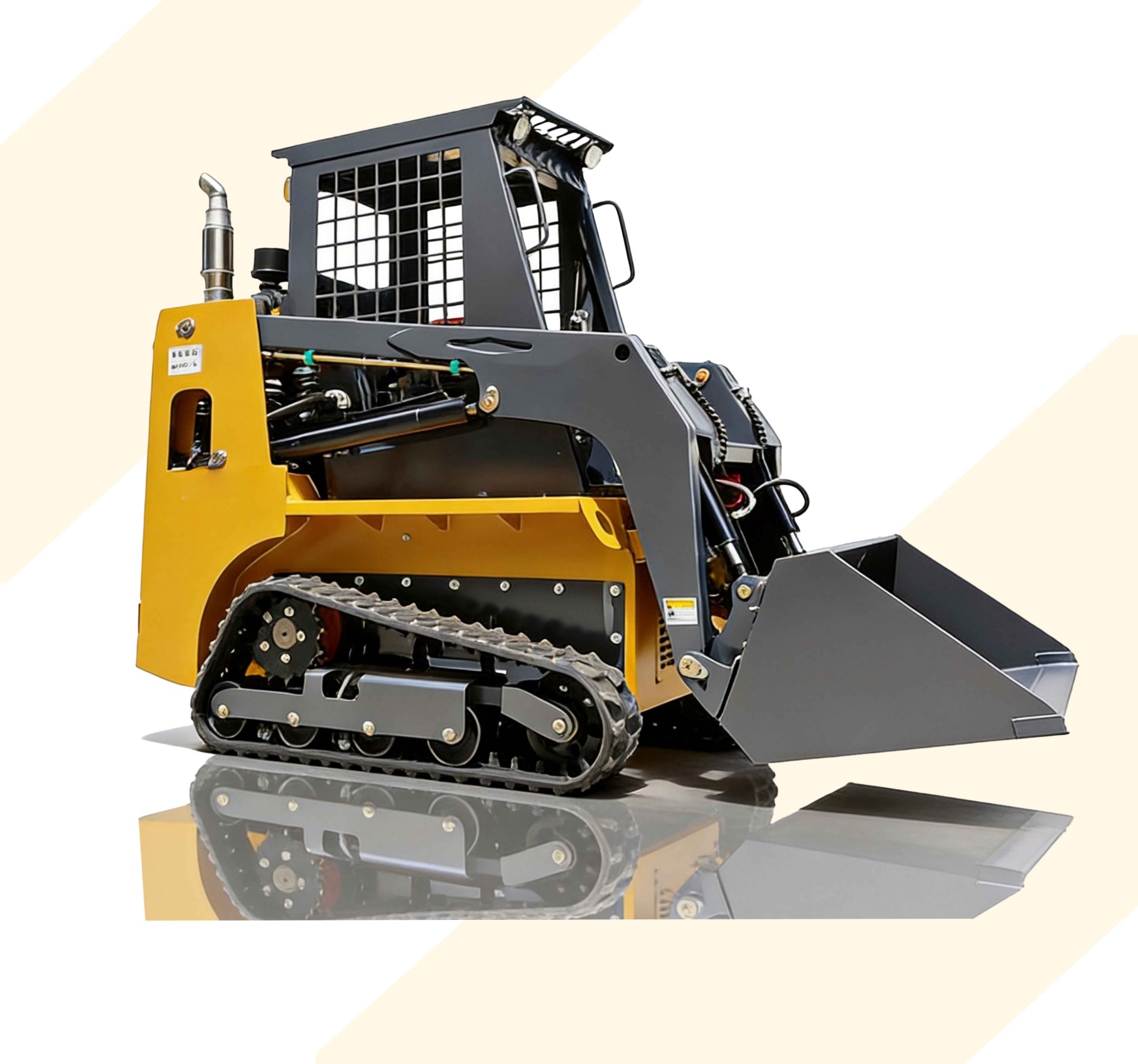
Introduction: The Multi-Tool Revolution
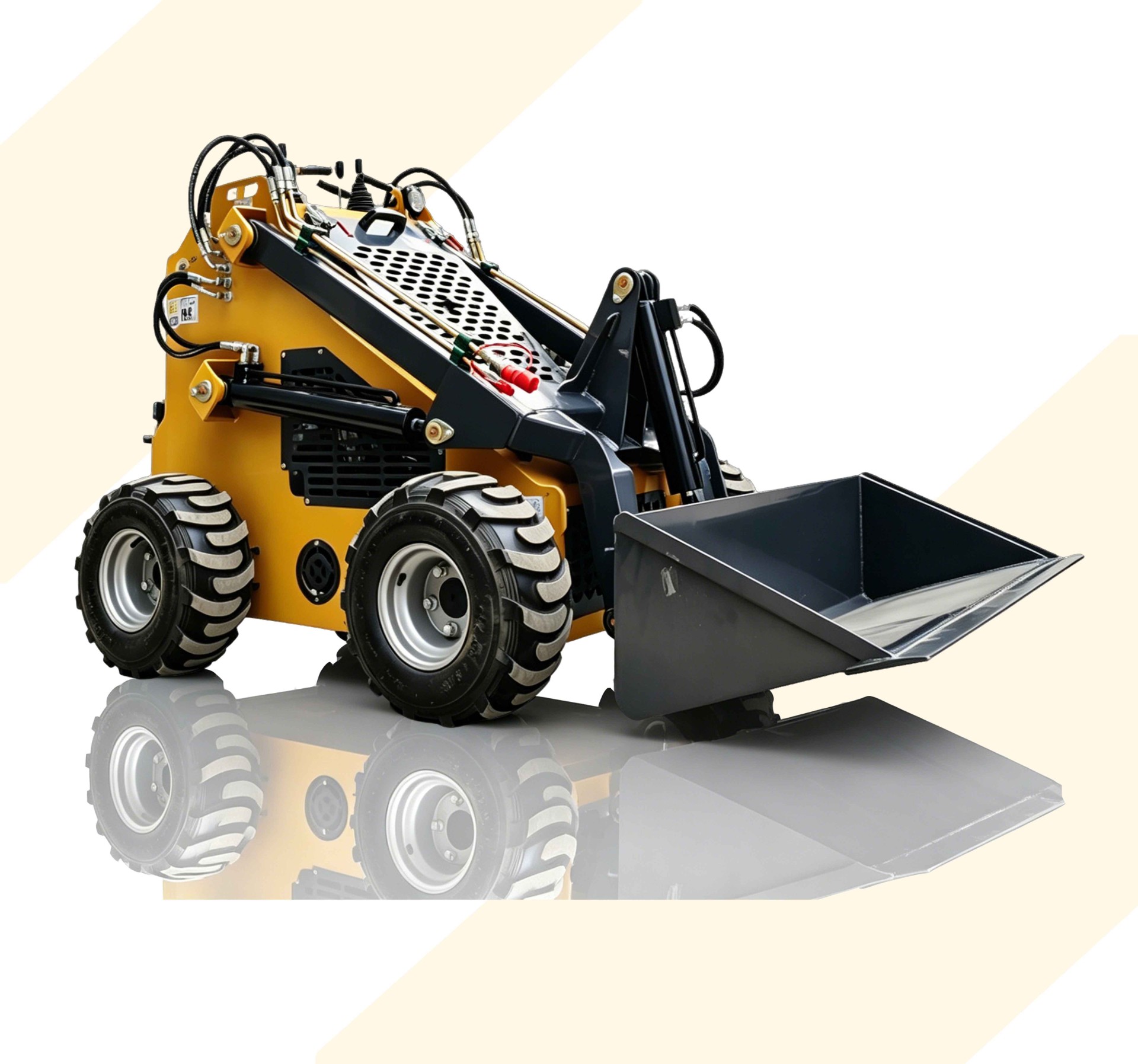
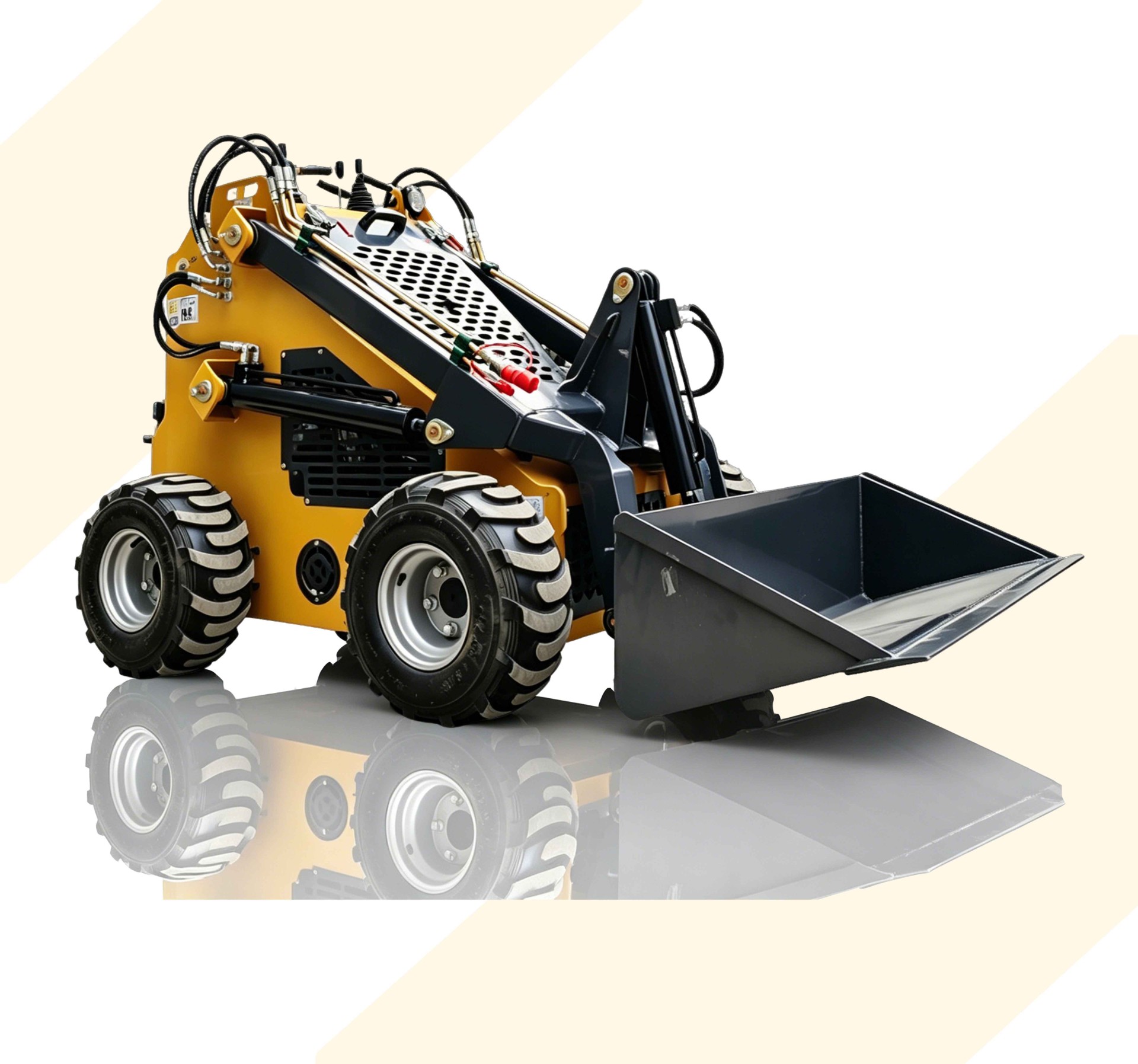
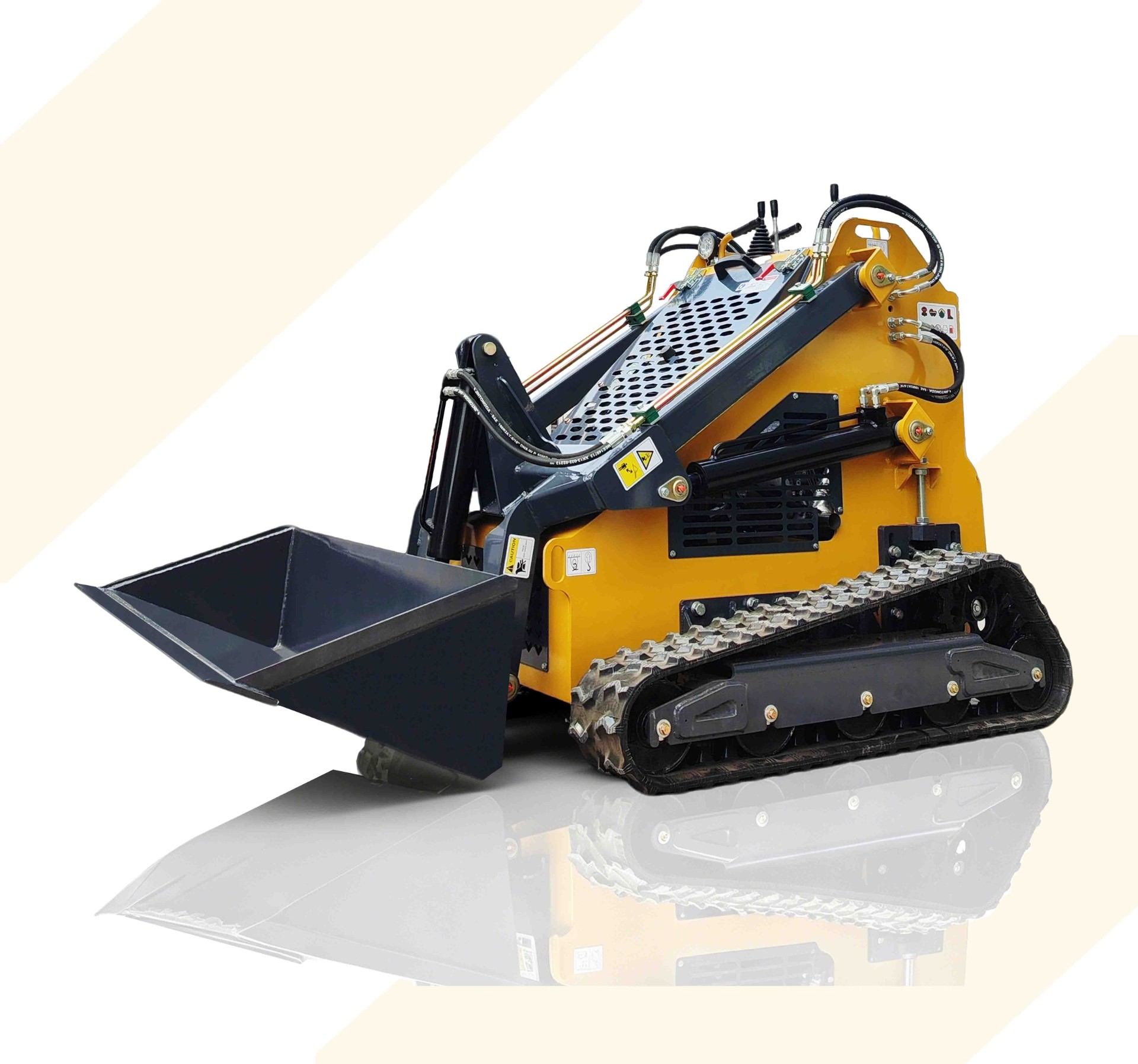
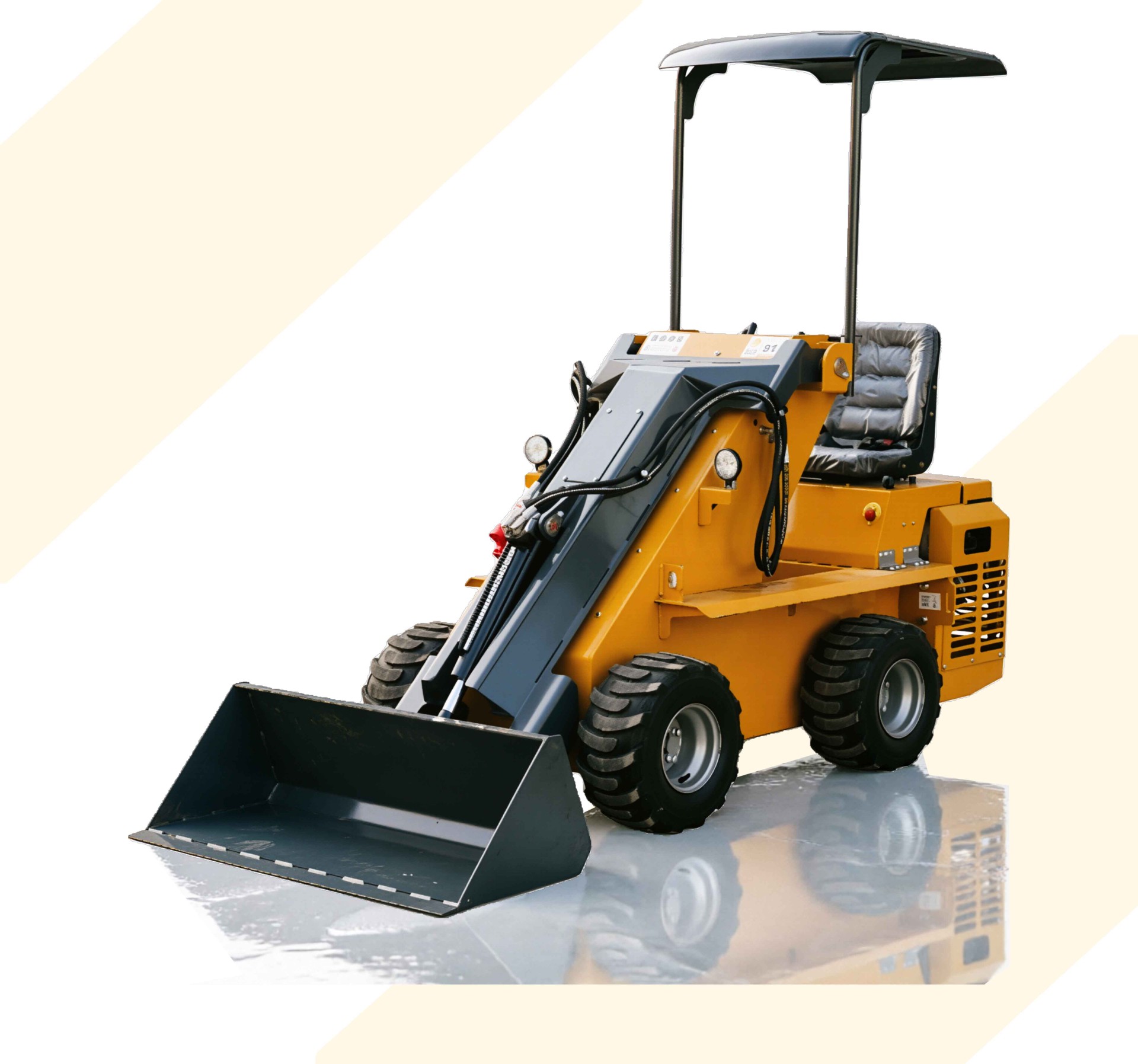
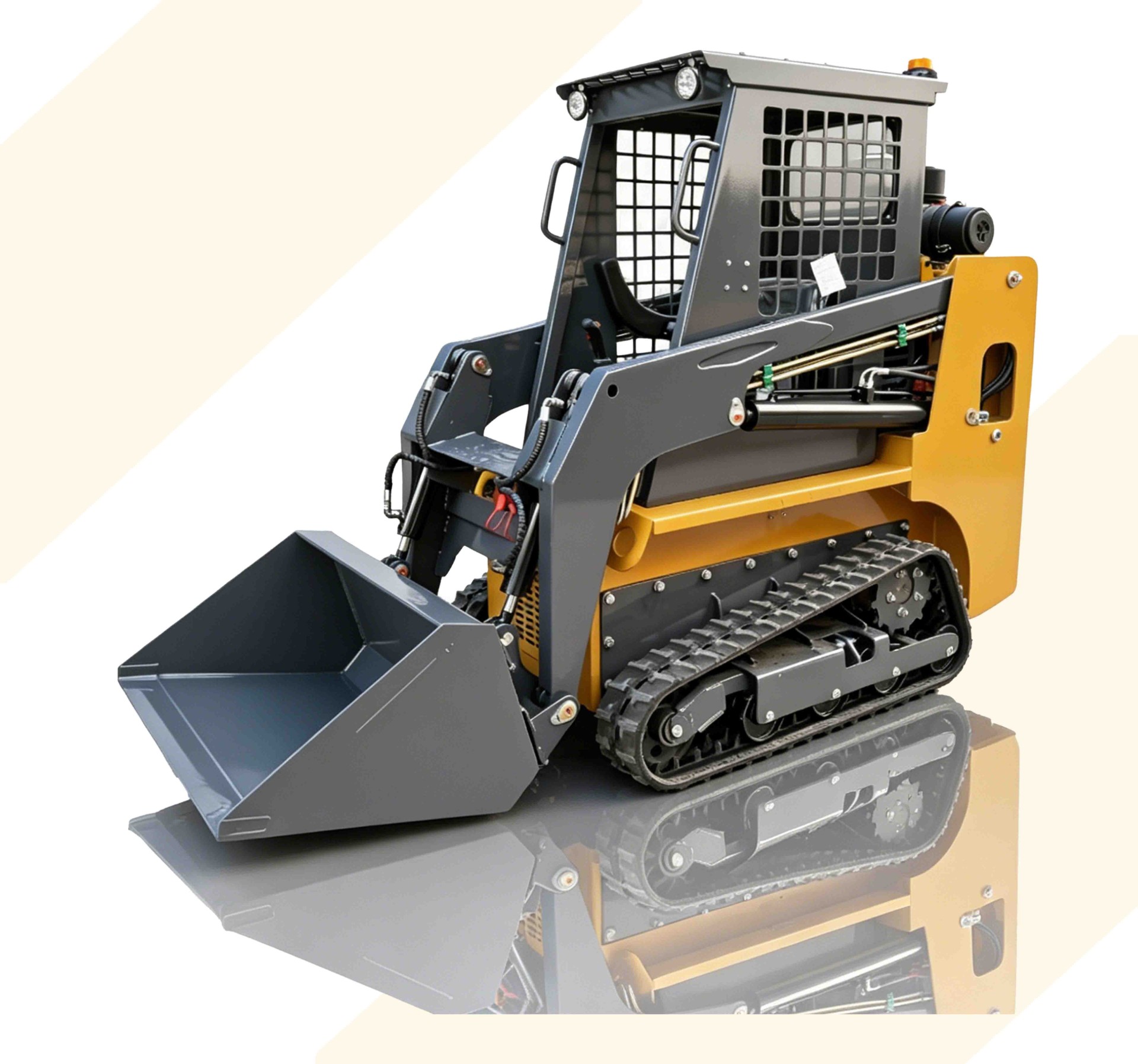
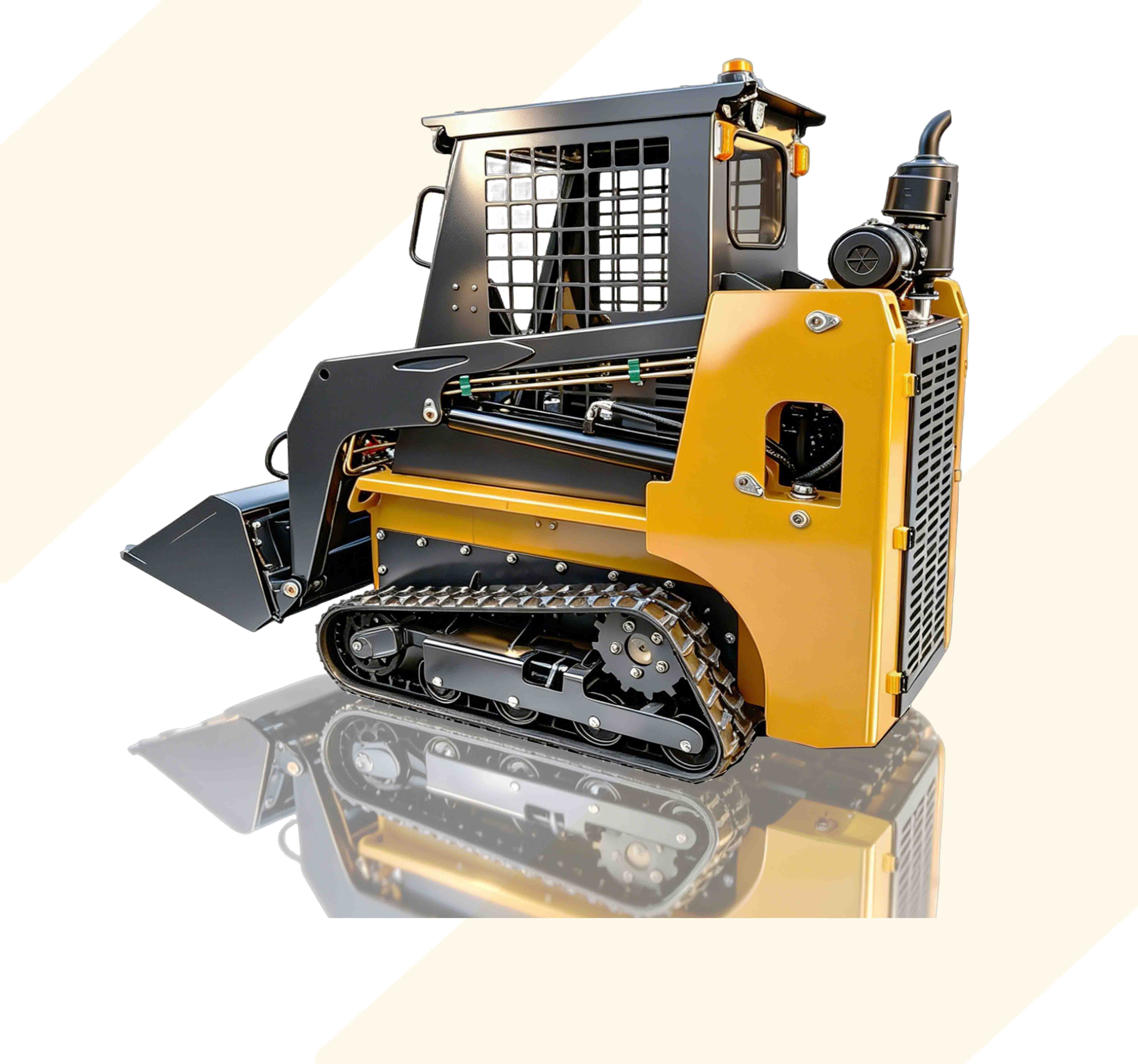
Most contractors view a skid steer loader as a dedicated dirt-moving machine. This perception, however, drastically underestimates the asset's true potential and leaves significant money on the table. A skid steer is not merely a loader; it is a versatile power unit designed to accept a wide array of hydraulic and mechanical attachments. By investing in a set of specialized tools, you effectively transform a seasonal machine into a year-round profit center. This concept—known as "attachment strategy"—is the single fastest way to improve your Return on Investment (ROI). Instead of buying five different single-purpose machines that sit idle for months, you buy one robust chassis and five tools that keep it working every day. This article explores the essential attachments that turn a standard skid steer into a landscaping expert, a demolition specialist, and a material-handling powerhouse.
1. The Foundation: The Quick-Hitch System
Before discussing specific tools, one must understand the mechanism that makes them viable: the Universal Quick Hitch (SSAE/ISO Compliant). Unlike older pin-on systems that required sledgehammers and 30 minutes of labor, the modern hydraulic quick hitch allows an operator to switch between attachments in under a minute—without leaving the cab.
Operational Efficiency: This rapid changeover capability is the linchpin of multi-tasking. If a job requires moving pallets in the morning and digging post holes in the afternoon, the machine can adapt instantly.
Standardization: The universal mount ensures compatibility not only with Xinghang attachments but with most third-party tools on the market, giving you flexibility in procurement.
Secure Locking: Modern hitches feature automatic locking mechanisms and safety pins, ensuring the attachment stays fixed during high-impact operations like breaking or trenching.
2. Earth Engagement: Augers and Trenchers
Groundbreaking work is where the skid steer truly shines, replacing hours of backbreaking manual labor.
Hydraulic Augers: Essential for fencing, decking, signpost installation, and tree planting. A skid steer auger can drill through tough soil, clay, and even frost with various bit sizes (6" to 36"). The hydraulic circuit provides consistent downward pressure and rotational torque, ensuring plumb, clean holes every time.
Trenchers: For irrigation lines, electrical conduits, or drainage pipes. Compared to a mini-excavator, a skid steer trencher offers superior visibility and maneuverability in tight spaces. It cuts a narrow, clean trench and neatly piles the spoil to one side, minimizing lawn restoration costs.
3. Material Handling: Forks and Grapples
Moving objects is a skid steer’s bread and butter, but specialized tools elevate its capability.
Pallet Forks: Instantly converting the loader into a forklift, pallet forks are indispensable for moving lumber, bags of concrete, pallets of sod, or HVAC units. Adjustable fork widths accommodate various load sizes while maintaining stability.
Root/Rock Grapples: Standard buckets struggle with bulky, irregular debris like fallen branches, rocks, or demolition waste. Grapples feature opposing claws that clamp down on materials, allowing the operator to sift through soil and retain only the debris. This is invaluable for land clearing and storm cleanup, drastically reducing sorting time.
4. Demolition and Surface Preparation: Breakers and Planers
When it’s time to break things down, the skid steer becomes a controlled demolition expert.
Hydraulic Breakers (Jack Hammers): Perfect for breaking up concrete sidewalks, asphalt driveways, frozen ground, or masonry walls. The skid steer provides the stability and hydraulic flow needed to power these high-impact tools, offering precision that larger excavators cannot match in tight demolition sites.
Cold Planers: Used for milling asphalt or concrete surfaces. Unlike a jackhammer which creates rubble, a planer grinds the surface to a specific depth and collects the millings. This is ideal for pothole repairs, utility cuts, or leveling uneven pavement without destroying the entire slab.
5. Site Finishing: Rakes, Brooms, and Blades
The final pass on a job site defines your professionalism.
Angle Brooms: Essential for street sweeping, parking lot cleanup, and snow removal. The angled bristles efficiently push debris to the side while the machine moves forward, leaving a clean path. Hydraulic angling allows the operator to adjust the sweep direction without stopping.
Landscape Rakes: Designed to remove rocks, roots, and debris while leveling the soil. The tines sift the soil, leaving behind a smooth, ready-to-seed surface. This tool eliminates hours of hand raking.
Snow Blades/V-Plows: In winter climates, a snow blade transforms the skid steer into a primary snow removal asset. V-plows are particularly effective for pushing snow to both sides simultaneously or straight ahead, keeping roads and parking lots clear.
6. The Economic Argument: ROI of an Attachment Strategy
Let’s quantify the value. Assume a contractor buys a skid steer for $25,000.
Scenario A (No Attachments): The machine is used 6 months/year for loading and grading. Revenue generated: Moderate.
Scenario B (With Attachments): The contractor spends an extra $8,000 on a breaker, auger, forks, and a broom.
The auger saves $150/day in manual labor for fence jobs.
The breaker allows bidding on small demolition jobs previously outsourced.
The broom secures municipal sweeping contracts in summer.
The forks eliminate the need to rent a forklift.
Result: The machine is now billable 10–11 months a year. The $8,000 investment in attachments is recovered within the first 2–3 months of diversified work, and the machine’s total annual revenue doubles.
Conclusion: From Single Tool to Fleet Replacement
The skid steer loader equipped with a multi-attachment strategy ceases to be just another piece of iron on the yard. It becomes a mobile workshop capable of adapting to any task the market demands. By moving away from single-purpose machines—which suffer from depreciation and idle time—you consolidate your fleet, reduce maintenance overhead, and maximize the utility of every dollar spent. For the modern contractor looking to stay competitive and profitable, mastering the art of the attachment is not just an option; it is the core competency of a successful business.