 Chinese
 English
 Russian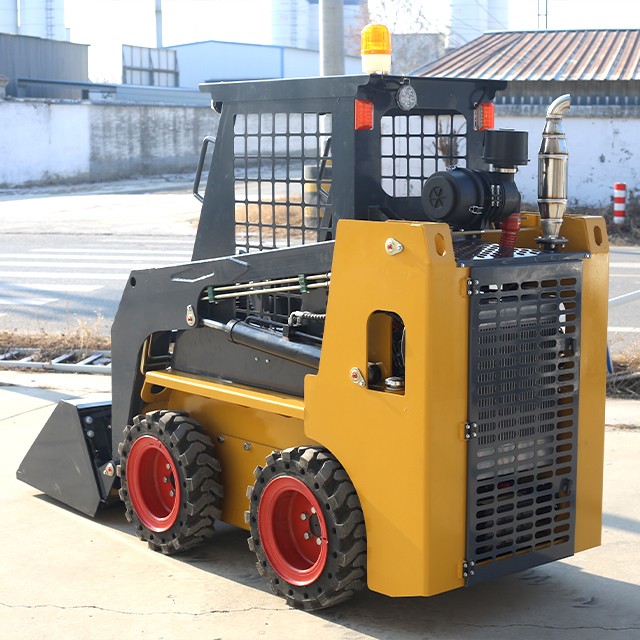
Introduction: The Great Undercarriage Debate
For any contractor investing in compact equipment, few decisions carry as much financial weight as choosing between a wheeled or tracked skid steer loader. On the surface, they appear similar—same controls, same lift arms, same attachment compatibility. However, beneath the chassis, these two machines are engineered for fundamentally different interactions with the ground. Selecting the wrong undercarriage can lead to premature wear, excessive maintenance costs, and compromised productivity. Conversely, selecting the right one aligns your equipment perfectly with your primary revenue streams. This article provides a technical deep dive into the mechanical distinctions, operational efficiencies, and economic realities of wheeled versus tracked skid steers, empowering you to make an investment that maximizes your Return on Investment (ROI).
1. Mechanical Engineering: Traction vs. Maneuverability
The core difference lies in the physics of movement.
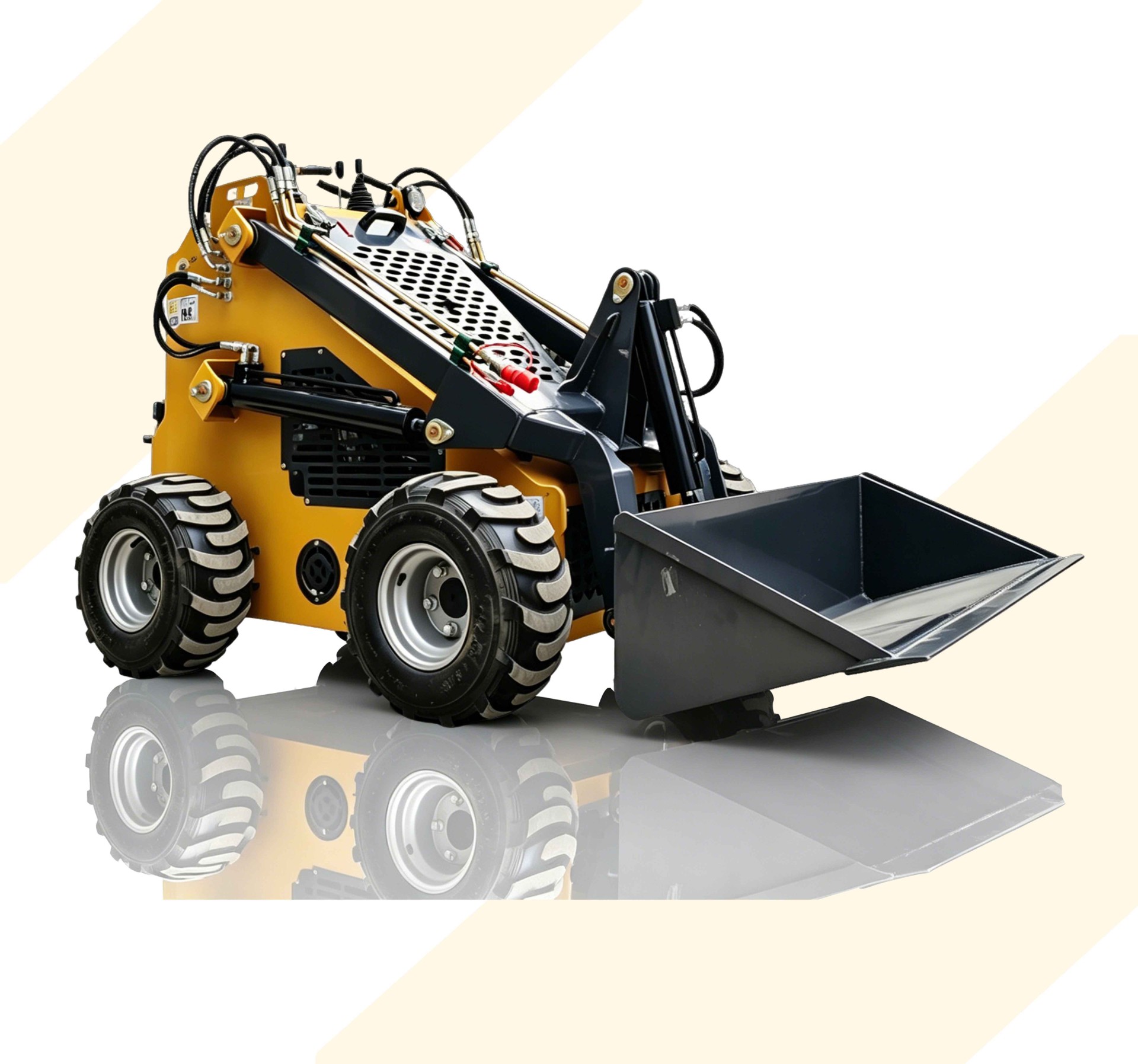
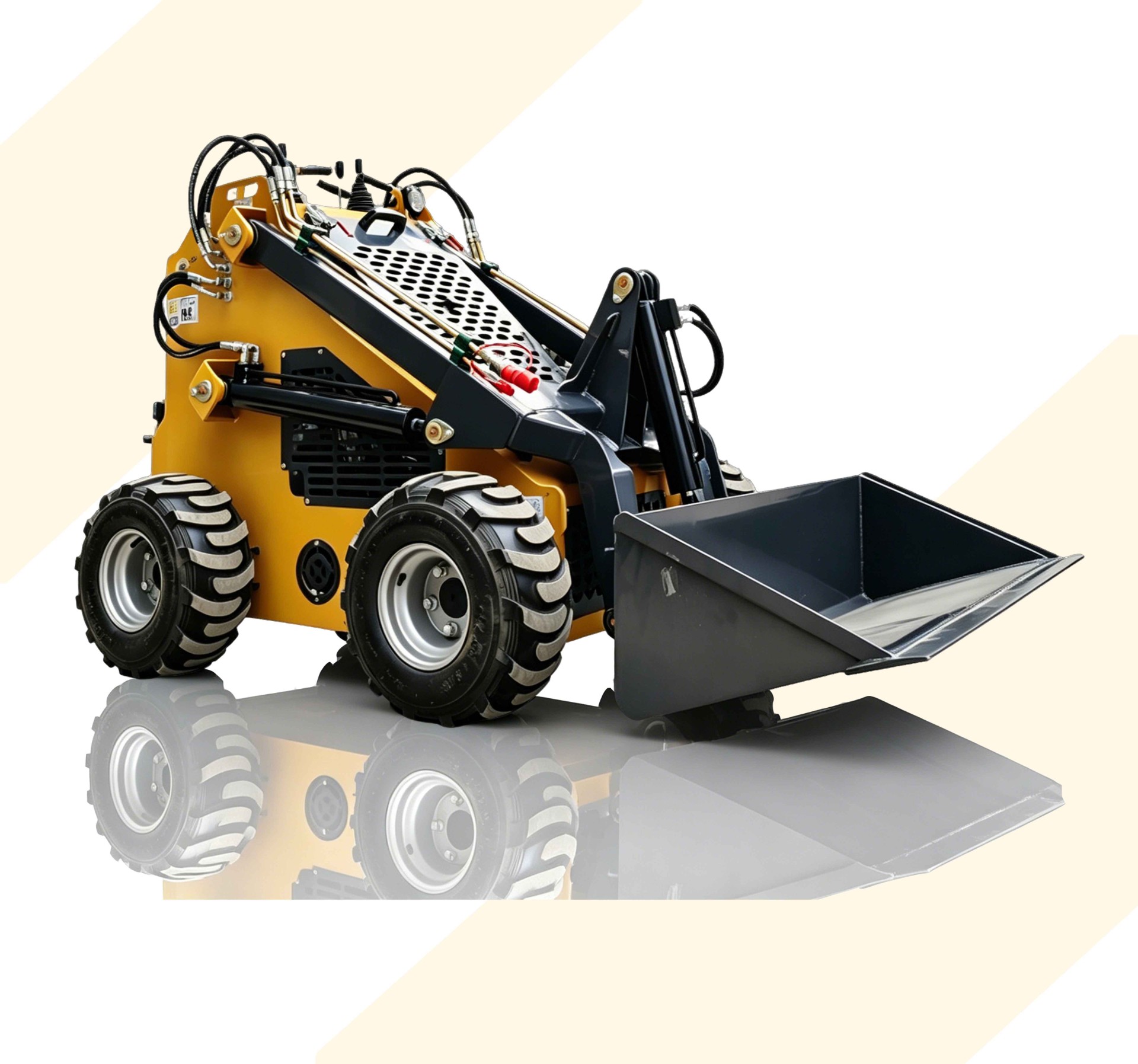
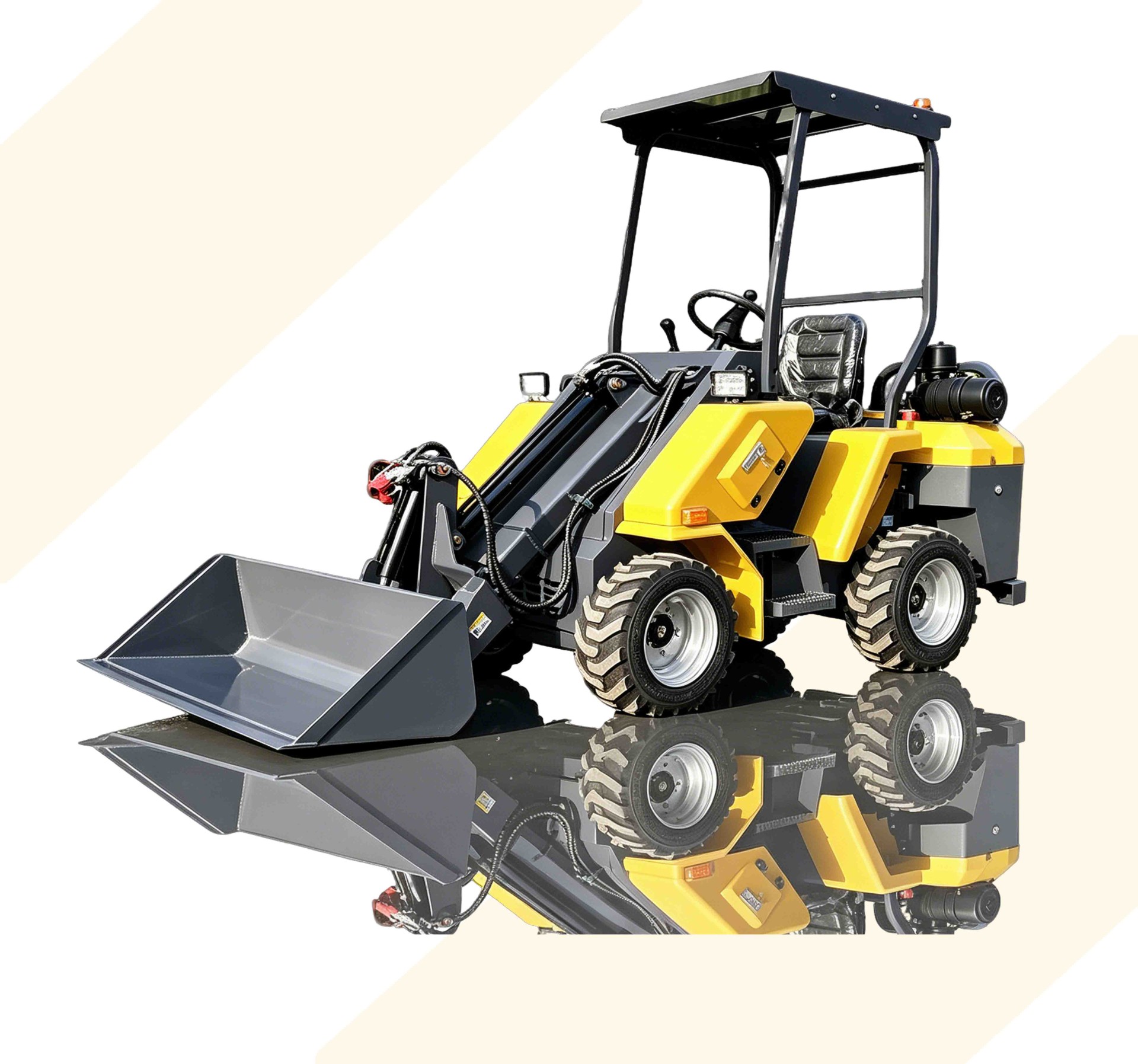
Wheeled Skid Steers: These machines utilize high-traction industrial tires. Their primary advantage is low rolling resistance. Because wheels roll smoothly over hard surfaces, they require less engine power to maintain speed, translating into better fuel efficiency. Mechanically, they have fewer moving parts in the undercarriage—no track rollers, idlers, or metal-reinforced rubber tracks to replace. This simplicity results in lower initial manufacturing costs and easier field repairs.
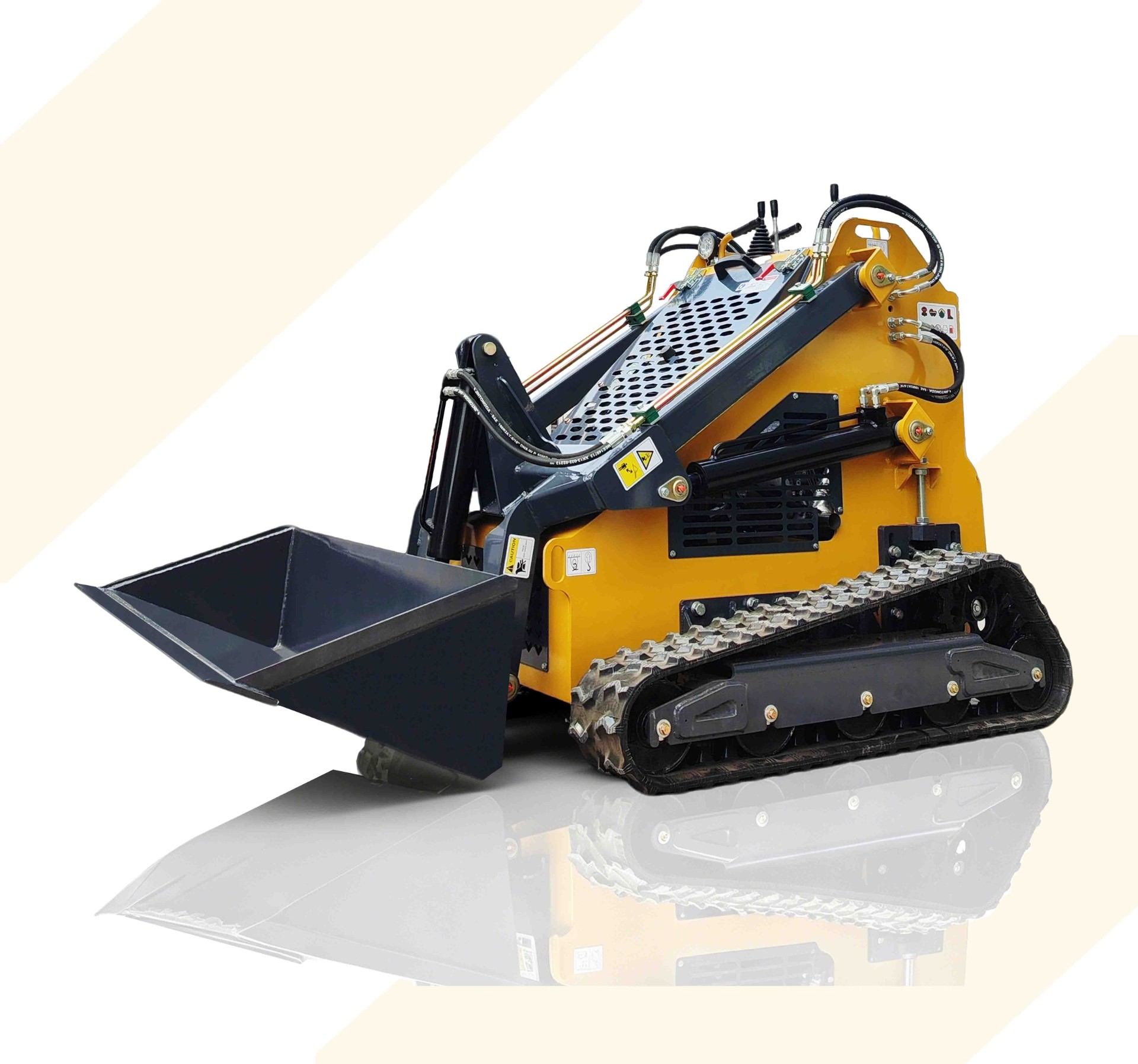
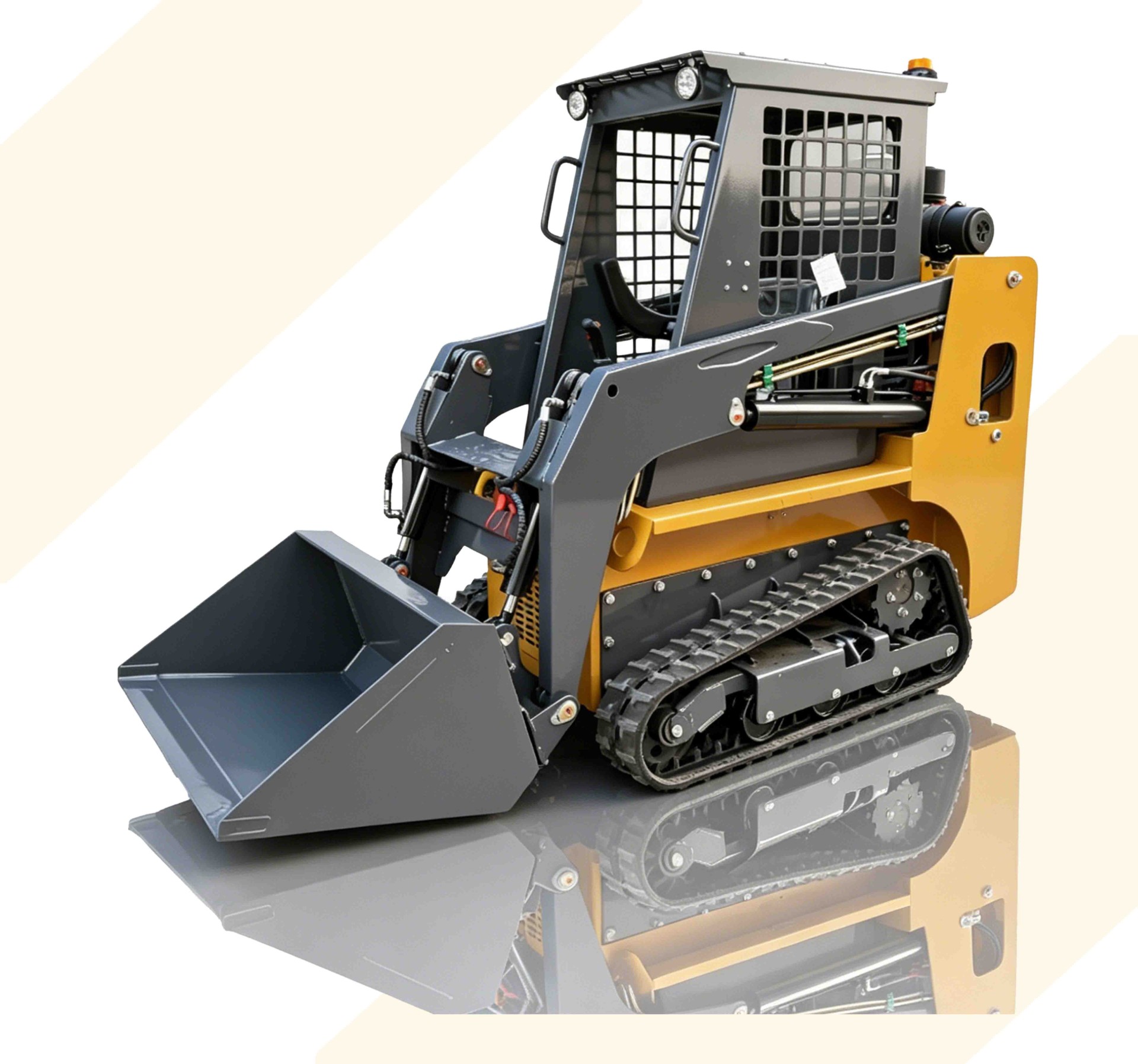
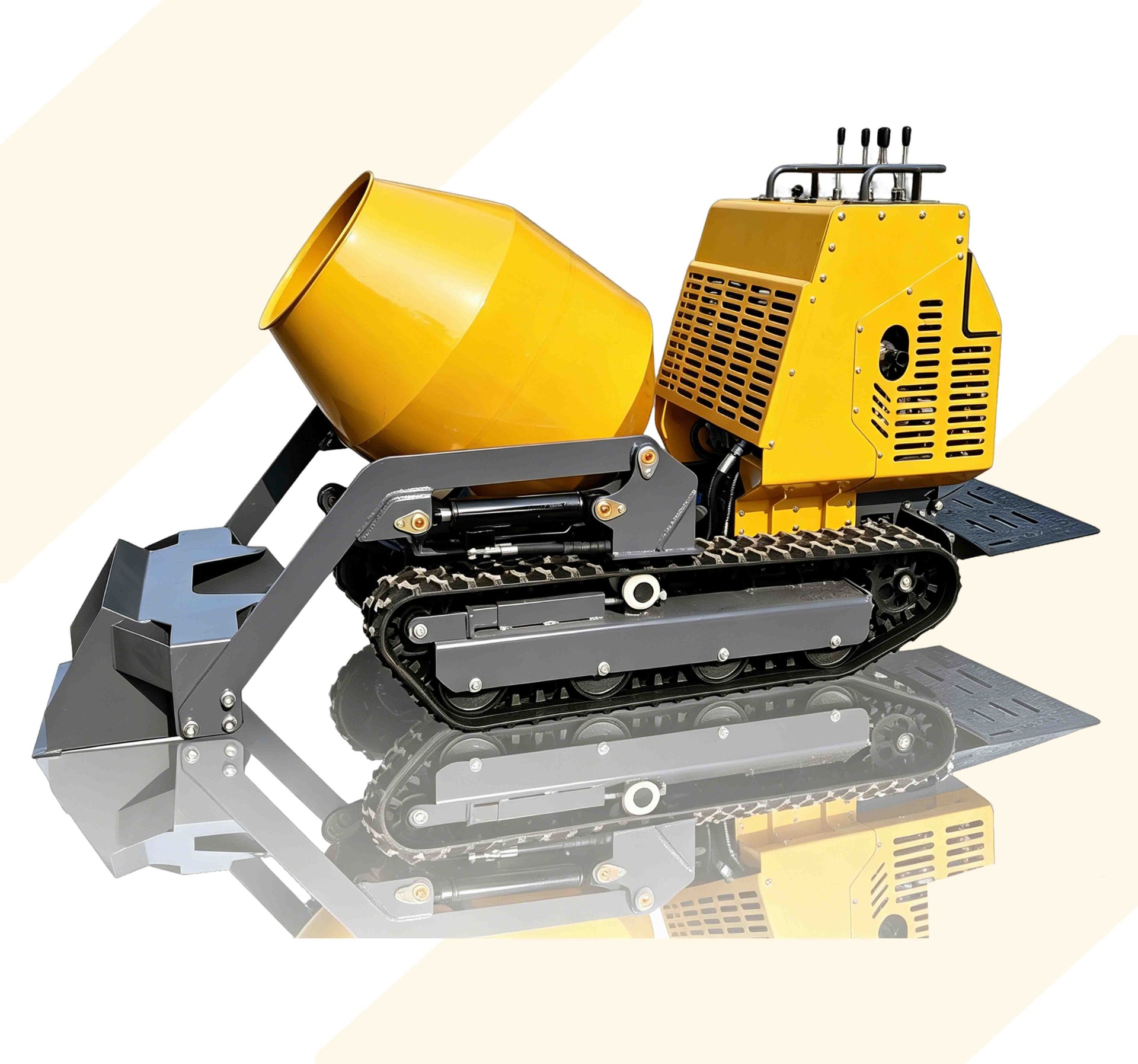
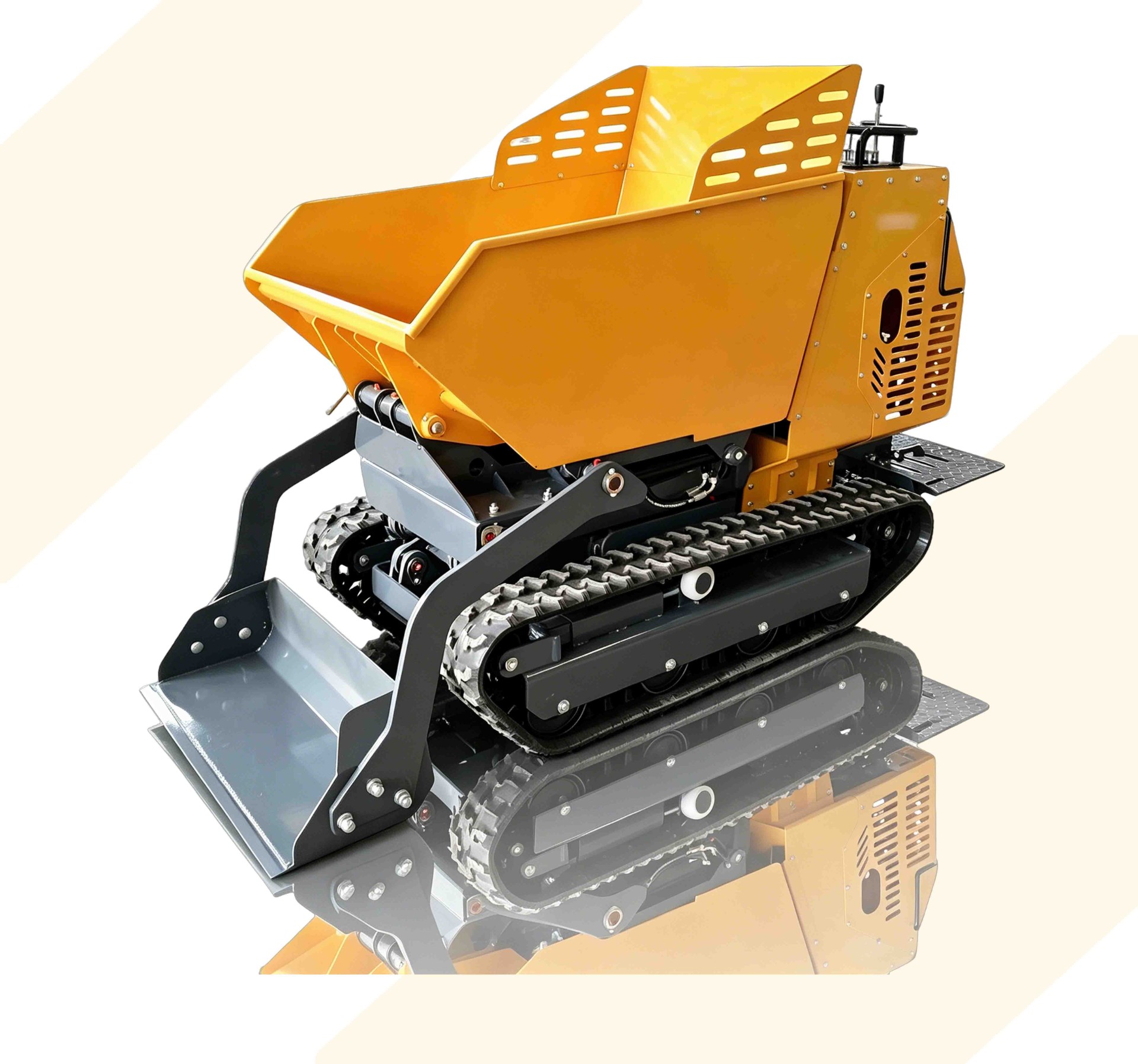
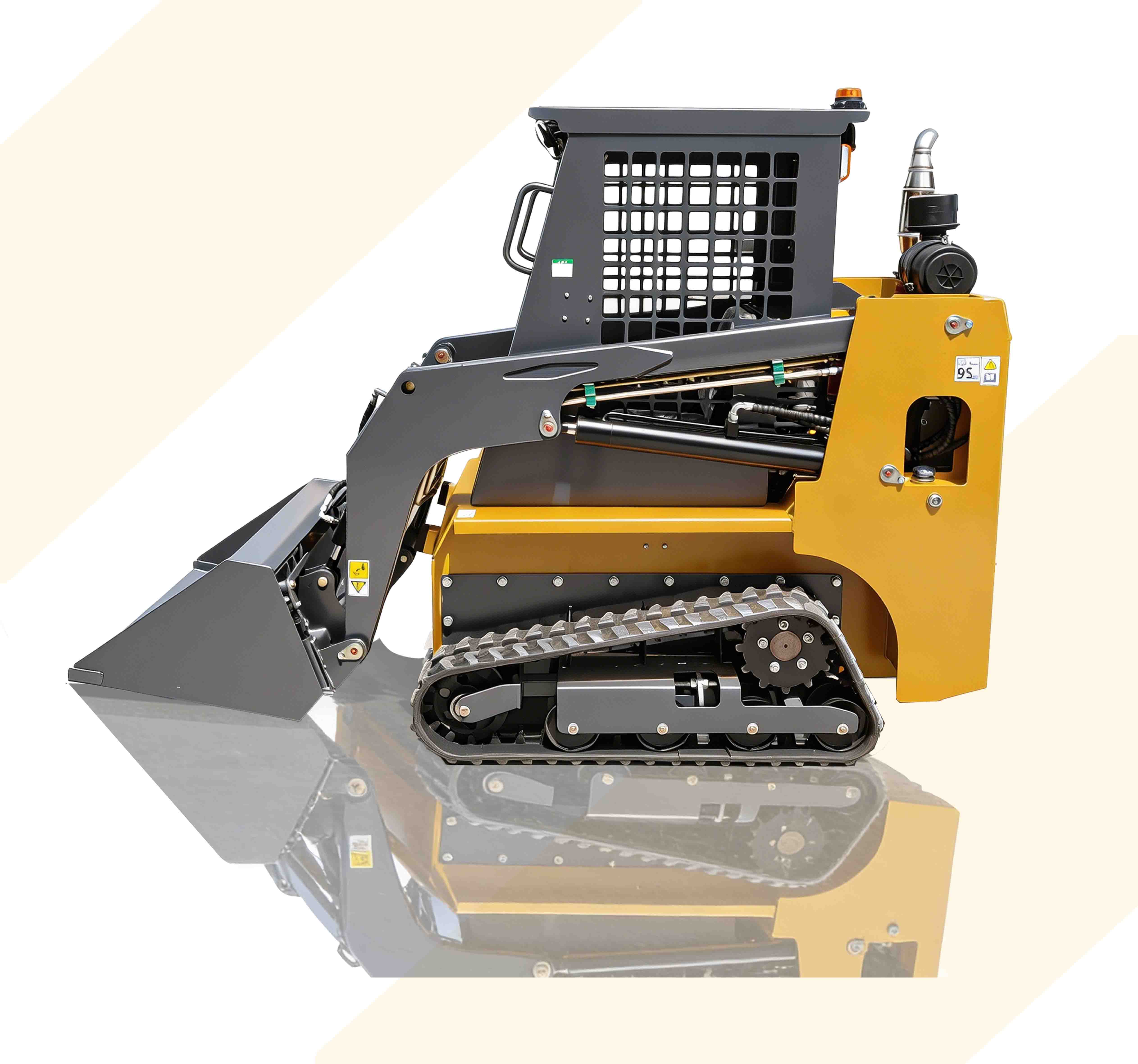
Tracked Skid Steers: These machines employ a continuous rubber track wrapped around a system of wheels and sprockets. Their advantage is maximum ground contact. The track spreads the machine's weight over a significantly larger surface area than four tires. This low ground pressure (measured in PSI) prevents the machine from sinking into soft substrates like mud, sand, or fresh topsoil. The engagement mechanism involves more complex drivetrain components but offers unparalleled bite into the earth.
2. Surface Impact: Hard Surfaces vs. Sensitive Terrain
Where you work determines which machine preserves your client’s property—and your reputation.
The Case for Wheels (Hard Surfaces): On asphalt, concrete, or packed gravel, wheeled skid steers are superior. They cause minimal surface disturbance. Crucially, they do not "track" mud as aggressively as their tracked counterparts, keeping finished sites cleaner. For indoor applications on polished concrete, non-marking tires on a wheeled unit prevent costly scuffs and stains.
The Case for Tracks (Sensitive Terrain): On established lawns, golf courses, or cemetery work, tracked machines are essential. A wheeled machine exerts high pressure at the tire contact patch, leading to divots, ruts, and torn turf. Rubber tracks distribute the load, allowing the machine to "float" over grass without crushing the root structure below. If your business involves high-end landscaping, tracks are not a luxury; they are a necessity to avoid expensive restoration bills.
3. Performance Metrics: Speed, Power, and Slope Stability
Operational performance varies drastically depending on the substrate.
Speed: Wheeled models typically offer higher maximum speeds (up to 12 mph / 19 km/h on some models) compared to tracked units (usually capped at 7–8 mph / 11–13 km/h). On large, flat job sites like road construction or parking lot clearing, this speed differential translates directly into more cycles per hour.
Power Transfer: Tracks provide superior pushing power. When grading or backfilling, the friction between the rubber track and the ground allows the operator to move more material per pass. Tracks also excel on side slopes; the wider footprint provides a lower center of gravity and greater resistance to lateral sliding.
Uptime: Wheeled machines generally experience less wear and tear during transport. Driving a tracked machine on a paved highway for long distances generates significant heat in the drive motors and wears down the rubber lugs, whereas wheels handle roading with ease.
4. Maintenance and Total Cost of Ownership (TCO)
The financial implications extend far beyond the purchase price.
Maintenance Costs: Tracked machines have a higher TCO regarding consumables. Rubber tracks are expensive to replace (often $800–$1,500 per track) and typically last between 800–1,200 hours depending on usage. Wheeled machines face tire replacement costs, but tires often last longer in mixed-use applications and are cheaper to replace. Additionally, tracks require daily inspection for tension and debris removal; wheels require less frequent attention.
Mechanical Wear: On abrasive surfaces like concrete, steel tracks or even aggressive rubber lugs wear quickly. Wheels, conversely, handle these surfaces efficiently. However, on rocky terrain, a wheel is susceptible to punctures and sidewall damage, whereas a track can often absorb impacts that would disable a tire.
Resale Value: Both hold value well if maintained, but market demand differs. In regions with heavy snowfall or extensive landscaping, tracked units command premium resale prices. In urban construction hubs, wheeled units are often more liquid assets due to their versatility on hardscapes.
5. Strategic Decision Framework: Matching Machine to Mission
To determine the right fit, evaluate your business mix using these criteria:
Choose Wheeled Skid Steers if:
Over 70% of your work is on asphalt, concrete, or gravel.
You require high-speed travel between work zones.
Indoor work on finished floors is common.
Your budget prioritizes lower maintenance and simpler mechanics.
You operate primarily in dry, stable soil conditions.
Choose Tracked Skid Steers if:
Over 50% of your work involves mud, snow, sand, or loose dirt.
Landscaping on established lawns is a core service.
You frequently encounter steep slopes or sidehill work.
You need maximum pushing force for grading or snow removal.
Ground protection clauses are standard in your contracts.
6. The Hybrid Solution: Tire Options for Wheeled Units
It is worth noting that wheeled skid steers can be adapted. For contractors who own wheeled units but occasionally face soft ground, turf tires or foam-filled tires can bridge the gap. Turf tires have a wider footprint and shallower treads to reduce ground disturbance. Foam-filled tires eliminate the risk of flats, making them ideal for demolition sites with sharp debris. However, these modifications rarely match the true flotation capabilities of a dedicated tracked machine.
Conclusion: The Right Tool for the Right Job
There is no universal winner in the wheeled vs. tracked debate; there is only the right choice for your specific operation. Wheeled skid steers offer speed, lower maintenance, and hard-surface superiority. Tracked skid steers provide traction, stability, and environmental protection. By analyzing your primary applications against the technical realities outlined above, you move from guessing to strategic asset management. Investing in the correct undercarriage ensures that your machine works harder, lasts longer, and ultimately puts more profit on your bottom line. For many large fleets, the answer isn't "either/or"—it's owning both to cover every possible jobsite condition.