 Chinese
 English
 Russian
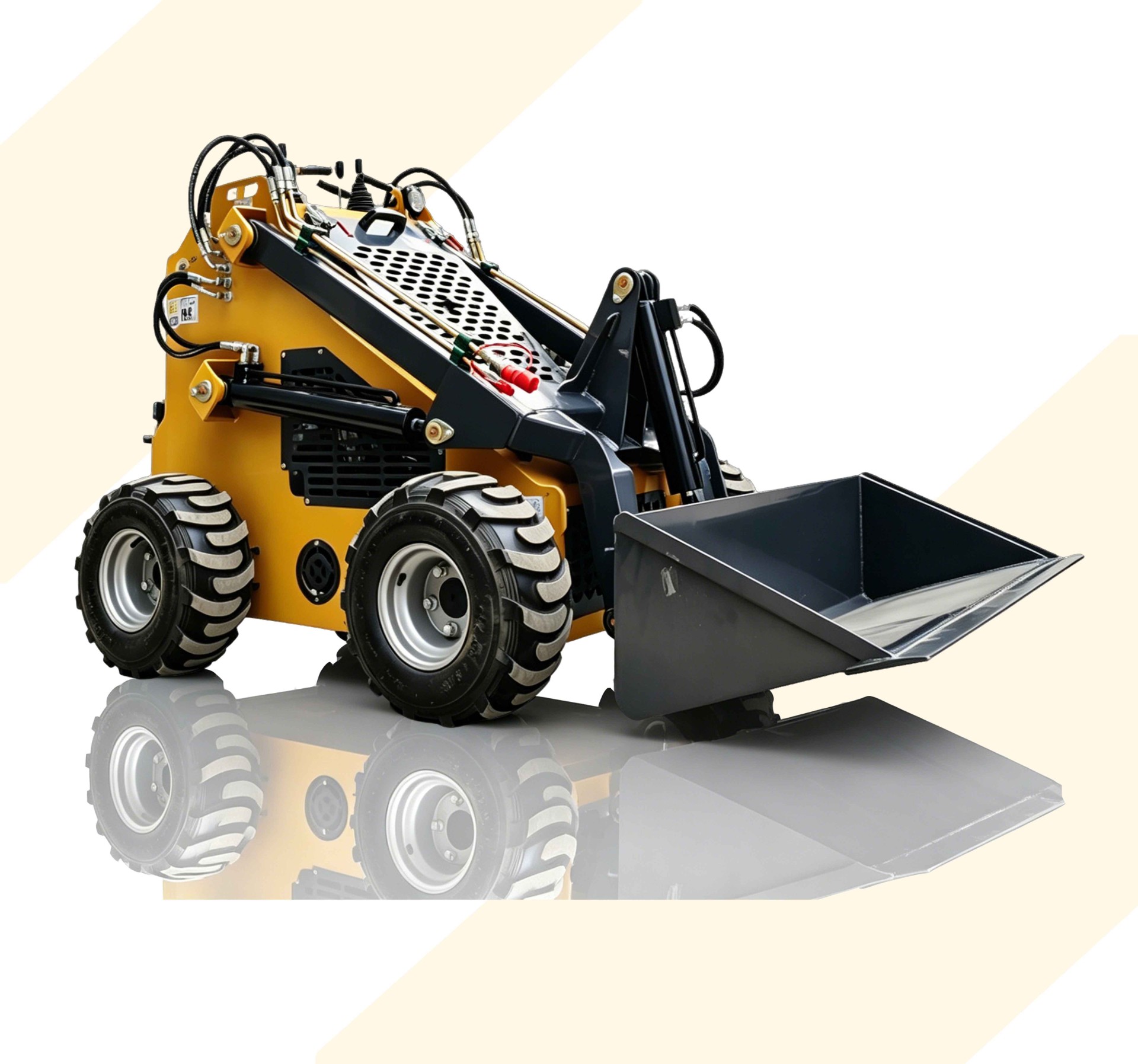
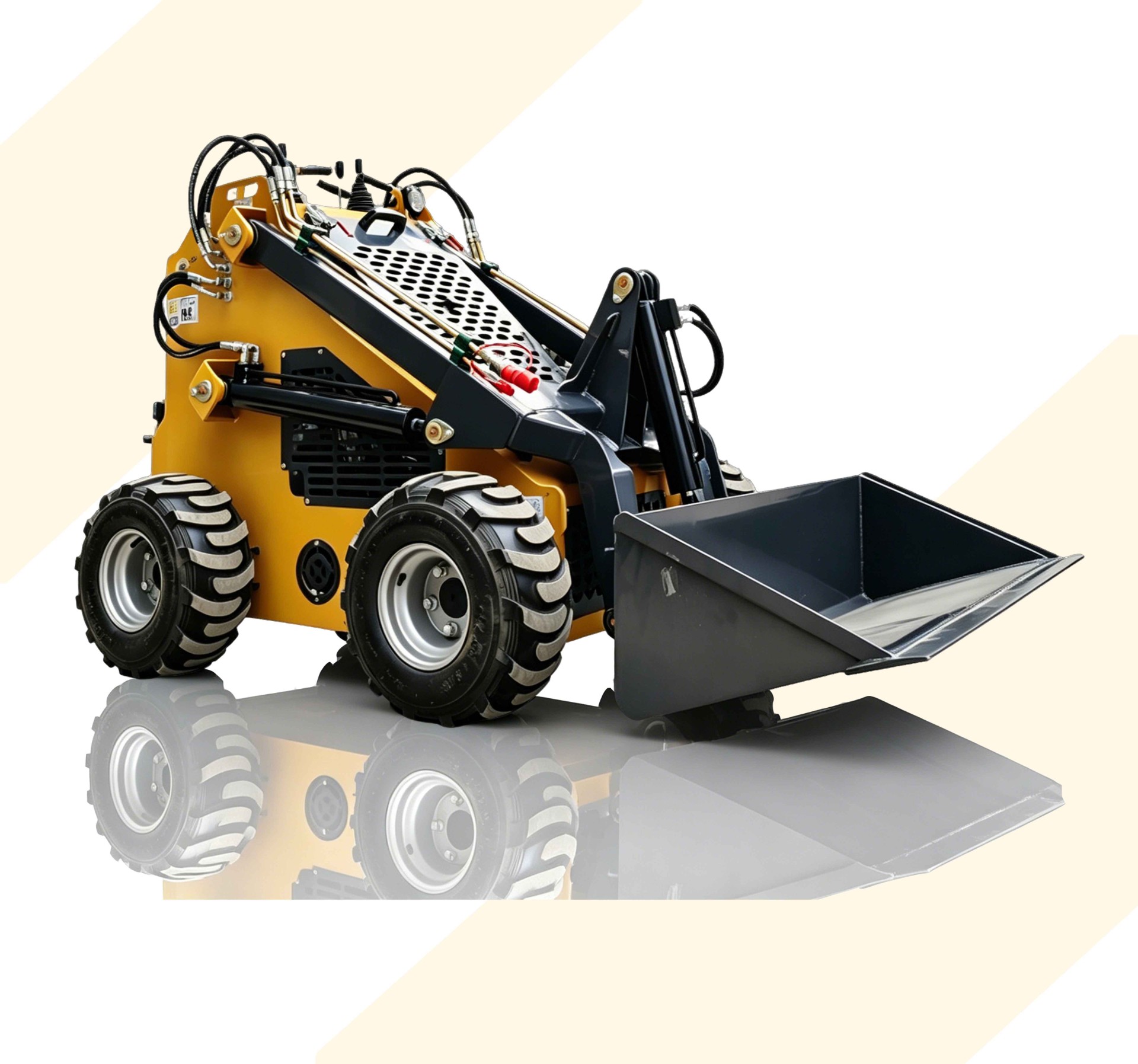
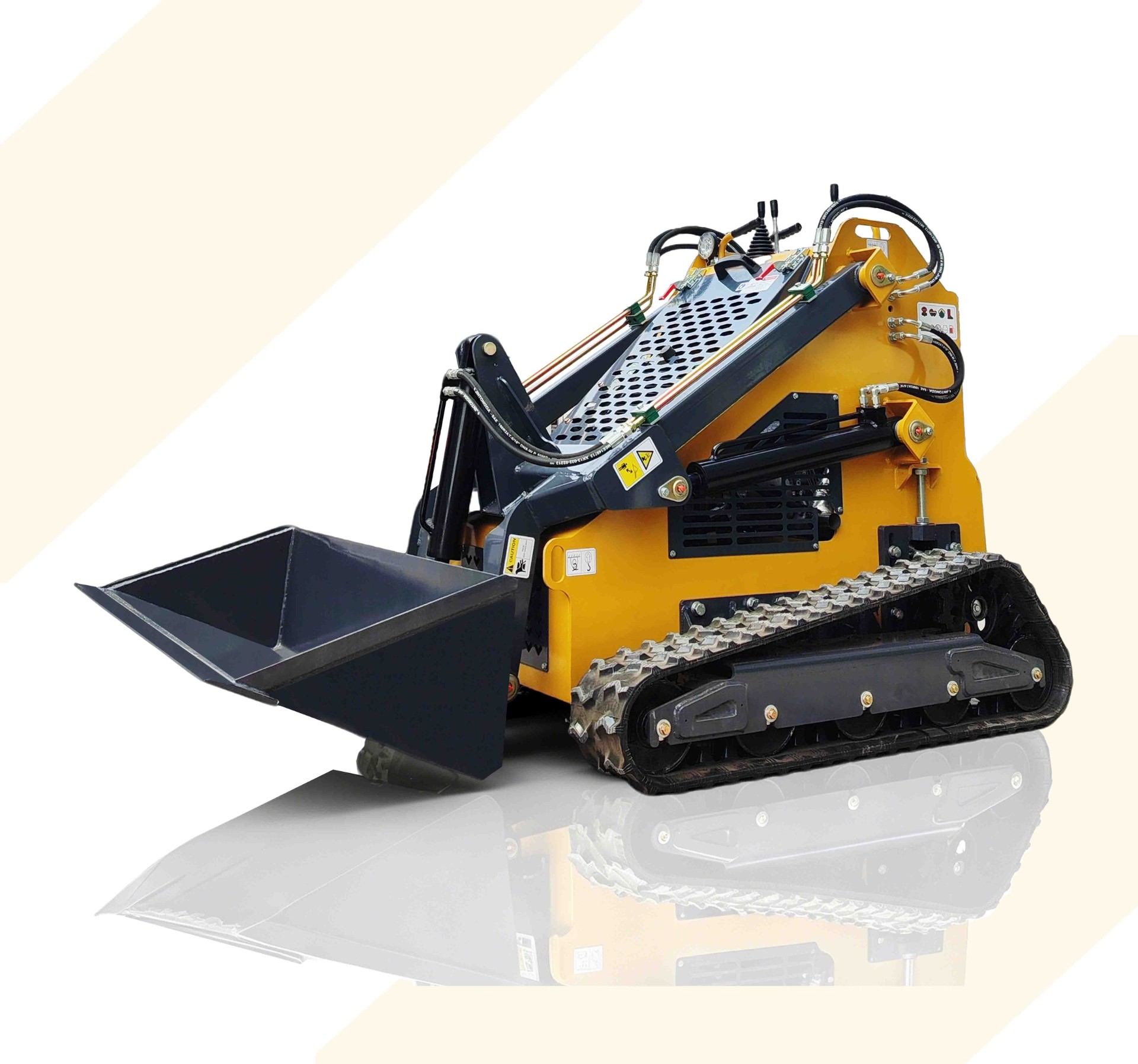
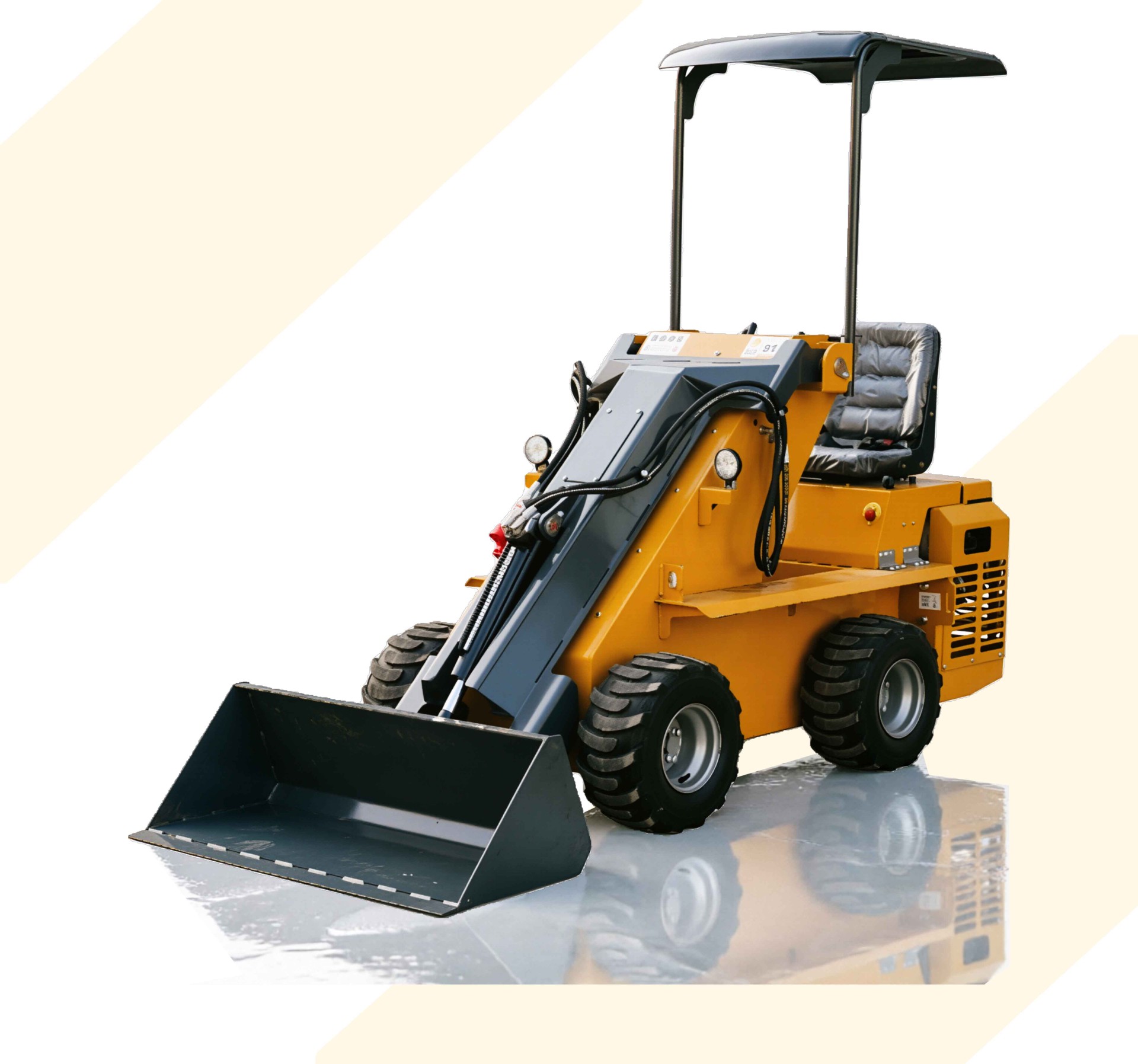
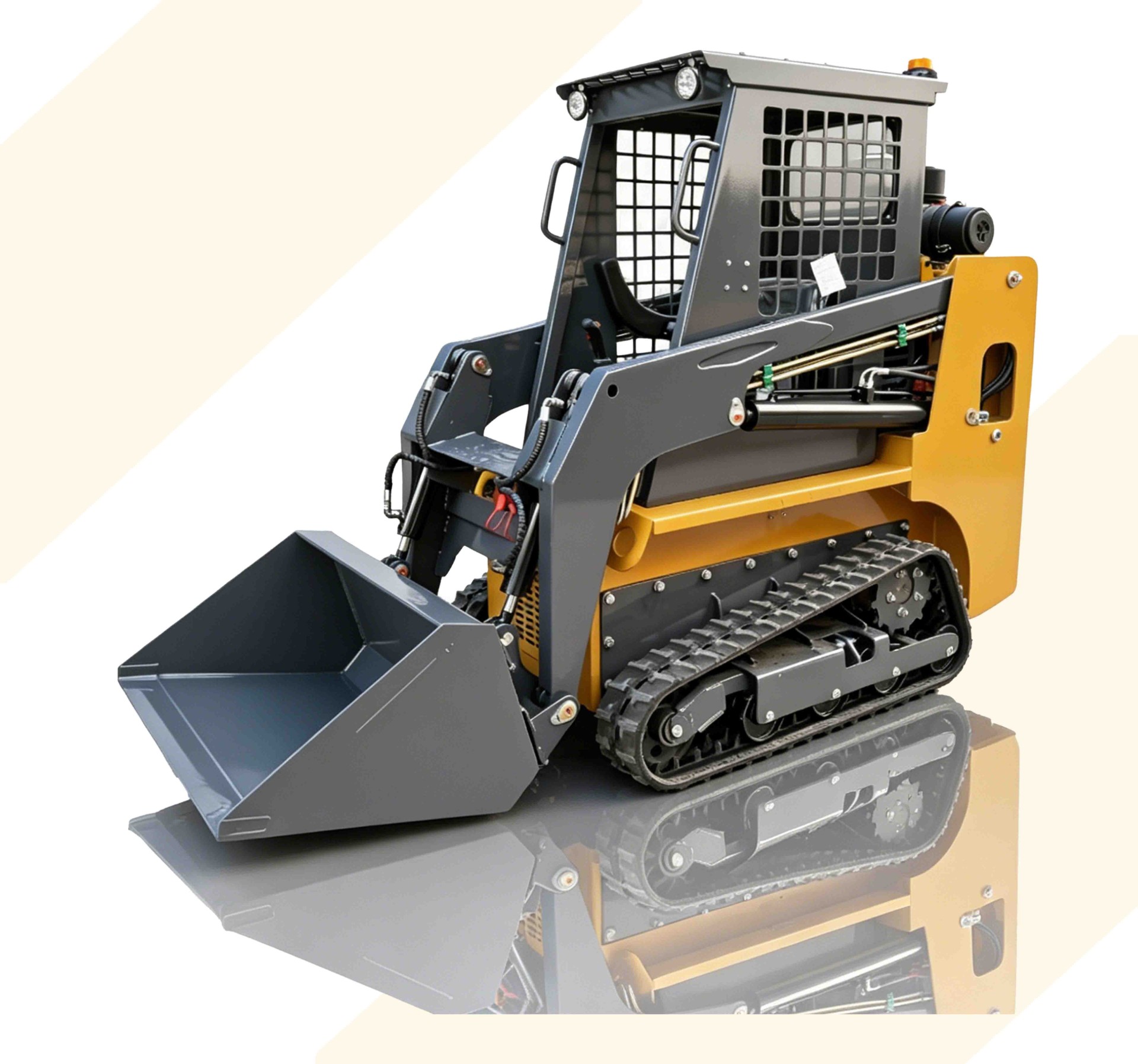
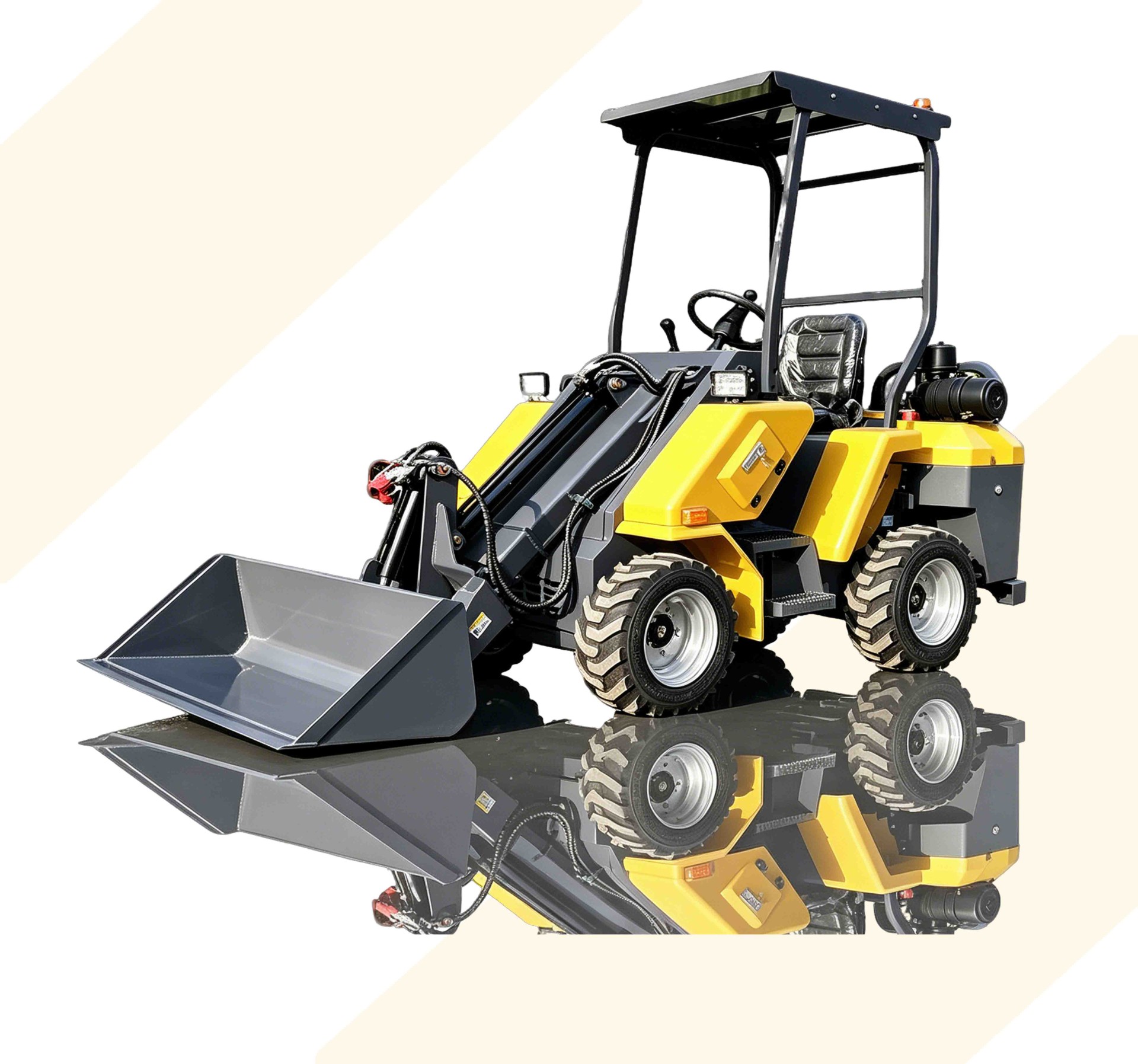
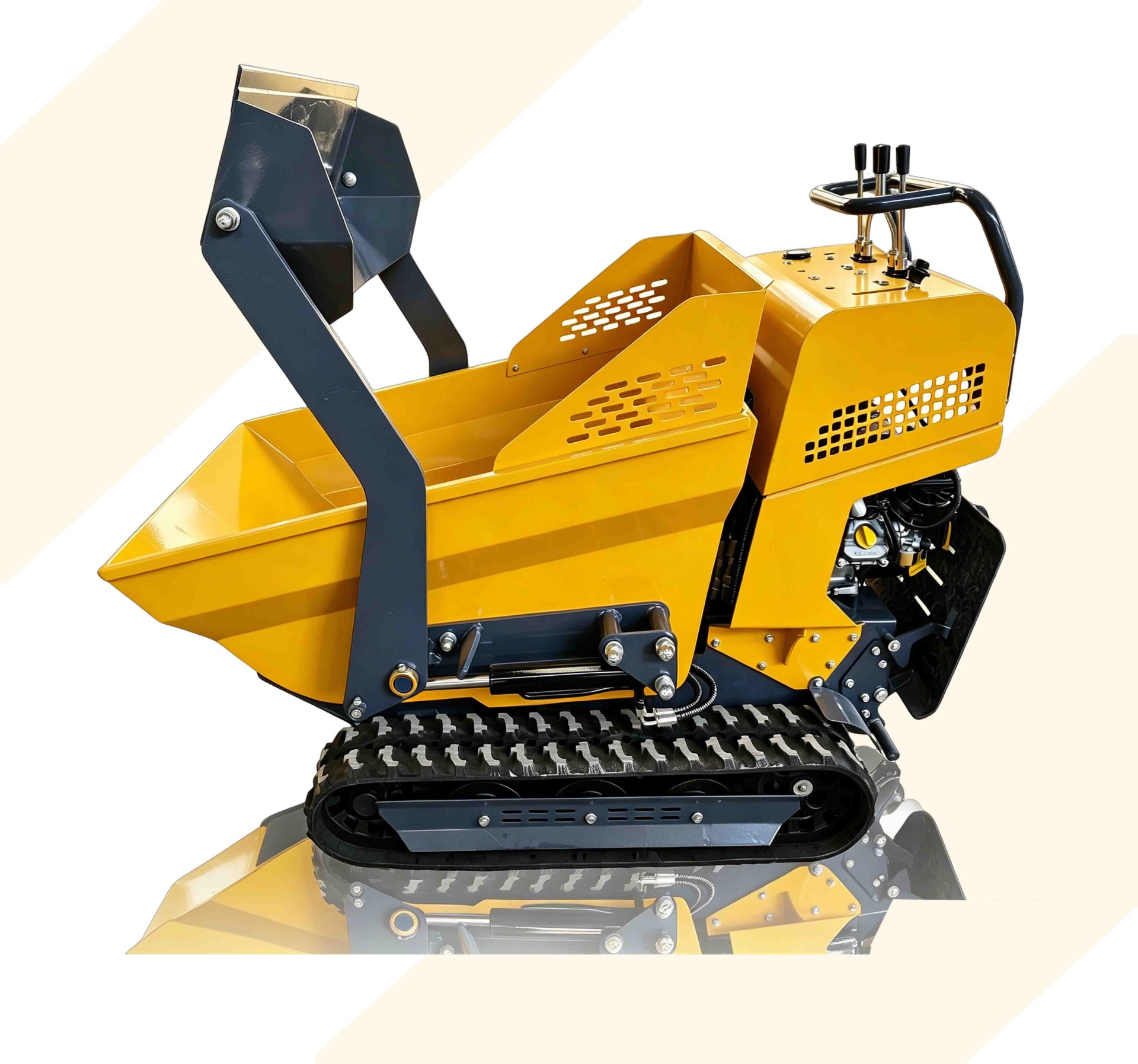
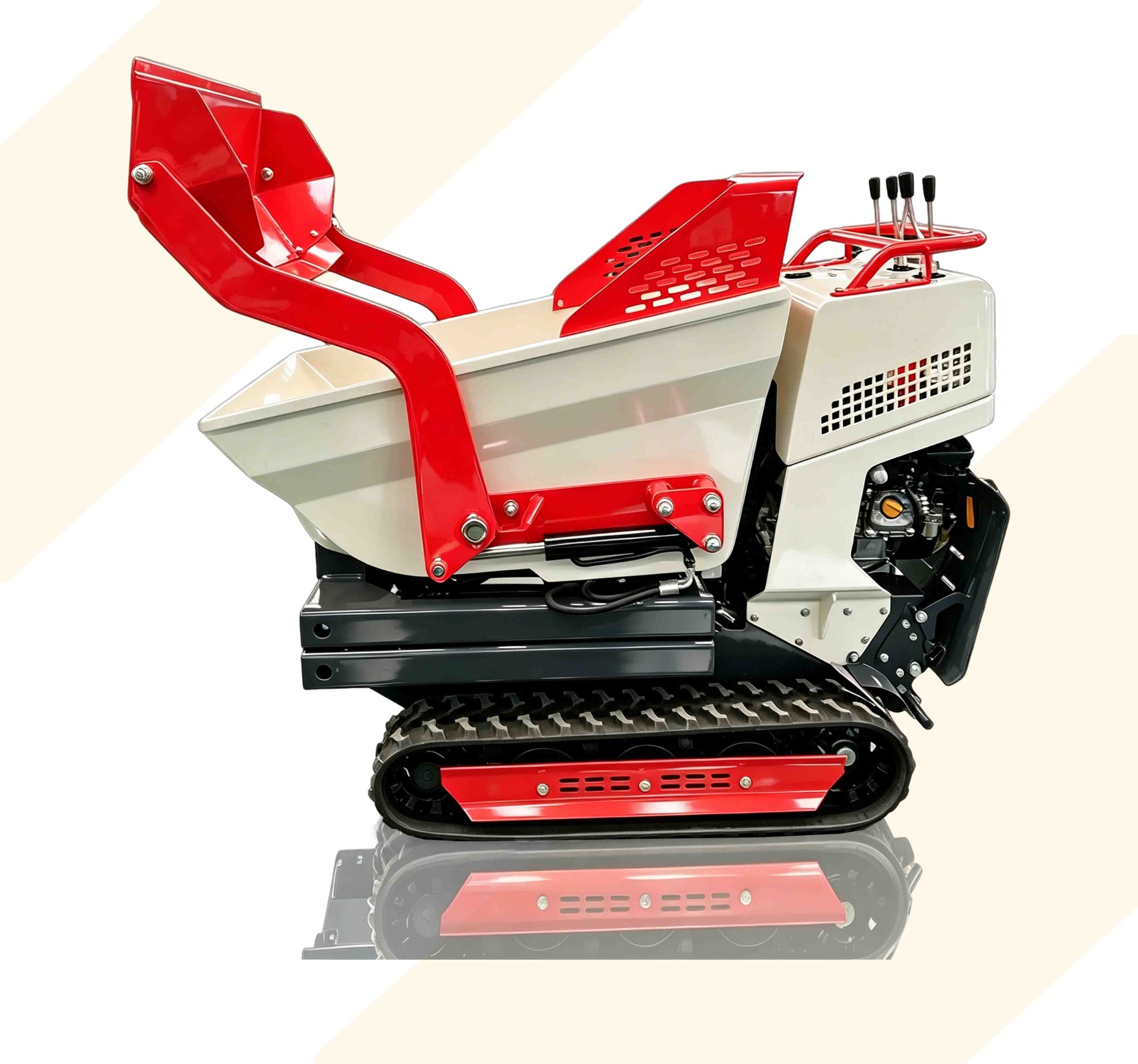
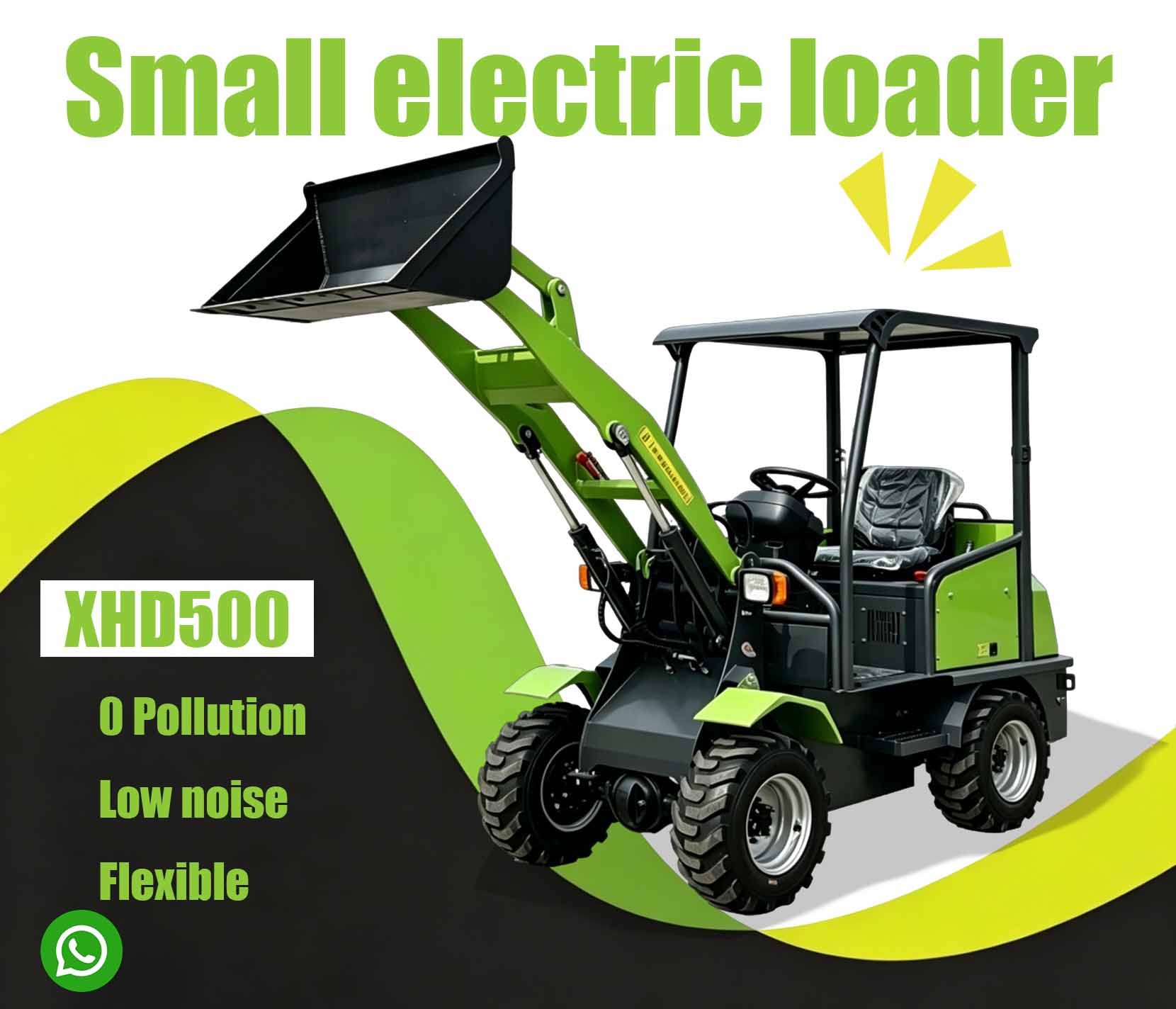
The true value of an electric loader lies in its ability to breach the restricted zones of traditional diesel machines and seamlessly adapt to diverse scenarios. For overseas buyers, a machine's versatility directly dictates its Return on Investment (ROI). Leveraging the triple advantages of zero emissions, low noise, and a compact frame, electric loaders are redrawing the boundaries of what a "universal machine" can achieve.
1. Agriculture & Livestock: The Odorless Guardian of Health
In modern farms and breeding facilities, exhaust fumes (carbon monoxide, nitrogen oxides) from internal combustion engines are primary culprits behind livestock stress responses and respiratory diseases.
Greenhouses: With widths typically under 1 meter, electric loaders navigate freely between crop rows. Their zero-emission nature ensures no interference with plant photosynthesis, while the low-profile design prevents tearing greenhouse films.
Livestock Barns: Whether in dairy, swine, or poultry farms, electric loaders handle manure scraping and bedding transport around the clock without risking feed refusal or decreased milk yields caused by fumes. Paired with grass grapples or specialized buckets, they significantly boost farm productivity.
2. Municipal & Urban Management: The Silent Night Watchman
As global urbanization accelerates, restrictions on noise and emissions for municipal works are tightening. In many European and American cities, diesel equipment faces hefty fines or stop-work orders for night operations.
Confined Alleys & Courtyards: The small turning radius (typically 3-4 meters) allows electric loaders to operate flexibly in narrow residential lanes, historic districts, or private courtyards. Tasks ranging from replacing sidewalk pavers to post-pruning green waste cleanup are handled with ease.
Underground Operations: In underground parking garages, subway stations, or utility tunnels where ventilation is poor, electric loaders eliminate the risk of carbon monoxide poisoning, making them the only compliant choice for subterranean work.
Seasonal Maintenance: Equipped with sweepers in spring and summer, they clear dusty streets. In winter, swapping to snow blades or brooms allows for silent pre-dawn clearance of sidewalks and bike lanes, ensuring rush-hour readiness.
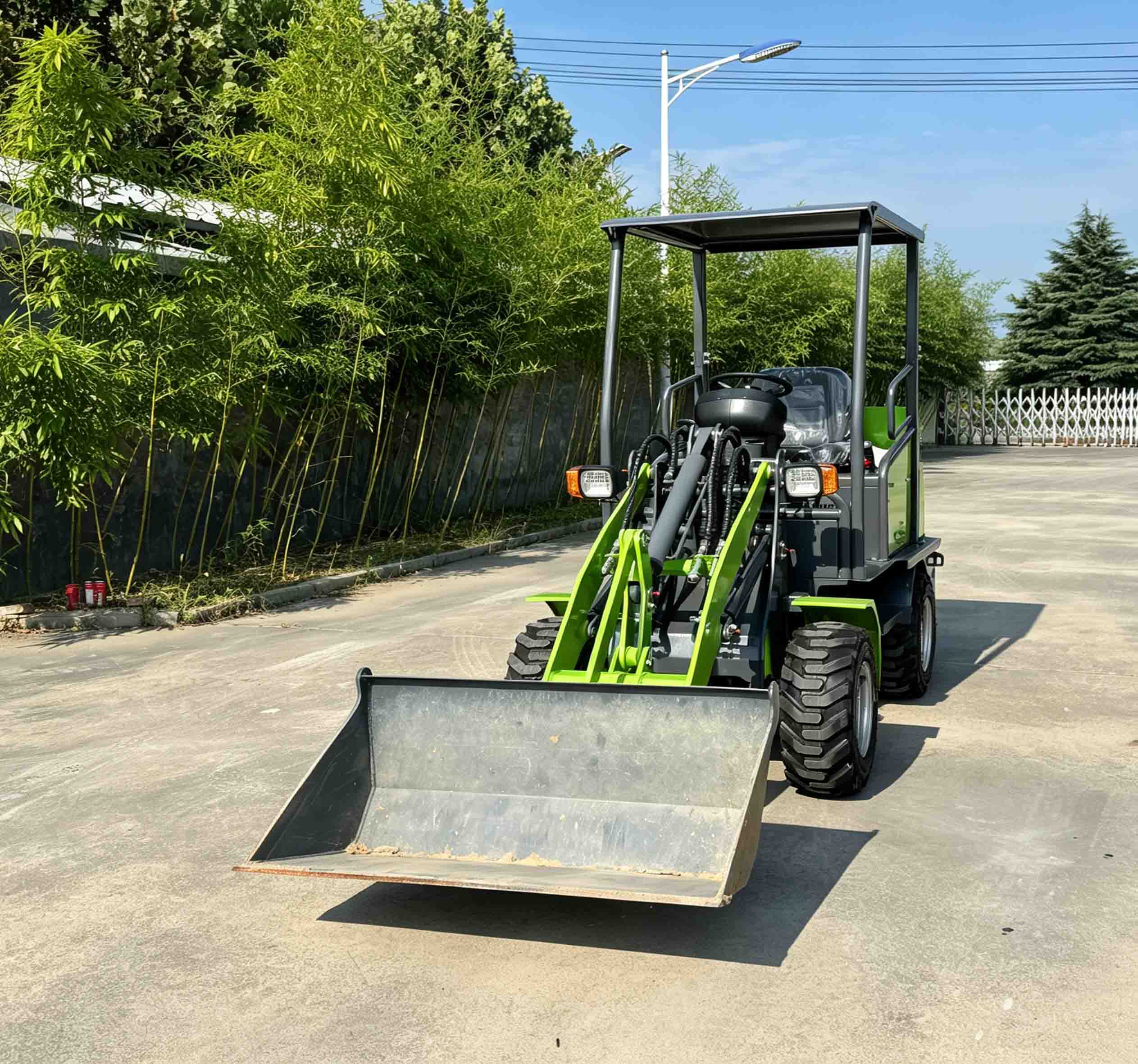
3. Industrial & Warehouse Logistics: The Ideal Partner for Clean Environments
In facilities with stringent air purity requirements, any exhaust pollution is strictly forbidden.
Food & Pharmaceutical Plants: Inside flour mills, feed processing plants, or pharmaceutical workshops, electric loaders manage raw material transport and waste cleanup without oil drips or fumes, complying with HACCP and GMP standards.
Warehousing & Distribution: When handling pallet loads or bulk materials between racking aisles, the silent operation does not disturb adjacent office spaces, nor does it introduce external exhaust, maintaining indoor air quality.
4. Rental Fleets & Contractors: The Multi-Tool Profit Engine
For equipment rental companies and diversified contractors, the electric loader's "quick-coupler" system is the core of its profitability.
Attachment Versatility: Via a standard quick-coupler, the machine transforms from a bucket to forks, a hydraulic breaker, an auger, a log grapple, or a sweeper in minutes. This allows one machine to serve earthmoving, material handling, landscaping, pavement breaking, and drilling needs.
Lower Barrier: The simple operation—eliminating complex gear shifting—lowers the entry barrier for rental clients. Simultaneously, reduced maintenance needs decrease downtime, boosting customer satisfaction and asset turnover.
5. Specialized & Sensitive Zones: The Irreplaceable Green Solution
Indoor Renovation & Demolition: Unlike diesel machines that fill floors with black smoke, electric loaders keep interior environments clean during demolition, protecting worker health.
Schools & Hospitals: These noise-sensitive zones benefit from electric loaders operating at under 70 decibels, avoiding public complaints.
Ecological Reserves: When working in national parks, wetlands, or watersheds, the zero-leakage (no oil/fuel drips) and zero-emission profile protects fragile ecosystems from contamination.
Conclusion
From sweltering greenhouses to frigid snowfields, from noisy construction sites to quiet hospital grounds, electric loaders have become standard equipment for modern,精细化 construction, thanks to their environmental adaptability and versatility. Choosing an electric loader means investing not just in a machine, but in a comprehensive, year-round, multi-scenario operational solution.