 Chinese
 English
 Russian
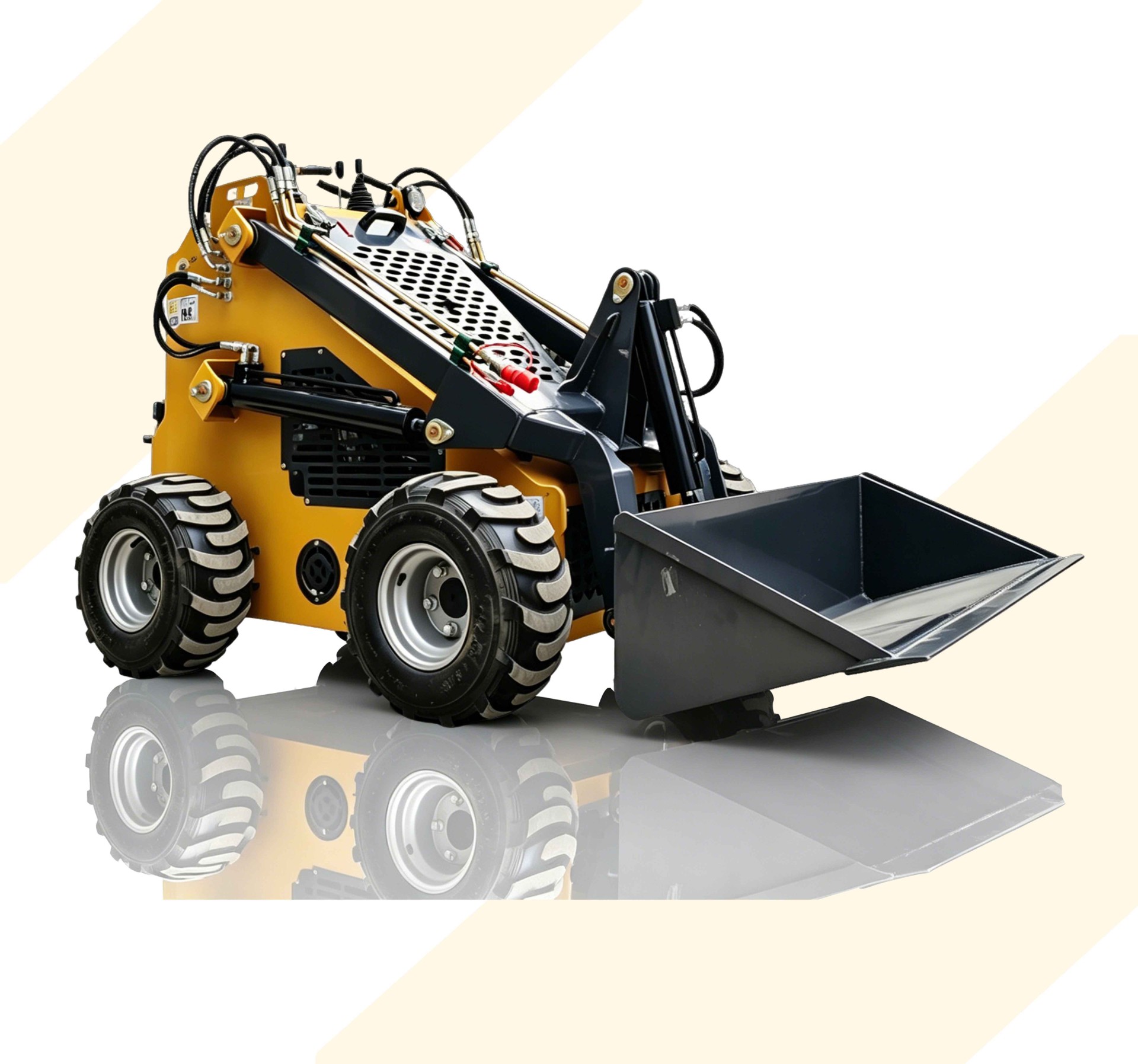
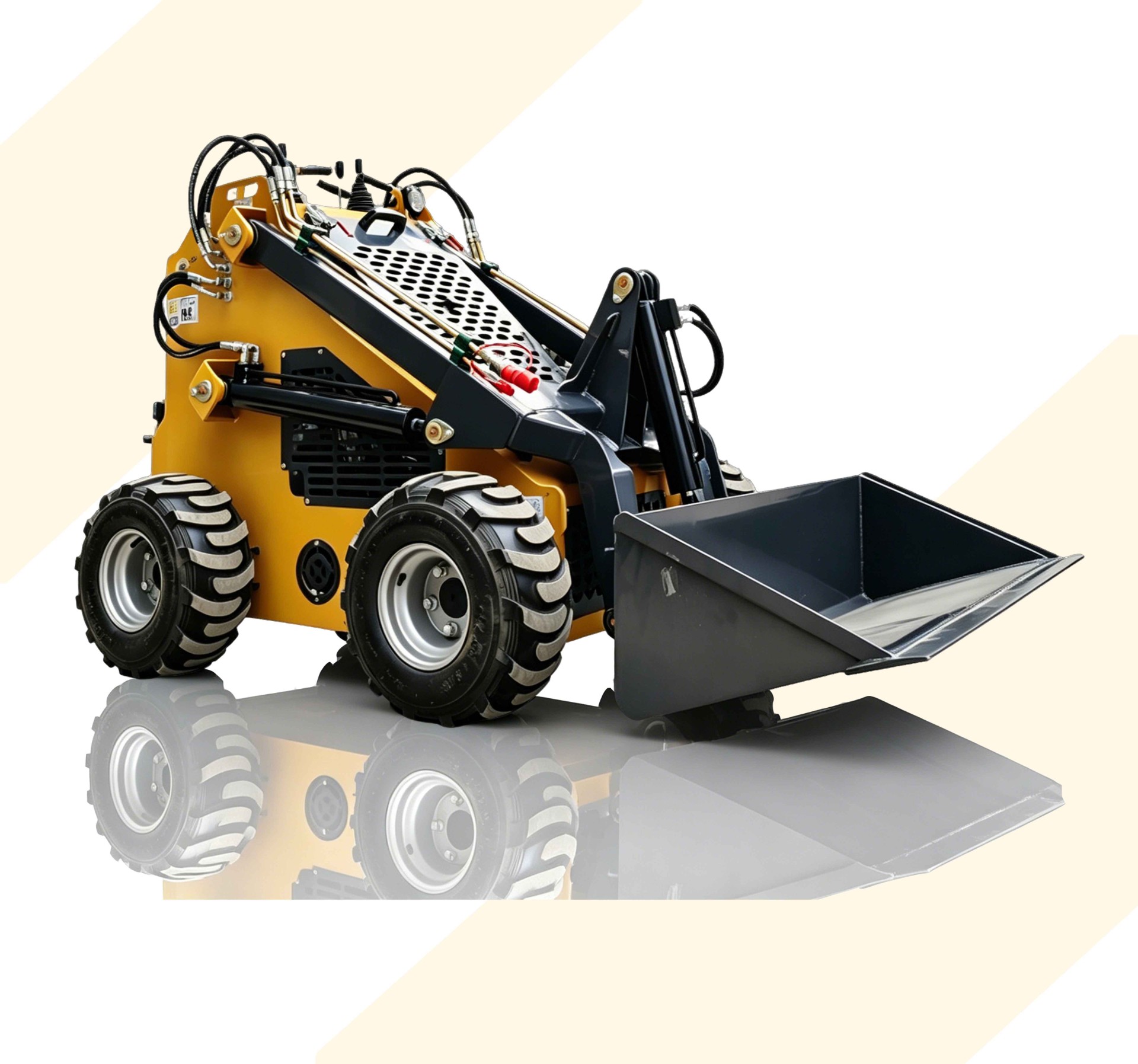
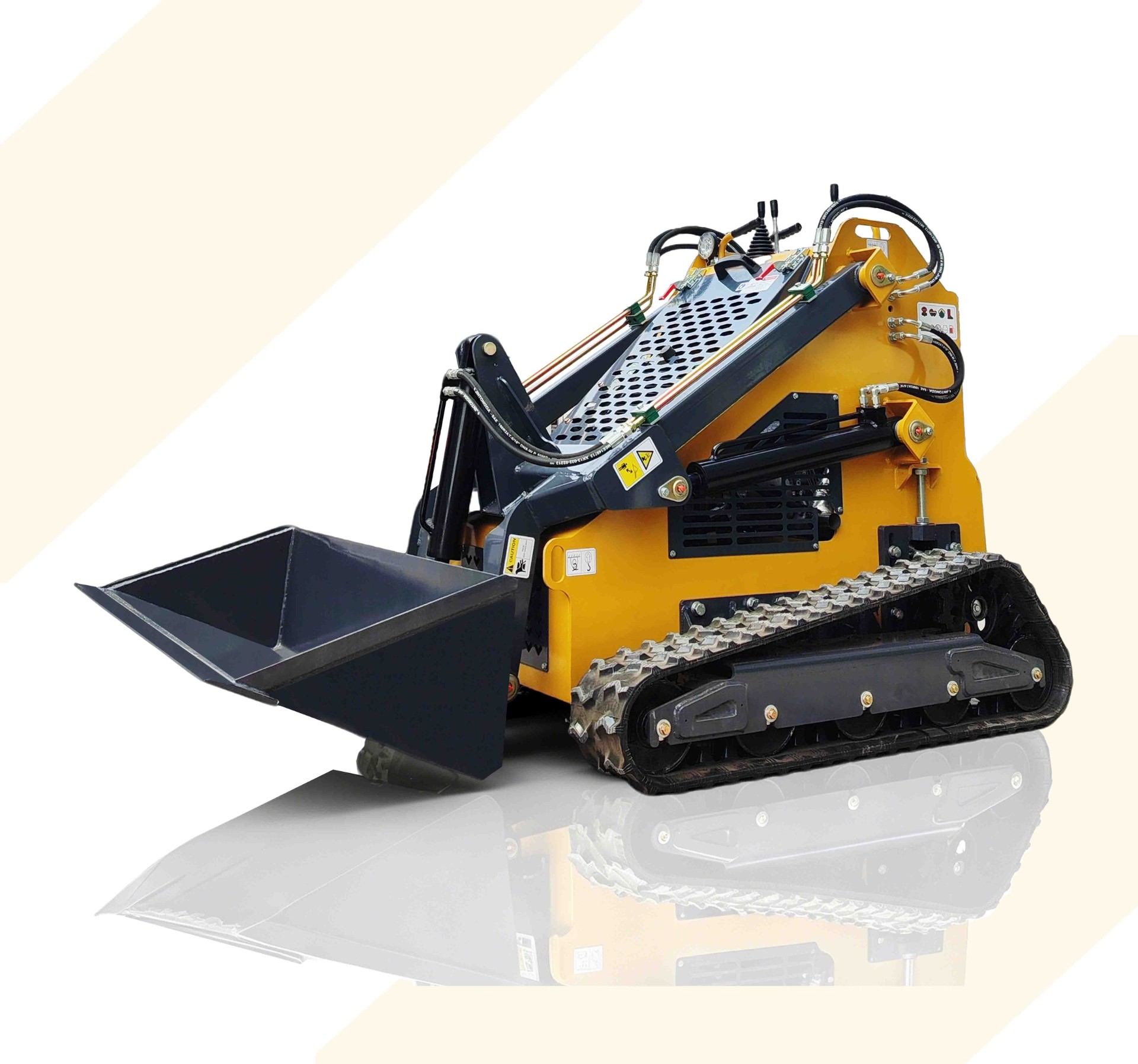
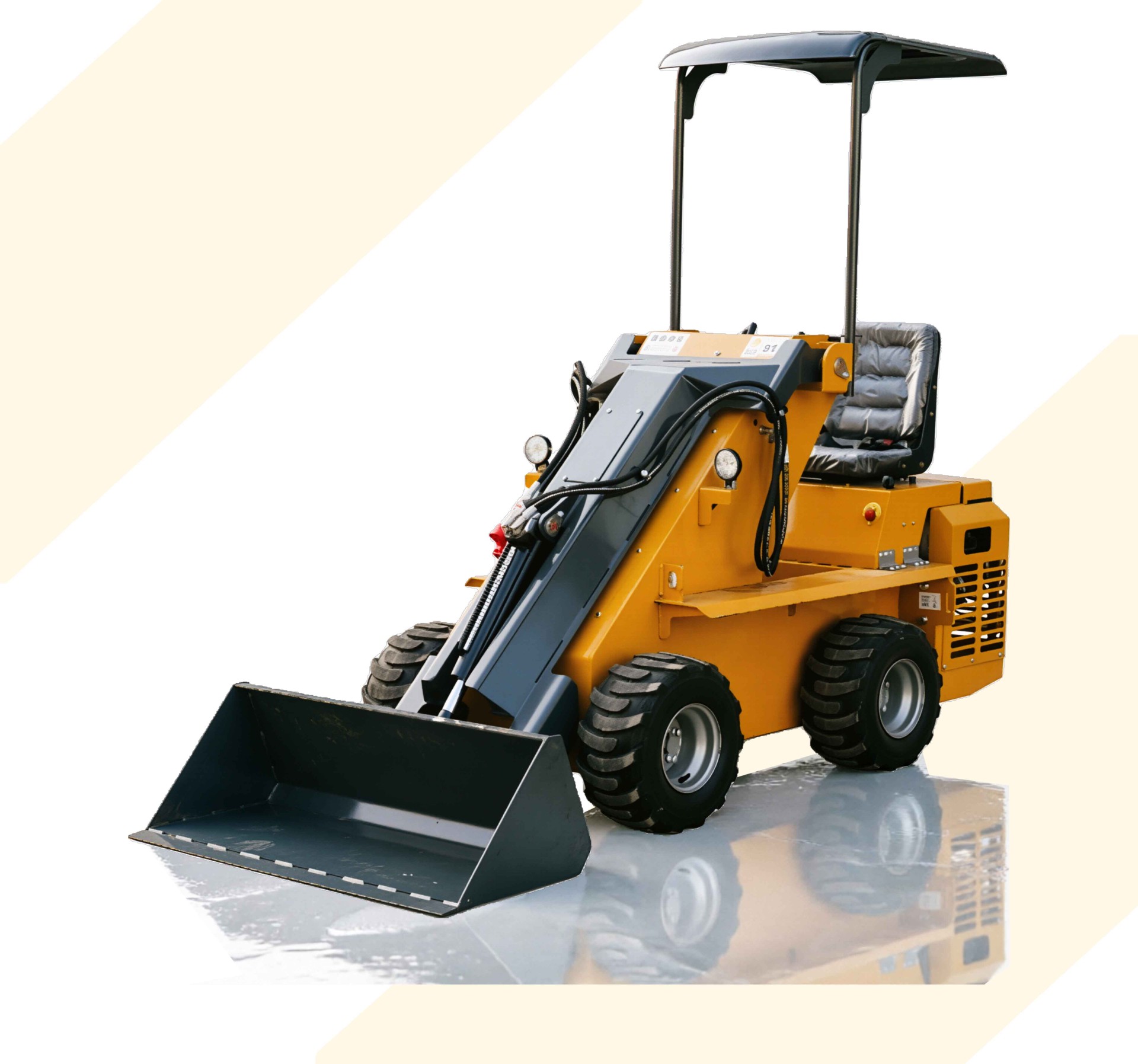
When procuring construction machinery, many overseas buyers are deterred by the higher upfront price tag of electric loaders. However, savvy investors look beyond the down payment and focus squarely on the Total Cost of Ownership (TCO). TCO encompasses the purchase price, energy consumption, maintenance, downtime losses, and residual value. Once you crunch these numbers, you'll realize that electric loaders are not "expensive toys" but rather legitimate "profit centers."
1. Energy Costs: A Cliff-Like Gap
Energy expenditure is the primary driver of operational costs. Let's calculate based on a standard duty cycle: 6 hours/day, 250 days/year.
Diesel: A 0.5-ton diesel loader consumes approx. 2.5-3 liters per hour. At an average global price of $1.20/L, the annual fuel cost is approx. $4,500.
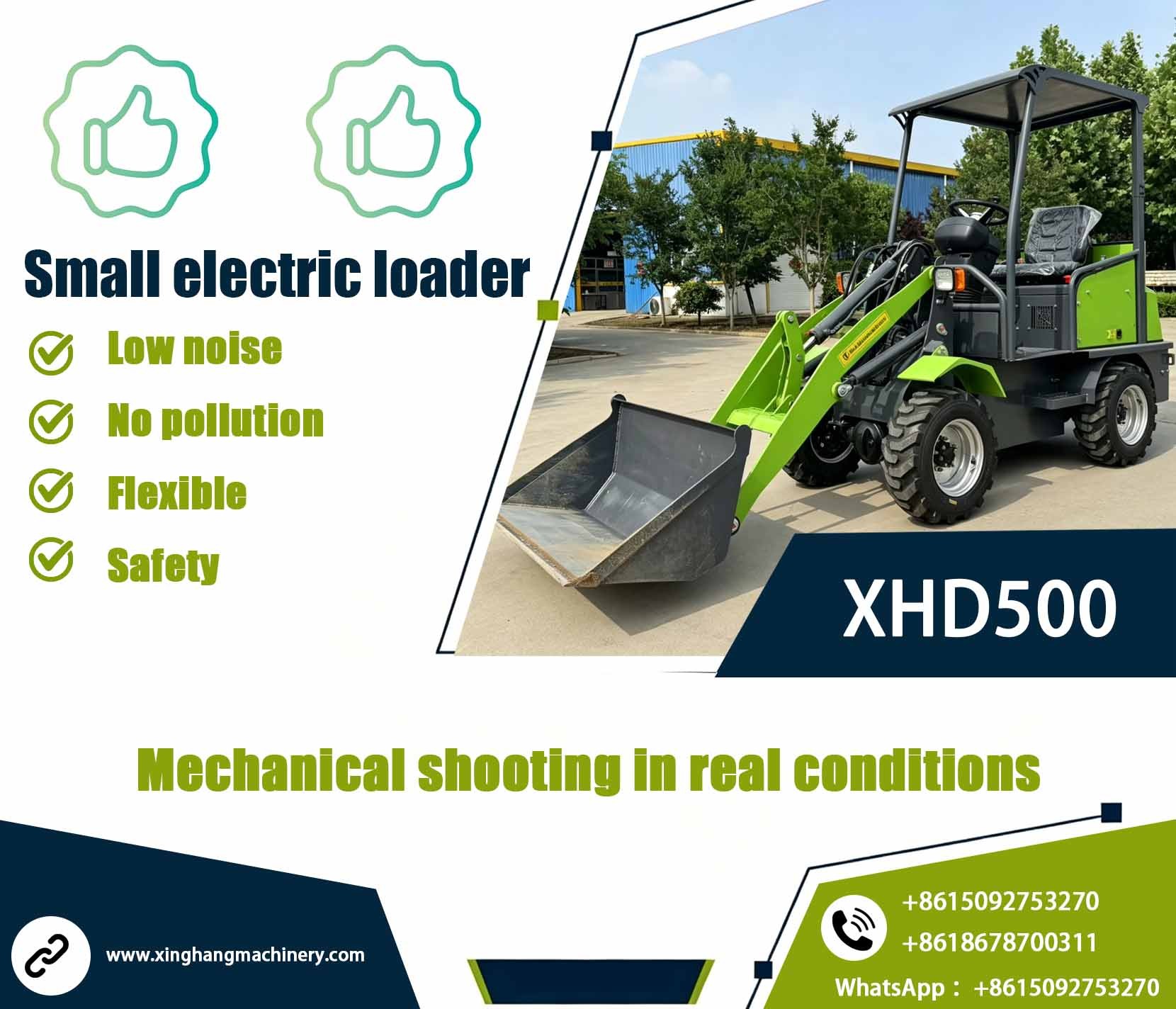
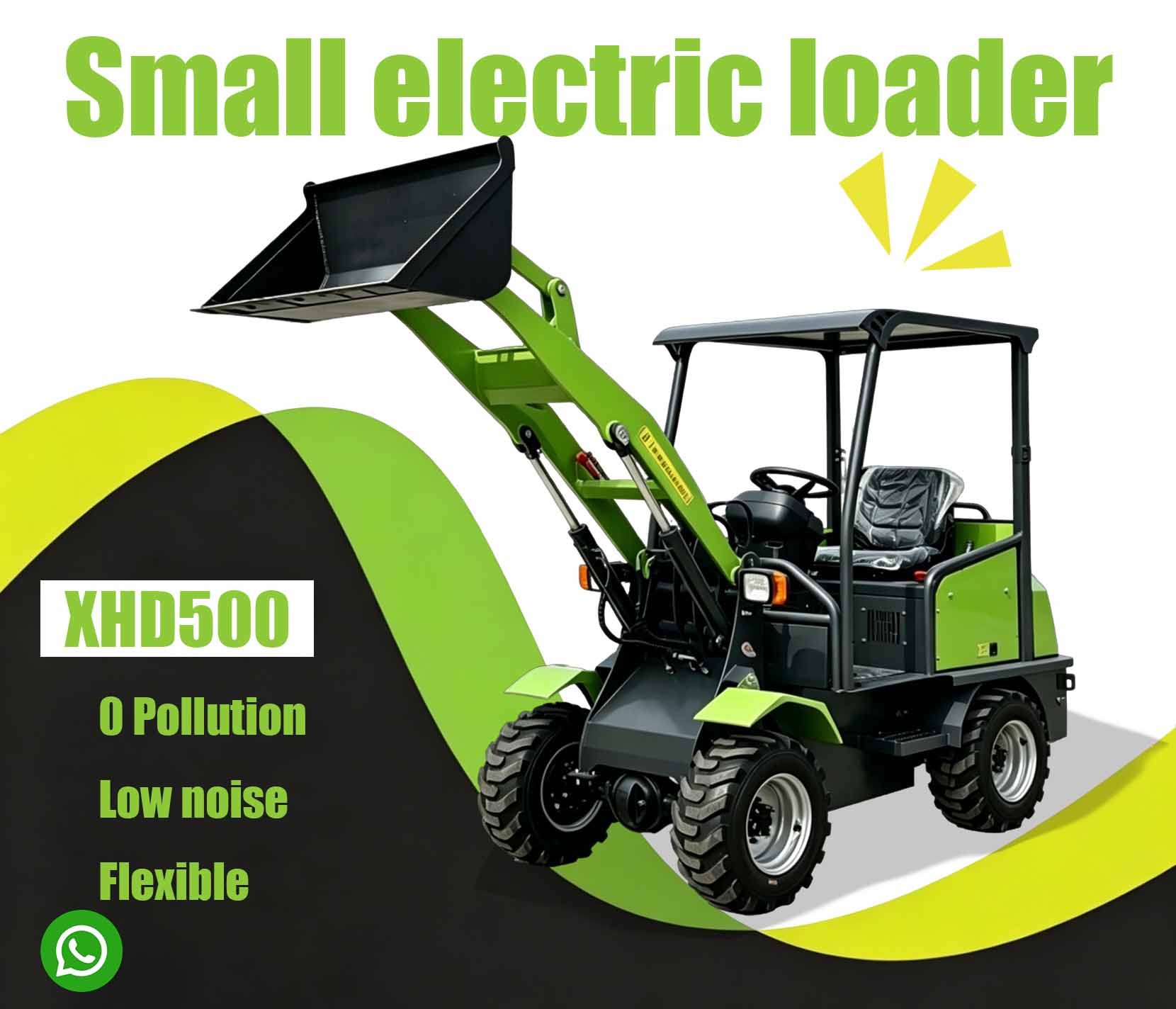
Electric: A comparable electric loader (e.g., XHDL500A) consumes about 9-12 kWh over a 6-hour shift. At an average industrial rate of $0.15/kWh, the annual energy cost is only $450.
Conclusion: Just in energy, the electric loader saves approx. $4,000 per year. Over five years, the fuel savings alone could cover the purchase of a brand-new machine.
2. Maintenance Costs: Saying Goodbye to "Maintenance Ambushes"
Diesel maintenance is a cumbersome and expensive endeavor, involving engine oil, three filters (oil, fuel, air), coolant, belts, and costly after-treatment systems (DPF regeneration, DEF).
Diesel: Requires frequent oil and filter changes. As the machine ages, high-pressure common-rail systems (turbo, injectors) fail frequently. Annual maintenance averages $800-$1,200.
Electric: Mechanically simple—no oil, no filters, no DPF, no DEF. Only periodic checks of gear oil and hydraulic oil are needed. Annual maintenance can be as low as $150-$250.
Conclusion: Electric loader maintenance costs are only 1/5th to 1/6th of diesel. This saves not just money, but also the hassle and downtime associated with frequent repairs.
3. Downtime Losses: The Invisible Profit Drain
For rental companies or contractors, a broken machine loses money and risks penalty clauses.
Diesel: Numerous moving parts in harsh, high-temperature environments lead to higher failure rates. Repairs often take 3-7 days waiting for parts.
Electric: Minimal moving parts result in exponentially lower failure rates. Even if issues arise, modular designs allow for quick swapping of motors or controllers.
Value Calculation: Assuming a $300/day loss in rental/contract value. Diesel downtime (5 days/year) = $1,500 loss; electric versions experience near-zero downtime.
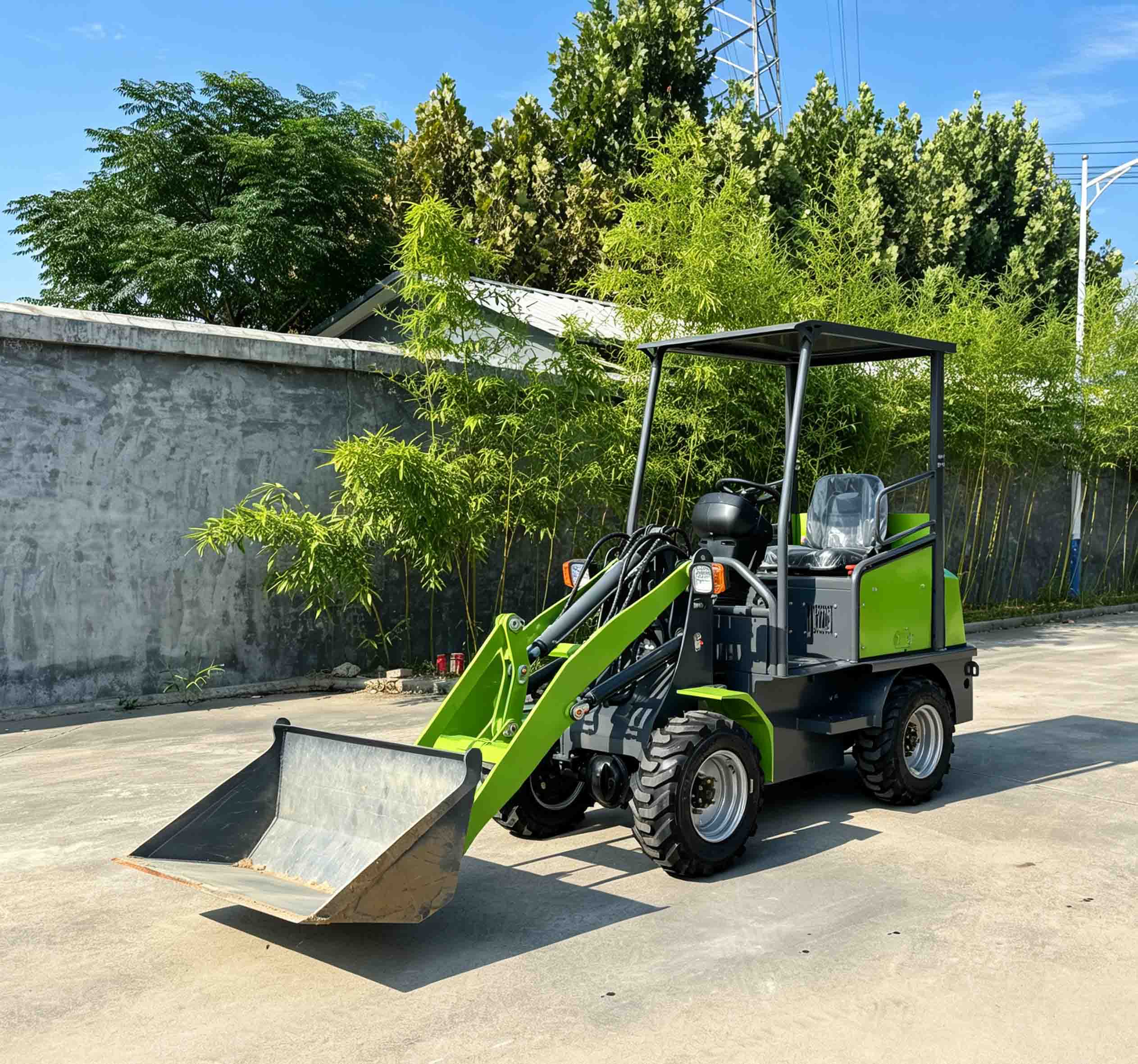
4. Compliance & Hidden Revenue: Intangible Asset Appreciation
In many developed nations, environmental regulations translate into tangible costs or benefits:
Fine Avoidance: Diesel machines often face fines for night work or entering Ultra-Low Emission Zones (ULEZ); electric loaders are fully compliant.
Subsidies & Tax Credits: The EU, North America, and parts of Asia offer purchase subsidies, tax rebates, or accelerated depreciation for zero-emission equipment, directly offsetting the purchase price.
Bid Competitiveness: In tenders for municipal landscaping or indoor renovations, "Zero Emissions" is often a scoring criterion or a hard requirement. Owning an electric loader opens doors to more bids and justifies higher pricing.
5. Residual Value: Which Holds Value Better?
Diesel: Engine wear, aging exhaust systems, and general deterioration slash resale value. After 5 years, residual value typically drops to 20%-30% of the original price.
Electric: LFP batteries retain 70%-80% capacity after 5 years, and the chassis suffers no exhaust corrosion. Crucially, used electric equipment is a scarce commodity, especially in carbon-restricted zones. The 5-year residual value often reaches 35%-45% of the original price.
6. TCO Calculation Table: The Numbers Don't Lie
Assume a diesel loader costs $8,000 and a comparable electric loader costs $14,000 (Price Gap: $6,000).
Cost Item | Diesel (5-Year Total) | Electric (5-Year Total) | Difference (Savings) |
|---|---|---|---|
Purchase Price | $8,000 | $14,000 | -$6,000 |
Energy Cost | $22,500 | $2,250 | +$20,250 |
Maintenance | $5,000 | $1,000 | +$4,000 |
Downtime Loss | $7,500 | $500 | +$7,000 |
Compliance/Fines | $2,000 (Est.) | $0 | +$2,000 |
Total 5-Yr Cost | $45,000 | $17,750 | +$27,250 |
Residual Value | -$2,400 | -$6,300 | -$3,900 |
Net Cost | $42,600 | $11,450 | +$31,150 |
Return on Investment (ROI):
Annual Savings: ~$5,450.
$6,000 Gap ÷ $5,450 ≈ 1.1 Years.
In other words, after approximately 13 months, the electric loader has paid for its own price premium through savings. Every year thereafter is pure profit.
Conclusion
Often, the cheapest machine is the most expensive in the long run. Electric loaders keep the substantial funds usually sent to oil companies and repair shops firmly in your pocket. In an era of sustained high energy prices and global consensus on carbon reduction, choosing an electric loader is choosing a path of low-cost, high-compliance, and sustainable profitability.