 Chinese
 English
 Russian
The Changing Landscape of Indoor Construction Requirements
Over the past decade, construction activity has increasingly shifted toward renovation, retrofitting, and interior fit-outs in occupied or semi-occupied buildings. Unlike greenfield outdoor sites, these environments impose strict limitations on equipment selection. Hospitals must remain operational, schools must continue classes, commercial offices require uninterrupted climate control, and residential buildings demand minimal disturbance to tenants. In such contexts, the traditional reliance on diesel-powered compact loaders becomes a liability. Exhaust fumes pose health risks in HVAC-recirculated air, engine noise violates occupational noise limits, and large turning radii make navigation through stairwells, elevators, and narrow corridors impossible.
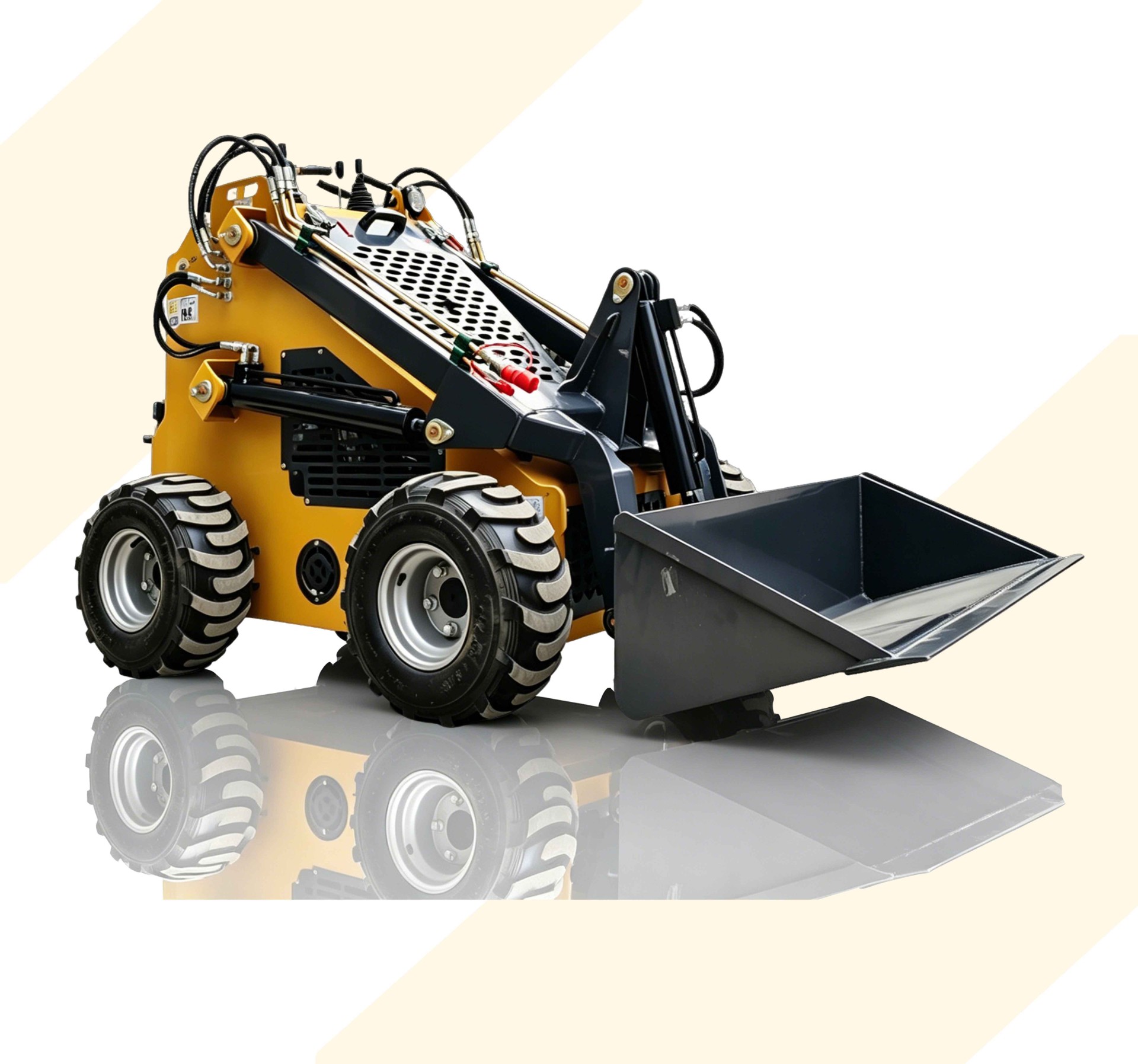
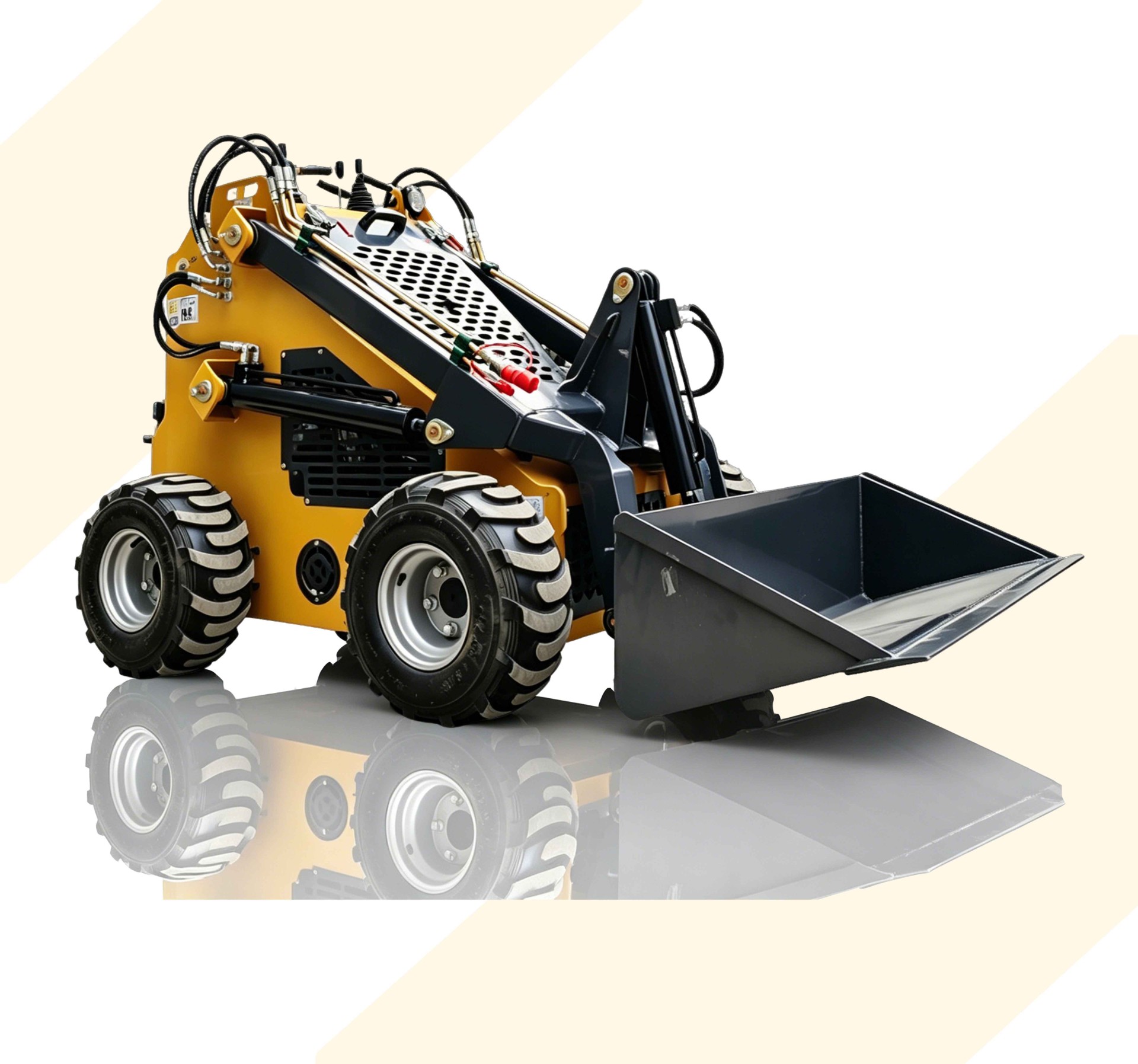
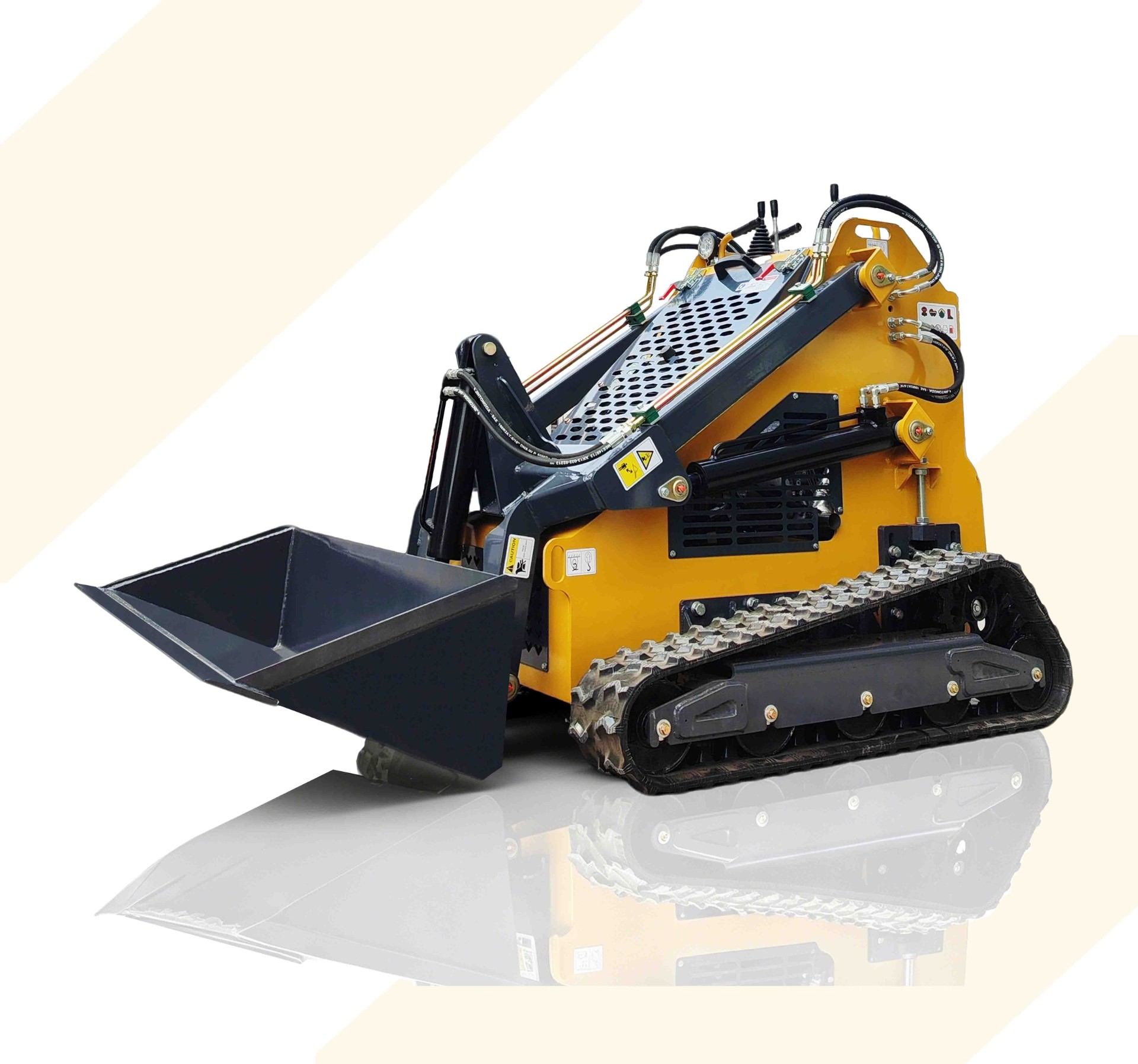
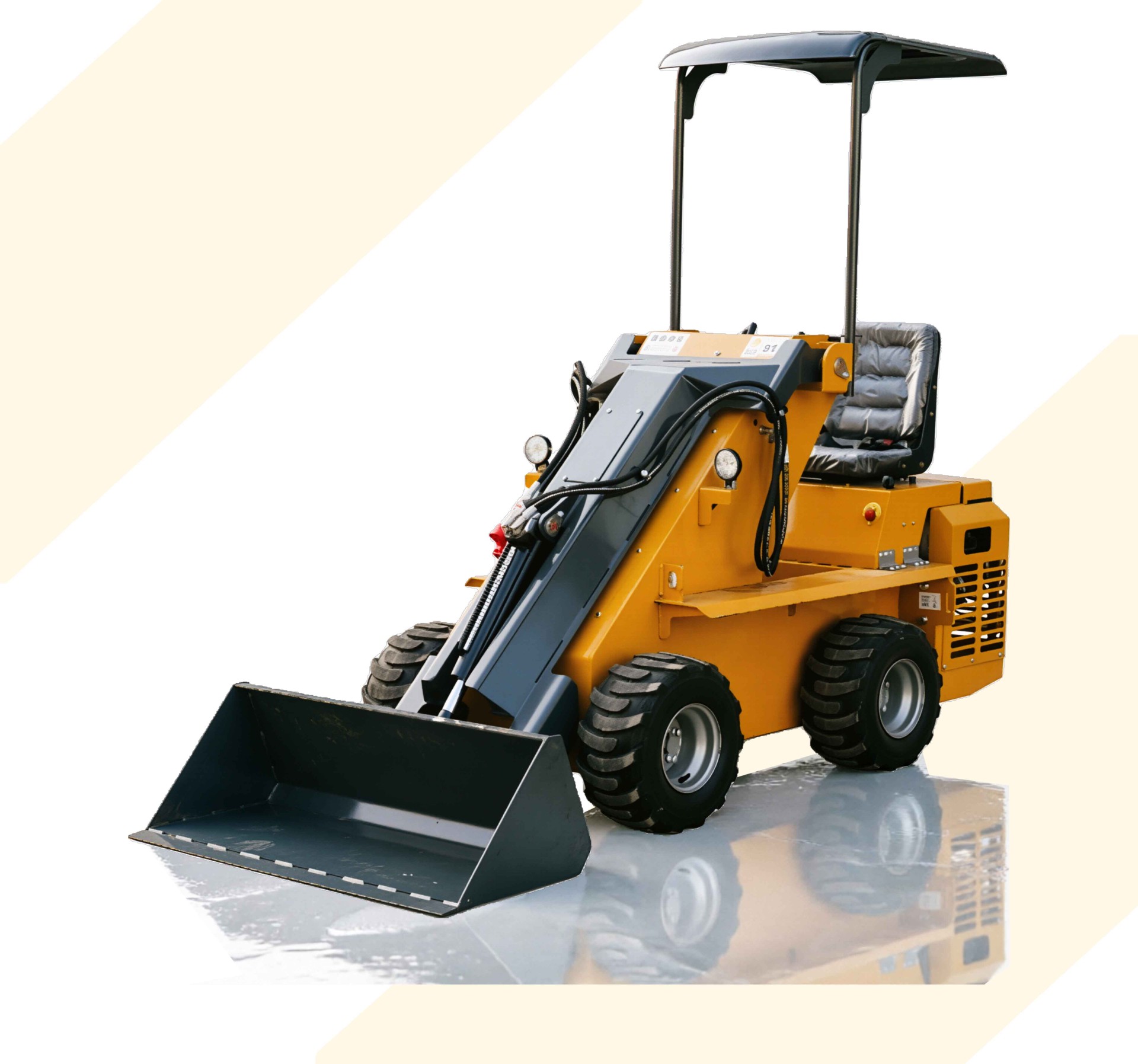
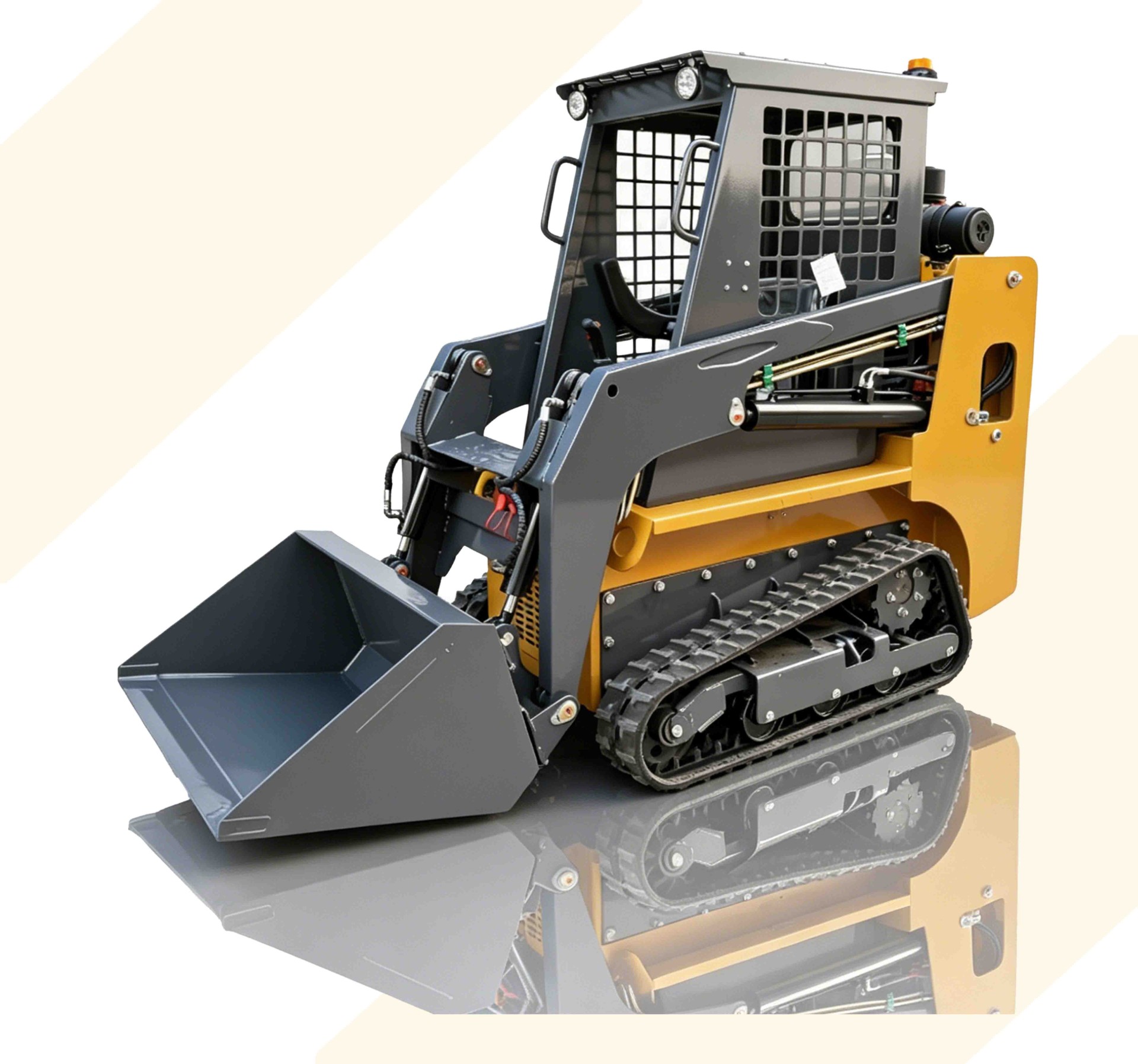
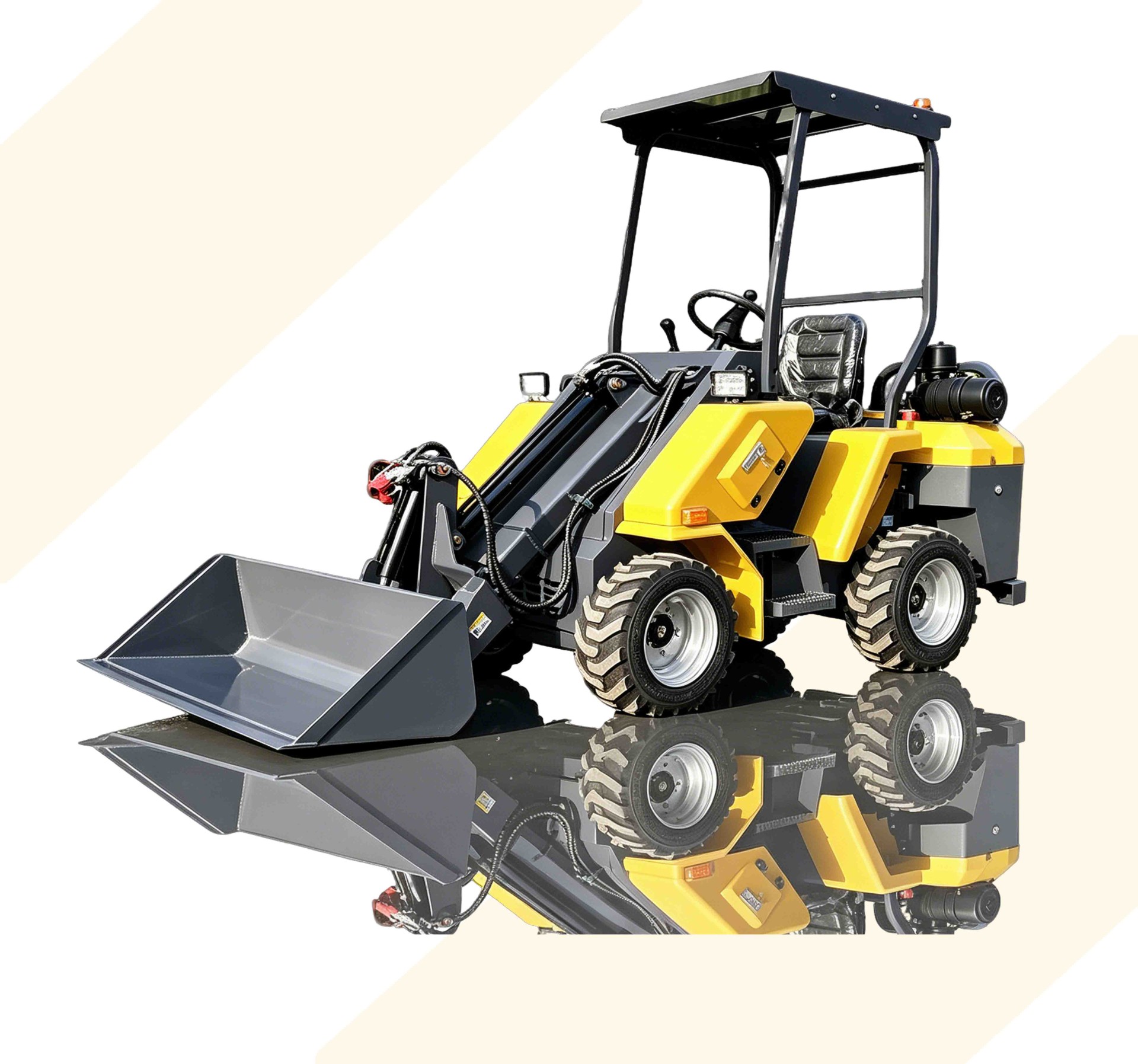
Electrified compact loaders have arisen to fill this gap, and among them, the product line developed by Jining Xinghang Machinery Manufacturing Co., Ltd. stands out for its focus on small-scale, high-efficiency electric machinery. Headquartered in Jining’s Yanzhou District—a region synonymous with heavy equipment manufacturing in China—Xinghang has deliberately oriented its innovation toward small electric construction equipment rather than competing in saturated large-machine markets. This specialization is evident in the XHD series, which spans from the 0.4-ton XHD400 to the 2.5-ton telescopic XHD25T, each model refined for confined-space agility, silent operation, and zero-emission compliance.
Acoustic Engineering and Low-Vibration Operation Indoors
Noise is perhaps the most immediate complaint when introducing machinery into indoor environments. Diesel engines typically operate above 85–90 decibels at close range, exceeding the 70 dB recommended limit for indoor work areas and triggering compliance issues with OSHA and local labor regulations. Electric motors, by contrast, generate sound primarily from cooling fans and hydraulic pumps rather than combustion. The Xinghang XHD series employs low-noise gear pumps paired with 3KW hydraulic motors and 4KW or dual 2.5KW drive motors with flat-wire windings that optimize electromagnetic efficiency and reduce audible hum.
This acoustic profile allows contractors to work during daytime in active hospitals or schools without evacuations or noise-related stoppages. Nighttime interior work in residential complexes becomes viable as well, since the electric loader’s sound signature blends into ambient background levels. Reduced vibration is another byproduct of electric propulsion. Without the reciprocating mass of pistons and crankshafts, the XHD loader transmits less harmonic vibration to the chassis and the ground. This benefits both the operator—who experiences less physical fatigue—and the building structure, where excessive vibration could damage sensitive fixtures, ceiling grids, or laboratory equipment in adjacent rooms.
Spatial Intelligence: Dimensions, Turning Radius, and Doorway Access
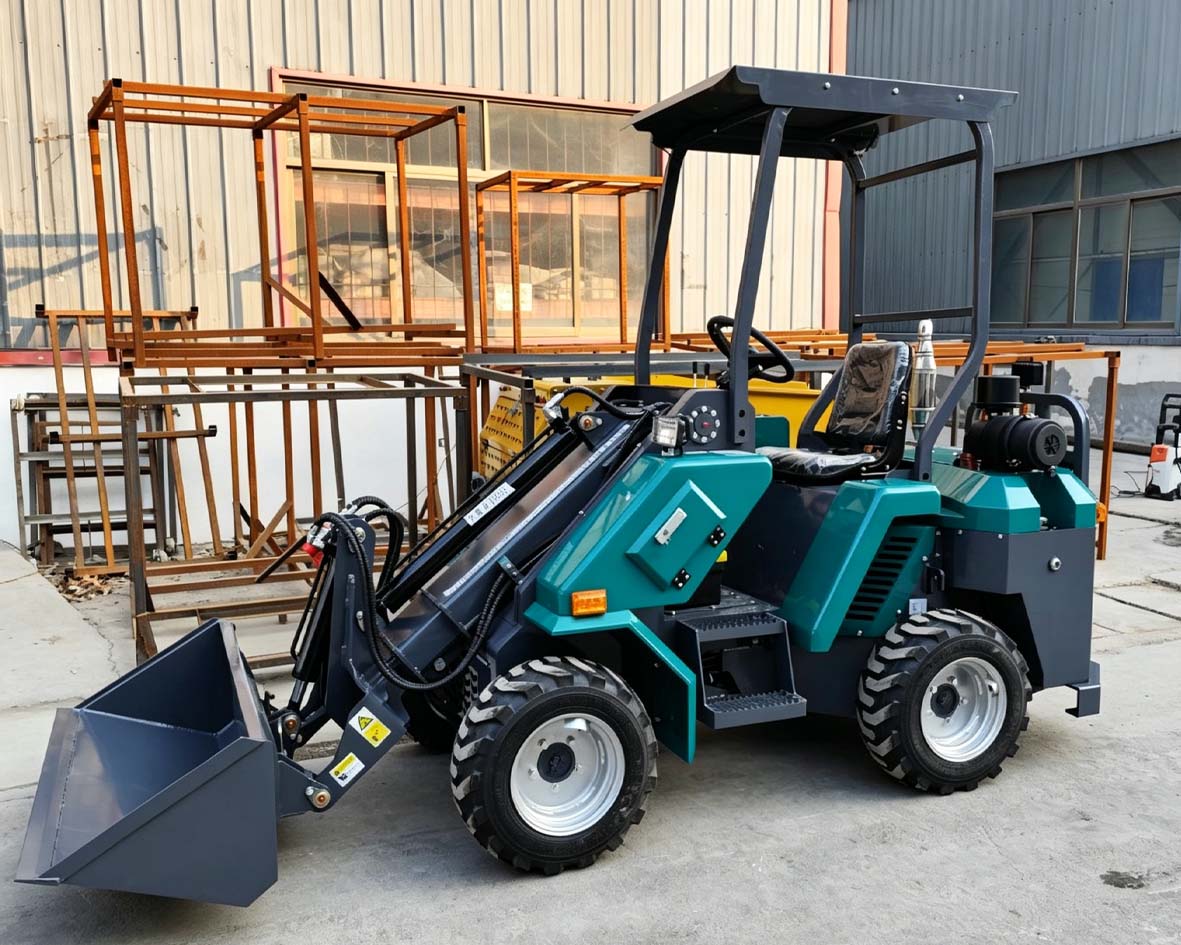
Indoor job sites are defined by architectural constraints. Standard commercial doorways in many regions measure between 900mm and 1200mm in clear width. Freight elevators may restrict both width and height. Basement ramps often have tight turning clearances. The Xinghang XHD04 model, with a width of 1040mm and height of 2100mm, is specifically engineered to clear these thresholds. Its length of 3280mm and wheelbase of 1350mm contribute to a manageable turning envelope under hydraulic steering, avoiding the aggressive tire scrub of skid-steer designs that can damage polished indoor flooring.
For projects requiring entry into high-rise floors via passenger or service elevators, weight distribution becomes critical. The XHD400 and XHD500 both maintain an operating weight around 1240kg, which is within the load rating of many commercial freight elevators—unlike larger 2-ton diesel loaders that are elevator-incompatible. This enables the machine to be lifted directly to the work floor, eliminating the need for manual material hoisting and significantly accelerating interior renovation timelines.
The XHD08 and XHD10 models, while wider at 1160mm and 1260–1300mm respectively, cater to larger indoor spaces such as logistics halls, airport terminals, and big-box retail stores undergoing remodel. Their increased lift capacities—800kg and 1000kg—allow fewer trips when moving demolition rubble or palletized materials, optimizing workflow efficiency in open yet enclosed environments.
Hydraulic Responsiveness and Electronic Control Integration
Indoor tasks often demand finer control than outdoor bulk material handling. Positioning a load precisely beneath a mezzanine conveyor, aligning forks with pallet pockets in narrow racking, or modulating a breaker against an interior wall requires smooth, predictable hydraulic response. The Xinghang electric loaders achieve this through integrated electronic control handles that unify directional drive, speed shifting, and implement control into a single ergonomic interface. This eliminates the coarse mechanical linkages of older systems and allows proportional input, meaning the operator can feather the joystick for minute adjustments.
The CAN bus digital LCD instrument cluster reinforces this precision by displaying real-time system data: battery voltage, remaining charge, travel speed, and hydraulic pump RPM. Fault code visibility empowers on-site troubleshooting without specialized diagnostic tools. In indoor settings where calling in a technician may delay occupancy restoration, this autonomy is invaluable. Furthermore, the separation of drive and hydraulic motors—particularly in the XHDL400A and XHDL500A with dual 2.5KW drive units—ensures that hydraulic demand does not rob momentum from traction, maintaining steady positioning even when lifting at full rated load.
Battery Chemistry, Charging Infrastructure, and Indoor Safety
A frequent concern with indoor electric equipment is battery safety, particularly thermal runaway risks. Xinghang addresses this by offering lithium iron phosphate (LiFePO4) options alongside traditional lead-acid. LiFePO4 chemistry is renowned for thermal stability, with decomposition temperatures exceeding 200°C, making it inherently safer in indoor settings where fire suppression may be compartmentalized. The 64V 150Ah and 180Ah LiFePO4 packs provide consistent voltage sag resistance under load, ensuring that hydraulic performance does not diminish as the battery discharges—a common issue with lower-quality battery systems.
Charging infrastructure is straightforward. The machines accept standard industrial charging inputs with approximately eight-hour full-cycle times. In facilities with 220V or 380V access—common in warehouses and commercial buildings—overnight charging requires no specialized electrical retrofit. For operations running two shifts, battery swapping or a mixed fleet of lead-acid and lithium units can stagger downtime. The absence of fuel storage tanks and diesel refueling indoors also removes fire code complications, as no flammable liquids are introduced into the workspace.
Attachment Versatility for Indoor Trade Sequencing
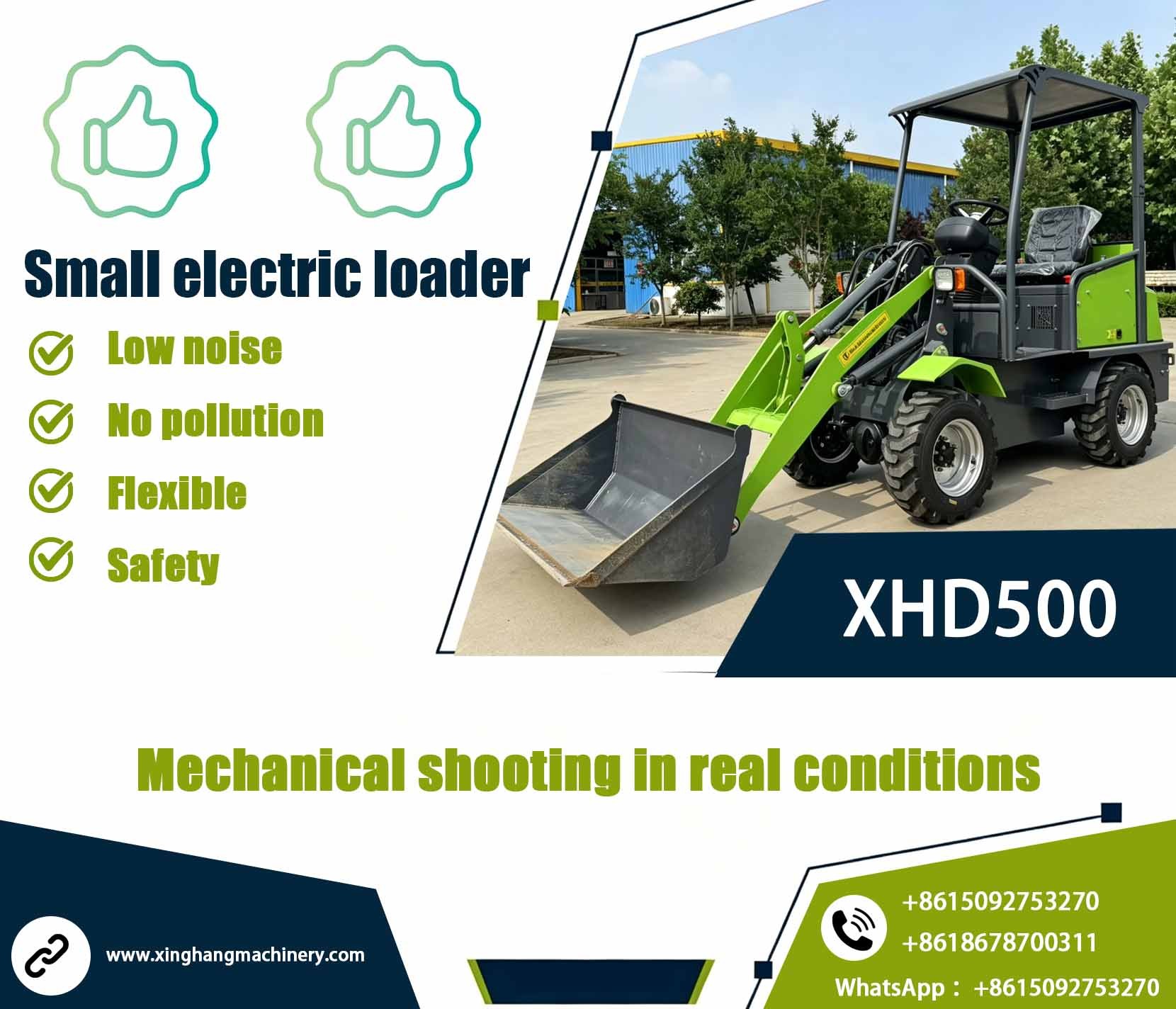
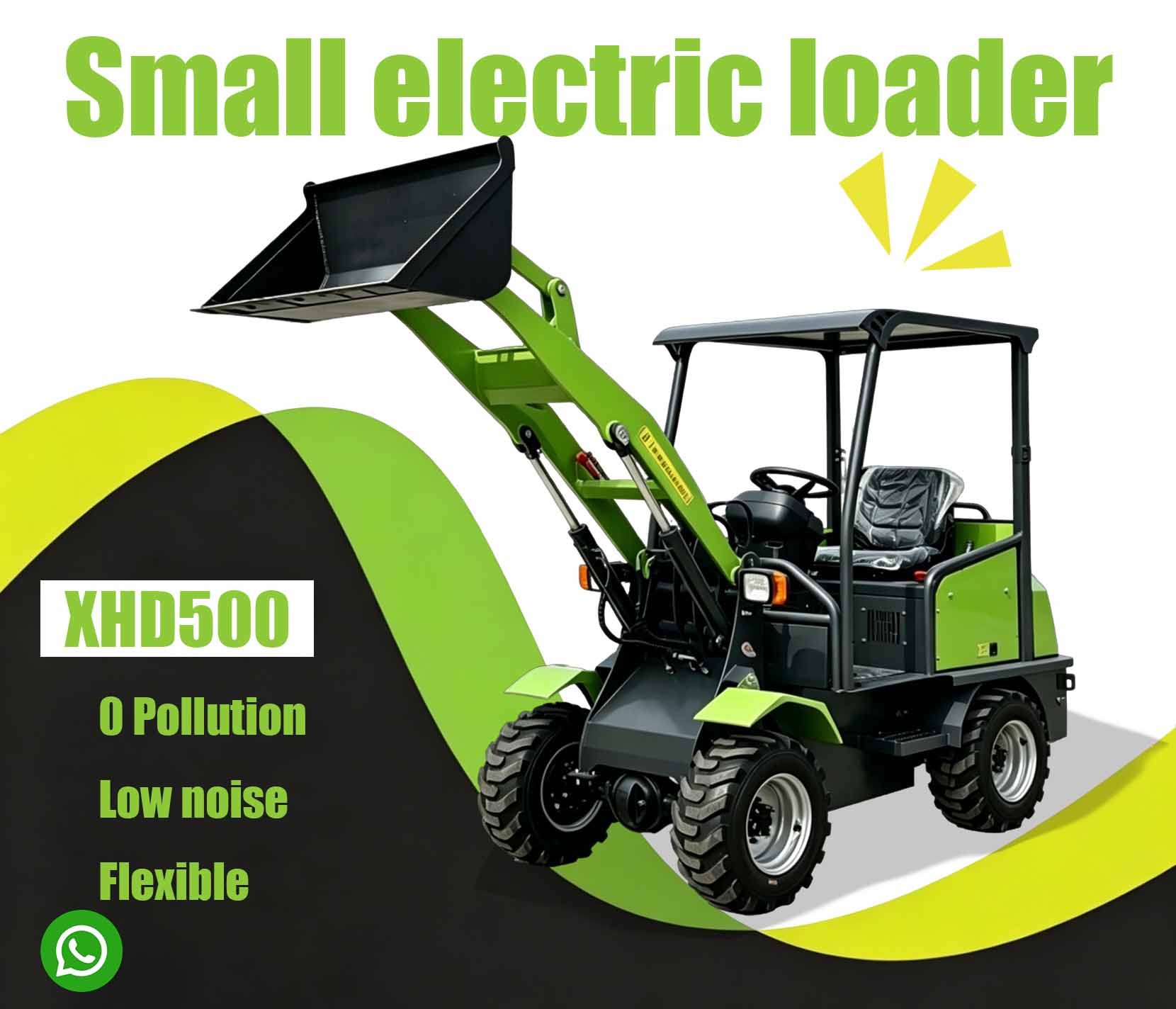
Interior construction follows a trade sequence: demolition, debris removal, substrate preparation, material installation, and finishing. Each phase benefits from different attachments on a single carrier machine. The Xinghang quick-attach system supports buckets for debris, forks for palletized drywall or ceiling tiles, sweepers for post-demolition dust control, augers for core drilling into slab or walls, and clamps for maneuvering ductwork or piping. The hydraulic system on the XHD500 delivers sufficient flow and pressure to run these implements without stalling, thanks to the dedicated 3KW hydraulic motor.
Using one electric loader across multiple trades reduces equipment congestion in tight indoor laydown areas. Instead of storing a dedicated sweeper, a forklift, and a mini excavator—none of which may fit through the same doorway—contractors deploy one XHD unit with interchangeable front ends. This consolidation lowers capital expenditure and simplifies indoor logistics, particularly in renovation sites where elevator trips are limited and staging space is premium.
Do electric loaders have enough power for indoor demolition cleanup?
Yes. Models like the XHD500 with 4KW drive motors and 500kg rated load capacity handle dense debris such as broken tile, concrete chunks, and saturated drywall effectively. The instant torque of electric motors aids in traction on smooth indoor floors.
Will the tires mark epoxy or polished concrete floors?
The standard 23 * 8.5-12 tires are industrial rubber compounds designed for general use. For sensitive flooring, non-marking variants can be specified. The hydraulic steering system also reduces lateral scrub compared to skid-steer turning.
How is operator visibility in narrow indoor aisles?
The XHD series features a compact hood profile and mast geometry that prioritizes forward visibility. The integrated LCD display consolidates gauges, removing bulky analog clusters from the sightline. Optional canopy or enclosed cab configurations further tailor visibility and protection.
Can these loaders be used on upper floors?
Yes, provided elevator weight limits accommodate the machine. The XHD400 at 1240kg and XHD500 at similar weight are within many commercial freight elevator ratings. Always verify building specifications before planning floor access.