 Chinese
 English
 Russian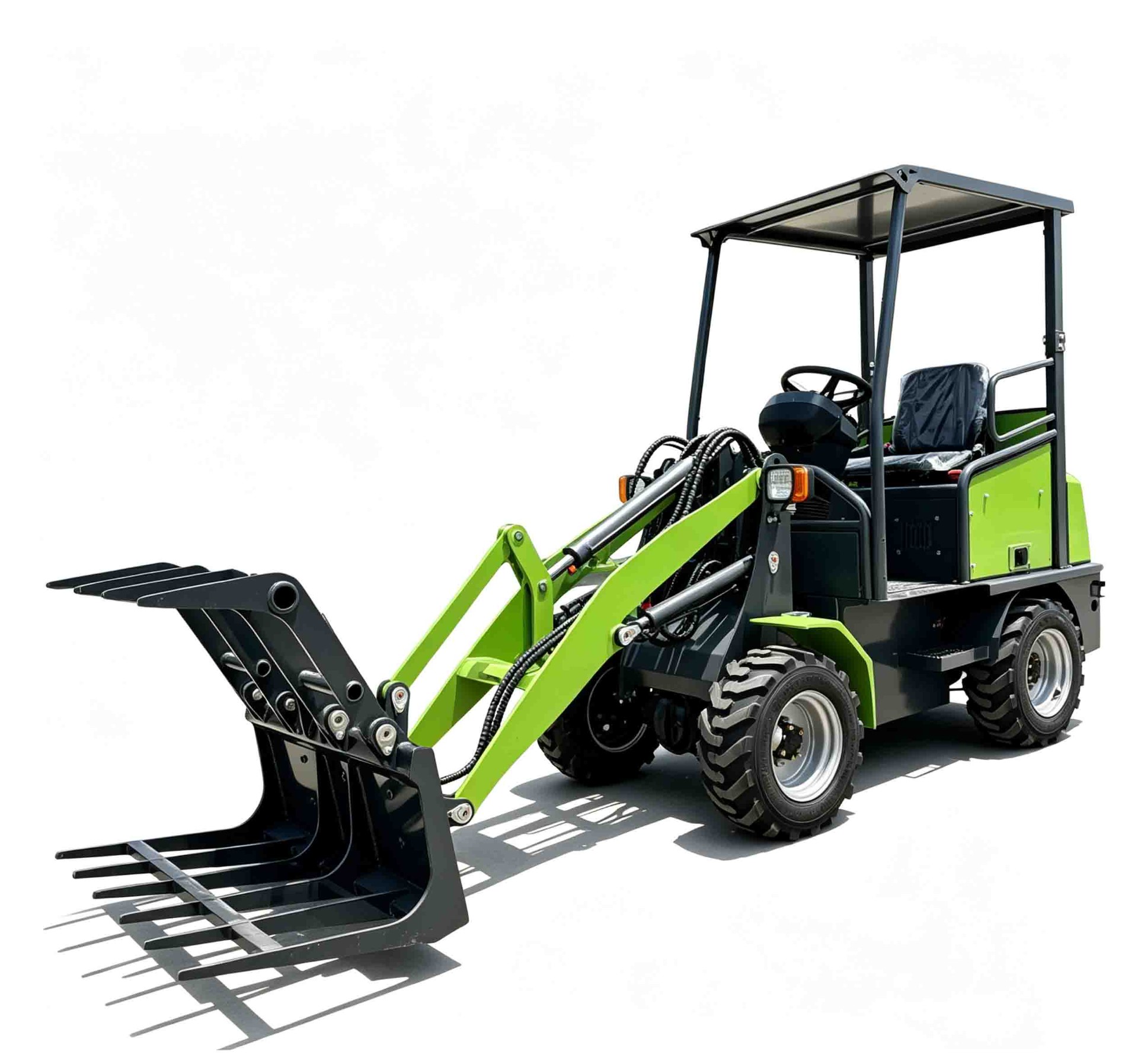
In the discourse surrounding construction equipment electrification, environmental benefits are often highlighted while economic viability is treated as a secondary or long-term outcome. Yet for indoor operations—where space constraints, air quality mandates, and noise ordinances already limit the use of diesel machinery—the economic case for electric compact loaders is immediate and measurable. Eliminating diesel indoors removes the need for auxiliary ventilation systems, reduces health-related liability, cuts fuel logistics, and lowers maintenance overhead. When these factors are quantified, electric loaders such as the Jining Xinghang XHD series emerge not only as compliant choices but as cost-advantaged assets.
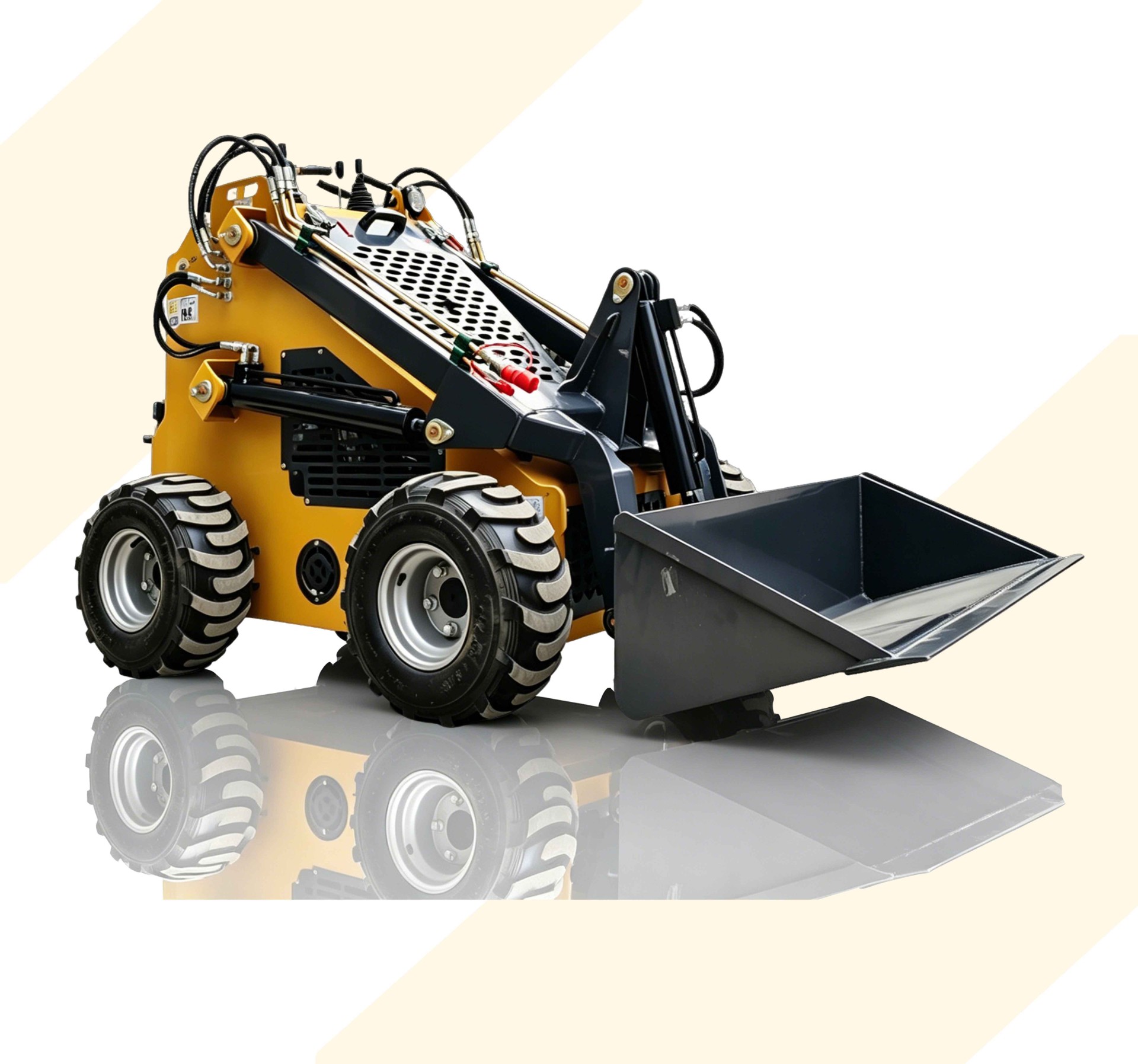
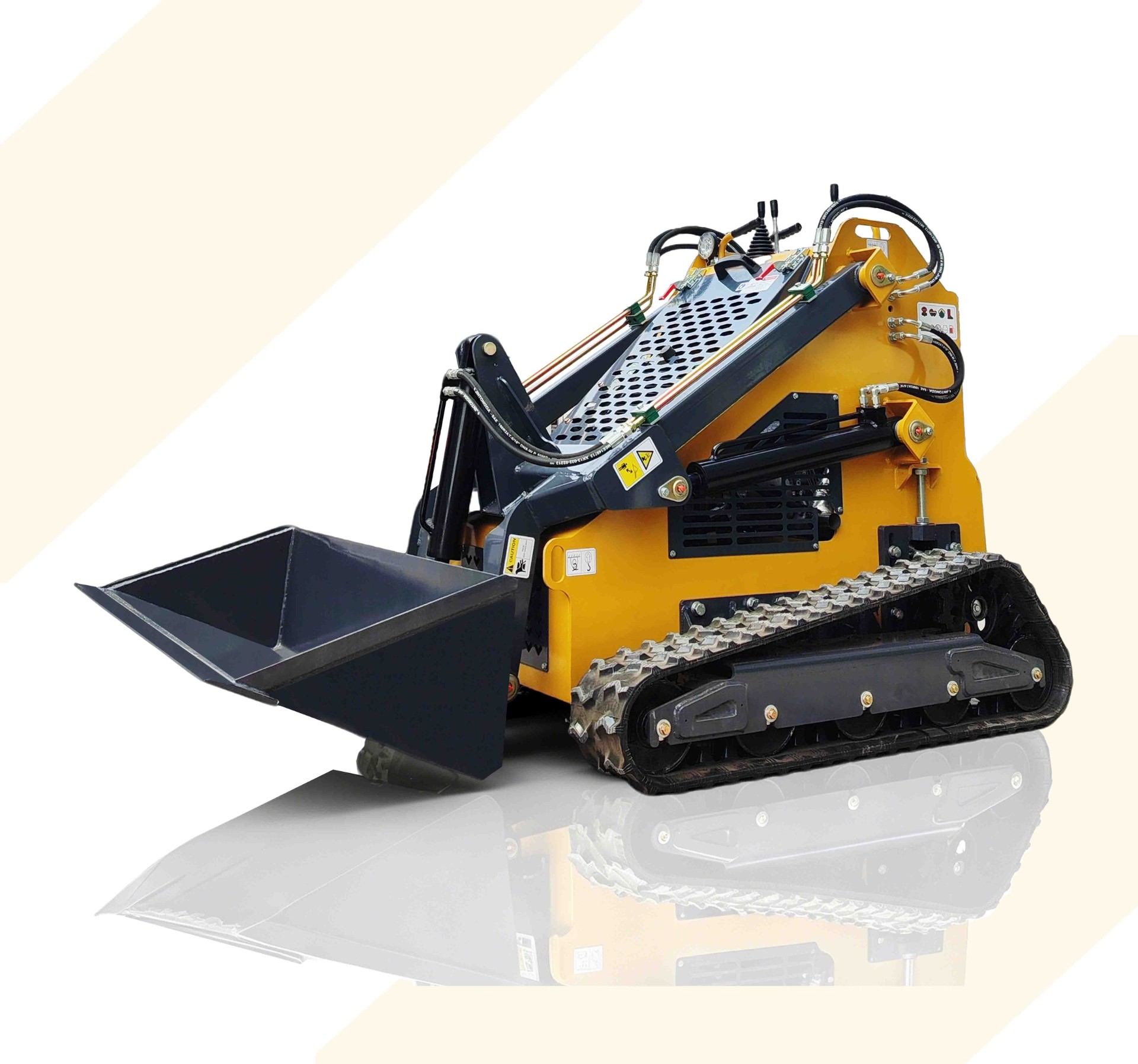
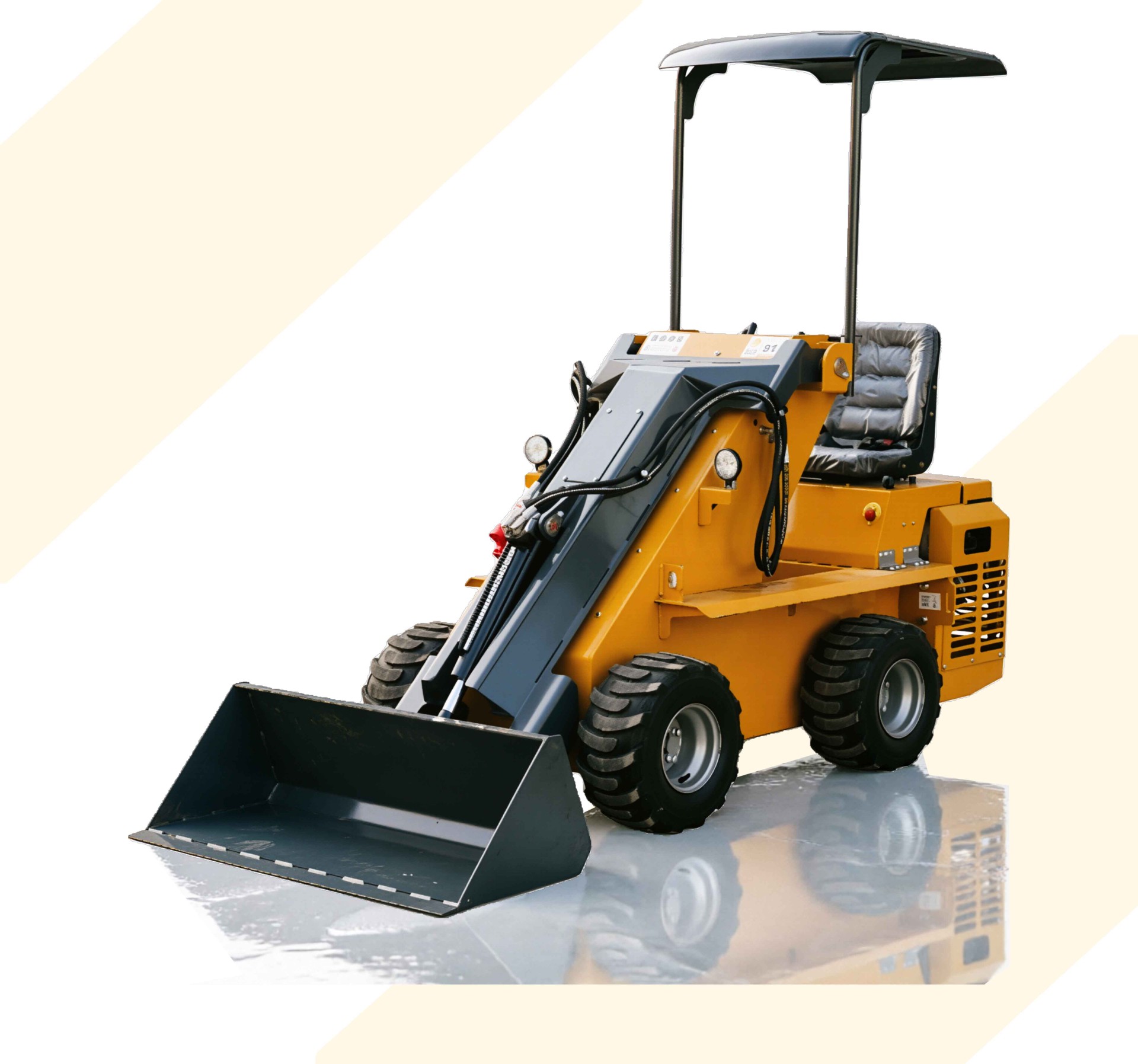
Jining Xinghang Machinery Manufacturing Co., Ltd., located in the engineering hub of Jining, Shandong Province, has built its product philosophy around this intersection of eco-efficiency and practical performance. Rather than scaling up, the company scaled down and electrified—focusing on mini and compact loaders from 0.4T to 2.5T that serve niche but high-value indoor and urban applications. Their XHD and XHDL product lines, certified under ISO9001, CE, and Euro V standards, reflect a design language centered on manganese steel durability, flat-wire motor efficiency, modular battery options, and digital control integration. This article explores the technical and economic dimensions of deploying these machines indoors, with emphasis on lifecycle cost, performance metrics, safety, and global applicability.
Total Cost of Ownership: Beyond Purchase Price
The acquisition cost of an electric loader is often higher than a comparable diesel unit at face value, yet this comparison ignores the total cost of ownership (TCO) over a 5–10 year lifecycle. TCO includes fuel or electricity, scheduled maintenance, unscheduled repairs, downtime, emissions compliance costs, and residual value. In indoor settings, diesel machines incur hidden costs: ventilation energy use, carbon monoxide monitoring, operator protective equipment, and potential fines for noise or fume violations. Electric loaders eliminate these line items.
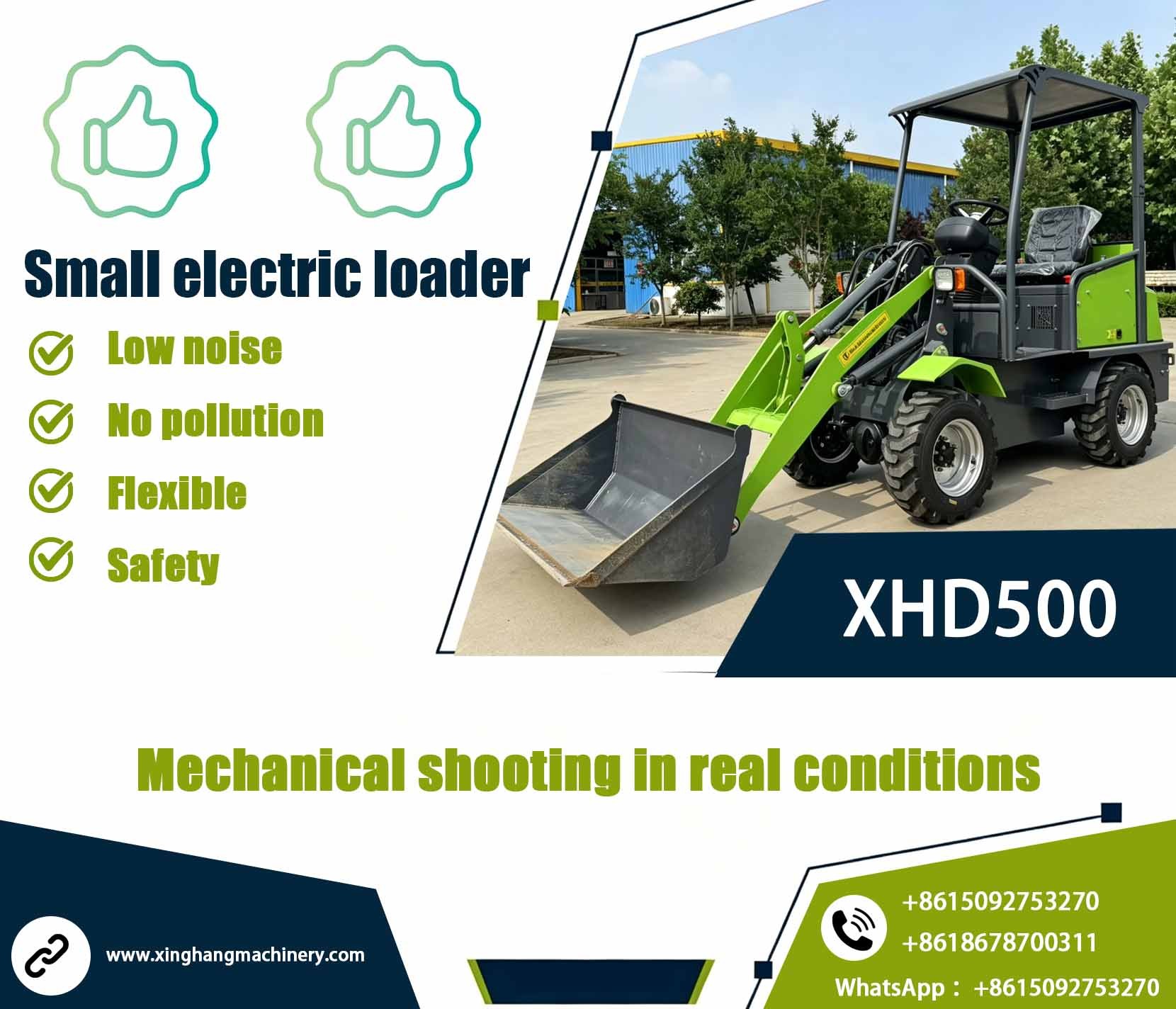
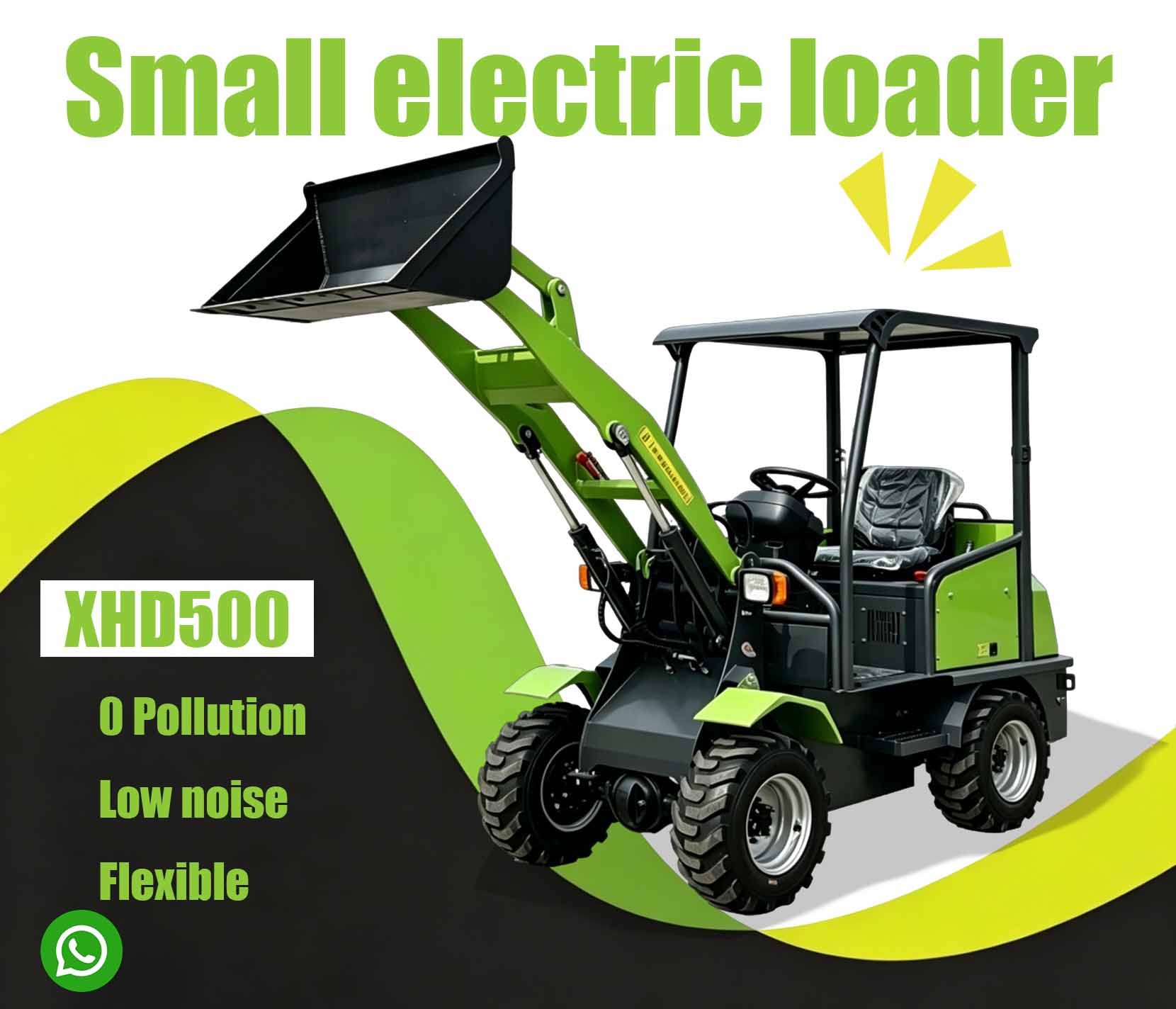
Xinghang XHD400 and XHD500 models run on 60V or 64V architectures with battery options spanning 150Ah to 180Ah in lithium and 160Ah in lead-acid. Electricity consumption per charge is a fraction of diesel fuel cost per equivalent hour. With no engine oil, fuel filters, air filters, injectors, turbochargers, or exhaust after-treatment to maintain, scheduled service intervals shrink to battery checks, hydraulic fluid inspection (38L tank on XHD04-class units), and tire rotation. The flat-wire motors feature higher slot fill rates and superior heat dissipation, extending insulation life and reducing winding failure risk. Controller auto-cooling further stabilizes electronics in warm indoor environments like bakeries, laundries, or boiler rooms where ambient temperature is elevated.
Downtime—often the largest unseen cost—is reduced because electric powertrains have fewer failure points. When a fault does occur, the CAN bus LCD dashboard outputs coded diagnostics, allowing targeted repair rather than exploratory disassembly. For contractors billing by the hour indoors, this reliability translates directly to project margin protection.
Thermal Management and Performance Consistency Indoors
Indoor environments often lack the convective cooling available outdoors. Enclosed parking garages, basements, and production floors can become heat sinks, especially in summer or in facilities with process heat. Diesel engines compound this by rejecting substantial thermal energy into the workspace, raising ambient temperature and increasing HVAC load. Electric motors, particularly the flat-wire design used in Xinghang loaders, operate at higher efficiency (less waste heat) and benefit from controller-integrated thermal management that modulates cooling fan engagement based on temperature rather than running continuously.
The 4KW drive motor and 3KW hydraulic motor in the XHD500, for example, maintain torque consistency across their discharge curve. Unlike diesel engines, which lose low-end responsiveness as altitude or temperature changes affect air density, electric motors deliver peak torque from zero RPM regardless of indoor climate conditions. This matters when pushing loaded buckets up basement ramps or maneuvering on slick epoxy floors where sudden power lag could cause traction loss or load shift. The full-time four-wheel drive system, coupled with electronically managed motor output, ensures smooth ramp climbing and controlled stopping without the surging associated with combustion engines.
Structural Design: Manganese Steel, Suspension, and Load Stability
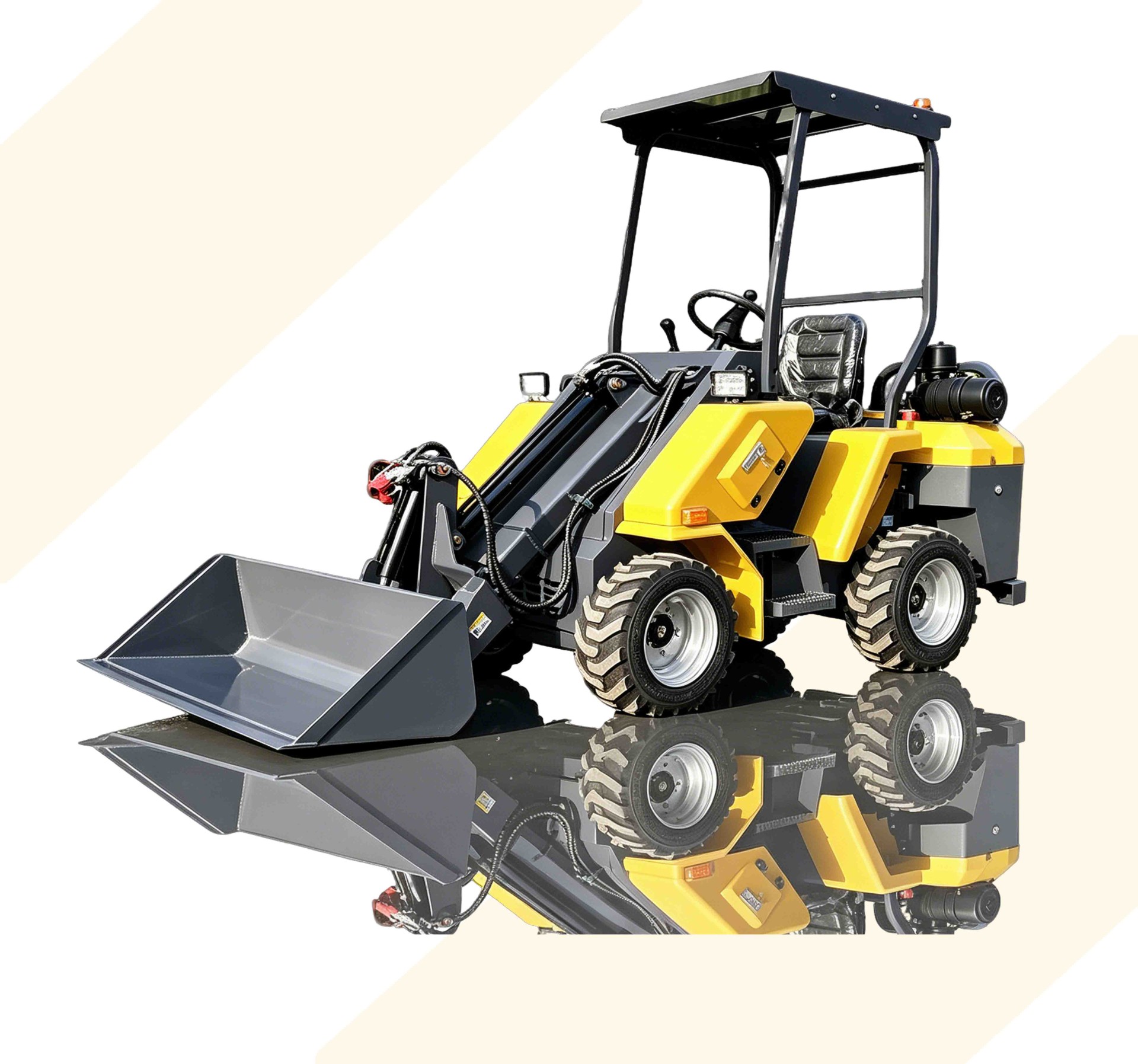
Indoor material handling often involves mixed floor conditions: concrete in warehouses, ceramic tile in retail, composite decking in modular buildings, or steel grating in industrial plants. Machine weight and ground pressure become critical to avoid surface damage. The XHD series chassis is fabricated from high-strength manganese steel, balancing rigidity with manageable mass. At 1240kg for the 0.4T and 0.5T classes, ground pressure remains distributed across four 23 * 8.5-12 tires, minimizing point loads that crack flooring.
The axles employ a fully suspended heavy-duty design, improving wheel articulation over minor irregularities such as expansion joints, floor transitions, or embedded conduit covers. This suspension travel preserves load stability—critical when transporting liquids, fragile materials, or stacked goods on forks. The 1450mm wheelbase on XHD400/500 models lengthens the stability triangle, reducing tip risk during lifting. With a dump height of 1600mm and lift height of 2600mm, these machines reach standard indoor container and hopper heights without requiring unstable extensions or manual material rehandling.
For heavier indoor applications, the XHD08 (0.8T, 1980kg) and XHD10 (1T, 2340kg) scale up structural capacity while widening to 1160mm and 1260–1300mm respectively. These are suited to logistics centers, manufacturing lines, and cold storage facilities where load density is higher and aisle space is marginally more generous. The XHD08 features a 72V 200Ah battery system and 5KW hydraulic motor, supporting sustained cyclic lifting of 800kg loads with 3140mm max lift height (standard arm) or telescopic extension on the XHD08T.
Scaling Up: When Indoor Needs Grow to 1.5T, 2T, and 2.5T
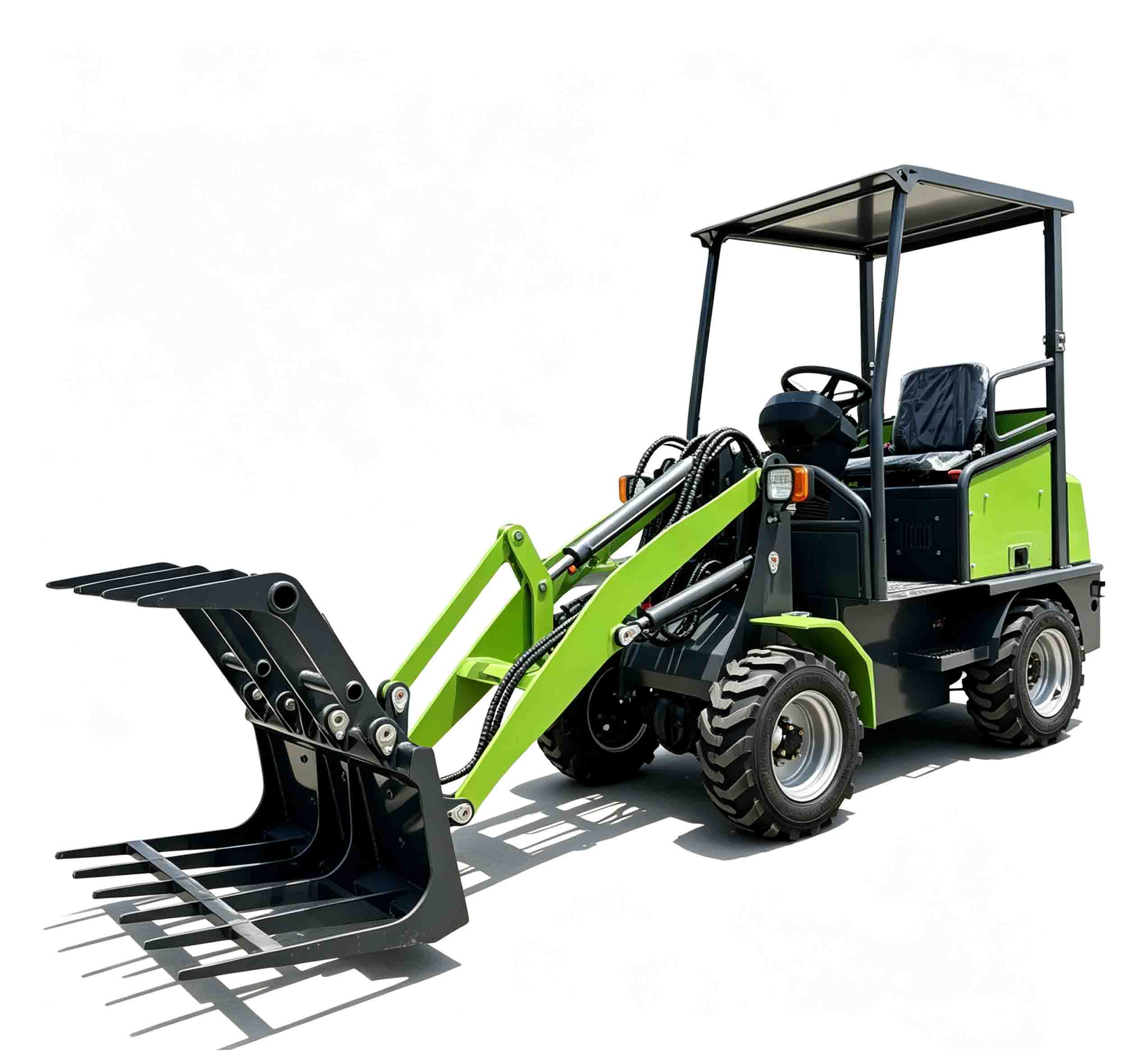
Not all indoor work is light-duty. Precast concrete yards, port indoor storage, aircraft hangars, and mining adits may require 1.5-ton to 2.5-ton load capacities indoors. Xinghang addresses this with the XHD15 (1.5T), XHD20 (2T), and XHD25T (2.5T telescopic). The XHD15 uses a 153.6V 300Ah battery with a 20KW walk motor and 12KW work motor, delivering performance previously reserved for diesel units of similar class. Lift heights reach 3200mm, and the single-speed gearbox with electric-specific small-wheel axles ensures torque multiplication without complexity.
The XHD20 escalates to 35KW travel motor and dual 25KW work motors, 153.6V 460Ah battery, and a DE20 high-low transmission for 8–32 km/h speed range. Despite this power, operation remains zero-emission and far quieter than diesel counterparts, permitting use in semi-enclosed heavy industrial indoor spaces. The XHD25T adds telescopic boom capability—extending dump height to 3800mm—valuable in indoor stacking of oversized containers or bin loading where fixed-boom machines fall short. These larger models retain the core Xinghang DNA: digital instrumentation, hydraulic-electric separation, manganese steel structure, and maintenance simplification.
Frequently Asked Questions
Is the XHD series suitable for continuous eight-hour indoor shifts?
With lithium batteries (64V 180Ah), continuous heavy-use runtime is typically six to eight hours. Intermittent-use patterns common indoors often extend effective coverage to a full shift. Lead-acid versions run four to six hours. Overnight charging restores capacity.
Can the loaders operate in cold indoor environments like refrigerated warehouses?
Yes. Electric motors are less affected by cold starting issues than diesel. Battery performance does degrade in extreme cold, but LiFePO4 options handle moderate refrigeration temperatures better than lead-acid. Preconditioning charging areas helps.
What attachments are compatible with the quick-attach plate?
Standard buckets, forks, clamps, sweepers, augers, breakers, and planers. The hydraulic flow from the 3KW–5KW motor supports most compact attachments. Confirm flow and pressure requirements for third-party implements.
How does Xinghang support international buyers?
The company provides 24-hour technical support, spare parts supply chains, and multilingual documentation. With exports to Europe, Southeast Asia, and beyond, they emphasize long-term partnership over transactional sales.