 Chinese
 English
 Russian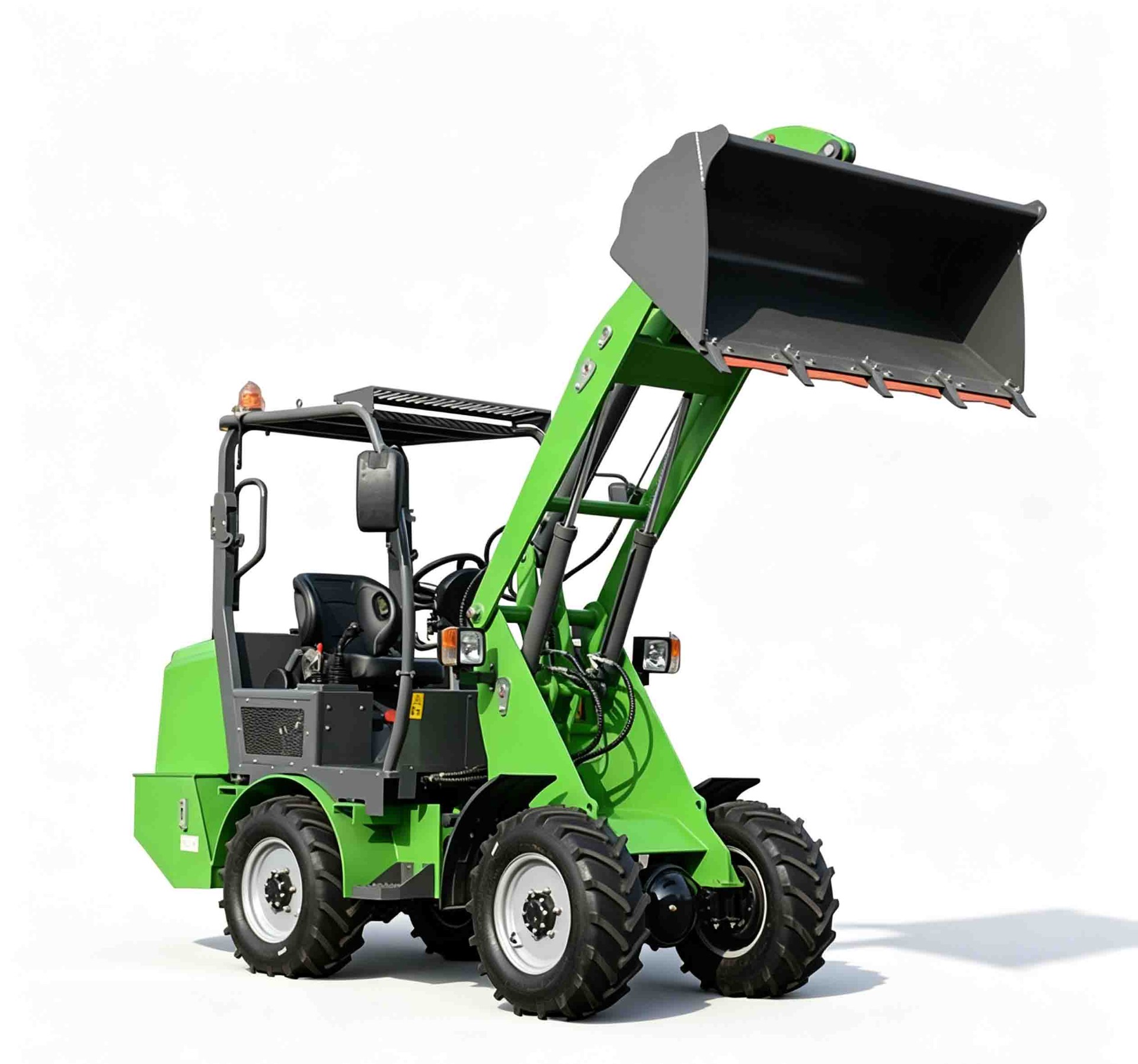
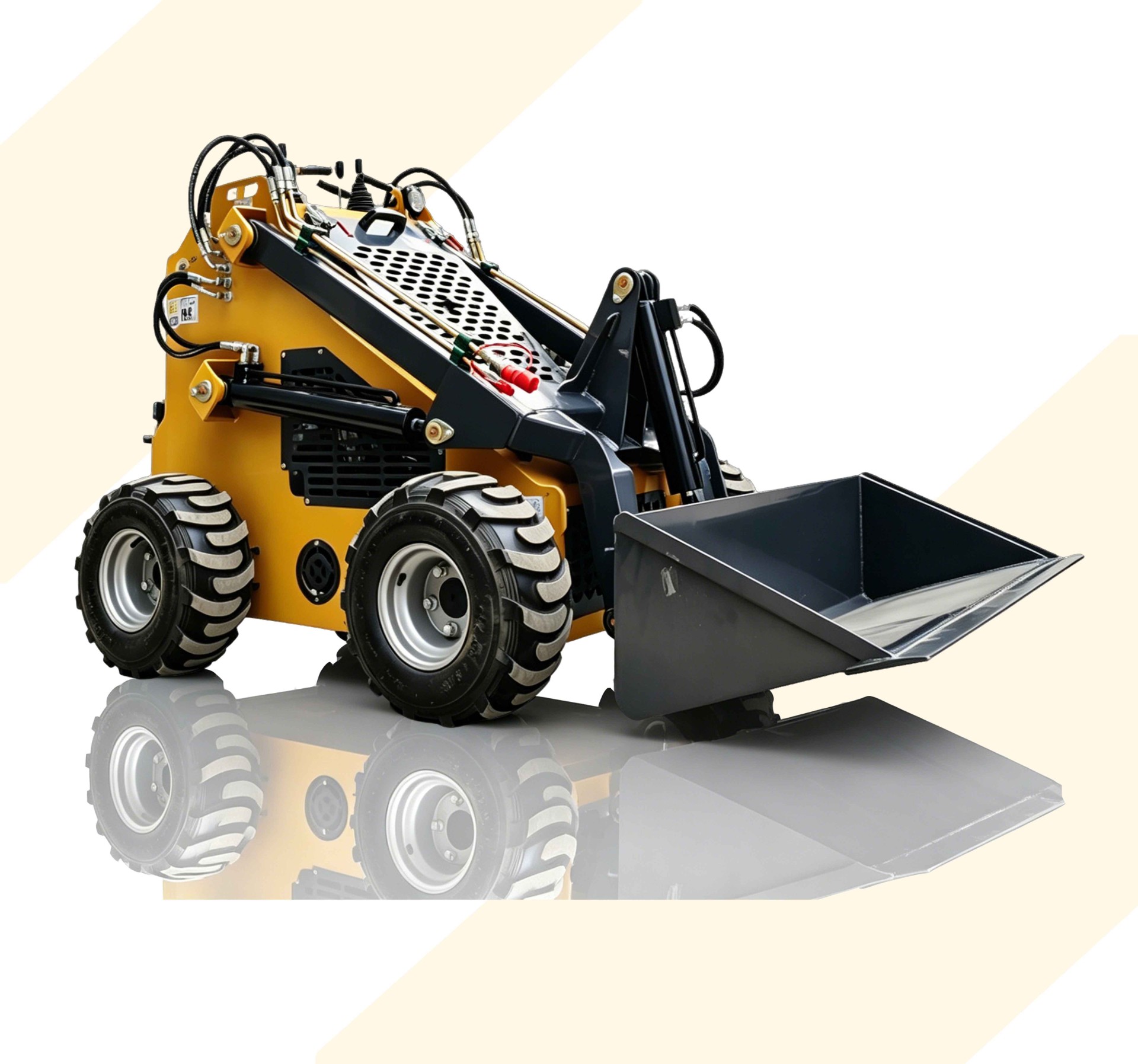
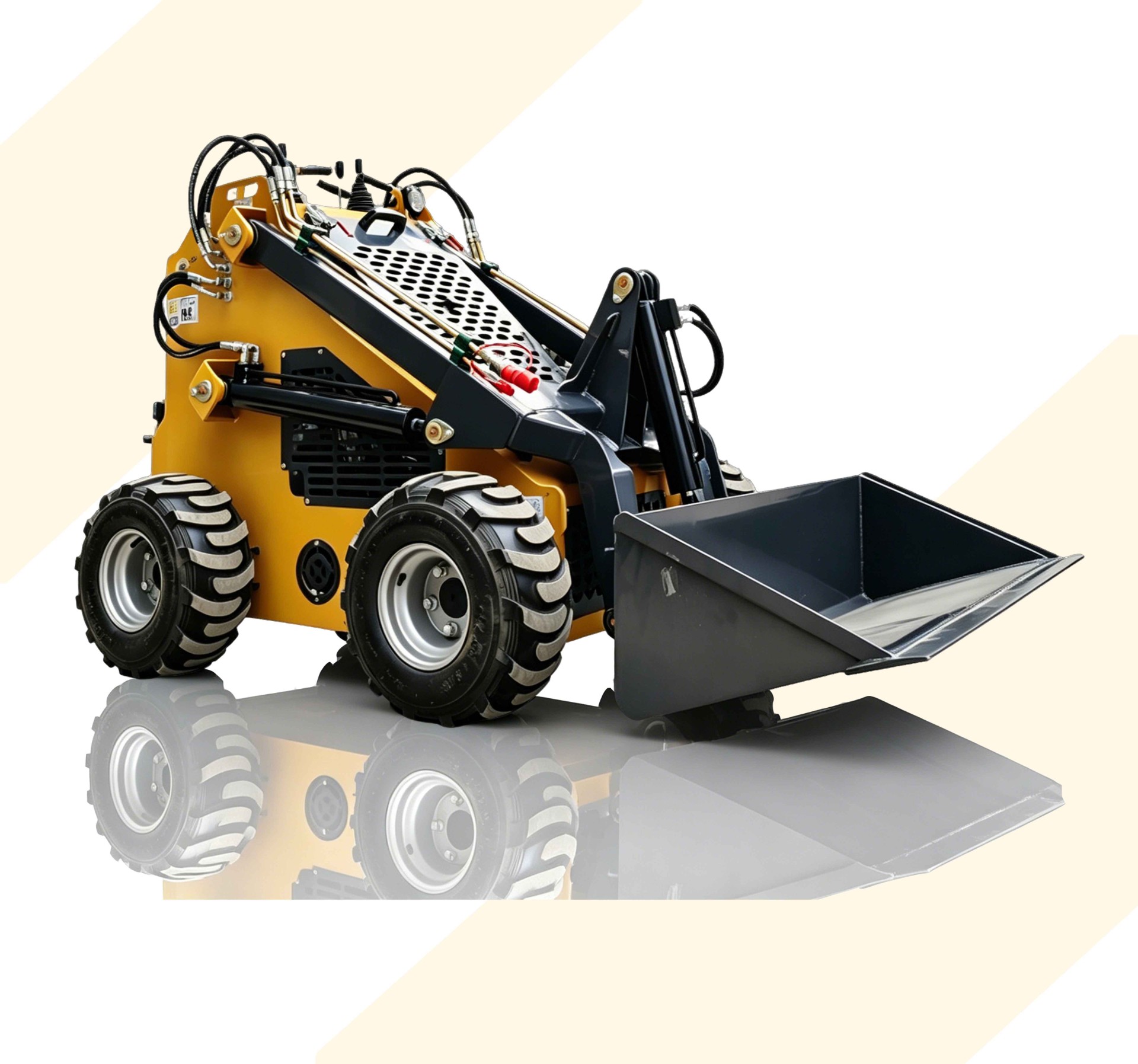
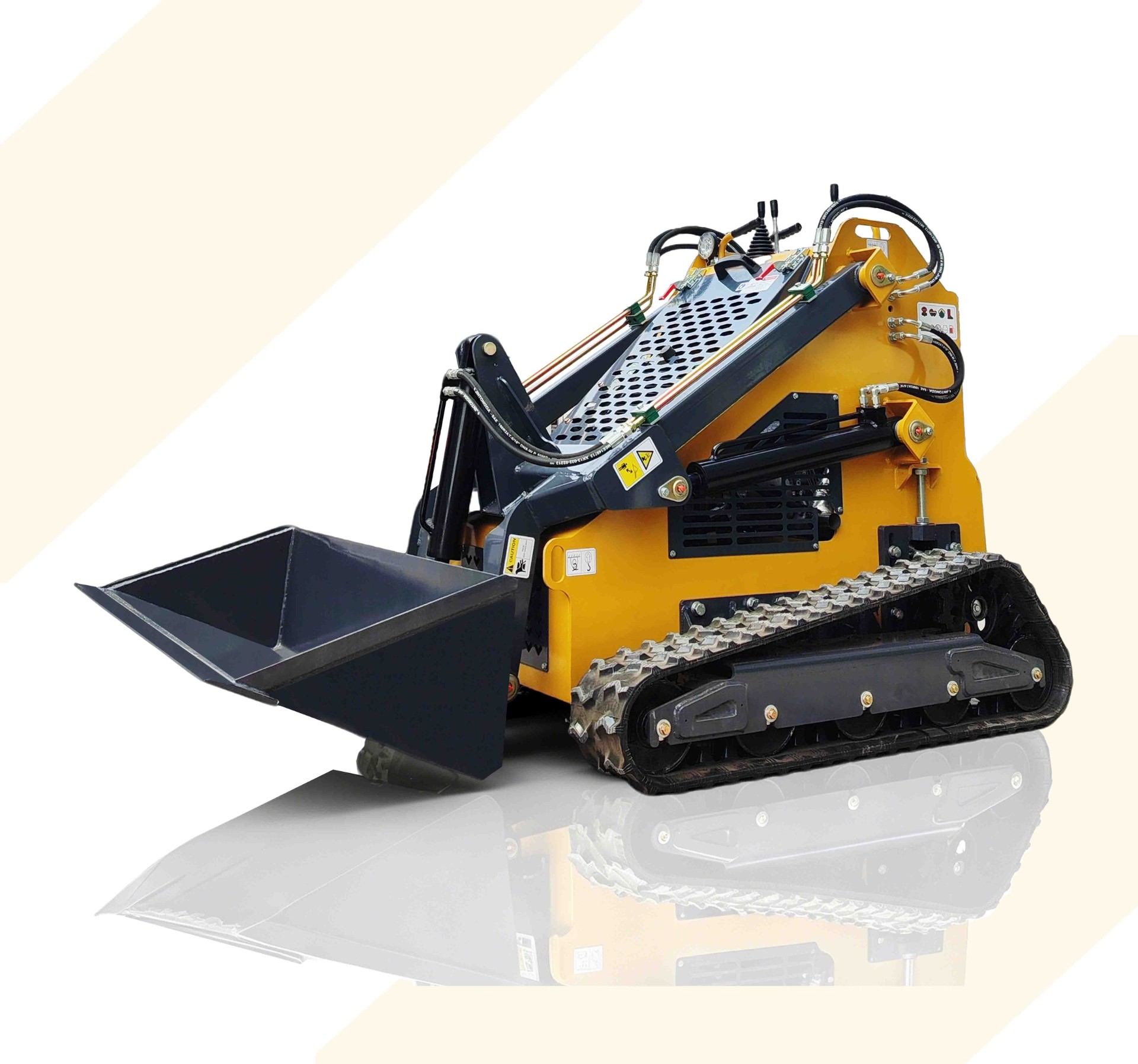
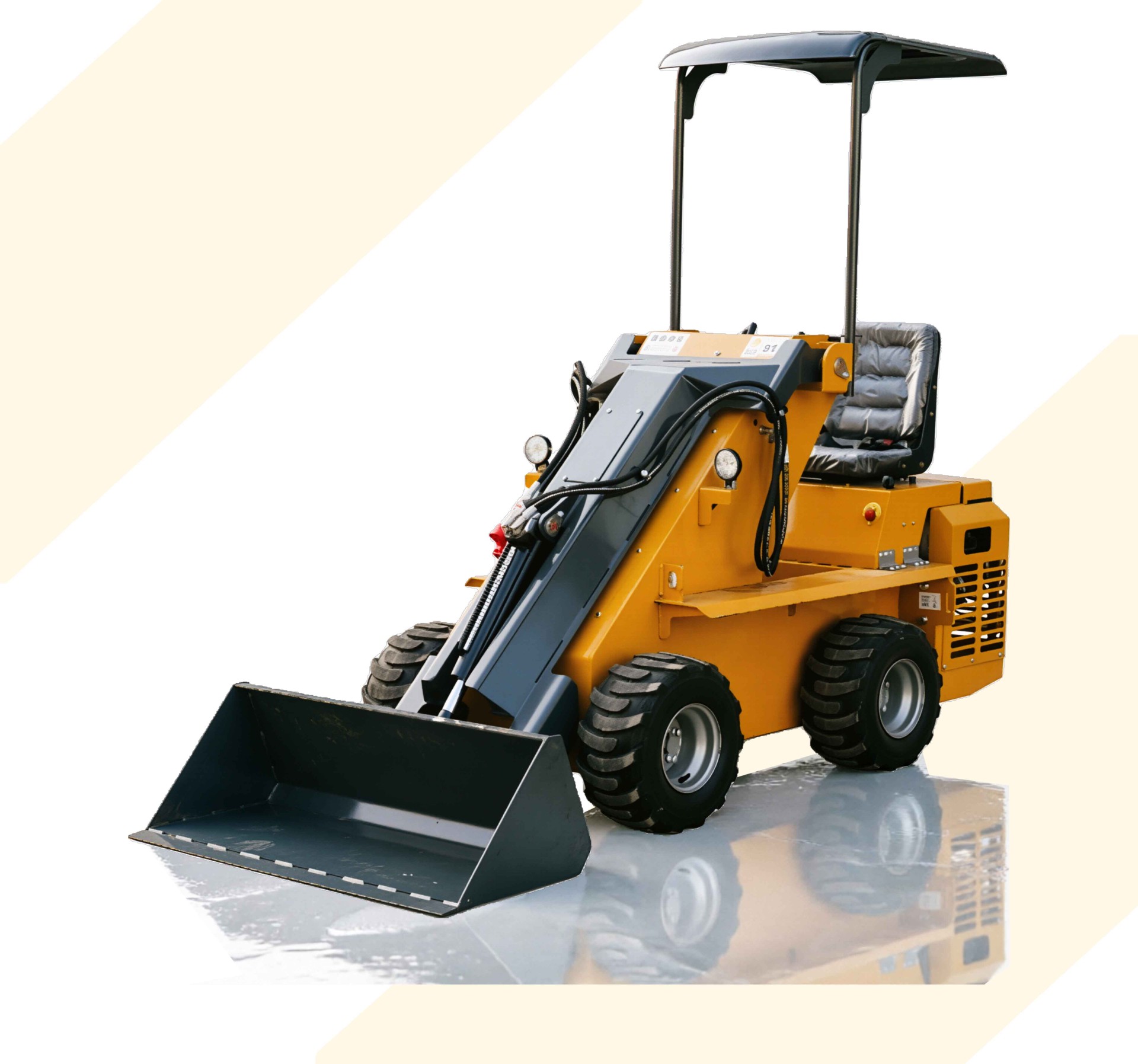
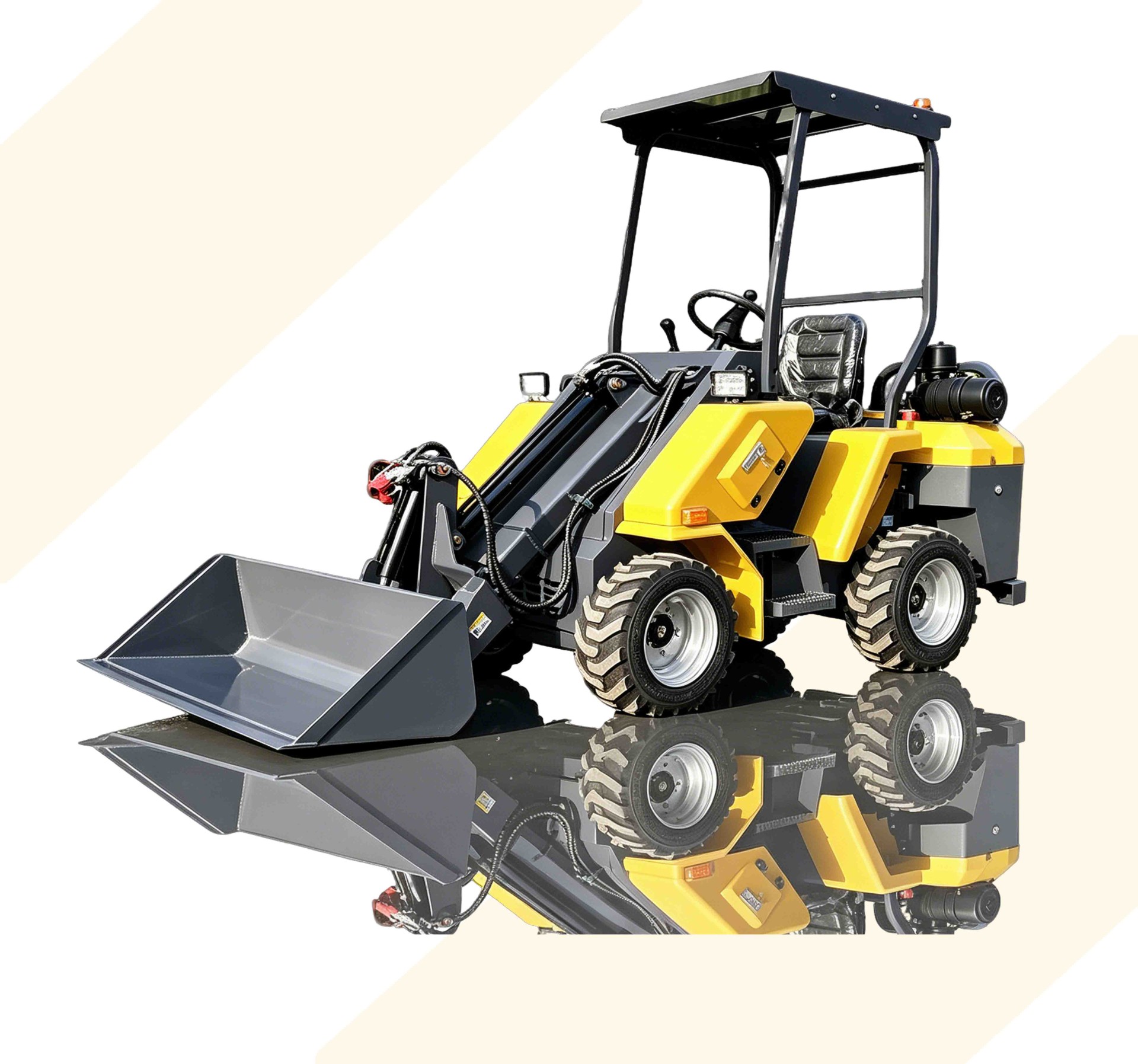
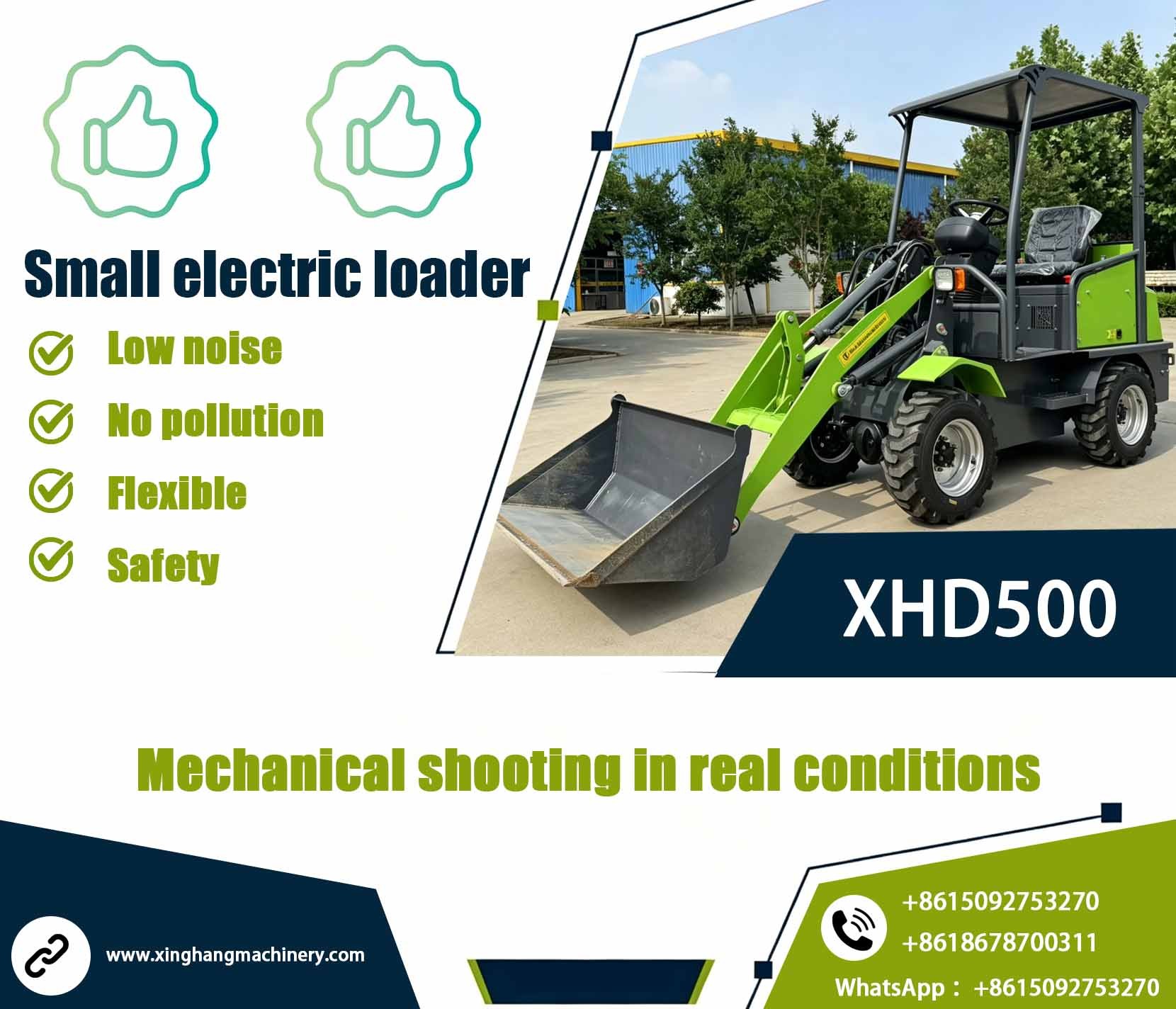
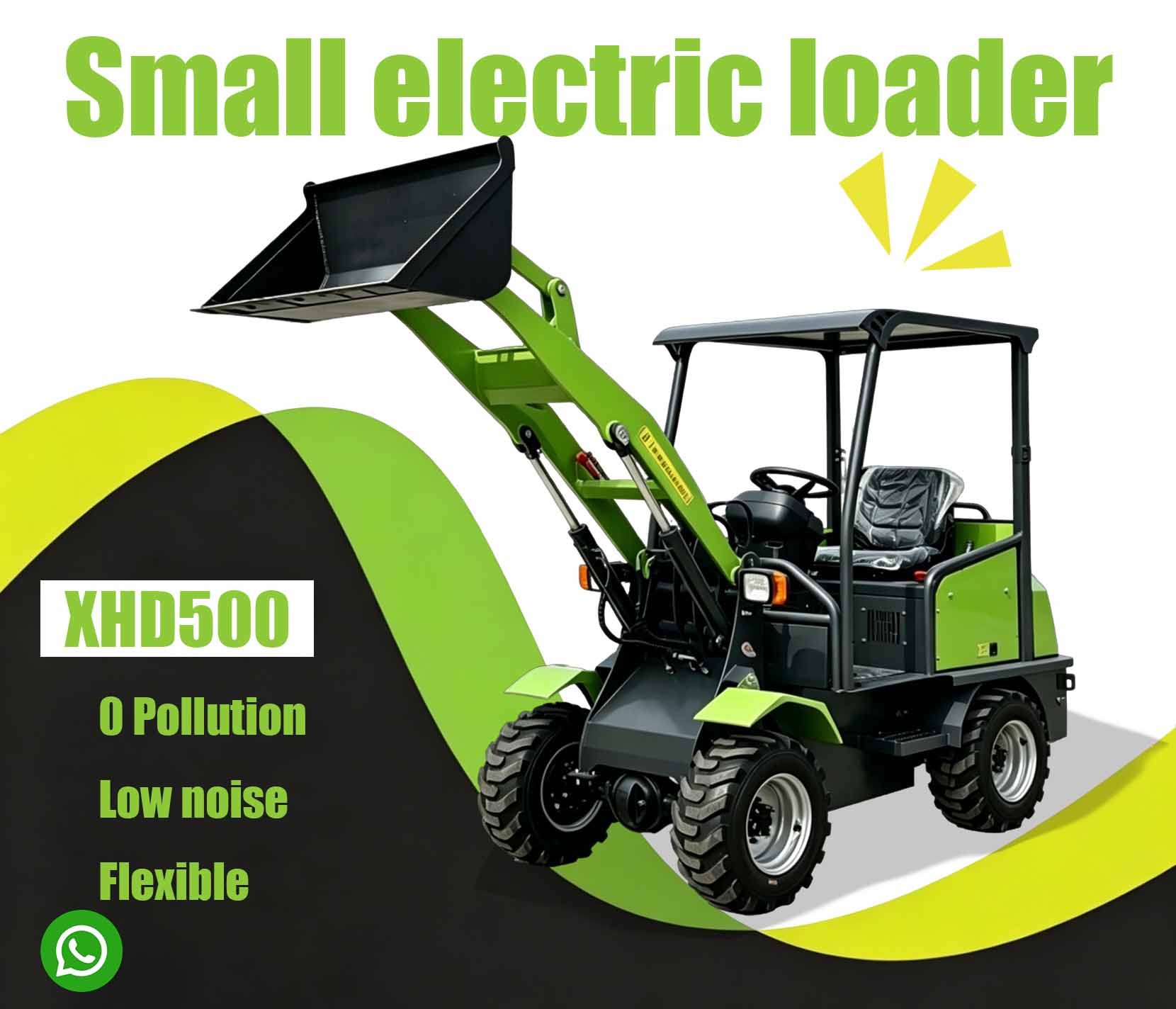
Selecting the appropriate compact loading equipment is a critical decision for contractors and agricultural operators aiming to optimize productivity while adhering to environmental regulations. The XHD500 and XHDL500 0.5T electric wheel loaders from Jining Xinghang Machinery offer a compelling alternative to traditional diesel-powered micro loaders, particularly in applications requiring higher payload capacity within a similarly compact footprint. Rated at 500 kg loading weight with a machine weight of 1240 kg, these models bridge the gap between ultra-light 0.4T units and larger 0.8T machinery that may be too bulky for indoor use. This article explores the performance metrics, economic advantages, and technical specifications of the XHD500 series, contrasting them with conventional internal combustion counterparts.
The primary differentiator of the XHD500 and XHDL500 is their pure electric drivetrain centered around a 4 KW flat wire drive motor and a 3 KW hydraulic motor. Diesel loaders of comparable size typically produce noise levels exceeding 85 decibels and emit nitrogen oxides along with particulate matter, necessitating expensive ventilation systems when used indoors. The XHD500 series operates at a fraction of that noise level with zero tailpipe emissions, making it viable for use in hospitals, schools, data centers, and residential basements where air quality and silence are prioritized. Beyond environmental compliance, the elimination of diesel engines removes the need for oil changes, fuel filters, exhaust system maintenance, and complex transmission servicing, drastically reducing the total cost of ownership over a five-year lifecycle.
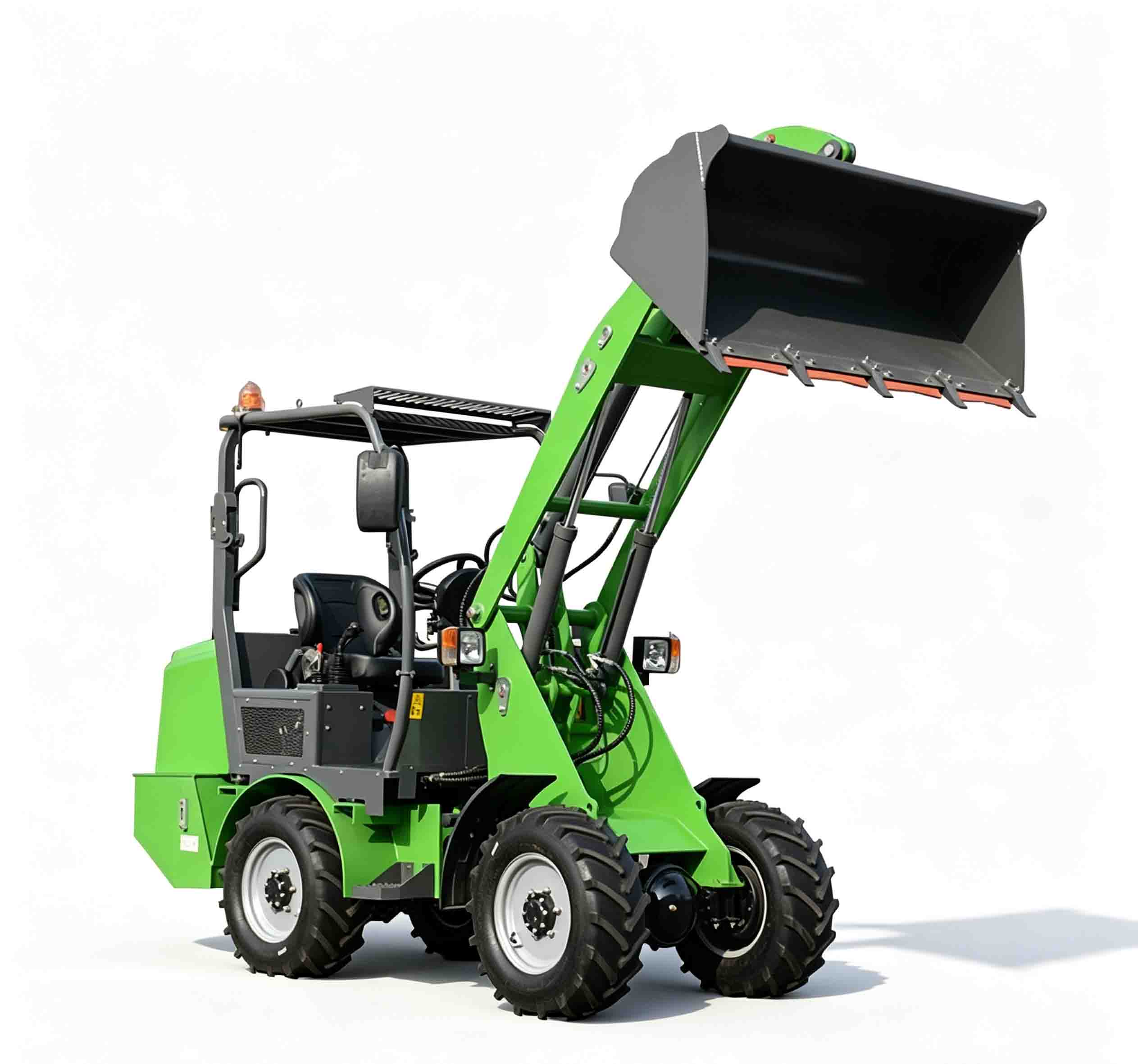
Dimensionally, the XHD500 retains the space-efficient 1050 mm width and 3260 mm length of the 0.4T variant but upgrades the lifting capacity to 500 kg. The unloading height remains at 1600 mm with a lifting height of 2600 mm, achieved in 7 seconds. This consistency in size despite increased capacity is made possible by the high-strength manganese steel frame which optimizes structural yield without adding excessive mass. The bucket dimensions are maintained at 1050 mm by 680 mm, ensuring compatibility with standard material piles and small dump trucks or feed bins. The hydraulic system pressure and flow are calibrated to the 3 KW flat wire motor, which offers better thermal management than round wire alternatives, preventing power fade during continuous lifting cycles in hot climates.
Energy storage options mirror those of the 0.4T line, offering 64V 150Ah or 180Ah LiFePO4 batteries and 60V 160Ah lead-acid packs. The Lithium option extends runtime to 6 to 8 hours of continuous operation, sufficient for a standard single shift without midday charging. The 8-hour recharge time aligns with overnight downtime, ensuring the machine is ready for daily deployment. The battery management system communicates via CAN bus to the LCD dashboard, which displays remaining charge, voltage fluctuations, and system faults. This transparency allows operators to schedule charging proactively rather than reacting to unexpected power loss. The inclusion of automatic temperature-controlled controller cooling further safeguards the electrical system during peak summer workloads.
Mobility is governed by a full-time four-wheel-drive system engaging all wheels through a differential suited for uneven terrain. The 23x8.5-12 tires provide a broad contact patch to distribute the 1240 kg weight, minimizing ground pressure which is essential for finished concrete floors or turf in landscaping. Steering is hydraulic, requiring minimal physical effort from the operator, and is paired with an integrated electronic control handle. This handle merges directional control, speed gearing, and implement actuation into one unit, streamlining workflow and reducing the cognitive load on the operator during complex maneuvers in tight spaces. Dual-speed functionality offers 0 to 8 km/h for precise loading and 0 to 14.5 km/h for transit between work zones.
The XHD500A and XHDL500A variants introduce a dual-motor drive configuration with 2.5 KW times two motors instead of the single 4 KW unit. This distributed drive architecture can offer improved redundancy and potentially smoother torque distribution across axles, though both configurations achieve similar top speeds and load ratings. The choice between the single robust motor and the dual-motor setup often depends on operator preference regarding responsiveness and maintenance philosophy. All models in the 500 series retain the multifunctional attachment interface, supporting quick coupling of forks, sweepers, augers, and clamps. This transforms the loader into a year-round asset capable of snow removal, post-hole digging, pallet stacking, and debris clearing, rather than a seasonal dirt-moving tool.
Global market readiness is evidenced by the machines CE marking, Euro V compliance, and ISO 9001 manufacturing certification. These credentials are non-negotiable for entry into European and North American markets where safety and emission audits are rigorous. The manufacturer Jining Xinghang Machinery is situated in Chinas premier engineering machinery hub in Yanzhou District, leveraging local supply chain maturity to maintain quality control and cost efficiency. Their AAA credit enterprise status and top ten brand recognition in Chinese small construction machinery underscore their production reliability.
For the end-user, the transition from diesel to the XHD500 electric loader is not merely an ecological choice but a fiscal one. Electricity costs per shift are typically 60 to 70 percent lower than diesel fuel expenses, and the regenerative braking potential in electric drives reduces brake wear. Coupled with the 24-hour global technical support and parts availability promised by the manufacturer, the operational risk of adopting electric machinery is mitigated. As battery technology continues to decrease in cost and increase in energy density, models like the XHD500 and XHDL500 represent the pragmatic present-day realization of the zero-emission job site, delivering robust 500 kg payloads in a 1050 mm wide chassis that navigates where larger machines falter.