 Chinese
 English
 Russian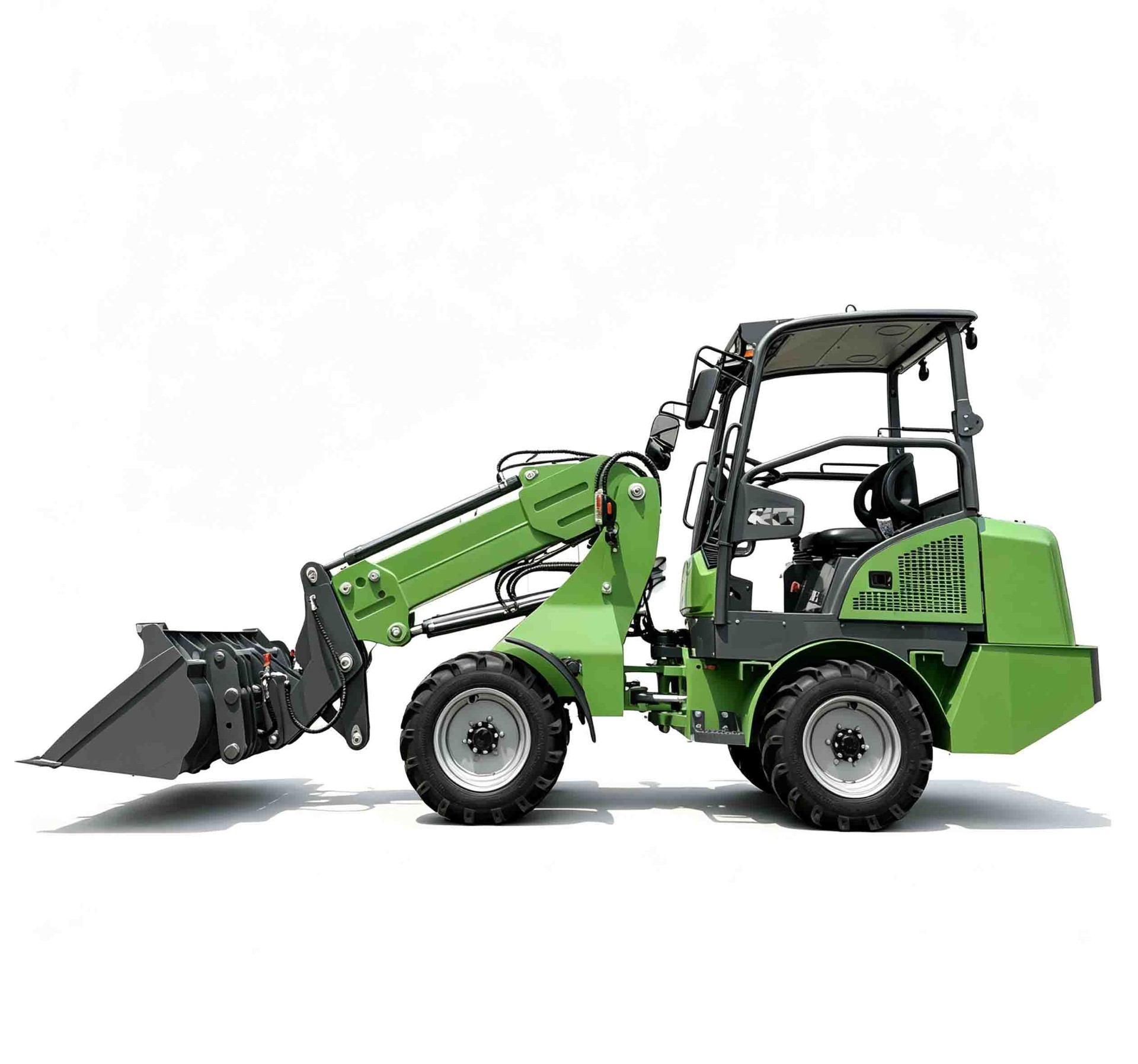
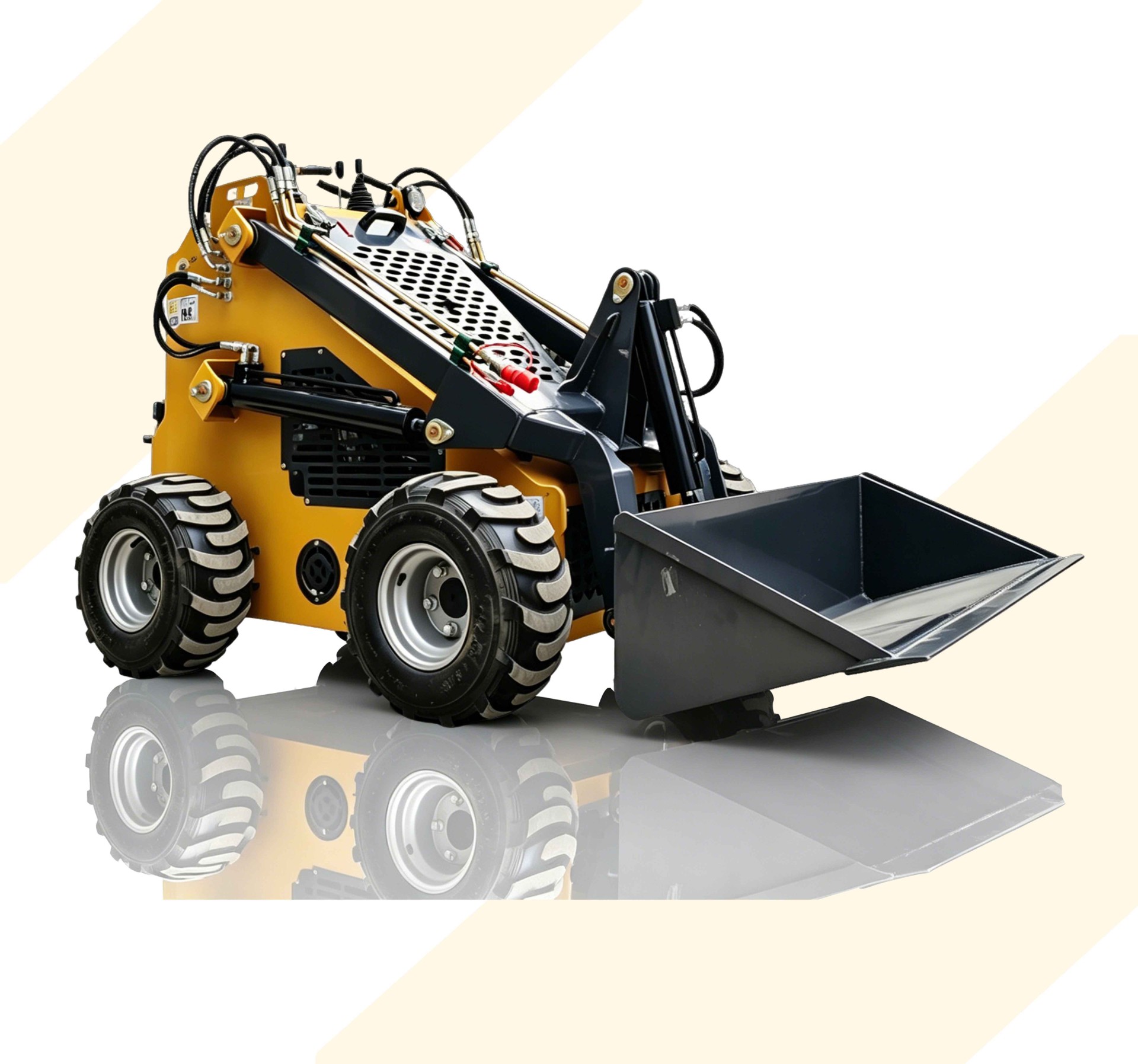
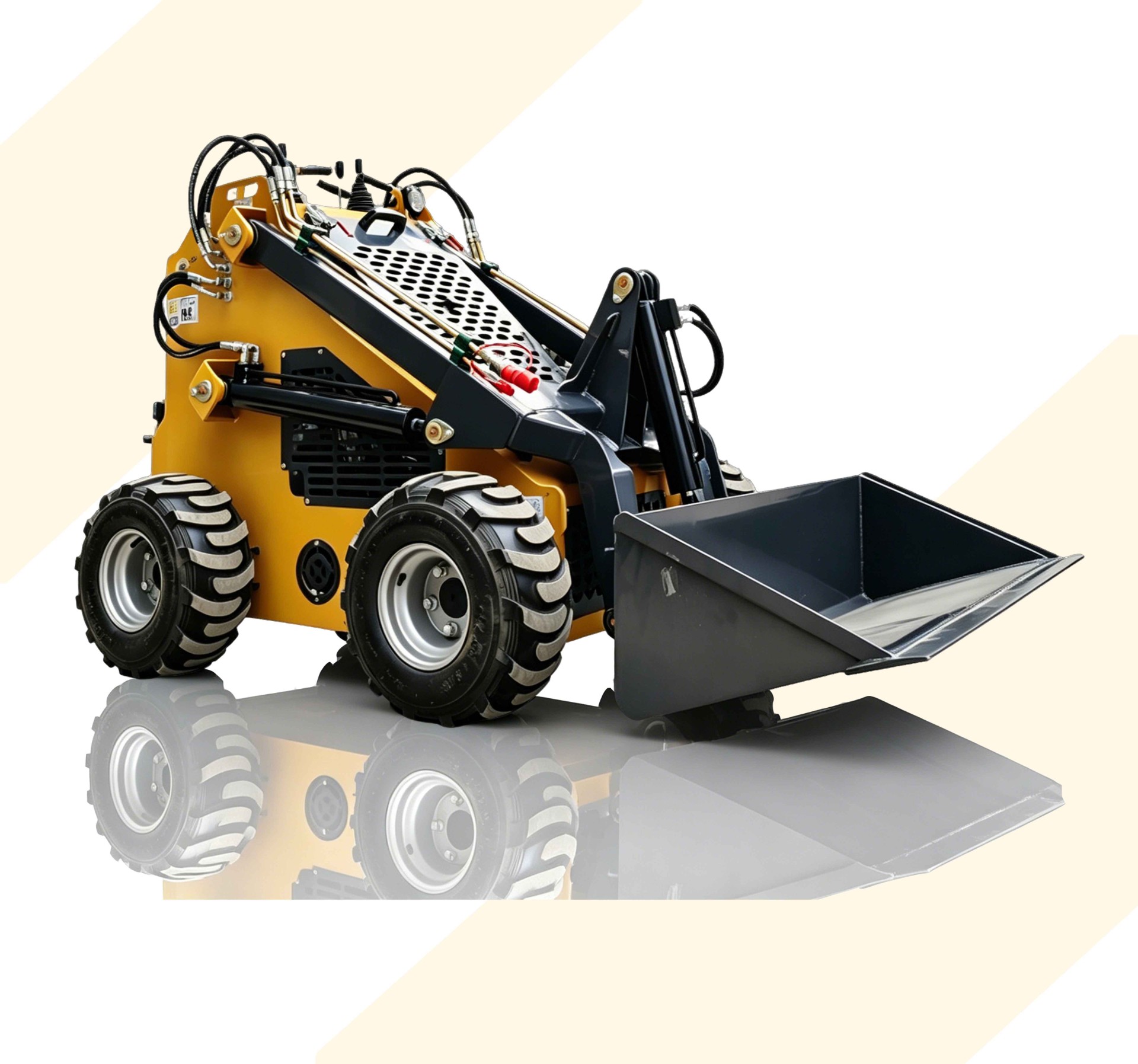
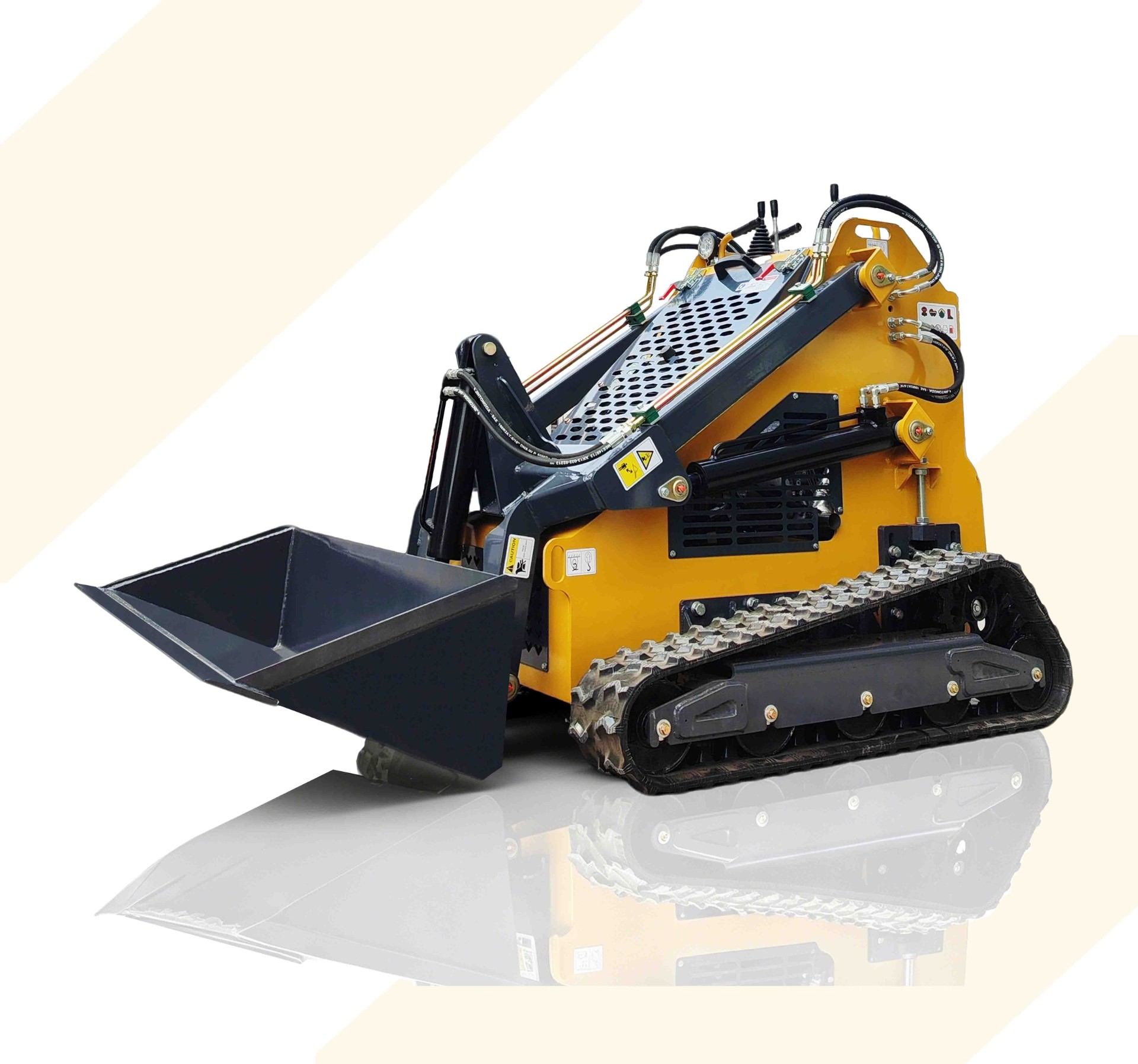
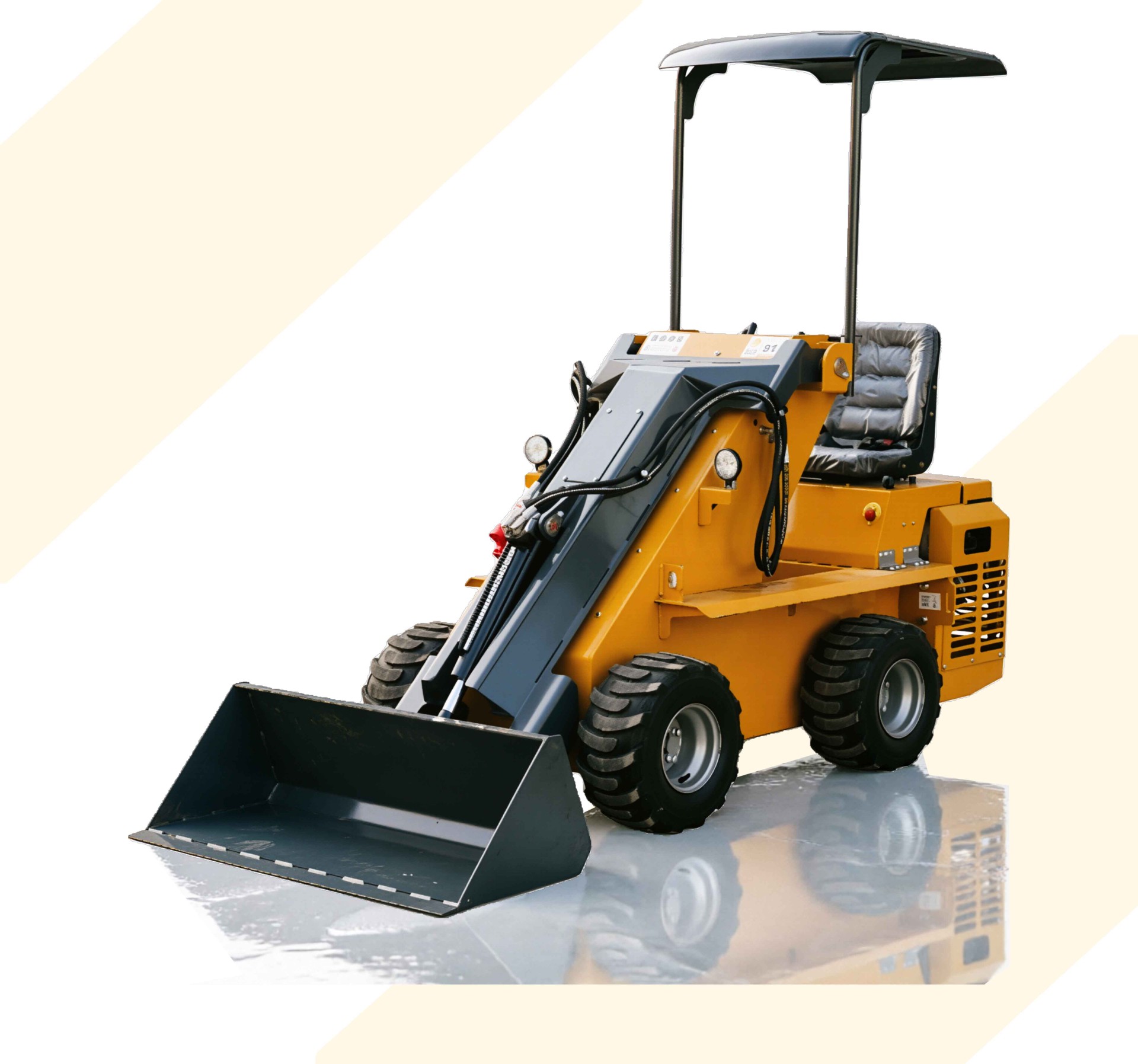
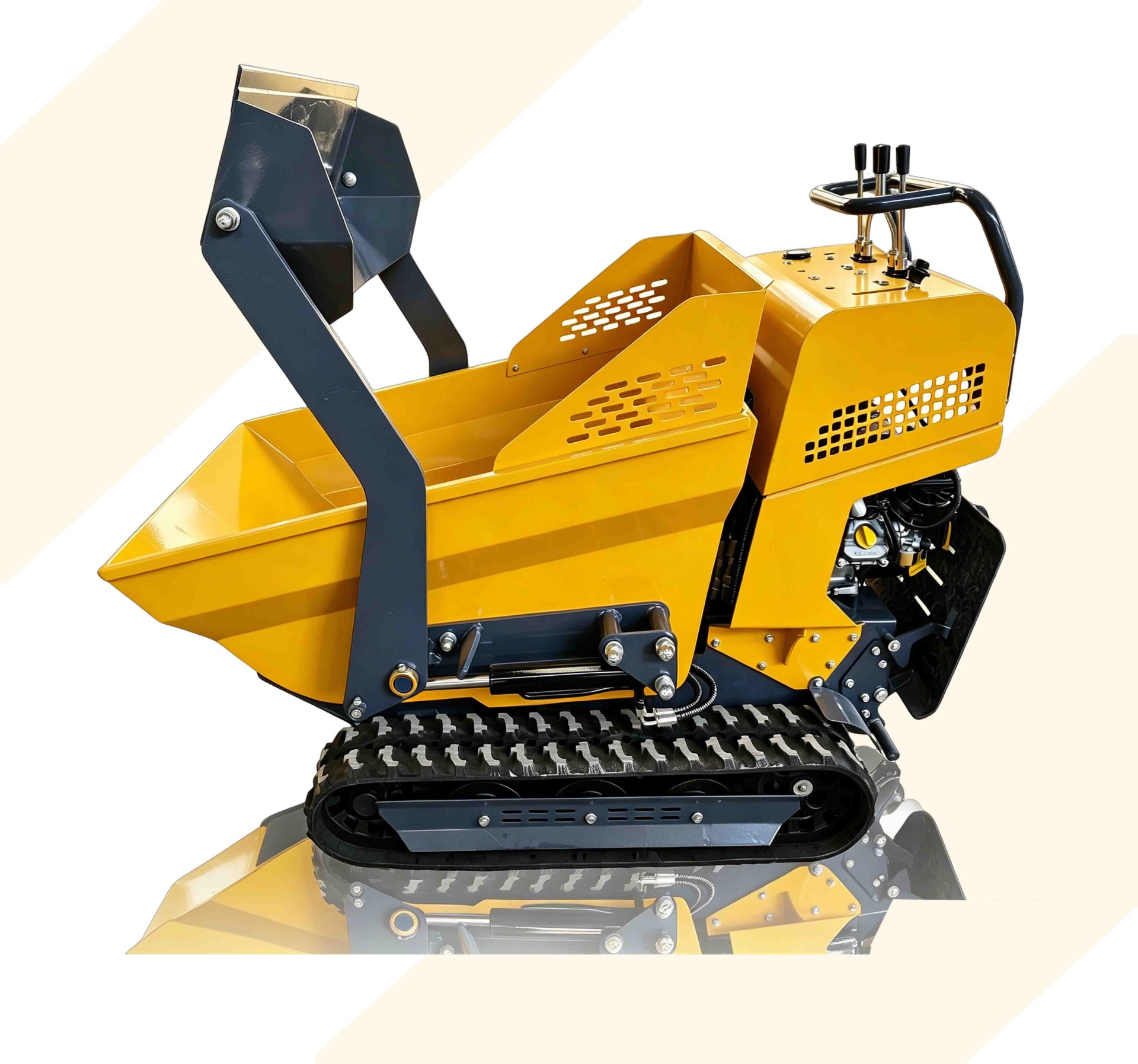
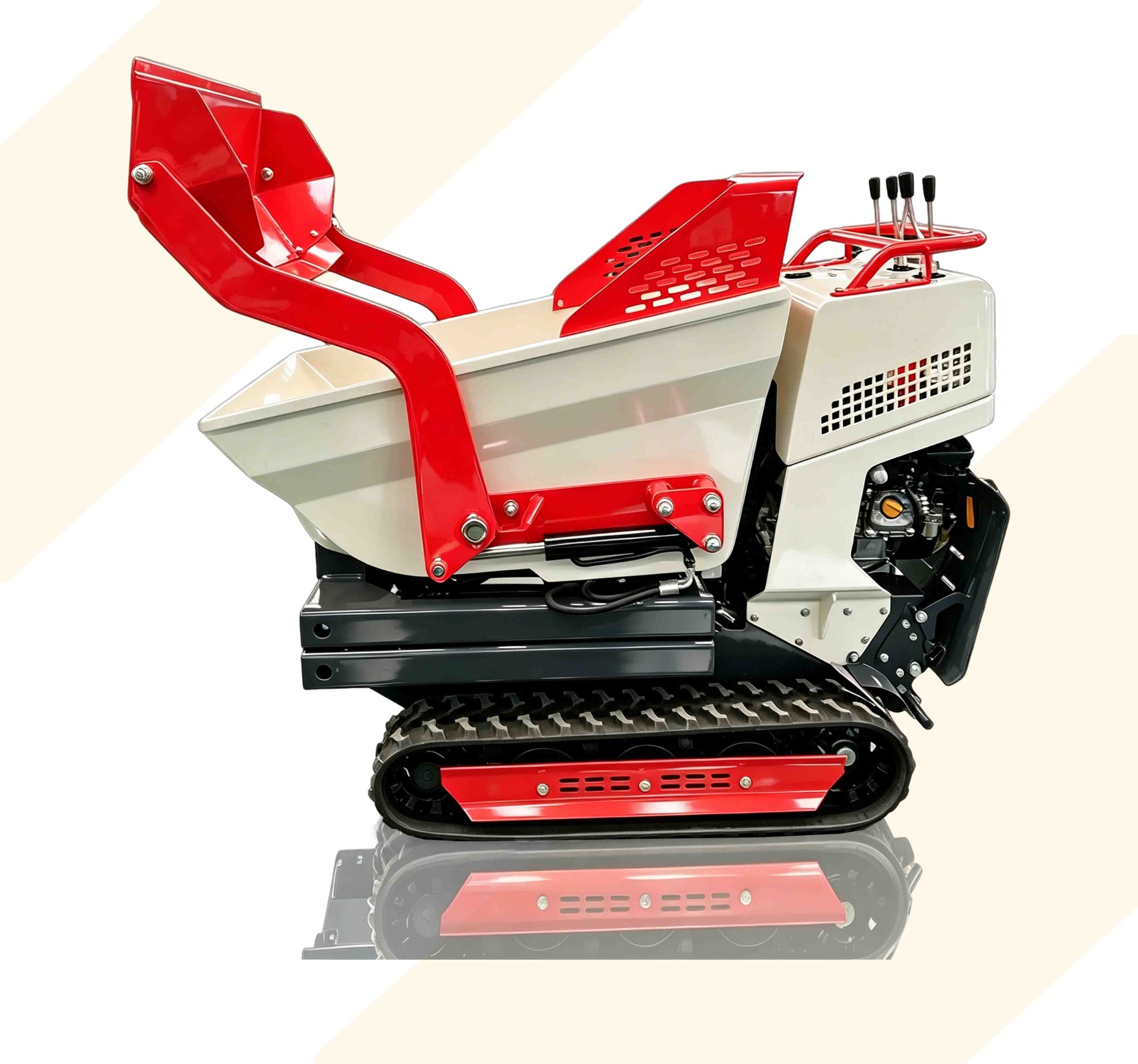
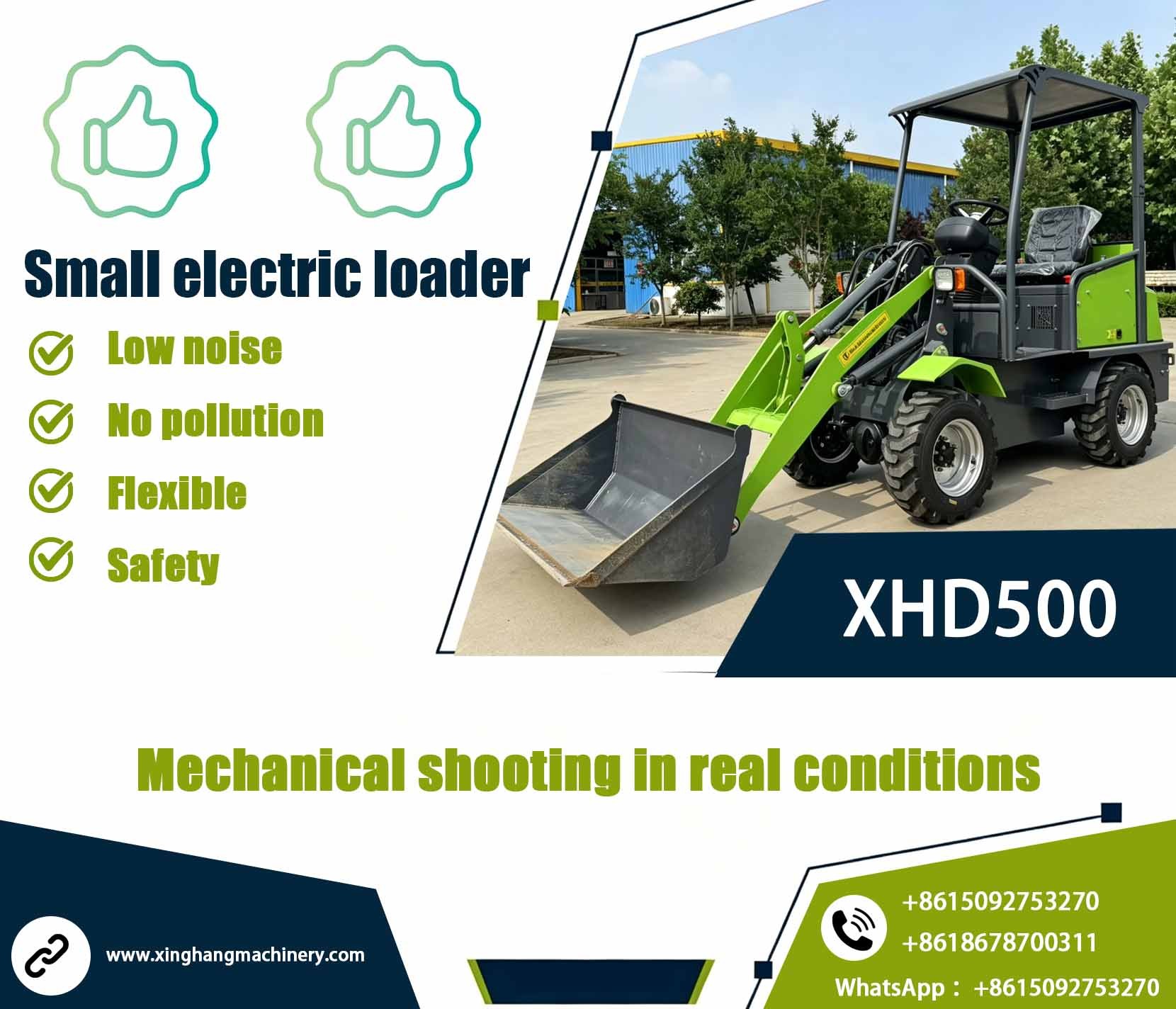
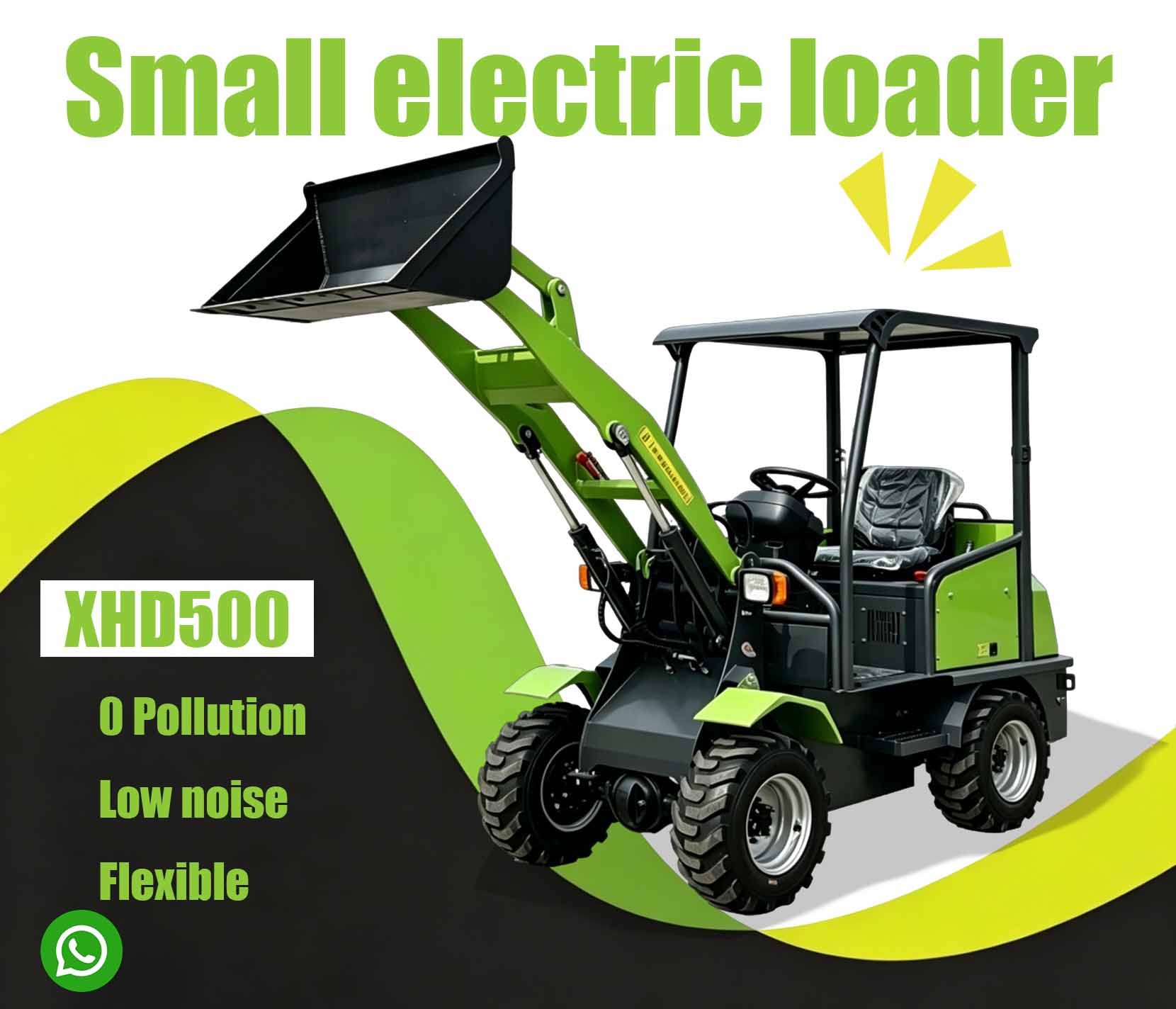
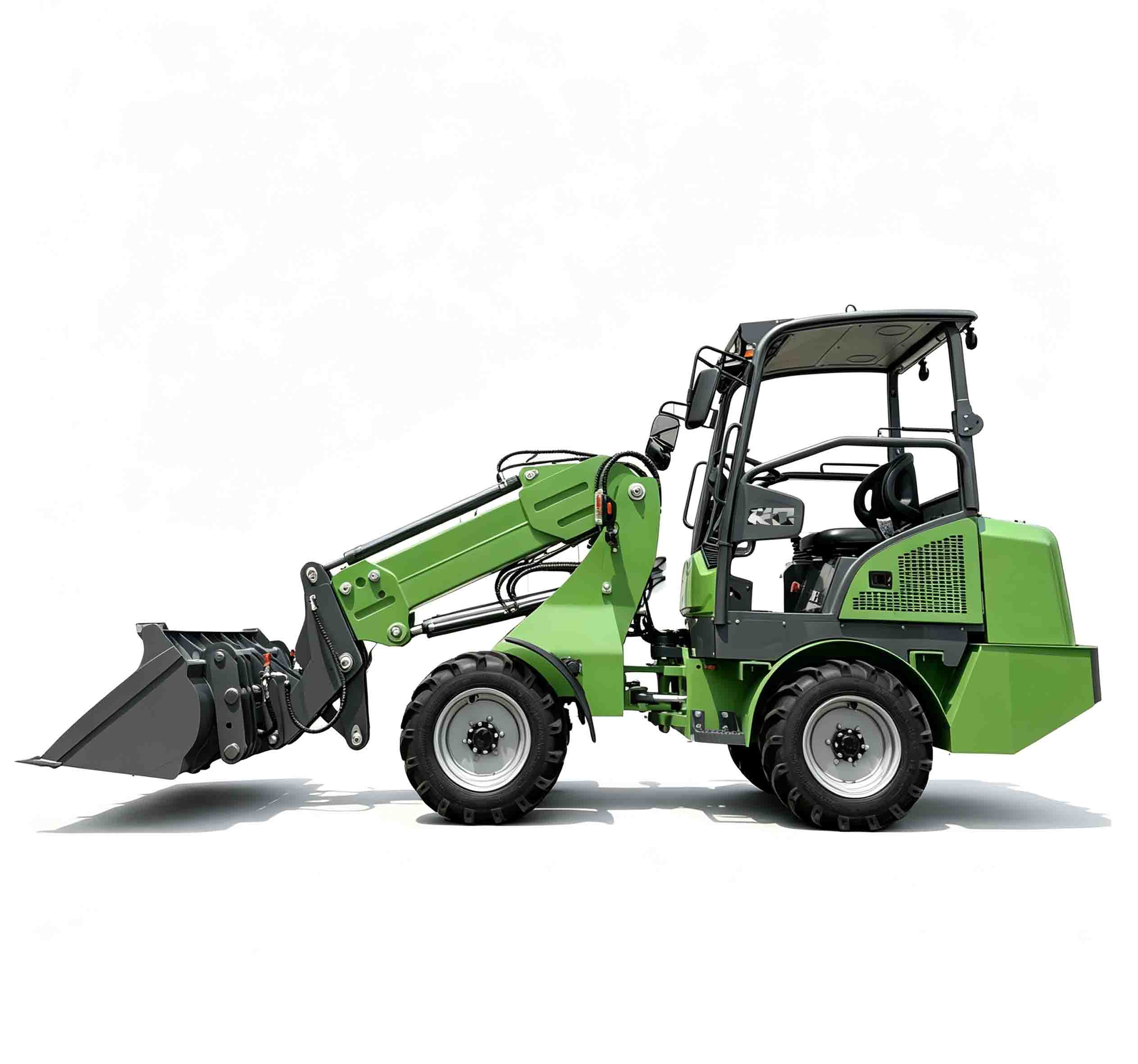
The pursuit of optimal traction, torque distribution, and component longevity in compact electric construction equipment has led to the development of diversified powertrain architectures. Among these, the A series variants of Jining Xinghang Machinery lineup namely the XHD400A, XHDL400A, XHD500A, and XHDL500A introduce a significant shift from a single-drive-motor design to a dual-motor configuration. While the standard XHD400 and XHD500 models utilize a single 4 KW flat wire motor for propulsion, the A series employs two 2.5 KW motors, totaling 5 KW of drive power. This article examines the engineering rationale, performance implications, and operational contexts where the A series dual-motor setup provides distinct advantages for global equipment operators.
The fundamental difference lies in the distribution of driving force. In the single motor design, power is transmitted via a central drivetrain to all four wheels, relying on differentials to manage wheel speed variance during turns. In the A series dual-motor layout, the motors are typically allocated to drive separate axles or wheel groups, allowing for independent control of torque delivery. This can enhance traction in slippery conditions such as wet clay, snow-covered lots, or loose gravel, as the system can modulate power to the wheels with the most grip without relying solely on mechanical slip limitations. For operators working on uneven agricultural terrain or undeveloped construction sites with soft ground, this independent torque management reduces the likelihood of immobilization due to wheel spin.
Both the XHD400A and XHD500A maintain the same core structural parameters as their base counterparts. The 400A models handle 400 kg loads with a 1240 kg machine weight, while the 500A models manage 500 kg, all within the 1050 mm wide and 3260 mm long chassis. The unloading height of 1600 mm and lifting height of 2600 mm are unchanged, supported by the same 3 KW flat wire hydraulic motor. The dual drive motors are rated at 2.5 KW each, providing a combined peak output that matches or slightly exceeds the single 4 KW unit when factoring in transmission losses avoided by direct or near-direct drive arrangements. The hydraulic steering, tire specification 23x8.5-12, and speed ranges low 0 to 8 km/h and high 0 to 14.5 km/h remain consistent, ensuring operator familiarity across fleet types.
Battery compatibility is identical across A and non-A models, with options for 60V 160Ah lead-acid or 64V 150Ah and 180Ah lithium iron phosphate packs. The runtime expectations of 4 to 6 hours for lead-acid and 6 to 8 hours for lithium are preserved, as the total energy consumption per workload cycle is comparable between the 4 KW single and 2.5 KW times two configurations, assuming similar efficiency curves. However, the dual-motor system may offer advantages in thermal management, as heat generation is spread across two physical units rather than concentrated in one, potentially extending insulation life and reducing cooling fan dependency under moderate loads.
From a maintenance perspective, the A series introduces a layer of redundancy. Should one drive motor encounter a fault, the machine may still be operable at reduced capacity via the remaining motor, allowing it to be driven out of a hazardous area or to a maintenance bay, whereas a single motor failure would render the standard model immobile. This redundancy is valuable in remote sites such as large farms, mining adits, or isolated infrastructure projects where immediate technical assistance is unavailable. The trade-off includes a slightly more complex wiring harness and controller configuration, though the CAN bus diagnostics system remains standard, flagging issues via the LCD dashboard fault codes regardless of motor count.
The control interface on the A series is the same integrated electronic handle found on other models, managing direction, speed, and hydraulics. The controller features automatic temperature-controlled散热, crucial for protecting the dual-motor drivers which may experience variable load sharing. The flat wire technology in these 2.5 KW motors retains the benefits of high slot fill rate, low noise, and compact size, ensuring the overall vehicle footprint is not compromised by the additional motor housing. The manganese steel frame and full-suspension axles continue to provide the structural backbone and shock absorption necessary for rough-ground operation.
Market positioning for the A series often targets operators who prioritize traction control and component redundancy over the simplicity of a single-motor layout. Rental fleets, for instance, may prefer the A series for unknown user skill levels and varied terrain exposure, as the dual motors can tolerate misuse better than a stressed single unit. Similarly, agricultural users moving feed in barn alleys or navigating manure-slicked concrete may find the enhanced grip beneficial. The CE, Euro V, and ISO 9001 certifications apply equally to the A series, affirming their compliance with international safety and emission standards despite the altered powertrain.
Jining Xinghang Machinery manufactures these units at their Yanzhou production base, utilizing the same quality assurance protocols for both single and dual motor lines. The 24-hour support and parts supply extend to all variants, ensuring that the shift to A series does not introduce supply chain vulnerabilities. As the industry experiments with distributed electric drivetrains in compact equipment, the XHD400A, XHDL400A, XHD500A, and XHDL500A serve as practical, field-tested examples of how dual-motor technology can be implemented without sacrificing the compactness and versatility that define the 0.4T and 0.5T loader classes. For buyers evaluating electric loaders, understanding this powertrain distinction is key to matching machine capability with site-specific demands.