 Chinese
 English
 Russian
Introduction: The Hidden Cost of Manual Material Handling
In the competitive landscape of global contracting, profit margins are often won or lost on the basis of labor efficiency. However, there is a hidden tax that silently erodes these margins: musculoskeletal injuries. For decades, the wheelbarrow was the default solution for moving materials in confined spaces. While inexpensive to purchase, this antiquated tool extracts a massive toll on the human body. The Bureau of Labor Statistics consistently ranks "overexertion in pushing, pulling, or lifting" as the leading cause of workplace injuries. In the construction and landscaping sectors, these injuries lead to lost time, rising insurance premiums, and a high turnover rate among skilled laborers who eventually seek less physically destructive work.
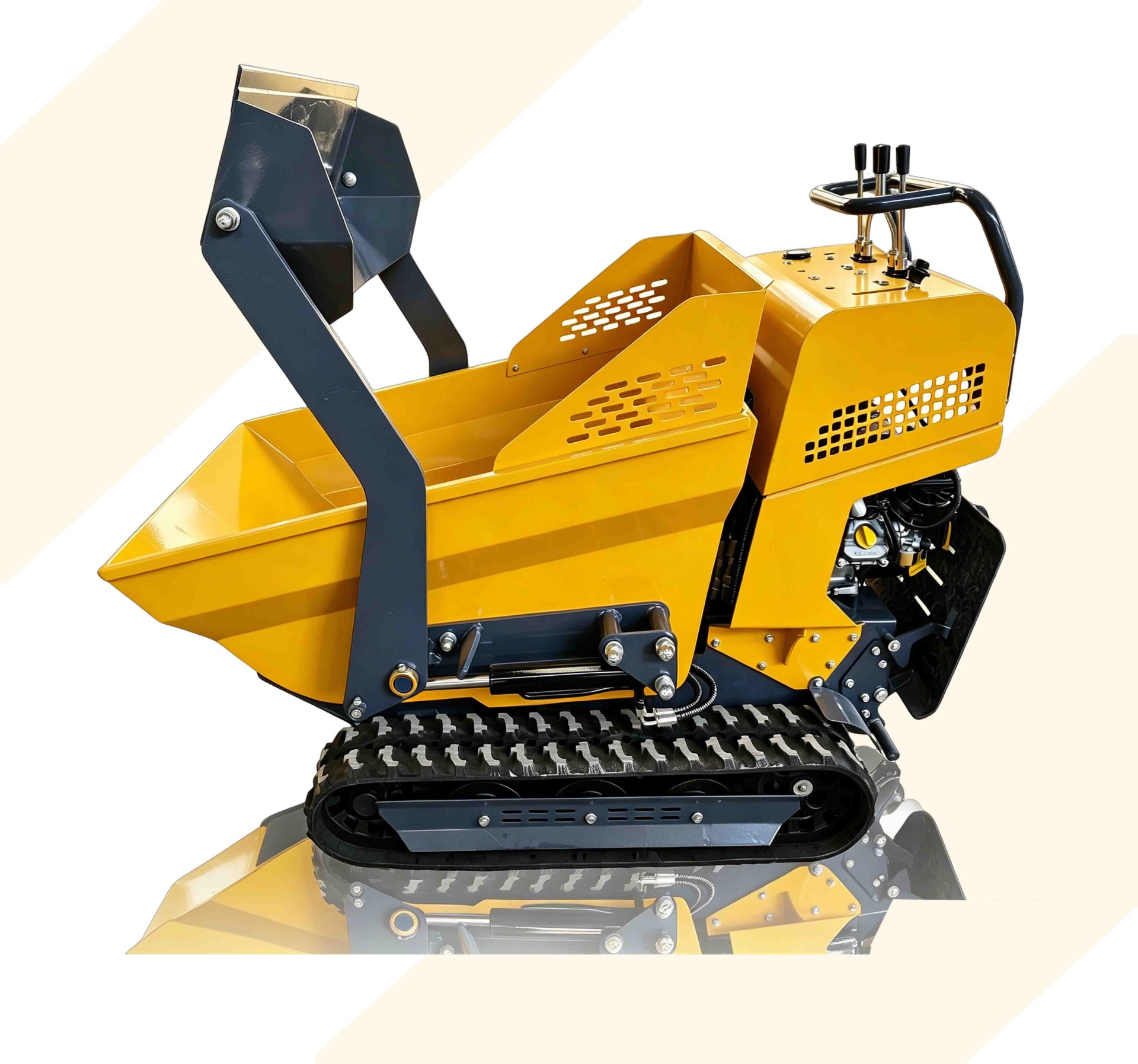
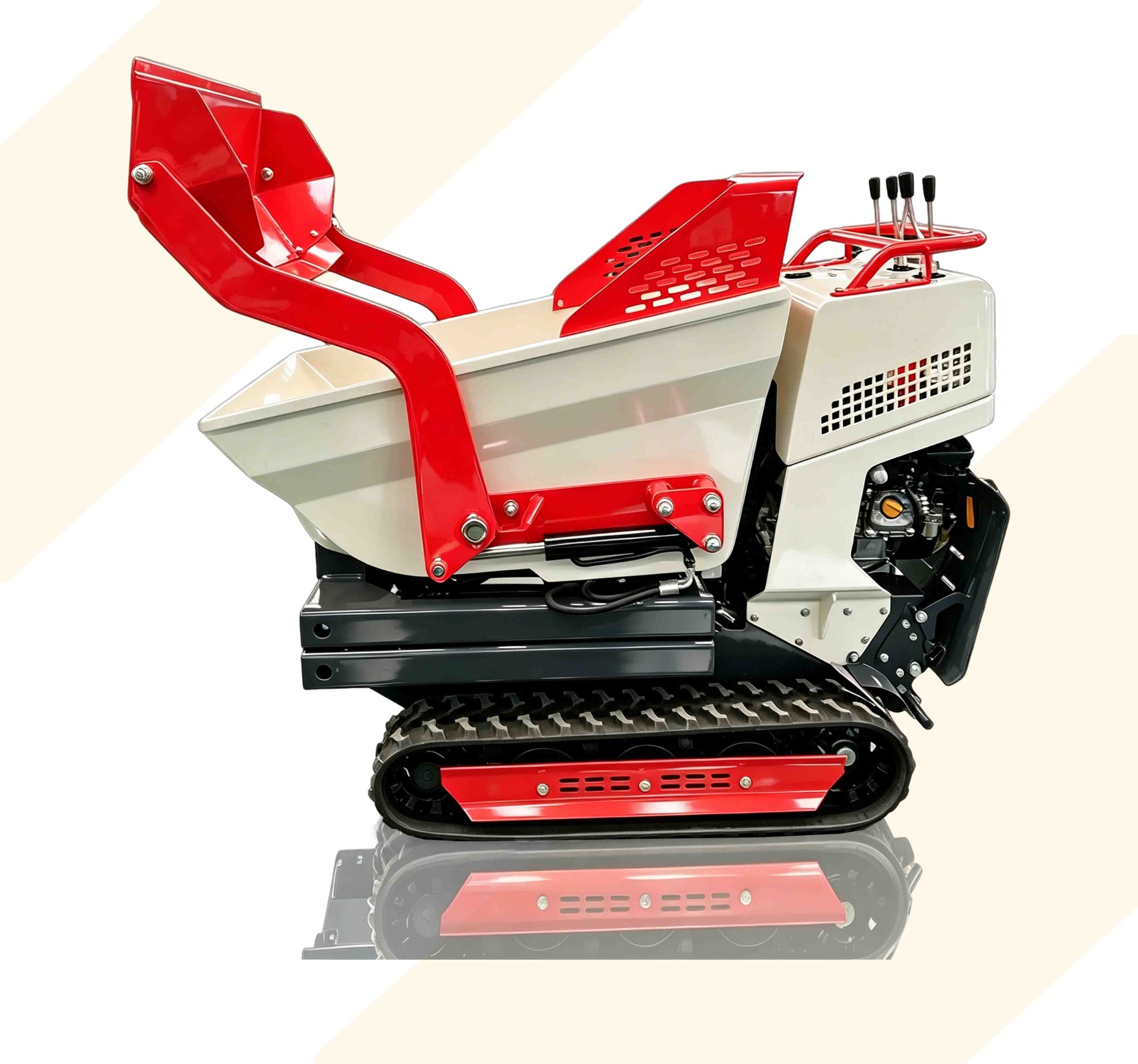
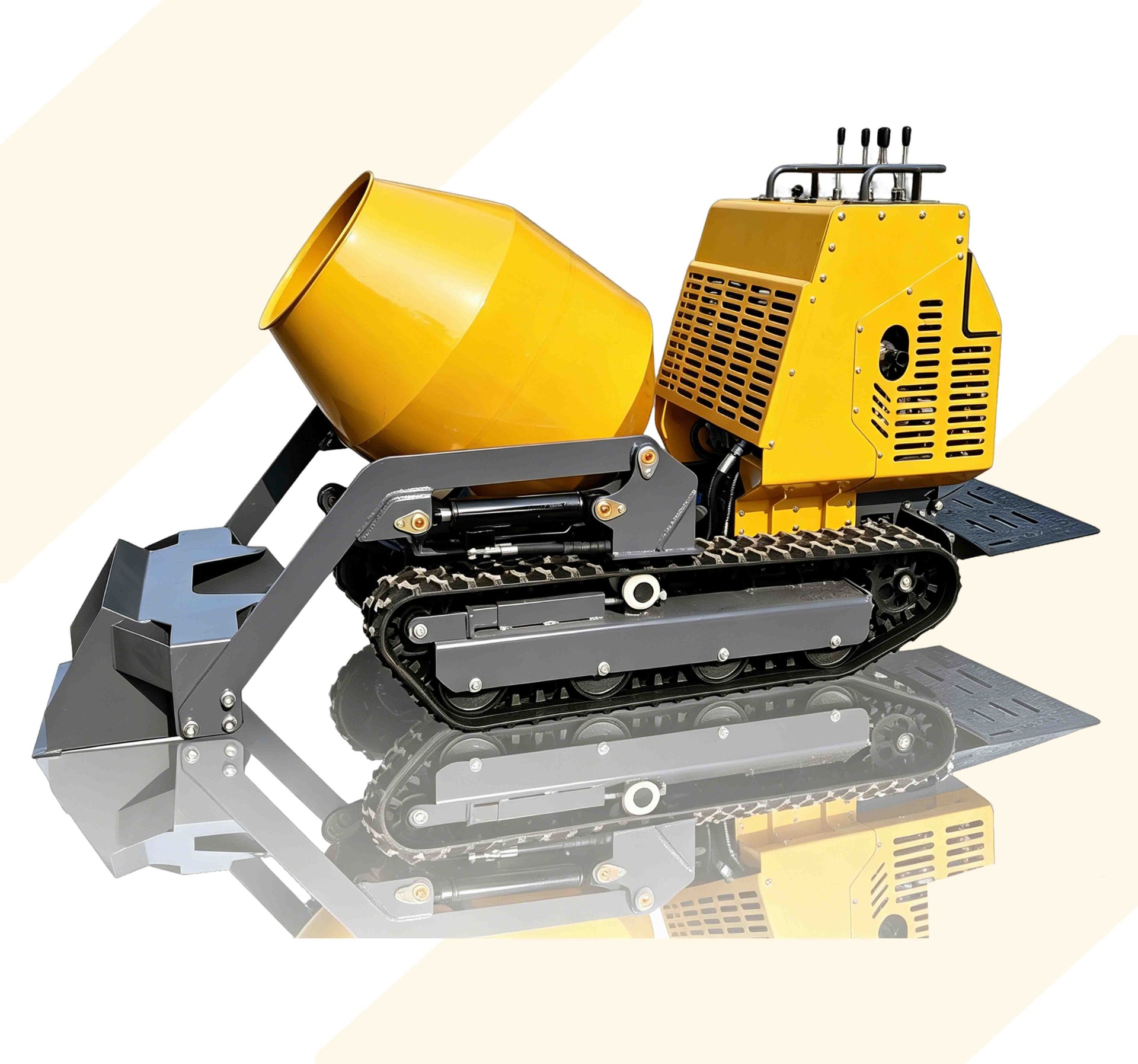
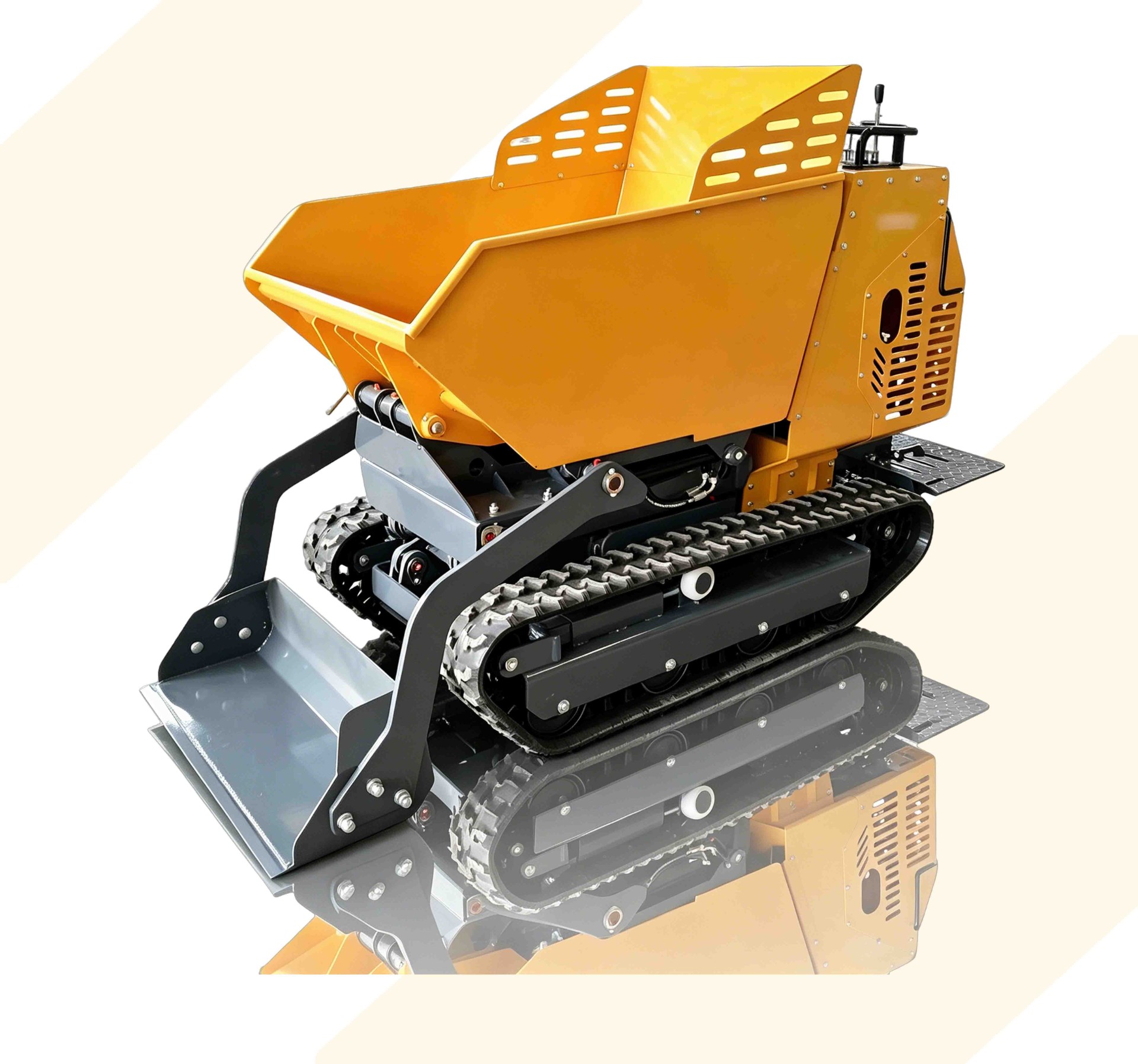
The Xinghang Series of Compact Tracked Dumpers (including the XHT500, XHT500S, XHT1000, and XHT750) represents more than just a mechanical upgrade; it is a strategic investment in workforce health and retention. By transitioning from manual barrows to mechanized dumpers, contractors address the ergonomic crisis head-on. This article explores how the specific design elements of these machines—from hydraulic controls to low-vibration tracks—create a safer, more sustainable work environment that not only protects employees but also stabilizes the labor force and improves the bottom line.
The Biomechanics of Injury: Why Wheelbarrows Fail
To understand the value of a dumper, one must first understand the physics of injury associated with manual barrows. When an operator lifts a fully loaded wheelbarrow (often exceeding 150kg), the force exerted on the lumbar spine is exponentially higher than the actual weight of the load due to leverage. Pushing this load over uneven terrain creates constant jarring impacts that transfer directly to the wrists, elbows, and shoulders. Navigating slopes or ramps requires asymmetrical muscle loading, leading to chronic strains.
Compact dumpers eliminate these stressors through intelligent design. Take the XHT500: it replaces the "lift-and-push" motion with a standing operating position. The foldable footrests provide a stable platform, allowing the operator to maintain a neutral posture rather than hunching over handles. The single-lever hydraulic control for dumping removes the violent, high-impact lifting motion required to tip a heavy wheelbarrow. Instead of fighting gravity and inertia, the operator guides the machine, allowing the hydraulics to do the work. This shift from active exertion to guided control reduces the metabolic cost of the job by over 60%, preserving worker energy and drastically lowering the risk of acute injury.
Mitigating Whole-Body Vibration (WBV)
One of the less obvious but highly damaging aspects of construction labor is exposure to Whole-Body Vibration (WBV). Prolonged exposure to vibrations from engines and uneven terrain can lead to chronic back pain, circulatory issues, and nerve damage. Traditional wheelbarrows offer zero vibration isolation; every bump in the path travels up the handles and into the operator's arms and spine.
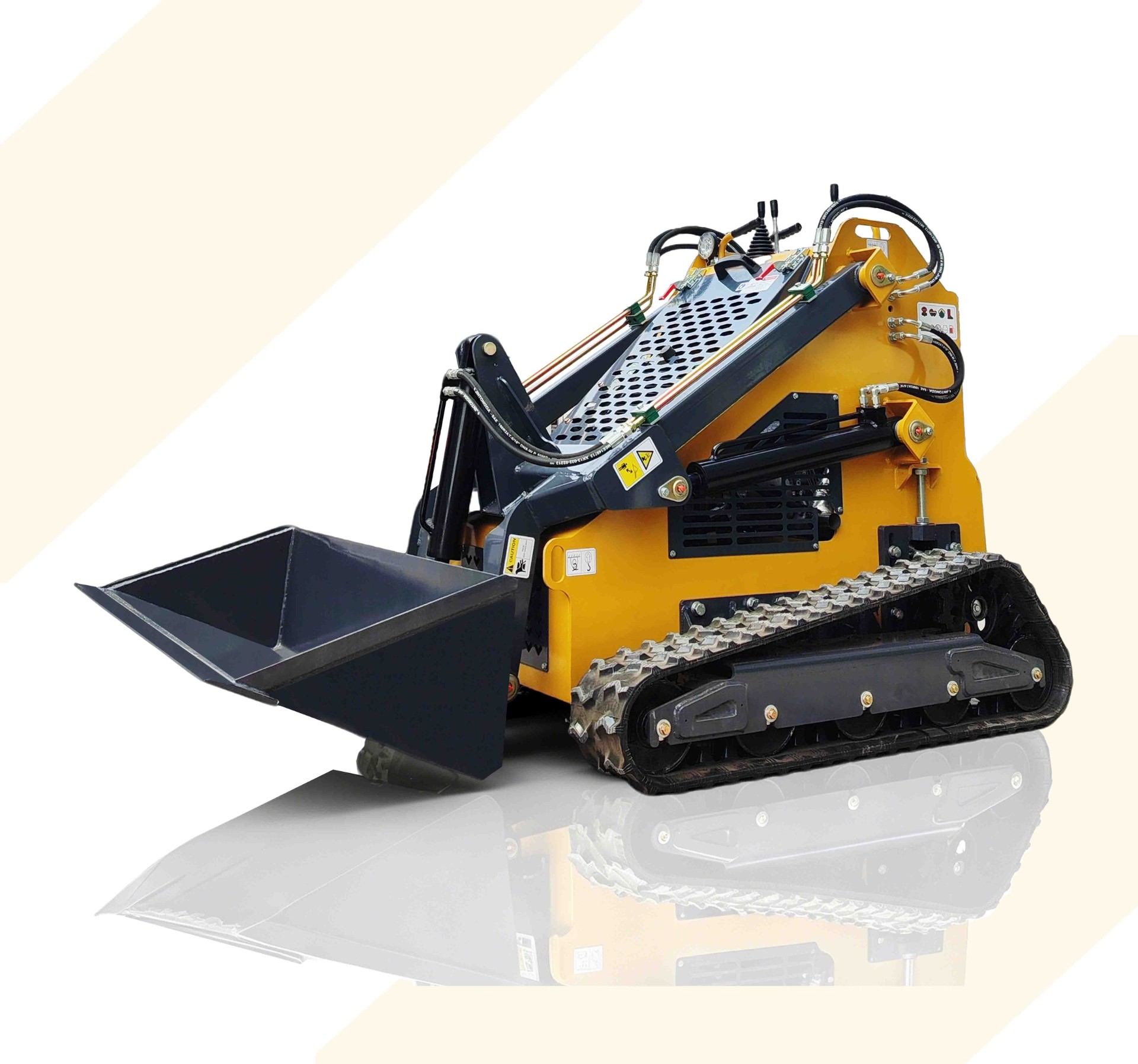
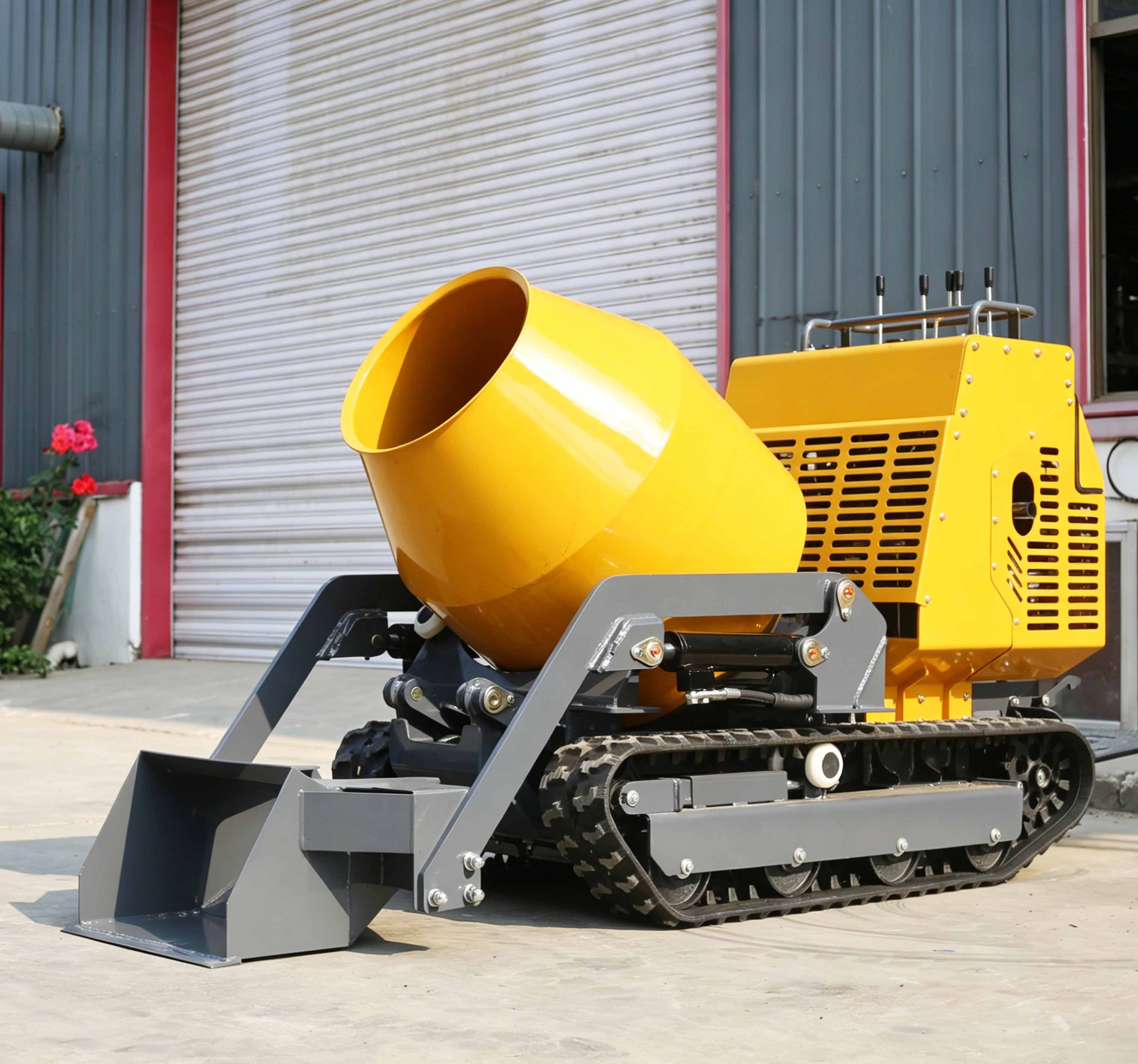
Xinghang dumpers incorporate several layers of vibration mitigation. The rubber track system acts as a primary dampener. Unlike steel tracks or hard rubber tires, the 180mm wide rubber tracks absorb minor surface irregularities, smoothing the ride. Furthermore, the mechanical suspension inherent in the track tensioning system helps isolate the chassis from ground shocks. In the XHT750 Mixing Dumper, this is doubly important. The operator stands on a stable platform while the mixing drum absorbs rotational forces, rather than the operator's body absorbing them. By reducing WBV, contractors reduce long-term health claims and ensure their crew finishes the season in the same physical condition they started it.
Cognitive Ergonomics: Reducing Operator Fatigue
Ergonomics is not solely about physical posture; it also encompasses cognitive load. A fatigued mind is slower to react to hazards, increasing the likelihood of accidents. Manual material handling is mentally exhausting because the operator must constantly focus on balancing the load, navigating obstacles, and managing their own exhaustion simultaneously.
Xinghang dumpers simplify the cognitive burden through centralized controls and superior maneuverability. The 1.15m turning radius of the XHT500 means the operator doesn't have to perform complex, strength-sapping reversing maneuvers in tight spots. The hydrostatic transmission (featured in the XHT750 and XHT1000) provides smooth, infinite speed control without the need for clutching or gear shifting. This allows the operator to focus on the path ahead rather than the mechanics of the machine. When workers are less mentally drained, they make fewer mistakes, spot safety hazards sooner, and maintain higher productivity levels throughout the entire shift.
The Business Case: Retention and ROI
Investing in ergonomic equipment like the Xinghang dumper series makes powerful financial sense. In a tight labor market, skilled operators are a company's most valuable asset. Offering "easy-to-run" equipment is a significant recruitment and retention tool. Crews are more likely to stay with an employer who provides tools that protect their bodies. This reduces the "hidden costs" of hiring: advertising, interviewing, training, and the lost productivity during the learning curve of new hires.
Moreover, insurance providers often look favorably upon companies that implement proactive ergonomic solutions. Lower incident rates can lead to reduced Workman's Compensation premiums over time. When calculating the Return on Investment (ROI) for an XHT1000 or XHT750, the savings from avoided injuries, lower insurance, and reduced employee turnover often outweigh the initial capital expenditure within the first year. The Xinghang dumper is not an expense; it is a protective investment in your most critical resource—your people.
Conclusion: Building a Sustainable Future
The construction industry is evolving. The old mindset of "pushing through the pain" is being replaced by a smarter approach that values longevity and wellness. The Xinghang Compact Dumper series sits at the forefront of this evolution. By addressing the physical and cognitive stresses of material handling, these machines empower contractors to build not just structures, but a sustainable, healthy, and loyal workforce. In the end, the most efficient job site is the one where every worker goes home safe and sound at the end of the day.