 Chinese
 English
 Russian
Introduction: The Shift Toward Equipment-as-a-Service
In the modern construction and landscaping economy, the adage "own the asset, control the profit" is being replaced by a more nuanced reality: "Maximize the uptime, maximize the margin." For rental house operators, general contractors, and even large-scale landscaping firms, the decision to invest in a fleet of compact dumpers is not merely a purchasing choice—it is a strategic calculation of Return on Investment (ROI). The challenge lies in selecting equipment that minimizes maintenance headaches while maximizing daily utilization rates. Low-quality machines may have a cheaper sticker price, but they quickly become financial liabilities through frequent breakdowns, high repair costs, and dissatisfied customers.
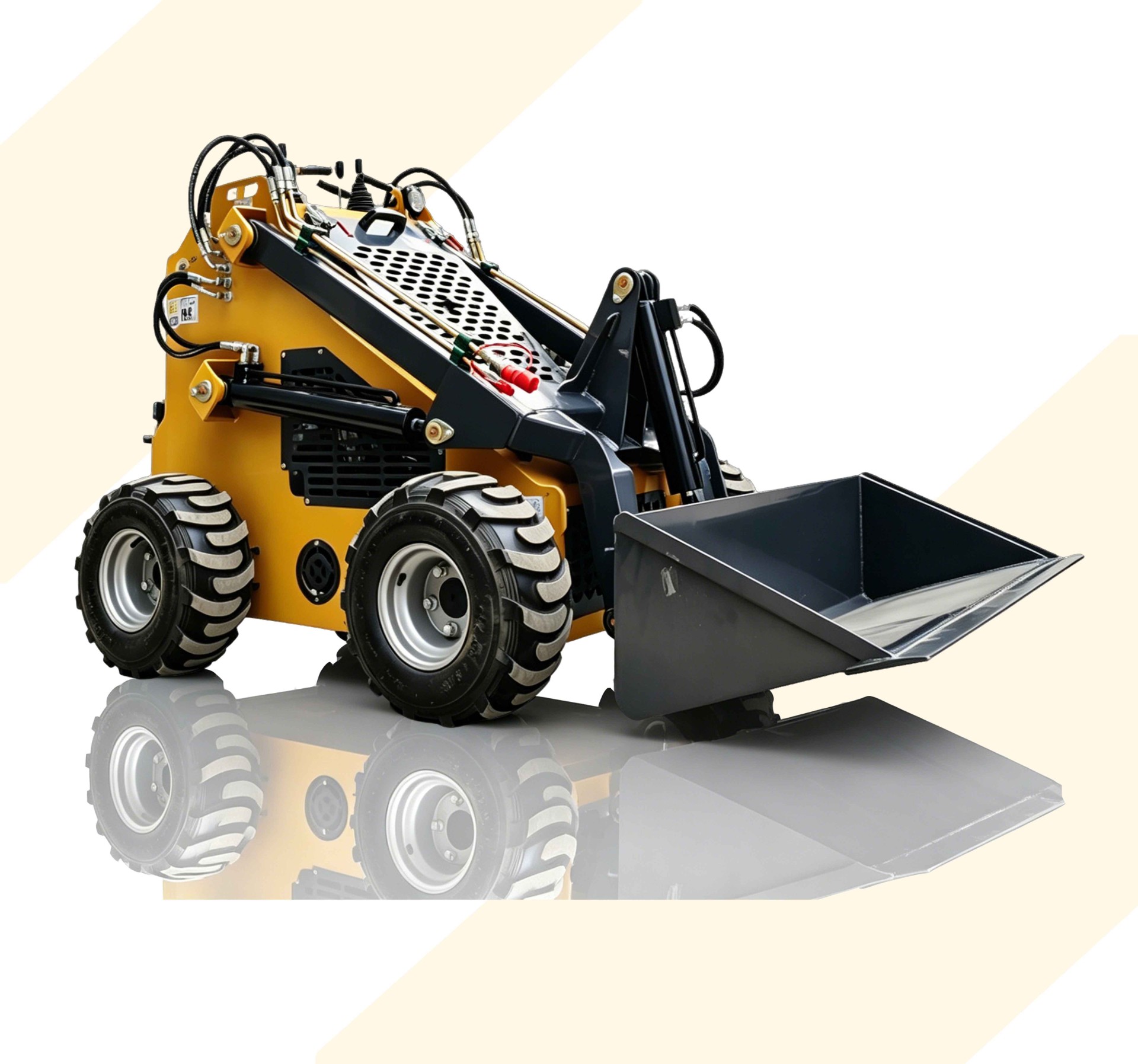
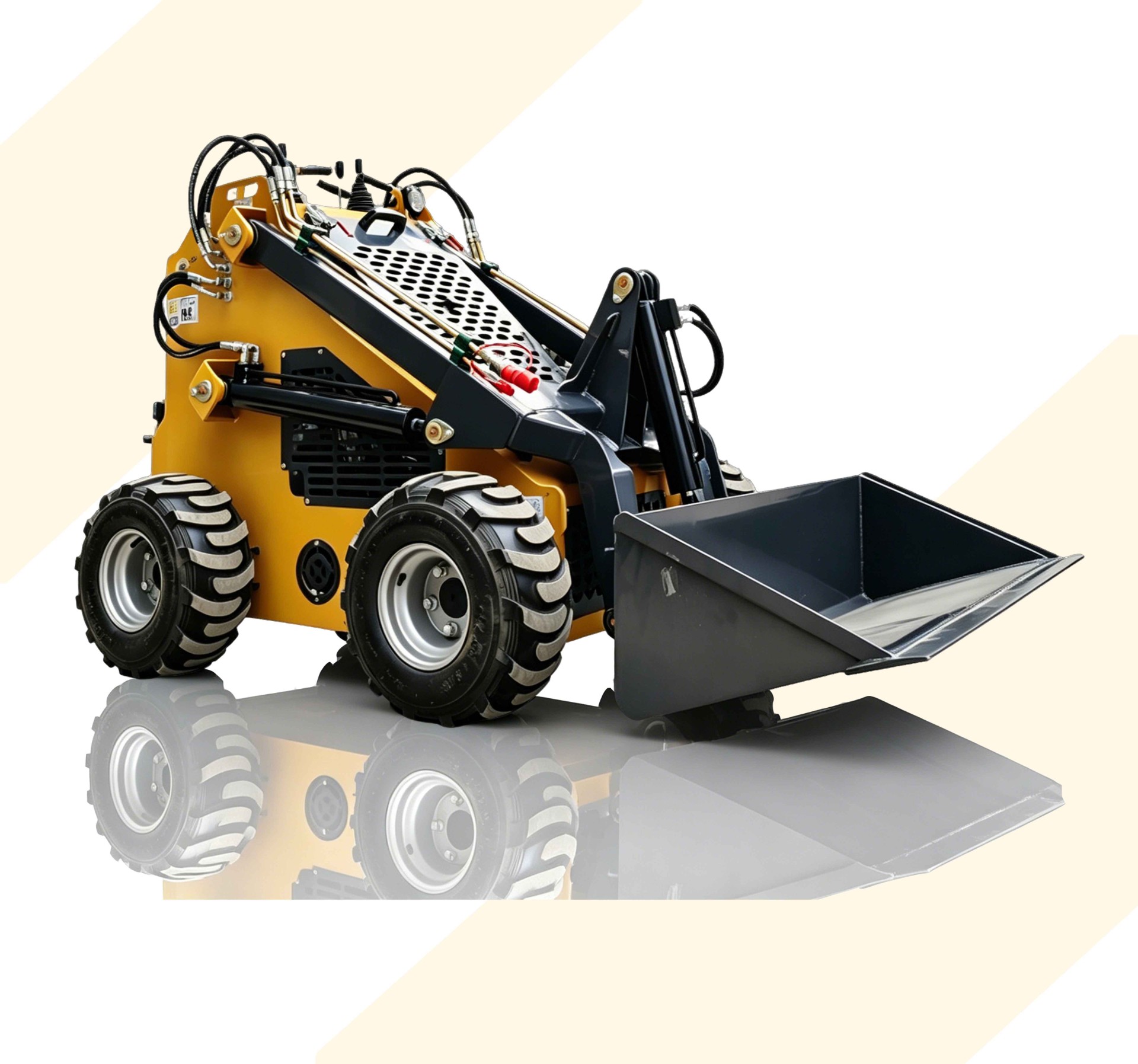
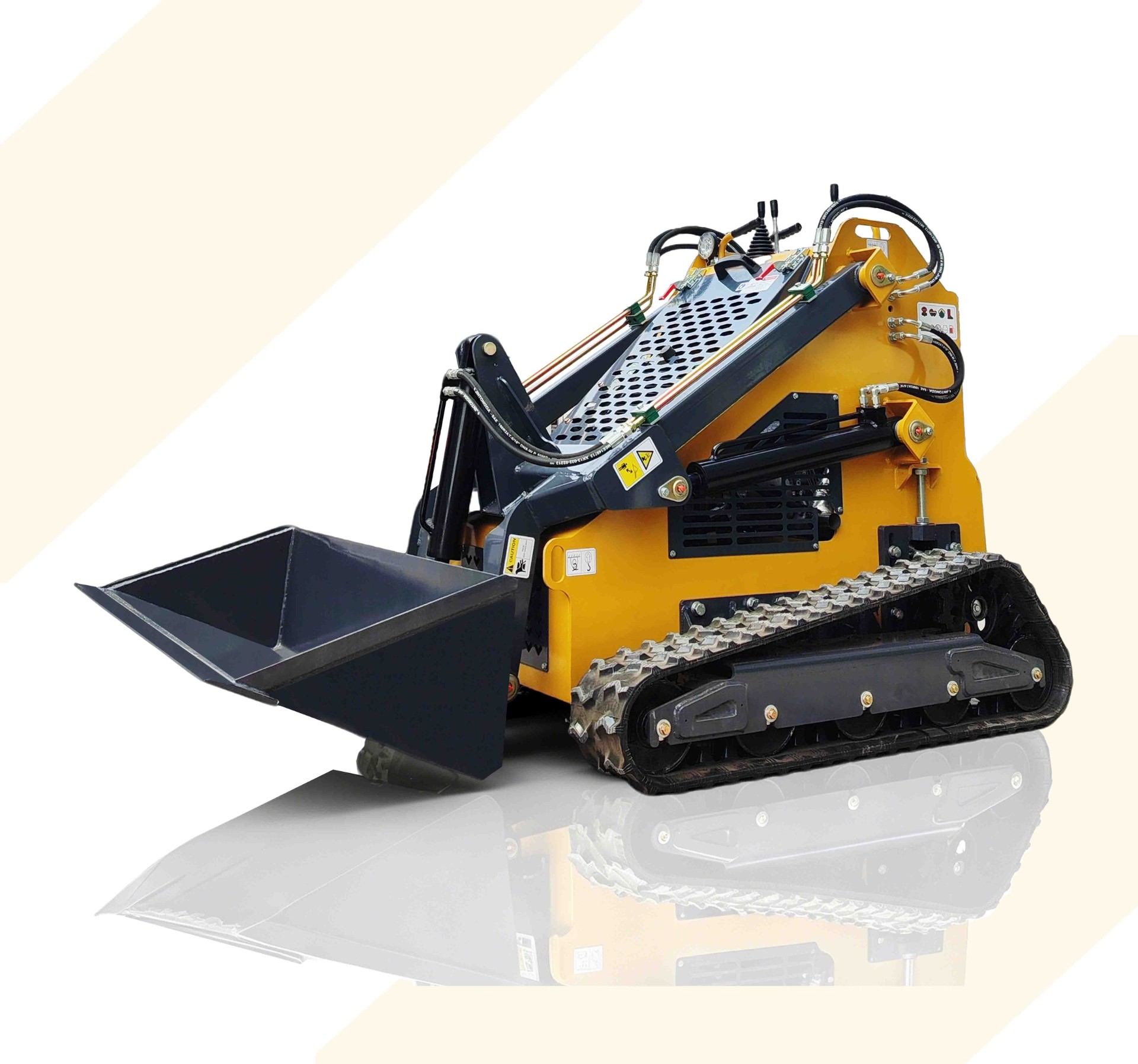
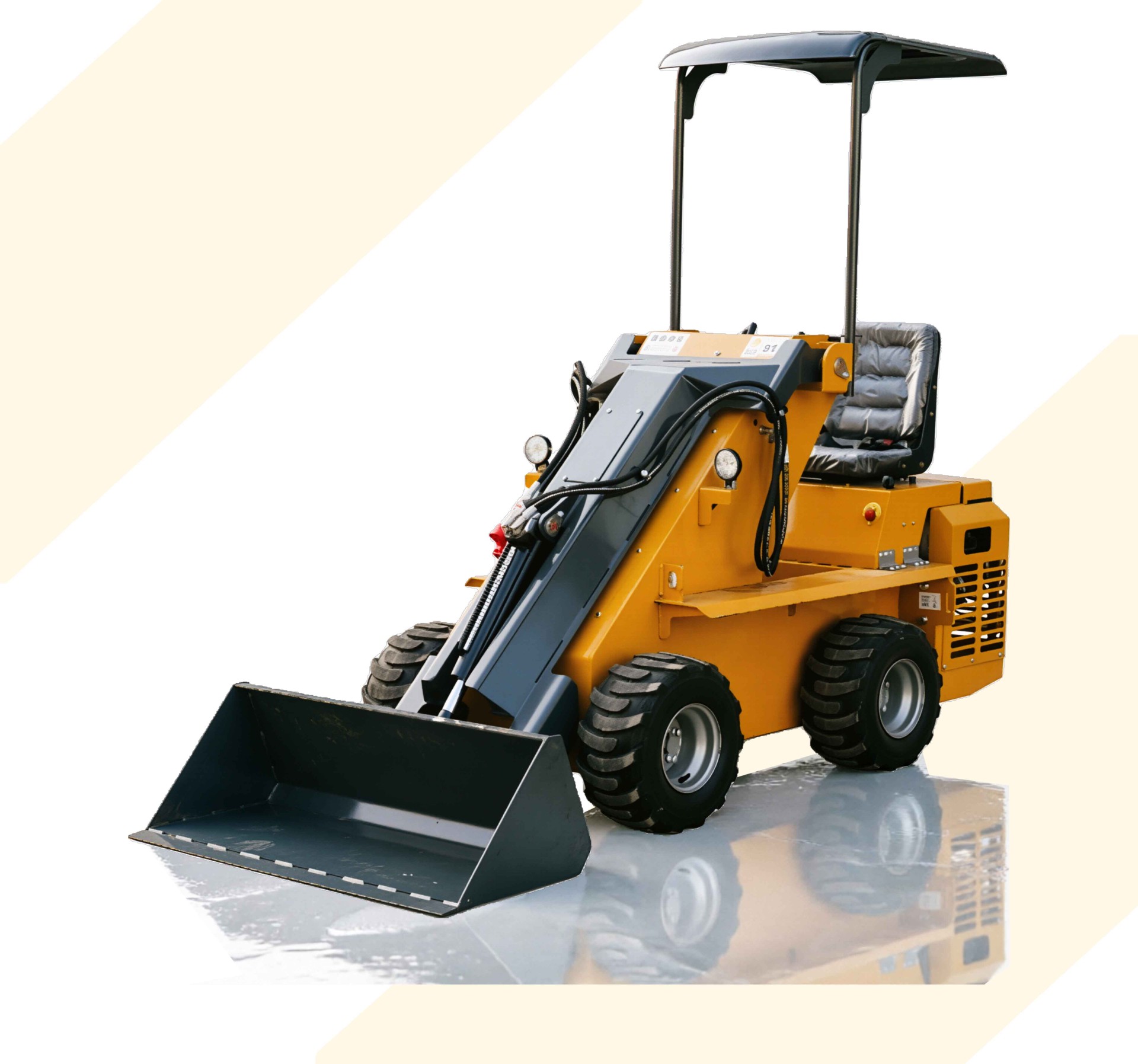
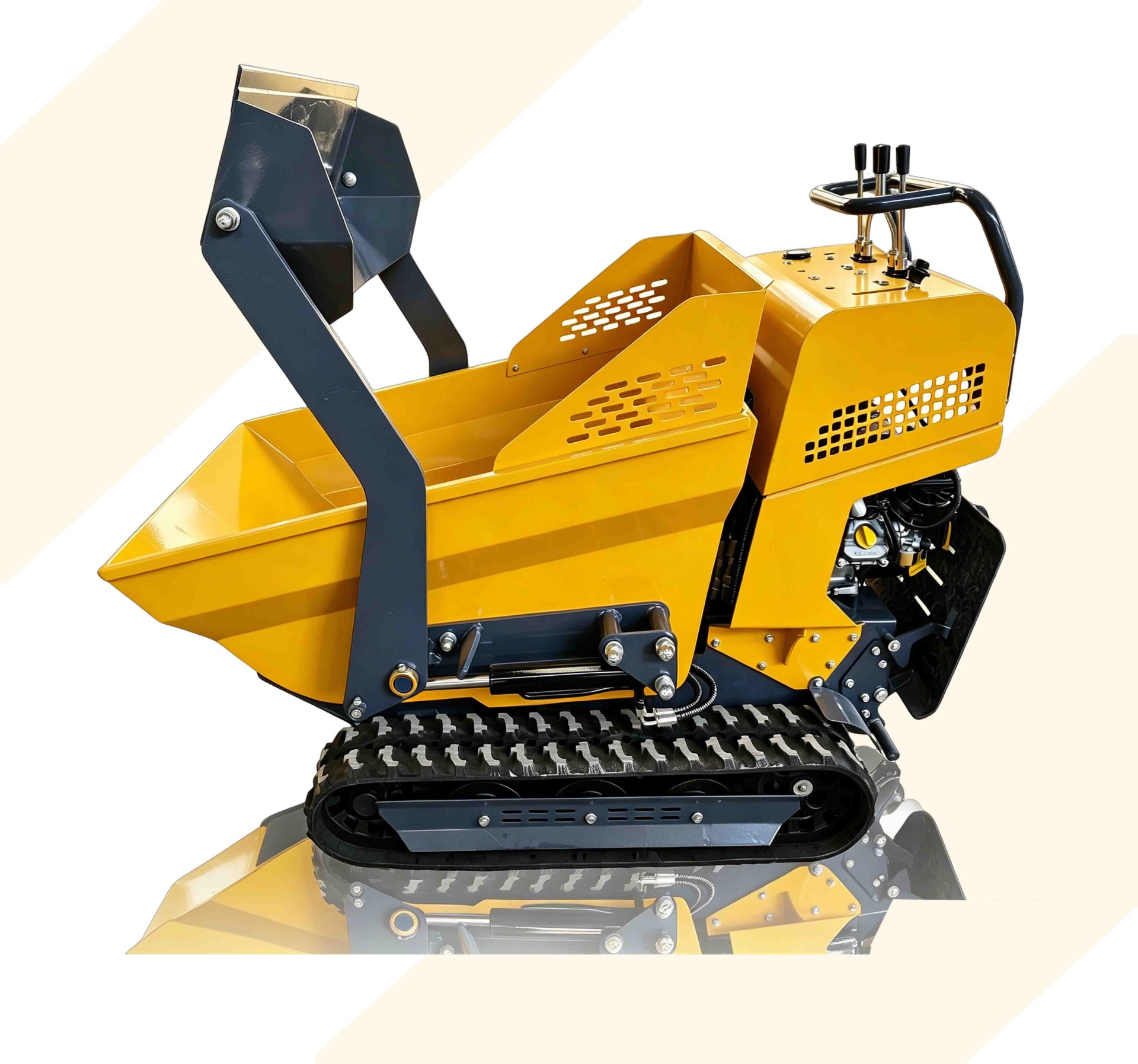
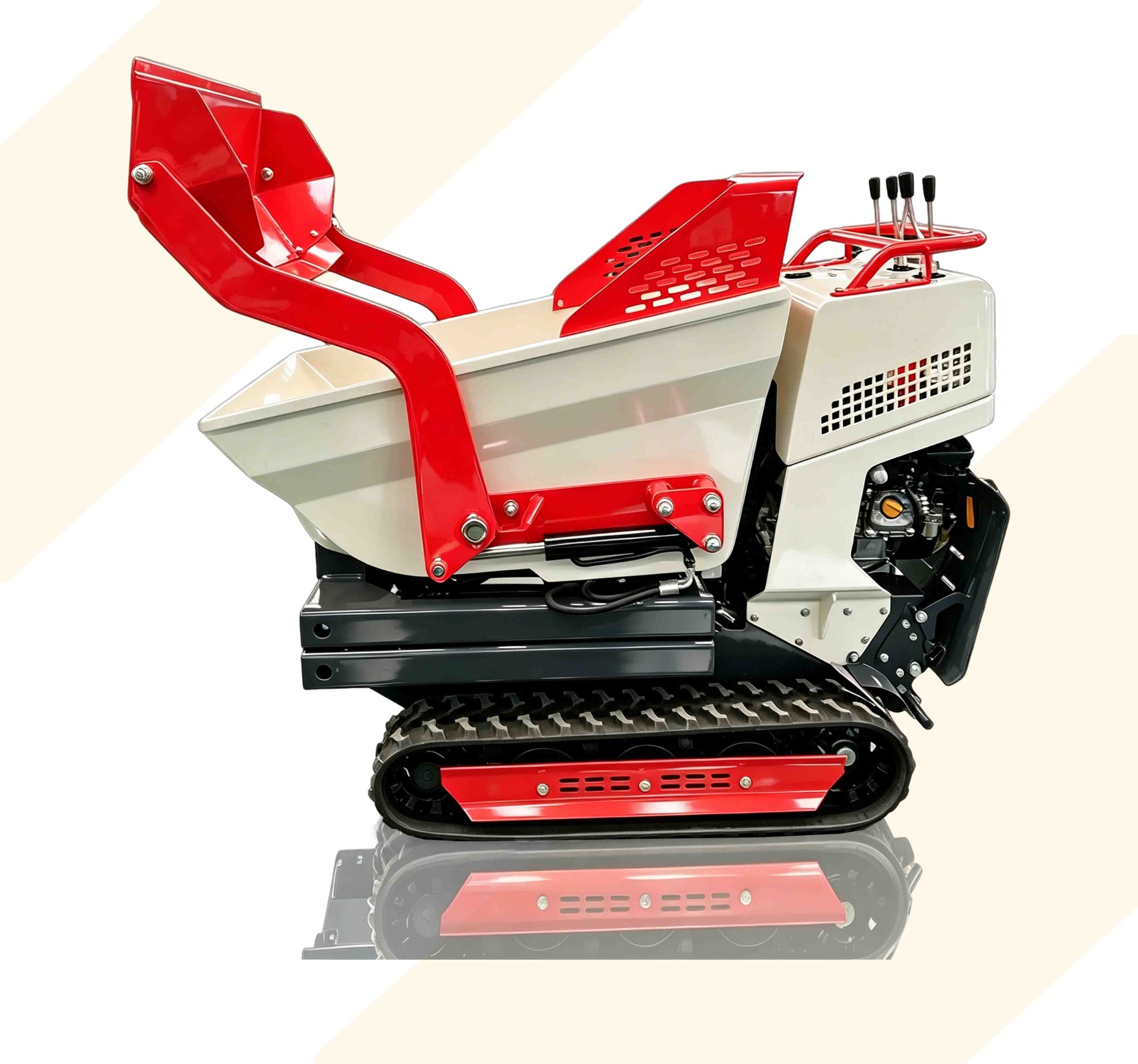
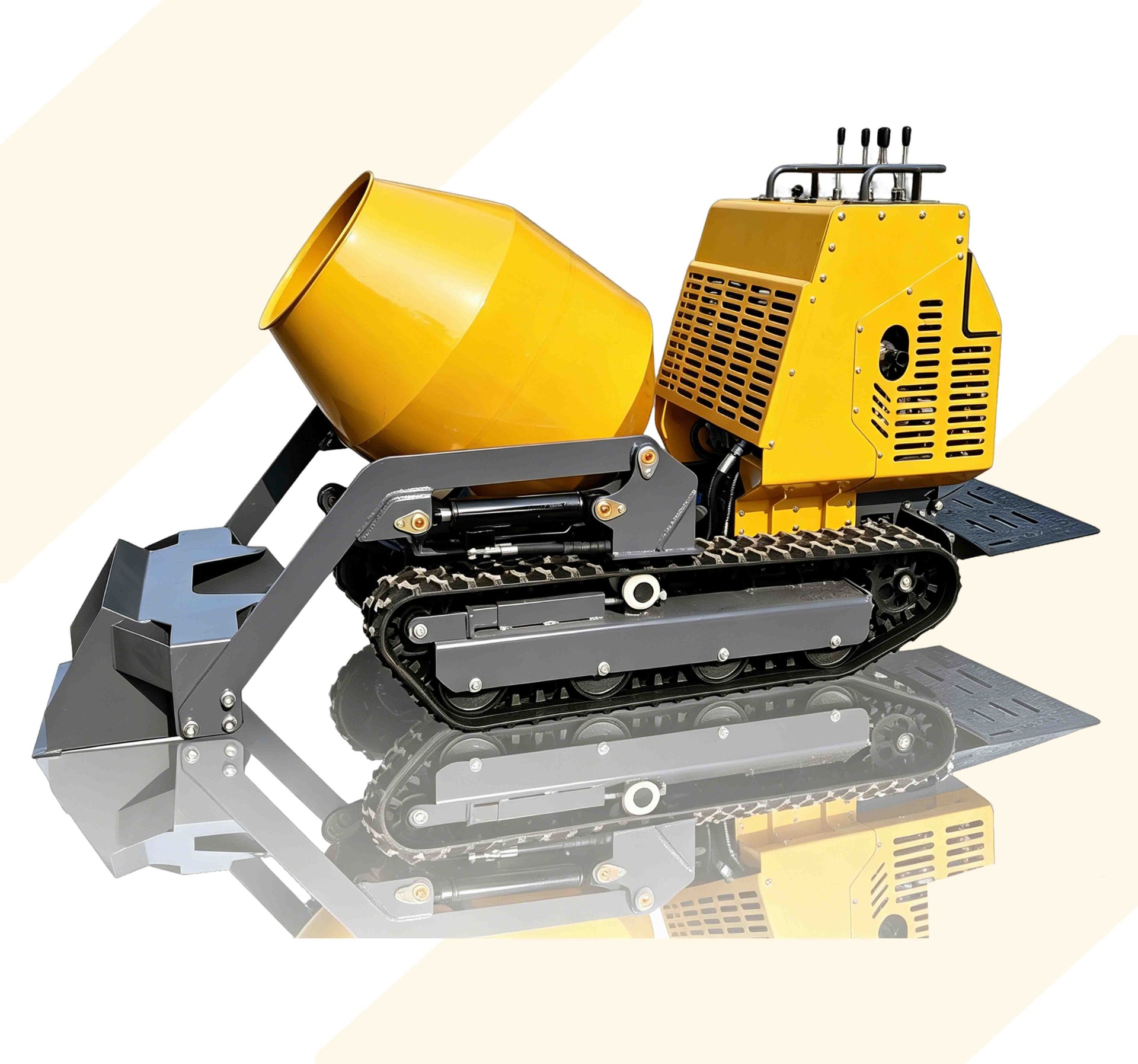
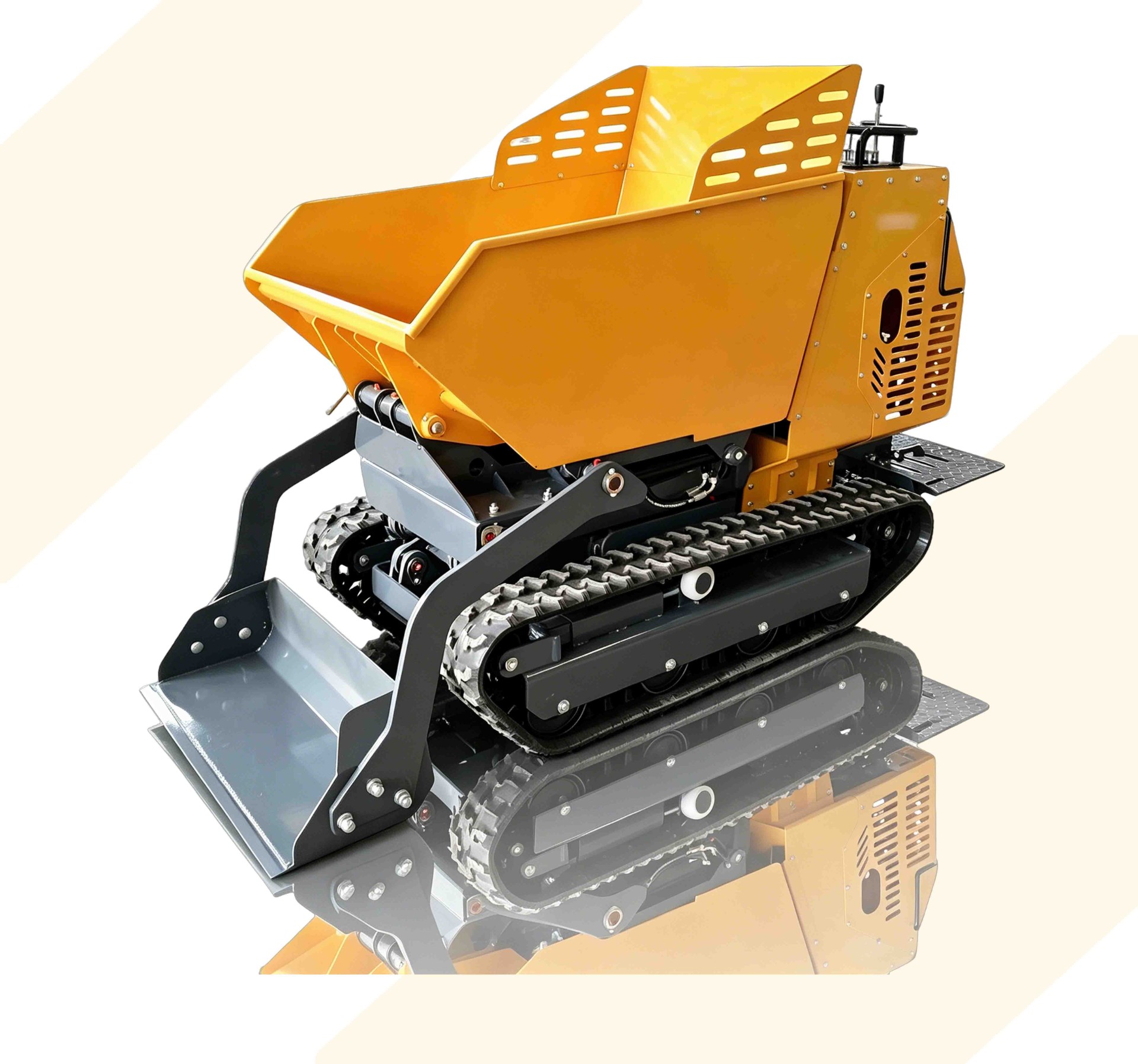
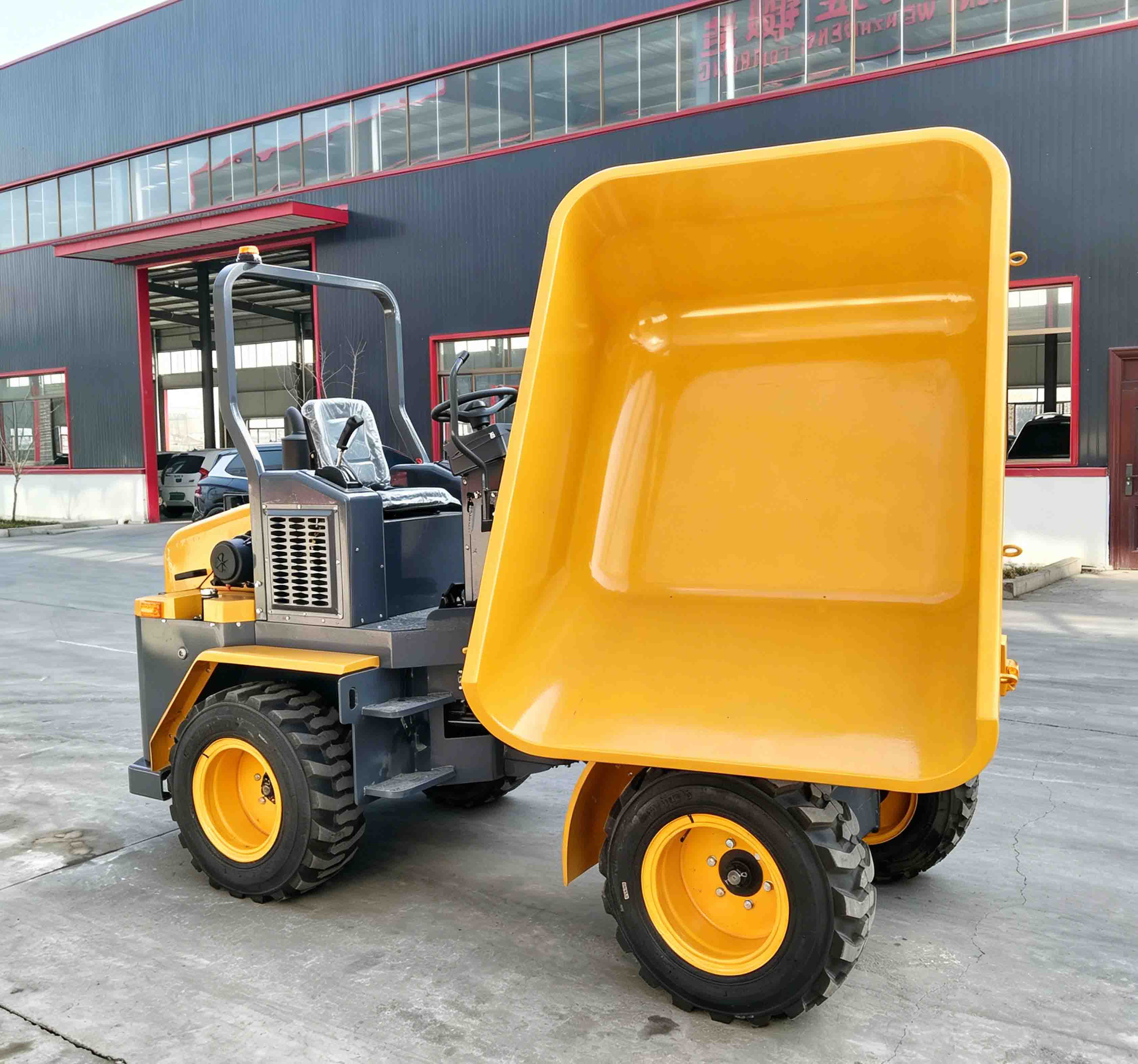
The Xinghang Series of Compact Dumpers (XHT500, XHT500S, XHT1000, and XHT750) is engineered specifically for the high-utilization demands of the rental market. By standardizing on globally recognized powerplants like Briggs & Stratton and Yanmar, utilizing heavy-gauge steel construction, and implementing intuitive operator interfaces, Xinghang delivers a fleet solution that optimizes the rental yield equation. This article breaks down the financial logic of deploying these machines, demonstrating why they are not just expenses on a balance sheet, but high-performing assets that drive consistent cash flow.
The Acquisition Factor: Initial Capital vs. Lifecycle Value
At first glance, the initial purchase price is the most visible metric. However, savvy fleet managers look at Lifecycle Value (LCV). A dumper with a slightly higher acquisition cost but significantly longer service intervals and better parts availability will outperform a cheap alternative over a five-year period. Xinghang machines are built around this principle. For instance, specifying Briggs & Stratton engines is a calculated move. These engines are ubiquitous globally, meaning spare parts are readily available in almost any port city. This reduces the "parts lag"—the time a machine sits idle waiting for a component—which is the number one killer of rental profitability.
Furthermore, the structural integrity of the Xinghang chassis contributes to LCV. The use of high-hardness pressed steel skips and reinforced track frames means the machines can withstand the "abuse factor" inherent in rental operations. Unlike consumer-grade equipment that degrades rapidly under commercial use, Xinghang dumpers are industrial-grade. This durability translates directly into higher residual values at the end of the lease term or when selling off older units, preserving the owner's equity in the asset.
Operational Efficiency: High Utilization, Low Downtime
Utilization Rate—the percentage of time a machine is out on rent versus sitting in the yard—is the heartbeat of the rental business. Xinghang dumpers are designed to boost this metric through versatility. The XHT500 appeals to landscapers and plumbers; the XHT1000 attracts contractors needing heavy lifting; and the XHT750 captures the concrete and masonry market. This cross-sector appeal ensures that the machines are never pigeonholed into a single, seasonal trade.
Downtime is the enemy of utilization. Xinghang combats this through simplified maintenance. The centralized grease points and tool-less access panels allow for quick daily inspections. More importantly, the hydraulic systems are sealed and robust. In the rental world, a machine that requires a technician to spend two hours troubleshooting is a money-loser. Xinghang’s straightforward mechanical and hydraulic layouts mean that minor issues can often be resolved on-site by the renter or a quick-service tech visit, keeping the machine earning revenue instead of costing it.
Fuel Economy and Consumables: Protecting the Margins
Profit margins in equipment rental are notoriously thin, and fuel consumption is a major variable cost. Diesel engines, such as the 13HP Yanmar in the XHT750, offer superior fuel efficiency compared to gasoline alternatives, especially under constant load. For the rental operator, this means less money spent on refueling service calls and happier end-users who appreciate lower operating costs.
Moreover, the wear items on Xinghang machines are designed for longevity. The 180mm rubber tracks are formulated for high abrasion resistance. In a typical rental scenario, track wear is a significant expense. By extending the service life of these consumables, Xinghang reduces the frequency of track replacements, directly protecting the profit margin on each rental contract. When maintenance is required, the standardized nature of components like filters and belts keeps inventory costs low for the rental house.
Market Differentiation: Commanding Premium Rates
Not all rental fleets are created equal. Offering "Comfort Spec" or "Pro Spec" equipment allows rental houses to differentiate themselves from competitors offering outdated or poorly maintained gear. The Xinghang series, with its hydraulic lifting capabilities (XHT500S/1000) and integrated mixing tanks (XHT750), represents the premium tier of compact equipment.
Contractors are willing to pay a premium—sometimes 15-20% more—for equipment that saves them labor. Since a Xinghang dumper can replace 3-4 manual laborers, the contractor saves hundreds of dollars per day in wages. The rental house can capture a portion of these savings by charging a higher daily rate. This value-based pricing strategy, supported by the tangible productivity gains of the equipment, allows for a much faster ROI. Instead of competing on price alone, the rental house competes on value, attracting higher-quality clients who prioritize efficiency and reliability.
The Calculation: A Sample ROI Scenario
Let’s consider a hypothetical scenario for an XHT1000 Lifting Dumper:
Acquisition Cost: $8,500 USD
Daily Rental Rate: $150 USD (Premium rate due to lifting capability)
Avg. Monthly Utilization: 60% (18 days/month)
Monthly Revenue: $2,700 USD
Monthly Costs (Maintenance, Fuel, Insurance): $400 USD
Net Monthly Profit: $2,300 USD
Break-even Point: ~4 months
After the break-even point, the machine continues to generate profit for years. Even accounting for off-season periods or major repairs, the Xinghang dumper typically pays for itself within the first year, after which it becomes a pure profit center.
Conclusion: Building a Resilient Fleet
Investing in the Xinghang dumper series is a hedge against labor shortages and rising operational costs. For the rental market, these machines offer a trifecta of benefits: high durability ensures longevity, low maintenance ensures uptime, and high productivity ensures customer satisfaction. By integrating these machines into a fleet, rental operators don't just buy hardware; they invest in a predictable, high-yield revenue stream that supports sustainable business growth.