 Chinese
 English
 Russian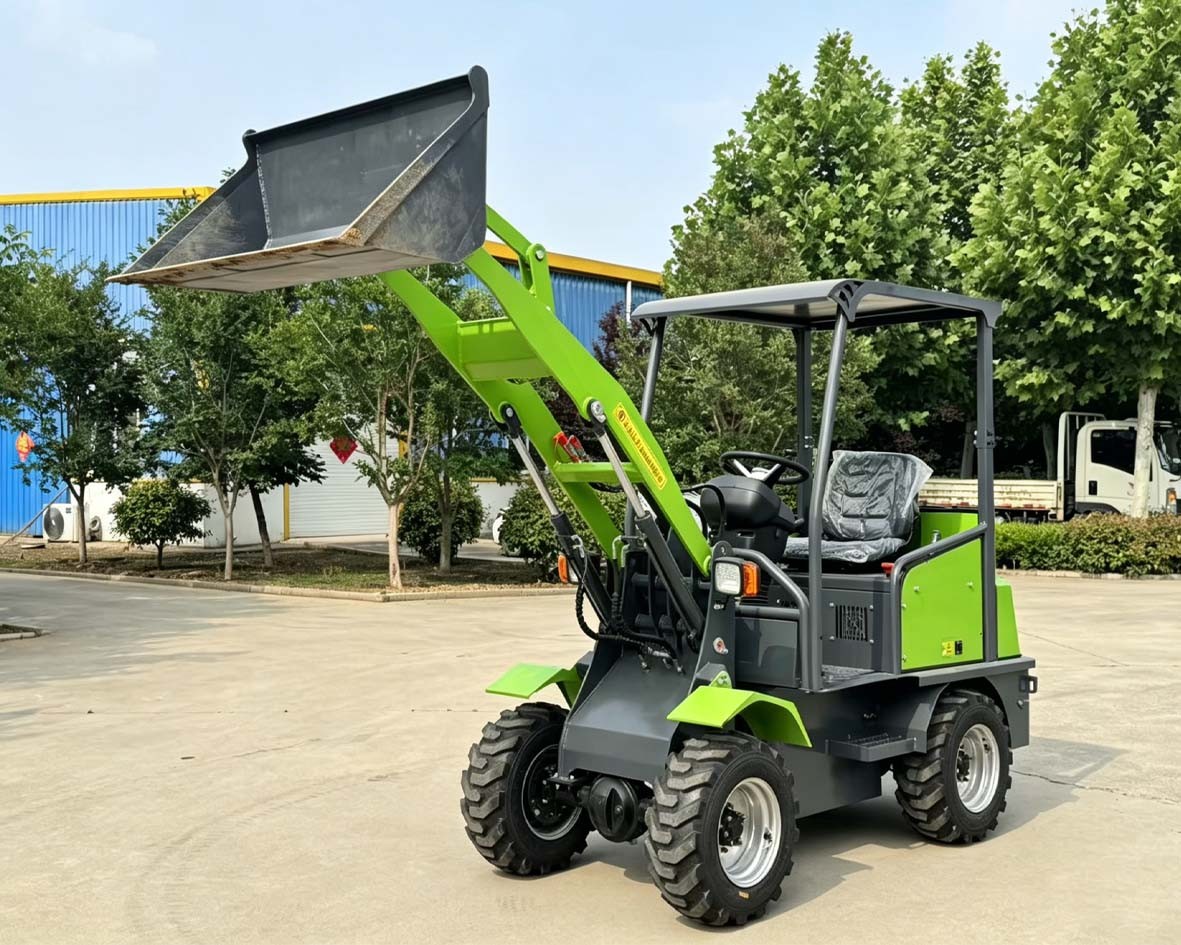
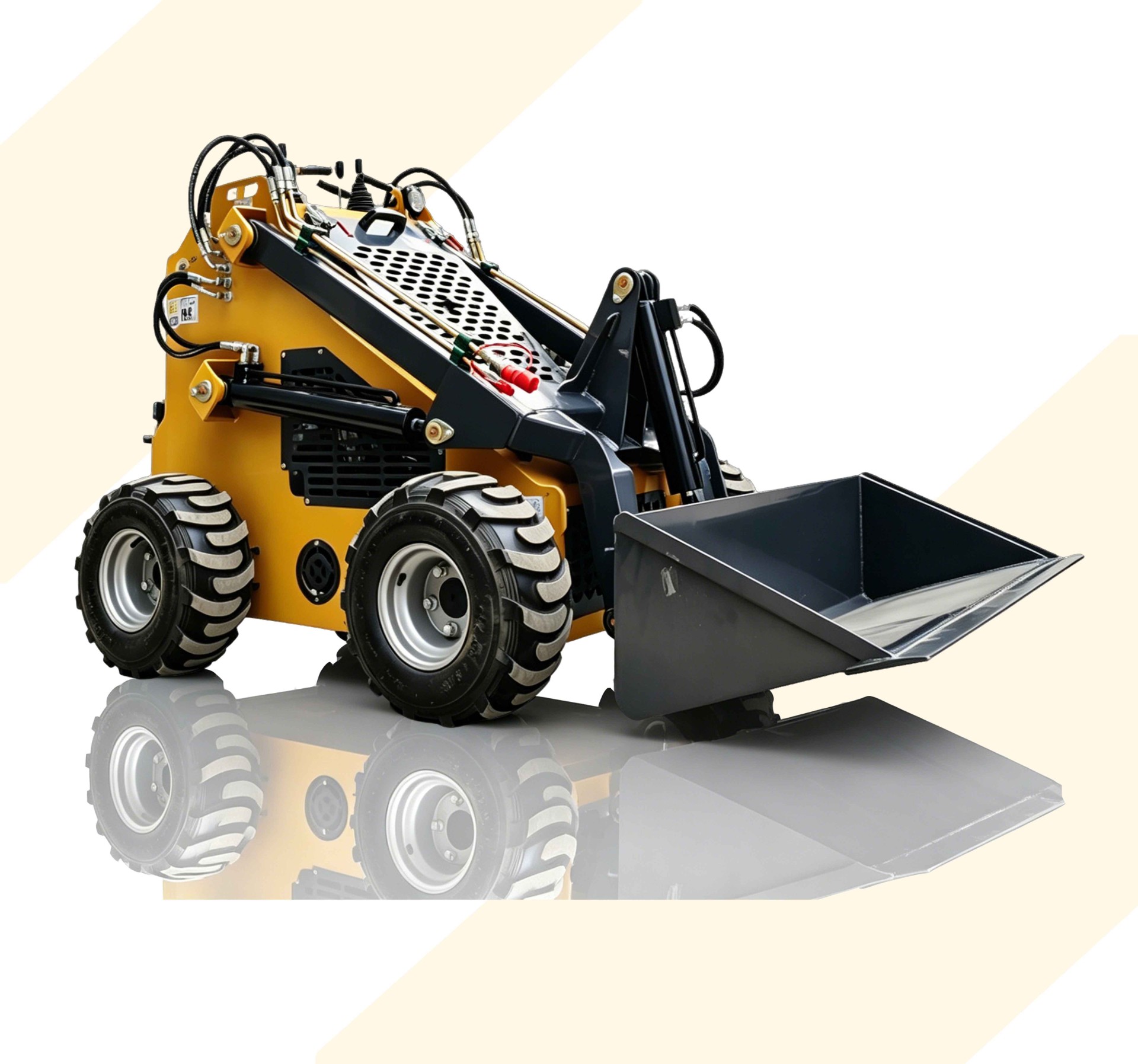
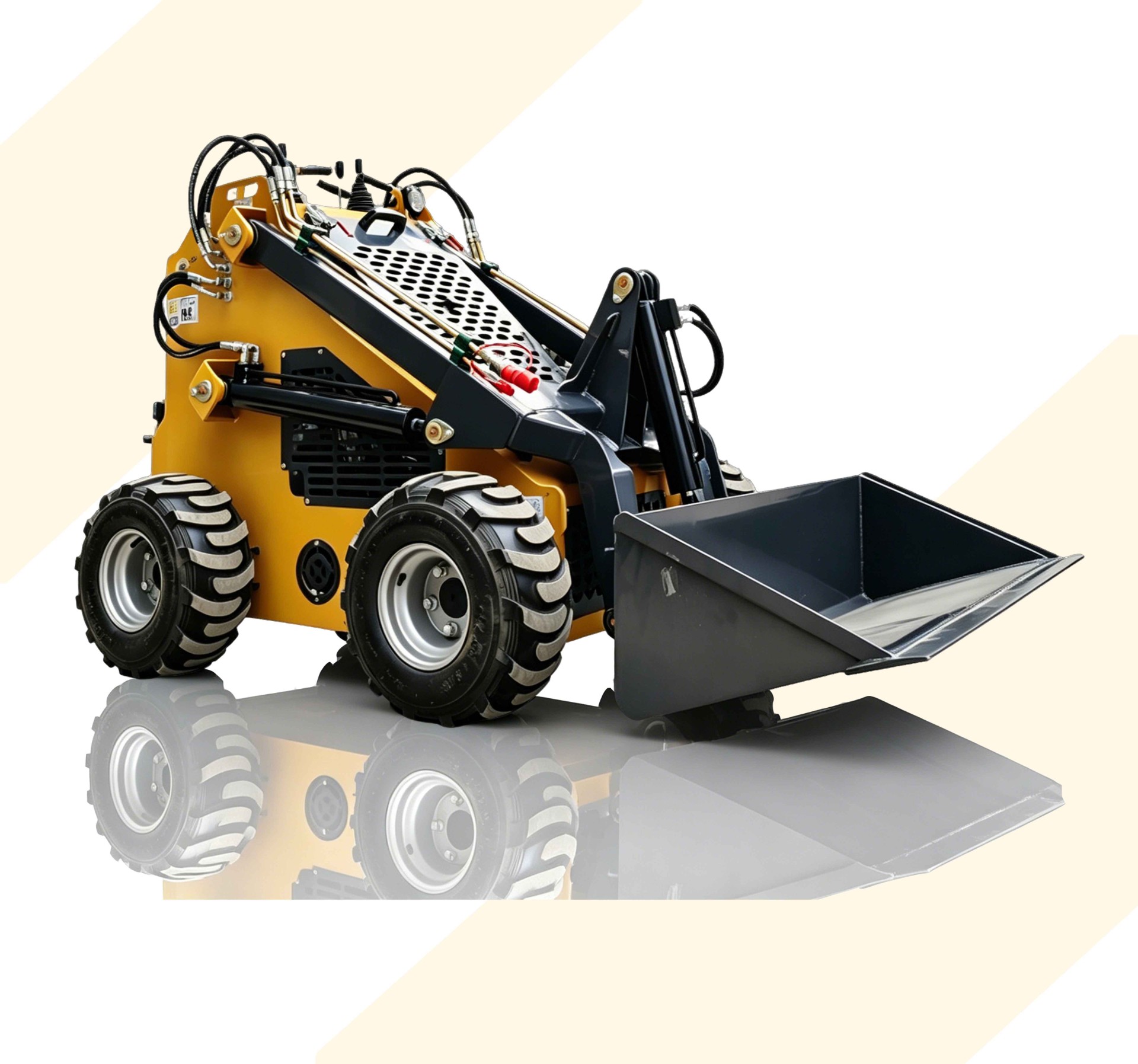
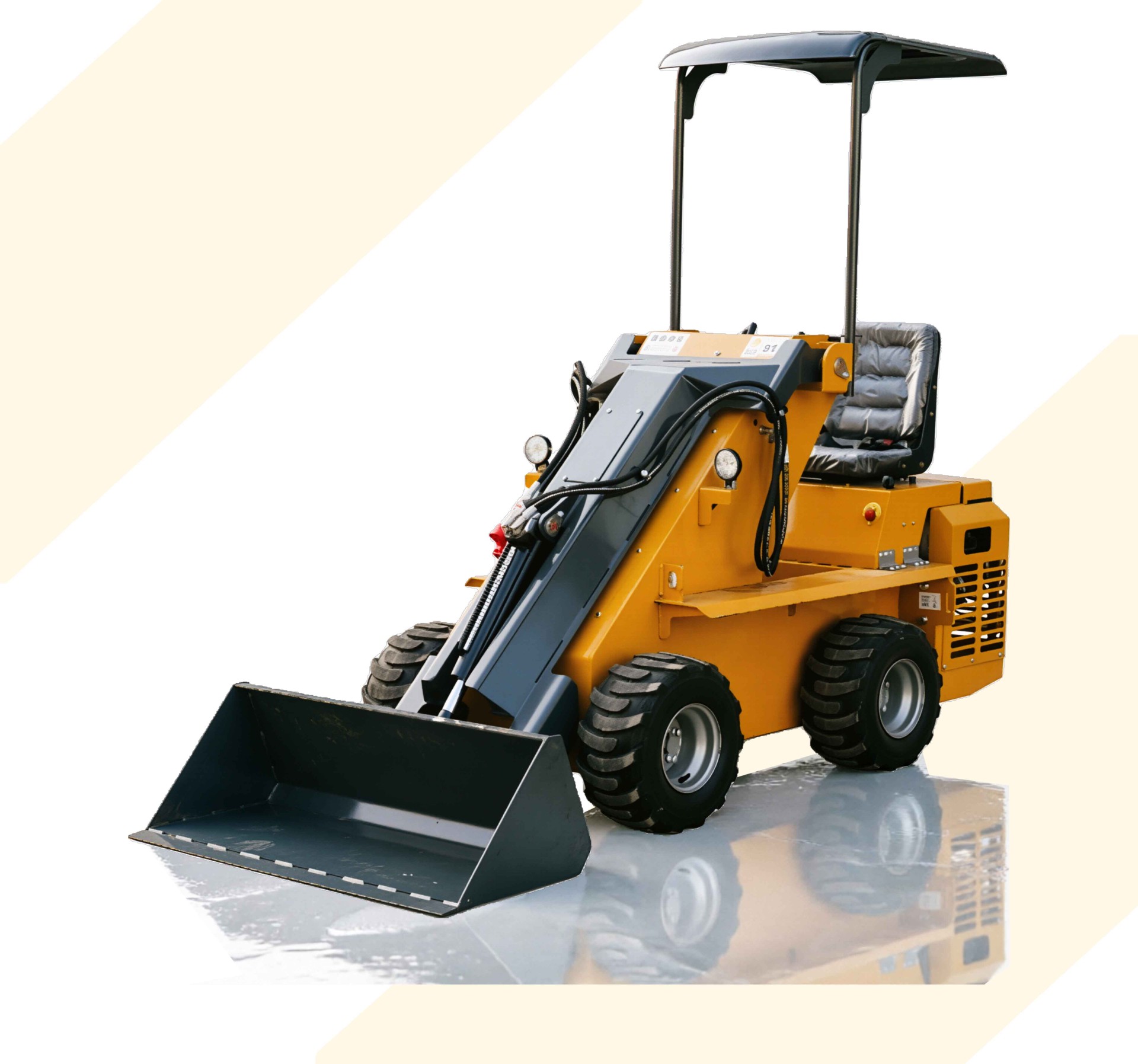
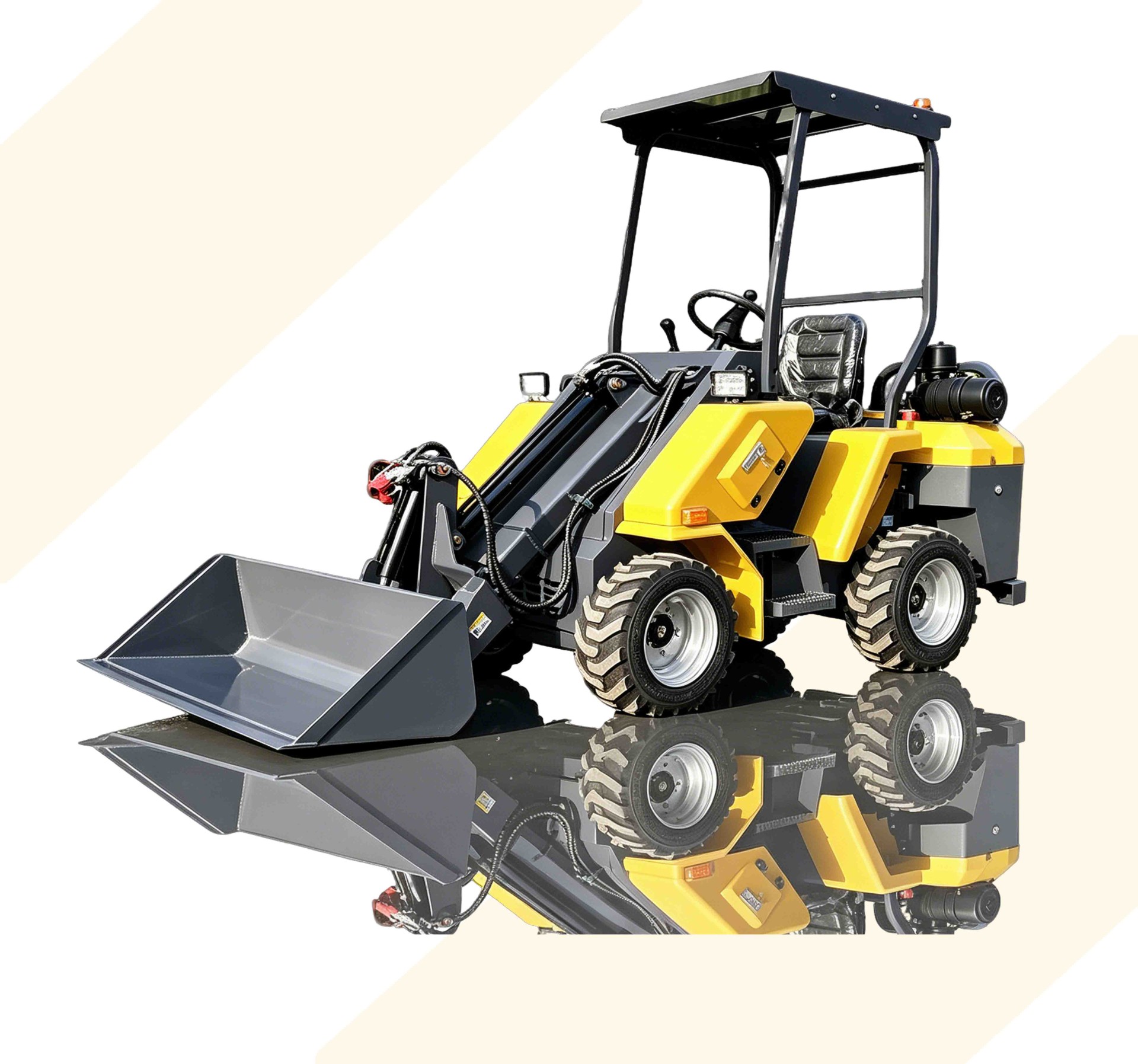
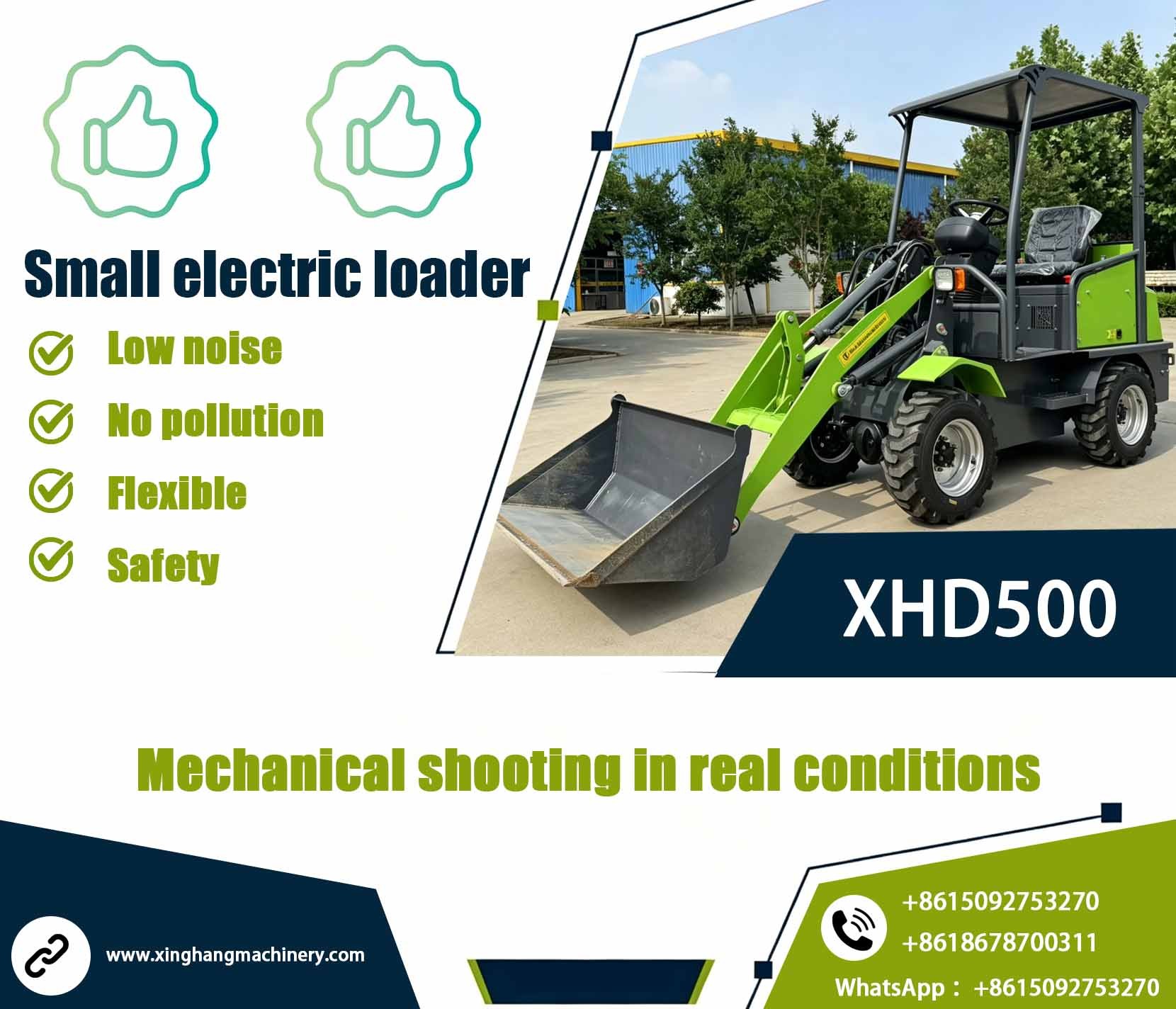
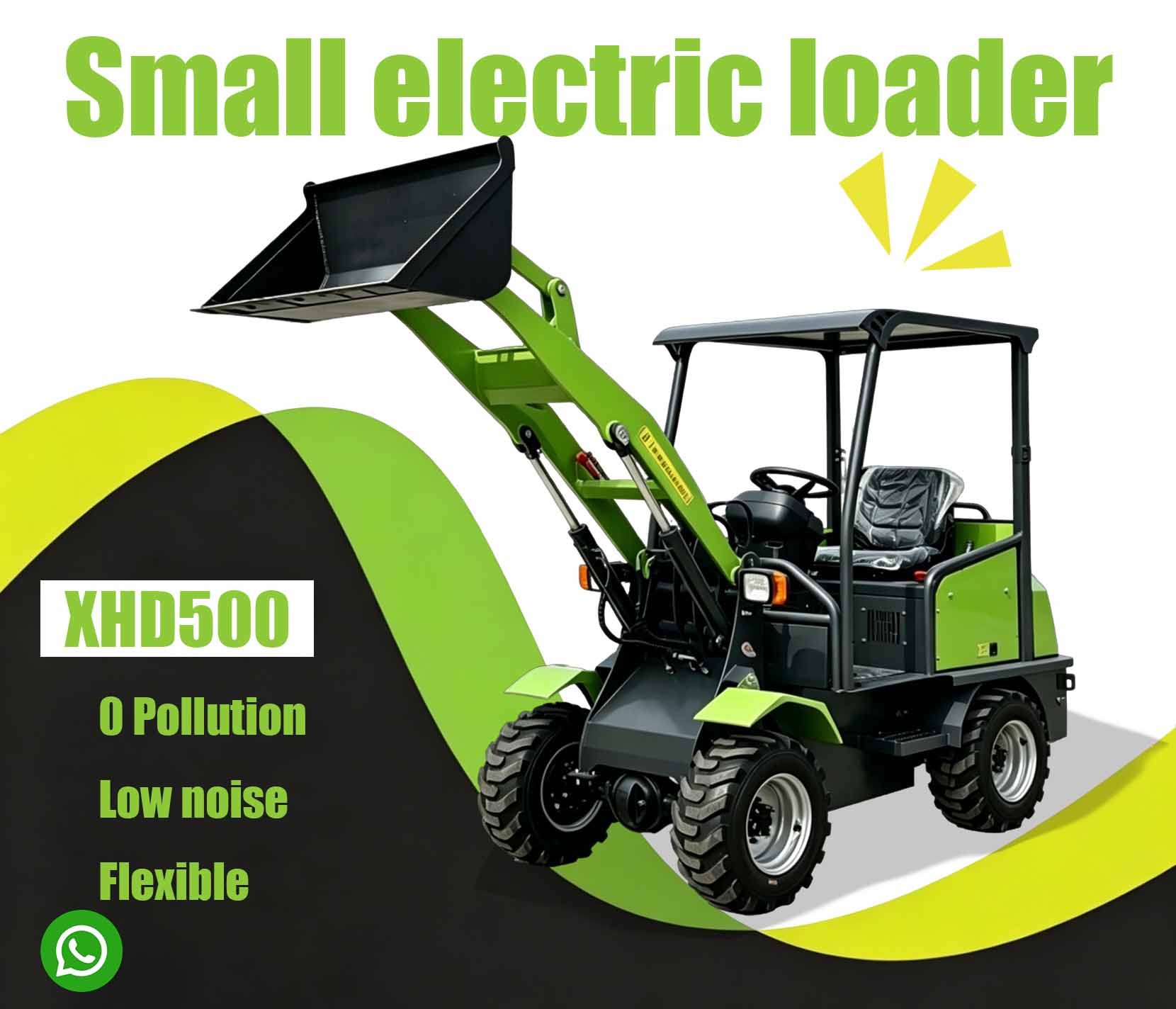
When the job site shifts from open fields to the heart of the city, or from sunlit outdoors to enclosed indoor spaces, the rules of engagement change fundamentally. Conducting pipe renovations in London’s Victorian terraces, performing overnight refurbishments in Dubai shopping malls, or cleaning manure in modern Dutch dairy barns—traditional diesel micro-loaders suddenly hit a "wall." Not due to a lack of power, but because they violate two critical red lines in modern urban construction: Noise Pollution and Exhaust Emissions. The XHD500A 0.5T Electric Wheel Loader from Jining Xinghang Machinery is the "Silent Green Warrior" engineered specifically for this battlefield. This article deep-dives into why the XHD500A is the irreversible choice for stringent indoor and residential applications.
I. The Noise Barrier: From "Noise Complaints" to "Silent Operations"
In densely populated urban areas, noise is the number one enemy of construction. A diesel engine produces a cacophony of combustion explosions, fan whirring, exhaust blasts, and mechanical clatter. Typically, a small diesel loader operates at 85-95 dB—akin to a truck roaring in your ear.
Regulatory Limits & Reality:
In developed Western nations, residential daytime noise limits are strictly set at 80-85 dB, while nighttime restrictions (typically 7 PM to 7 AM) drop to 60-65 dB. Using a diesel loader for night or early morning work, even within a walled courtyard, will trigger complaints, fines, and potential stop-work orders from environmental agencies.
The XHD500A Silence Logic:
The XHD500A utilizes pure electric drive, eliminating combustion noise at the source. Its noise footprint consists mainly of electromagnetic hum from the motors, slight hydraulic溢流 (overflow) sounds, and tire-on-ground friction. Field tests confirm the XHD500A maintains a stable 68-72 dB profile under full load. To put that in perspective, it’s comparable to a household vacuum cleaner or normal conversation.
Low-Speed Precision: The dual 2.5KW motors allow for feather-touch acceleration. Operators don't need to "floor it" to get moving, eliminating the high-pitched whine of a straining diesel engine.
Night Work Feasibility: At 68 dB, the XHD500A qualifies for legal nighttime operation in residential zones. In the UK, contractors can now access rear gardens at dawn to clear debris—avoiding traffic and resident sleep disruption—drastically improving project delivery timelines.
II. The Air Quality Barrier: The Invisible Killers - CO and Particulates
If noise is the visible conflict, exhaust fumes are the invisible assassin. Carbon Monoxide (CO), Nitrogen Oxides (NOx), and PM2.5 particulates accumulate rapidly in enclosed or poorly ventilated spaces, posing lethal risks to operators and surrounding life.
The Death Trap of Indoors & Confined Spaces:
Basements & Parking Garages: During cleanup in multi-level underground garages, heavy diesel exhaust settles in low spots. Operators, even standing on the loader, risk CO asphyxiation.
Livestock Barns: Modern closed poultry houses and barns have limited ventilation to retain heat. Diesel exhaust irritates respiratory tracts, leading to pneumonia, reduced yield, or mass fatalities. For organic farms, exhaust contamination can void organic certifications.
Interior Renovation: In malls, hospitals, or schools, diesel odor permeates HVAC systems, furniture, and fabrics. The stench can linger for months, severely impacting Indoor Air Quality (IAQ).
The XHD500A Zero-Emission Advantage:
The XHD500A produces zero tailpipe emissions, zero particulates, and zero NOx.
Lithium Purity: Opting for the 64V LiFePO4 battery version ensures a sealed, odorless, acid-fume-free operation—critical for food processing plants, pharmaceutical labs, or cold chain logistics centers.
Personnel Safety: Operators can work extended hours without respirators, mitigating occupational health risks.
Bio-Security: In farming, electrics prevent the introduction of external pollutants, maintaining high biosecurity levels essential for herd health.
III. Ground Protection: From "Destructive Compaction" to "Damage-Free Passage"
Residential and indoor sites feature expensive hardscapes (pavers, granite, epoxy floors) or fragile ecosystems (lawns, flower beds). Diesel loaders, designed for traction on rough terrain, often cause irreversible damage to these surfaces.
Diesel Ground Damage Mechanics:
High Ground Pressure: To gain traction, diesels run high tire pressures, concentrating weight.
Shear Force: During turns or slip-ups, spinning tires "dig in," tearing turf or gouging paving stones.
Oil Contamination: Diesel engines are prone to seepage. A drip on premium stone or a rubber track leaves a permanent stain that is nearly impossible to remediate, leading to costly claims.
The XHD500A Gentle Touch:
Rubber Tires: Standard 23 * 8.5-12 pneumatic rubber tires offer a soft footprint with a tread pattern designed for grip, not excavation.
Low Ground Pressure: The 1240kg operating weight is distributed over a wide contact patch. The ground pressure exerted is often lower than a human footstep, meaning no unsightly ruts on wet lawns.
Zero Leak Risk: With no diesel fuel system, the "oil drip" catastrophe is eliminated. The hydraulic system is sealed; even in the rare event of a leak, hydraulic fluid is easier to clean than diesel and does not penetrate porous surfaces as deeply.
IV. Operational Experience: From "Physical Exhaustion" to "Fingertip Control"
Residential jobs demand constant shuttling, precise positioning, and frequent directional changes. The physical toll of operating a diesel machine in these conditions is immense.
Diesel Loader Pain Points:
Mechanical Linkages: Traditional levers require significant muscle force to actuate, leading to shoulder and back strain over a long shift.
Blind Spots: The bulky diesel engine at the rear creates massive blind spots when reversing in narrow alleys.
Vibration Fatigue: Constant rattling and shaking from the engine leave operators numb and exhausted.
XHD500A Ergonomics:
Electro-Hydraulic Joystick: All functions are integrated into a fingertip-controlled joystick. Operators experience an 80% reduction in physical effort—it feels more like playing a video game than operating heavy iron.
Low Vibration Platform: Without internal combustion, vibration is minimal. An optional suspension seat further cushions impacts, addressing the aging workforce demographic.
Panoramic Visibility: The rear-mounted battery pack allows for a sleek rear profile and a low front hood, granting the operator nearly 360-degree visibility—crucial for confident maneuvering in tight quarters.
V. Scenario Deep Dive: Comparative Analysis of Three Typical Applications
To illustrate the differences vividly, let's examine three signature scenarios:
Scenario 1: Dutch Modern Dairy Barn Manure Cleaning
Pain Points: Narrow barn aisles (~1.2m), non-slip concrete floors. Diesel exhaust increases cow abortion rates; noise stresses livestock, reducing milk yield.
Diesel Outcome: 5 AM start; 90 dB noise stresses cows (5% milk drop). Exhaust mixes with ammonia, overwhelming ventilation. Health issues arise.
XHD500A Outcome: 5 AM start; 70 dB noise (minimal stress). Zero emissions maintain air quality. Rubber tires protect floors. 30% efficiency boost.
Scenario 2: London Terraced House Utility Upgrade
Pain Points: Short windows, sensitive residents. Site accessible only via a 1m side passage. Expensive heritage paving stones.
Diesel Outcome: Night work banned. Daytime noise draws complaints. Tires scar stones (heavy penalties). Diesel smell lingers; client refuses final payment.
XHD500A Outcome: Approved for night work (low decibels). Navigates narrow passage safely. Tires preserve stone integrity. No restoration costs; 100% client satisfaction.
Scenario 3: Dubai Luxury Hotel Basement Renovation
Pain Points: Fully enclosed, poor ventilation. 24/7 deadline. High-end epoxy flooring (no oil stains allowed).
Diesel Outcome: Fumes cause worker fainting. Oil drips ruin epoxy (costly repairs). Noise resonance cracks nearby glass.
XHD500A Outcome: Zero emissions negate extra ventilation needs. No oil leaks protect epoxy. Low noise preserves hotel occupancy upstairs.
VI. The Hidden Ledger: Total Cost of Ownership (TCO)
While the initial purchase price of an XHD500A might slightly exceed a comparable diesel unit, the long-term financial ledger tells a different story.
Energy Costs: Electricity is vastly cheaper than diesel. In Europe, powering the XHD500A for 8 hours costs a few Euros versus tens of Euros for diesel.
Maintenance Costs: Diesels require regular oil, filter, and coolant changes. Electric motors are virtually maintenance-free. The XHD500A’s flat-wire motors offer superior heat dissipation and longevity.
Compliance Costs: Diesels face ever-tightening emissions laws (Euro Stage V, EPA Tier 4). Non-compliance risks fines or forced decommissioning. Electric solves this permanently.
Resale Value: As ESG (Environmental, Social, and Governance) criteria become mandatory, used electric equipment retains value better, while diesel residuals depreciate faster due to obsolescence risks.
VII. Conclusion: Not Just a Replacement, But an Upgrade
Choosing the XHD500A isn't merely about passively complying with green regulations or silencing neighbors. It is an active upgrade to your operational model. It transforms "rough, intrusive, high-risk" diesel work into "precise, quiet, zero-carbon" modern execution. For contractors aiming to compete in high-end markets, owning an XHD500A is akin to holding a "golden ticket" to city centers, luxury commercial complexes, and modern agriculture. As green construction becomes the mainstream, the XHD500A doesn't just solve today's problems—it future-proofs your business for the next decade.