 Chinese
 English
 Russian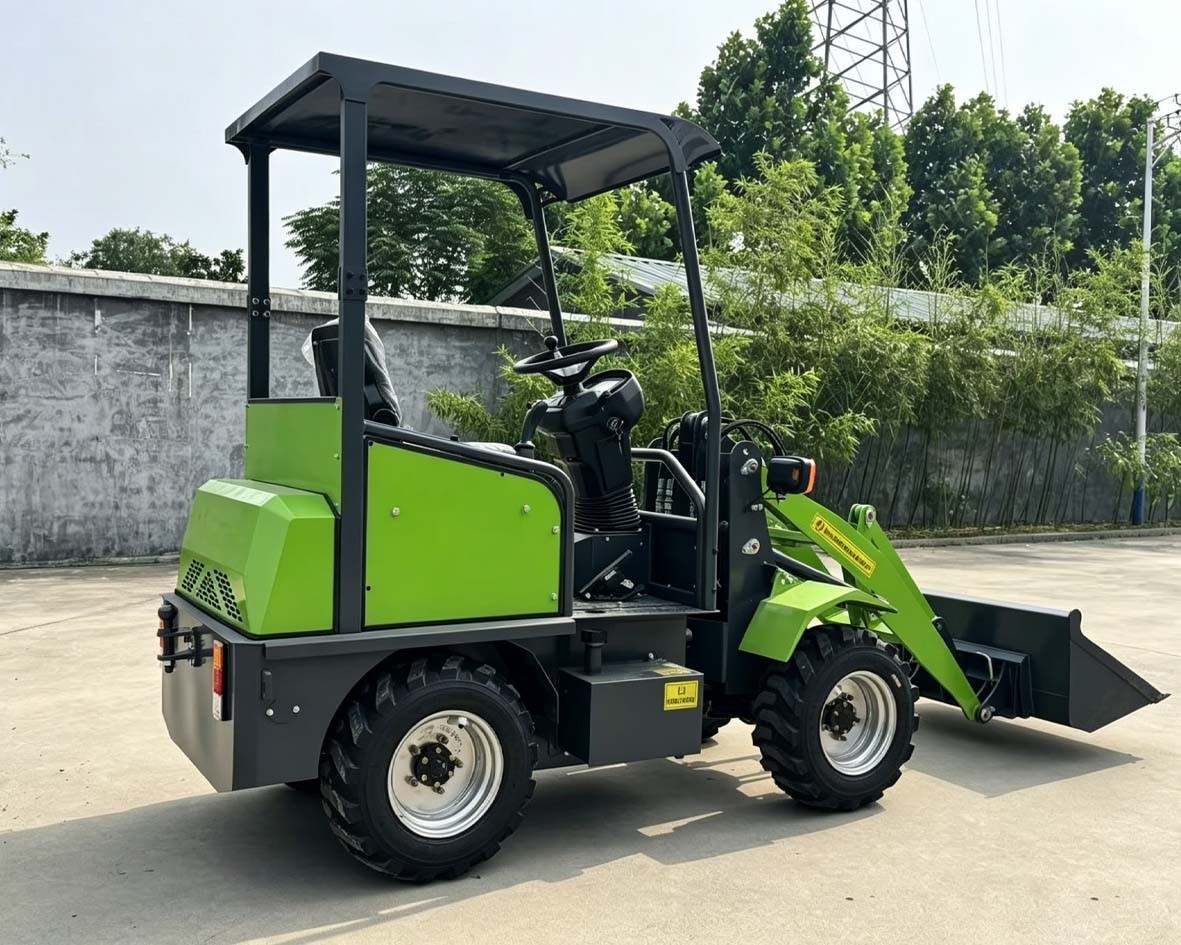
The 21st century faces three interconnected existential threats that traditional industrial models cannot solve. First, resource depletion threatens energy security as fossil fuel reserves dwindle and extraction becomes increasingly expensive. Second, demographic shifts reveal severe labor shortages as aging populations reduce the available workforce in developed and developing nations alike. Third, environmental degradation accelerates through carbon emissions, air pollution, and ecosystem collapse.
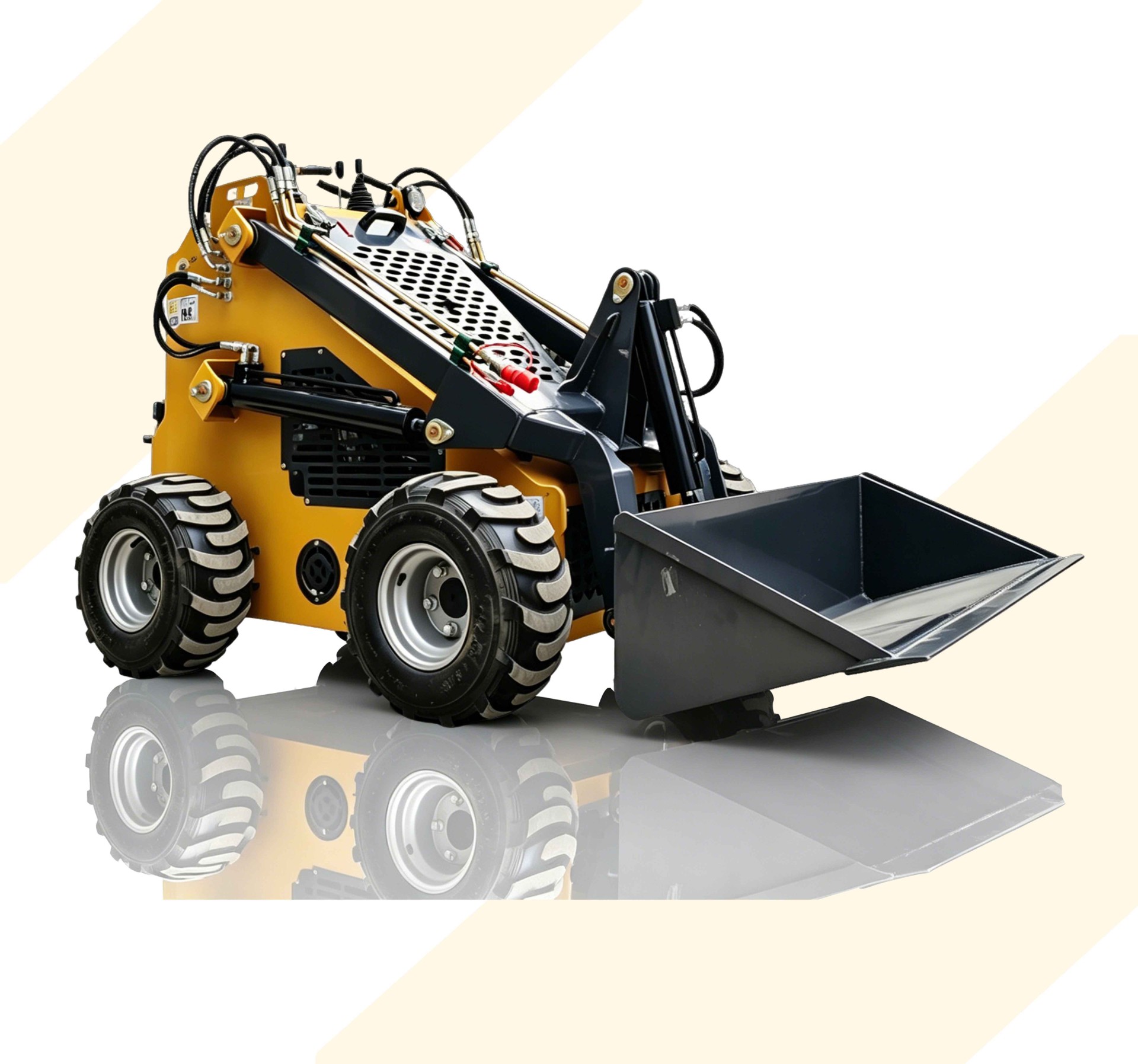
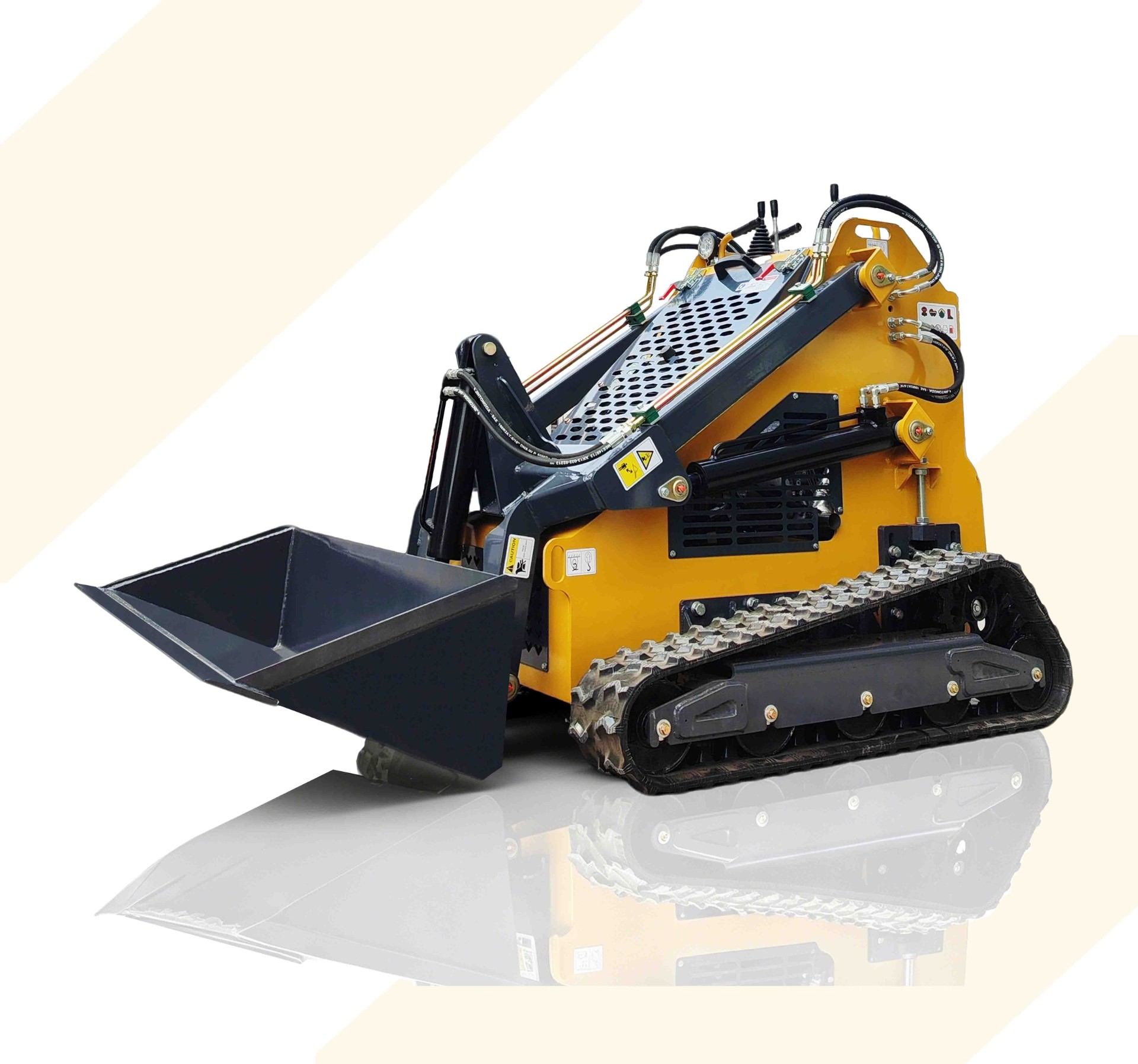
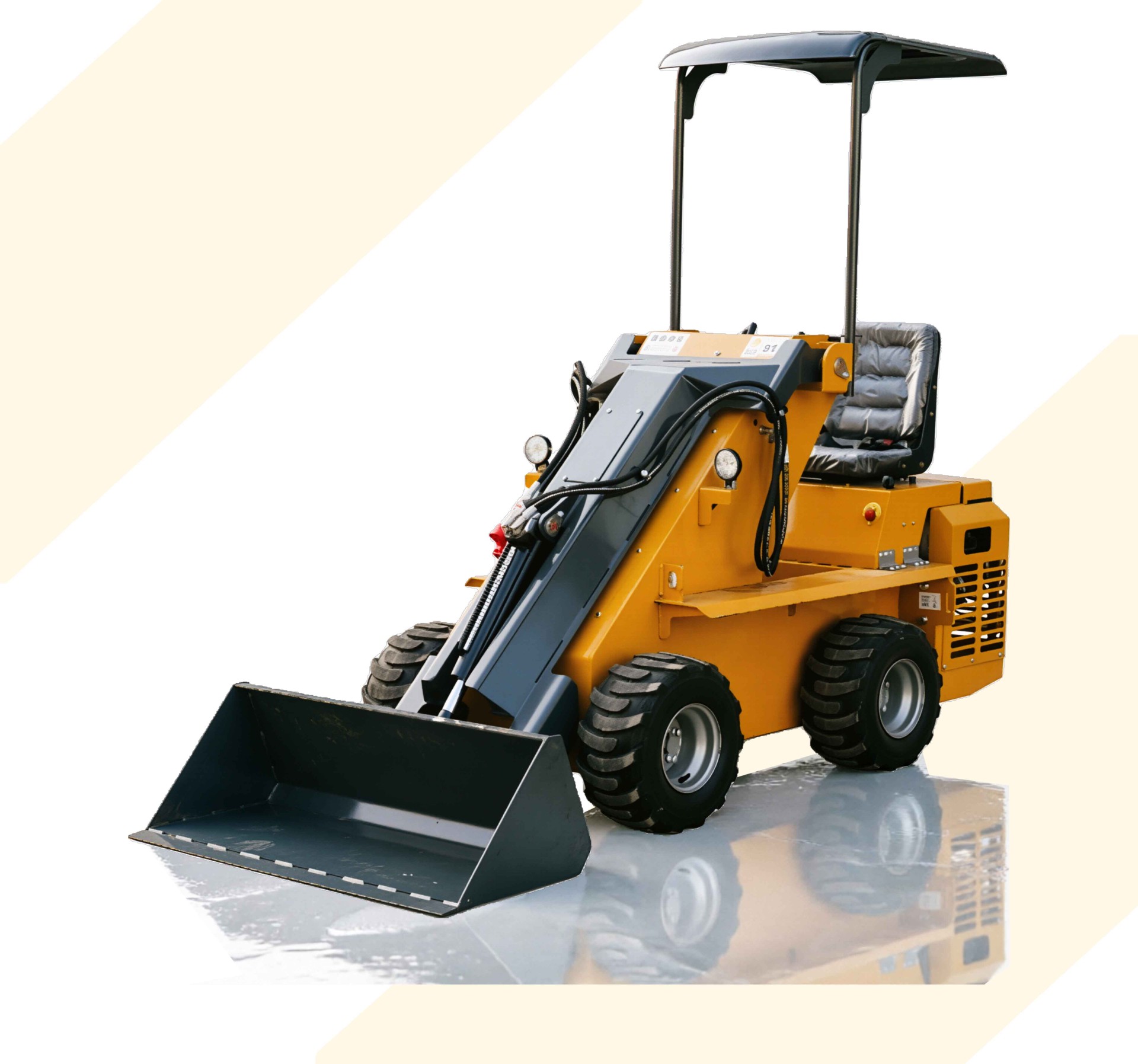
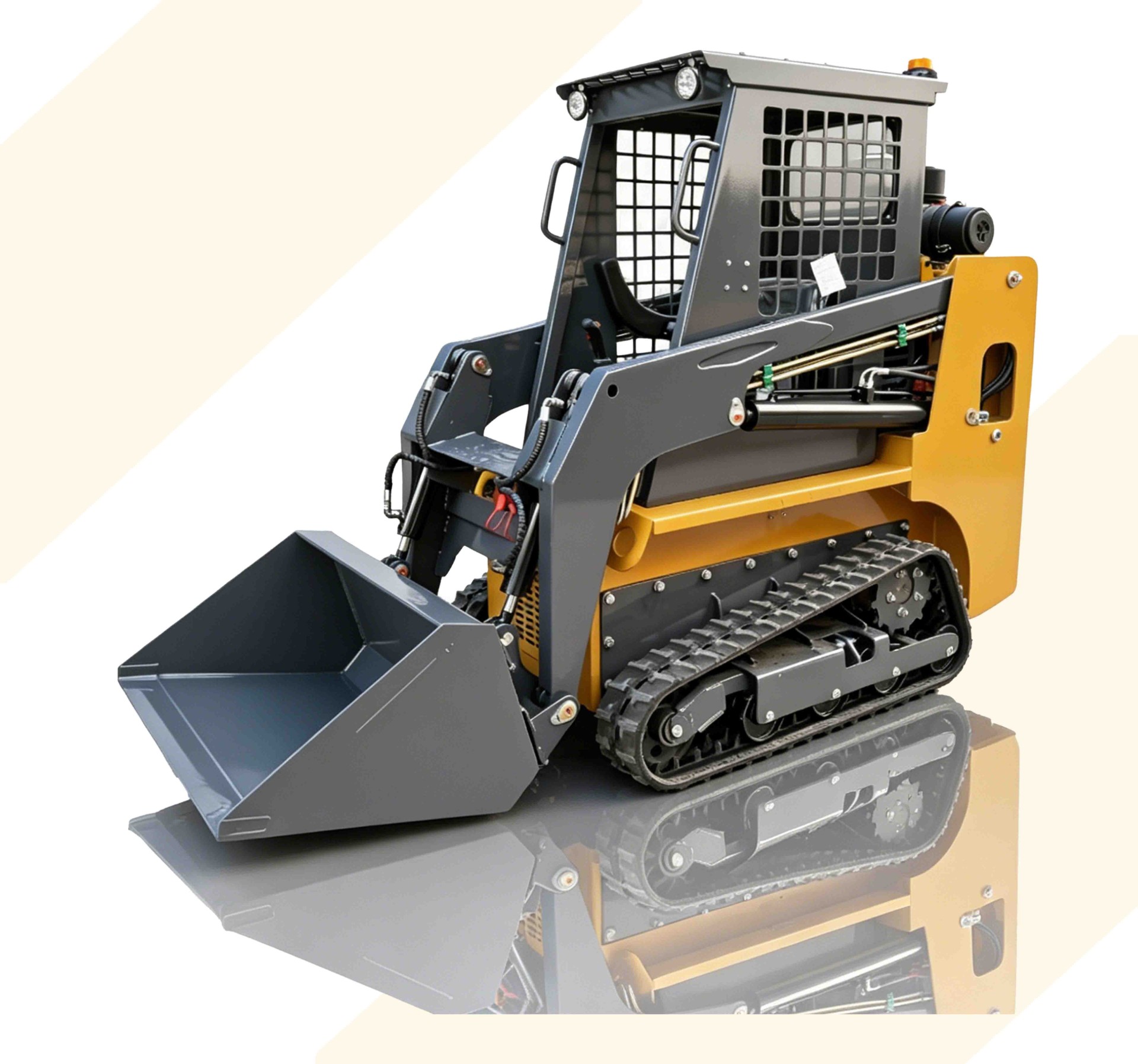
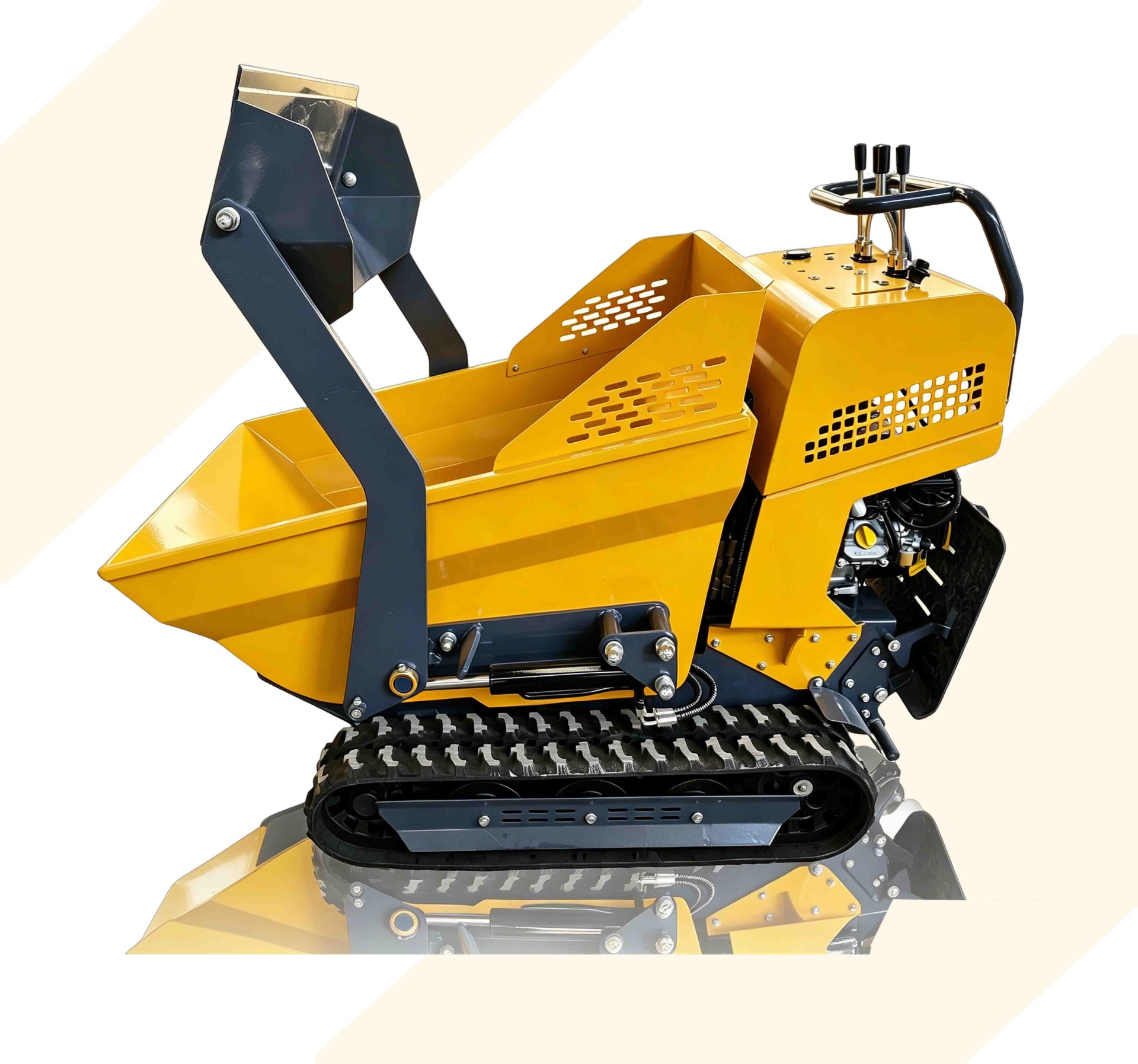
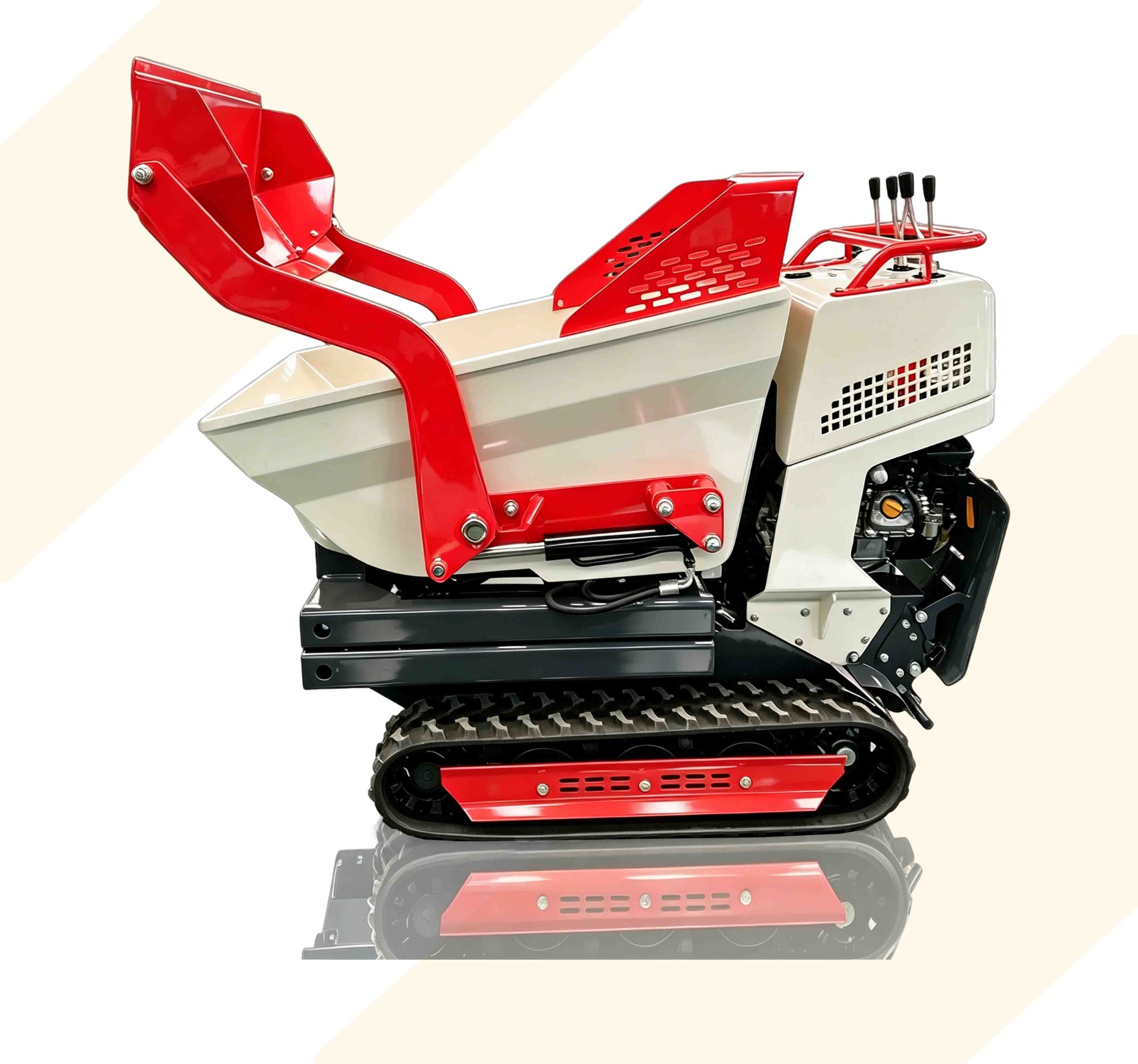
These crises appear distinct but share a common root cause: dependence on outdated, inefficient, and polluting technologies. The solution requires a fundamental transformation of how we power our industries, particularly construction and material handling equipment. New energy construction machinery, specifically electric loaders manufactured by companies like Jining Xinghang Machinery, represents a practical pathway to address all three crises simultaneously.
Resource Crisis: Breaking Free from Fossil Fuel Dependence
The construction industry consumes approximately 25 percent of global energy, predominantly diesel fuel. Traditional diesel loaders burn 10 to 15 liters per eight-hour shift, creating volatile operational costs and supply chain vulnerabilities. As oil reserves decline and geopolitical tensions disrupt distribution networks, equipment owners face unprecedented uncertainty.
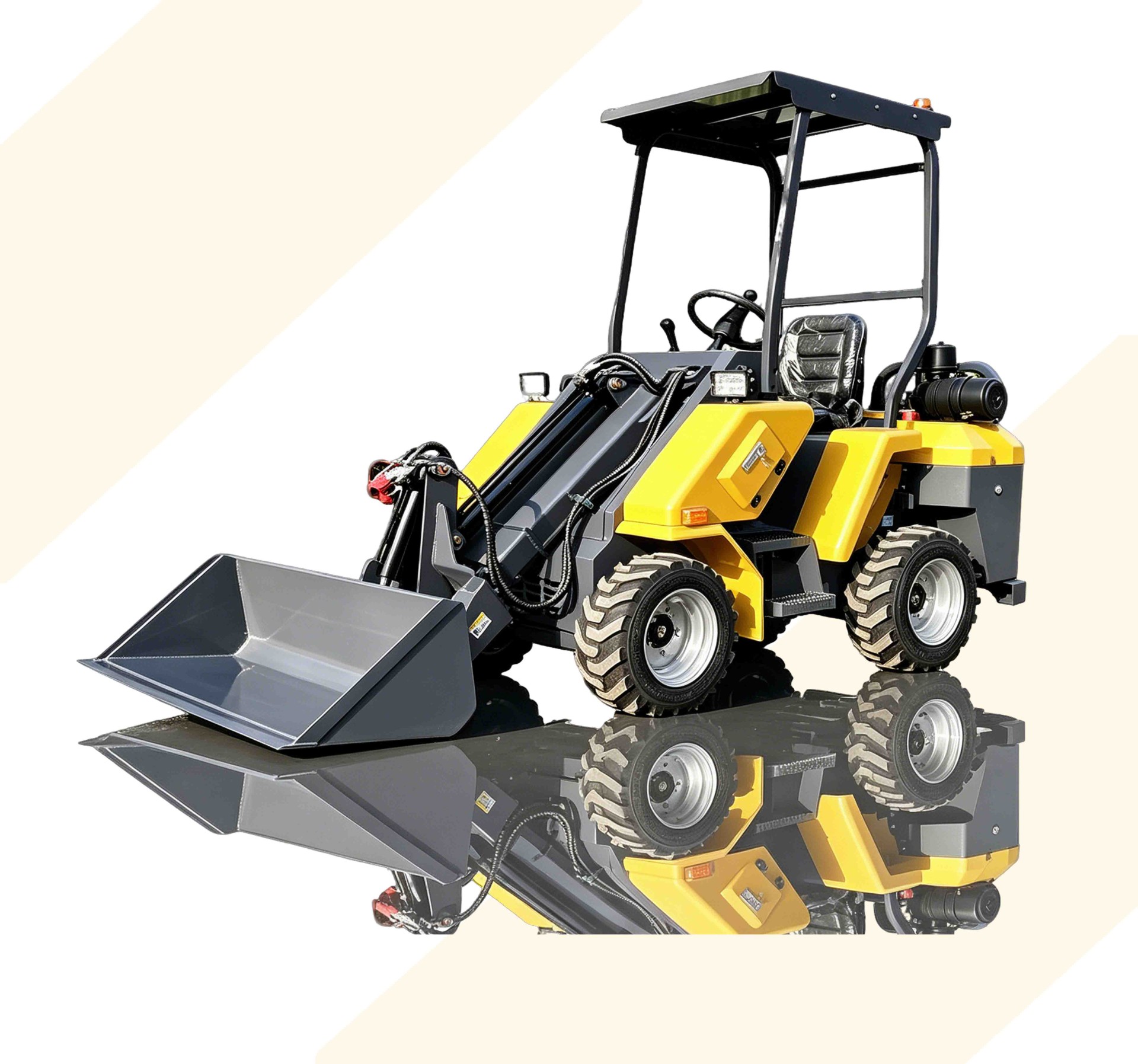
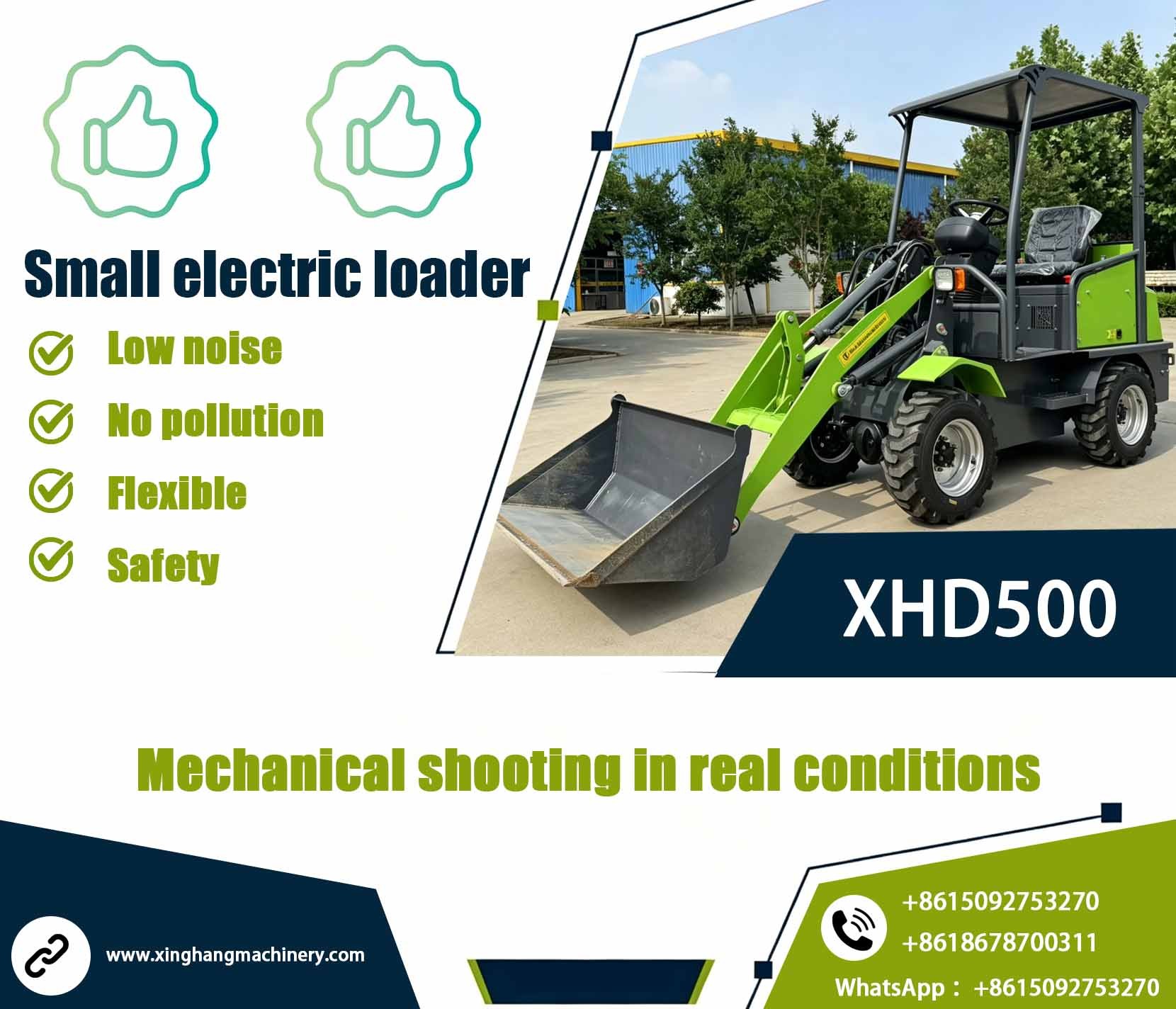
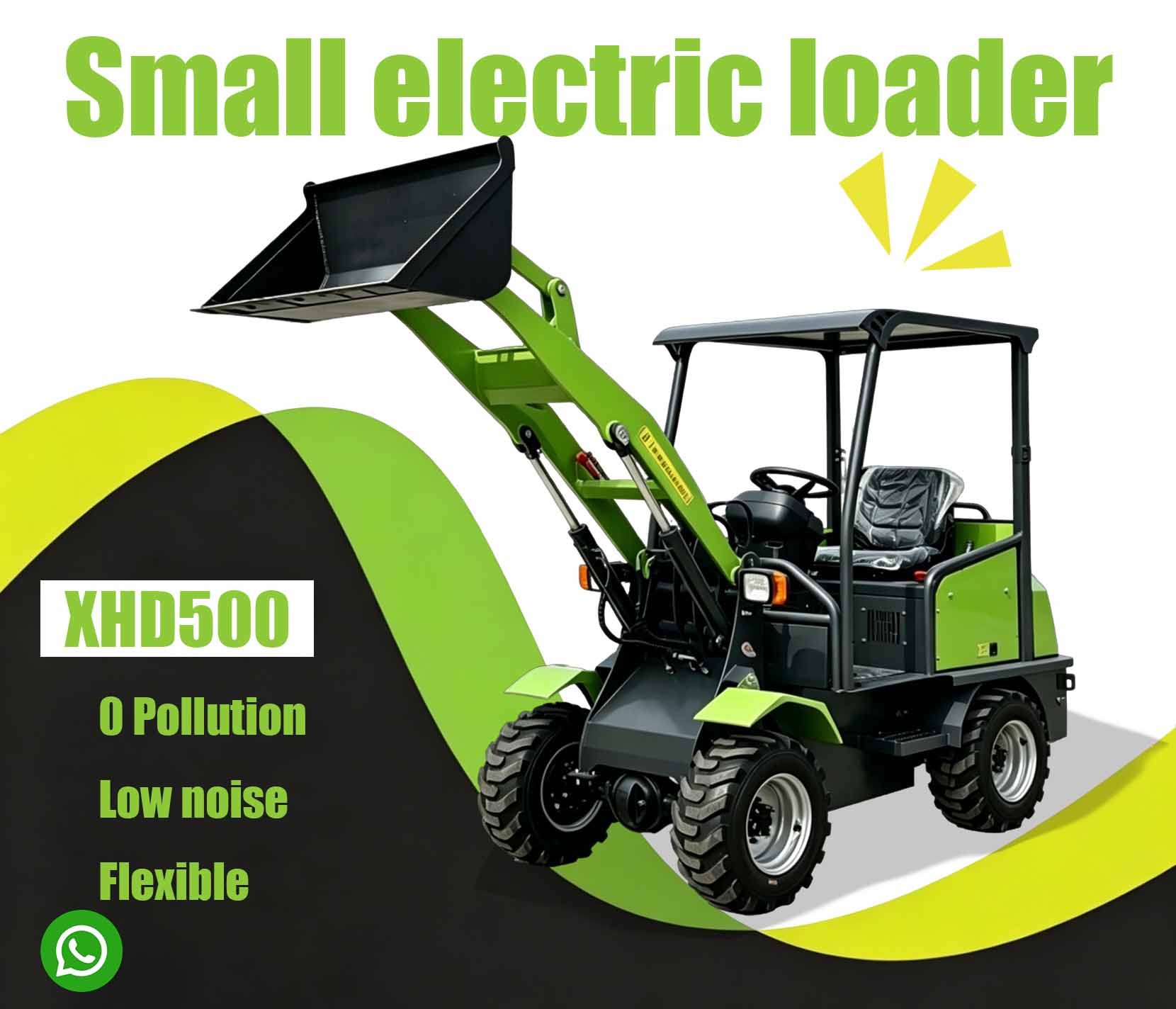
Electric construction machinery eliminates this dependency entirely. Jining Xinghang Machinery produces micro electric wheel loaders powered by lithium iron phosphate batteries. These machines operate for six to ten hours on a single charge, consuming only 15 to 25 kilowatt-hours of electricity. The energy cost equals roughly one-third to one-quarter of diesel fuel expenses.
More importantly, electricity generation diversifies across multiple sources: solar, wind, hydro, nuclear, and natural gas. This diversity insulates operators from oil price shocks and supply disruptions. Construction sites can even install on-site solar arrays with battery storage, achieving complete energy independence. By transitioning to electric machinery, the industry reduces competition for scarce petroleum resources while stabilizing long-term operational budgets.
Demographic Crisis: Overcoming Labor Shortages Through Technology
Workforce aging creates acute labor shortages in construction and agriculture. Experienced operators retire faster than younger replacements enter the field. Traditional diesel equipment demands physical strength, technical expertise, and constant attention, making recruitment increasingly difficult.
Advanced electric loaders address this challenge through intelligent design and user-friendly operation. Jining Xinghang Machinery integrates sophisticated electronic control systems that simplify complex tasks. Their micro electric loaders feature integrated electro-proportional joysticks combining forward reverse, high low speed switching, lifting, and unloading functions into a single intuitive control. Operators master these machines in thirty minutes compared to weeks for conventional equipment.
Automation potential further compounds these benefits. Electric platforms enable precise digital control essential for telematics, remote operation, and eventual autonomous functionality. Construction companies deploy fewer skilled operators to supervise multiple automated machines, maximizing productivity despite workforce constraints. Additionally, electric machinery eliminates the physical strain associated with diesel equipment, extending working careers for older employees and attracting younger generations who prefer clean technology.
Environmental Crisis: Eliminating Pollution at the Source
Construction equipment ranks among the largest contributors to urban air pollution and carbon emissions. Diesel engines emit nitrogen oxides, particulate matter, carbon monoxide, and sulfur dioxide, causing respiratory diseases and premature deaths worldwide. The industry faces intensifying regulatory pressure to reduce environmental impact while maintaining productivity.
New energy machinery provides the definitive solution. Jining Xinghang Machinery electric loaders produce zero tailpipe emissions, eliminating local air pollution entirely. When charged from renewable energy sources, their well-to-wheel carbon footprint approaches near-zero levels. Even on conventional power grids, electric motors convert over ninety percent of electrical energy into mechanical work, compared to diesel engines wasting sixty to seventy percent as heat.
Beyond emissions, electric loaders address noise pollution plaguing urban construction. Traditional diesel loaders generate eighty-five to ninety-five decibels, exceeding safe exposure limits and disrupting nearby residents. Star Navigation machines operate at sixty-five decibels or lower, enabling nighttime and weekend work without community complaints. This flexibility accelerates project completion while reducing neighborhood conflicts.
Technical Excellence: Why Star Navigation Leads the Transition
Jining Xinghang Machinery demonstrates how advanced engineering solves practical problems. Their micro electric wheel loaders incorporate cutting-edge technologies that outperform diesel alternatives across multiple metrics.
Flat wire motors represent a breakthrough in electric propulsion. By utilizing rectangular copper wire windings, these motors achieve higher slot fill ratios, dramatically improving power density and efficiency. Superior heat dissipation prevents overheating during demanding operations, while compact dimensions support vehicle lightweighting. Most importantly, flat wire motors deliver full torque from zero revolutions per minute, providing instant power for heavy lifting without transmission complexity.
Robust construction ensures reliability in harsh conditions. High-strength manganese steel chassis resist impact and deformation better than conventional materials. Full-floating heavy-duty axles isolate the axle shaft from bending stresses, preventing the fractures common in budget equipment. Articulated steering and low center of gravity maintain stability across uneven terrain.
Intelligent control systems optimize performance automatically. Advanced electronic controllers manage thermal regulation, preventing component damage during sustained operation. Instantaneous overload protection safeguards expensive drivetrain components. Digital instrument panels communicate real-time data including voltage, battery capacity, travel speed, and hydraulic pump RPM via CAN bus networking. Misoperation warnings and diagnostic codes minimize downtime through rapid troubleshooting.
Economic Validation: Lower Total Cost of Ownership
Environmental benefits alone justify electrification, but economic advantages ensure widespread adoption. Electric loaders eliminate recurring expenses for engine oil, fuel filters, air cleaners, and injection system maintenance. Regenerative braking recovers energy during deceleration, extending battery life. Fewer moving parts translate to reduced breakdown probability and repair costs.
Field data indicates most commercial users recover the electric premium within eighteen to twenty-four months through fuel savings and avoided maintenance. Subsequently, the machines generate thousands of dollars in annual profit through reduced operating expenses. Government incentives for clean equipment purchases further accelerate return on investment calculations.
Application Versatility: Adapting to Diverse Industries
Star Navigation electric loaders serve multiple sectors effectively. Agricultural operations utilize zero-emission machines inside livestock barns without compromising animal welfare through noise or exhaust stress. Municipal crews deploy quiet equipment for nighttime street cleaning and park maintenance without disturbing residents. Warehouse facilities operate emission-free loaders indoors alongside human workers. Greenhouse complexes navigate narrow aisles with compact dimensions while avoiding plant damage from diesel fumes.
Quick-coupling systems enable rapid implement changes, transforming single machines into multi-purpose tools. Operators switch between general-purpose buckets, pallet forks, grapple attachments, sweeper brooms, snow blades, and augers in under one minute. This versatility eliminates the need for multiple specialized machines, reducing capital requirements and storage space.
Future Outlook: Scaling the Solution Globally
Global deployment of new energy construction machinery represents perhaps the most achievable pathway to address converging resource, demographic, and environmental crises. Unlike speculative technologies requiring decades of development, electric loaders exist today, proven through rigorous field testing across diverse applications.
Manufacturing capacity continues expanding as demand grows. Battery technology advances steadily, with energy density improving and costs declining annually. Charging infrastructure proliferates across construction sites, industrial parks, and urban centers. Regulatory frameworks increasingly favor zero-emission equipment through preferential purchasing policies and access privileges.
Construction companies, rental fleets, and equipment distributors who embrace electrification early secure competitive advantages through lower operating costs, regulatory compliance, and enhanced corporate sustainability credentials. Those delaying transition face stranded assets, rising expenses, and market exclusion as environmental standards tighten globally.
Conclusion: The Inevitable Transition
Resource scarcity, workforce aging, and environmental degradation demand immediate action. New energy construction machinery provides a comprehensive solution addressing all three challenges simultaneously. Jining Xinghang Machinery exemplifies this transformation through technically superior electric loaders that outperform diesel alternatives while eliminating pollution and reducing costs.
The question is no longer whether electrification will dominate construction equipment, but how quickly organizations will adapt. Forward-thinking operators who transition now capture substantial benefits while contributing meaningfully to global sustainability objectives. The future belongs to clean, efficient, intelligent machinery powered by renewable energy.