 Chinese
 English
 Russian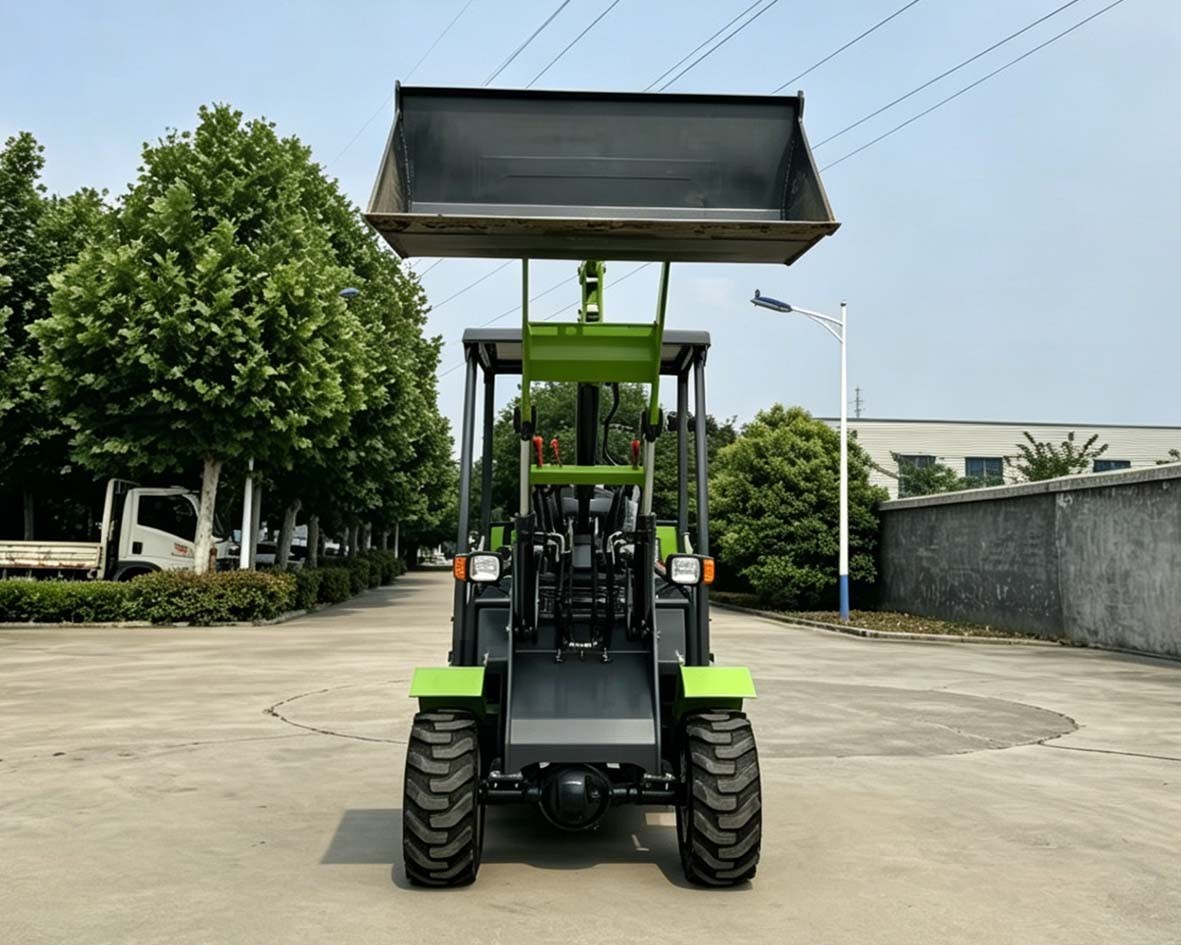
For construction contractors, equipment rental companies, and agricultural operators, purchasing decisions are rarely based on purchase price alone. The true cost of a machine is measured by its Total Cost of Ownership (TCO) and the Return on Investment (ROI) it can generate over its working life.
Understanding Total Cost of Ownership
TCO includes every expense associated with owning and operating a machine:
·Purchase price
·Financing costs
·Fuel or energy costs
·Routine maintenance and repairs
·Unexpected downtime
·Resale or residual value
A machine with a low purchase price but high operating costs can quickly become more expensive than a higher-priced alternative with lower running expenses.
Energy Cost Advantage
Diesel loaders consume significant amounts of fuel each day. In contrast, the XHD500A runs entirely on electricity. Even in regions with high electricity prices, energy costs per operating hour are typically 60–80% lower than diesel equivalents.
For fleets operating multiple shifts or high daily hours, these savings compound rapidly. Over a five-year period, energy savings alone can offset much of the initial purchase premium for an electric loader.
Maintenance Savings
Electric drivetrains have far fewer moving parts than internal combustion engines. There are no oil changes, fuel filters, injectors, turbochargers, or complex exhaust aftertreatment systems to maintain or replace.
The XHD500A’s flat-wire motor requires minimal servicing, while regenerative braking reduces wear on mechanical brakes. Hydraulic systems remain similar to diesel machines, but overall service intervals are longer and labor costs lower.
Downtime Reduction
Unplanned downtime is one of the most expensive hidden costs in equipment ownership. Electrical systems are inherently more reliable when properly engineered, and the XHD500A’s diagnostic capabilities allow issues to be identified and resolved faster.
Fault codes displayed on the CAN bus dashboard guide technicians directly to the problem area, reducing diagnostic time and preventing unnecessary part replacements.
Multi-Functionality and Utilization
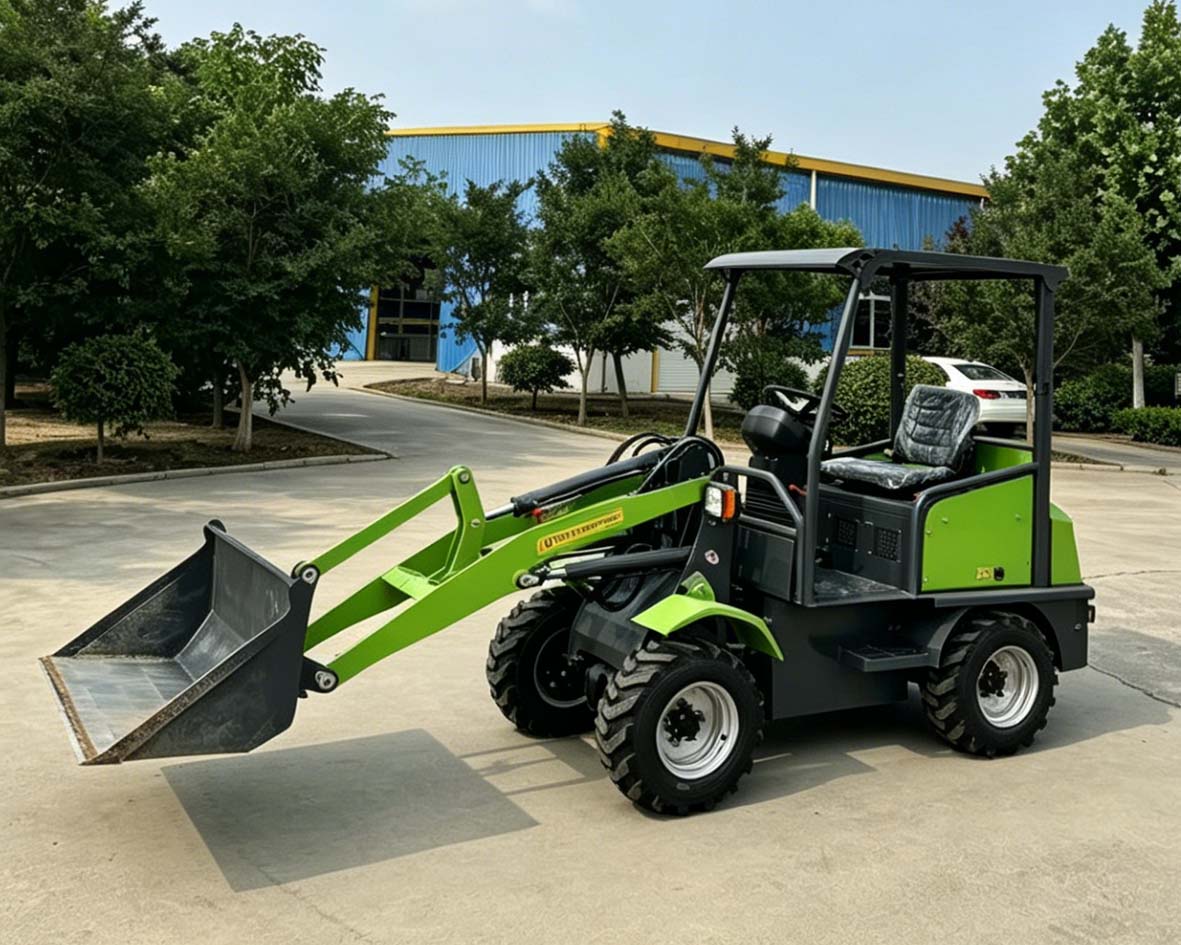
High utilization is critical to strong ROI. A single-purpose machine may sit idle between projects, while a multi-functional loader like the XHD500A remains active across seasons and applications.
By supporting multiple attachments—buckets, forks, grapples, sweepers, augers—the XHD500A replaces several specialized machines, increasing billable hours and reducing capital tied up in underused equipment.
Rental Revenue Potential
For rental fleets, utilization rates directly impact profitability. Electric loaders appeal to a broad customer base concerned with emissions, noise, and operating cost. This demand stability allows rental companies to maintain higher occupancy rates and command competitive daily rates.
Residual Value Considerations
Resale value plays a major role in TCO calculations. As environmental regulations tighten worldwide, used electric equipment is expected to retain value better than aging diesel machines that may face usage restrictions or retrofit costs.
The XHD500A’s modern design and durable components further support strong residual values at trade-in or resale.
Financing and Incentives
In many markets, government incentives, tax credits, and accelerated depreciation programs favor clean equipment purchases. These financial benefits can significantly reduce effective acquisition costs and improve payback periods.
Some regions also offer grants or subsidies for battery-powered machinery in construction, agriculture, and municipal services, which can be applied directly to offset purchase prices.
Payback Period Analysis
Payback periods vary depending on usage intensity, local energy prices, and available incentives. However, typical scenarios show:
·High-use contractors: 18–30 months
·Rental fleets: 24–36 months
·Seasonal agricultural users: 36–48 months
After payback, all additional savings flow directly to the bottom line.
Risk Mitigation
Investing in electric equipment also mitigates regulatory risk. Diesel machines may face restrictions, retrofitting mandates, or even bans in certain zones. Electric loaders remain compliant regardless of future emission rule changes, protecting the owner’s operational flexibility.
Insurance and Liability
Electric machines often qualify for lower insurance premiums due to reduced fire risk, absence of flammable fuels, and quieter operation. These savings, though modest annually, accumulate over the equipment’s lifespan.
Case Example: Contractor Scenario
Consider a contractor running a diesel mini loader 1,500 hours per year:
·Diesel fuel cost per hour: $6.00
·Annual fuel cost: $9,000
·Annual maintenance: $3,000
·Total annual operating cost: $12,000
Switching to an XHD500A:
·Electricity cost per hour: $1.50
·Annual energy cost: $2,250
·Annual maintenance: $1,200
·Total annual operating cost: $3,450
Annual savings: $8,550
Payback on higher purchase price: ~2 years
Case Example: Rental Fleet
A rental company with ten loaders:
·Diesel units: 60% utilization, $120/day rate
·Electric units: 75% utilization, $130/day rate
Higher utilization and daily rates increase annual revenue while lowering fuel and maintenance costs, improving net margin substantially.
Long-Term Strategic Value
Beyond direct cost savings, electric loaders strengthen a company’s market positioning. Environmentally responsible contractors win more tenders, attract larger clients, and build stronger reputations.
Conclusion
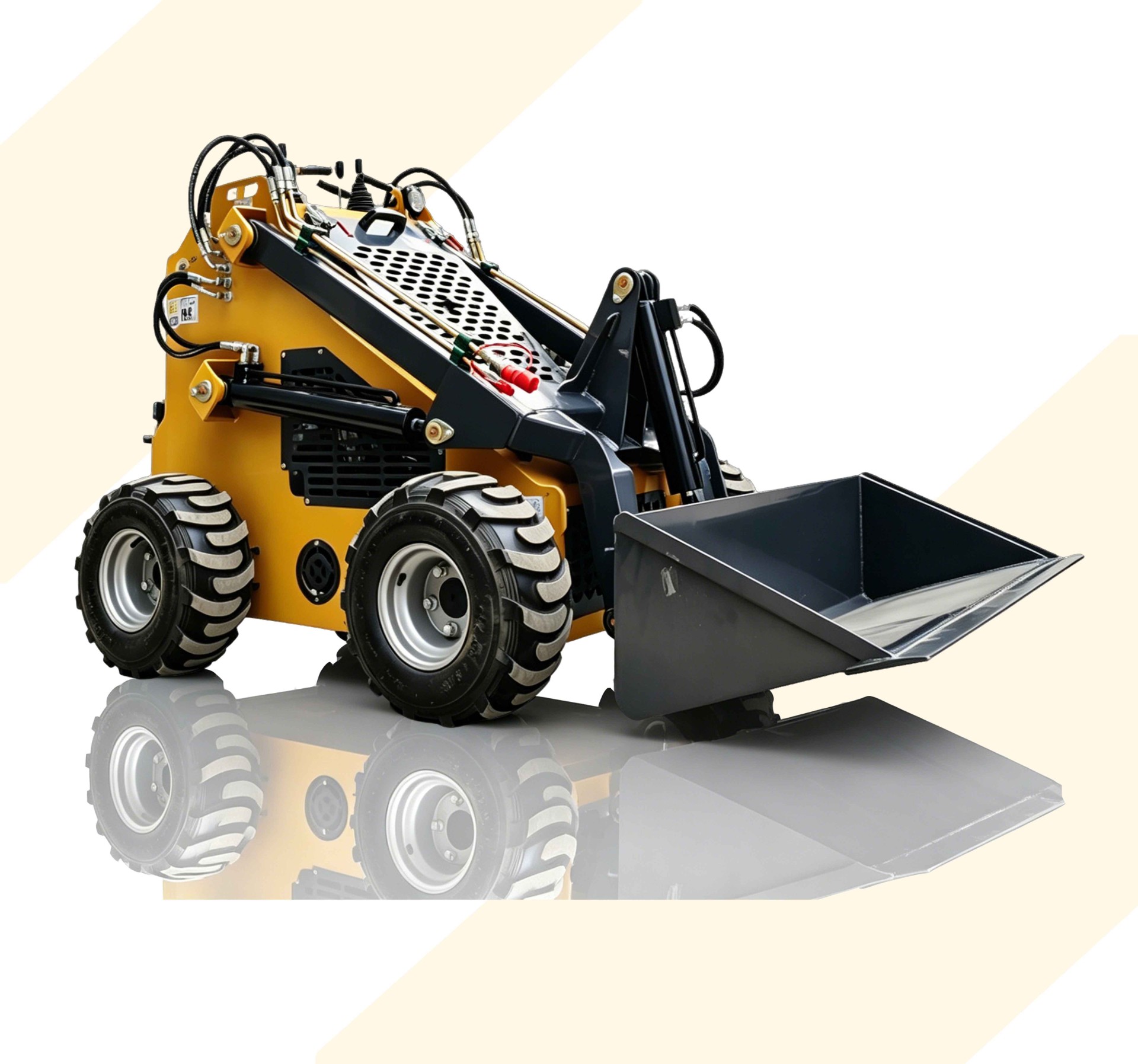
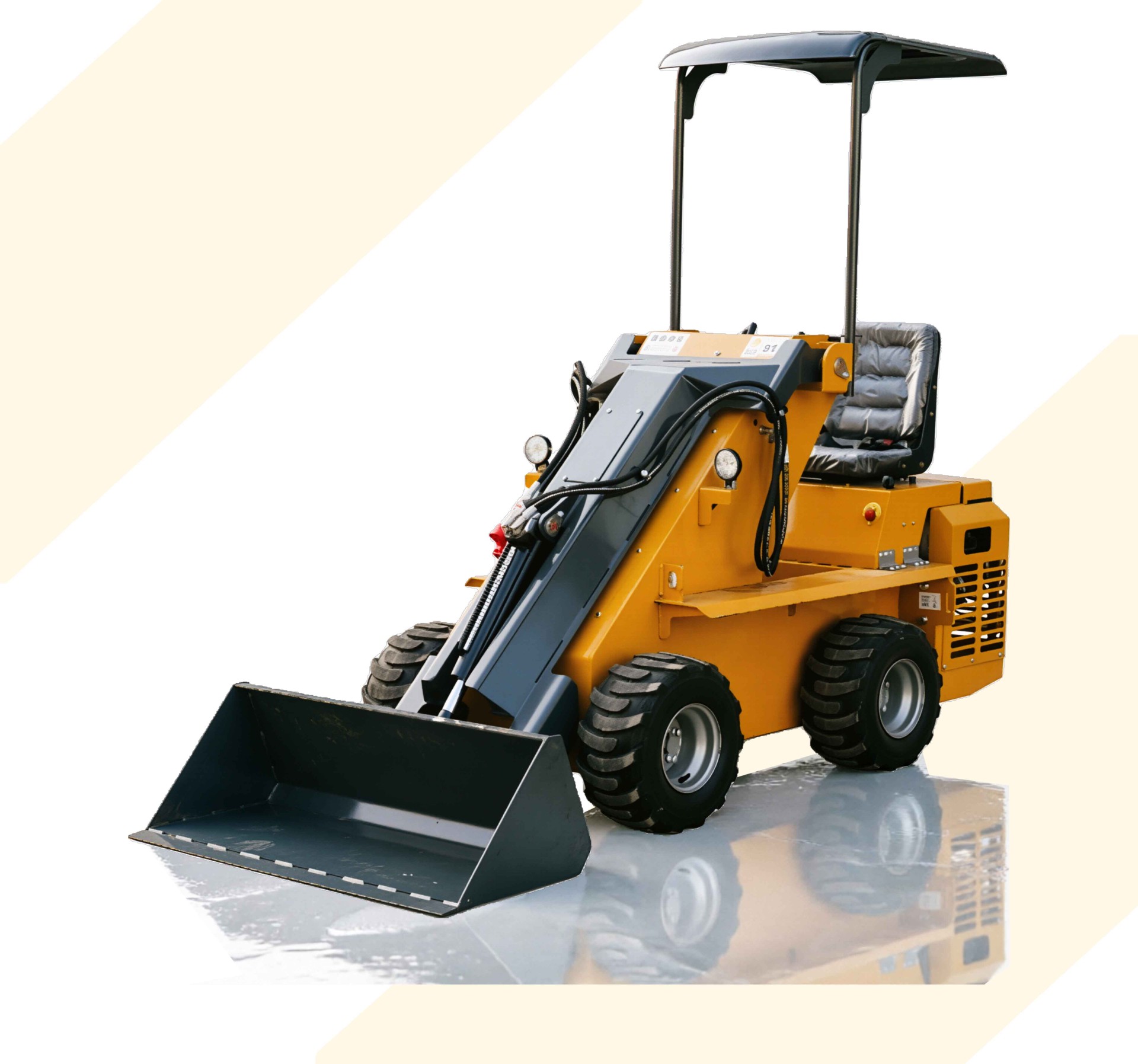
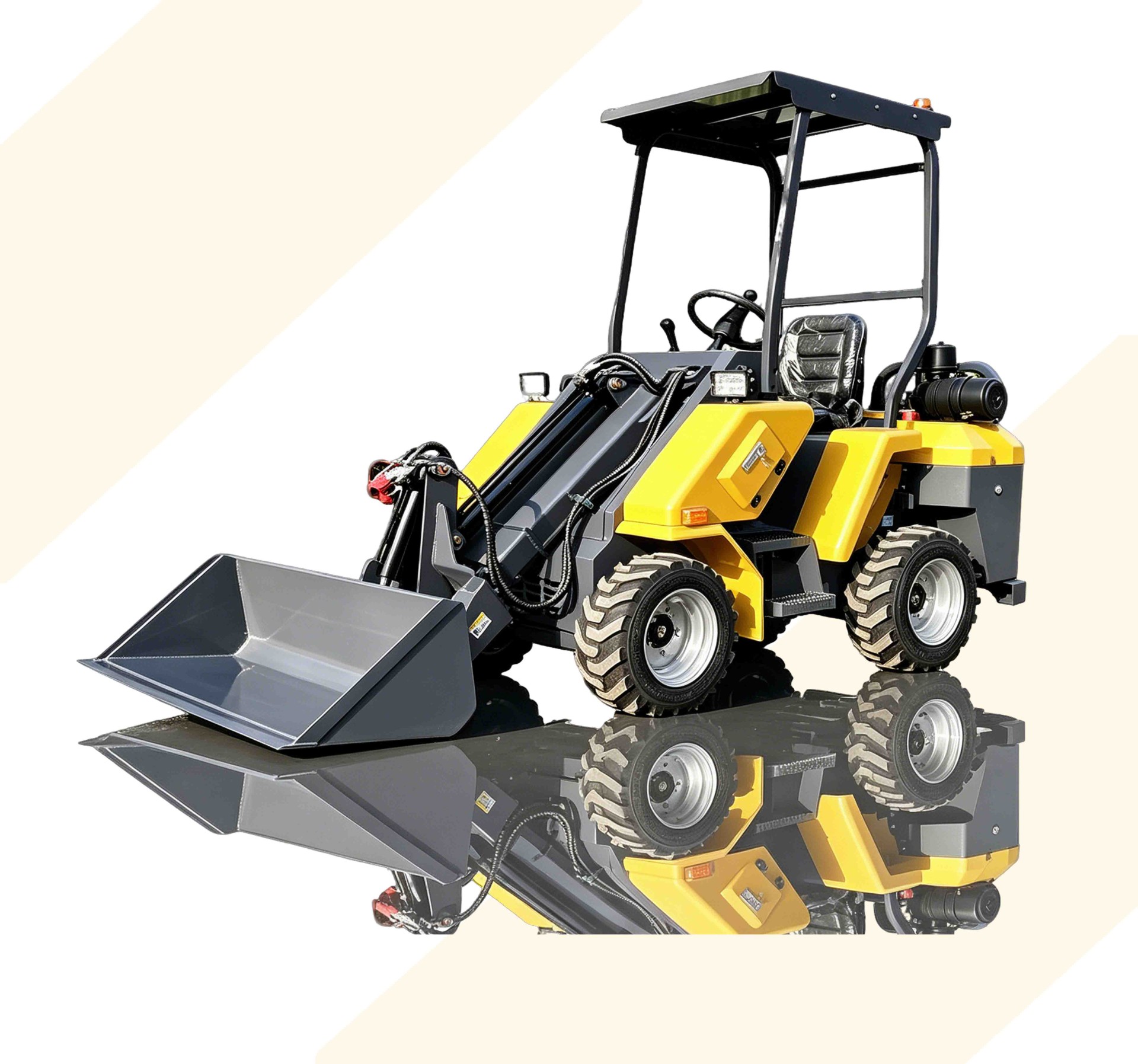
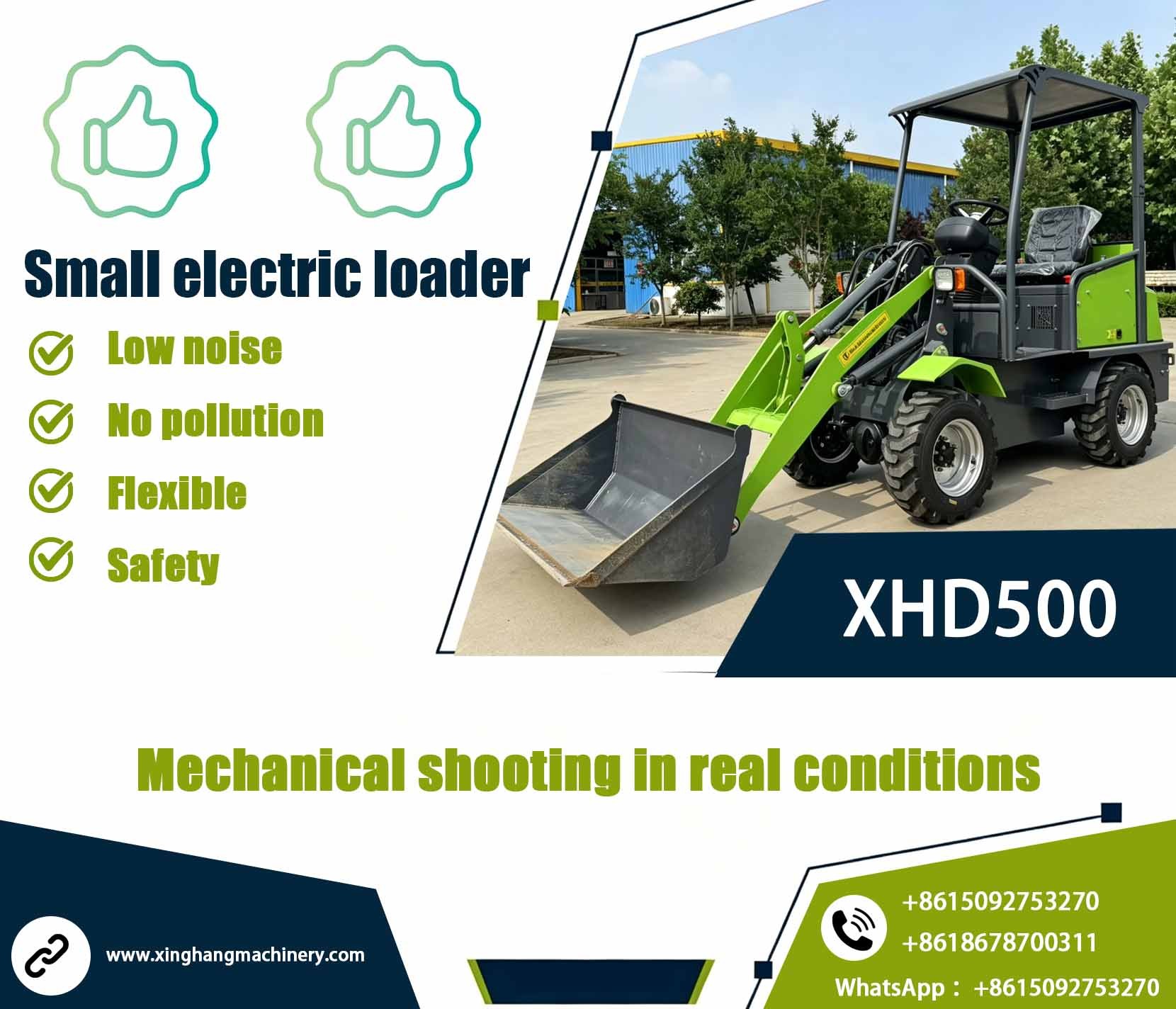
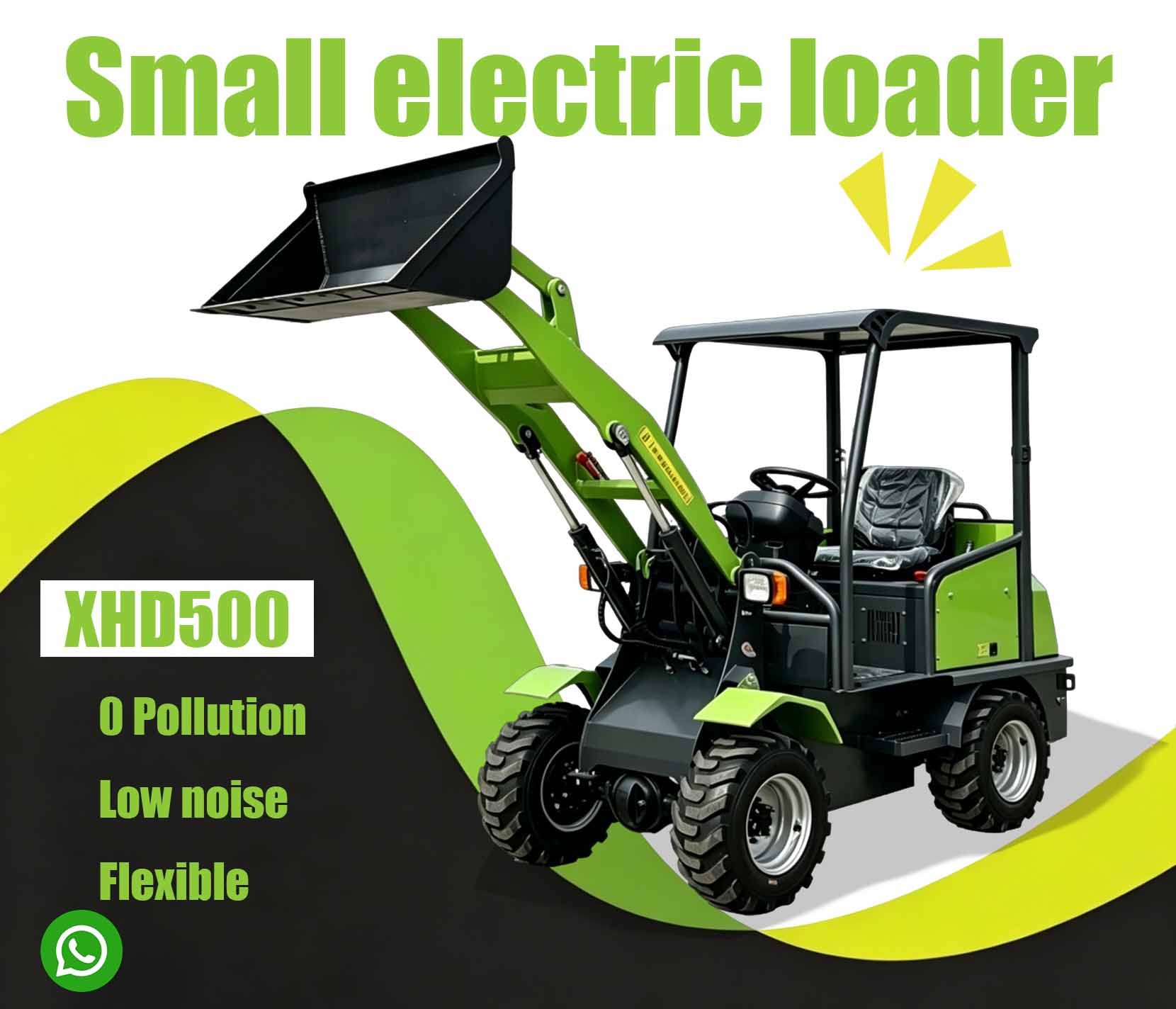
The XHD500A Mini Electric Wheel Loader demonstrates that advanced technology and economic sense go hand in hand. With lower energy costs, reduced maintenance, higher utilization, and strong residual values, it delivers measurable financial advantages over its entire lifecycle.
?? Contact us today to receive a customized TCO and ROI calculation tailored to your specific operating conditions.