 Chinese
 English
 Russian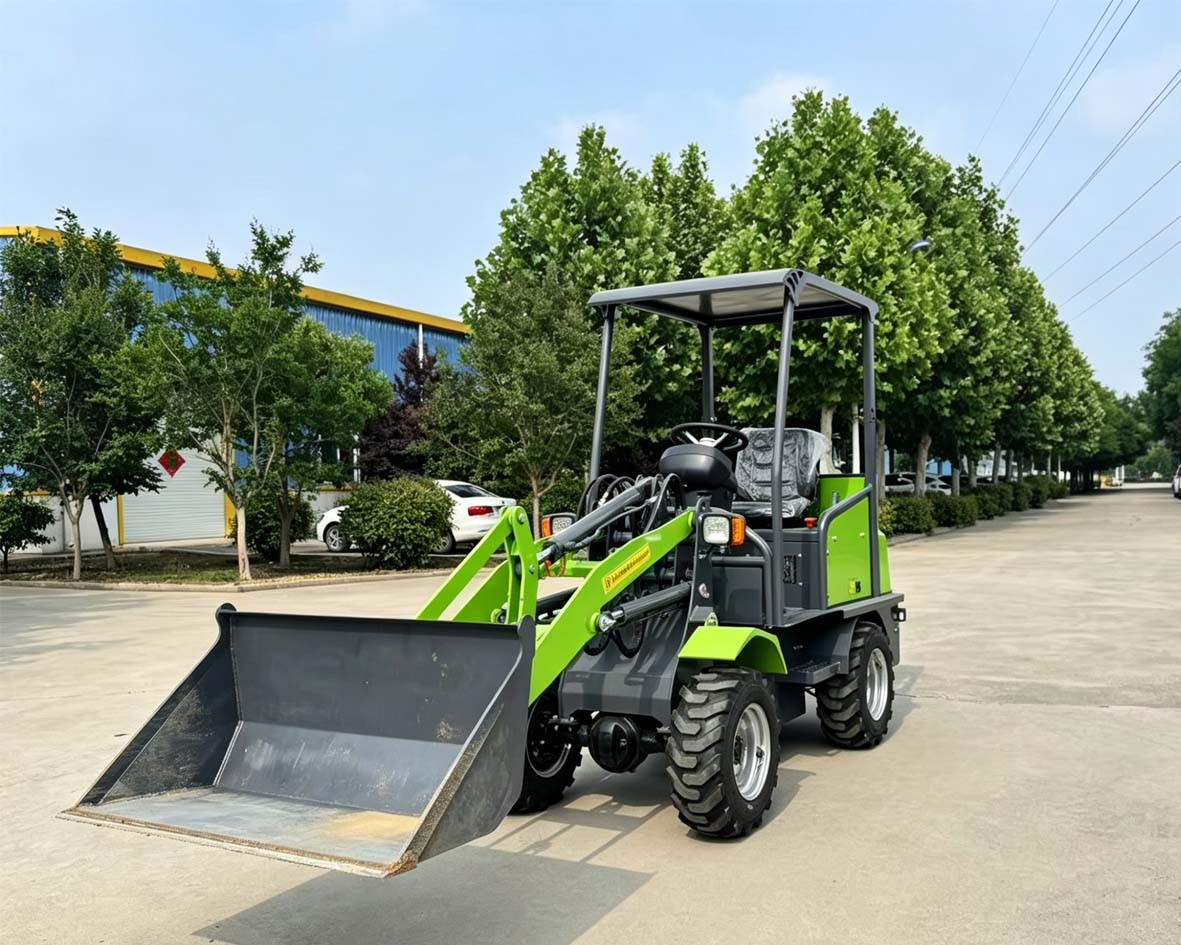
When sourcing a mini electric wheel loader, buyers often focus heavily on battery chemistry, charging times, and lift height. While these specifications are important, industry veterans know that the drive axle is the true component that determines whether a machine survives years of potholed yards, gravel pits, and frozen barn lots.
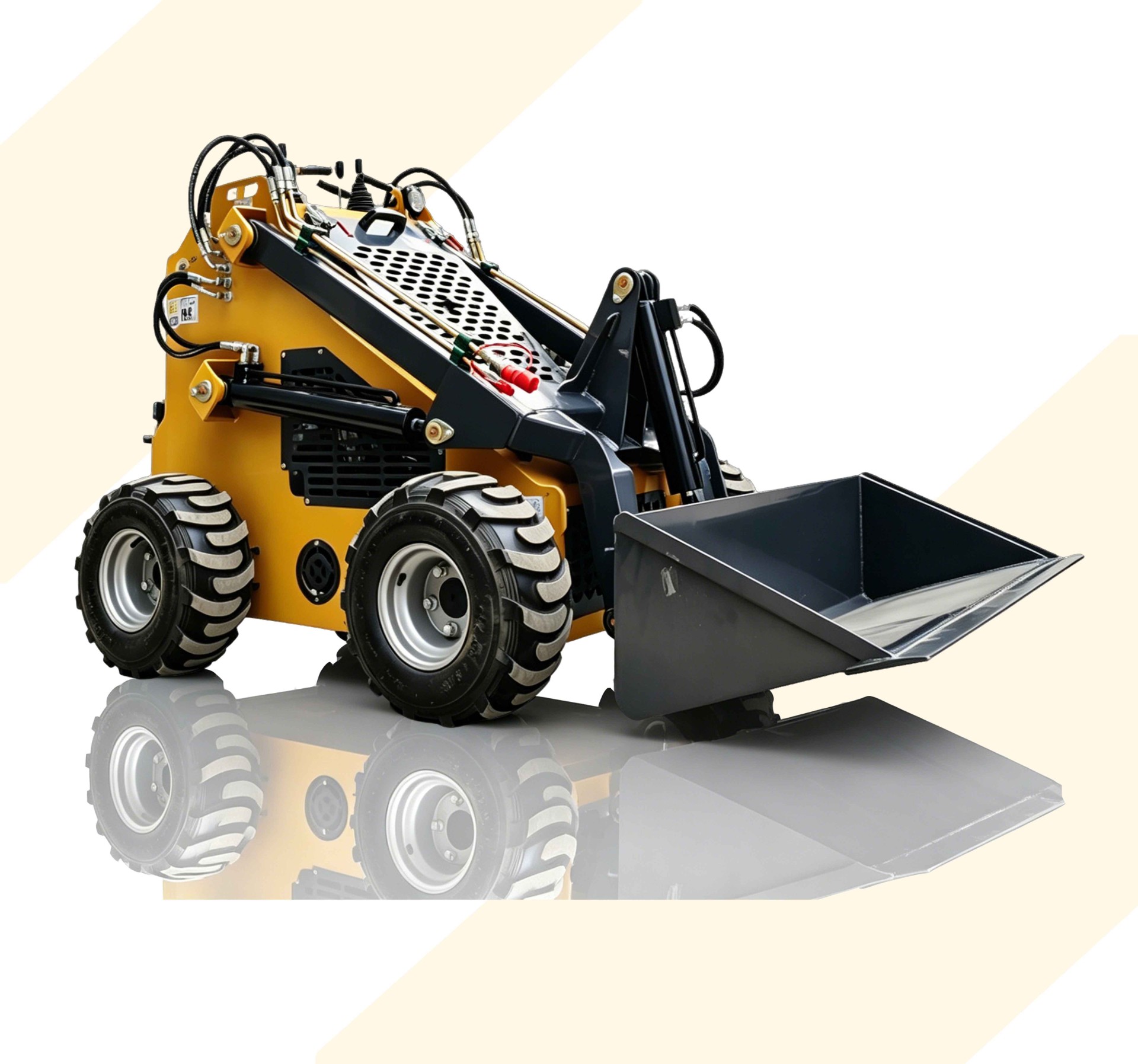
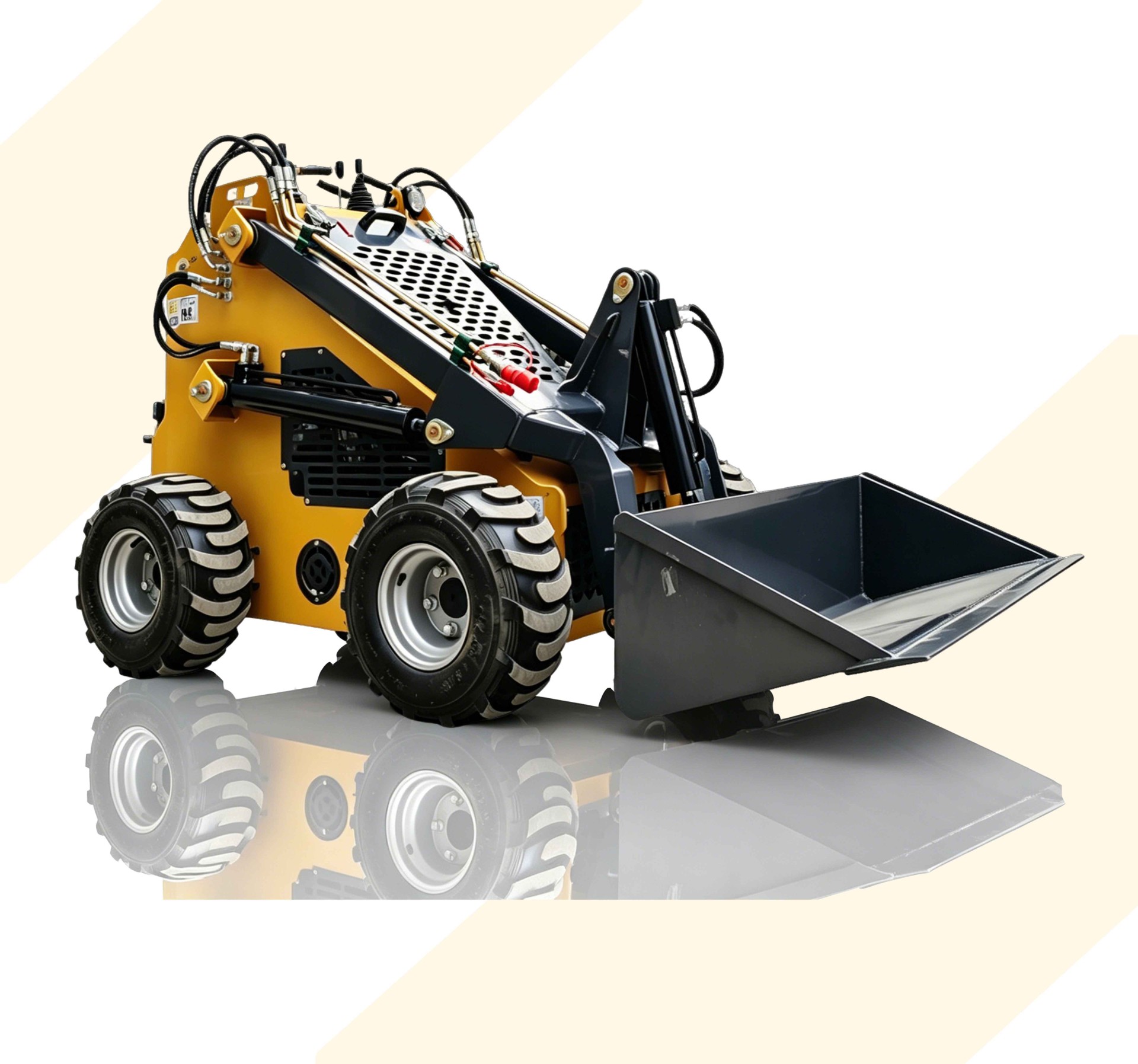
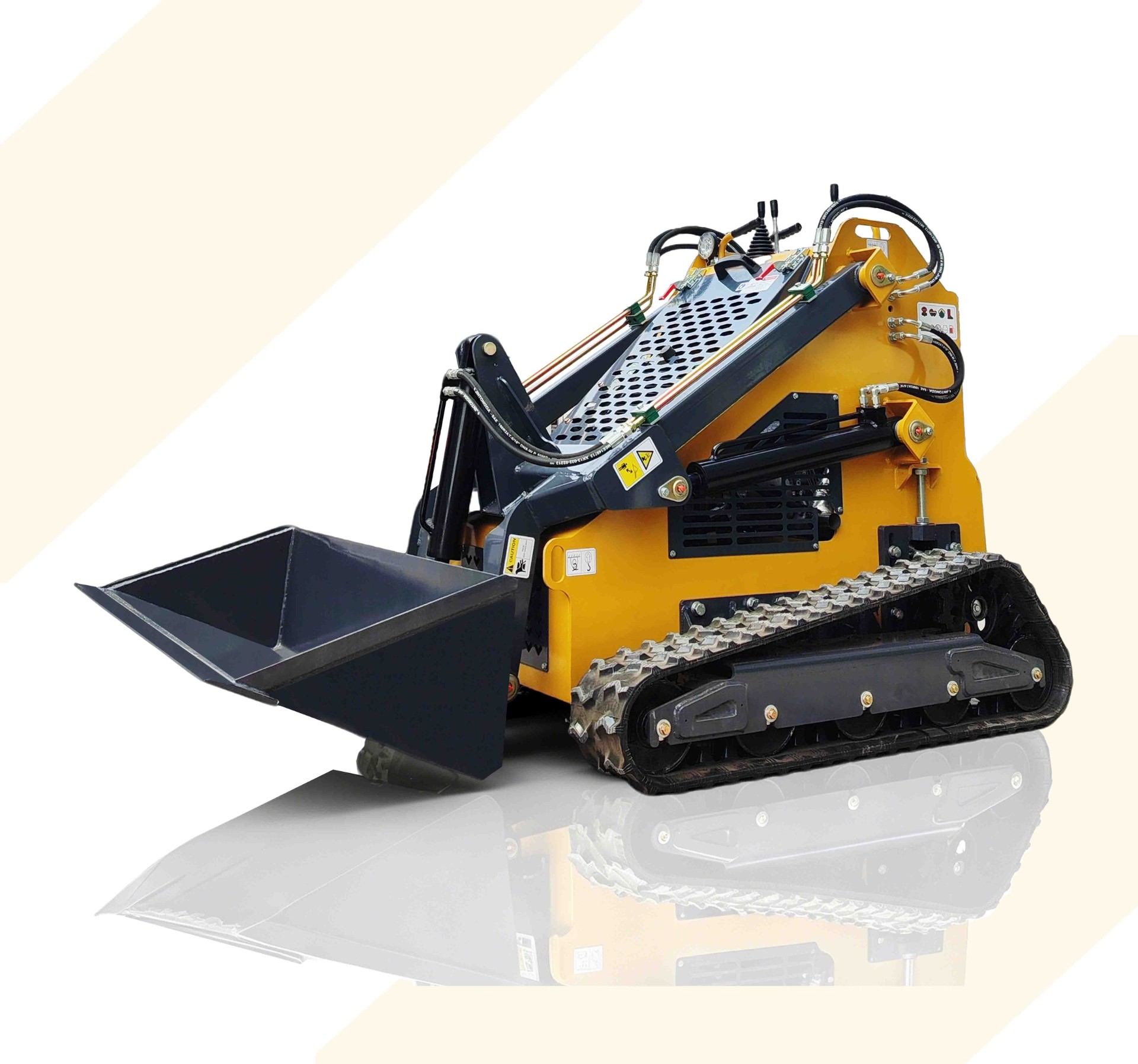
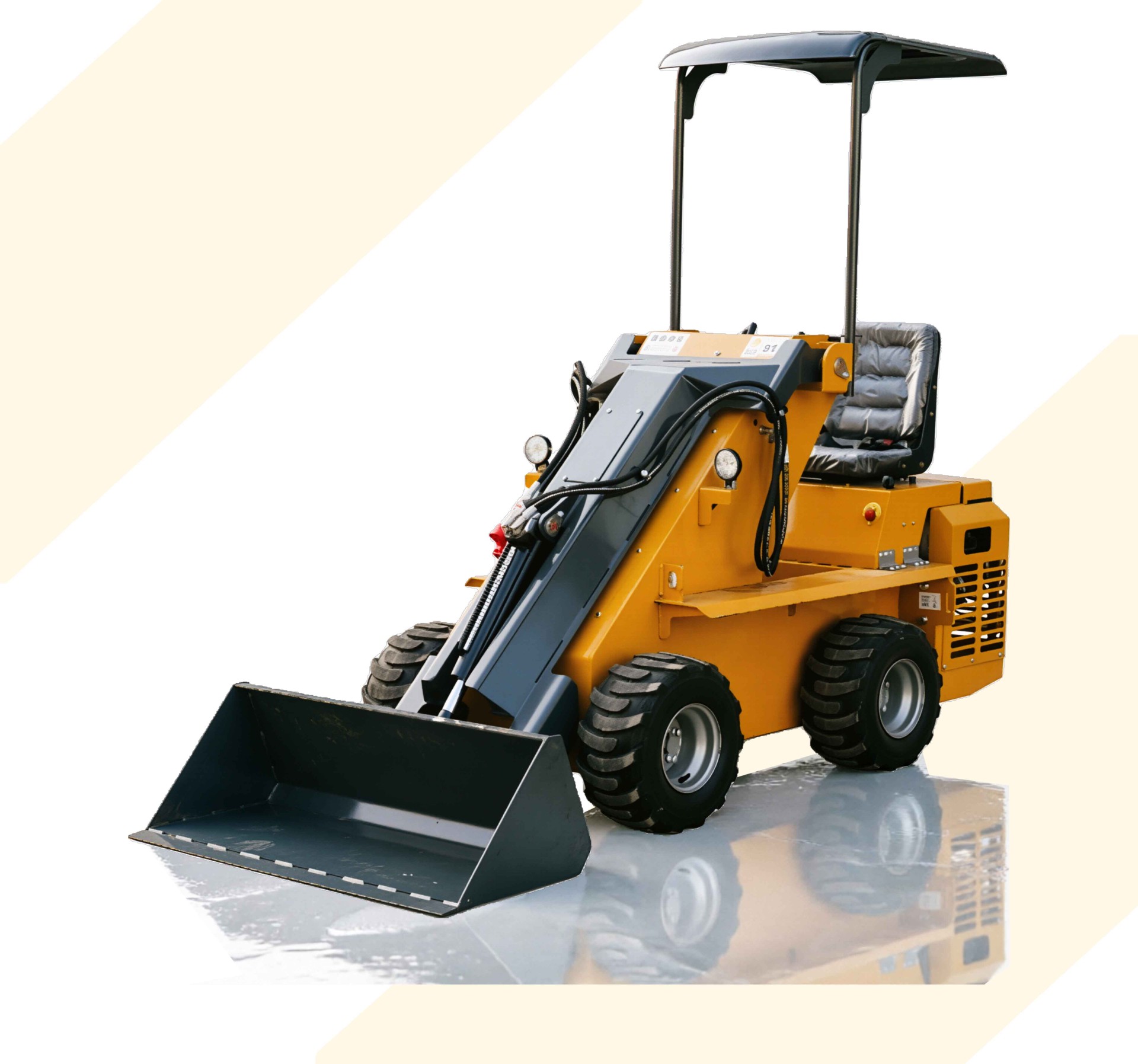
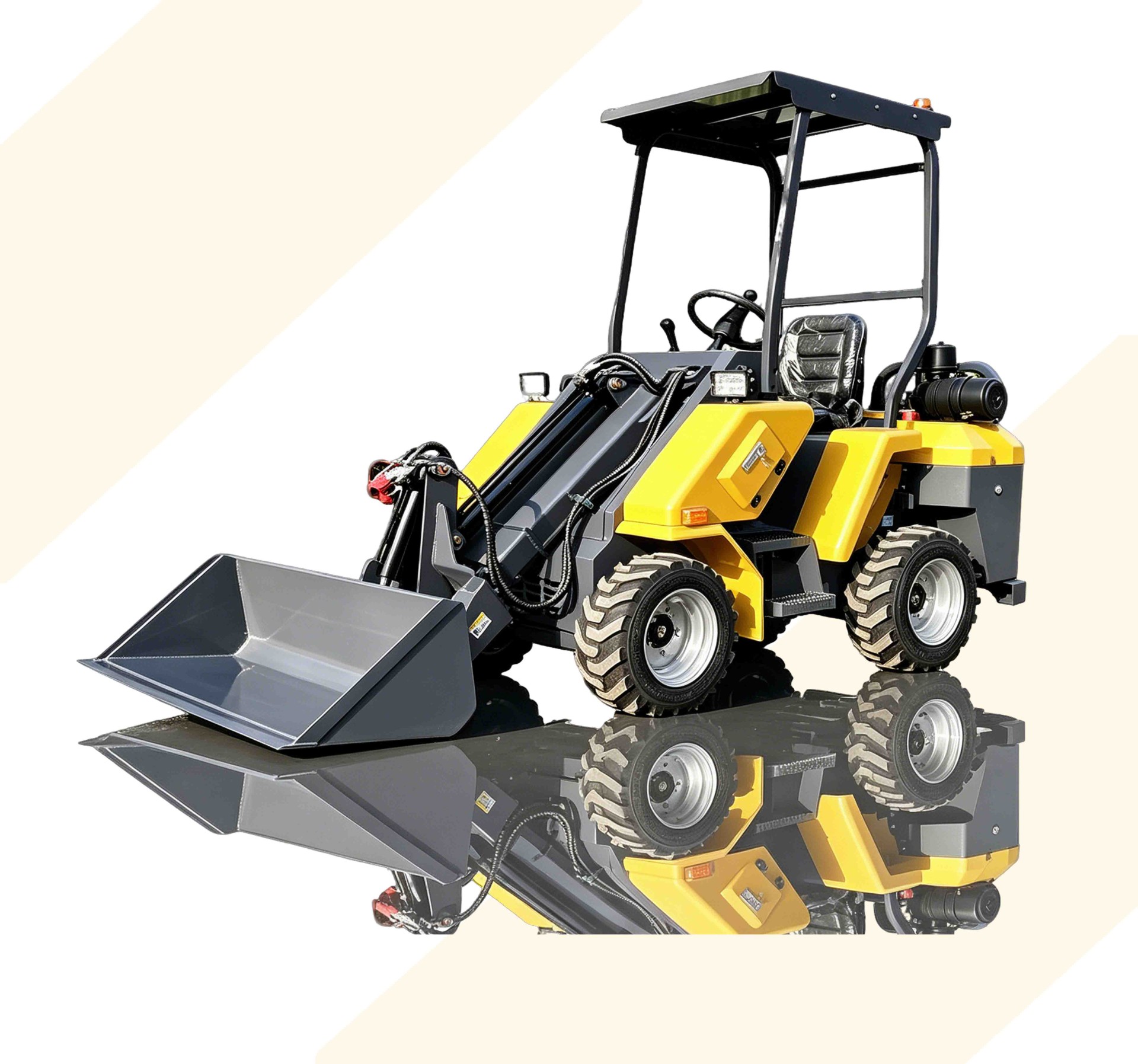
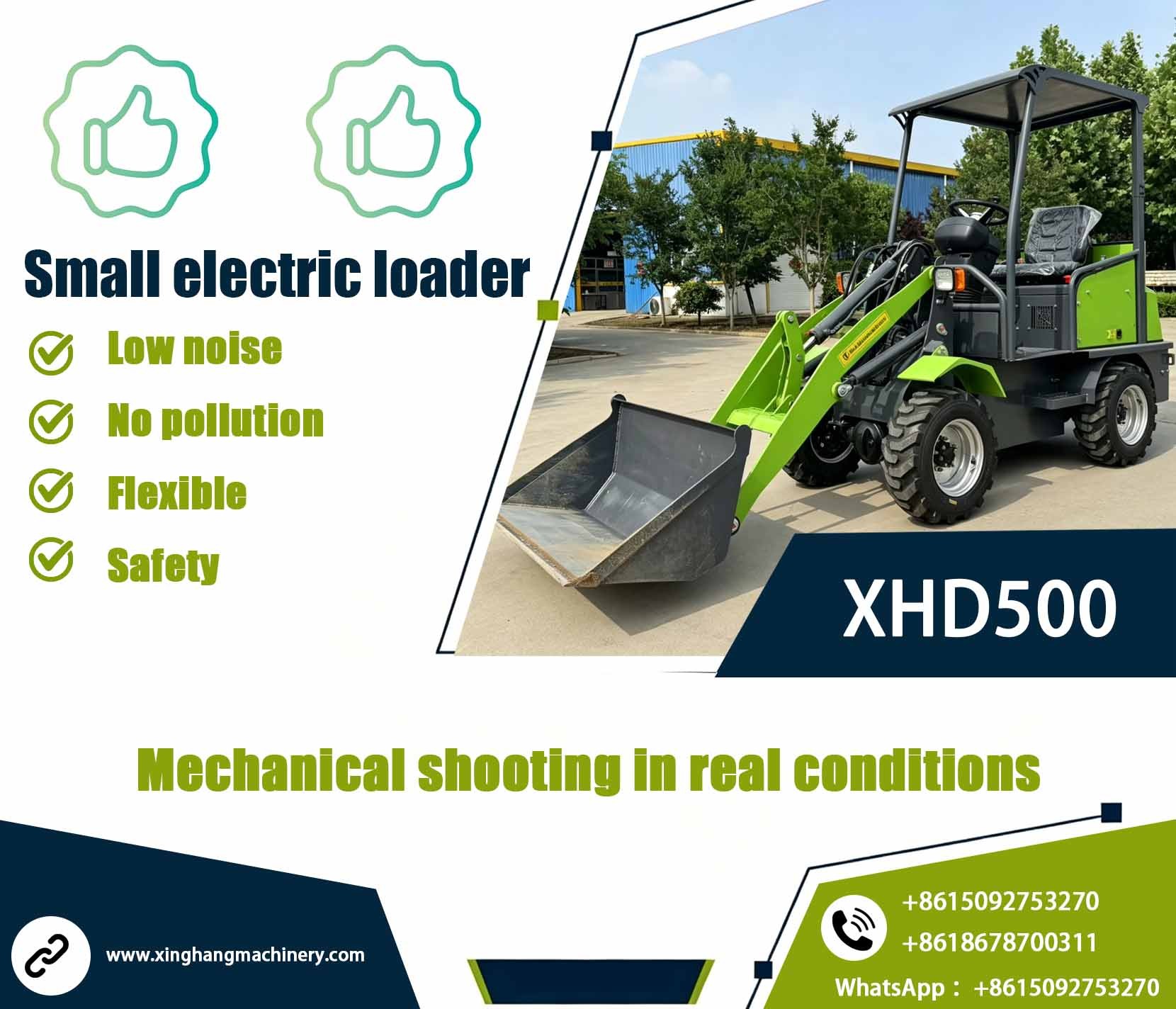
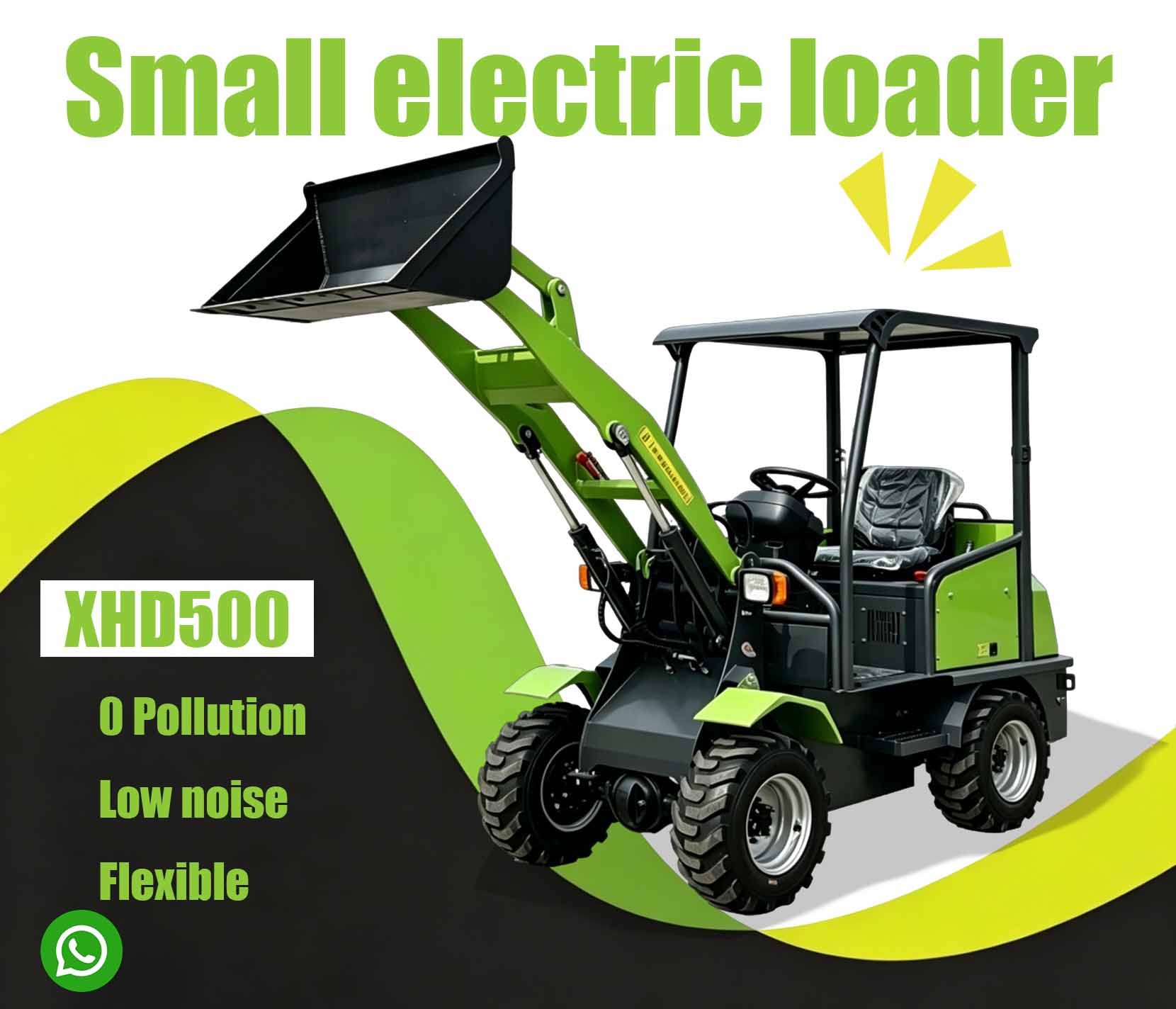
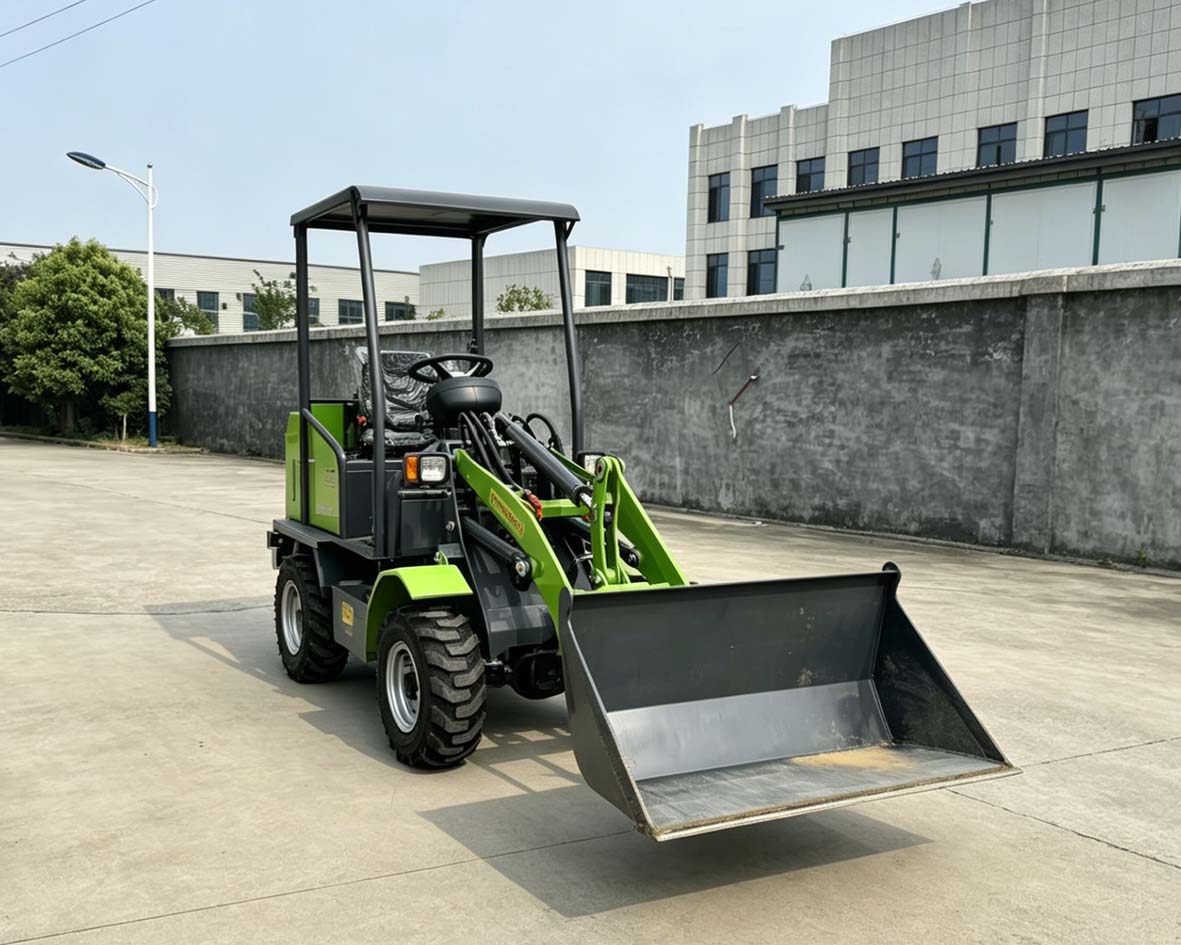
Jining Xinghang Machinery equips its entire line of commercial-grade loaders, including the popular XHD400A, XHD500, and XHDL500 series, with Full-Floating Heavy-Duty Drive Axles as a standard feature. This is not merely a bullet point on a specification sheet; it is a strategic engineering decision designed to lower your Total Cost of Ownership (TCO) and maximize machine uptime.
This article explains why full-floating axles significantly outperform semi-floating designs, how they impact manufacturing costs versus long-term performance, and why they are essential for professional electric machinery.
1. Full-Floating vs. Semi-Floating Axles: The Structural Difference
Understanding the mechanical difference is key to understanding the durability gap between budget machines and professional equipment.
1.1 The Problem with Semi-Floating Axles (The Budget Option)
Semi-floating axles are commonly found on entry-level garden tractors and low-cost import loaders to keep prices competitive.
Combined Stress: The axle shaft supports both the drive torque AND the entire weight of the machine.
Cantilever Effect: It acts as a cantilever beam, enduring massive bending forces every time the wheel hits a bump or the machine turns sharply.
Bearing Setup: Typically uses a single bearing per wheel to support the hub.
The Result: The axle shaft is under constant, multi-directional stress. In construction or agricultural environments, this leads to high rates of fatigue fractures, often leaving the machine stranded in a ditch or a muddy field.
1.2 The Xinghang Solution: Full-Floating Heavy-Duty Axles
Standard on all Xinghang commercial electric loaders, the full-floating design completely isolates stresses.
Dual Bearing Support: The wheel hub is mounted on two tapered roller bearings attached to a fixed spindle on the axle housing.
Torque Only: The axle shaft only transmits rotational torque. It does not bear any of the machine's weight.
Housing Strength: All vertical and lateral forces are absorbed by the thick, reinforced axle housing.
The Result: The axle shaft experiences pure torsion. It is mechanically isolated from bending stress, drastically increasing service life and reliability.
2. Why Full-Floating Axles Are Superior for Electric Loaders
Electric drive systems present unique challenges to drivetrains that internal combustion engines do not. Full-floating axles are the ideal solution.
2.1 Built for Instant Electric Torque
Electric motors deliver 100% torque at 0 RPM. This instantaneous shock load is brutal on drivetrains. Because a full-floating axle shaft is designed solely for torque transmission, it perfectly matches the aggressive power delivery of lithium-ion battery systems without the risk of bending failure common in semi-floating designs.
2.2 Eliminates the #1 Cause of Downtime
In rough terrain, semi-floating axles frequently snap at the wheel end or the differential. Xinghang's full-floating design eliminates this bending stress, resulting in near-zero axle shaft failure rates. This reliability is critical for rental fleets and heavy agricultural use where equipment downtime equates directly to lost revenue.
2.3 Safer Failure Mode and Faster Repairs
Safety: If a full-floating shaft breaks, the wheel remains securely mounted on the hub bearings. The machine can be moved slowly and safely out of the danger zone.
Serviceability: Replacing a shaft requires only unbolting the flange. There is no need to press bearings or remove brake drums. This reduces field repair time from hours to minutes, getting your crew back to work faster.
3. Cost vs. Performance: The Business Case
Professional buyers often ask: "Why is a full-floating axle loader slightly more expensive?"Here is the transparent breakdown.
The Manufacturing Cost Reality
Equipping a mini loader with full-floating axles increases the ex-works cost by approximately 25% to 40% per axle compared to semi-floating alternatives. This is due to:
Material: Thicker axle housing steel is required to handle the loads.
Machining: More complex machining of spindles and bearing seats is necessary.
Components: Additional parts, including dual bearings, flanges, and heavy-duty seals, add to the cost.
The Operational ROI (Return on Investment)
While the initial purchase price is higher, the Total Cost of Ownership (TCO) is significantly lower:
Reduced Downtime: You avoid waiting for a tow truck because your axle snapped in a ditch.
Lower Parts Cost: You replace a simple shaft, not an entire expensive hub assembly.
Extended Lifespan: The machine retains its structural integrity for years longer.
The Verdict: For professional users such as farmers, municipalities, and contractors, the axle upgrade pays for itself within the first 12 to 18 months of operation through saved labor and prevented downtime.
4. Technical Comparison Table
Feature | Semi-Floating Axle (Budget Imports) | Xinghang Full-Floating Heavy-Duty Axle |
|---|---|---|
Load Type on Shaft | Torque + Bending Moment (Stressful) | Pure Torque (Ideal) |
Weight Bearing | Axle Shaft | Axle Housing via Dual Bearings |
Bearing Setup | Single Bearing | Dual Tapered Roller Bearings |
Fatigue Resistance | Low (Prone to Snapping) | High (Engineered for Impact) |
Repair Difficulty | High (Requires hub disassembly) | Low (Unbolt & Replace) |
Best Suited For | Flat surfaces, light gardening | Construction, Agriculture, Snow Removal, Rental Fleets |
Xinghang Standard | Not Used | Standard on All Commercial Models |
5. Application Scenarios Where Full-Float Axles Win
The robustness of the full-floating design makes it the superior choice for demanding environments:
Livestock Farms: Navigating deep manure packs and uneven concrete floors where impact is constant.
Construction Sites: Handling gravel, ruts, and excavated soil that twist and strain lesser axles.
Snow Removal: Withstanding the high side-loads generated when pushing heavy, packed snow.
Municipal & Rental: Ensuring the machine can survive varied operators, unknown terrain, and continuous heavy use.
6. Frequently Asked Questions (FAQ)
Q: Does a full-floating axle make the loader too heavy?
A: No. The weight increase is minimal, approximately 8 to 15 kg per axle, compared to the machine's total operating weight of 1000kg or more. In fact, the added stability and traction are beneficial for most work.
Q: Is maintenance more complicated?
A: Wheel bearings require standard lubrication checks, similar to any quality machine. However, the ease of replacing a shaft makes the overall maintenance process simpler and cheaper than dealing with a broken semi-floating assembly.
Q: Can I get a cheaper semi-floating version to save money?
A: Xinghang focuses exclusively on professional-grade equipment. We do not offer semi-floating axles on our commercial loaders because we prioritize your uptime and safety over a slightly lower initial price tag. A broken machine is never a bargain.
Conclusion: Invest in Durability, Not Just Price
Choosing a mini electric loader based solely on the lowest sticker price often leads to costly repairs and frustrating downtime later. By choosing Jining Xinghang Machinery, you are investing in a machine built with a Full-Floating Heavy-Duty Axle—the backbone required for real-world work.
Green Power: Zero emissions for indoor and urban use.
Heavy-Duty Build: Full-floating axles for maximum durability.
Smart Economics: Lower TCO through reduced maintenance and downtime.
Ready to equip your fleet with reliable electric power?
Contact Jining Xinghang Machinery Manufacturing Co., Ltd.