 Chinese
 English
 Russian
Introduction
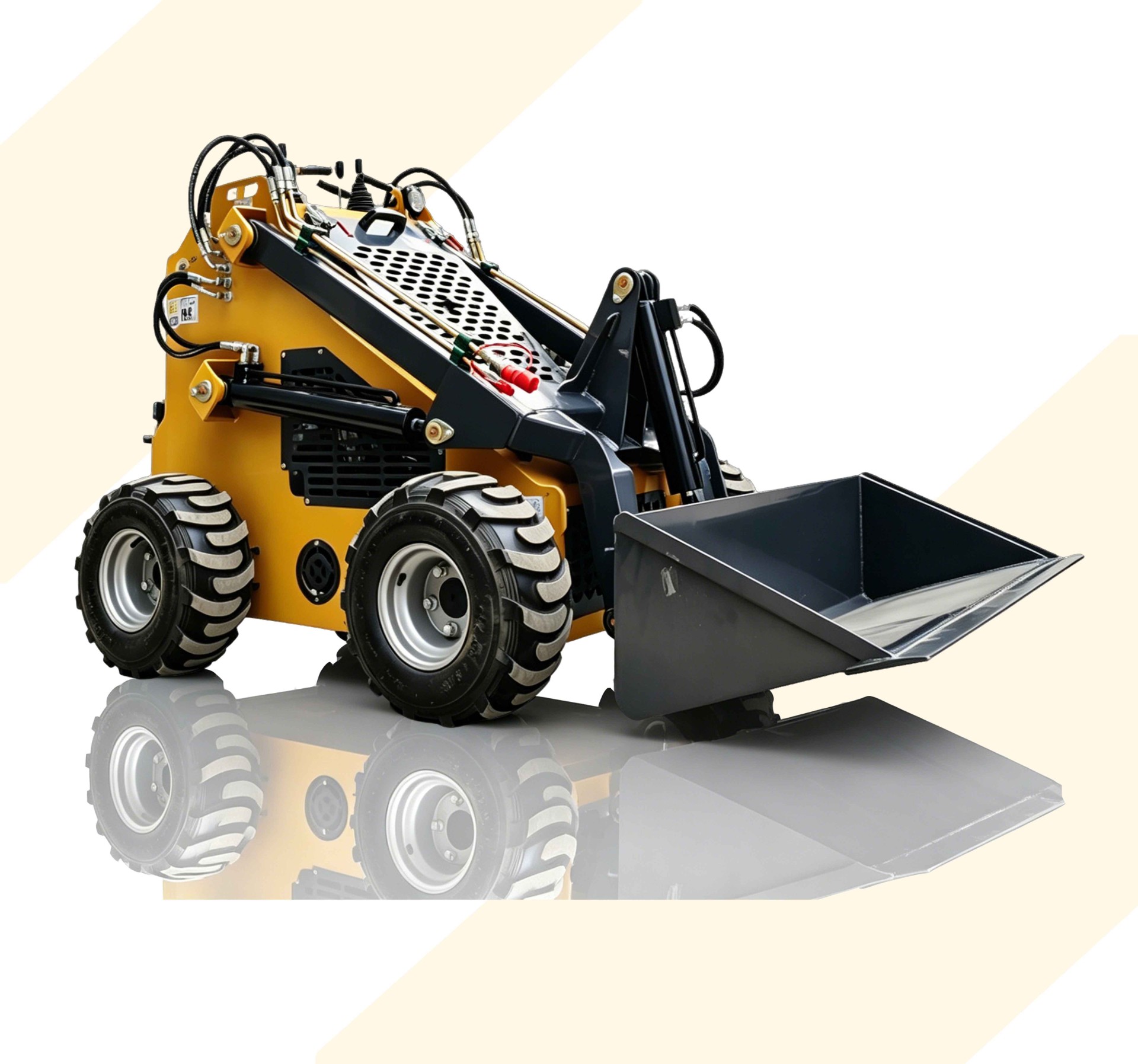
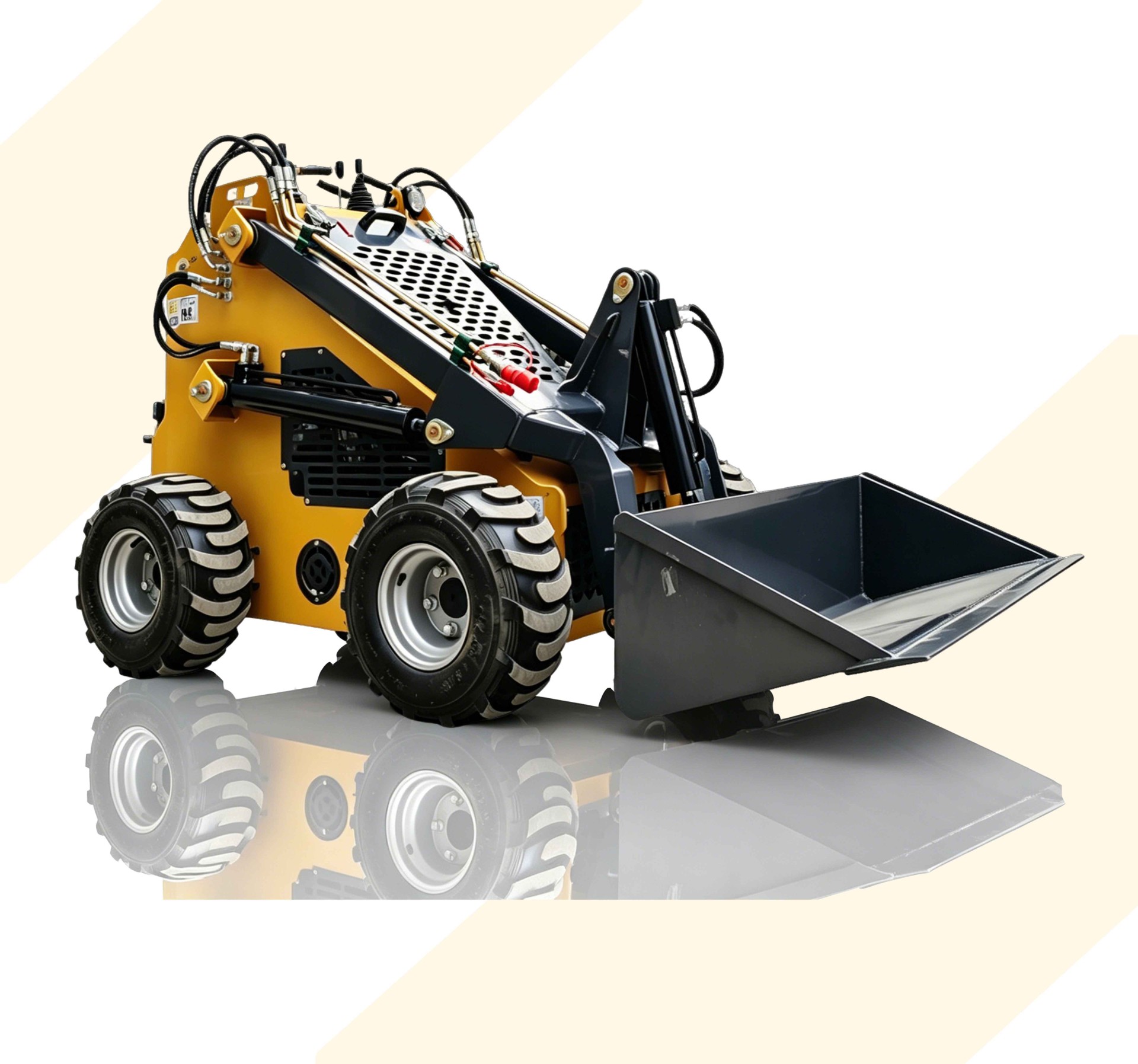
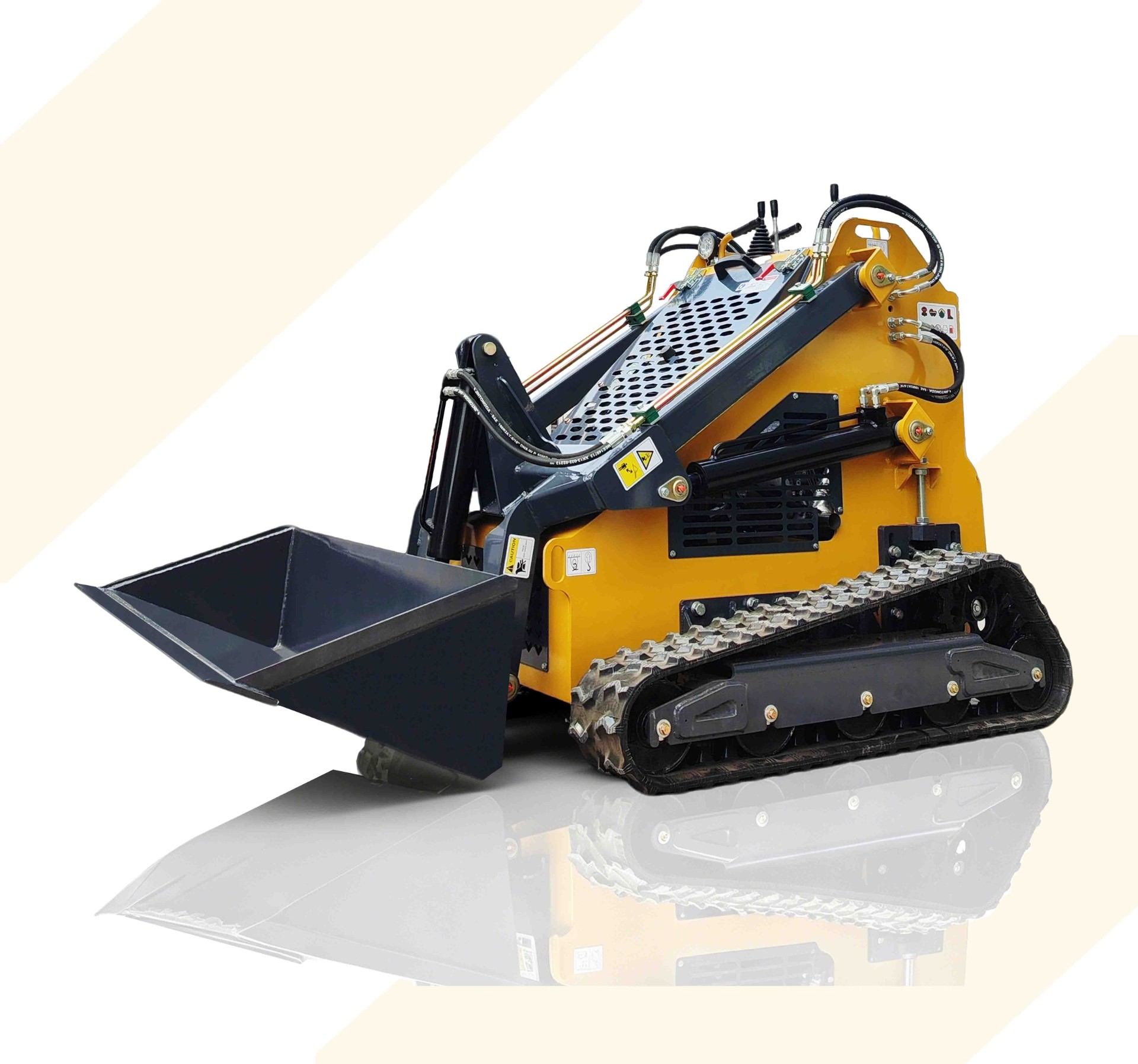
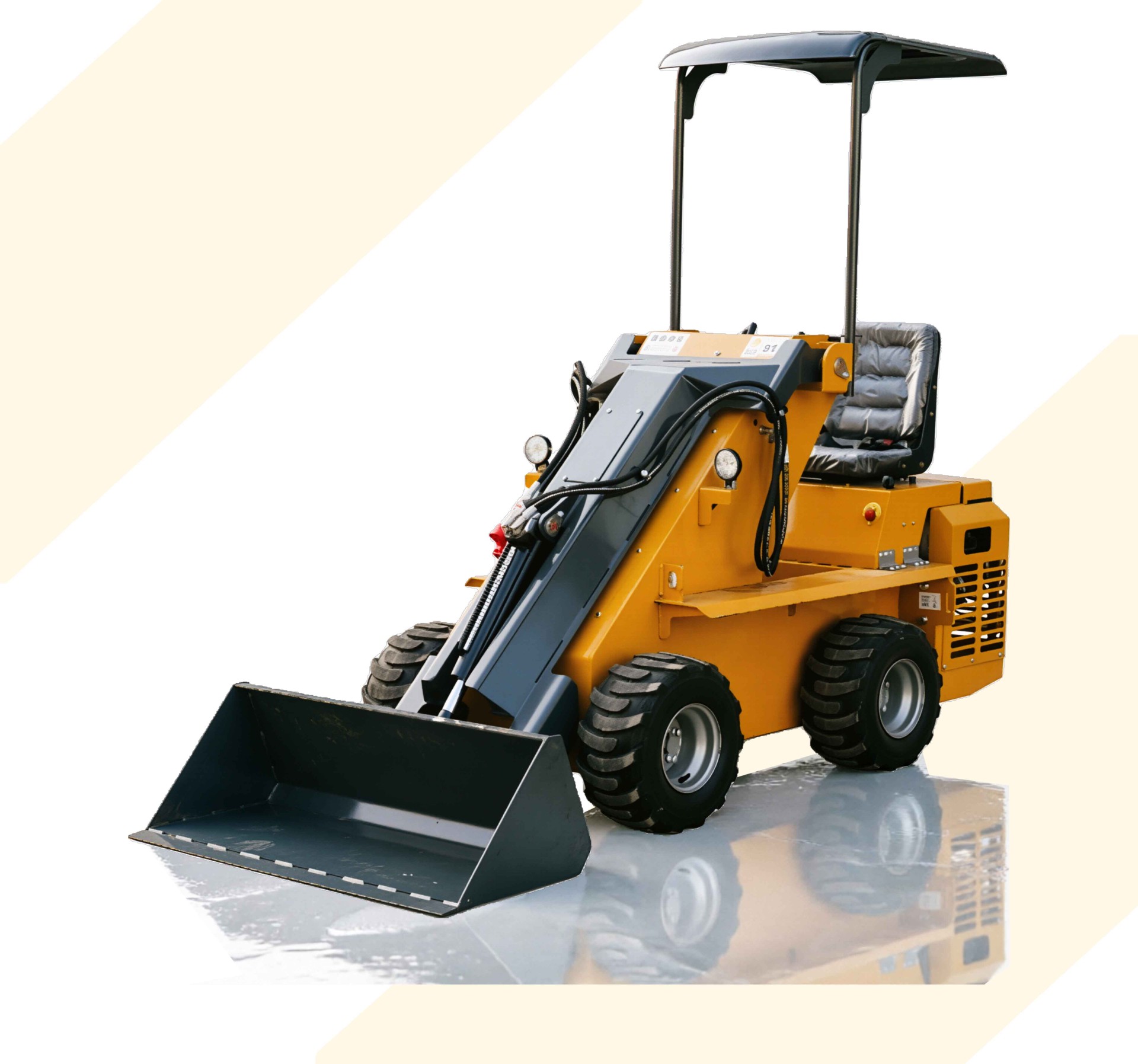
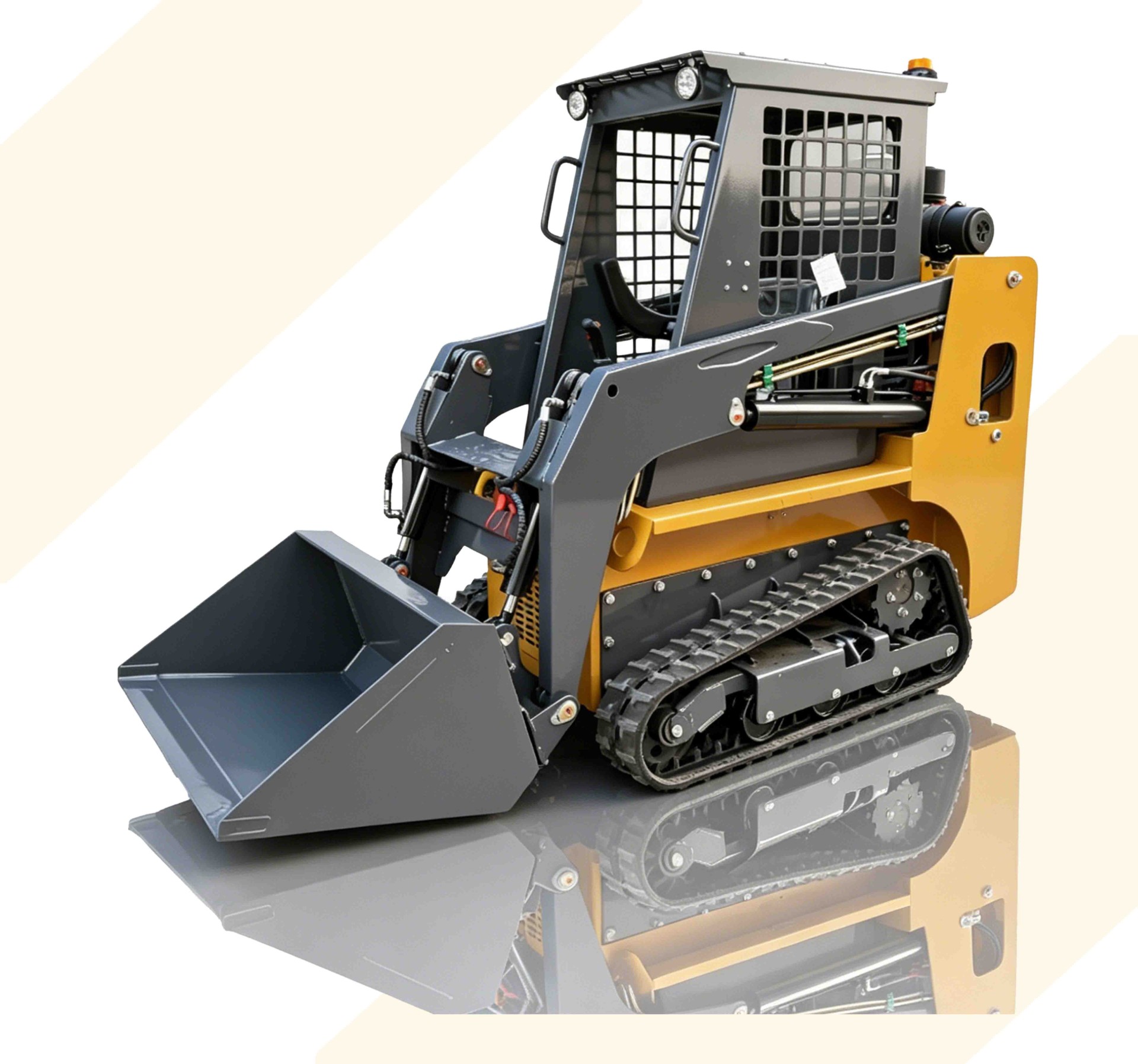
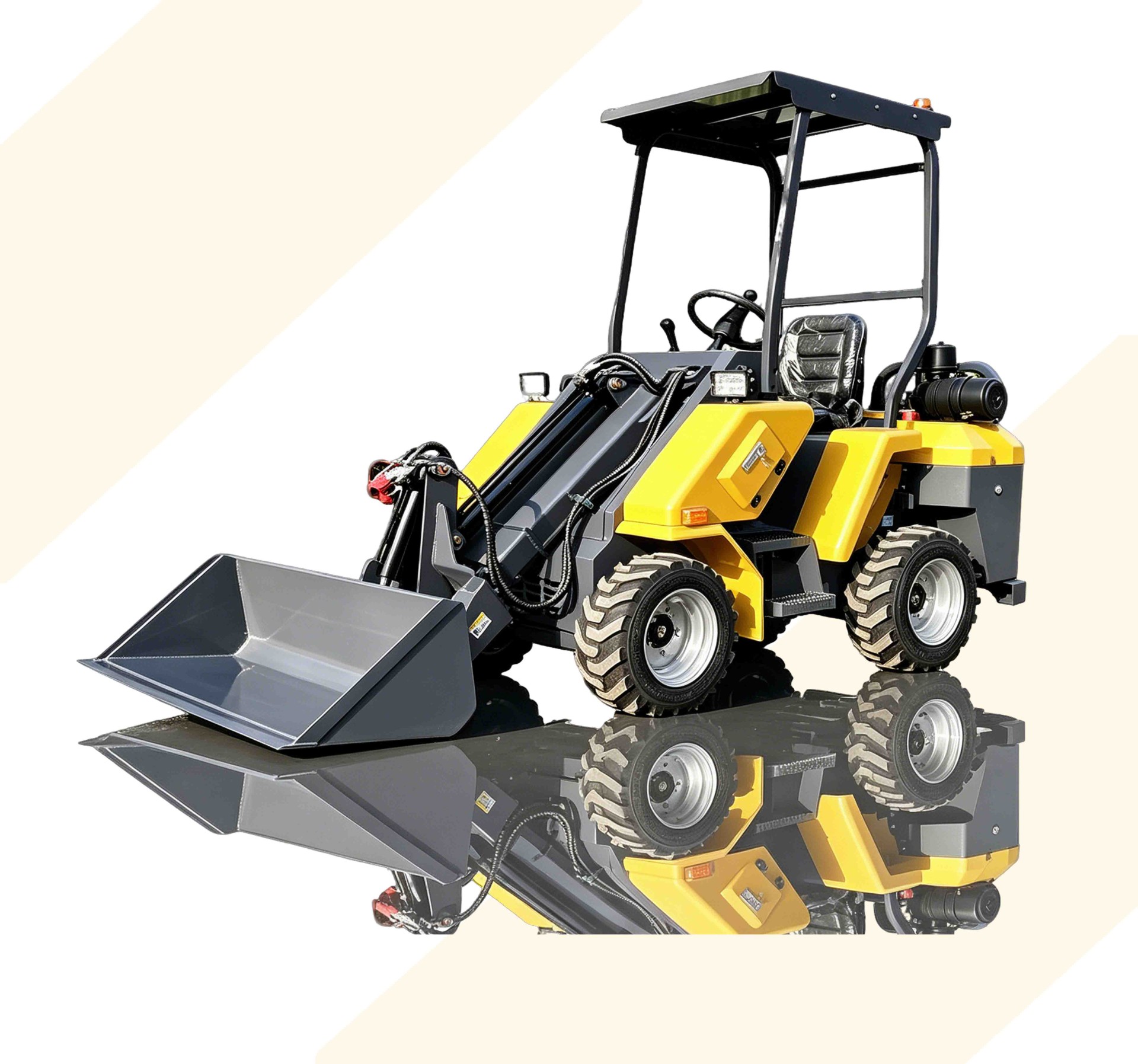
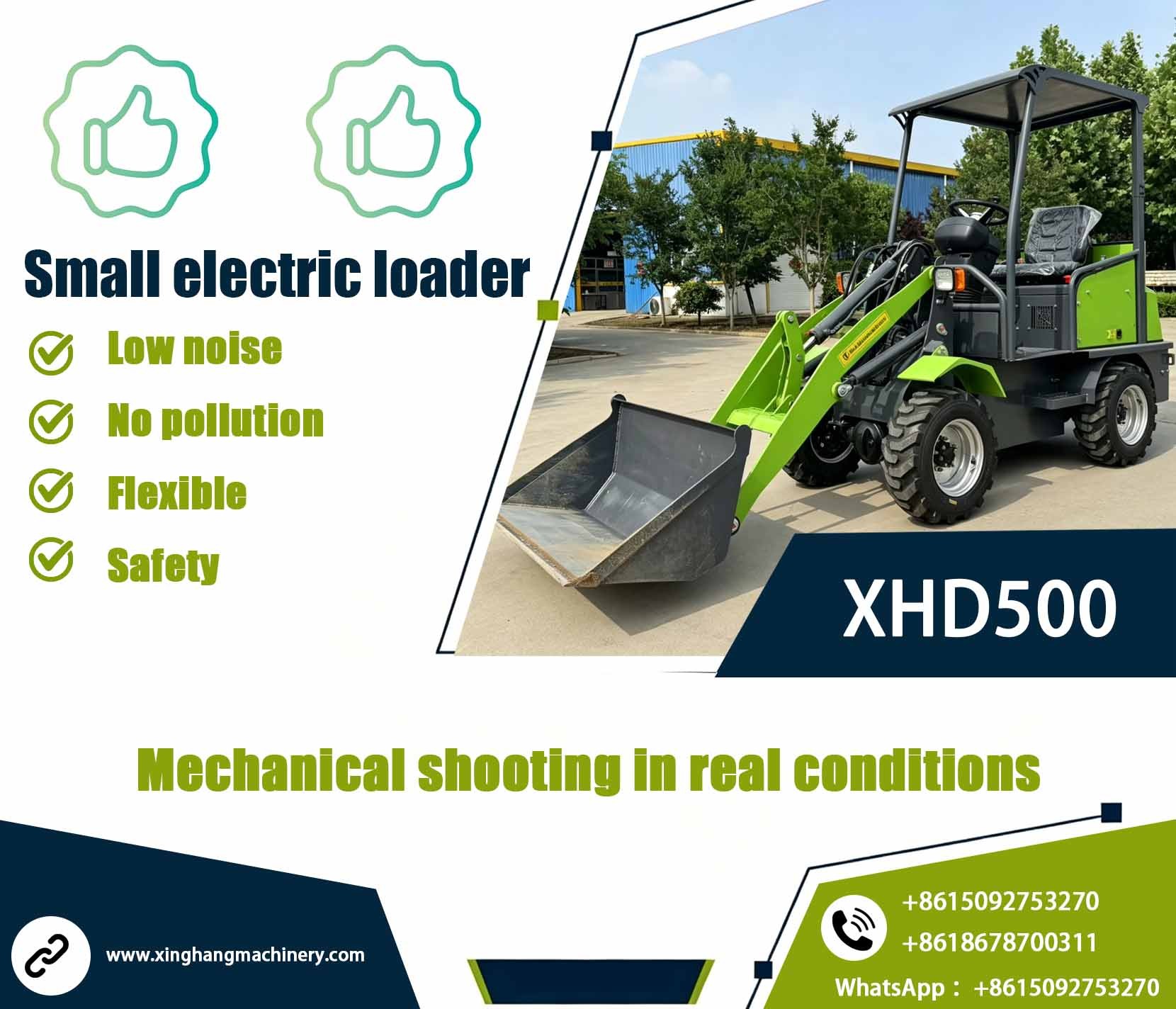
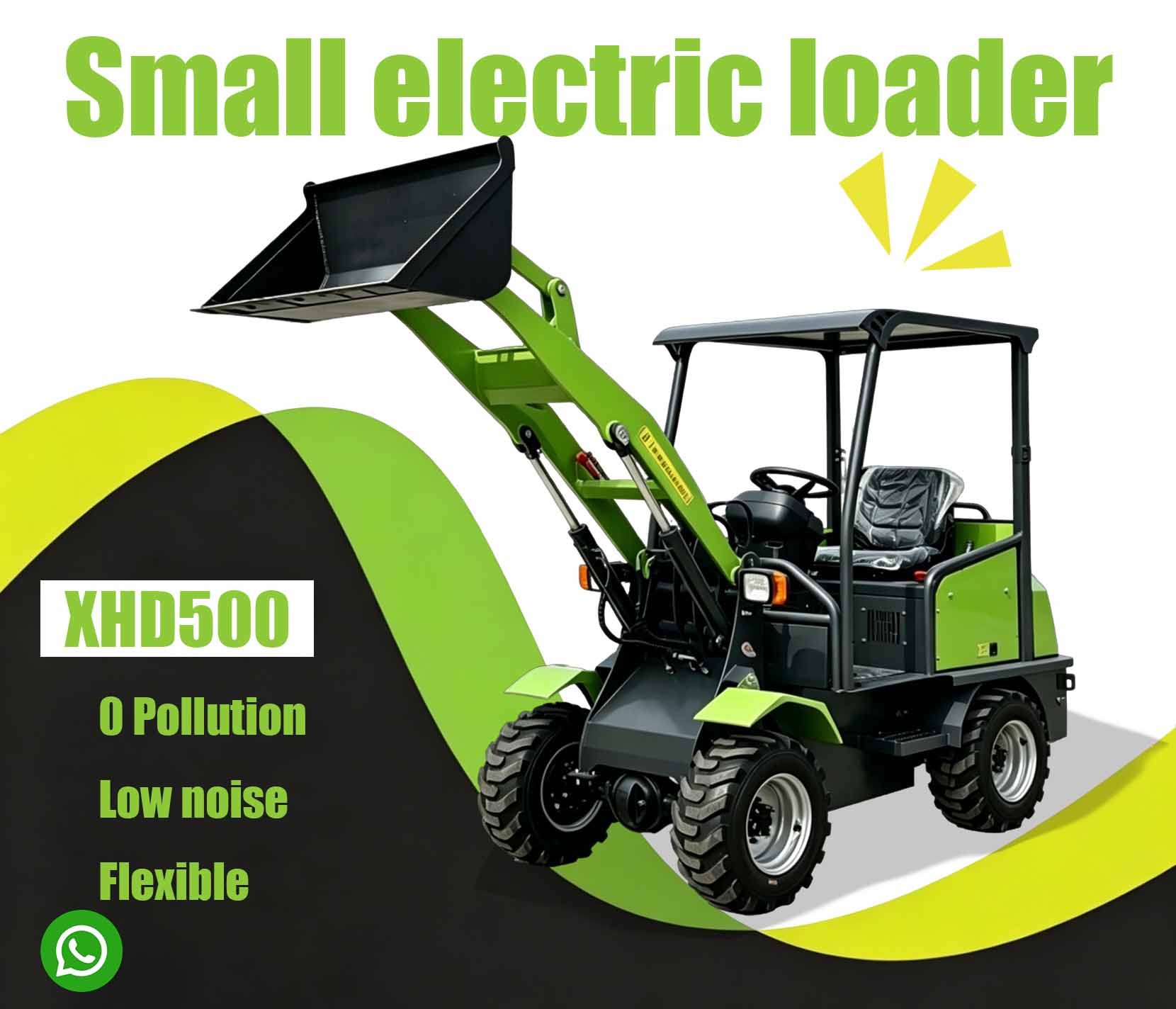
Batching plants and small aggregate yards operate in fixed locations with repetitive loading cycles—making them the ideal scenario for electric compact loaders. Based on client feedback from our Yanzhou, Jining factory, Jining Xinghang Machinery Manufacturing Co., Ltd. analyzes the 5-year Total Cost of Ownership (TCO) comparing 1.5T and 2T electric loaders against traditional diesel models in stationary material handling.
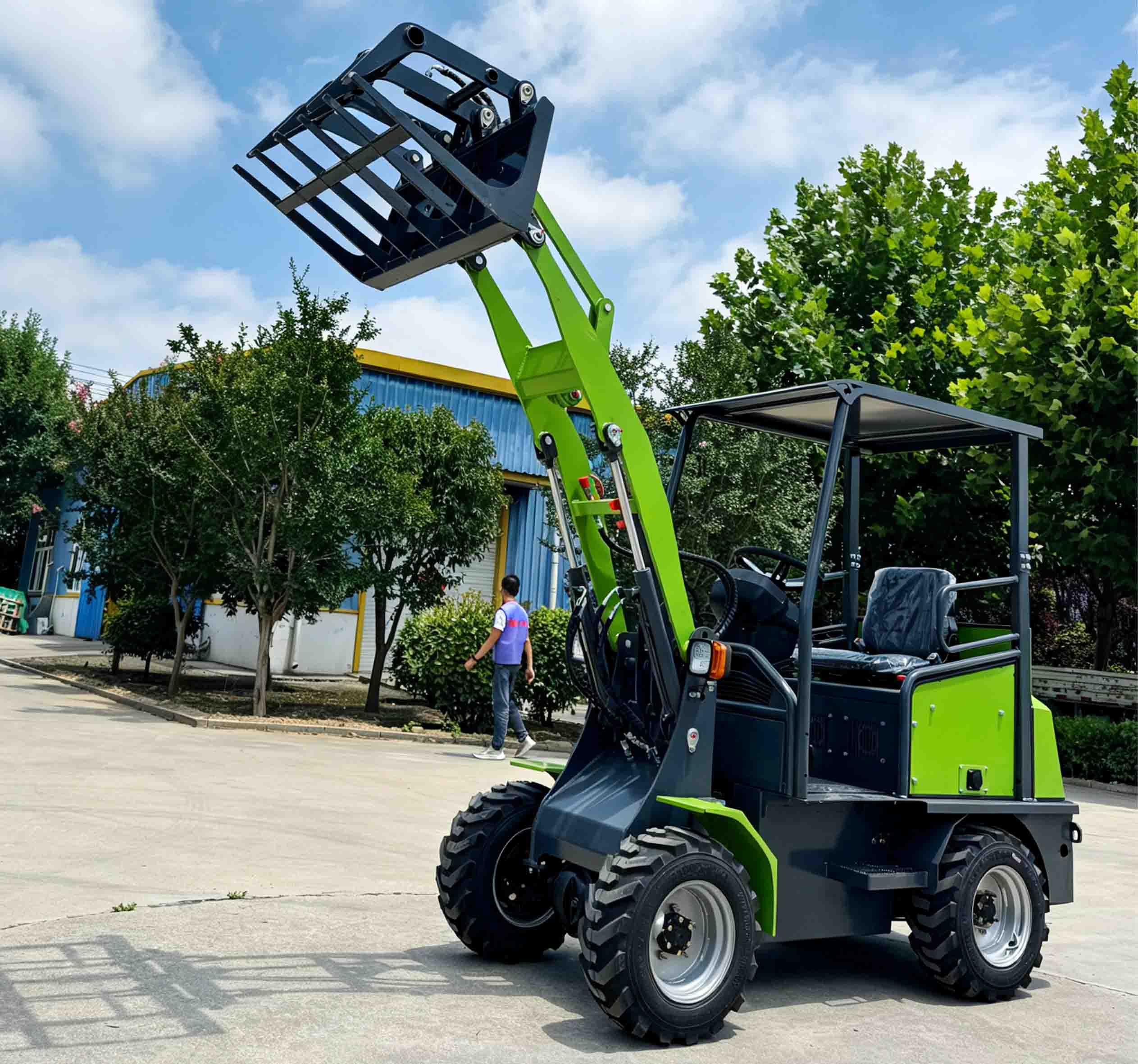
Energy Cost Reality in Stationary Yards
Diesel loaders consume 4–6 liters/hour under continuous loading. Electric loaders consume ~15–20 kWh/hour. In most markets, electricity costs 60–70% less per operating hour than diesel. Over 1,500 annual hours, a 2T electric loader saves roughly $6,000–$8,000 in energy alone. Jining Xinghang leverages the Jining industrial cluster supply chain to keep battery and motor costs competitive, passing savings directly to batching plant owners.
Maintenance Gap: Electric vs Diesel
In dusty batching plants, diesel loaders need frequent oil changes, filter swaps, and DPF cleaning—averaging $1,500/year. Electric drivetrains have fewer moving parts, no oil, and no injectors. Our Yanzhou-produced electric loaders cut annual maintenance by 40–50%, mainly limited to tires, brakes, and hydraulics. For plant managers, less downtime equals more batches per day.
Emission Zones & Site Restrictions
Many urban batching plants in Europe and East Asia face low-emission or no-idle zones. Diesel loaders risk fines or restricted access. Jining Xinghang's 1.5T & 2T electric loaders run zero-emission, low-noise (<75 dB), enabling night shifts near residential areas. Several units exported by Jining Xinghang now operate in German and Japanese suburban plants where diesel is banned indoors.
Real-World Payback Period
With combined energy and maintenance savings, most batching plants recover the electric premium within 2.5–3 years. After that, it’s pure cost saving. As an integrated industry-trade manufacturer in Yanzhou, we offer optional swappable lithium packs to eliminate charging downtime—critical for 16-hour plants.
Conclusion
For fixed sites like batching plants and aggregate yards, 1.5T & 2T electric loaders are not just greener—they are mathematically cheaper over 5 years. Talk to the engineers at Jining Xinghang for a site-specific TCO sheet.