 Chinese
 English
 Russian
Introduction: Beyond the Purchase Price
For many small to medium-sized contractors, the initial price tag of a mini dumper often triggers a familiar hesitation: “My crew can move that debris with wheelbarrows for free.” However, this perspective overlooks the most expensive line item in modern construction—manual labor. The true cost of a wheelbarrow isn’t the $50 purchase price; it’s the cumulative expense of worker fatigue, lost productivity, and medical claims. This article moves beyond specifications to analyze the Return on Investment (ROI) of the Xinghang Mini Dumper. By quantifying the hidden costs of manual handling, we demonstrate how investing in mechanical assistance pays for itself in a matter of weeks, transforming a capital expense into a high-yield profit center.
Quantifying the Wheelbarrow Tax
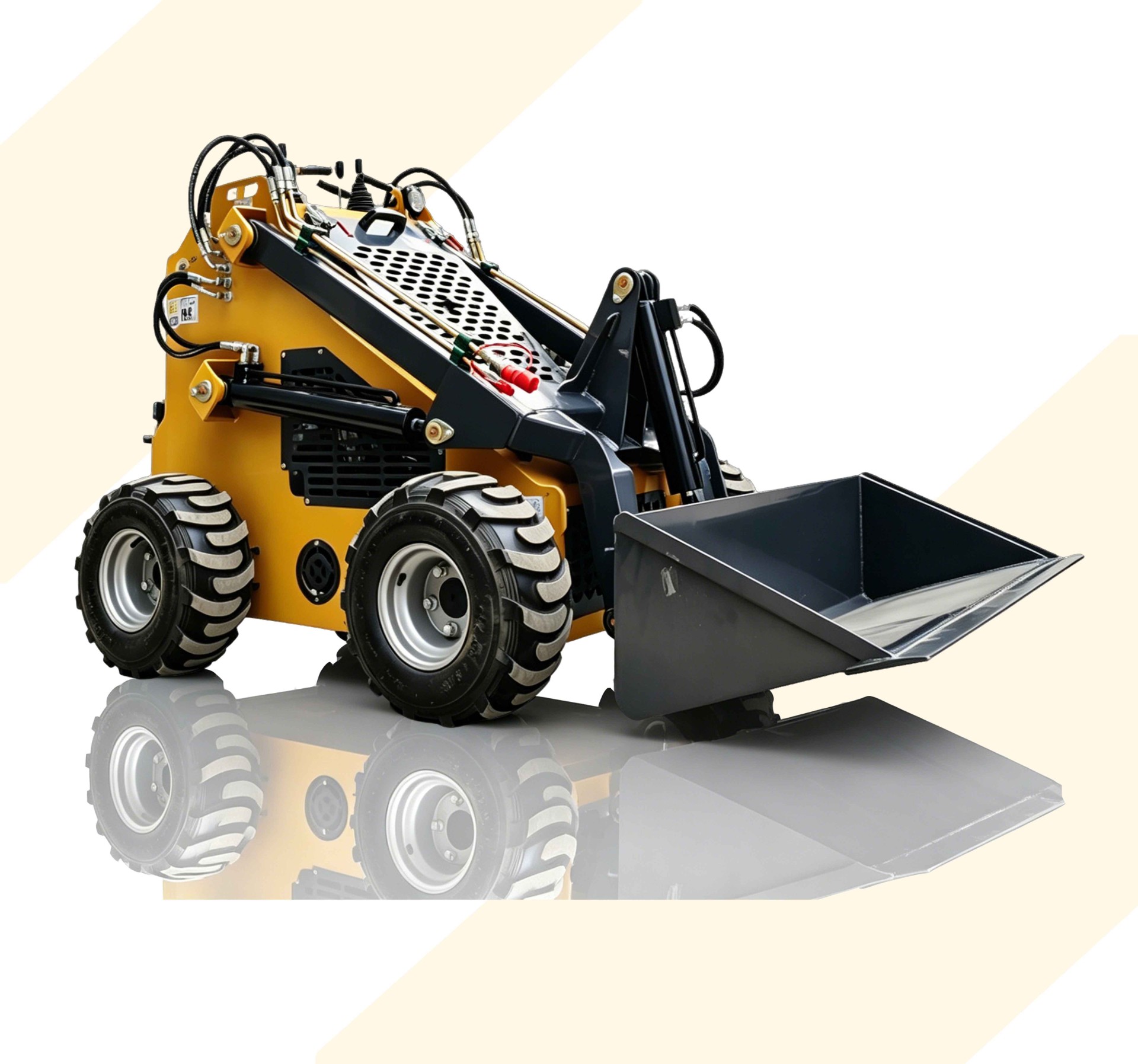
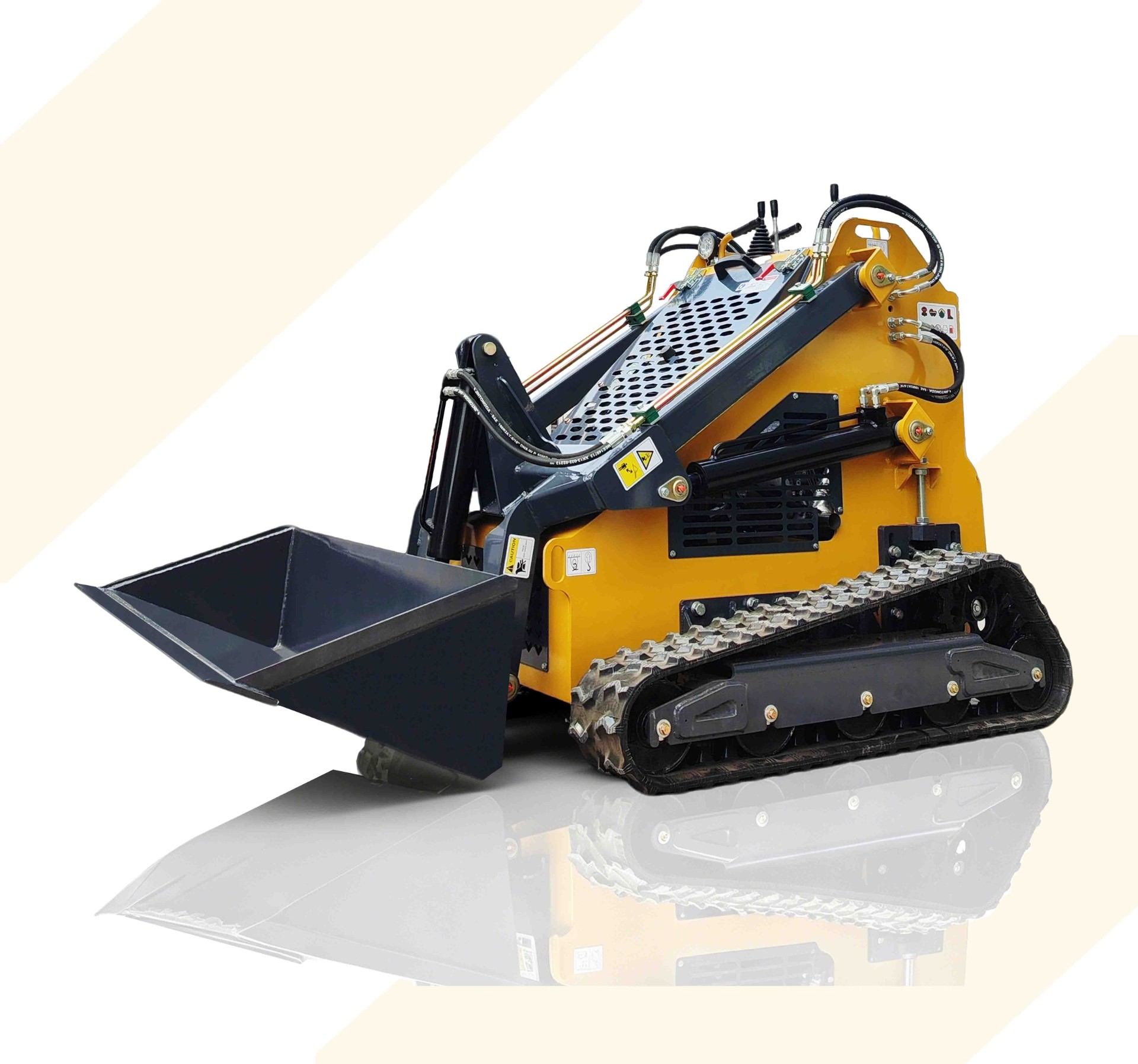
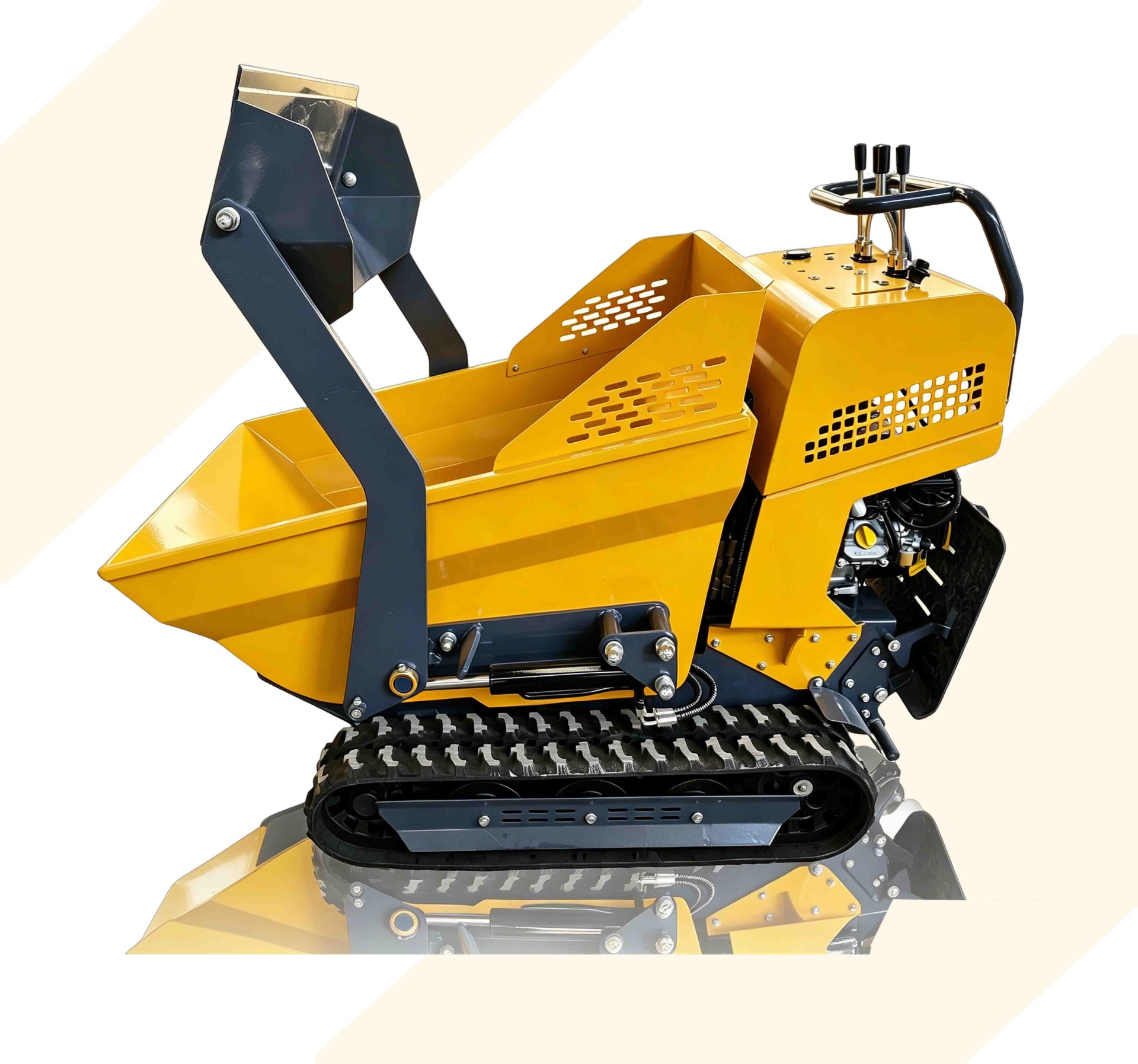
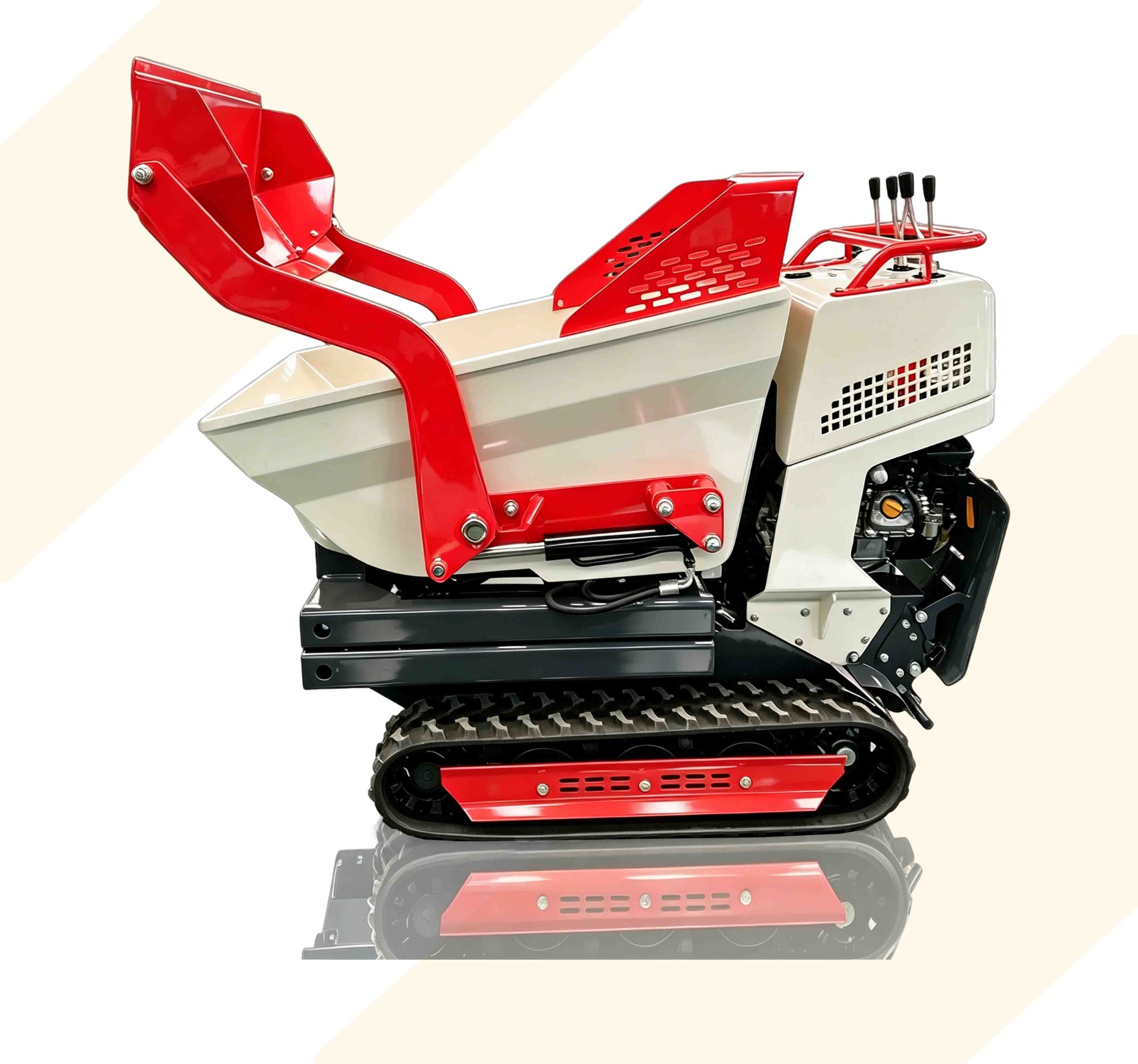
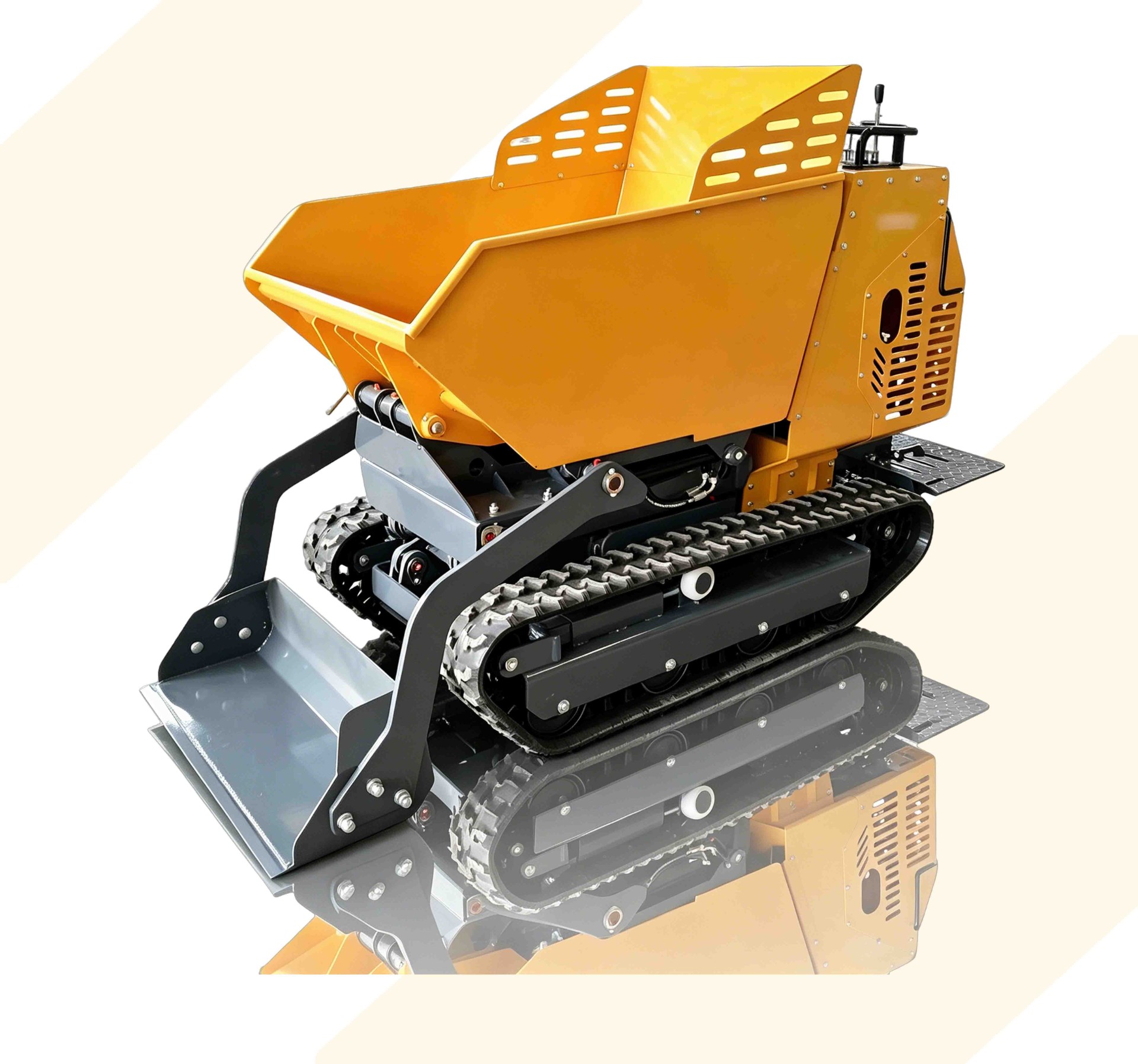
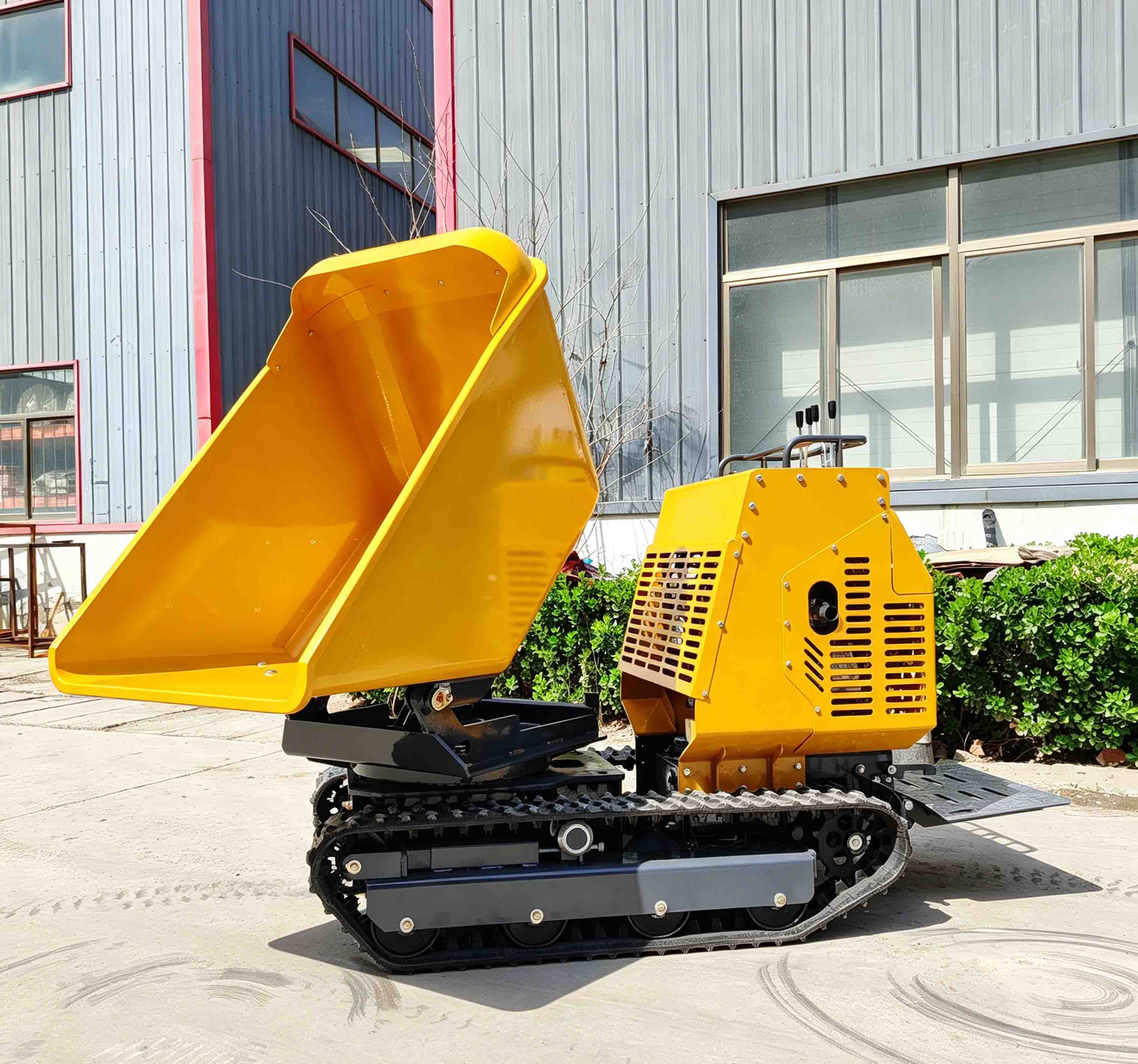
To understand the ROI, we must first calculate the "Wheelbarrow Tax." An average laborer can move approximately 1 cubic meter of material per hour using a wheelbarrow. In contrast, an Xinghang XHT500 moves 0.2 cubic meters per load at a speed of nearly 3 km/h. Over an 8-hour shift, the math becomes stark. Two laborers with wheelbarrows might move 8–10 cubic meters, requiring breaks due to physical exhaustion. One operator on an Xinghang dumper can move 30+ cubic meters with less physical strain. When you factor in the fully burdened hourly rate of a laborer ($25–$40/hr depending on the region), the cost of manual transport quickly eclipses the monthly lease payment of a dumper. The Xinghang machine doesn’t just save time; it optimizes your labor budget by turning a two-man job into a one-man operation.
Mitigating Risk: The Human Factor
The financial argument for mechanization grows stronger when considering risk mitigation. Manual material handling is the leading cause of non-fatal workplace injuries, specifically musculoskeletal disorders (MSDs). A single workers' compensation claim for a back injury can range from $15,000 to over $50,000, not including the indirect costs of project delays and replacement hiring. The Xinghang Mini Dumper acts as a form of "mechanical PPE." By keeping the operator standing on a stable platform with foldable footrests and using tracks to glide over rough terrain, the machine absorbs the physical shock that would otherwise punish the human body. Reducing just one minor injury claim can cover the cost of the machine several times over, making safety compliance a direct driver of profitability.
The Rental Revenue Stream
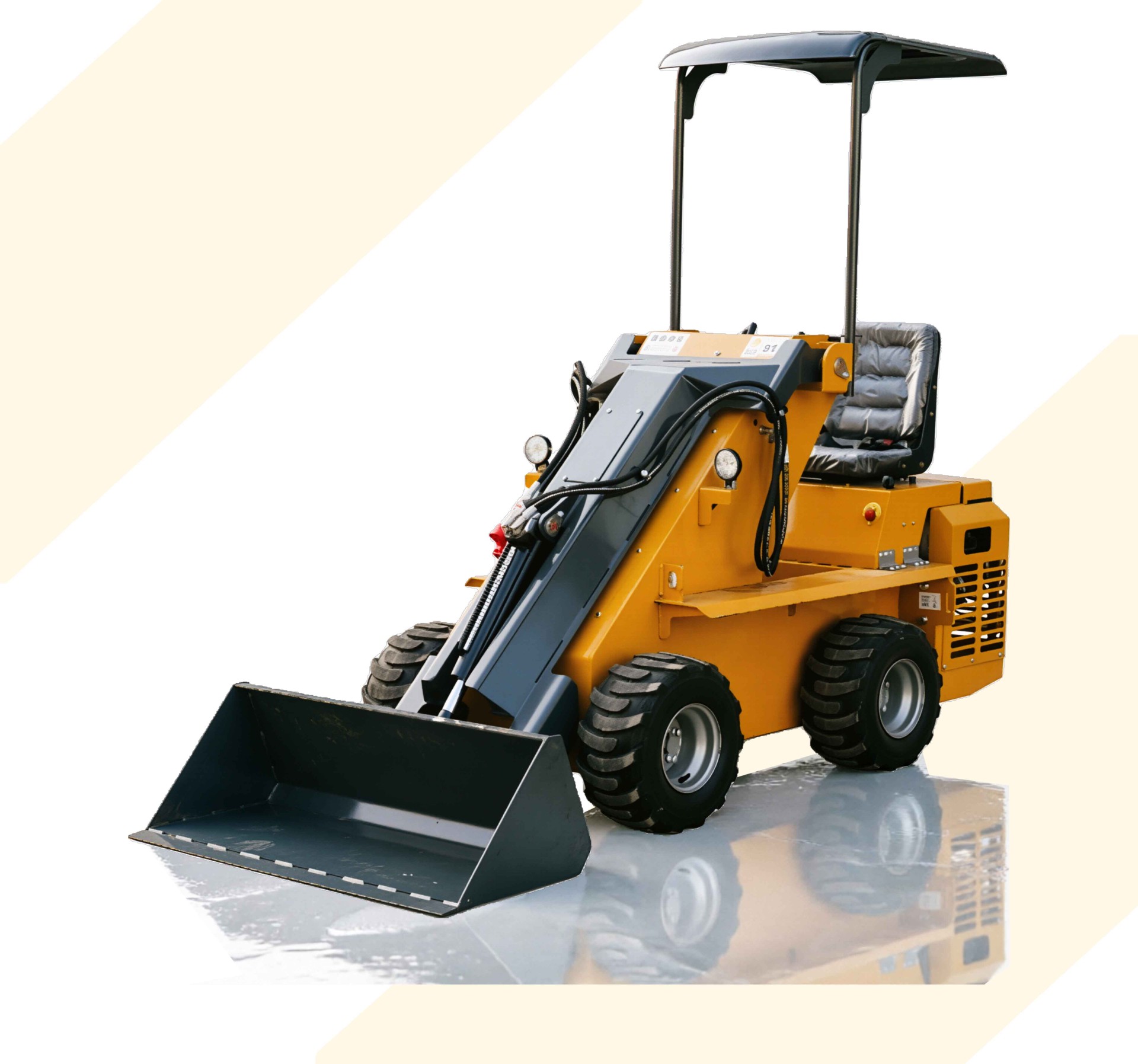
For contractors who don't own a dumper, the ROI calculation shifts to opportunity cost. How many jobs have you lost because you couldn't guarantee a timeline due to slow manual cleanup? Owning an Xinghang unit ensures schedule certainty. Furthermore, these machines are a "rental house favorite." Contractors who purchase an XHT500 or XHL series often find that the machine pays for itself on days they aren't using it by renting it out to other trades. With daily rental rates often ranging from $100 to $200, a machine can recoup its purchase price in less than 30 rental days. This dual role—as both a production tool and a revenue-generating asset—dramatically shortens the payback period.
Total Cost of Ownership (TCO): Reliability Equals Profit
ROI isn't just about income; it's about controlling expenses. The Xinghang advantage is deeply rooted in its low Total Cost of Ownership (TCO). By utilizing globally recognized engines like Briggs & Stratton, parts availability is universal, and maintenance is straightforward. The robust steel construction and simple mechanical drives mean fewer electronics to fail and lower repair bills. Additionally, the fuel efficiency of these compact engines keeps the daily operating cost negligible. When you combine low acquisition cost, minimal maintenance, high resale value, and reduced labor dependency, the Xinghang Mini Dumper presents one of the clearest paths to improved margins in the construction industry.
Conclusion: From Expense to Investment
Viewing the Xinghang Mini Dumper as a mere "expense" is a costly misconception. When analyzed through the lens of ROI, it reveals itself as a strategic investment. It liberates your crew from back-breaking labor, safeguards them against injury, accelerates project timelines, and opens up new revenue streams through rentals. In an industry where margins are won or lost on efficiency, the Xinghang Mini Dumper doesn't cost money—it makes money. The question for the modern contractor is no longer "Can I afford a dumper?" but rather, "Can I afford not to have one?"