 Chinese
 English
 Russian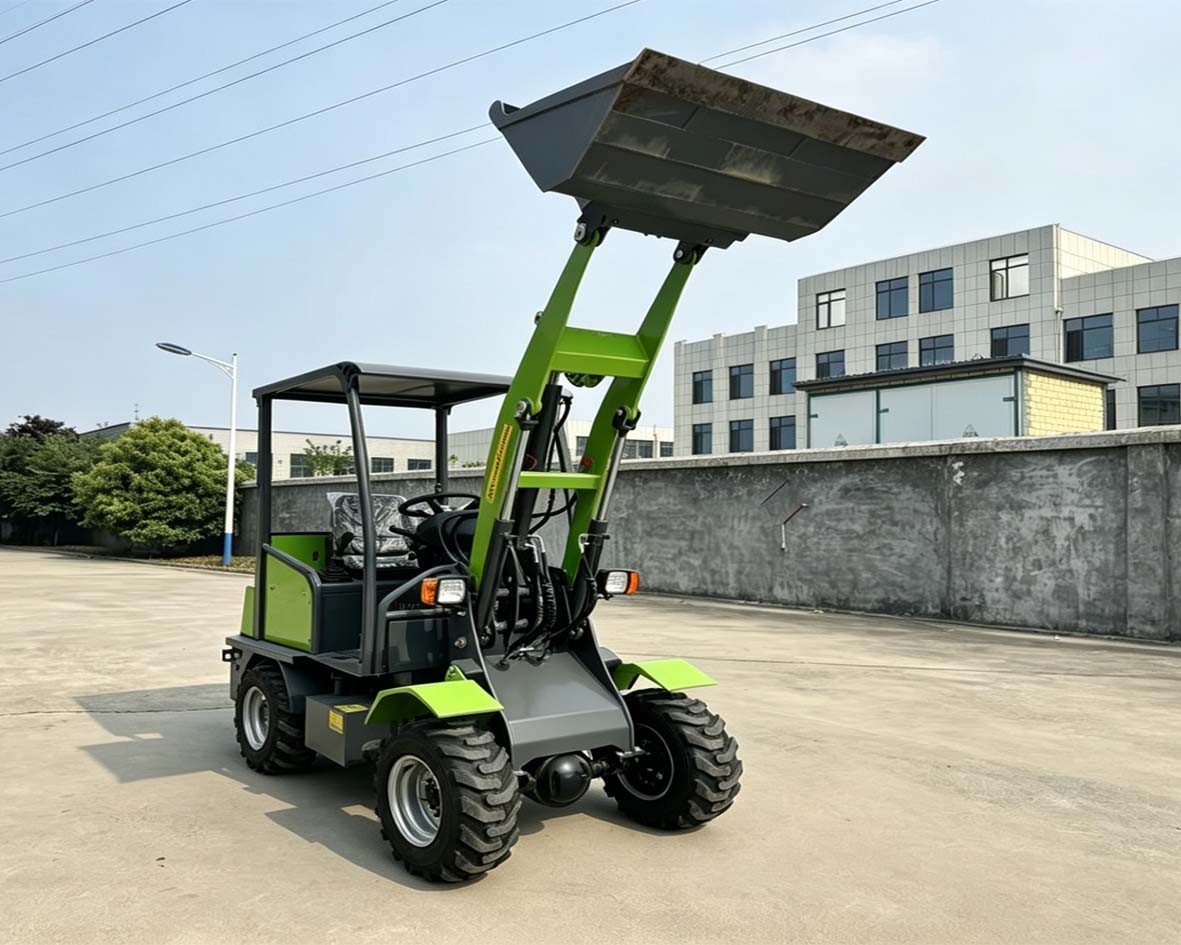
1. Understanding the Fundamental Differences
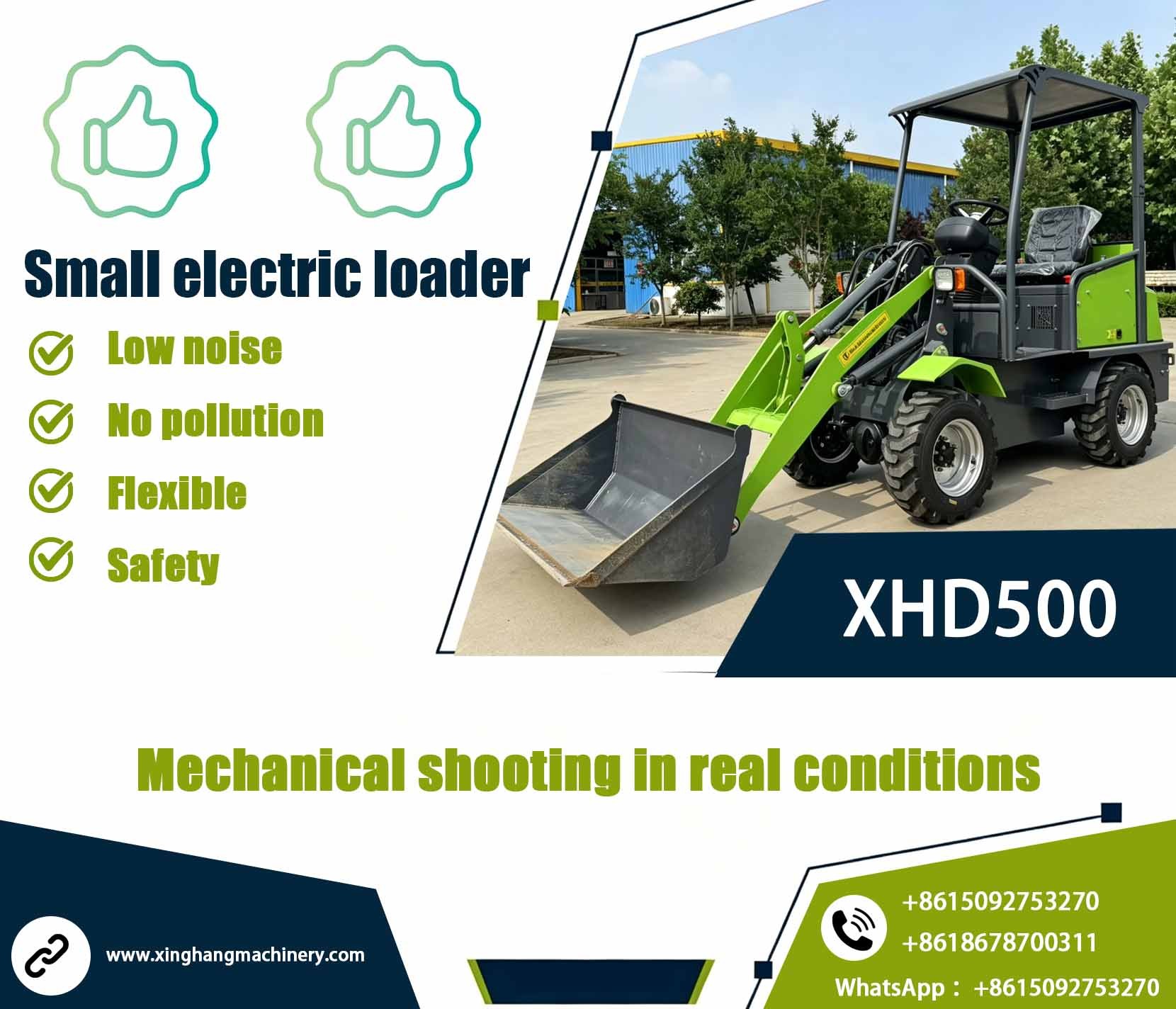
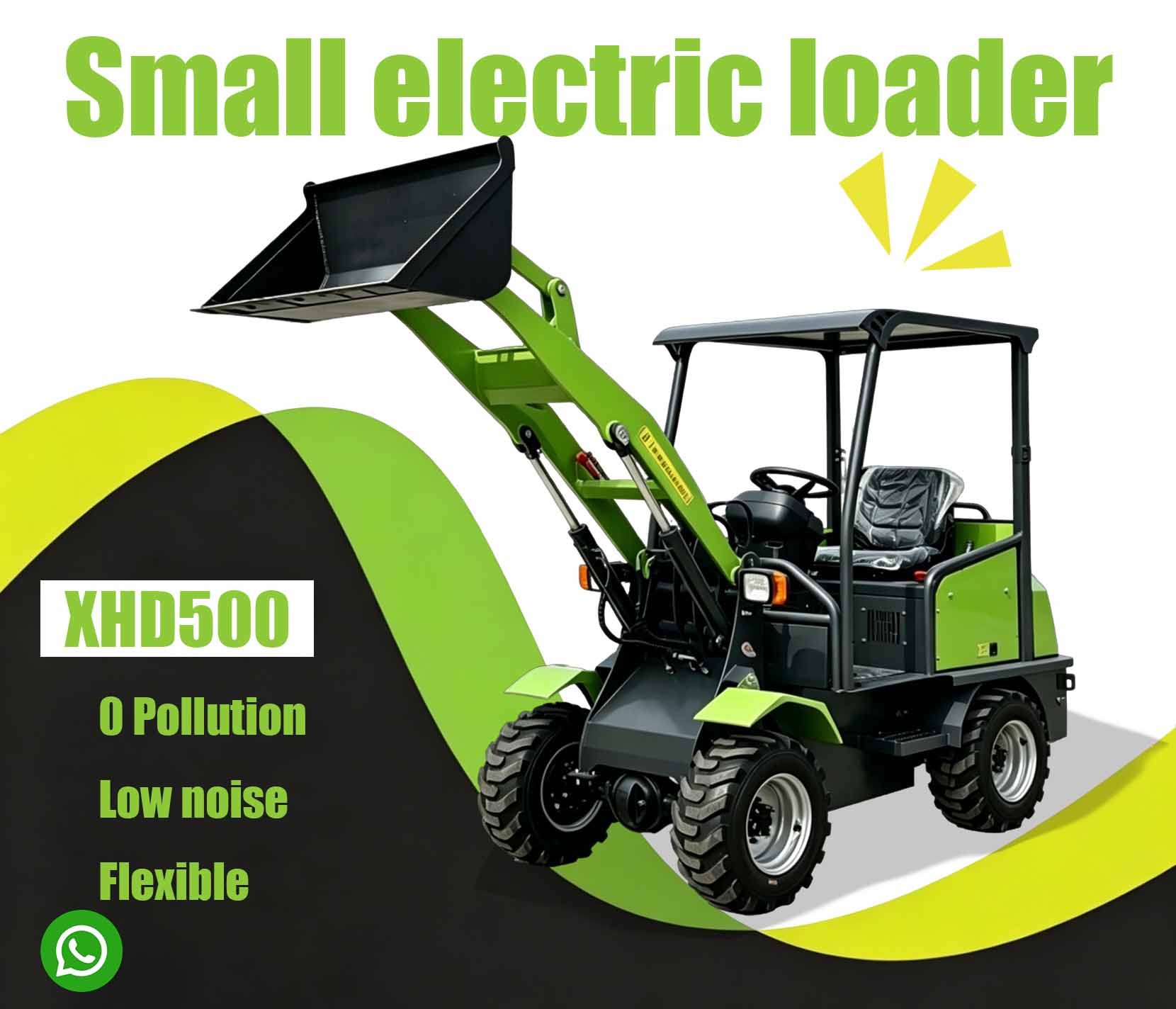
Feature | Mini Wheel Loader (e.g., Xinghang XHD500A) | Skid Steer Loader (Mini / Compact) |
|---|---|---|
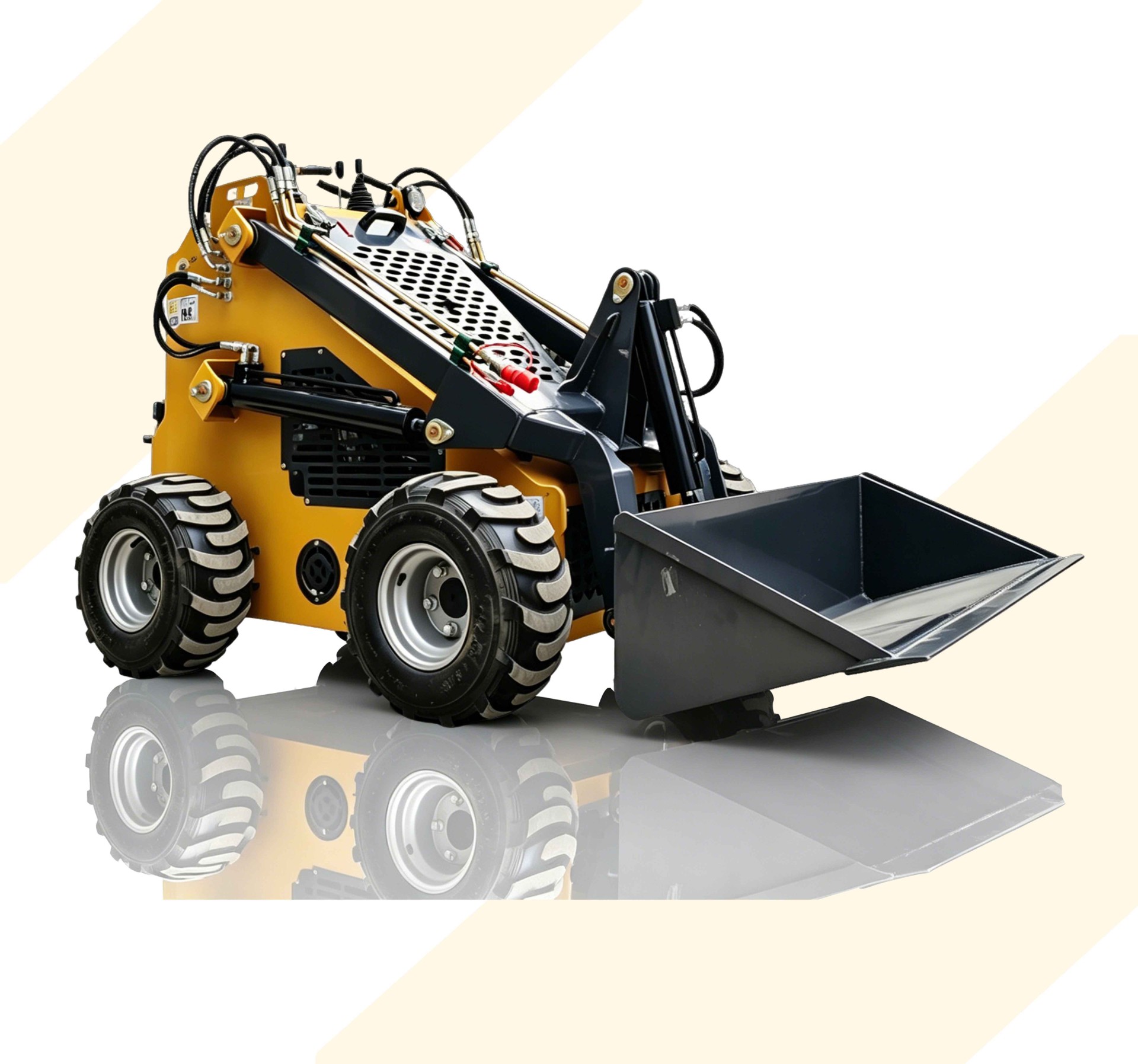
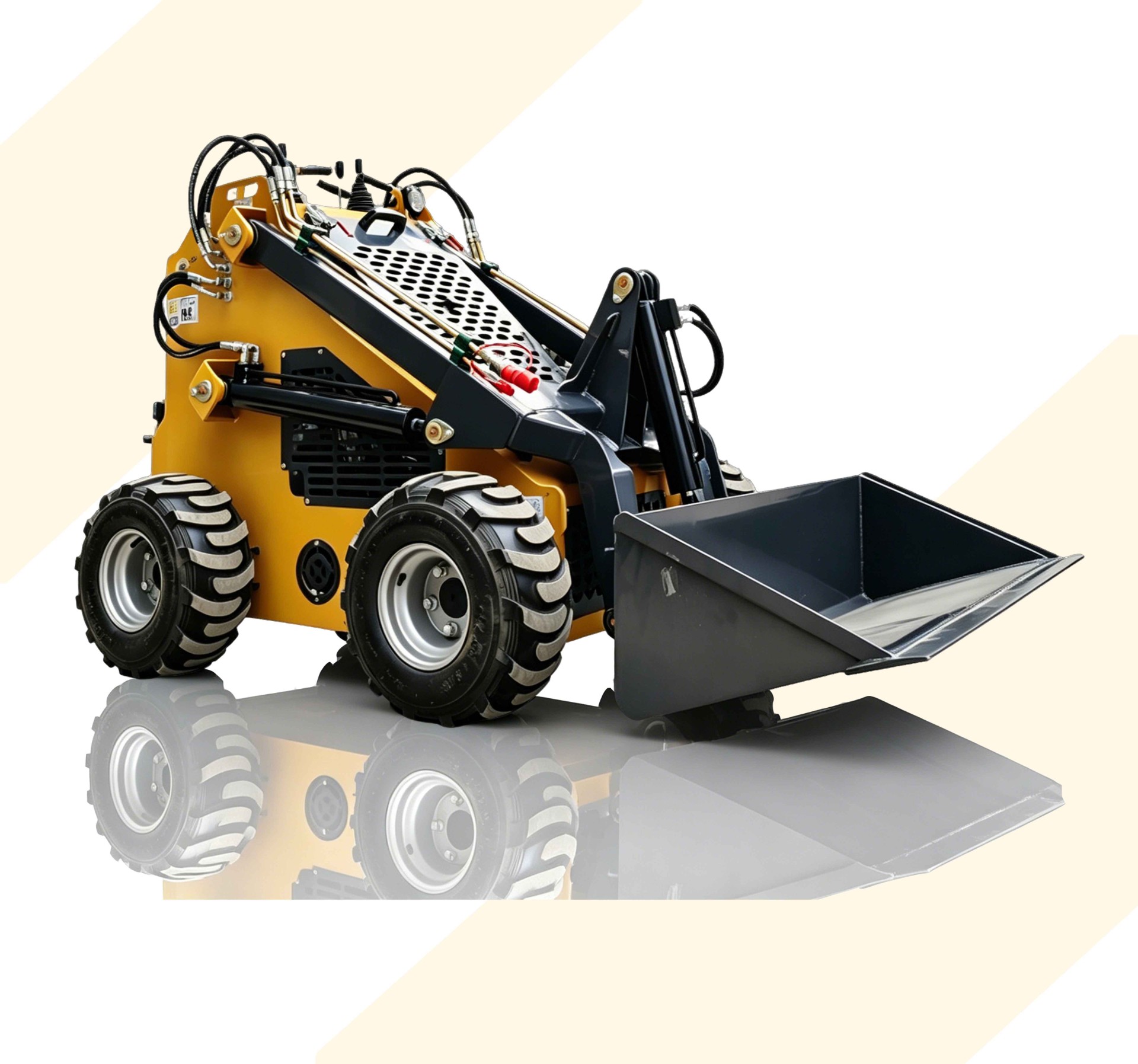
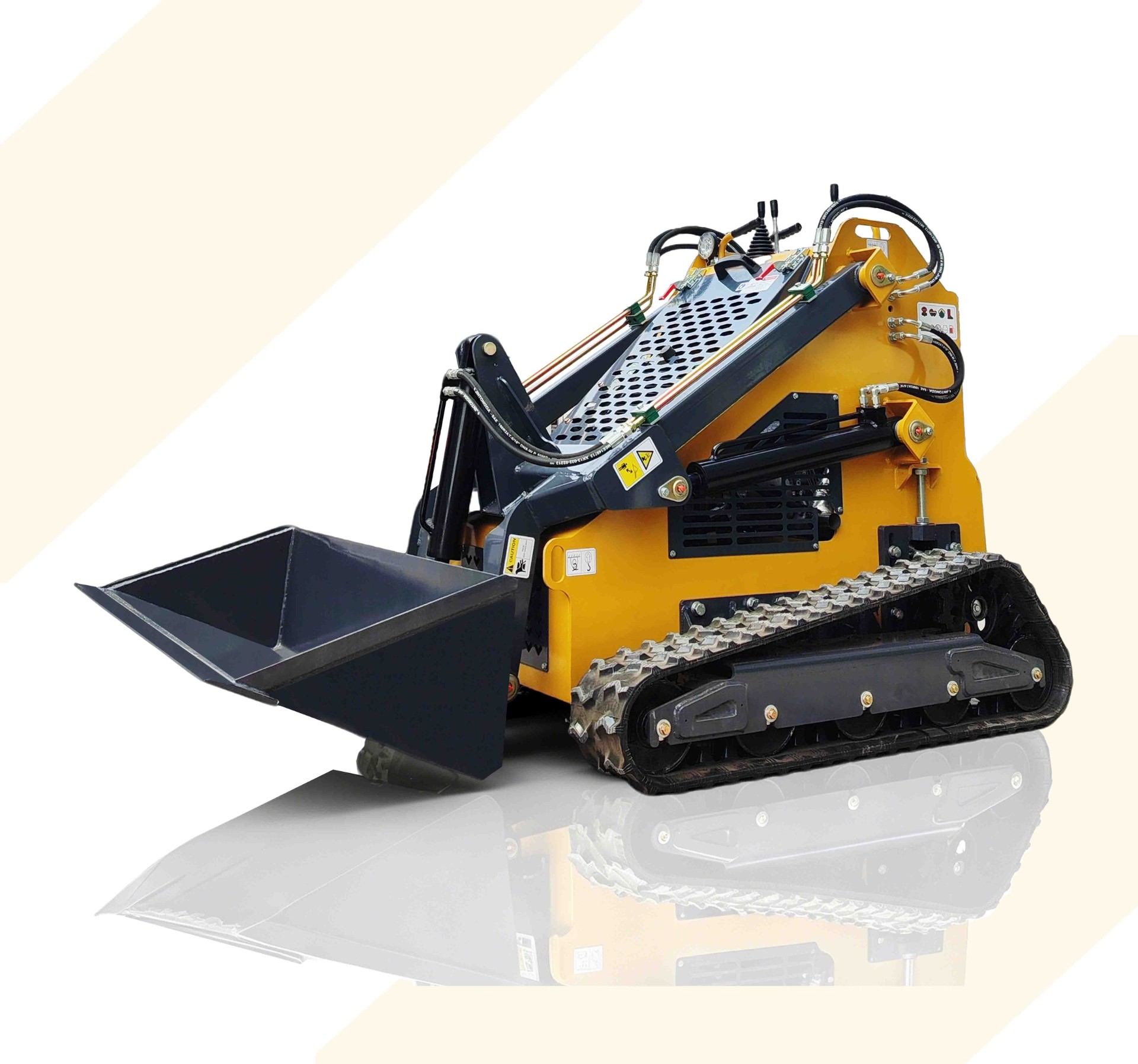
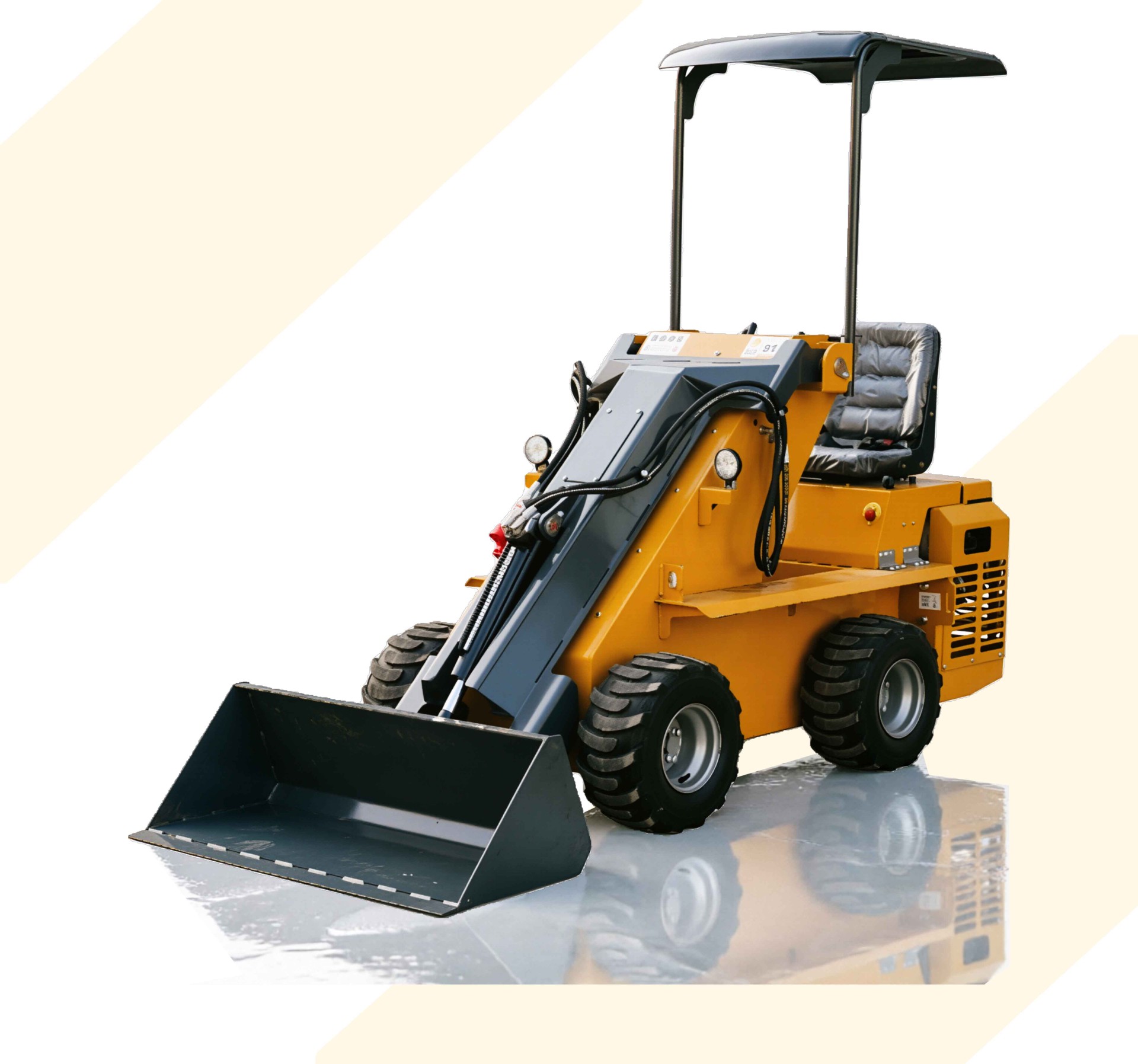
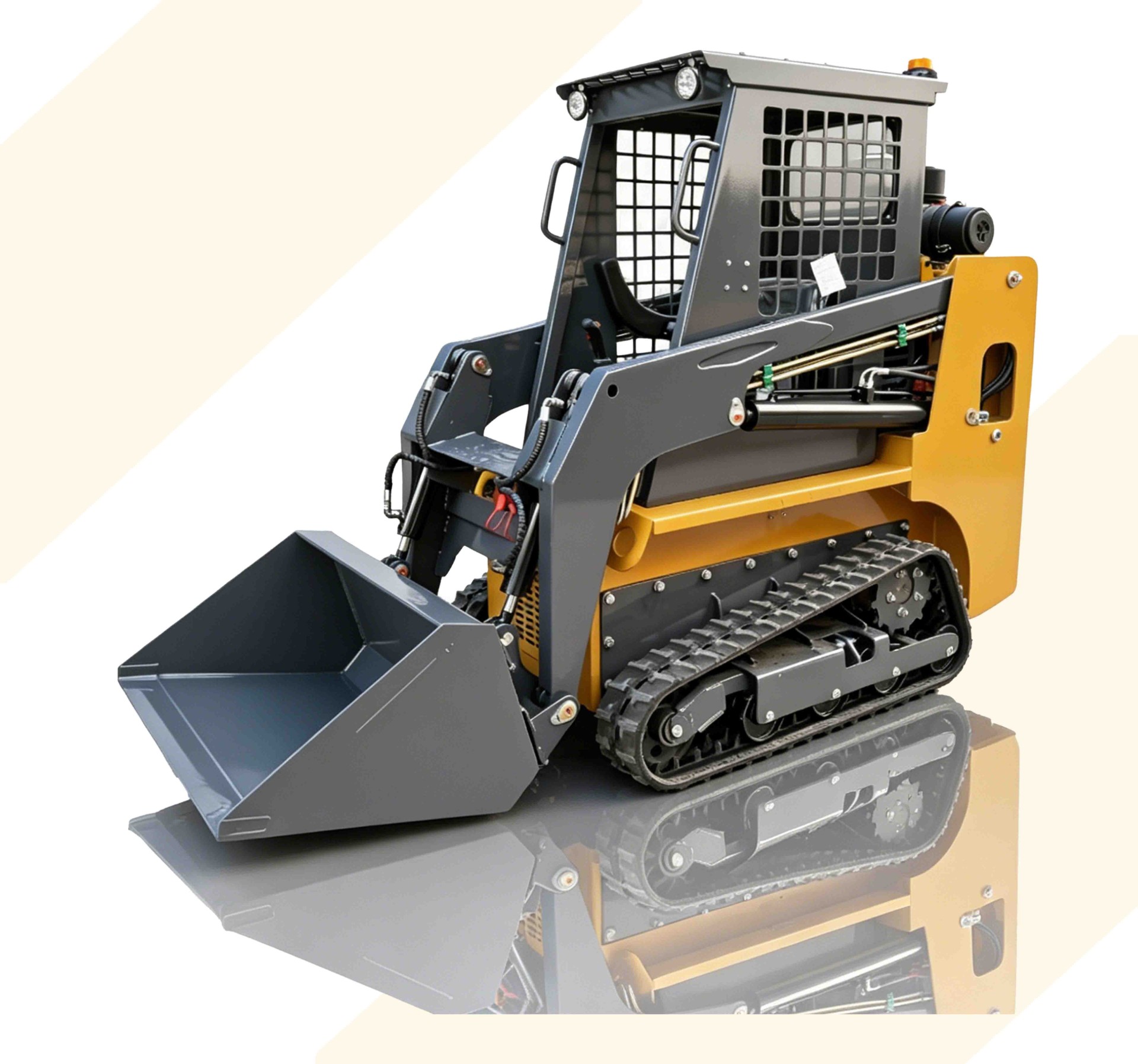
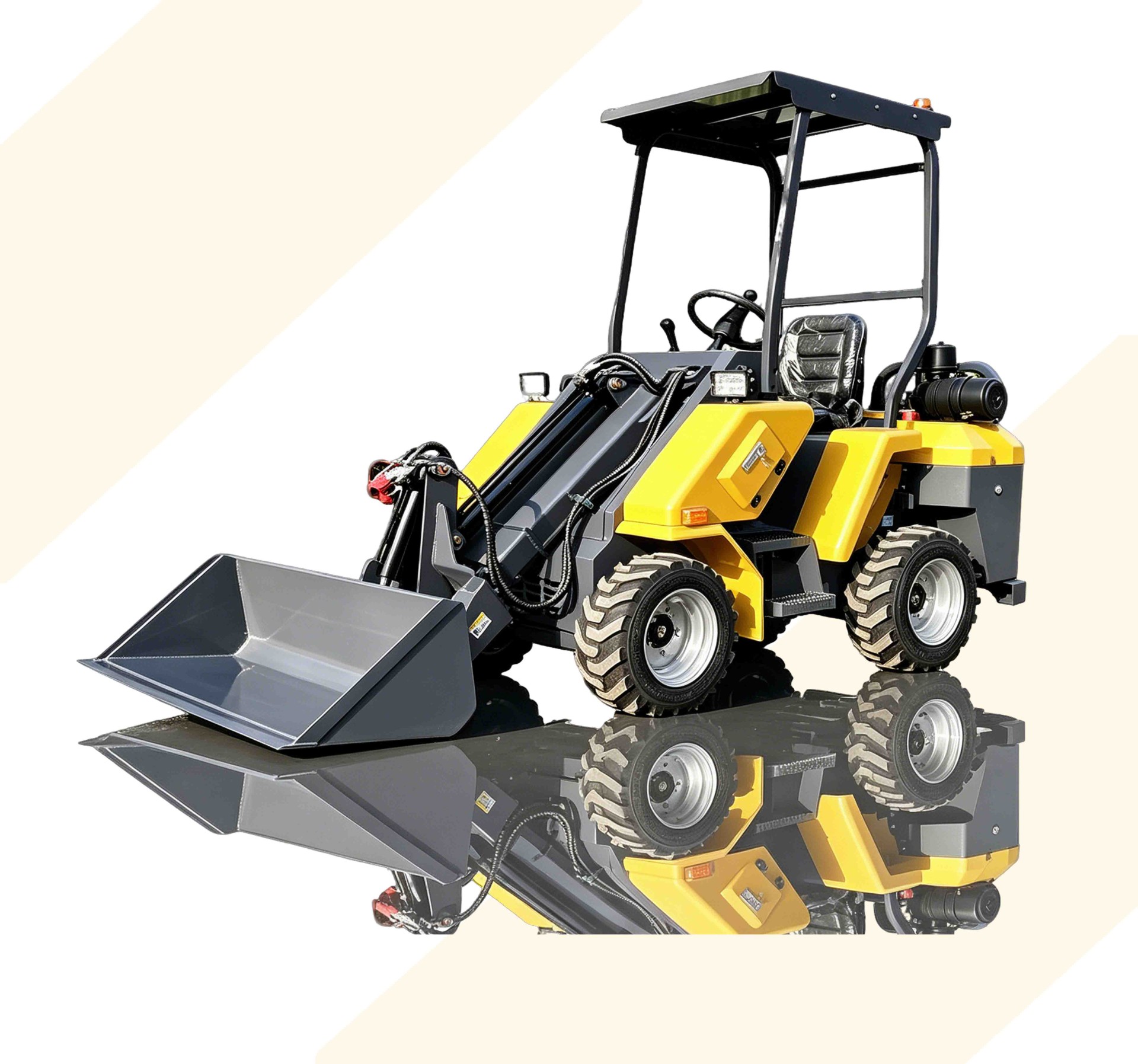
Steering Method | Articulated Frame. The front and rear halves pivot. Small turning radius, but does not turn in place. | Skid Steer. Left and right wheels move independently. Zero-radius turning (spins in place). |
Operation | Seated. Steering wheel + pedals + joystick. Excellent forward visibility. | Seated (Large) or Stand-on (Mini). Dual hand levers. |
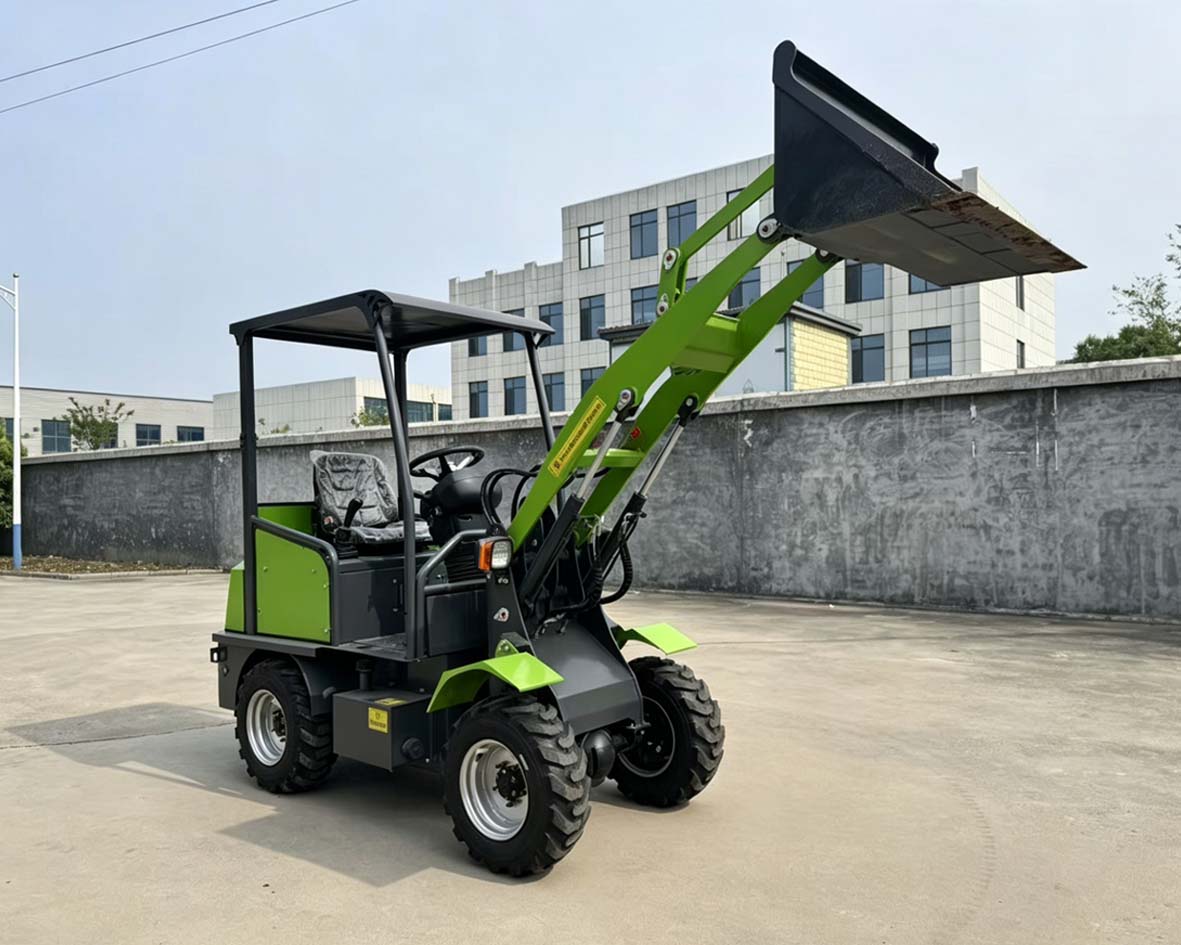
Lift Mechanism | Z-bar Linkage. High lift height (2580mm on XHD500A), long dump reach. | Radial or Vertical Lift. Generally lower lift height on mini models. |
Travel Speed | Fast (0-17 km/h). Ideal for short-distance "Load + Carry". | Slow (7-12 km/h). Ideal for stationary work. |
Ground Pressure | Low. Four large tires distribute weight. Grass/Pasture friendly. | High. Tires scrub sideways during turns. Damages turf (Tracks improve this). |
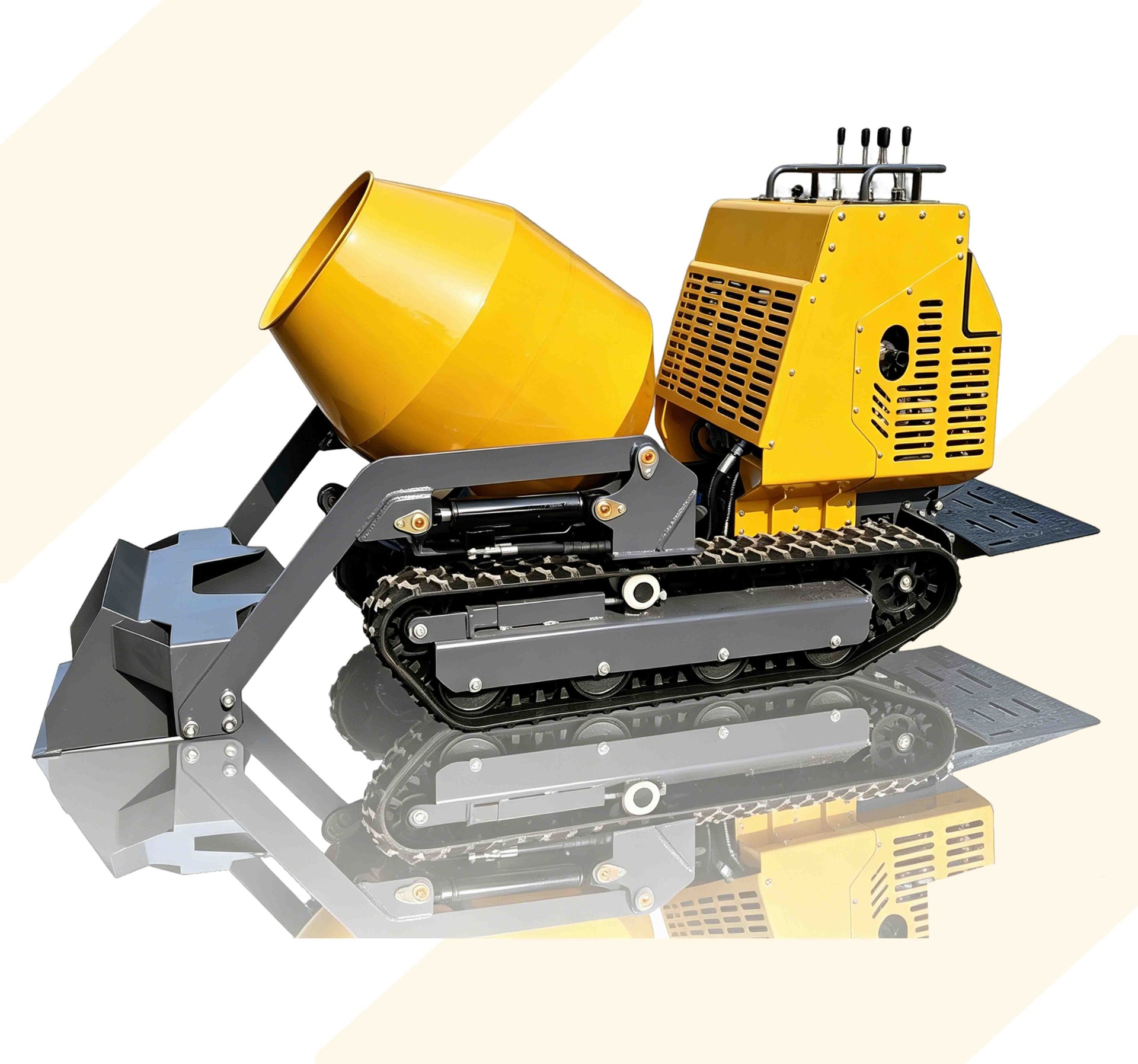
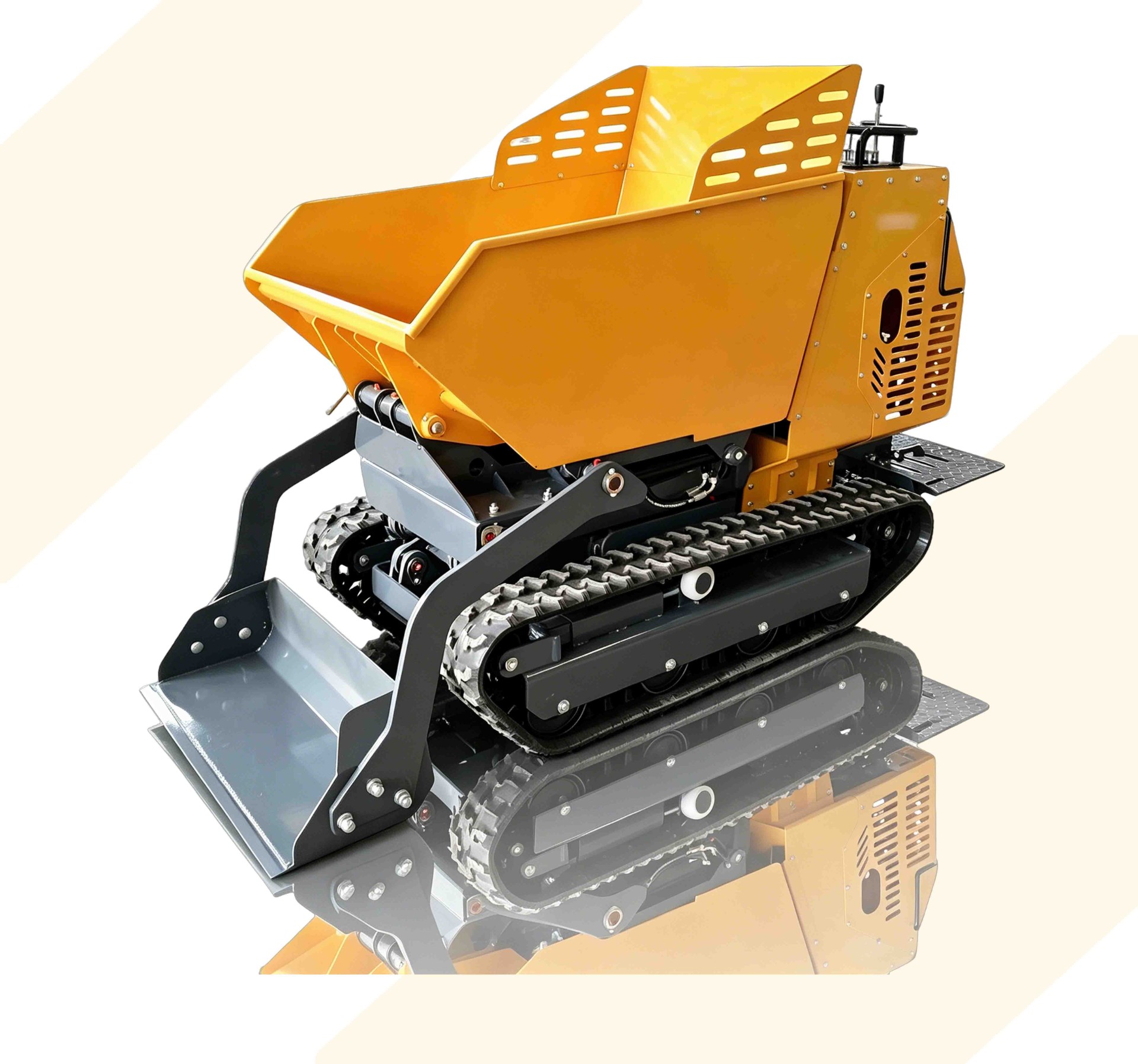
Attachment Ecosystem | Standard. Bucket, Fork, Grapple, Snow Blade, Breaker. | Extensive. Auger, Trencher, Planer, Brush Cutter, Hydraulic Shear. |
2. Six Core Dimensions Compared
① Job Site Space: How Narrow is it?
Skid Steer Wins: Width often<1.5m or even <1m. Fits into basements, greenhouses, poultry houses, shipping containers, and utility trenches. Spins in place easily.
Wheel Loader (XHD500A): Width 1050mm. Fits aisles >1.2m (orchard rows, warehouse aisles). Requires some turning space. Not suitable for<1m gaps or cluttered interiors.
? Choose Skid Steer: Frequent work in barns, greenhouses,<1.2m aisles, or indoor demolition.
? Choose XHD500A: Orchard/field rows ≥1.2m, main warehouse channels, courtyards, farm yards. More comfortable for long shifts.
② Material Handling: Loading vs. Transporting
Wheel Loader Wins: Rated load 500kg, lift height 2580mm. Most efficient for short-distance (10-50m) loading, transporting, and dumping sand, feed, wood chips, or construction waste. 4WD stability prevents tipping.
Skid Steer: Excellent for scoop-and-dump into trucks, but inefficient for long distances (requires spinning tires repeatedly).
? Choose XHD500A: Daily loading, stacking, feeding, or moving materials.
? Choose Skid Steer: Ground-level work (grading, sweeping, breaking) with travel distance<10m.
③ Attachment Diversity: Do you need to trench or drill?
Skid Steer Wins: Massive attachment library for specialized tasks (Augers, Trenchers, Planers).
Wheel Loader (XHD500A): Versatile with quick-coupler. Covers 80% of common needs (Bucket, Fork, Grapple, Snow Plow, Breaker).
? Choose Skid Steer: If you need to drill holes, cut trenches, or mill asphalt regularly.
? Choose XHD500A: For general loading, stacking, and material movement.
④ Ground Protection: Turf vs. Concrete
Wheel Loader (Articulated) Wins: Tires do not scrub sideways during turns. Very low ground pressure. Safe for grass, pastures, and finished floors.
Skid Steer (Wheeled): Tires leave black marks and tear up grass. Rubber tracks can mitigate this but increase cost.
? Choose XHD500A: Pasture feeding, golf course maintenance, paved areas.
? Choose Tracked Skid Steer: Soft mud or unfinished ground where traction is needed.
⑤ Operator Comfort & Labor
Wheel Loader (XHD500A): Car-like driving. Intuitive. New operators productive in 30 minutes. High seat offers great visibility. Safer.
Skid Steer: Can be fatiguing (especially stand-on models). Lift arms block side visibility.
? Choose XHD500A: High employee turnover, unskilled labor, or shifts >4 hours.
? Choose Skid Steer: Experienced operators doing short-duration tasks.
⑥ Total Cost of Ownership (TCO)
Electric Wheel Loader (XHD500A): Electricity cost is 1/5th of diesel. No engine maintenance. Lowest annual upkeep. Best for sites with power access.
Skid Steer: Higher tire wear. Diesel maintenance required.
? Choose XHD500A: For fixed locations (farms, warehouses, factories).
? Choose Skid Steer: If you need to tow the machine frequently between distant job sites.
3. Industry-Specific Recommendations
Agriculture, Orchards, & Livestock (USA/Australia)
Task | Recommendation | Reason |
|---|---|---|
Mixing/Transporting feed, Manure cleanup, Stacking hay | ★ XHD500A Wheel Loader | Protects pasture. High lift for trucks/troughs. Comfortable for long days. |
Greenhouse work, Narrow barn cleanup (<1m), Post hole digging | Mini Skid Steer | Zero-radius turning for tight spaces. Accepts auger attachments. |
Vineyard row work (1.2-1.5m wide) | XHD500A Wheel Loader | 1050mm width fits perfectly without damaging vines. |
Pro Tip: Most medium-sized farms buy one XHD500A for 80% of tasks and add a mini skid steer for the tight spots.
Warehousing & Logistics (Sydney, Melbourne, LA, NYC)
Task | Recommendation | Reason |
|---|---|---|
Pallet transport, Aisles ≥1.2m, Indoor zero-emission work | ★ XHD500A Electric Loader | Zero fumes, quiet, fast (17km/h) for large warehouse travel. |
Aisles<1m, Mezzanine assistance, Basements | Compact Skid Steer | Spins in place in very narrow areas. |
Parking lot snow removal | Both | XHD500A with snow blade for speed; Skid Steer with broom for detail. |
Construction, Municipal & Rental
Task | Recommendation | Reason |
|---|---|---|
Loading trucks, Moving debris, Site cleanup | ★ XHD500A Wheel Loader | High lift height, stable, fast transport. |
Interior demolition, Trenching, Asphalt milling | Skid Steer | Specialized attachments, spins on sidewalks. |
First machine for a Rental Fleet | Depends on Region | Skid Steers have higher utilization generally. But Electric Wheel Loaders are rapidly rising in strict emission zones (California, Europe). |
4. Quick Self-Test: 3 Questions to Lock in Your Answer
Check the boxes that describe more than 60% of your work:
Your primary site is:
□ Open (Farm yard/Sand pit/Warehouse aisle/Construction site) → Wheel Loader (XHD500A)
□ Extremely Narrow (Greenhouse/Barn/<1.2m aisle) → Skid Steer
Your main daily task is:
□ Load → Carry (10-50m) → Dump/Lift → Wheel Loader (XHD500A)
□ Push, Sweep, Break, Drill, Trench → Skid Steer
Is ground protection important?
□ Critical (Cannot damage grass/pavement) → Wheel Loader (XHD500A)
□ Not important (Concrete/Unfinished dirt) → Either
Results:
Mostly Wheel Loader: Go for the Jining Xinghang XHD500A (Electric or Diesel).
Mostly Skid Steer: Look for a Skid Steer Loader (Consult us for agency models).
Split Decision: Buy the XHD500A first to cover 80% of jobs, then add a mini skid steer later.
Conclusion: Buy Right, Not Just Cheap
These machines are complementary, not competitive.
Choose the XHD500A if you need to load, carry, lift high, protect the ground, and keep operating costs low.
Choose a Skid Steer if you need to enter extremely tight spaces and perform specialized tasks like trenching or milling.
Let the right machine do the right job.