 Chinese
 English
 Russian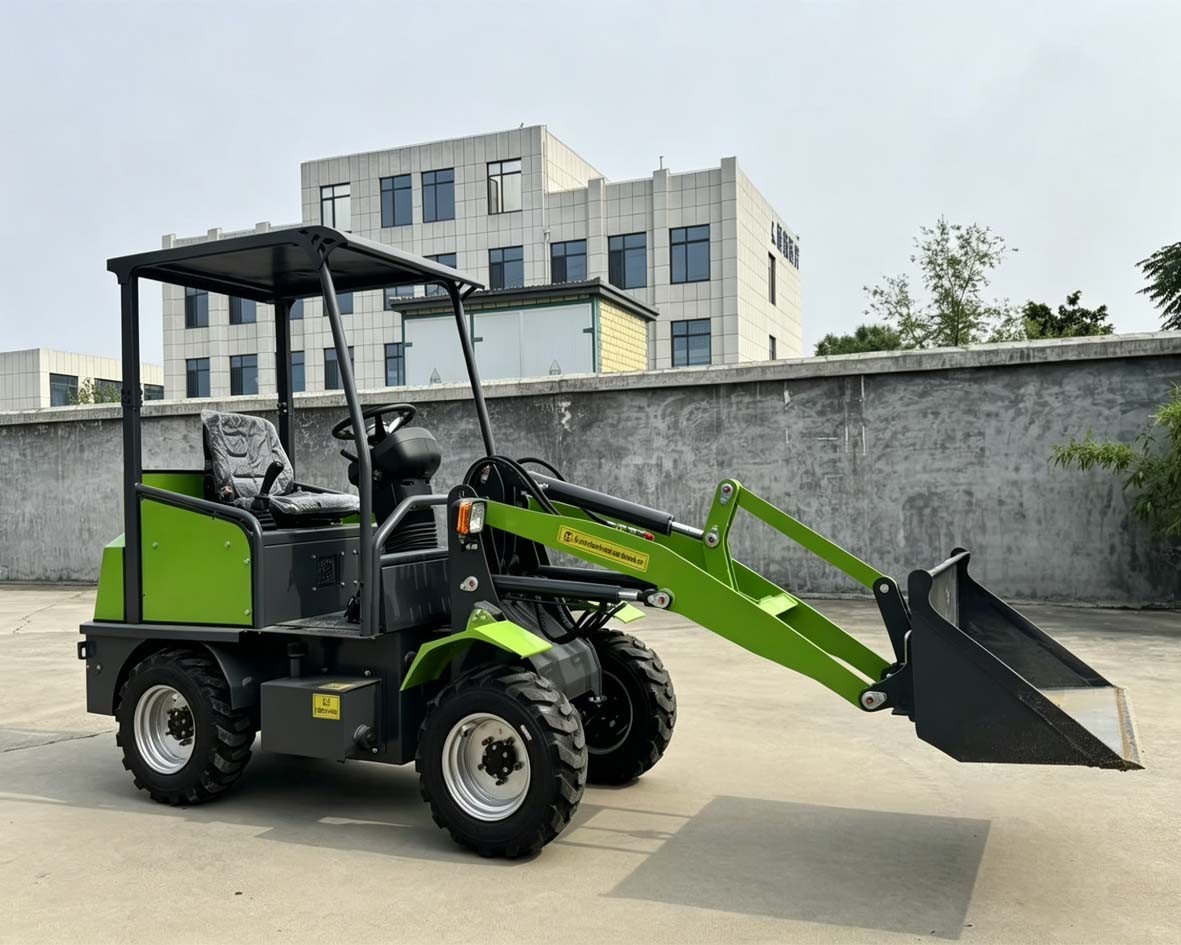
Around the world, construction contractors, farmers, municipal maintenance teams, and rental fleet owners are asking the same question: Is it time to replace diesel mini loaders with electric ones? The answer depends on understanding both the strengths and limitations of electric construction machinery — and matching the right machine to the job.
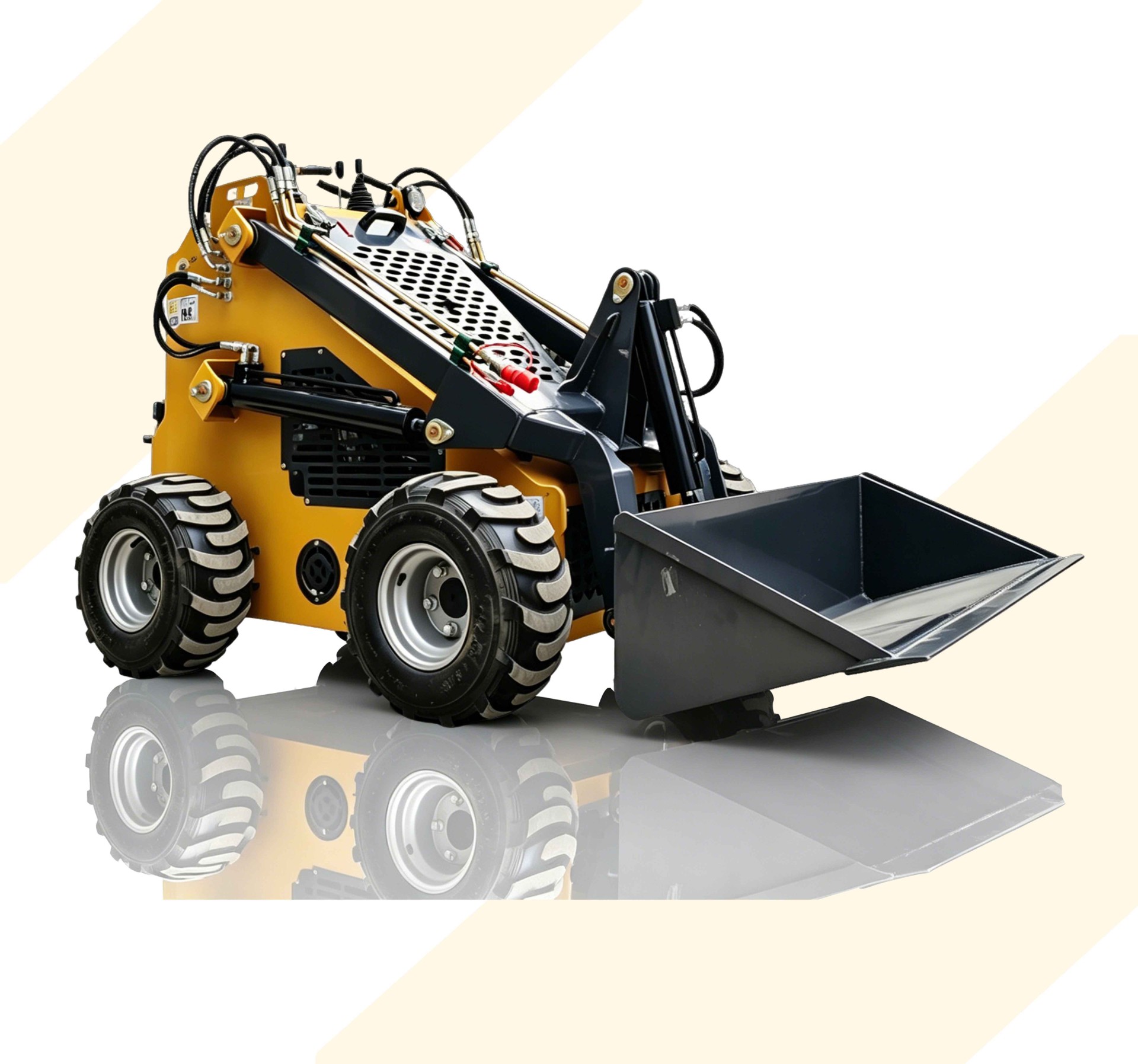
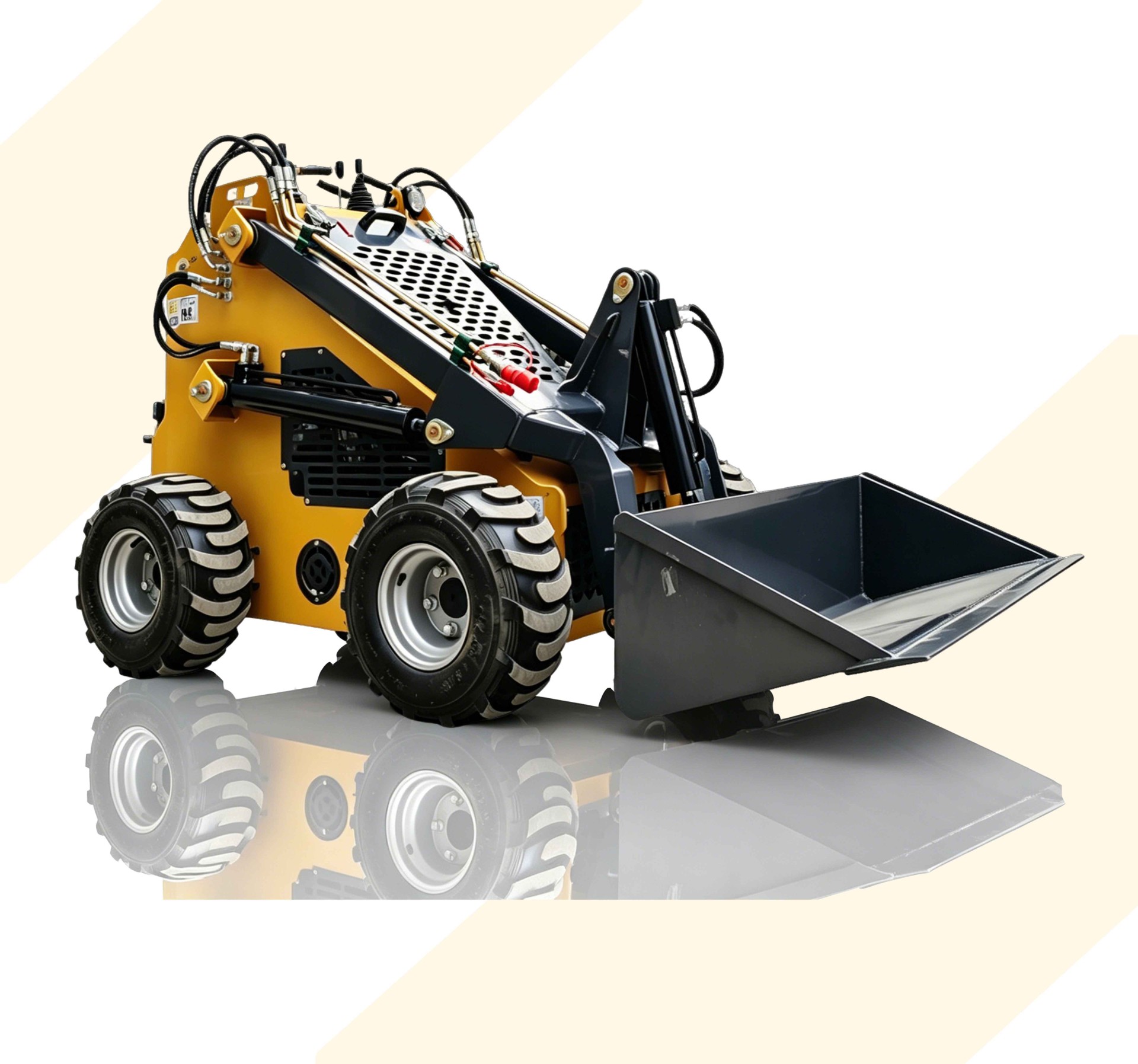
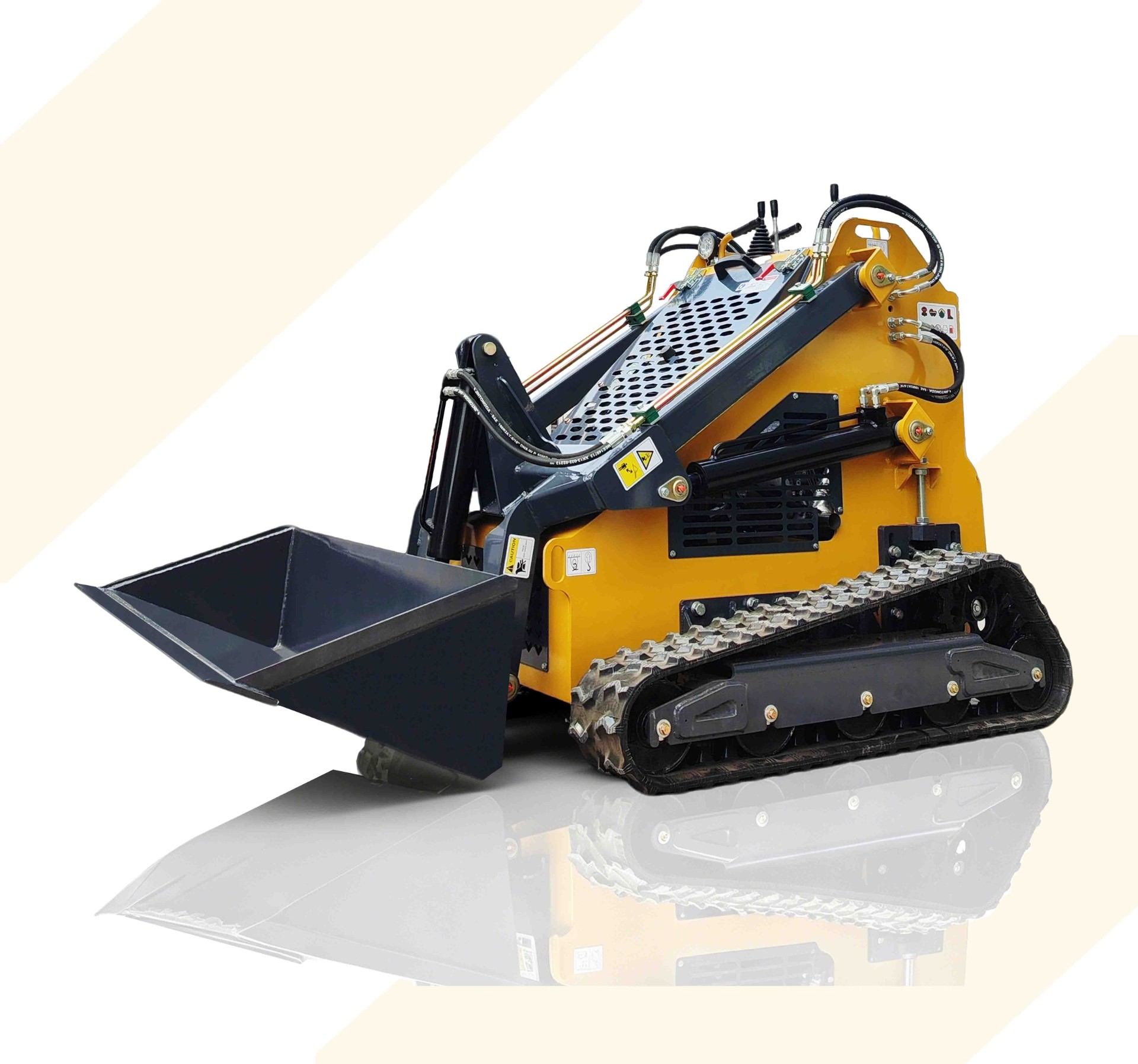
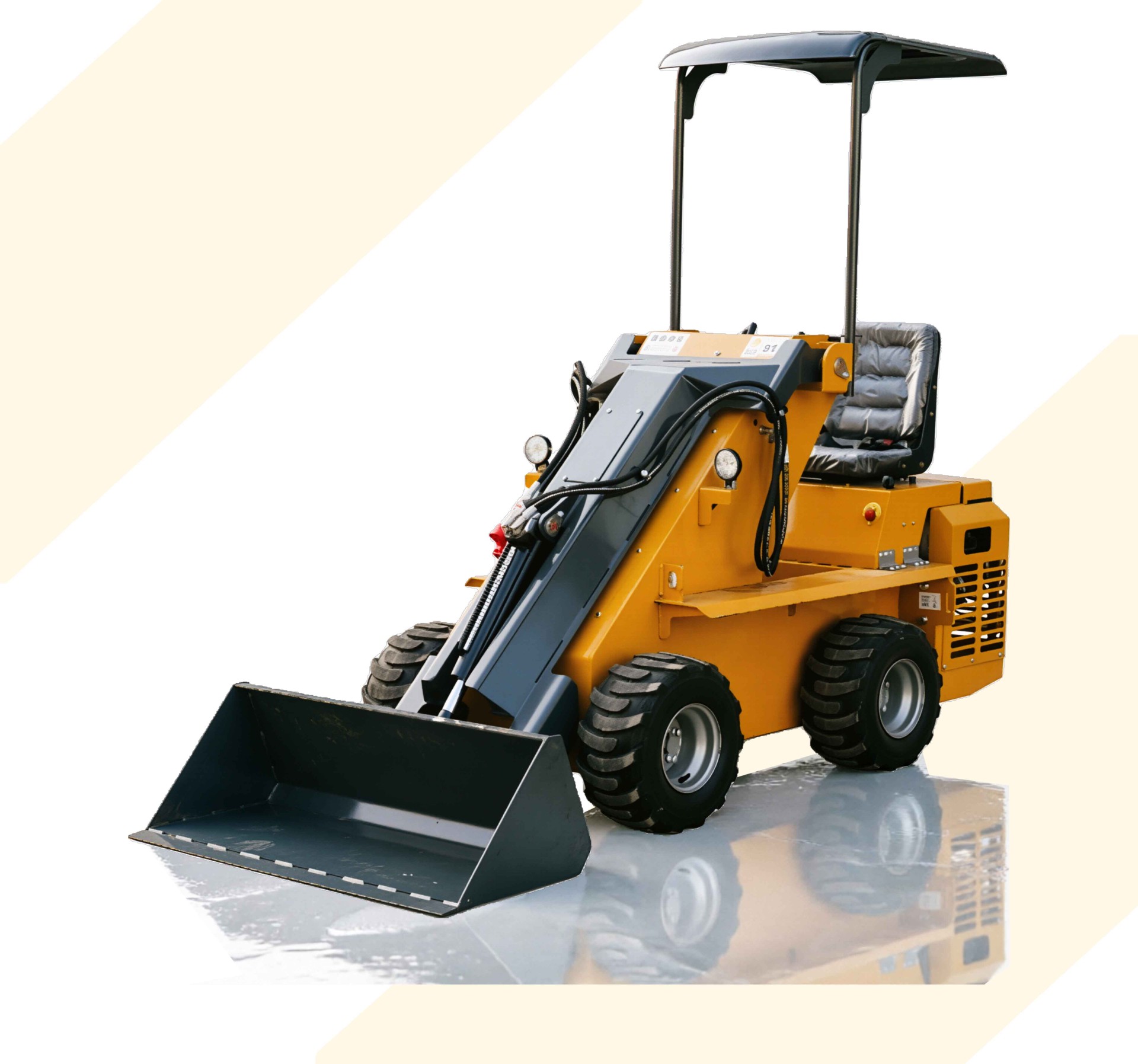
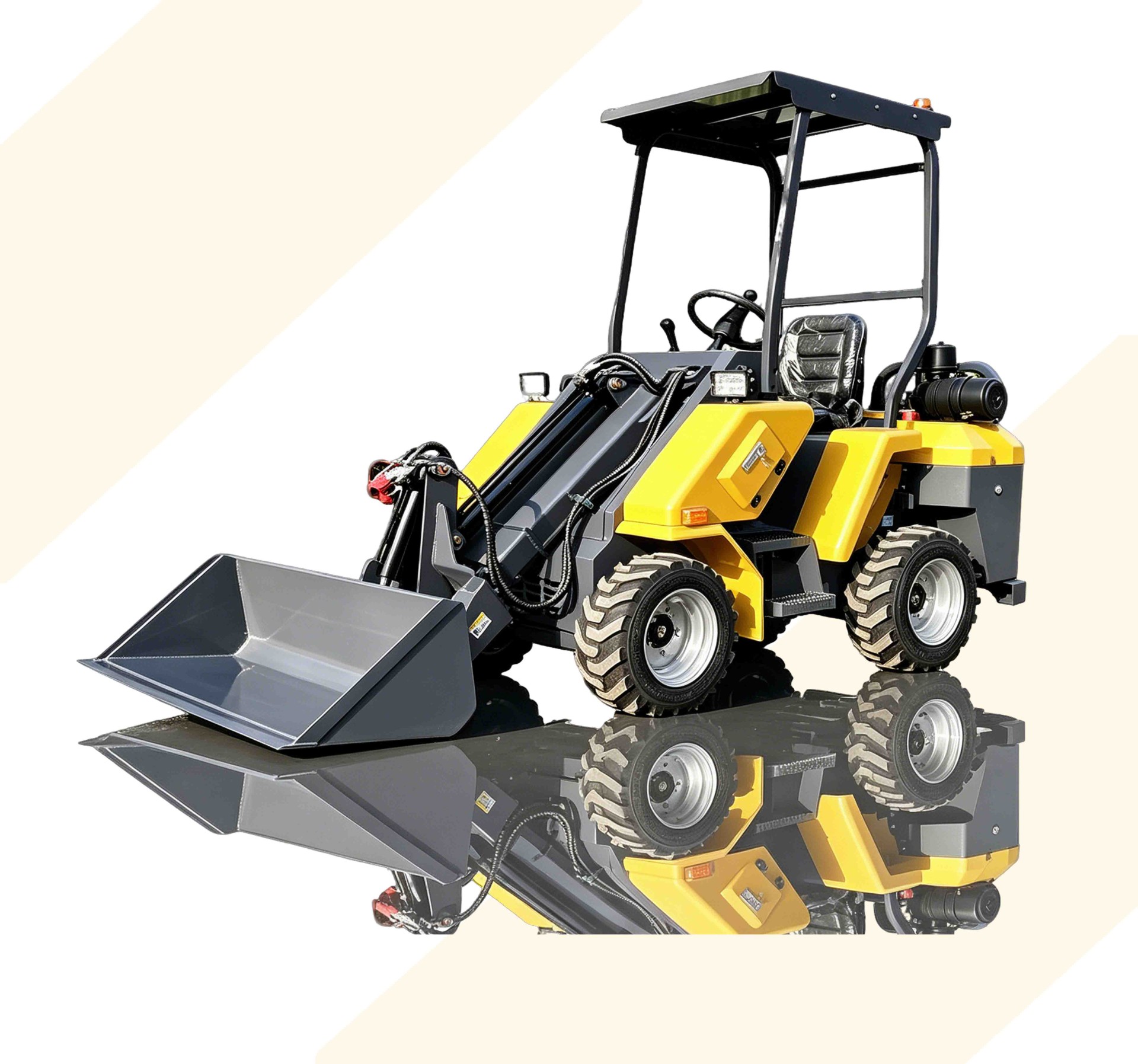
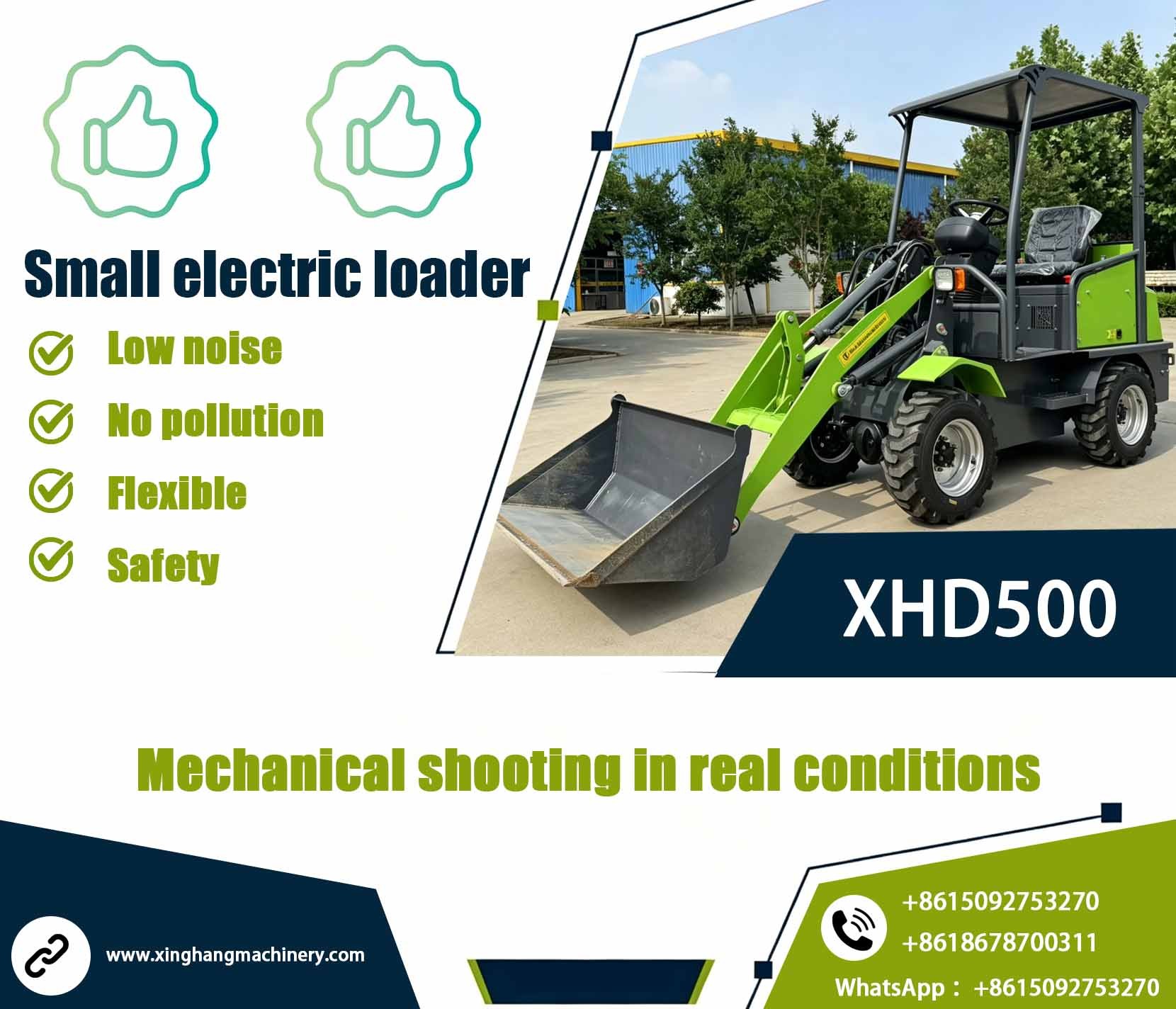
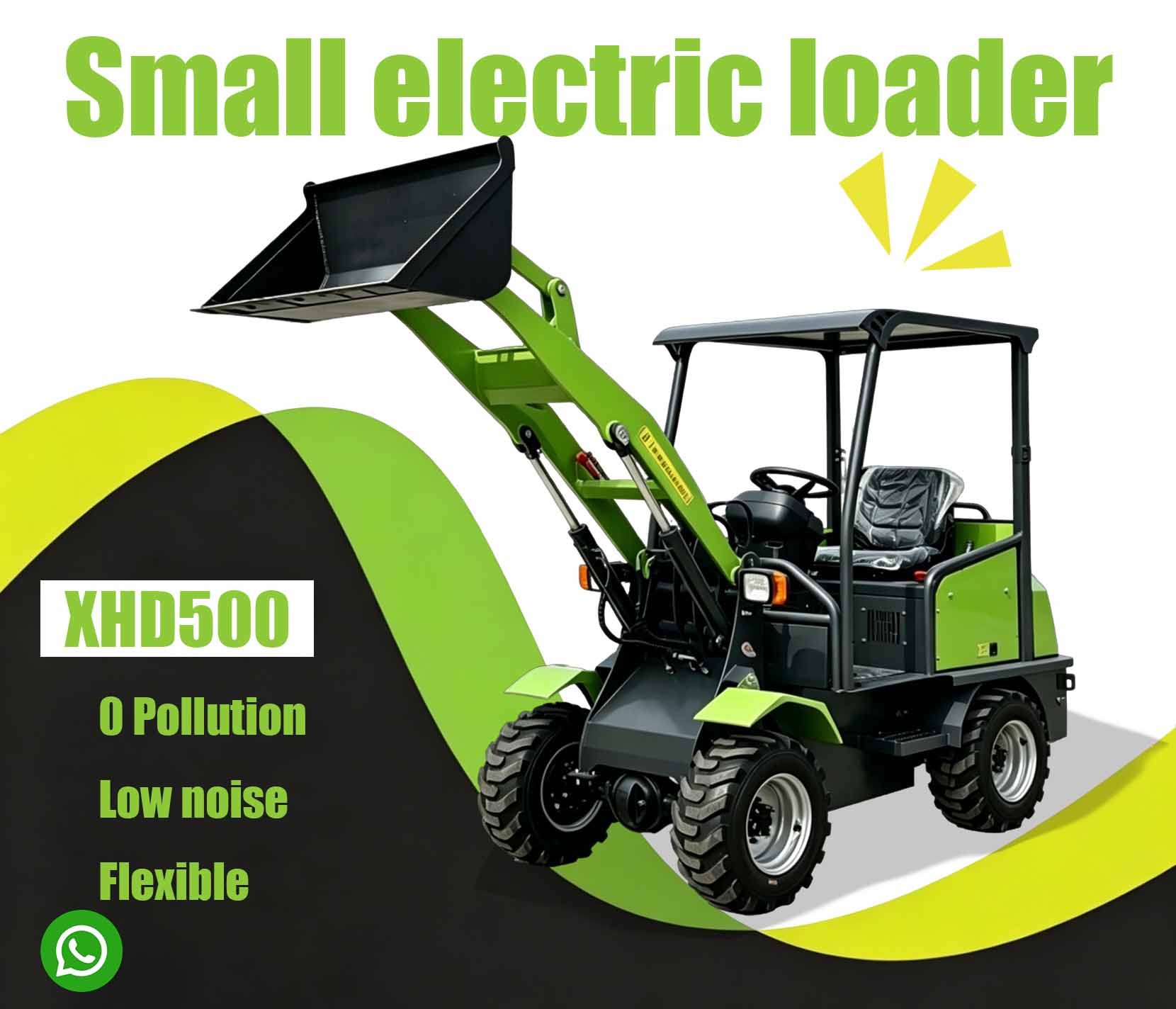
For small and mid-sized operations, the debate often centers on upfront cost versus long-term value, emissions compliance versus familiarity, and battery runtime versus fuel convenience. Jining Xinghang Machinery Manufacturing Co., Ltd. addresses these concerns with its XHD500 (Lead-Acid) and XHDL500 (LiFePO4) Mini Electric Wheel Loaders — compact, zero-emission, 500 kg rated machines built for barns, warehouses, greenhouses, urban sites, and light industrial yards.
This article analyzes the real-world pros and cons of electric loaders, then shows how Xinghang's design choices directly respond to the common drawbacks while amplifying the benefits.
Part 1: The Core Advantages of Electric Loaders Over Diesel
1.1 Dramatically Lower Operating Cost
Electricity is far cheaper than diesel per unit of work. A typical small diesel mini loader burns 10 to 15 liters of fuel in an 8-hour shift. An electric mini loader of similar size consumes 15 to 25 kWh. In most regions, that electricity costs only one-third to one-quarter of the diesel equivalent.
On a machine used 1,000 to 1,500 hours per year, the fuel savings alone can reach thousands of dollars annually. Over a 5 to 7 year service life, total energy savings often exceed the purchase price difference between electric and diesel.
1.2 Zero Tailpipe Emissions and Regulatory Compliance
Diesel engines emit CO2, NOx, PM2.5, and unburned hydrocarbons — all harmful in enclosed or semi-enclosed spaces like livestock barns, tunnels, greenhouses, and indoor demolition sites. Many jurisdictions now ban or restrict diesel equipment in such areas under Low Emission Zone (LEZ) or Non-Road Mobile Machinery (NRMM) regulations.
Electric loaders produce zero exhaust at point of use. This allows legal and safe operation indoors and in cities, and supports corporate ESG reporting. For farms pursuing animal welfare certifications, the absence of exhaust fumes is also a direct benefit to livestock health and milk or egg production.
1.3 Lower Noise = Work Where Diesel Cannot
Diesel compact loaders generate 85 to 95 dB(A) at the operator's ear — loud enough to startle animals and violate urban noise ordinances. Electric loaders with well-designed motors and pumps run at 60 to 65 dB(A), similar to normal conversation.
Benefits include:
Night or early-morning urban work without neighbor complaints
No animal stress in dairy, swine, or poultry barns
Operator fatigue reduction over long shifts
1.4 Reduced Maintenance and Higher Uptime
Diesel powertrains require regular oil and filter changes, fuel filter replacements, injector servicing, cooling system flushes, and eventual clutch or transmission work. Electric drivetrains eliminate most of these items:
No engine oil, no fuel filters, no injectors
Fewer moving parts — mainly motor, reducer, controller, and hydraulic pump
Regenerative braking reduces brake wear
Diagnostic information available via digital CAN-bus display
Routine maintenance is limited to greasing pivot points, checking brake pads, and battery terminal cleaning. This reduces both planned and unplanned downtime.
1.5 Superior Instant Torque and Smooth Control
Electric motors deliver maximum torque from 0 RPM. This gives electric loaders crisp, predictable response when entering a pile, climbing a ramp, or lifting a load — often feeling more agile than a comparably sized diesel. The absence of gear shifts or clutch engagement also makes them easier for less-experienced operators to master.
1.6 Alignment with Renewable Energy Trends
As grids add more wind and solar capacity, the upstream carbon footprint of electric equipment shrinks. Sites with on-site solar and battery storage can even run electric machinery on self-generated clean power, achieving near-zero well-to-wheel emissions.
Part 2: The Realistic Drawbacks of Electric Loaders — and How They Are Being Addressed
2.1 Higher Initial Purchase Price
Fact: A new electric loader typically costs more upfront than a basic diesel model of similar size. This is the #1 objection from buyers.
Reality: The payback period is often 18 to 36 months for daily-use machines, after which the electric unit saves money every month. Options such as "battery lease" or "battery swap" models (offered by some larger OEMs) can lower the entry barrier. For compact loaders like Xinghang's, the price gap versus a good-quality diesel is narrower than in the 5-ton class, and the TCO advantage kicks in faster on high-use machines.
2.2 Battery Runtime and Charging Infrastructure
Concern: "What if the battery dies mid-shift? What if I have no place to plug in?"
Modern LiFePO4-powered mini loaders with 64V 280Ah packs typically run 6 to 8 hours in mixed cyclic work (load-lift-dump-travel-idle), covering a standard workday. Overnight charging from any 220V or 110V outlet is sufficient for most users. For continuous multi-shift operations, a second battery or mid-day top-up is planned — the same discipline as refueling, just scheduled differently.
In extremely remote areas with no grid power, a small generator can charge the machine, though the environmental benefit is reduced. Portable solar-buffer systems are emerging for such cases.
2.3 Cold Weather Performance
Lithium batteries lose some capacity and charge/discharge power in freezing temperatures. Quality Battery Management Systems (BMS) with low-temp cut-off and optional pad heaters or enclosure warmers mitigate this. LiFePO4 is more cold-tolerant than NMC chemistry and is the preferred choice for outdoor machinery. Charging below 0°C should be done with battery pre-heating or indoors.
2.4 Limited Extreme Heavy-Duty Penetration (Larger Classes)
True: In the 5+ ton loader class working 20+ hours a day in mines, pure battery may still require multiple packs or hybrid support. But for 0.5 to 3 ton compact loaders — the sweet spot for Xinghang — battery electric is already technically and economically mature.
Part 3: How Xinghang XHD500 and XHDL500 Respond to These Pros and Cons
3.1 Product Overview
XHD500: 60V 160Ah Lead-Acid, economy version for light/seasonal use.
XHDL500: 64V 150/180/280Ah LiFePO4, export/commercial version with BMS, 2000–3000+ cycles, maintenance-free.
Both share: 500 kg rated load, 1090 kg operating weight, 1050 mm bucket width, 3500 x 1060 x 1500 mm dimensions, 4 kW flat-wire drive motor + 3 kW hydraulic motor, full-floating heavy-duty axle, articulated steering, CAN-bus digital dash, electro-proportional joystick.
3.2 Addressing the "Cost Too High" Objection
Xinghang keeps the compact loader competitively priced by focusing on a proven, simplified electric drivetrain with no unnecessary bells and whistles — yet retaining core durability features (manganese steel chassis, full-floating axle, branded controllers). The LiFePO4 version's TCO advantage is clearly demonstrable via fuel-and-maintenance spreadsheets we provide to dealers and fleet buyers.
3.3 Addressing Runtime Concerns with Battery Options
Rather than a one-size-fits-all pack, Xinghang offers scalable LiFePO4:
150Ah — entry daily use
180Ah — balanced
280Ah — full single-shift coverage for most cyclic work
This lets customers pay only for the runtime they need. The BMS logs cycle count and SOH (State of Health), helping plan battery replacement years in advance.
3.4 Cold Weather Readiness
Xinghang LiFePO4 packs can be specified with:
Low-temperature charge inhibition (prevents charging below safe threshold)
Optional self-heating pads activated by BMS when cell temp < 5°C
Insulated battery box for northern climates
3.5 Built for the "Real World" Not Just Showroom
Key build features that set Xinghang apart from toy-grade electric mini loaders:
Flat-wire (hairpin) motor: Higher efficiency, cooler running, quieter — directly addressing performance expectations.
Full-floating axle: Axle shaft carries torque only; housing takes the load → far more resistant to pothole-induced breakage than semi-floating axles common on cheap imports.
Manganese steel lift arms & frame: Thicker material, stress-relieved welds, impact-resistant.
Separate hydraulic pump motor: Ensures consistent lift speed regardless of travel speed — a detail often skipped on budget conversions.
Digital dash & joystick: Reduces training time; shows SOC, voltage, fault codes for quick troubleshooting.
Part 4: Application Fit — Where Xinghang Electric Loaders Excel
Scenario | Why Electric Wins Here |
Dairy / Swine / Poultry Barns | Zero fumes protect animals; quiet operation reduces stress & improves feed intake; forks/grapple handle feed/manure |
Greenhouses & Nurseries | 1060 mm width fits between benches; no exhaust = no plant damage; precise control |
Warehouses & Indoor Demolition | Safe indoor air; non-marking tires available; compact in aisles |
Municipal Streets / Parks | Quiet enough for early/late work; no smoke in pedestrian zones; broom/snow options |
Tunnels & Underground (aux.) | No CO poisoning risk in poor ventilation |
Rental Fleets | Lower breakdown rate; simple controls = less abuse; ESG-compliant fleet differentiates you |
Part 5: Market Trend Context — Why Now
Industry data shows accelerating adoption of electric compact equipment:
In China, electric loader penetration in the 3-ton+ class rose from <1% in 2020 to >15% in some segments by 2023–2024.
In Europe and parts of North America, LEZ expansion and corporate net-zero commitments drive demand for zero-emission site machinery.
Battery costs continue to fall while energy density improves; charger availability on job sites is becoming standard.
The micro-loader segment (<=1t rated) is following the same trajectory but with a shorter payback cycle due to lower absolute battery cost. Early adopters gain competitive advantage in green-certified projects and premium rental markets.
Part 6: Frequently Asked Questions
Q: Can it handle wet sand or gravel loading?
A: Yes — 4 kW flat-wire motor gives full torque at stall. It is a 500 kg rated mini loader (not a 3t machine) but performs well in typical farm, landscape, and light construction duty.
Q: How long to charge?
A: ~8 h with standard 220V charger for 280Ah pack. Overnight charging is standard practice. Fast charge options exist but are rarely needed in this class.
Q: Is the lead-acid version a bad choice?
A: Not if you use it <3–5 h/week in warm months. For daily commercial work, LiFePO4 is strongly recommended for cycle life and no-watering maintenance.
Q: Can I get parts/service abroad?
A: Xinghang supports overseas distributors with spare parts kits, exploded-view diagrams, multi-language manuals, and video troubleshooting. We vet dealers for local service capability.
Conclusion: An Informed Choice for a Changing Industry
Electric loaders are not a perfect fit for every extreme, off-grid, 24/7 mining scenario — yet. But for the vast majority of compact-loader applications — barns, greenhouses, warehouses, municipal yards, and urban sites — the advantages (low operating cost, zero emissions, low noise, less maintenance, instant torque) overwhelmingly outweigh the drawbacks, especially as battery tech matures.
Jining Xinghang Machinery's XHD500 and XHDL500 Mini Electric Wheel Loaders are purpose-built to capitalize on those advantages while directly addressing common concerns: flexible battery sizing, cold-weather options, full-floating heavy axles, flat-wire motors, and honest TCO transparency.
If you are evaluating the move from diesel to electric in the compact class, we invite you to compare specifications, calculate your own fuel-vs-electric savings, and speak with our team.
Choose the loader that is ready for tomorrow's regulations — and today's bottom line.