 Chinese
 English
 Russian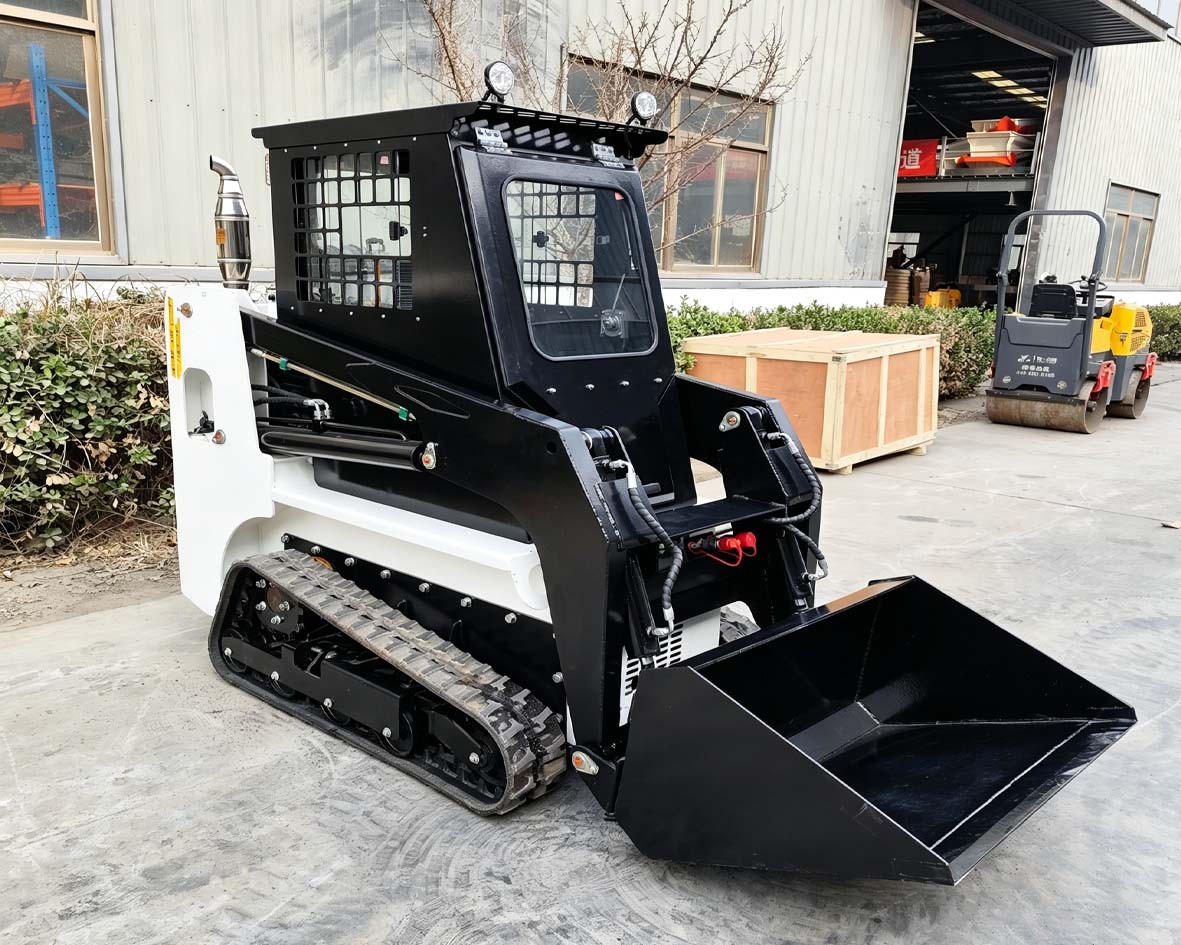
Navigating the Global Micro Loader Market: The Economics of Chinese Manufacturing Quality
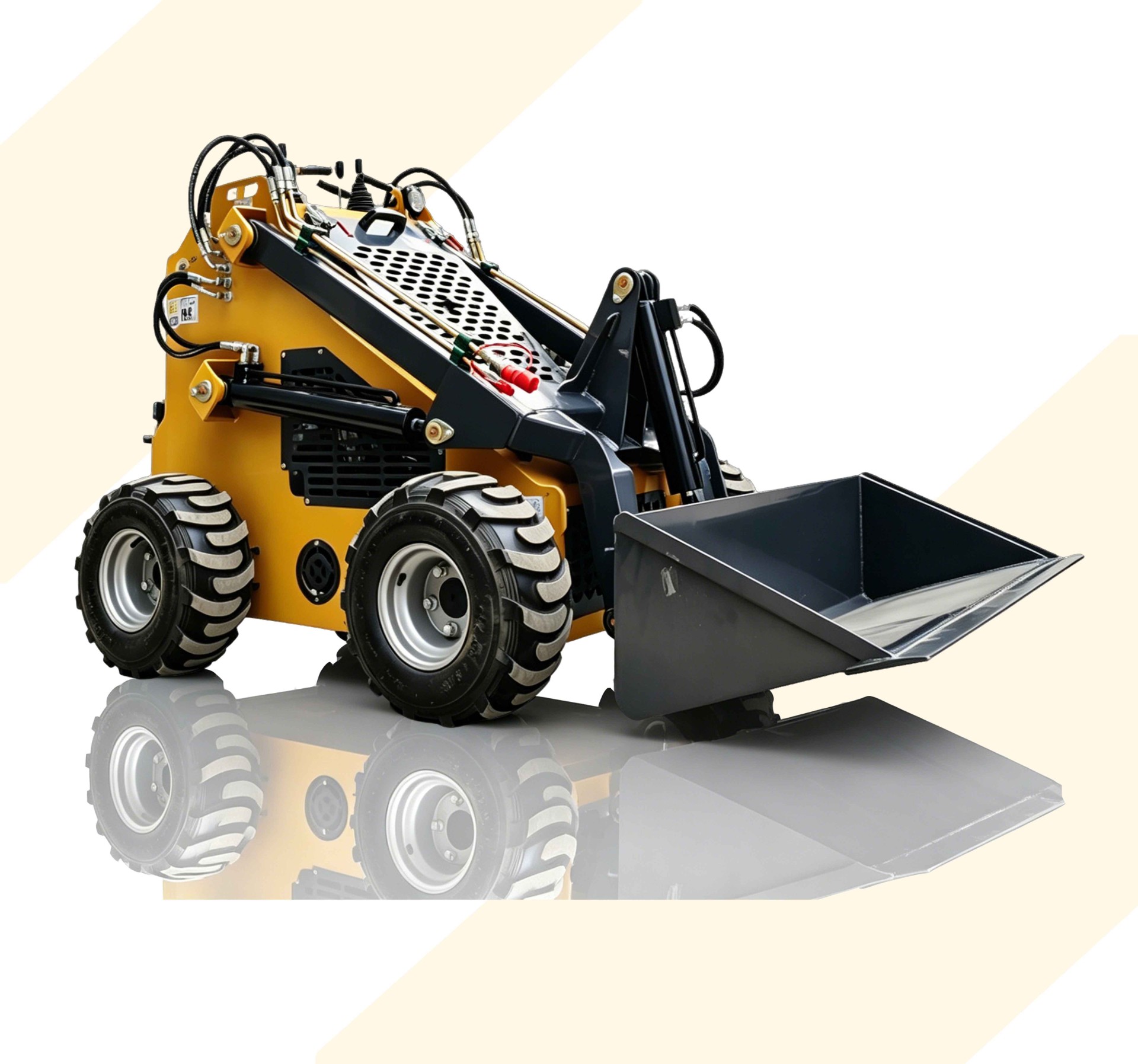
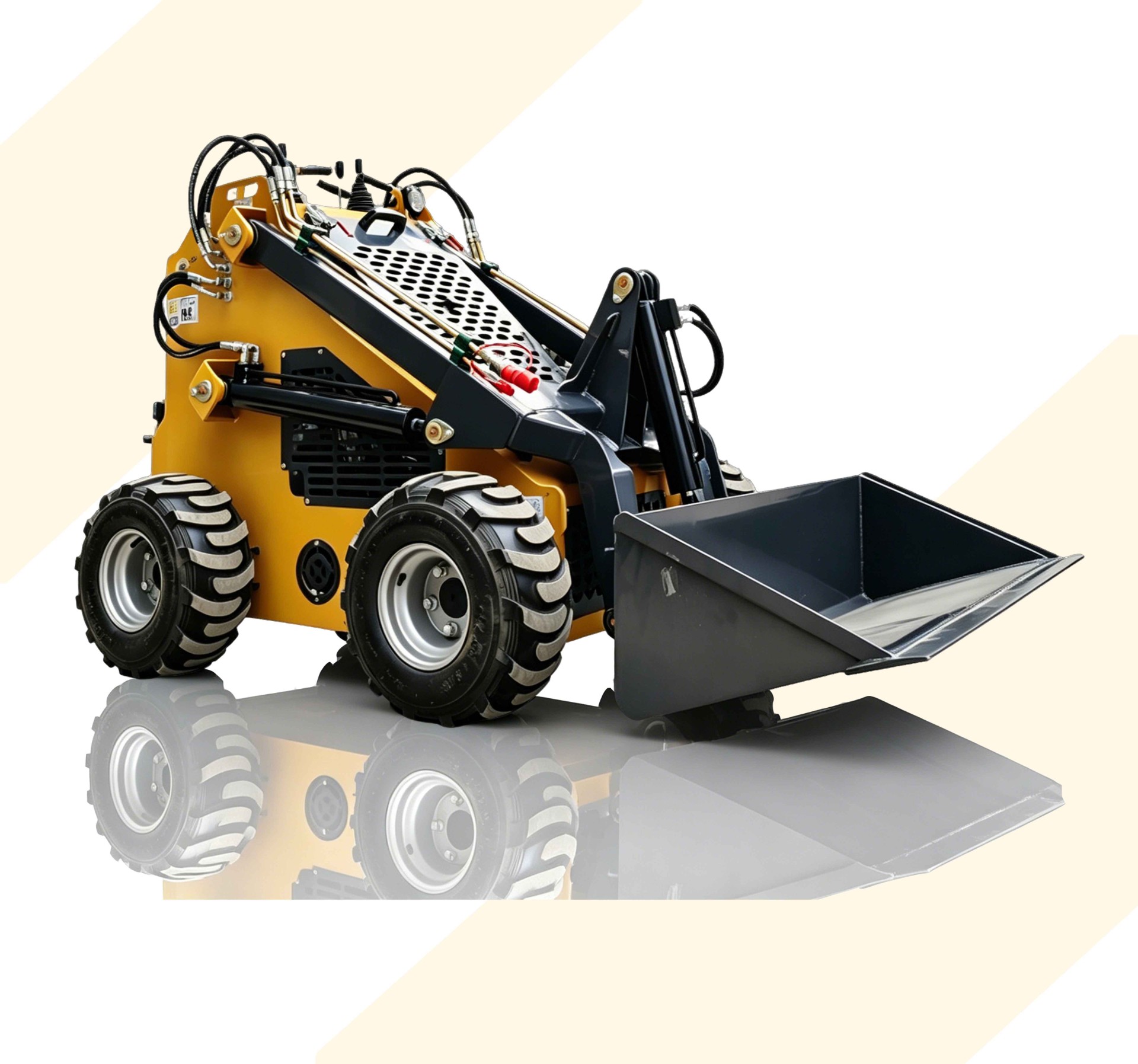
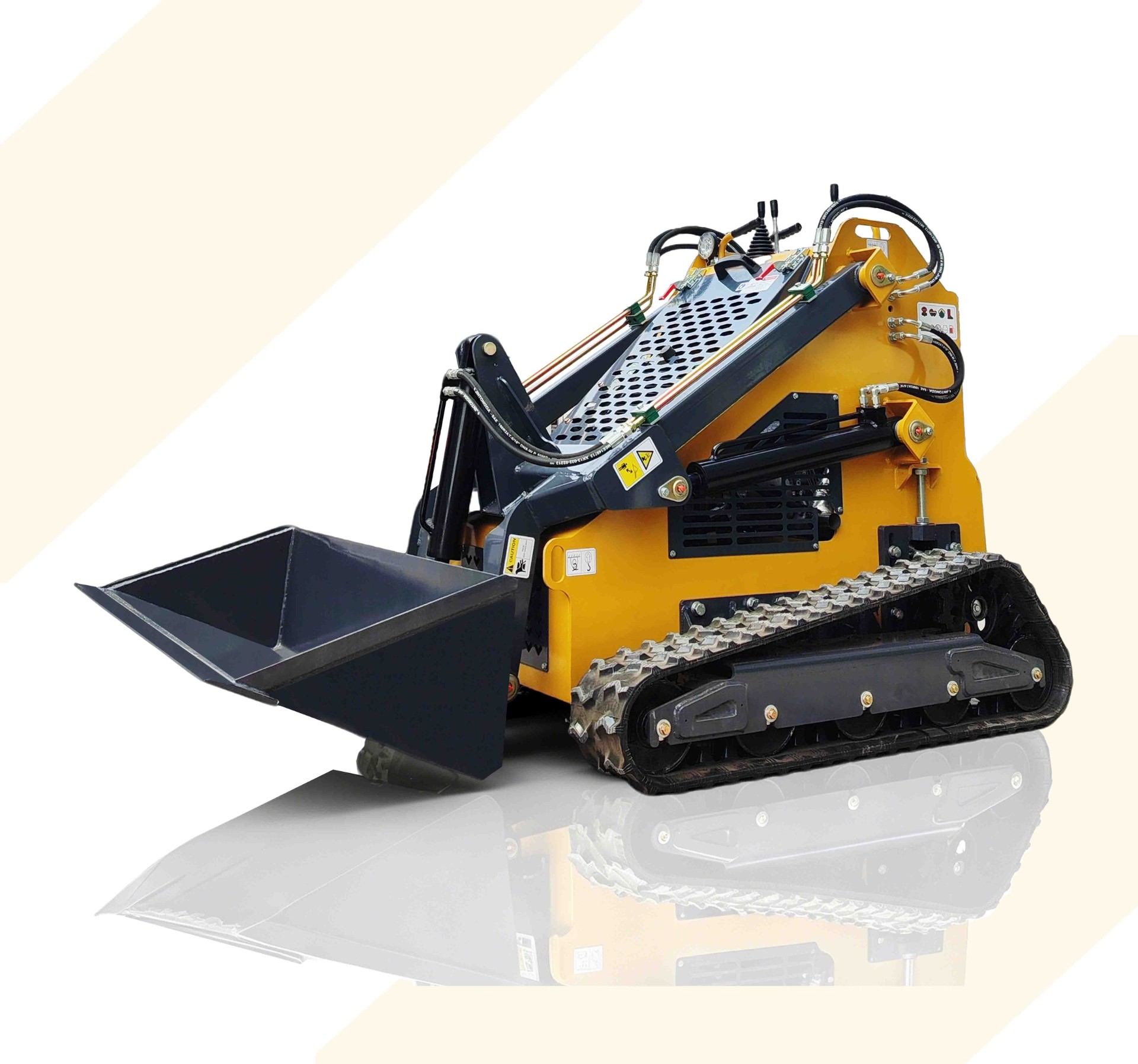
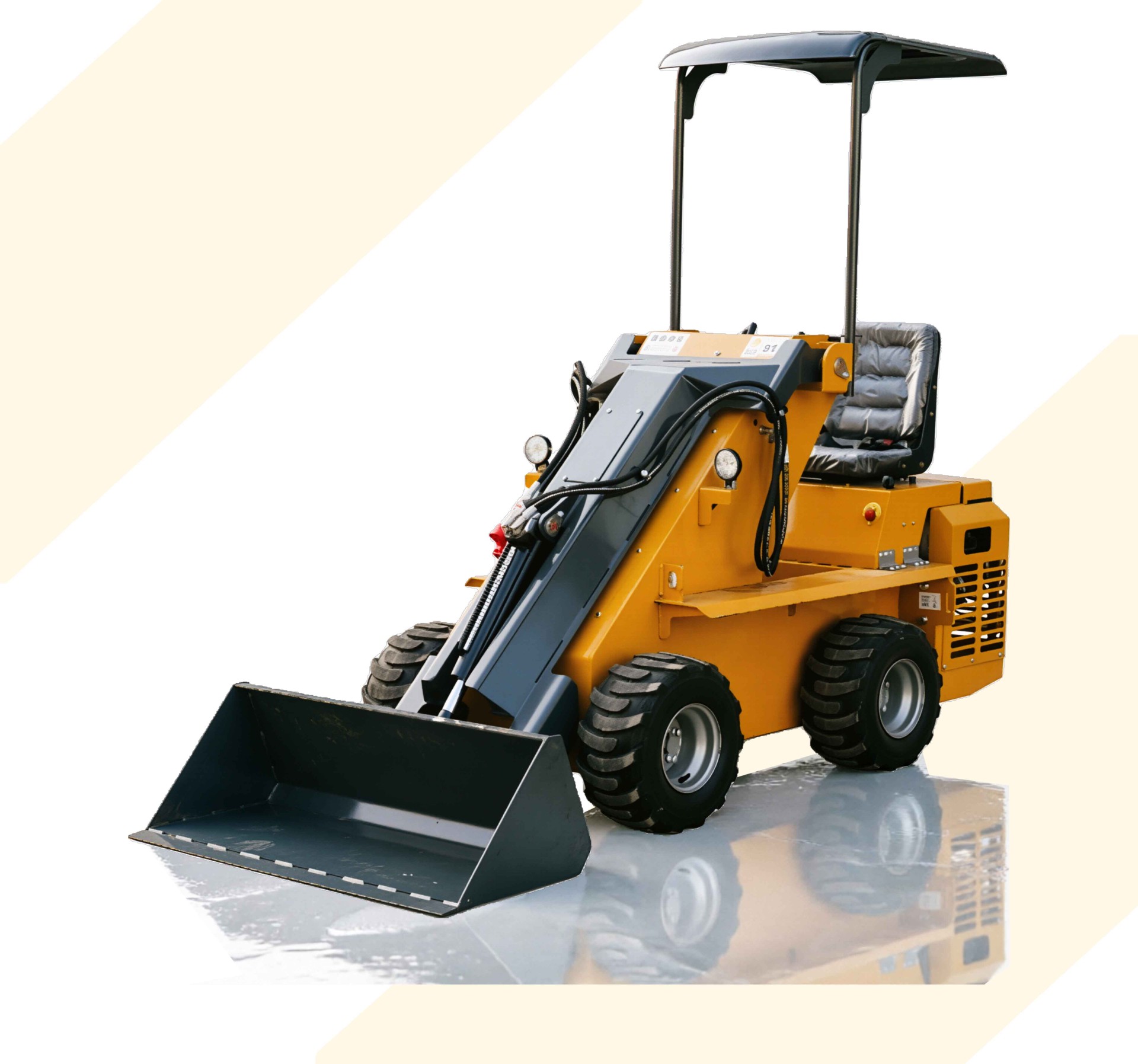
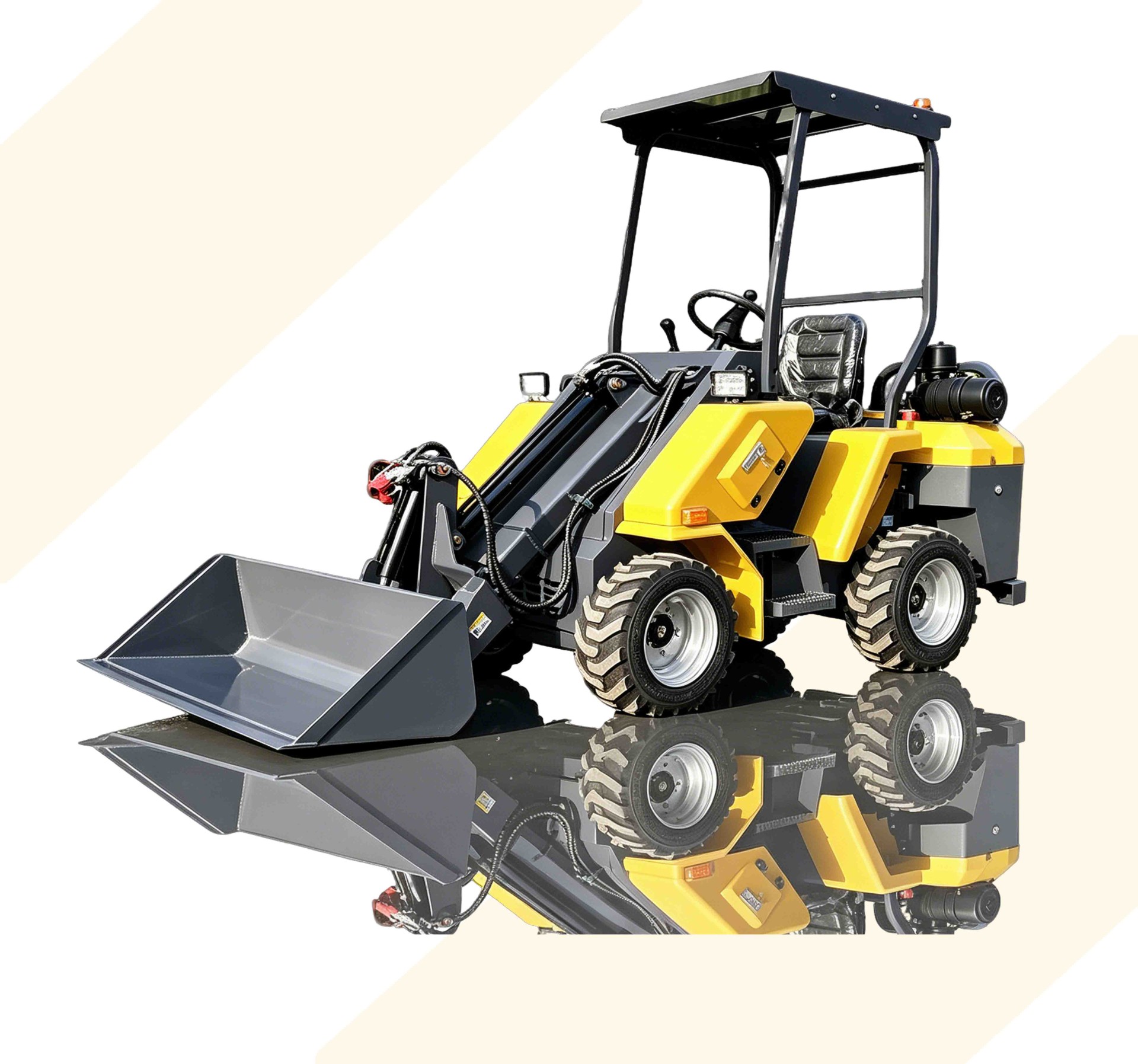
The global demand for compact equipment has surged, positioning the micro wheel loader—typically 500kg to 1-ton capacity—as an essential asset in landscaping, agriculture, and confined construction sites. For international buyers, China presents a paradox of unbeatable pricing shadowed by significant quality inconsistencies. To source effectively, one must look beyond the unit price and understand the industrial dynamics driving the supply chain. This article deciphers why quality issues plague certain segments of the Chinese micro loader market and outlines how to identify manufacturers committed to long-term reliability.
The Structural Reality of Thin Profit Margins
Unlike heavy machinery, which supports robust margins and aftermarket ecosystems, the micro wheel loader is a low-ticket commodity. A standard 500kg unit exports for a few thousand dollars. After deducting costs for the engine, hydraulics, fabrication, paint, packaging, and ocean freight, net margins often collapse to between two and five percent. During aggressive price wars, these margins shrink further.
This financial pressure creates a structural ceiling. When a factory profits only a few hundred dollars per unit, there is no fiscal room to invest in premium materials or advanced processes. Upgrading to high-grade alloy steel or installing internationally branded hydraulic valves would render the machine uncompetitive on price-driven B2B platforms. Consequently, when raw material costs rise or currency values fluctuate, manufacturers face a binary choice: absorb the loss or downgrade components. In a market dictated by rock-bottom pricing, the latter becomes the default survival strategy.
Fragmented Distribution and the Lack of Oversight
Premium equipment brands rely on exclusive dealer networks that enforce pre-delivery inspections, manage warranties, and ensure certified servicing. These dealers act as quality gatekeepers. The micro loader market largely bypasses this structure. A significant volume of units moves through trading companies on open marketplaces or general importers lacking machinery expertise.
These channels prioritize visible specs—listed horsepower and bucket size—over hidden quality markers like metallurgical grades or valve tolerances. Because many buyers shop by price and basic specs alone, manufacturers investing in superior materials cannot recoup costs in a listing-driven environment. The absence of a disciplined dealer network allows substandard assemblies to reach overseas markets. Once a low-ball quote wins the bid, the factory is locked into delivering at that price point, often by substituting unspecified generic parts.
The Mechanics of the Price War
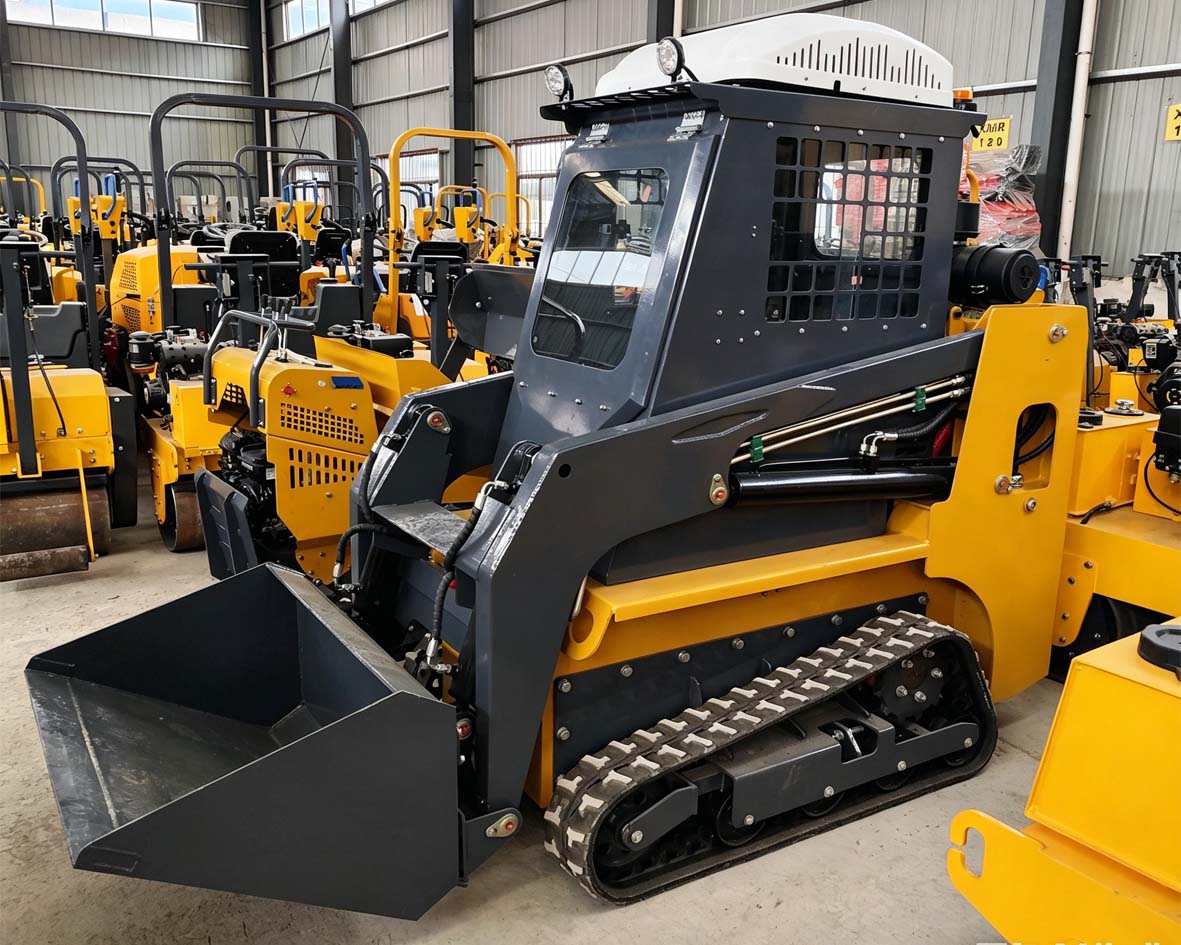
With hundreds of workshops producing visually identical loaders, differentiation is nearly impossible. Competition defaults to price, triggering a cascade of cost-cutting measures that erode durability.
Common substitutions include replacing specified high-strength manganese steel (Q345B) with ordinary structural steel (Q235) in critical stress points like loader arms. Manufacturers often use thinner steel plates to save weight and cost. Heat treatment processes—quenching and tempering on pivot pins, bushings, and gears—are routinely shortened or skipped. Hydraulic cylinders are sourced from the lowest bidders, featuring inferior seals prone to hardening and cracking under heat. Engines may be downgraded from branded units to unbranded or refurbished alternatives with inflated power ratings. Even paint systems degrade from multi-coat epoxy to a single thin layer vulnerable to UV damage. None of these shortcuts appear in a photograph, yet each silently slashes service life. A machine engineered for a 3,000-hour lifespan may fail before 500 hours because the economics could not support proper materials.
Regulatory Gaps and Low Barriers to Entry
The micro loader industry occupies a gray zone between agricultural and construction equipment. Unlike larger machinery governed by stringent ISO standards, no universal international benchmark exists for a 500kg articulated loader. In China, assembly requires minimal capital. Small workshops purchase off-the-shelf axles, hydraulic kits, and engines, then cut and weld steel plates with basic equipment, often performing little to no testing.
Without mandatory third-party certification or rigorous inspections, many units ship after only a brief functional check. The lack of unified standards means buyers cannot assume compliance with ROPS, FOPS, or CE directives unless explicitly contracted with a vetted supplier. Unscrupulous sellers often apply CE markings without testing to clear customs, undermining safety and diluting trust in legitimate manufacturers.
The Emergence of a Two-Tier Market
It is crucial to clarify that Chinese manufacturing is fully capable of excellence. Factories targeting professional export markets invest in certified materials, ISO-compliant systems, and third-party inspections like SGS or TüV. These machines command a higher—yet competitive—price and match the performance of far more expensive Western or Japanese equipment.
Negative perceptions stem primarily from the market’s bottom tier. Here, price-driven buyers select the cheapest quotation and receive a machine built to a cost rather than a standard. Initial savings vanish quickly amid premature failures, downtime, lost productivity, and costly hydraulic replacements. This is the hidden tax of the low-quality segment.
Strategic Sourcing: Identifying Quality Suppliers
To secure reliability, buyers must move beyond price-only comparisons. Request detailed specifications covering the steel grade of the main frame, the brand and origin of hydraulic components, axle type, and confirmation of heat treatment on pivot pins. Insist on pre-shipment inspection (PSI) and verify certifications through notified body numbers. Prioritize suppliers with a proven track record in strictly regulated markets like the EU or North America. A vendor providing a documented spare parts list with part numbers demonstrates professional accountability. While a 10 to 20 percent price premium is typical, this investment secures genuine components and proper fabrication, drastically lowering the total cost of ownership.
A Benchmark in Targeted Engineering: The Xinghang XHD500
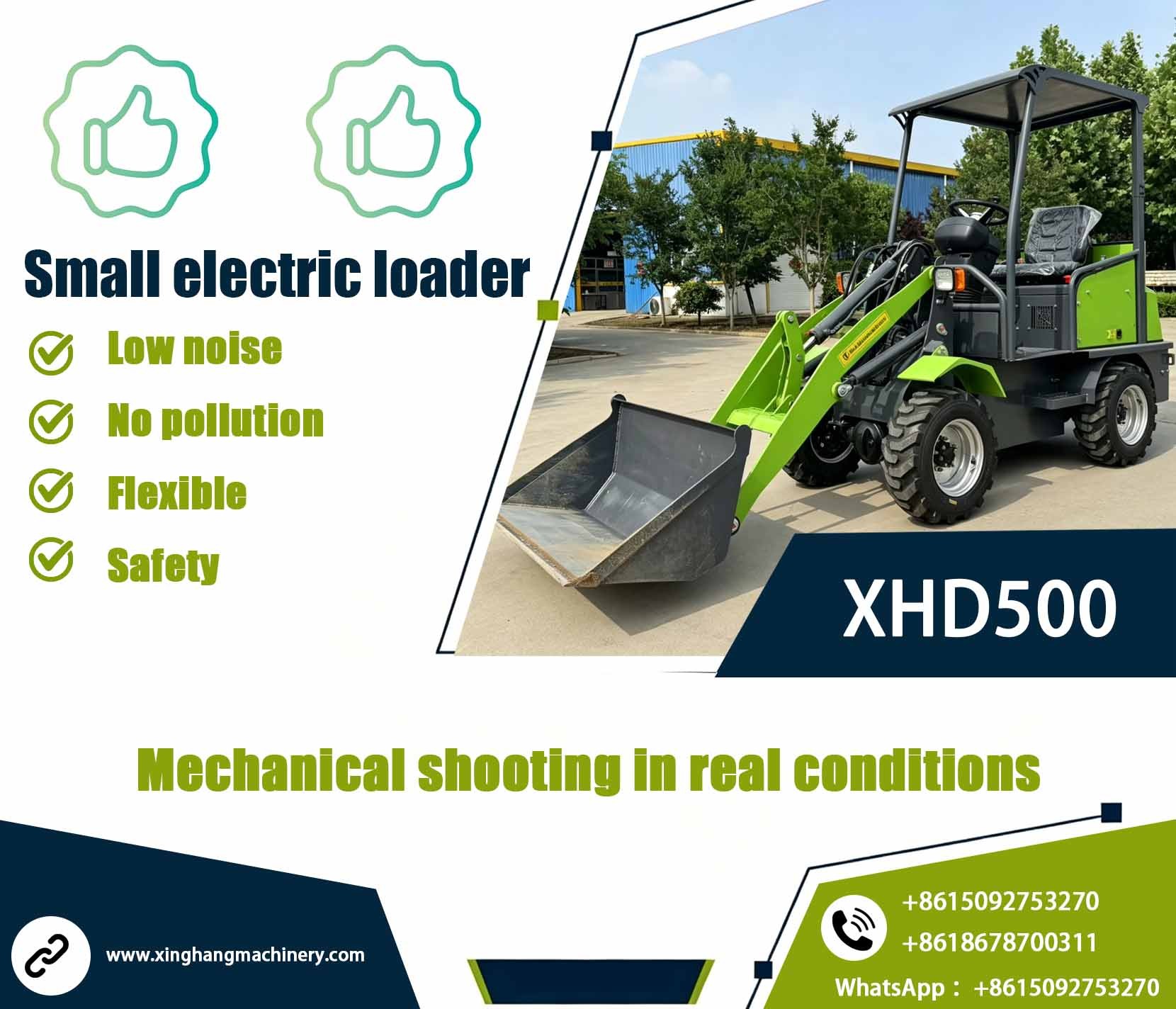
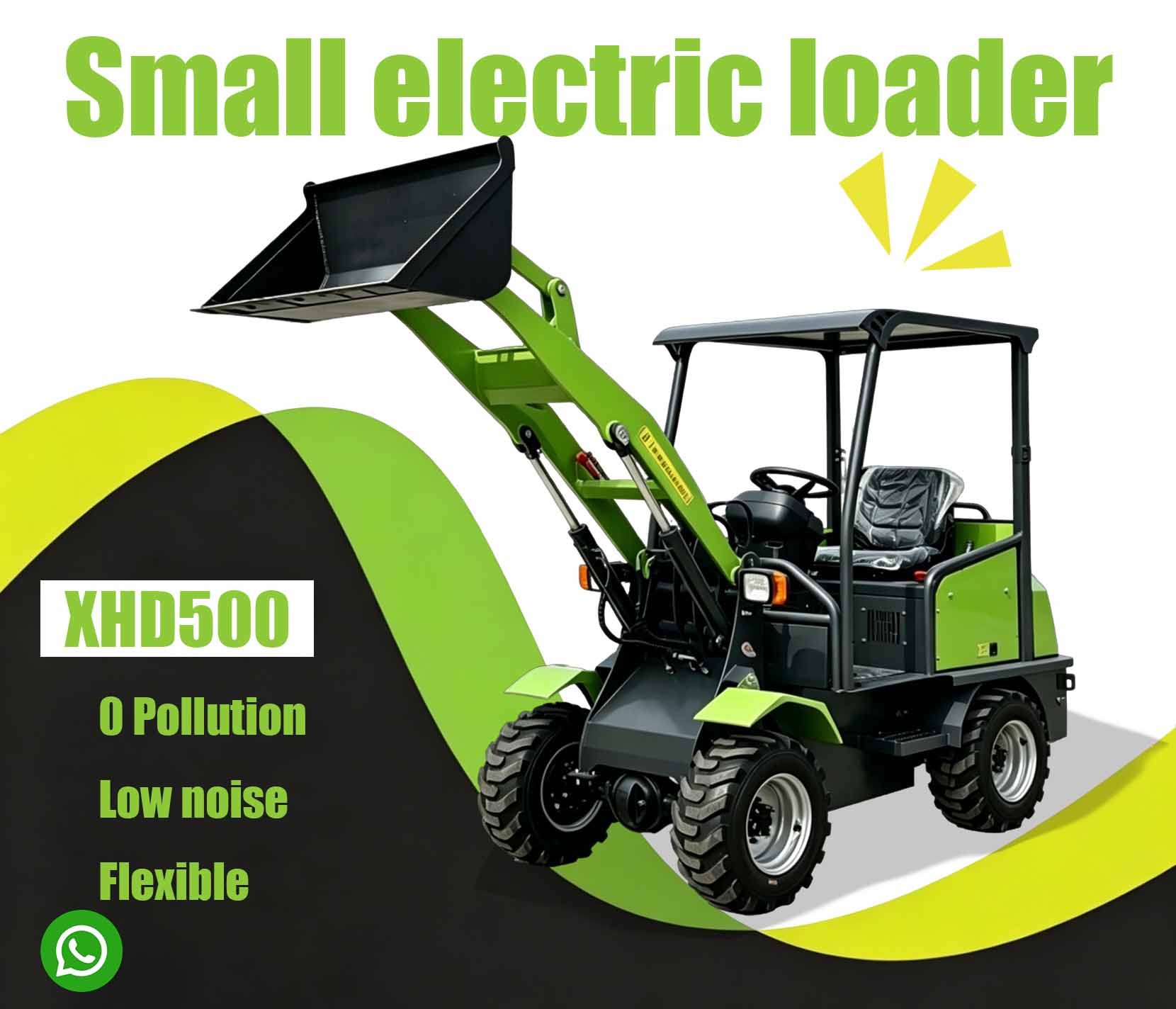
Amidst these market challenges, some manufacturers demonstrate that high standards and cost-efficiency can coexist. Specialized producers focusing on niche applications, such as the Xinghang XHD500 micro electric loader series, offer a case study in disciplined engineering.
Rather than engaging in indiscriminate price wars, manufacturers like Xinghang address core failure points through design. The XHD500 utilizes an articulated frame constructed from high-strength manganese steel, prioritizing structural integrity. Its dual-bridge single-motor design with a drive shaft reduces mechanical complexity, inherently lowering maintenance needs and enhancing heavy-load reliability.
A key innovation is the adoption of flat-wire motor technology. Compared to traditional round-wire motors, flat-wire windings achieve higher slot fill rates, boosting power efficiency and heat dissipation. This directly counters motor overheating—a primary failure mode in compact equipment. Coupled with an advanced electronic control system featuring automatic temperature-controlled cooling and instantaneous overload protection, the XHD500 mitigates thermal damage risks prevalent in lesser machines.
Further distinctions include integrated electro-hydraulic control levers and CAN-bus digital instrumentation, which enhance operational precision and reduce fatigue. Multiple battery configurations, including high-capacity lithium iron phosphate options, allow customization for specific duty cycles without performance compromise. While positioned above the absolute lowest price tier, the XHD500 exemplifies how intelligent engineering choices yield a competitive total cost of ownership.
Conclusion: Beyond the Price Tag
Quality complaints regarding Chinese micro loaders reflect market economics more than manufacturing incapability. The convergence of wafer-thin margins, fragmented distribution, price-only competition, and lax regulations creates an environment where sacrificing quality becomes a survival tactic for bottom-tier manufacturers. However, the market is not monolithic. A growing cohort of professional Chinese manufacturers recognizes that long-term success requires building to specification, not just to a price floor.
By understanding the economic drivers behind quality variations, informed buyers can avoid the lowest bids and select partners prioritizing durability and compliance. Whether opting for a diesel workhorse or an innovative electric model like the XHD500, due diligence and a willingness to invest slightly more upfront prevent catastrophic costs downstream. In compact equipment, the cheapest machine is rarely the most affordable.