 Chinese
 English
 Russian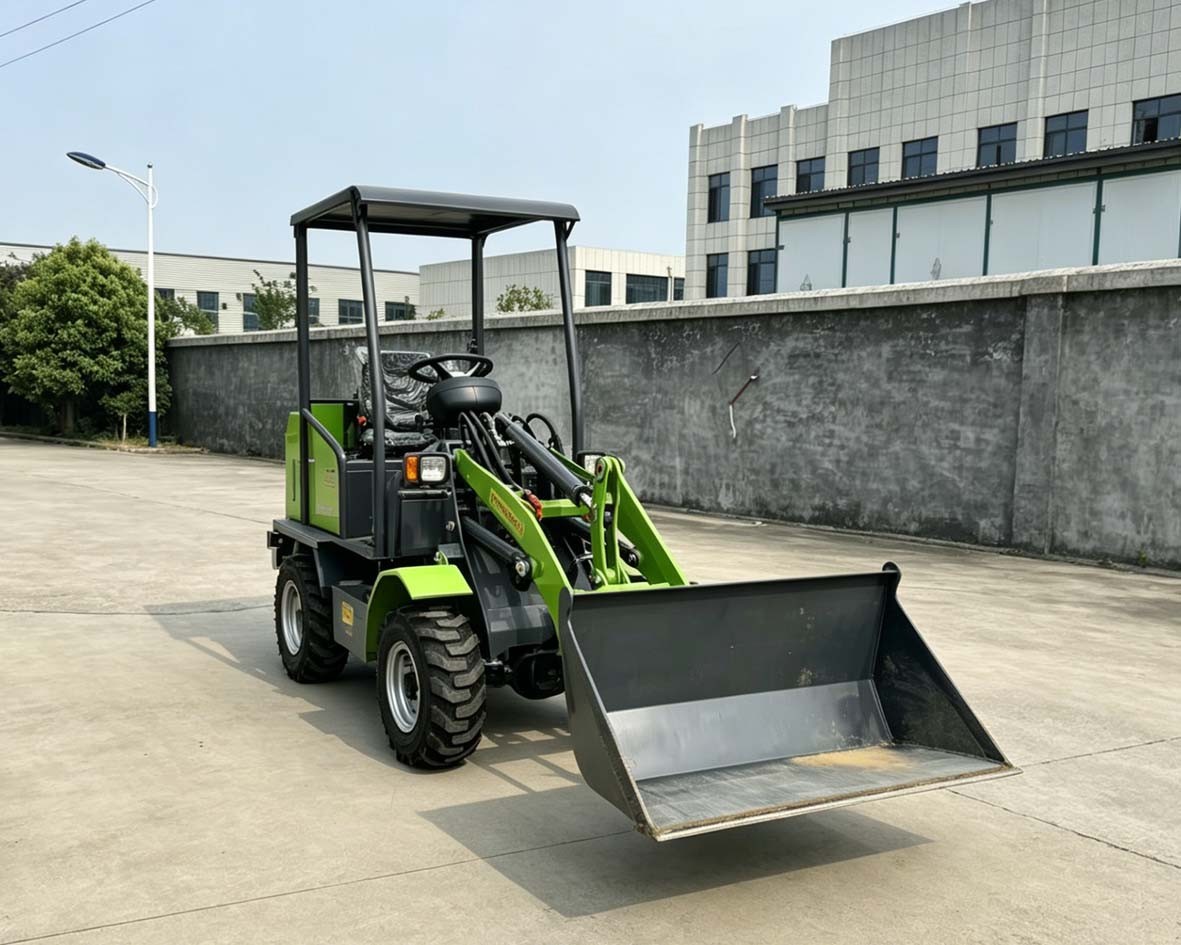
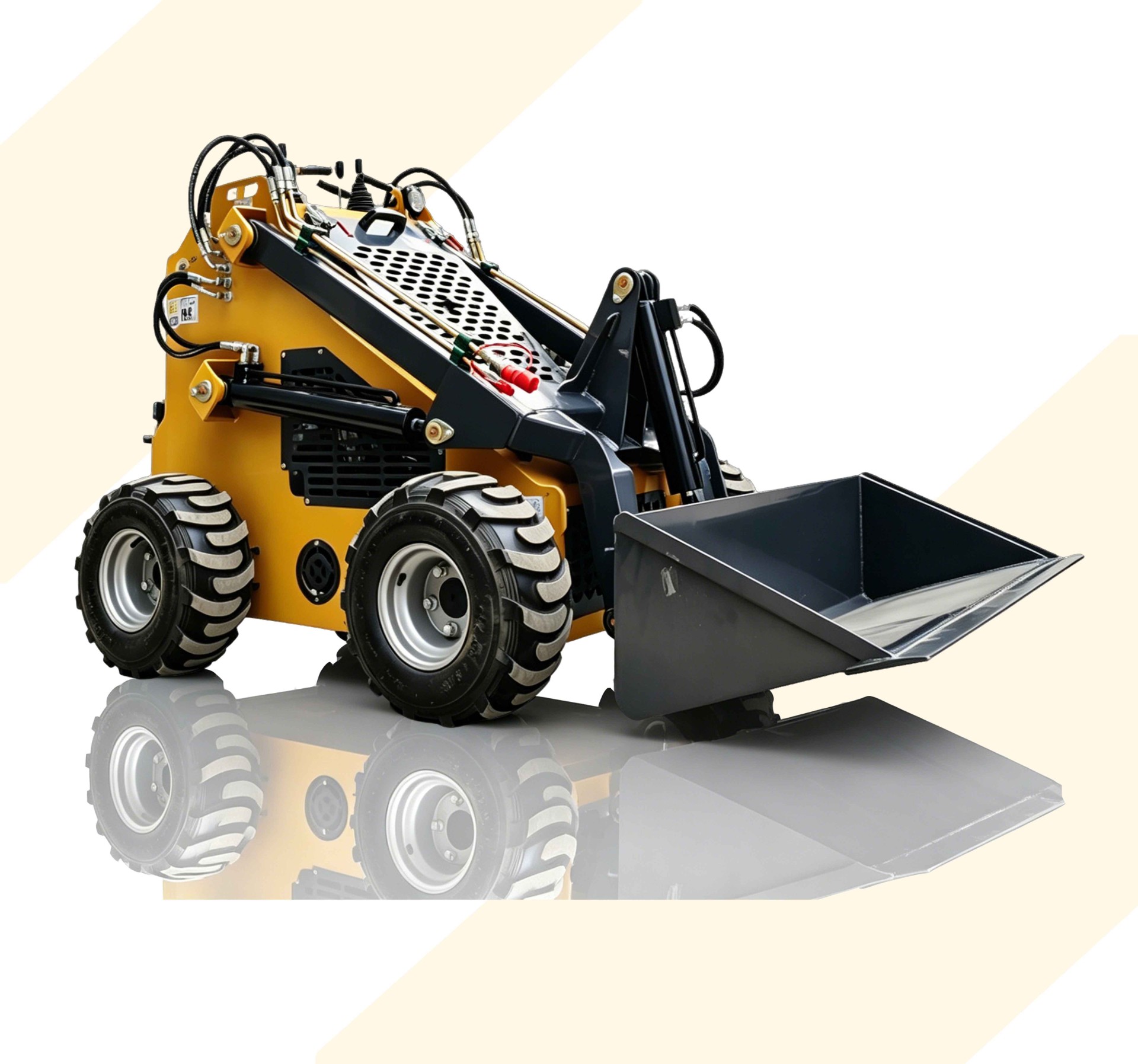
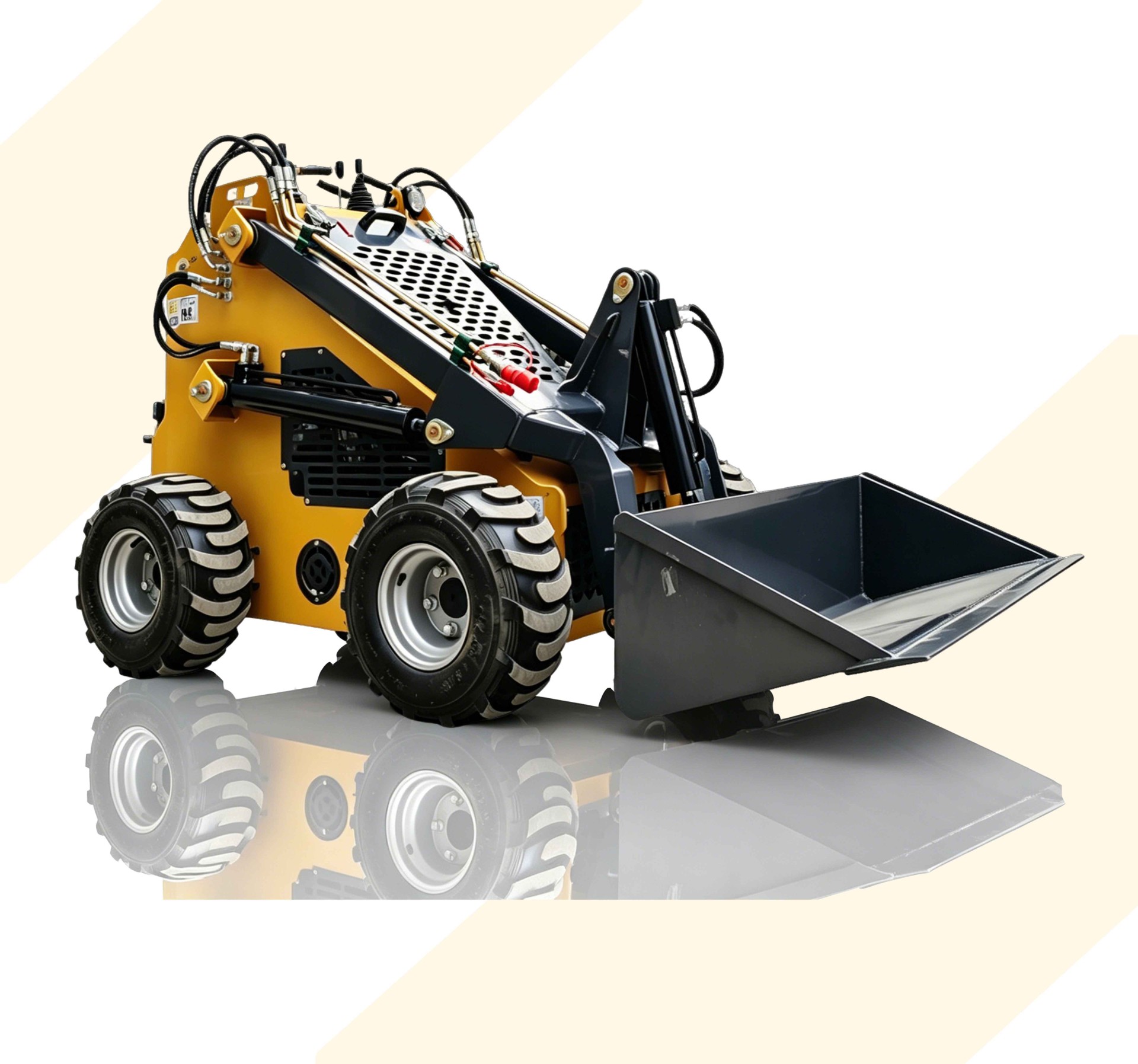
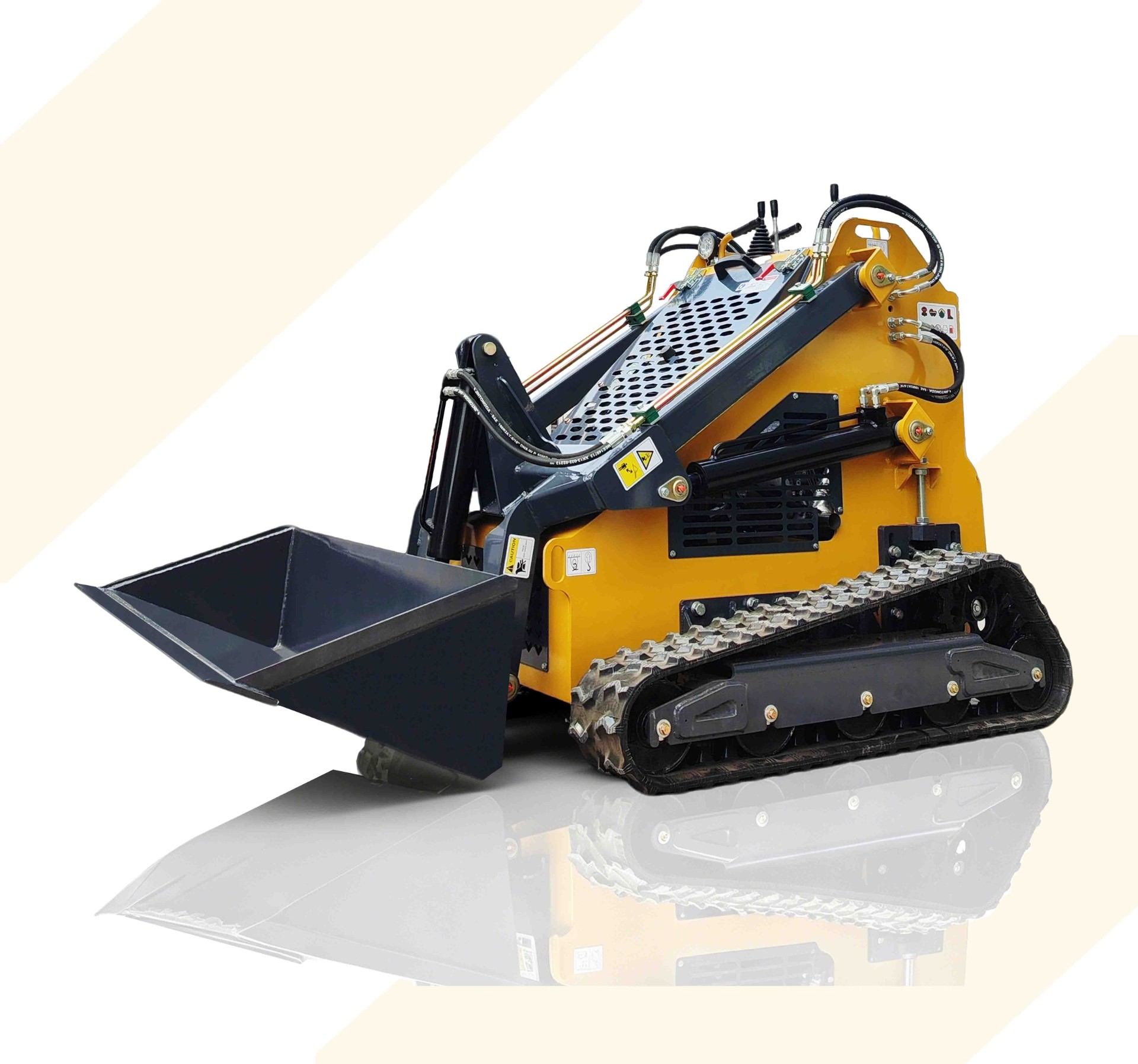
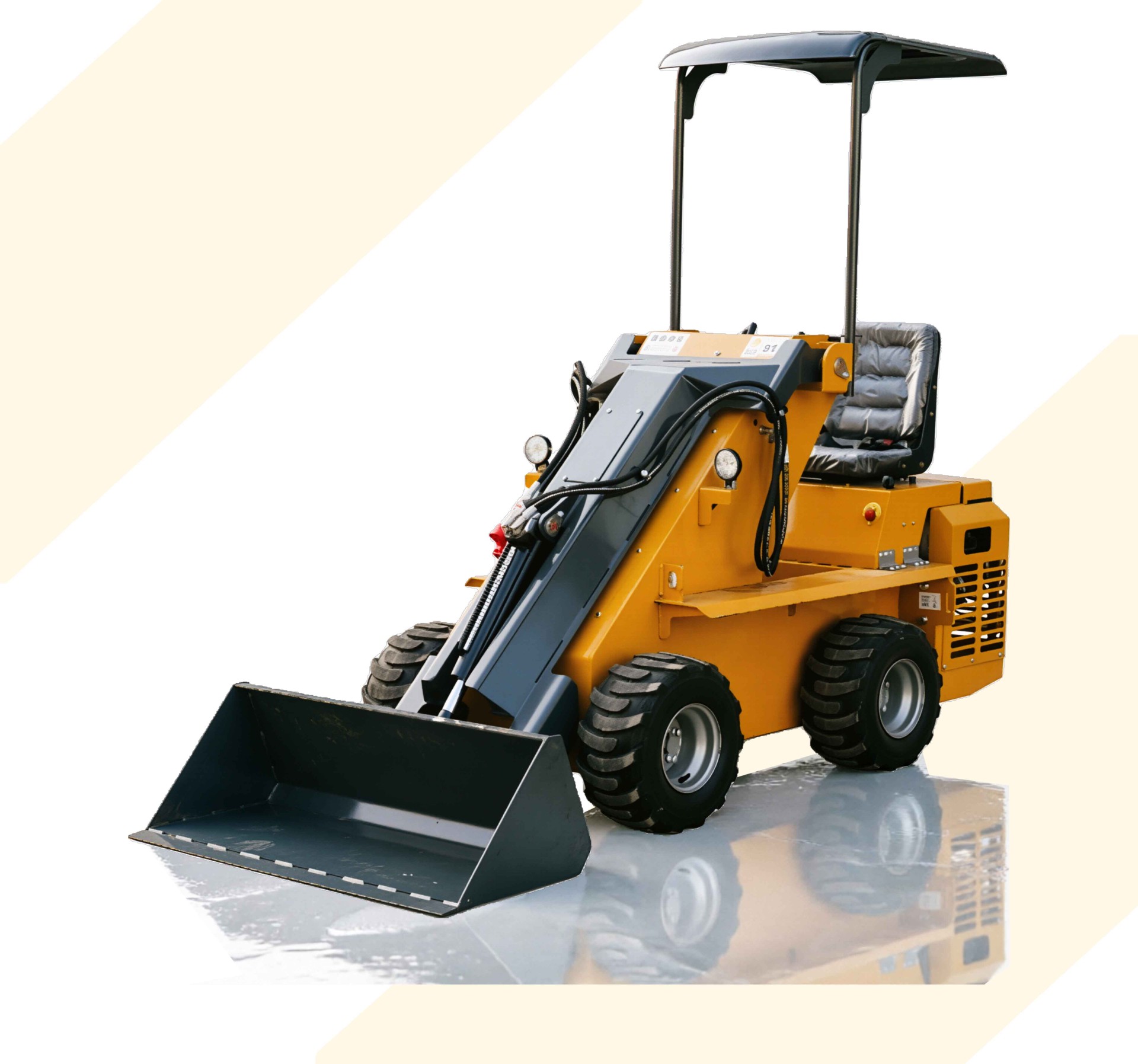
Ultimate Guide to Wheel Loader Tires: Pneumatic, Solid, Semi-Solid for Xinghang XHD500
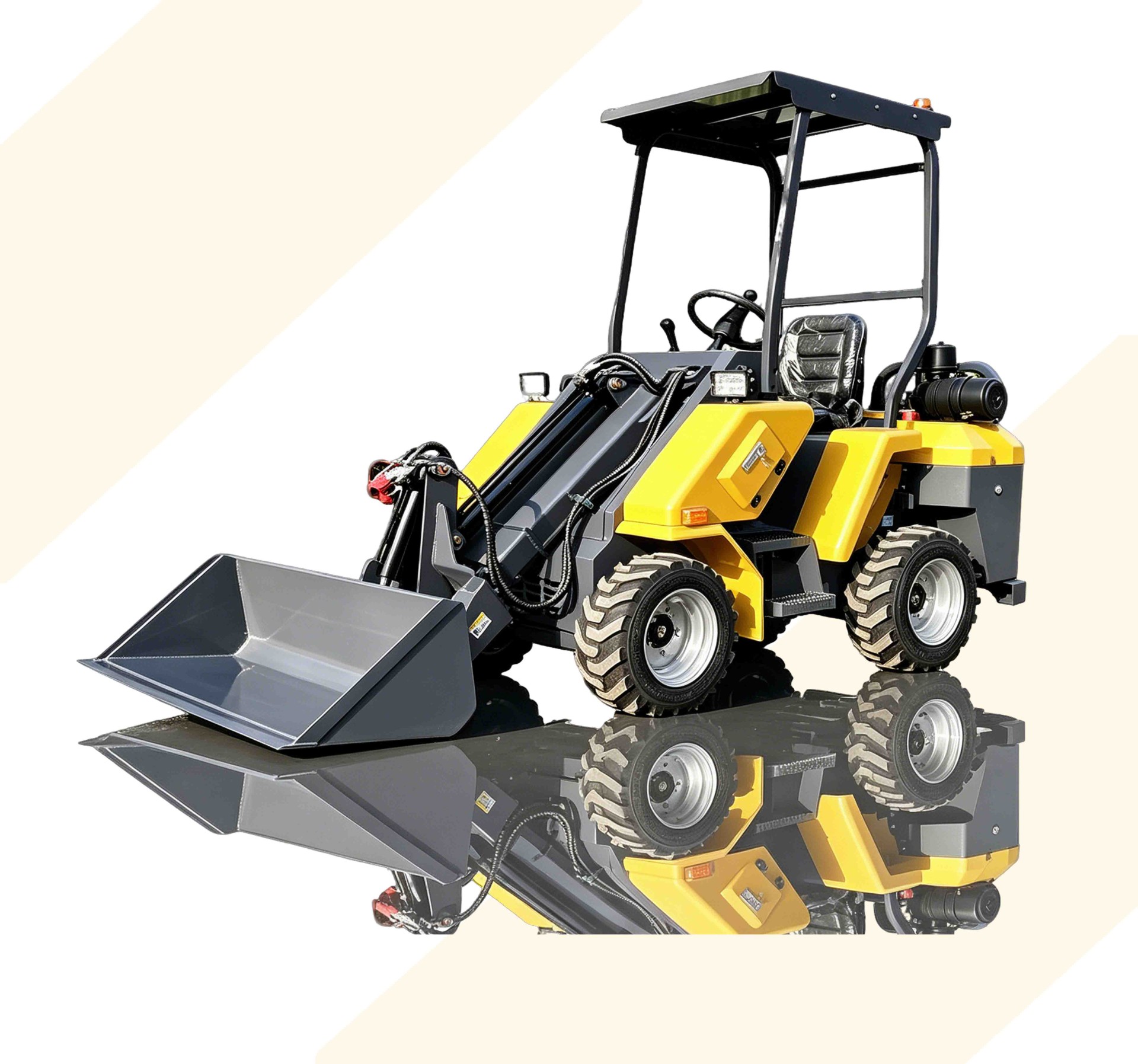
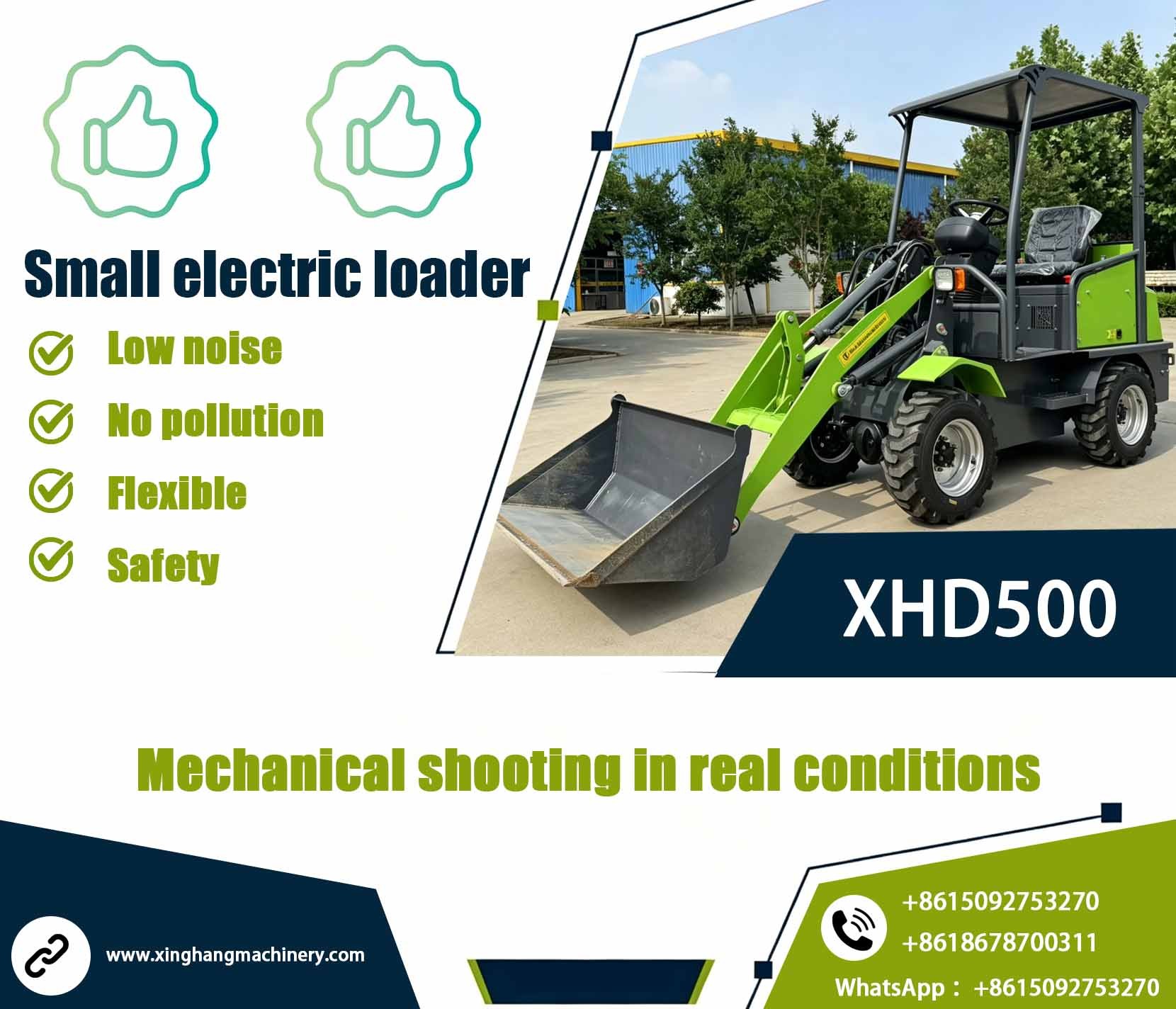
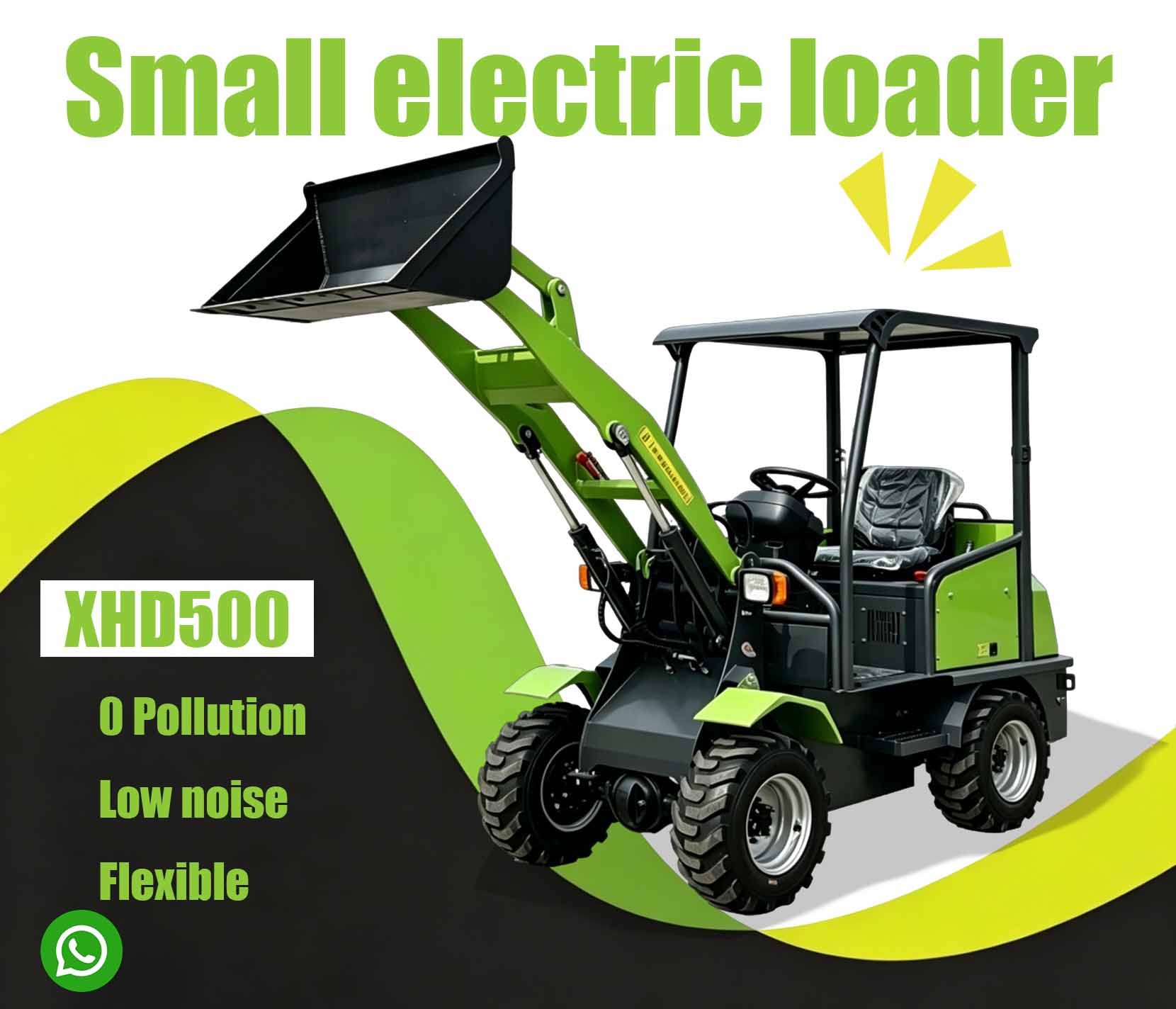
Selecting the right tires for your wheel loader is critical for productivity, safety, and cost control. Whether you operate a heavy-duty loader in mining or a compact unit like the Jining Xinghang Machinery XHD500 mini loader in warehouses and farms, your tire choice impacts traction, fuel or battery efficiency, maintenance needs, and total cost of ownership.
This guide covers three core tire types for compact and industrial loaders: Tubeless Pneumatic Tires, Solid Tires, and Semi-Solid Resilient Tires. We detail their construction, pros and cons, ideal applications, and specific recommendations for the Jining Xinghang Machinery XHD500.
Why Tire Selection Matters for Compact Loaders
The Jining Xinghang Machinery XHD500 is a 500kg rated compact loader designed for narrow spaces, low noise, and multi-attachment use. Its lightweight frame and electric drive options make tire selection crucial. Heavy solid tires can alter the center of gravity and reduce battery range. Soft pneumatic tires offer traction but risk punctures. Semi-solid tires provide a balance for mixed indoor and outdoor use. The correct tire minimizes downtime, protects the drivetrain, and optimizes work speed.
1. Tubeless Pneumatic Tires (Air-Filled OTR)
Tubeless pneumatic tires are the industry standard for most loaders. They seal directly against the wheel rim without an inner tube and use compressed air for cushioning. Common constructions include Bias Ply for stiffness and cut resistance, and Radial for a larger footprint and better heat dissipation. Tread patterns vary from L2 L3 for general dirt and gravel to Turf patterns for sensitive surfaces.
Advantages
Pneumatic tires excel in shock absorption. The air cushion protects the loader frame, axles, and hydraulics from impact stress, reducing operator fatigue. They provide superior traction on soft surfaces like soil, sand, and snow due to flexible sidewalls that conform to the ground. Compared to solid tires, they have lower rolling resistance, which helps extend battery life on electric models like the XHD500. They are widely available, cost-effective upfront, and less likely to damage lawns or finished floors when using appropriate treads.
Disadvantages
The primary drawback is puncture risk. Sharp rocks, metal debris, or thorns can cause flats, leading to downtime. They require regular pressure monitoring. Under inflation causes overheating, while over inflation reduces traction. In severe abrasive conditions like quarries, their service life is shorter than solids. Repairs often require specialized equipment and time.
Best Applications
These tires suit general construction, farming, landscaping, snow removal, and municipal parks. They are ideal for the Xinghang XHD500 operating primarily outdoors on dirt, gravel, or grass. For XHD500 owners in agriculture, a bias ply tire with a turf tread offers the best starting point for versatility and surface protection.
2. Solid Tires (Fully Solid Rubber)
Solid tires contain no air. Made from dense rubber compounds with reinforced bases, they mount directly to the rim via pressing or molding. In compact equipment, they often feature aperture designs to allow slight flex.
Advantages
Solid tires are 100 percent puncture proof. They withstand nails, glass, rebar, and sharp rocks, making them essential for scrap yards, demolition sites, and recycling plants. They require virtually zero maintenance, eliminating pressure checks and leak repairs. Their lifespan can be two to four times longer than pneumatics in harsh environments. They offer high load capacity and stability during lifting. Non marking variants prevent black scuffs on warehouse floors.
Disadvantages
The lack of cushioning results in a harsh ride. Vibrations transfer to the operator and machine, potentially accelerating wear on bearings and hydraulics. They are heavier, which can slightly reduce battery range on electric loaders like the XHD500. Traction on loose or muddy ground is inferior to pneumatics because the rigid sidewalls cannot conform to soft surfaces. Initial costs are typically two to three times higher than pneumatics. Heat buildup can occur during continuous high speed operation.
Best Applications
Use solid tires in demolition, scrap metal recycling, glass factories, foundries, and indoor industrial flooring with puncture hazards. For the Jining Xinghang Machinery XHD500, they are recommended for exclusive indoor use or environments with constant sharp debris. Non marking aperture style solids are optimal for electric XHD500 models in recycling workshops or farms with thorny brush and broken tiles.
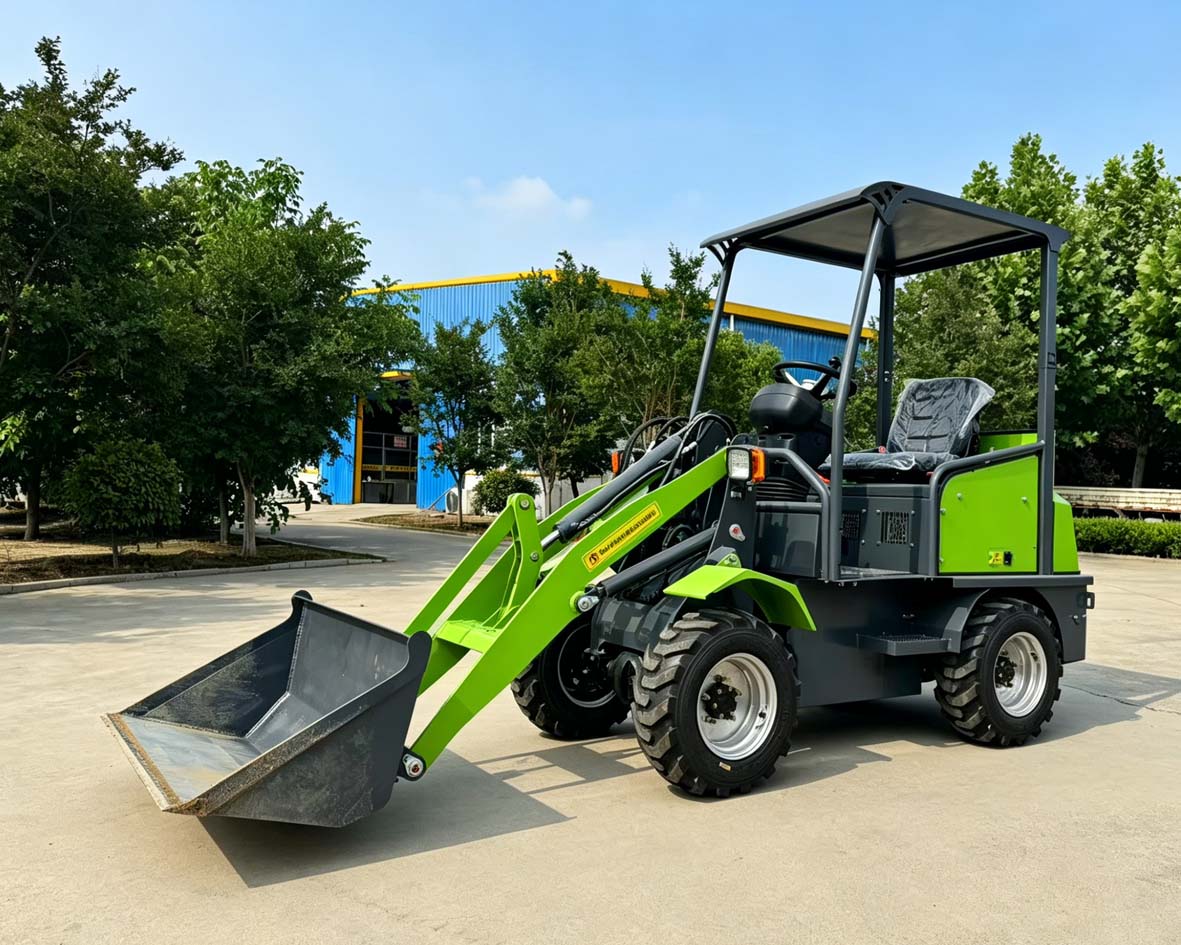
3. Semi Solid Tires (Resilient or Aperture Tires)
Semi solid tires bridge the gap between pneumatics and solids. They feature a solid rubber body with engineered voids or hollow sections. This design allows compression for cushioning while remaining air free. Foam filled pneumatics are a related alternative, though technically distinct.
Advantages
Semi solids offer flat proof performance similar to full solids. The apertures provide better shock absorption than solid tires, improving operator comfort and reducing machine stress. They dissipate heat more effectively than foam filled tires due to airflow through the voids. They retain aggressive tread patterns for improved traction compared to smooth press on solids. Maintenance is lower than pneumatics, requiring only visual inspections. They deliver a long service life in mixed conditions.
Disadvantages
They are heavier than pneumatics, potentially affecting electric loader range. Ride comfort, while better than solids, still does not match air filled tires on extremely rough terrain. Upfront costs are higher than pneumatics but lower than full solids. Foam filled variants are non serviceable once worn. In the most severe demolition conditions, they offer less protection against sidewall chunking than pure solid tires.
Best Applications
Semi solid tires excel in mixed indoor outdoor environments, agricultural operations spanning paddocks and paved areas, municipal yards, and rental fleets. For the Jining Xinghang Machinery XHD500, they are the premier choice for versatile roles including barn cleaning, light landscaping, and occasional demolition cleanup. They eliminate puncture related downtime while preserving the smooth operation of the compact chassis.
Comparison Summary for Xinghang XHD500
Choose Pneumatic Tires if your XHD500 operates mainly on grass, dirt, or snow with minimal debris. Prioritize comfort and traction.
Choose Solid Tires if your XHD500 works indoors on concrete or in recycling with high puncture risks. Prioritize durability and zero maintenance.
Choose Semi Solid Tires if your XHD500 frequently switches between indoor and outdoor tasks. Prioritize balanced performance and reduced downtime.
Conclusion
Matching the tire to your specific jobsite is essential for maximizing the return on your Jining Xinghang Machinery XHD500 investment. By understanding the trade offs between pneumatic, solid, and semi solid tires, you can select the option that aligns with your operational priorities, whether they emphasize traction, puncture resistance, operator comfort, or total cost of ownership. For mixed use applications, semi solid resilient tires often provide the most efficient and reliable solution for compact loader productivity.