 Chinese
 English
 Russian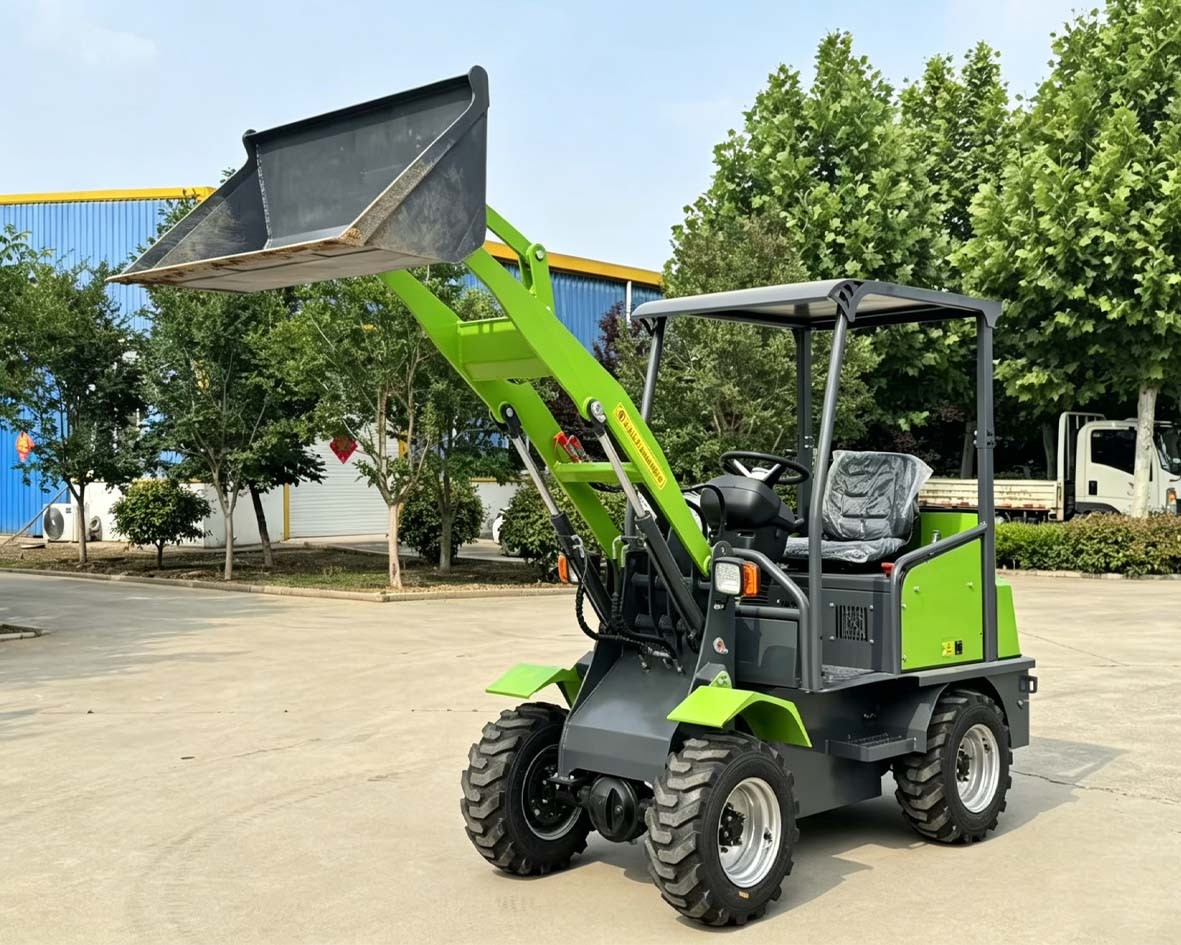
In Jining, China, the heart of the world's construction equipment manufacturing belt, a quiet revolution is unfolding. The roar of diesel engines is increasingly being replaced by the hum of electric motors. At Jining Xinghang Machinery Manufacturing Co., Ltd., we no longer hear "Do you make electric loaders?" Instead, global distributors and fleet owners ask: "Is electric the future, or a trend? Can new energy solve real-world crises?"
This analysis answers those questions directly. We compare electric and diesel power, examine global challenges, and explain why electrification is the dominant path forward for compact construction machinery.
Chapter 1: Electric vs. Diesel — The Fundamental Differences
The contrast between internal combustion engines (ICE) and electric drives is stark across every key metric.
How They Work
Diesel engines burn liquid fuel to create heat, converting a fraction into mechanical motion. Electric motors use electromagnetic force to convert electrical energy directly into torque.
Efficiency
Diesel engines waste 58 to 70 percent of fuel energy as heat, achieving only 30 to 42 percent thermal efficiency. Electric motors convert over 90 percent of electrical energy into power. This means an electric loader consumes roughly one-quarter of the energy needed by its diesel counterpart for the same work.
Emissions and Noise
Diesel produces CO2, NOx, and particulate matter, with noise levels reaching 85 to 95 dB. Electric loaders produce zero tailpipe emissions and operate at a quiet 60 to 65 dB, similar to normal conversation.
Maintenance
Diesel requires constant care: oil changes, fuel filters, injectors, cooling systems, and clutches. Electric drivetrains have far fewer moving parts, eliminating most routine maintenance except greasing and brake checks.
Refueling
Diesel offers 3 to 5 minutes of refueling. Electric loaders require 4 to 8 hours of charging, though battery swapping and fast charging are closing this gap.
Chapter 2: Why Electric Is the Mainstream Future
Several factors make electric drive the clear long-term winner for most applications.
1. Regulatory and ESG Compliance
Cities worldwide are enacting Low Emission Zones (LEZ) and strict Non-Road Mobile Machinery (NRMM) standards. Diesel equipment is banned indoors and restricted in urban areas. Electric machinery ensures compliance and helps companies meet corporate ESG goals.
2. Superior Operability
Electric motors deliver full torque instantly from zero RPM. This allows for precise control in tight spaces like greenhouses, basements, and barns. With no exhaust fumes, they are safe for indoor use, livestock operations, and food processing plants. Low noise permits night work near schools, hospitals, and residential areas.
3. Lower Total Cost of Ownership (TCO)
Although the purchase price may be higher, electric loaders save significantly on fuel and maintenance. Electricity costs are one-third to one-fifth of diesel. Reduced downtime and fewer repairs compound these savings over the machine's life.
4. Enabling Smart Technology
Electric platforms are digitally controlled via CAN-bus, making them ideal for telematics, remote monitoring, and semi-autonomous operation. Diesel machines are fundamentally mechanical, making true autonomy difficult to integrate.
Where Diesel Still Holds Ground
Internal combustion will not disappear immediately. It remains necessary for extreme remote locations without grid access, ultra-heavy mining trucks over 100 tons, and ultra-cold environments below minus 30 degrees Celsius. However, for urban, agricultural, municipal, and indoor applications, electric is already the superior choice.
Chapter 3: Global Crises and the Role of Energy
To understand why electrification matters beyond fuel savings, we must examine the converging crises of the 21st century.
Climate Change
Atmospheric CO2 has surpassed 420 parts per million. Transportation and off-road machinery contribute roughly 24 percent of global greenhouse gas emissions. The Paris Agreement requires net-zero emissions by 2050 to limit catastrophic warming.
Resource Scarcity and Energy Insecurity
Oil reserves are finite and increasingly difficult to extract. Nations dependent on imported oil face price volatility and supply disruptions. Electrification using domestic renewable sources offers a path to energy independence.
Public Health
Diesel exhaust is classified as a Group 1 carcinogen. The World Health Organization links air pollution to approximately seven million premature deaths annually. Replacing diesel with electric equipment provides immediate health benefits in urban and enclosed environments.
The Polycrisis
These issues are interconnected. Climate change worsens water scarcity, impacting agriculture, driving migration, and increasing geopolitical tension. Decarbonizing energy and transport is the single most effective intervention available.
Chapter 4: Can New Energy Solve These Crises?
"New energy" refers to renewable electricity generation, battery storage, and electrified equipment. It is not a magic solution, but it is the most viable systemic response we have.
What Electrification Can Achieve
Reduce Emissions: Shifting to electric loaders charged by increasingly green grids cuts well-to-wheel emissions by 50 to 70 percent today, approaching 90 percent as grids decarbonize.
Improve Air Quality: Zero tailpipe emissions eliminate toxic NOx and particulate matter from job sites, protecting workers and communities.
Stabilize Costs: Sun and wind have near-zero marginal costs, shielding operators from volatile oil prices.
Enable Grid Flexibility: Large fleets can charge during off-peak hours, helping balance the electrical grid.
Challenges to Overcome
Battery Materials: Demand for lithium, cobalt, and nickel is rising. Recycling programs, solid-state batteries, and chemistries like LiFePO4 are mitigating this.
Grid Decarbonization: If electricity comes from coal, upstream emissions remain. However, centralized power plants are still more efficient than millions of small engines, and grids are getting cleaner.
Charging Infrastructure: Remote sites may lack power. Portable generators, battery buffers, and mobile charging trailers are bridging this gap during the transition.
Cold Weather: Battery performance drops in extreme cold. Advanced Battery Management Systems (BMS), pre-heating functions, and LiFePO4 chemistry are solving this limitation.
Chapter 5: Strategic Implications for the Equipment Industry
For manufacturers like Jining Xinghang Machinery and our global partners, the strategy is clear.
Product Evolution
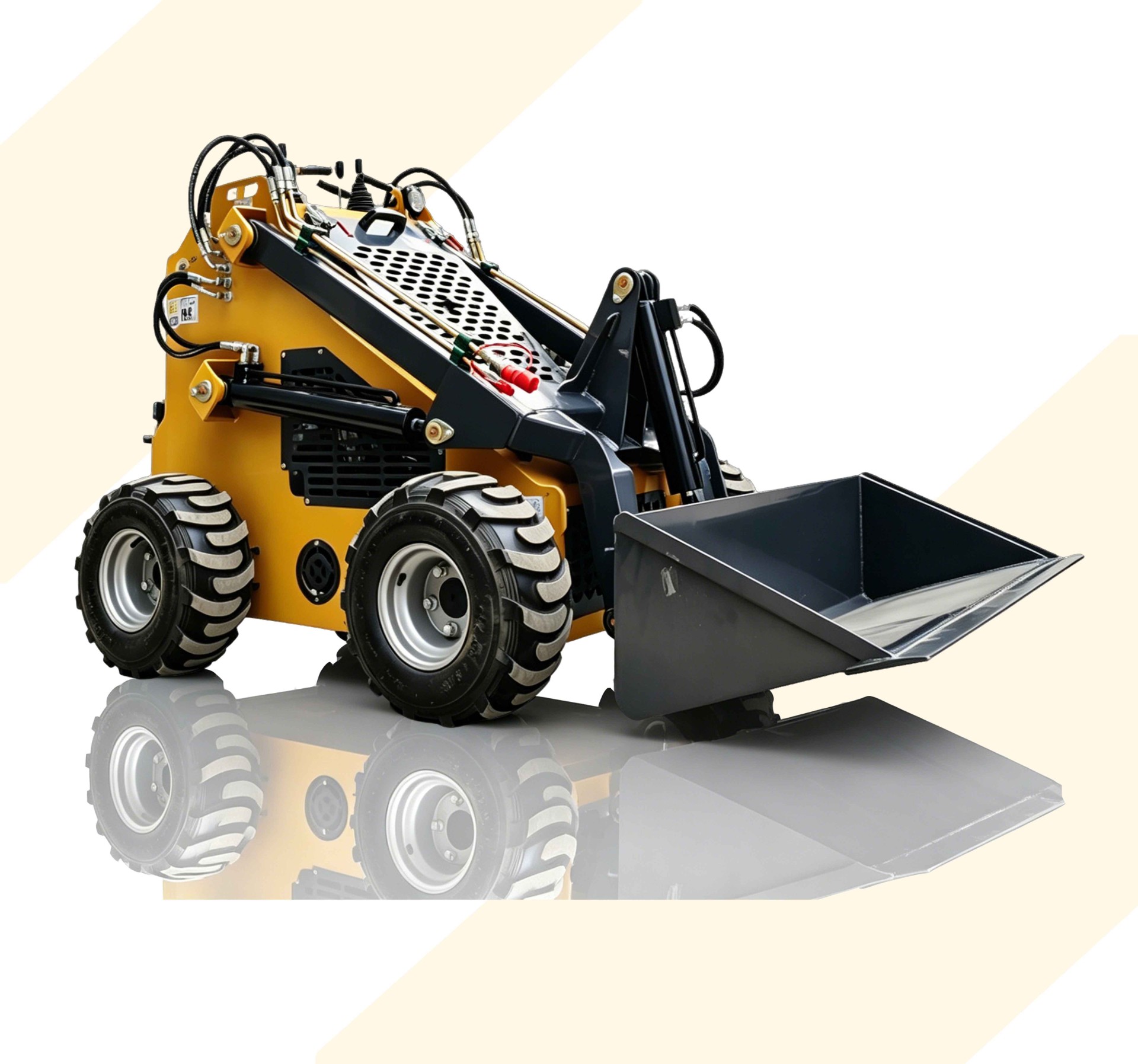
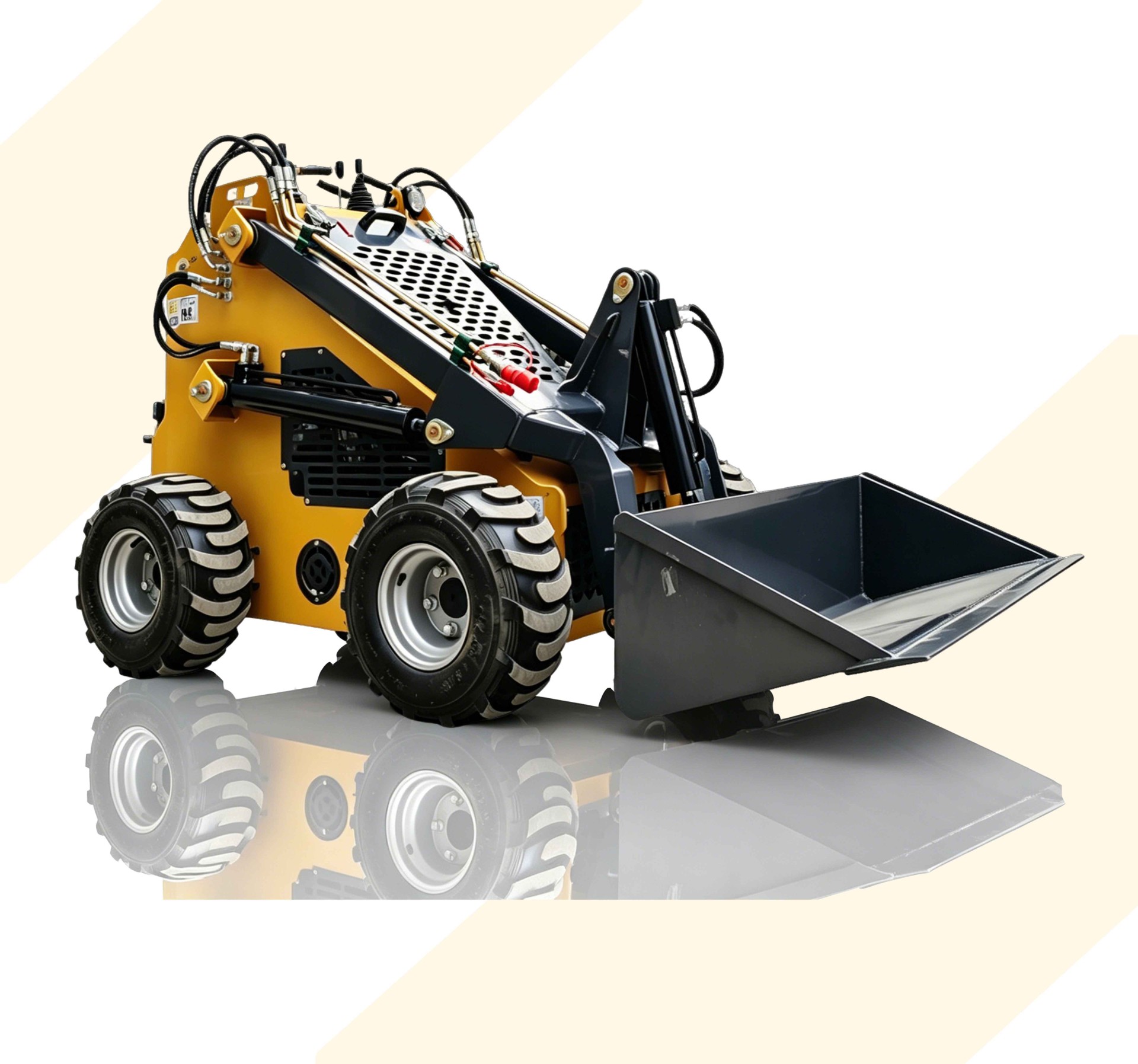
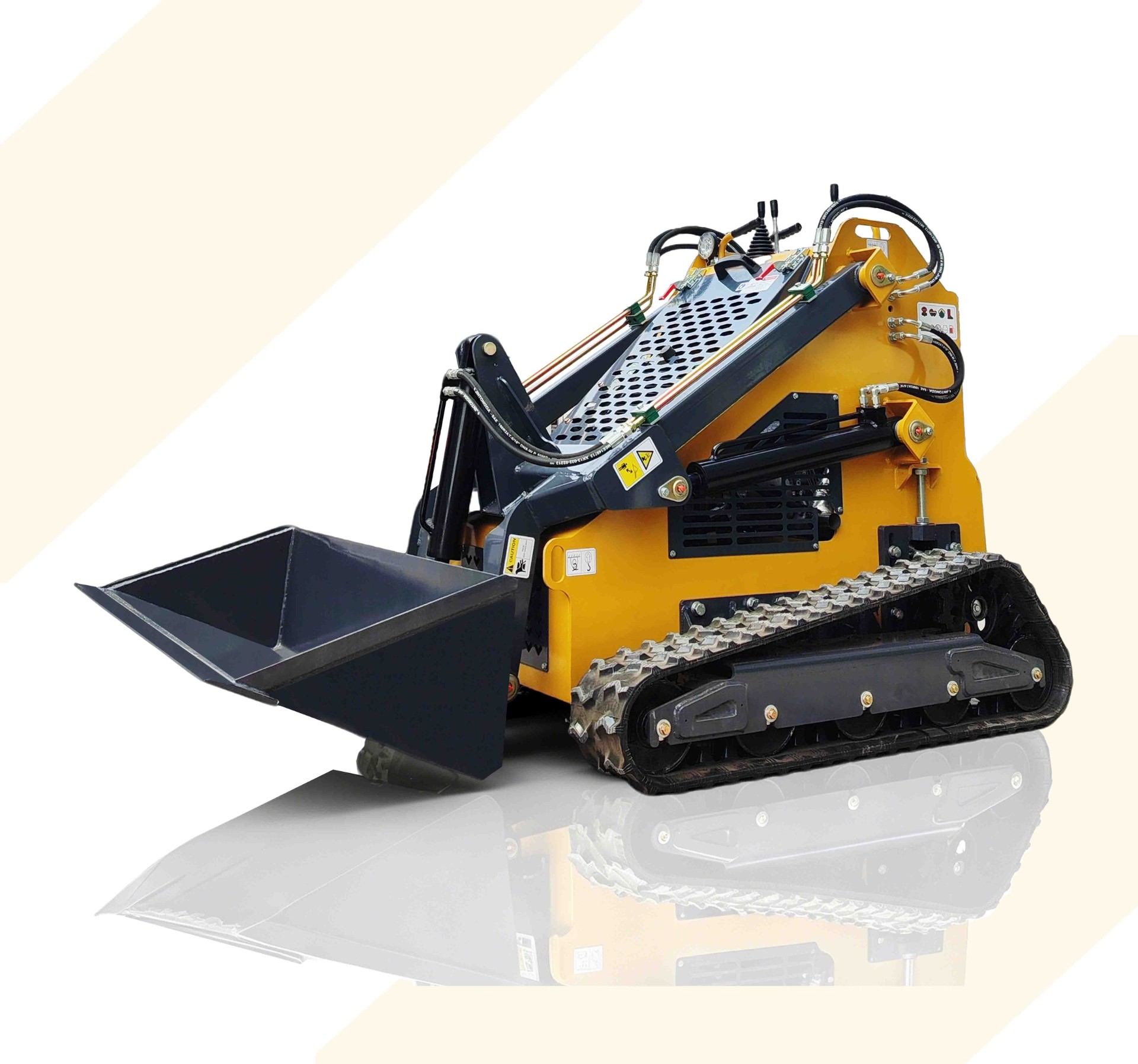
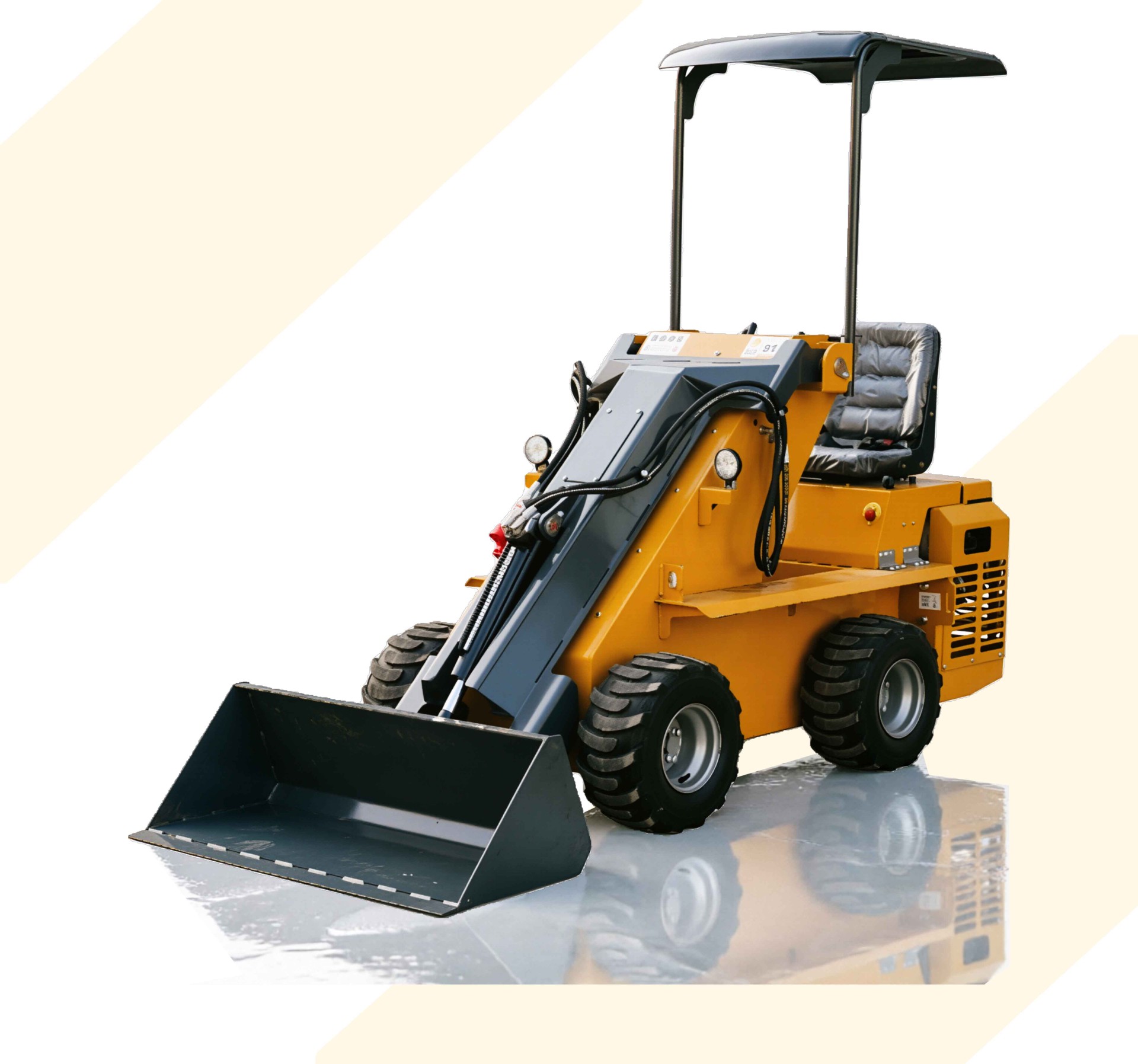
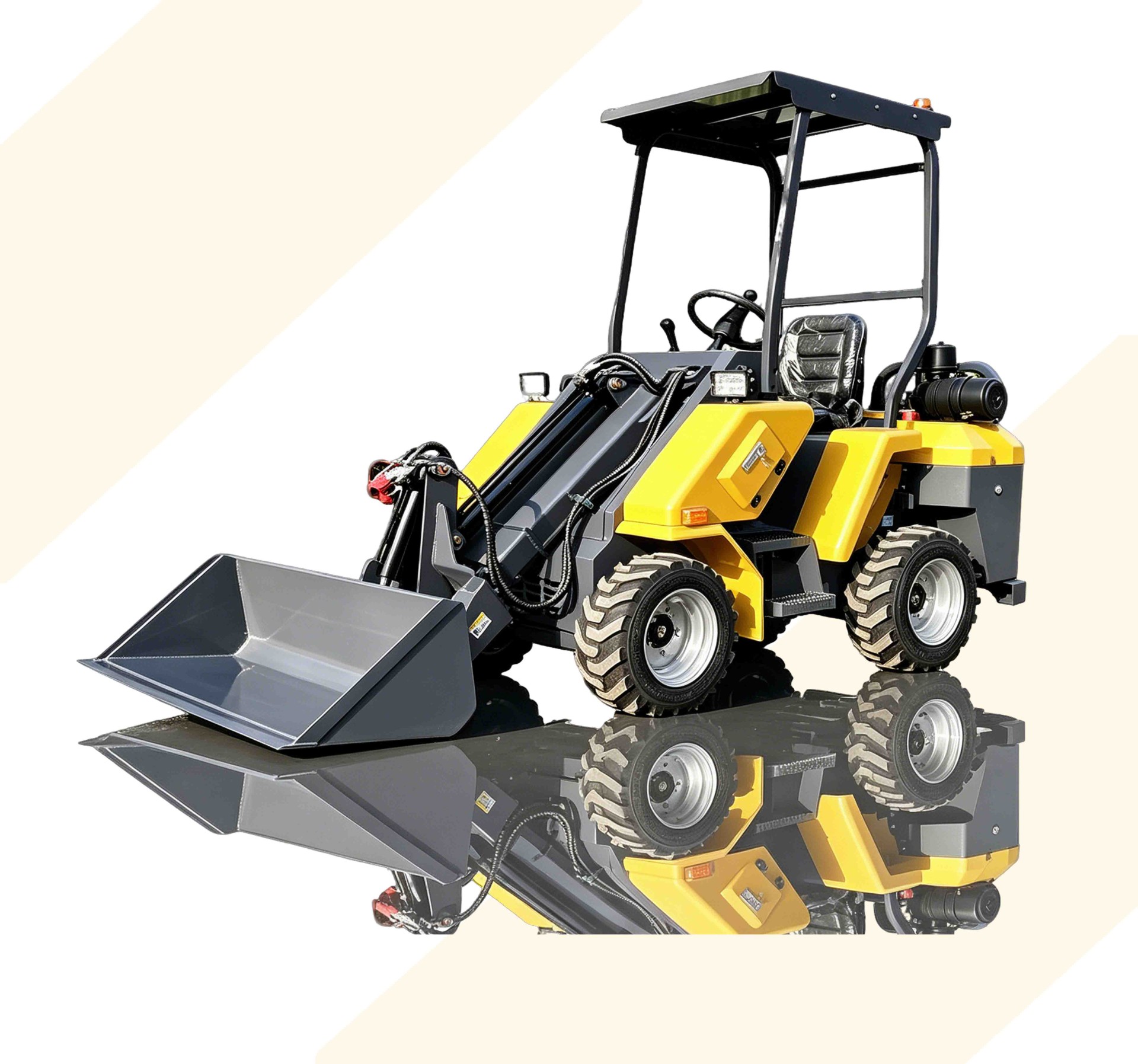
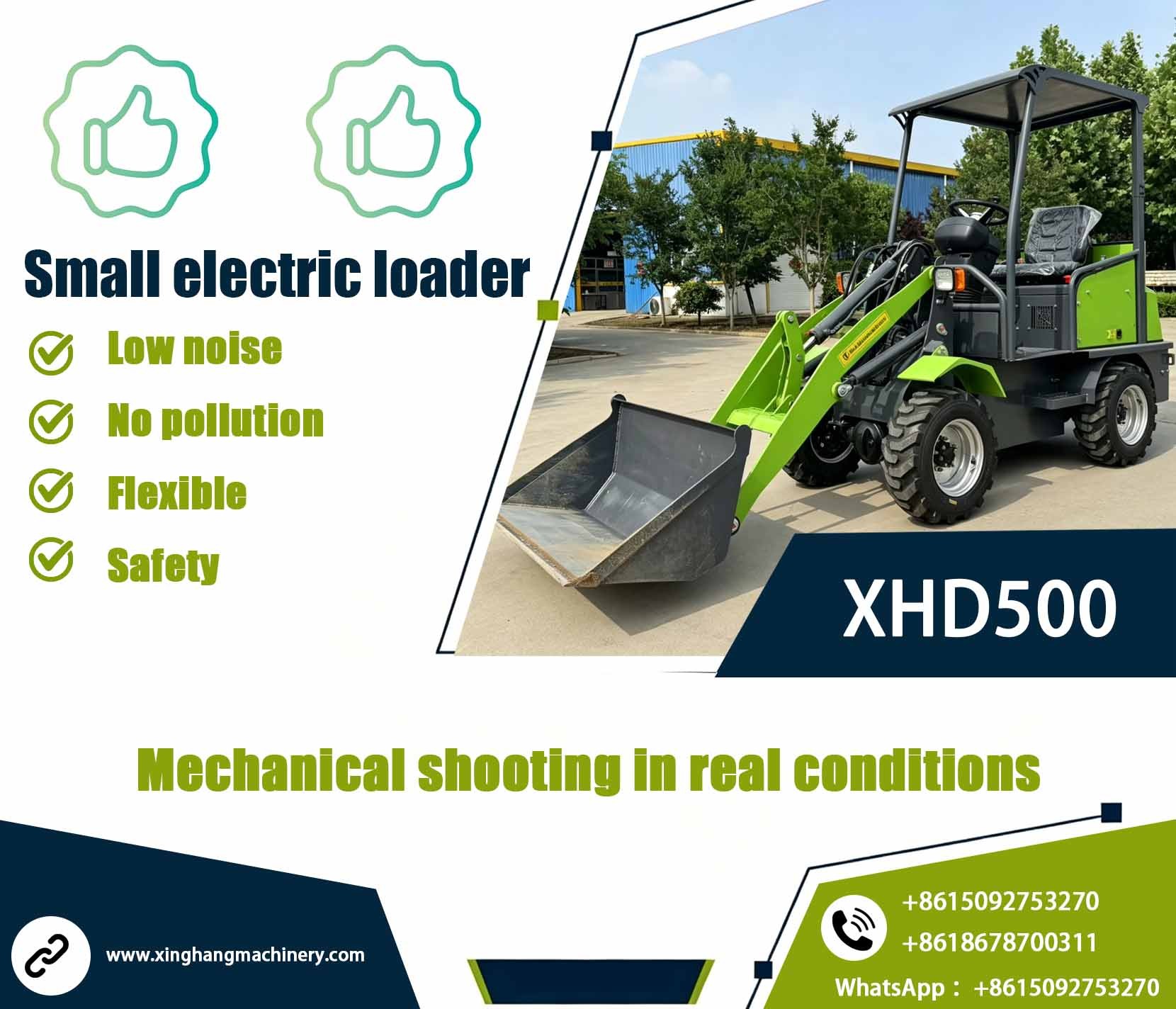
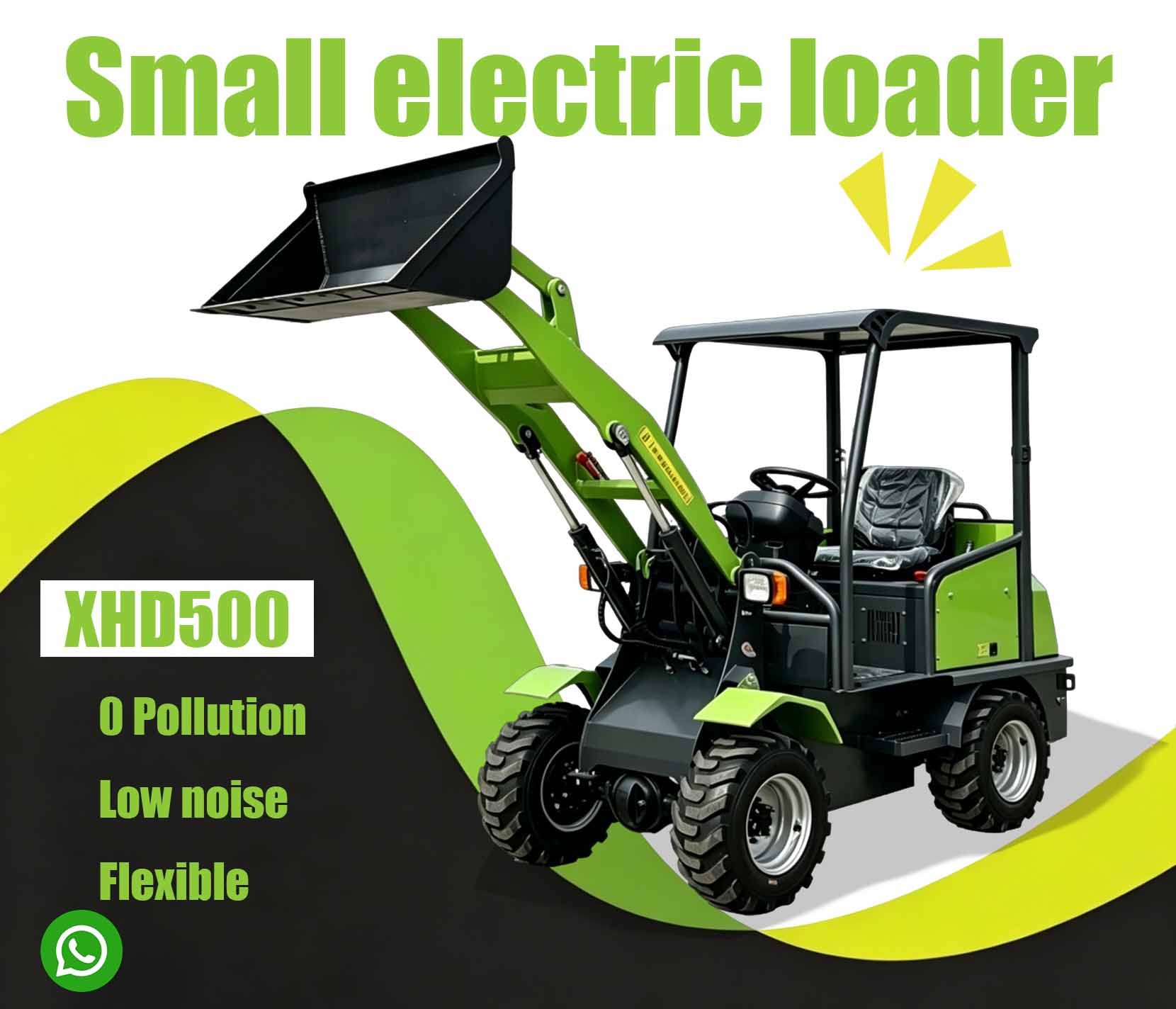
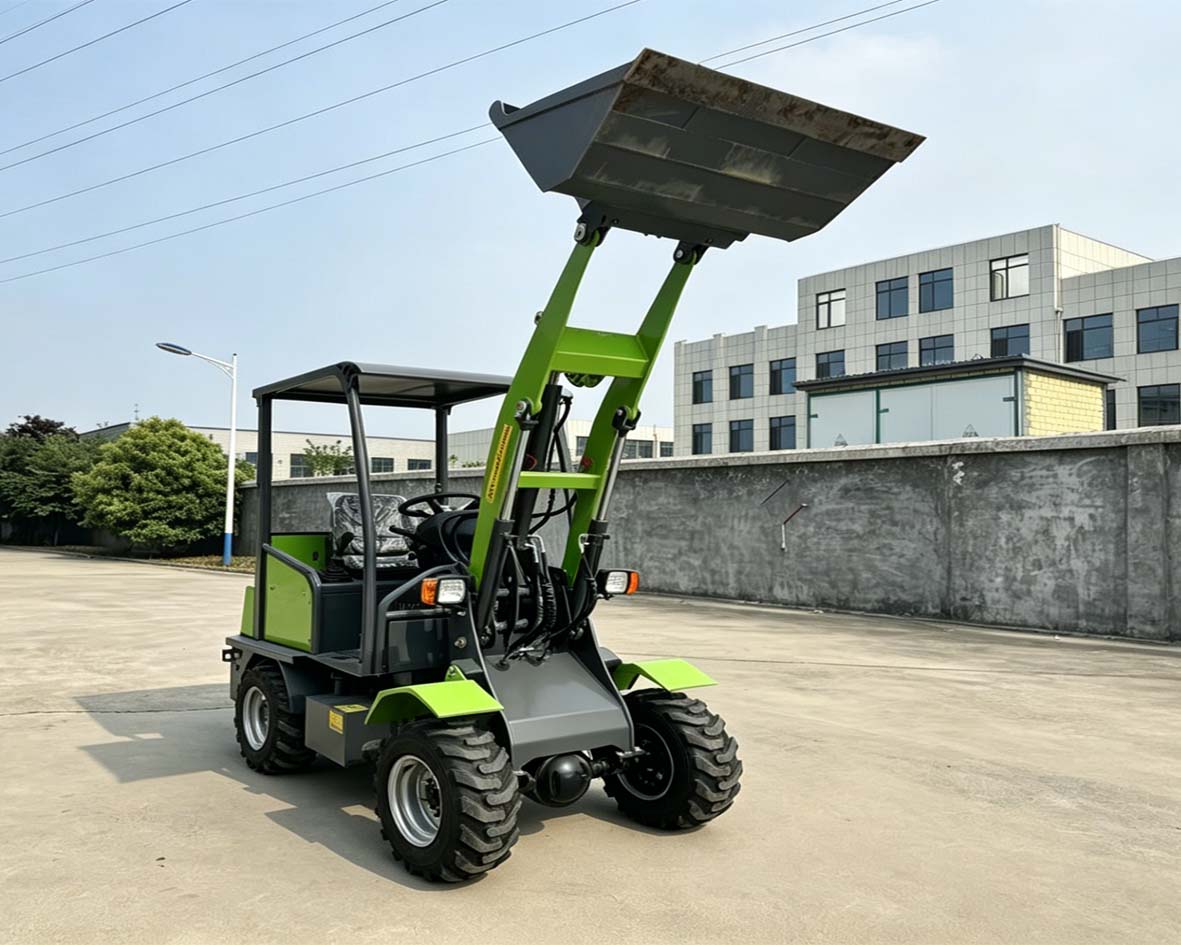
Lead with electric mini loaders, such as our XHD500 and XHDL500 series, for environmentally sensitive markets including the EU, North America, and Australasia. Offer diesel variants for price-sensitive or off-grid regions, but emphasize the superior TCO of electric models.
Certifications and Trust
Compliance with CE, ISO9001, and RoHS standards is essential. Providing clear battery recycling guidance builds trust in regulated markets.
Messaging
Sell outcomes, not just motors. Position electric loaders as tools for regulatory compliance, lower lifetime costs, safer operation in sensitive environments, and alignment with ESG goals.
Future-Proofing
Design chassis and electronics to accommodate larger battery packs, swappable modules, and telematics. This ensures your equipment evolves with advancing technology.
Chapter 6: Frequently Asked Questions
Will diesel loaders be banned soon?
They will not vanish globally, but their use will be progressively restricted, especially indoors and in cities. Low Emission Zones are expanding, making early adoption of electric equipment a smart hedge against future obsolescence.
Is electric really greener if the power plant burns coal?
Yes. Centralized power generation is significantly more efficient than millions of small combustion engines. Lifecycle studies consistently show electric vehicles outperform diesel even on coal-heavy grids, with the advantage growing as grids add more renewables.
What about very heavy equipment like 5-ton loaders or 30-ton excavators?
Pure electric penetration is slower in these segments due to battery mass constraints. Hybrid diesel-electric systems and hydrogen fuel cells are emerging solutions. Compact and mid-class machines, up to 3 tons, are the current sweet spot for pure electric—exactly where Xinghang competes.
Can new energy solve all world crises?
It directly addresses the largest controllable drivers: energy-related emissions, air quality, and fossil fuel dependence. While it cannot single-handedly solve biodiversity loss or geopolitical conflict, it removes a major exacerbating factor and frees resources to tackle other challenges.
Conclusion: The Current Flows Toward Electrification
The question is no longer whether electric is the future. Data, policy, and economics have already confirmed it for the majority of off-road applications. The real question is how fast you will adapt.
At Jining Xinghang Machinery, we believe the compact loader of tomorrow is already here—zero-emission, efficient, and built for a greener economy. Our XHD500 and XHDL500 Mini Electric Wheel Loaders embody this belief.
Choose sustainability. Choose lower TCO. Choose proven manufacturing. Choose electric. Choose Xinghang.
Contact Us
Jining Xinghang Machinery Manufacturing Co., Ltd.
Website: [insert-your-domain]
Email: [insert-email]
WhatsApp / WeChat: [insert-number]
Location: Jining, Shandong, China—Construction Machinery Capital of China