 Chinese
 English
 Russian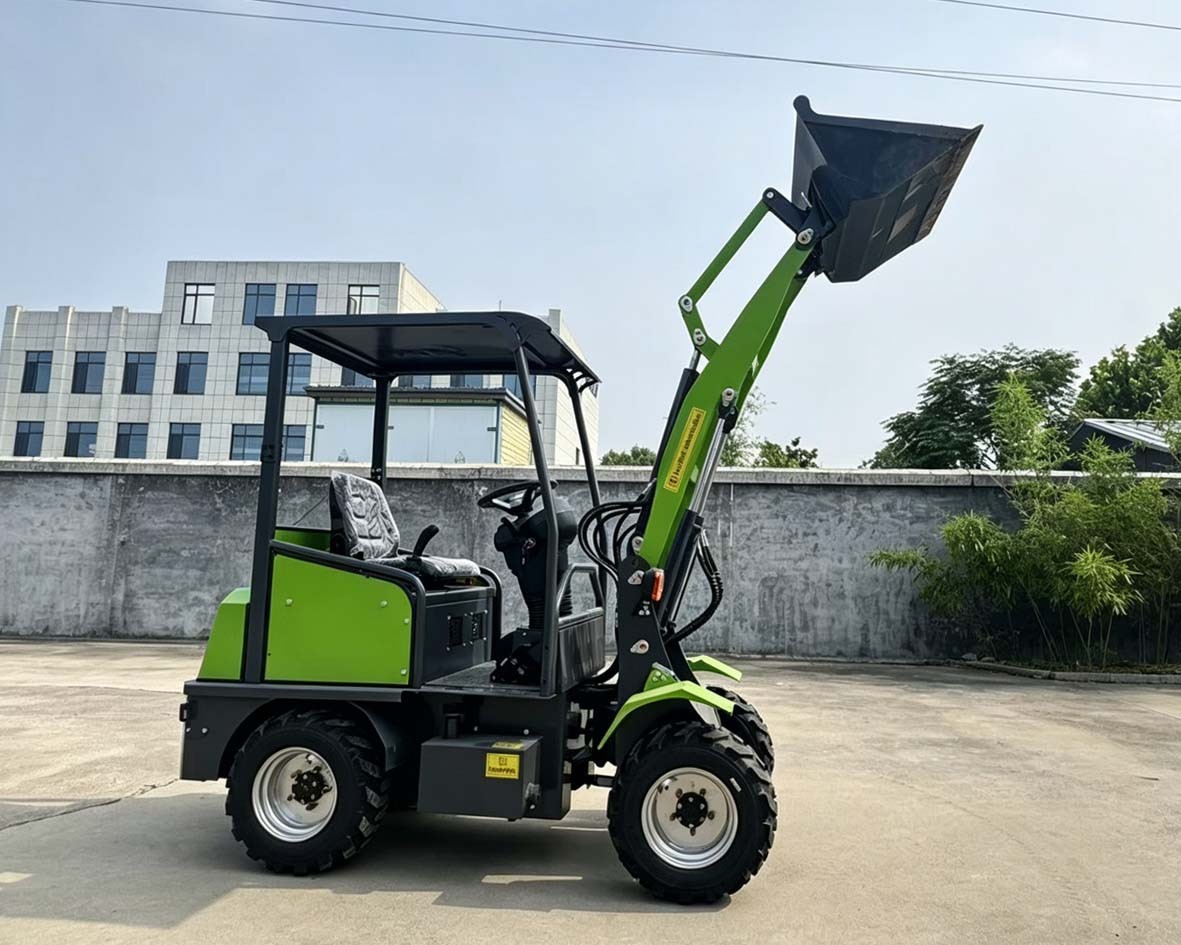
Introduction: The Hidden Bottleneck in Electric Construction Equipment
Walk into any trade show today, and you’ll see the letters “EV” everywhere. Everyone claims to have an “Electric Mini Loader.” But peel back the paint and the marketing brochures, and you’ll find a dirty secret: many of these machines are simply fitted with standard, off-the-shelf industrial motors originally designed for conveyor belts or pool pumps—not for the punishing stop-start cycles of a construction site.
When a contractor buys an electric loader, they aren’t just buying a battery on wheels. They are buying Torque. They are buying Thermal Management. And most importantly, they are buying Hours of Uptime.
At Xinghang, we realized early on that to build a truly professional-grade electric loader—the XHD500—we couldn’t rely on yesterday’s motor technology. We had to look to the automotive industry, specifically the high-performance EV sector, for inspiration. This led us to adopt Flat-Wire Motor (FWM) technology. It is the single biggest reason why the XHD500 doesn’t just survive on a job site—it thrives.
1. The Physics of Power: Round Wire vs. Flat Wire
To understand why flat-wire is superior, you first have to look inside the stator—the stationary part of the motor where the copper wiring resides. In a traditional "Round-Wire" motor, the wires are circular. When you bundle hundreds of these round wires together, you inevitably create microscopic air gaps between them. Air is an insulator, not a conductor. This wasted space limits how much copper you can physically pack into the stator.
Flat-Wire technology flips this on its head. Instead of round strands, we use rectangular copper conductors. Imagine the difference between a bundle of drinking straws versus a stack of solid chocolate bars. The flat wires fit snugly against each other, maximizing the amount of copper in the same physical space.
In engineering terms, this is called Slot Fill Factor. Standard round-wire motors typically have a slot fill factor of around 45% to 50%. Xinghang’s Flat-Wire motors push this figure to over 70%. More copper equals less resistance, higher efficiency, and exponentially more power generated from the same battery pack.
2. Heat: The Silent Killer of Electric Motors
In the world of electromagnetism, heat is the enemy. When a standard round-wire motor works hard—lifting a 500kg load or pushing through soft dirt—the resistance in those thin, round wires generates intense heat. Because of the air gaps in the windings, this heat has nowhere to go. It builds up inside the stator, leading to two catastrophic outcomes: either the motor overheats and triggers thermal shutdown (leaving the operator sitting idle), or the insulation melts, leading to permanent motor failure.
The Flat-Wire advantage here is profound. Copper is an excellent conductor of heat. By eliminating the air gaps and creating a denser, more contiguous mass of copper, the flat-wire windings act like a giant heat sink. Heat dissipates rapidly away from the core.
Furthermore, the increased surface area of the flat conductors allows for more effective cooling integration. This means the XHD50 can sustain high-torque output for longer periods without breaking a sweat. While a competitor’s electric loader might need a "cool-down" break after an hour of heavy lifting, the XHD50 keeps working. For a contractor, this translates directly into more cubic yards moved per charge and more dollars earned per day.
3. Torque Density: Doing More with Less
Construction equipment lives and dies by torque—the twisting force that gets the machine moving and lifts the bucket. Traditionally, to get high torque from an electric motor, you needed a large, heavy frame. This is a problem for compact loaders where space and weight are at a premium.
Flat-Wire motors provide a phenomenon known as High Torque Density. Because the windings are packed so tightly and cooled so effectively, the motor can handle much higher electrical currents without damaging itself. This results in a significant boost in low-RPM torque—the exact kind of power needed to break ground, climb ramps, or lift a half-ton of gravel.
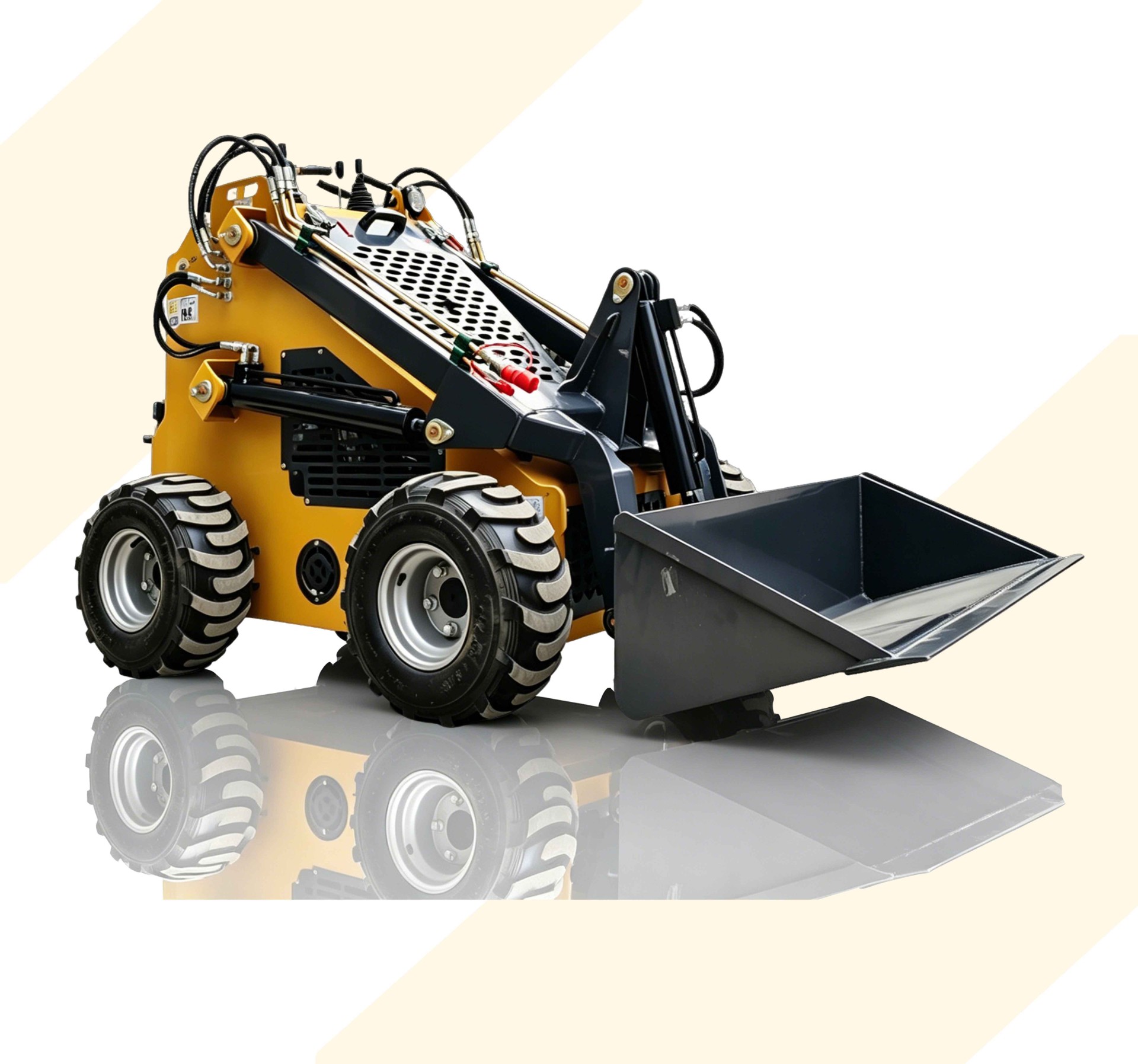
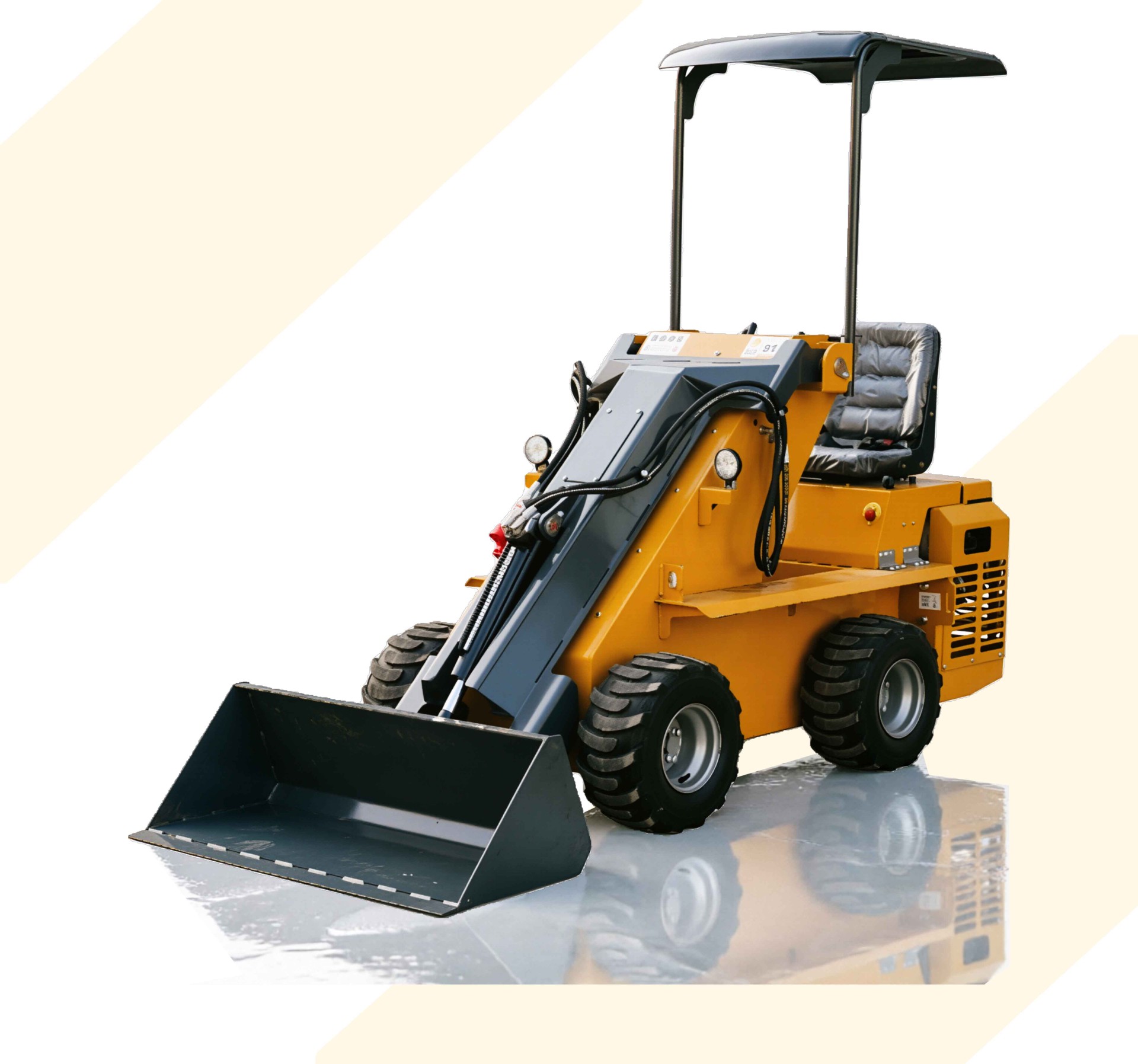
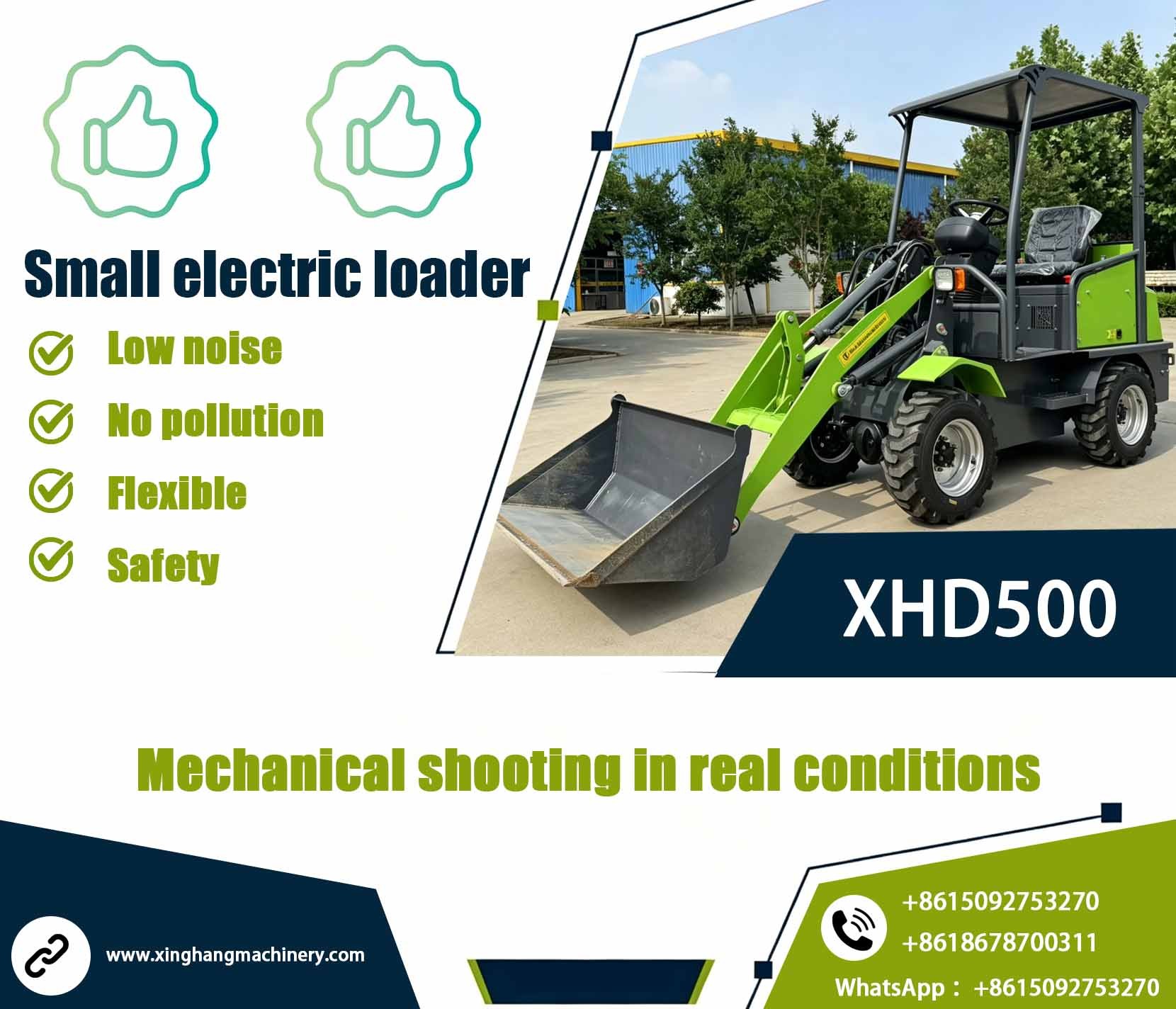
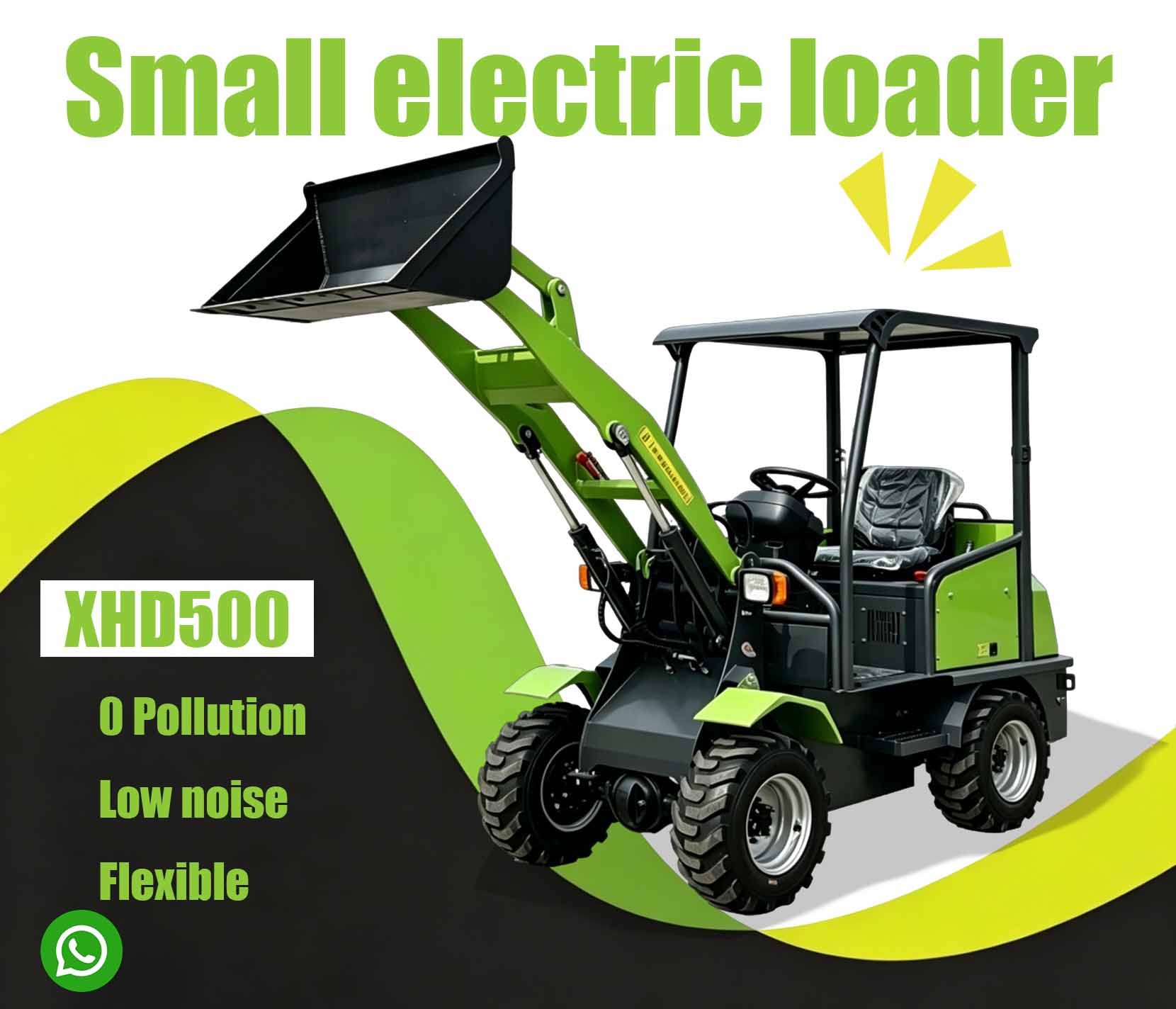
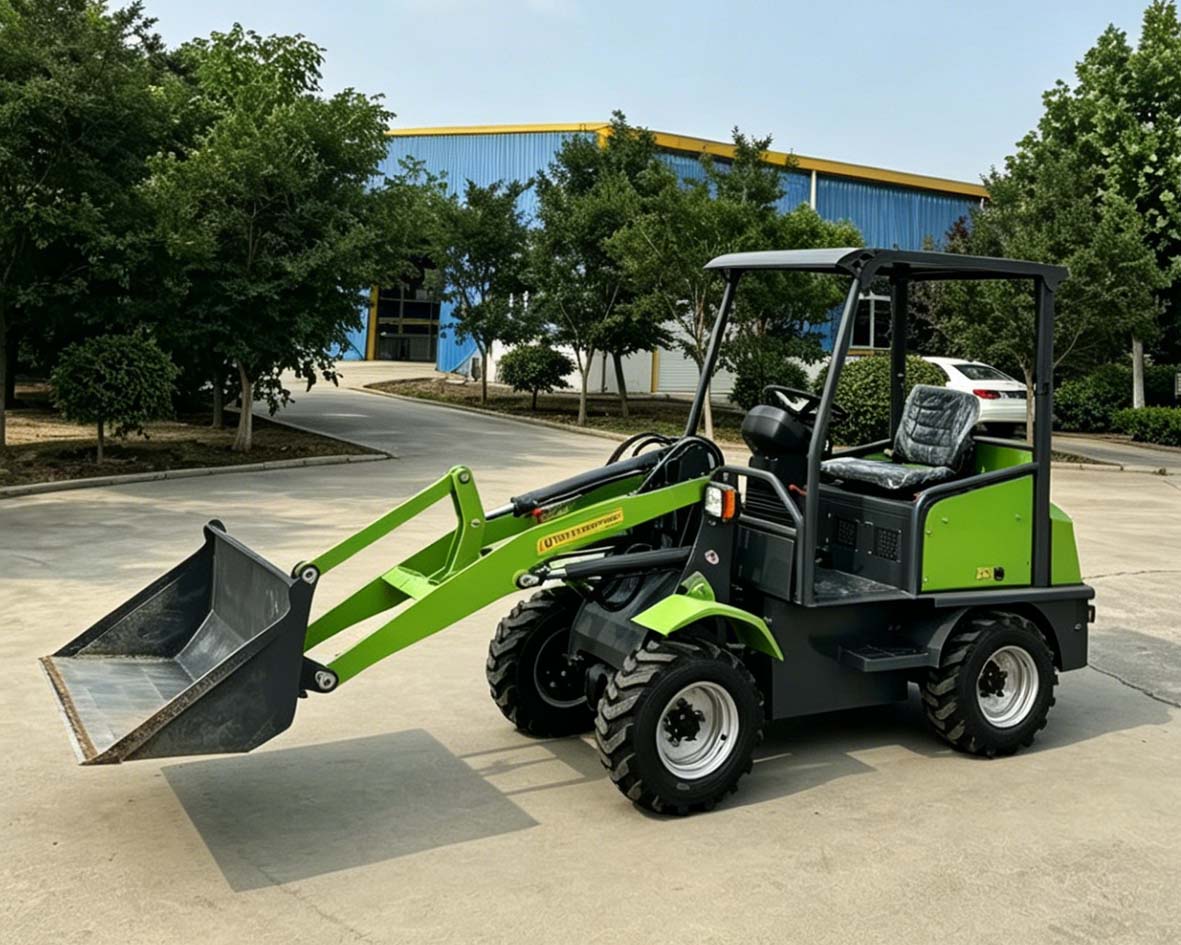
The XHD500’s 4KW flat-wire drive motor and 3KW lift motor deliver a responsiveness that operators accustomed to diesel engines immediately notice. There is no lag. Power is instantaneous and constant. This allows the XHD50 to perform tasks that would typically require a much larger, heavier machine, all while maintaining its signature narrow 1060mm width.
4. Efficiency and Battery Life: Stretching the Workday
Range anxiety is real in construction. A loader that runs out of juice at lunchtime is useless. Because Flat-Wire motors are so much more efficient at converting electrical energy into mechanical motion, less energy is wasted as heat.
Think of it like fuel economy in a car. Two vehicles with the same size gas tank; the one with the more efficient engine travels farther. Similarly, the XHD500 equipped with Flat-Wire technology achieves a longer runtime on its 64V/280Ah LiFePO? battery pack compared to a round-wire motor using the same battery.
In practical terms, this means the XHD500 can often handle a full 8 to 10-hour work shift on a single charge under normal intermittent use. For a rental house or a contractor, this reliability is paramount. It means the machine can be deployed in the morning and picked up in the evening without the logistical nightmare of mid-day charging or battery swaps.
5. Durability and Vibration Resistance
Job sites are violent environments. Constant vibration from driving over rough terrain and the shock loads from hitting the ground when lowering a bucket can destroy delicate components. Traditional round-wire motors often suffer from "wire fretting," where the constant micro-movement of the wires inside the stator causes insulation wear and eventual short circuits.
The structural rigidity of Flat-Wire windings provides a distinct advantage. The rectangular shape and tighter packing mean the windings are physically locked in place. They don't rattle. They don't shift. This robustness ensures a longer service life and reduces the likelihood of downtime due to electrical faults—a critical consideration for anyone operating in remote locations or on tight deadlines.
6. Why Xinghang Invested in Flat-Wire Technology
Adopting Flat-Wire Motor technology wasn't the easy route. It requires sophisticated manufacturing processes, including specialized automated winding machines and precise laser welding techniques. It costs more to produce than bolting in a generic round-wire motor.
However, at Xinghang, we view this as a necessary investment in our customers' productivity. We didn't set out to build a "compliance-only" electric loader that merely meets emission standards. We set out to build a machine that could stand toe-to-toe with diesel in terms of performance, yet offer the zero-emission benefits of electric.
The XHD500 is the result of that philosophy. The flat-wire motor is the heart of that machine. It is why the XHD500 is trusted in sensitive environments like food processing plants and pharmaceutical facilities where reliability is non-negotiable. It is why it is becoming the preferred choice for contractors who value performance over gimmicks.
Conclusion: Don't Be Fooled by "Electric"
The transition to electric equipment is inevitable, but not all transitions are equal. When evaluating an electric mini loader, don't just ask about the battery voltage or the brand of the controller. Ask about the motor technology.
If the manufacturer struggles to explain the difference between round-wire and flat-wire, they are likely selling you a repackaged industrial fan motor. If they proudly showcase their flat-wire technology, like we do with the XHD50, they are selling you a machine built for the future of heavy industry.
Invest in technology that works as hard as you do. Invest in the efficiency, power, and reliability of Flat-Wire.
?? Contact Xinghang Machinery today to learn more about the XHD50 Electric Mini Loader and experience the flat-wire difference for yourself.
Small Machine, Giant Power — Engineered with Intelligence.