 Chinese
 English
 Russian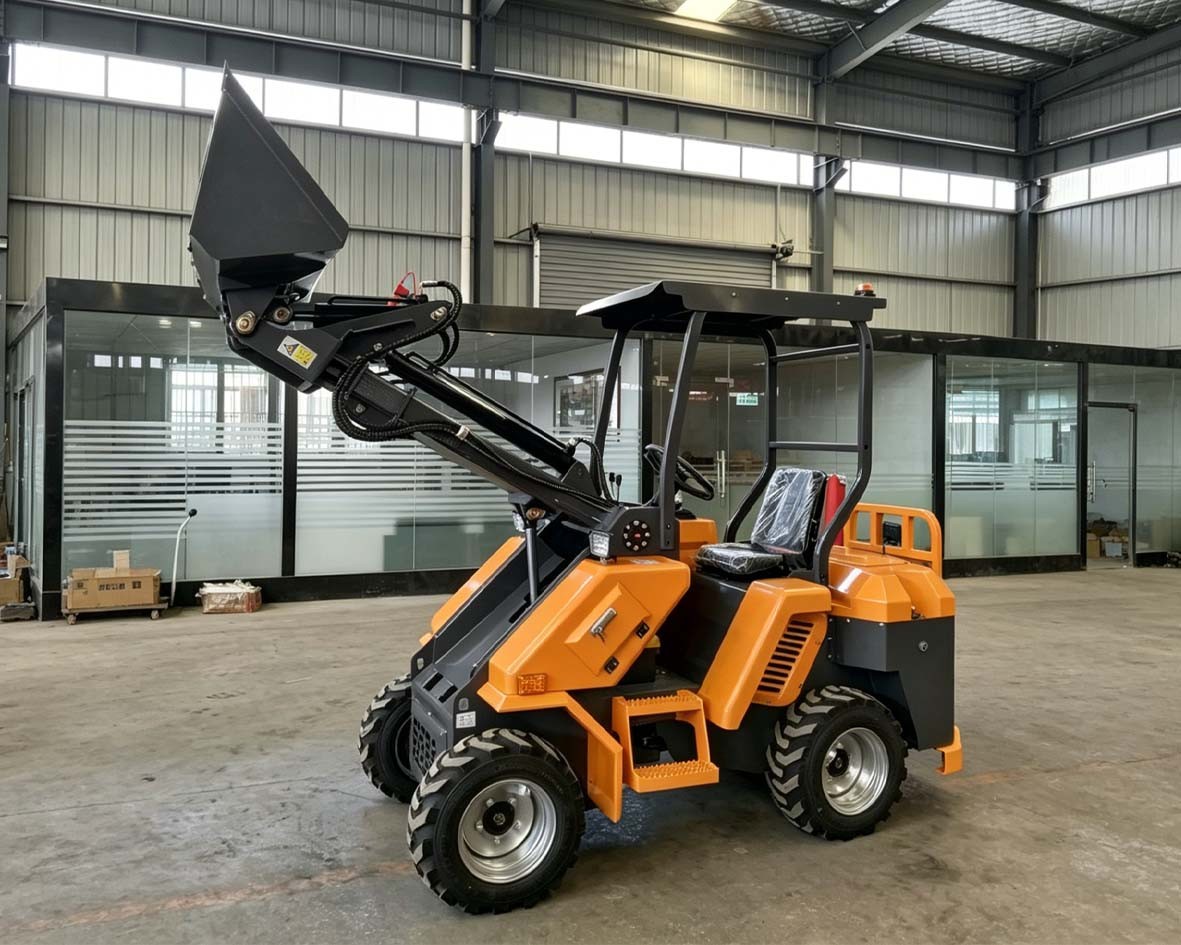
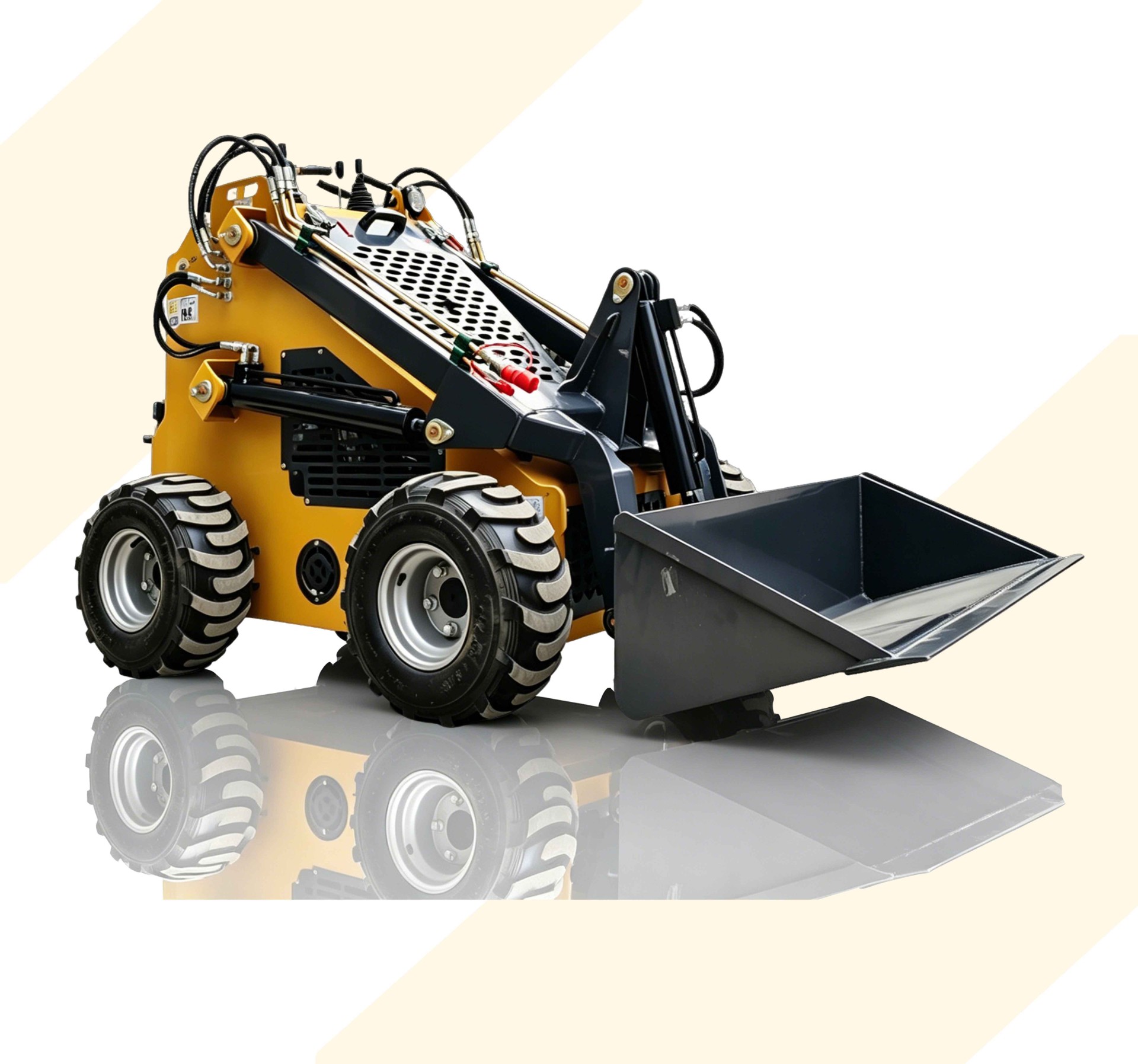
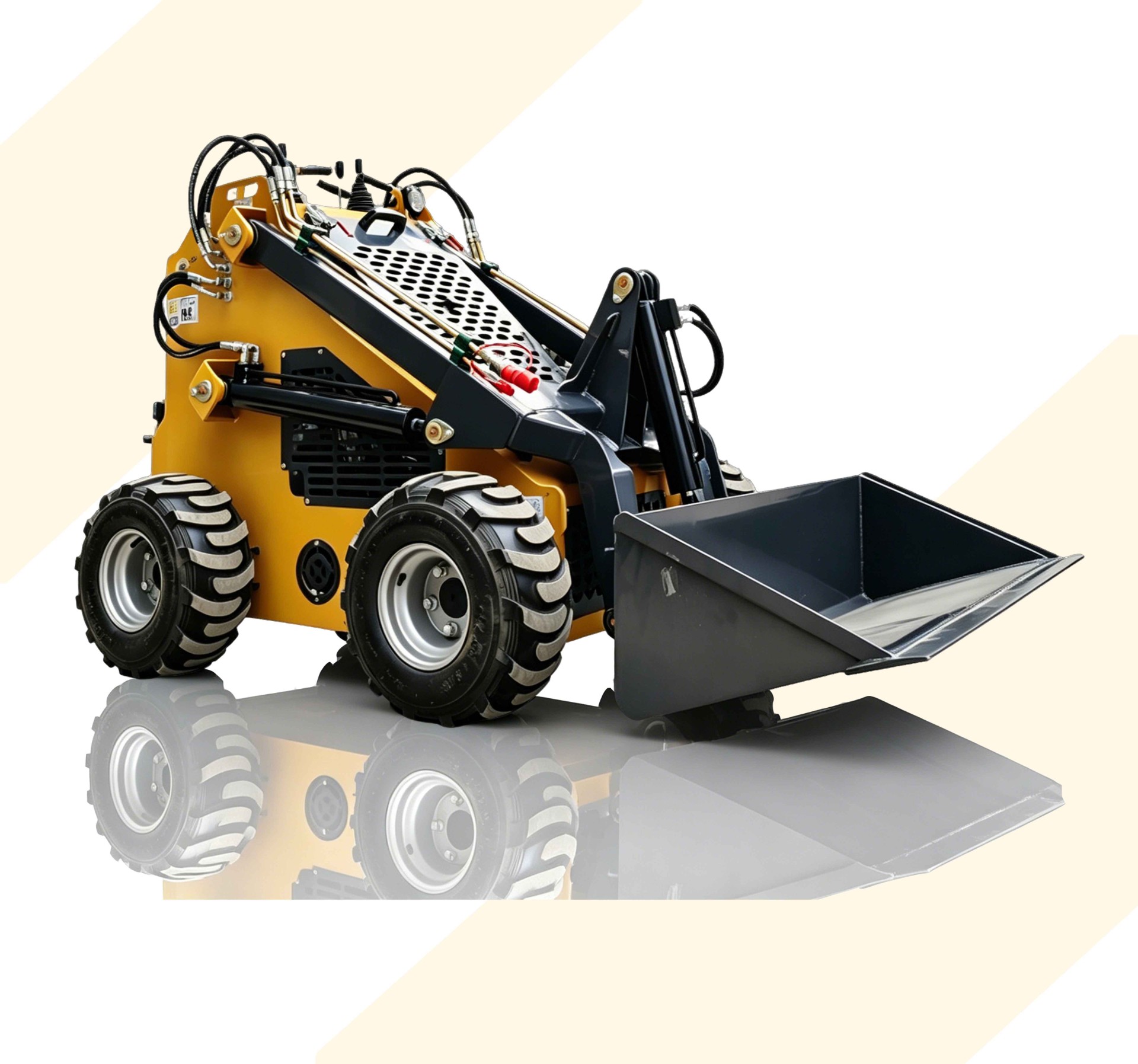
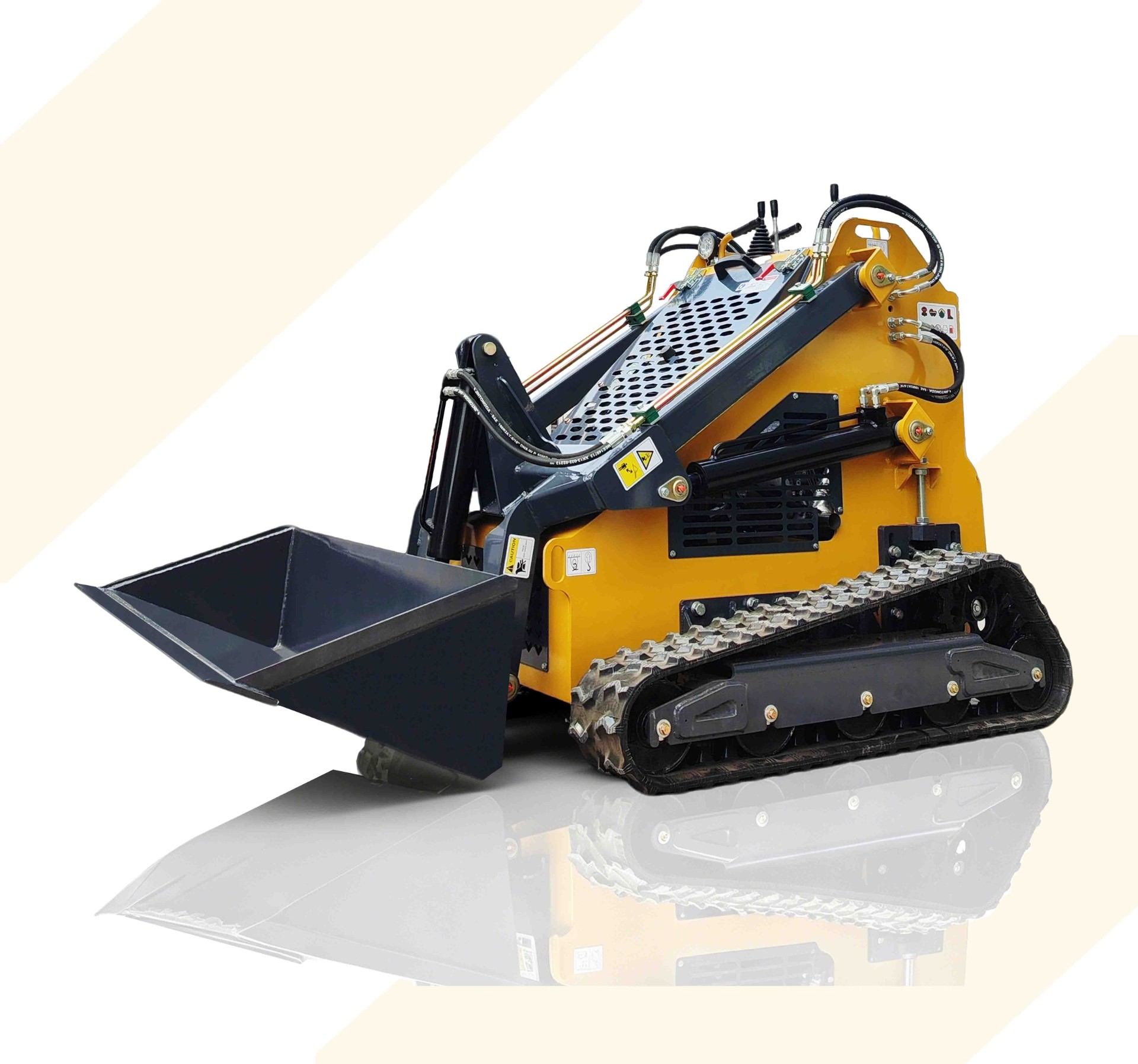
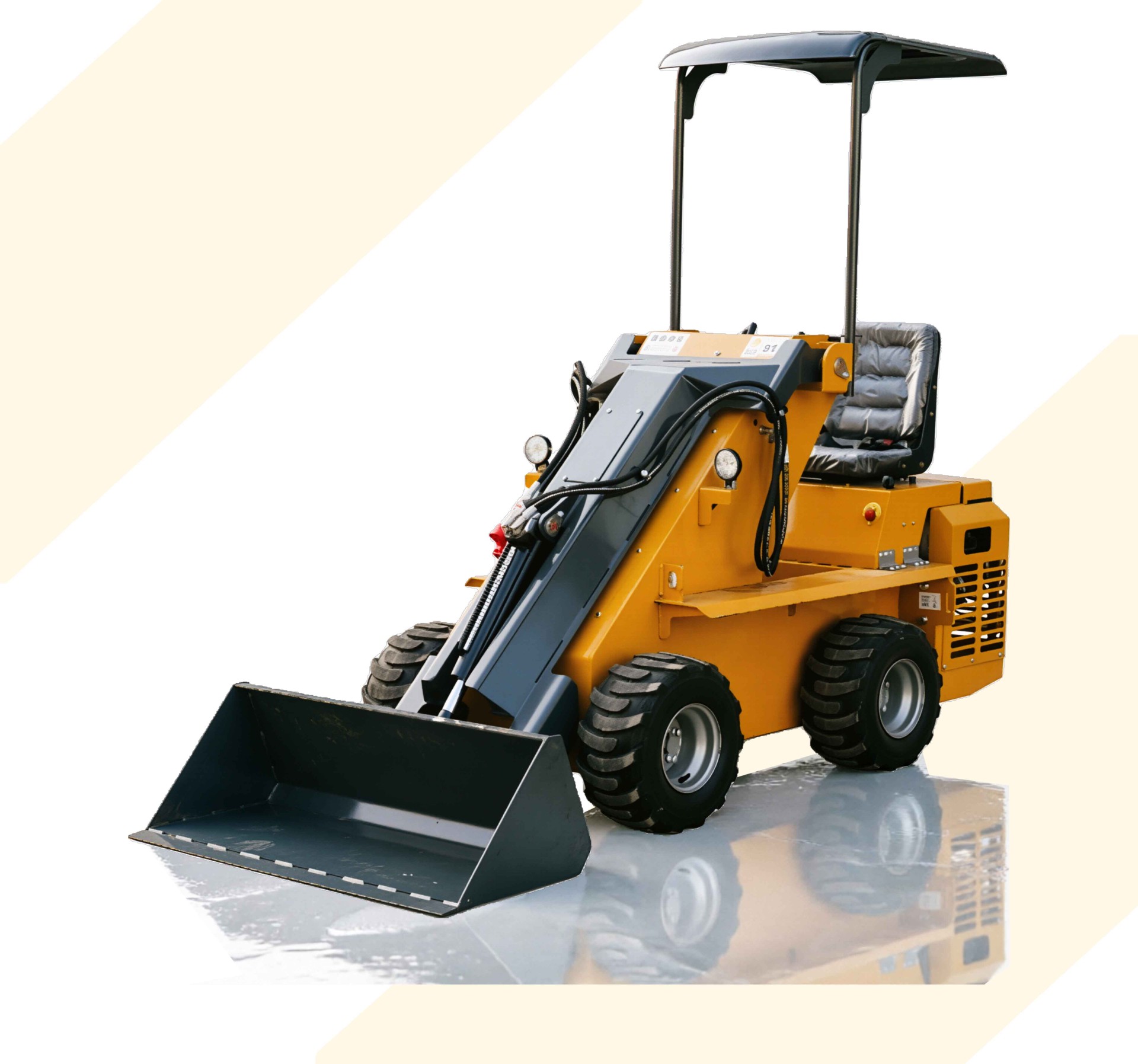
What Makes the XHS30 Telescopic Boom Loader a Smart Investment
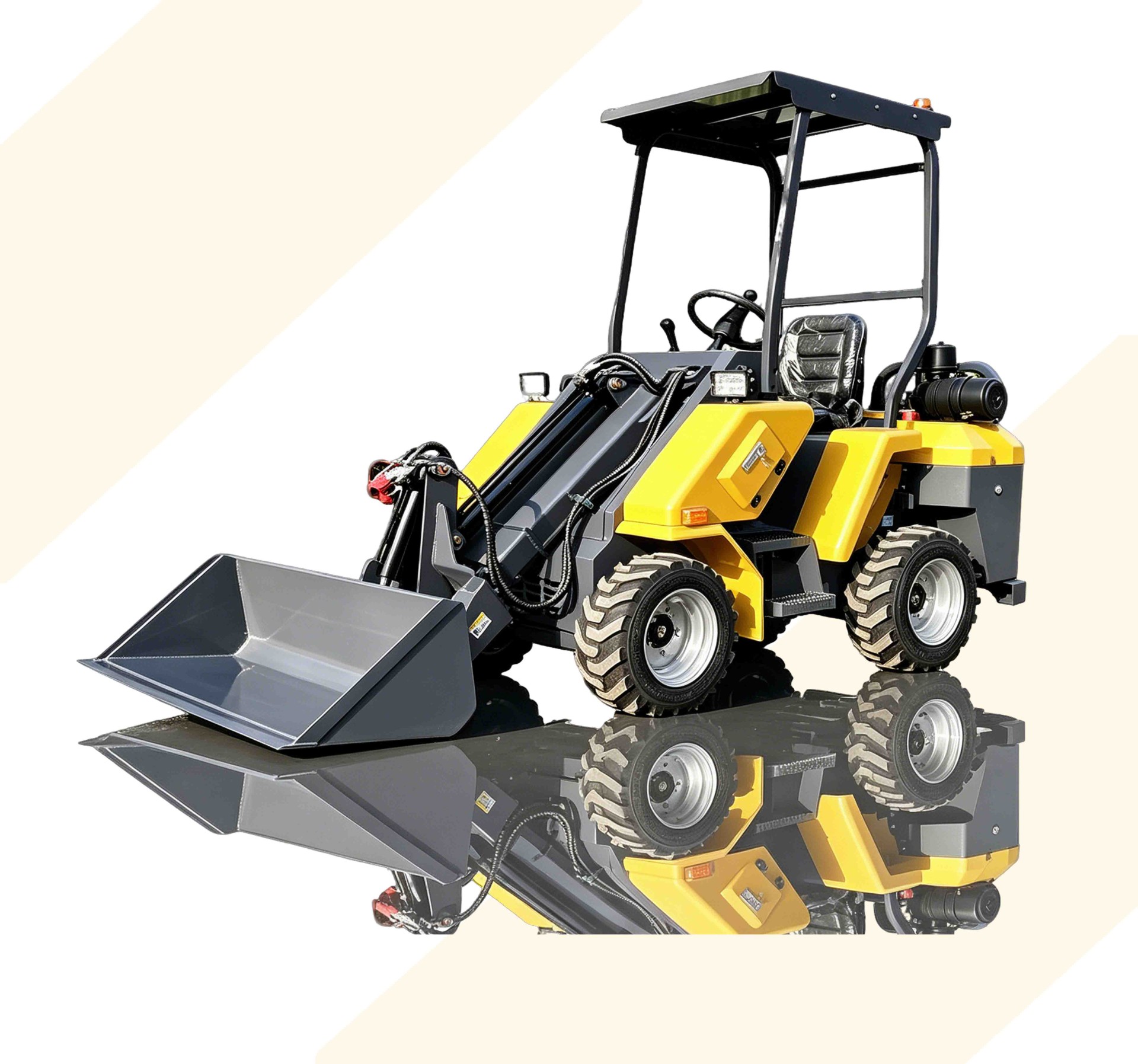
Investing in a compact telescopic boom loader such as the XHS30 from Xinghang Machinery is often driven by the need to combine three things: small footprint, extended material placement reach, and multi-function versatility. For small contractors, livestock farmers, landscape gardeners, and equipment rental businesses, the XHS30 delivers a compelling balance of price, capability, and maneuverability compared to full-size telehandlers or fixed-arm skid steers that may be too wide or lack vertical lift height.
Below we explore the main advantages of the XHS30 platform, the operational limitations buyers should be aware of, and the typical job sites where this machine excels.
Five Key Advantages of the XHS30 Telescopic Loader
First, the extended working range is the primary benefit. The secondary telescopic section allows the loader to reach forward approximately 570 mm and achieve a higher dump height when extended. This means fewer machine repositioning moves when loading a truck from ground level or placing pallets on a high shelf in a warehouse. Compared with a same-size fixed-arm loader, the XHS30 can serve both ground-level and elevated material handling tasks on the same site.
Second, the articulated steering design gives the XHS30 a tight turning radius relative to its length. With a body width under 1.3 meters, it passes through standard barn doors, greenhouse aisles, and narrow urban alleyways where larger telehandlers cannot enter. The low profile (2250 mm height) also permits work inside buildings with low overhead clearance.
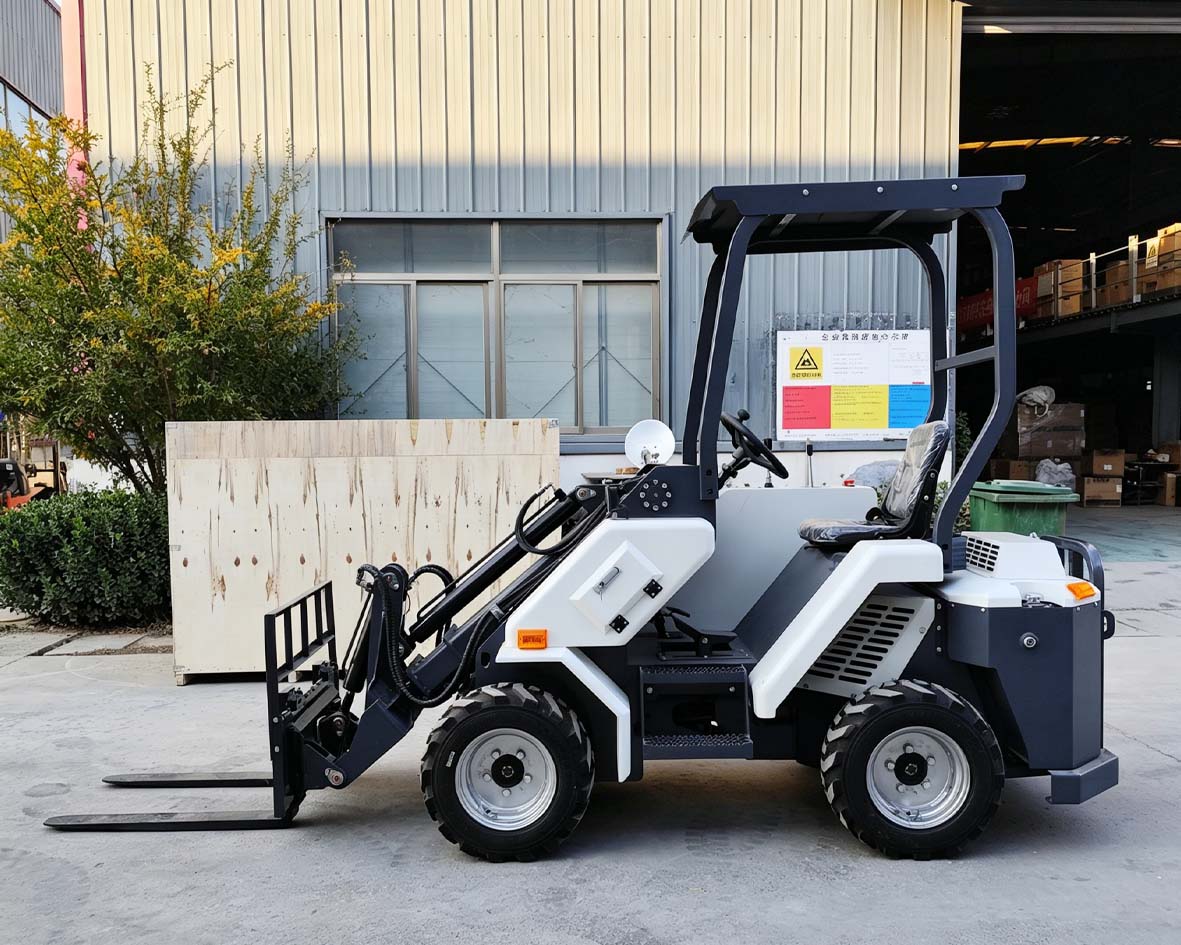
Third, attachment versatility adds year-round utility. Using the universal quick-coupler, operators can switch between a 0.3 m3 bucket, bale fork, pallet fork, hydraulic grapple, auger drive, breaker, or angle broom within minutes. On a farm this means moving feed in the morning, cleaning pens in the afternoon, and drilling fence post holes the next day—all with one machine.
Fourth, controls are designed for ease of use. The hydraulic pilot joystick integrates boom lift, tilt, and extension into ergonomic movements. New operators typically become competent after a short on-site orientation. This lowers training cost for businesses hiring seasonal staff.
Fifth, total cost of ownership is favorable for SMEs. Purchase price, fuel consumption (small 26 HP class engine), and routine maintenance are all lower than for a full-size telehandler or dedicated skid steer loader with comparable reach. For rental fleets the XHS30 offers an attractive ROI thanks to broad cross-industry appeal.
Known Limitations and Safe Operation Guidelines
Prospective buyers must also understand the trade-offs inherent to a compact telescopic design. The most critical point is forward stability. When the boom is fully extended and raised, the center of gravity shifts forward. The rated load in this configuration drops substantially versus the retracted-arm condition. Operators must consult and adhere to the supplied load chart—never lift beyond the indicated capacity for a given boom angle and extension. Failure to do so increases risk of forward tipping, especially on uneven ground.
Mechanically, the telescopic section introduces additional seals, slide blocks, and a second hydraulic cylinder compared to a fixed arm. While modern designs are robust, this does mean slightly more frequent greasing of the extension rails and periodic inspection for cylinder seal wear or contamination. The hydraulic system is also working harder when simultaneously lifting and extending under load, so cycle times may be marginally slower than a short-arm loader of equal pump capacity.
Ground clearance at 190 mm is adequate for paved or firm surfaces but not intended for deep mud ruts or rocky quarry floors. Although equipped with 4-wheel drive, the XHS30's lighter weight (approx. 1450 kg) means it can bog down in very soft ground where a heavier machine would float better. Finally, operators should receive basic instruction on the relationship between boom extension, lift height, and permissible load—something Xinghang Machinery covers in its English-language operation manual and can support with safety decals for the machine.
Recommended and Not Recommended Applications
The XHS30 is well suited to: building material yards for loading sand/gravel into high-sided lorries or stacking bags on pallets; livestock farms for moving feed, bedding, and manure with fork or grapple; nurseries and landscaping for transporting soil, mulch, and plants; municipal departments for street sweeping with broom attachment or light snow removal; and warehouse or factory internal material transfer where aisle width permits.
It is NOT recommended for: heavy earthmoving such as deep excavation or large-scale grading; operation in deep excavations where overhead protection differs from ROPS/FOPS standards supplied; or prolonged high-cycle lifting at full extension with maximum rated reduced load—such duty is better served by a larger certified telehandler. Used within its design envelope, however, the XHS30 provides excellent value and functionality.