 Chinese
 English
 Russian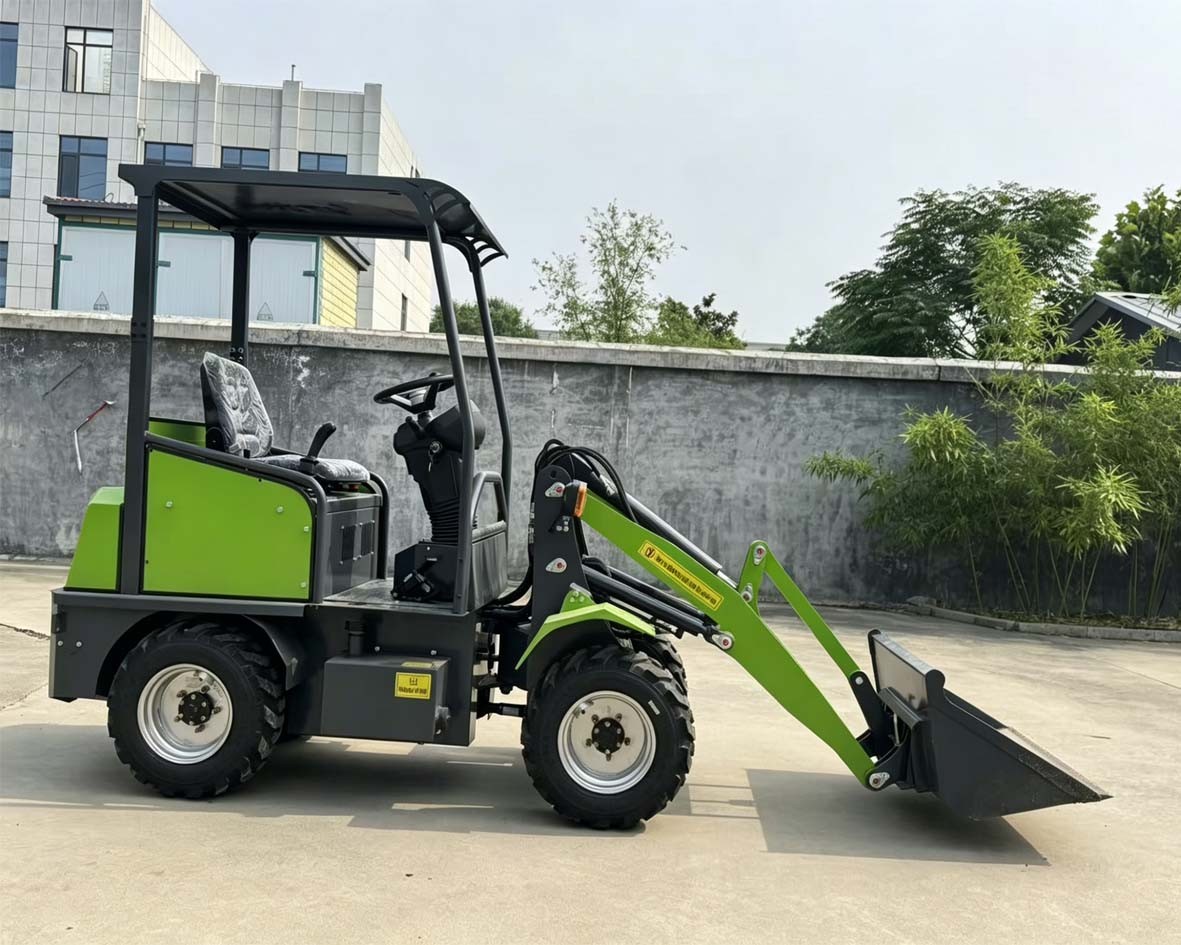
The Global Urgency of Emission Reduction
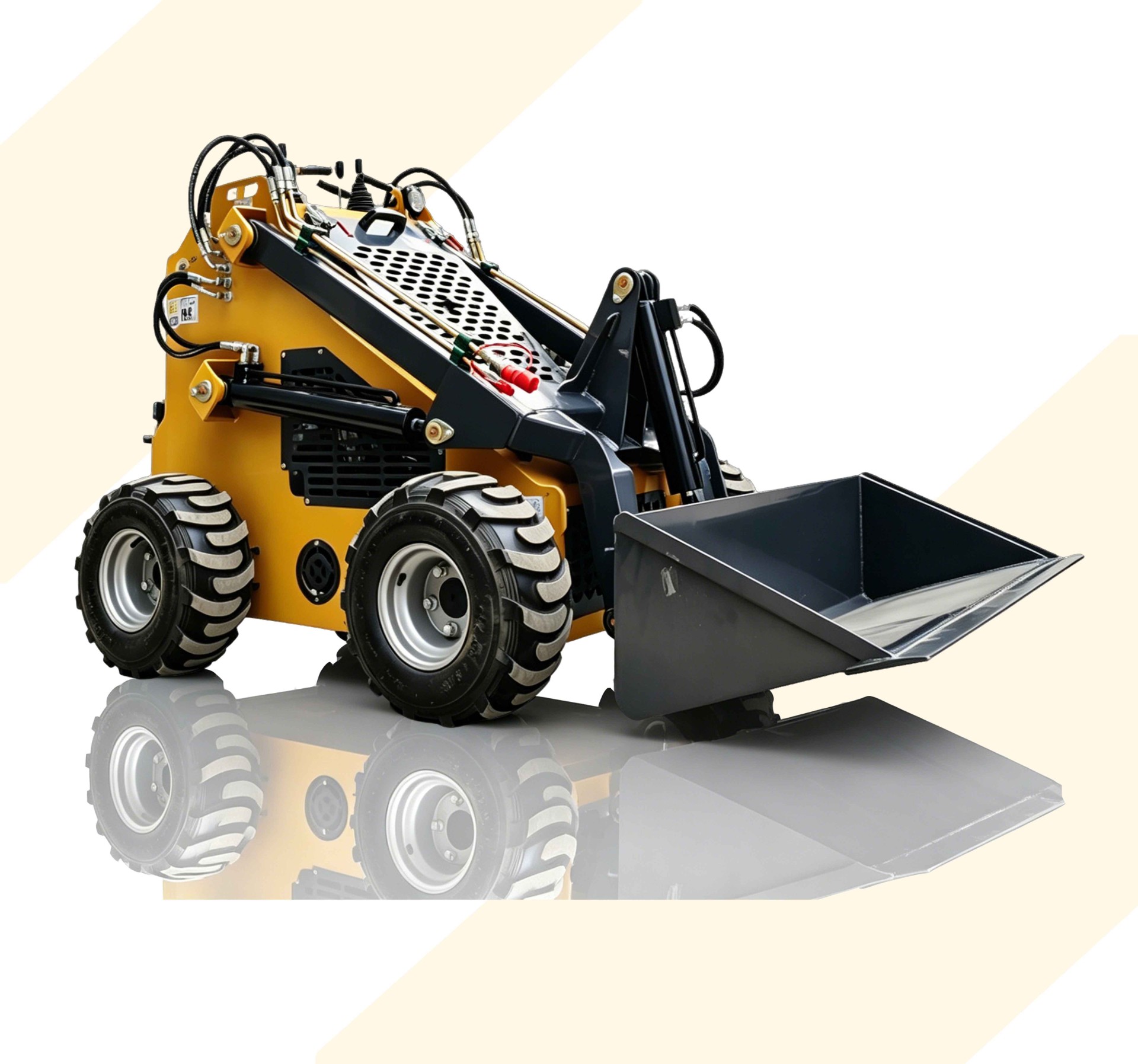
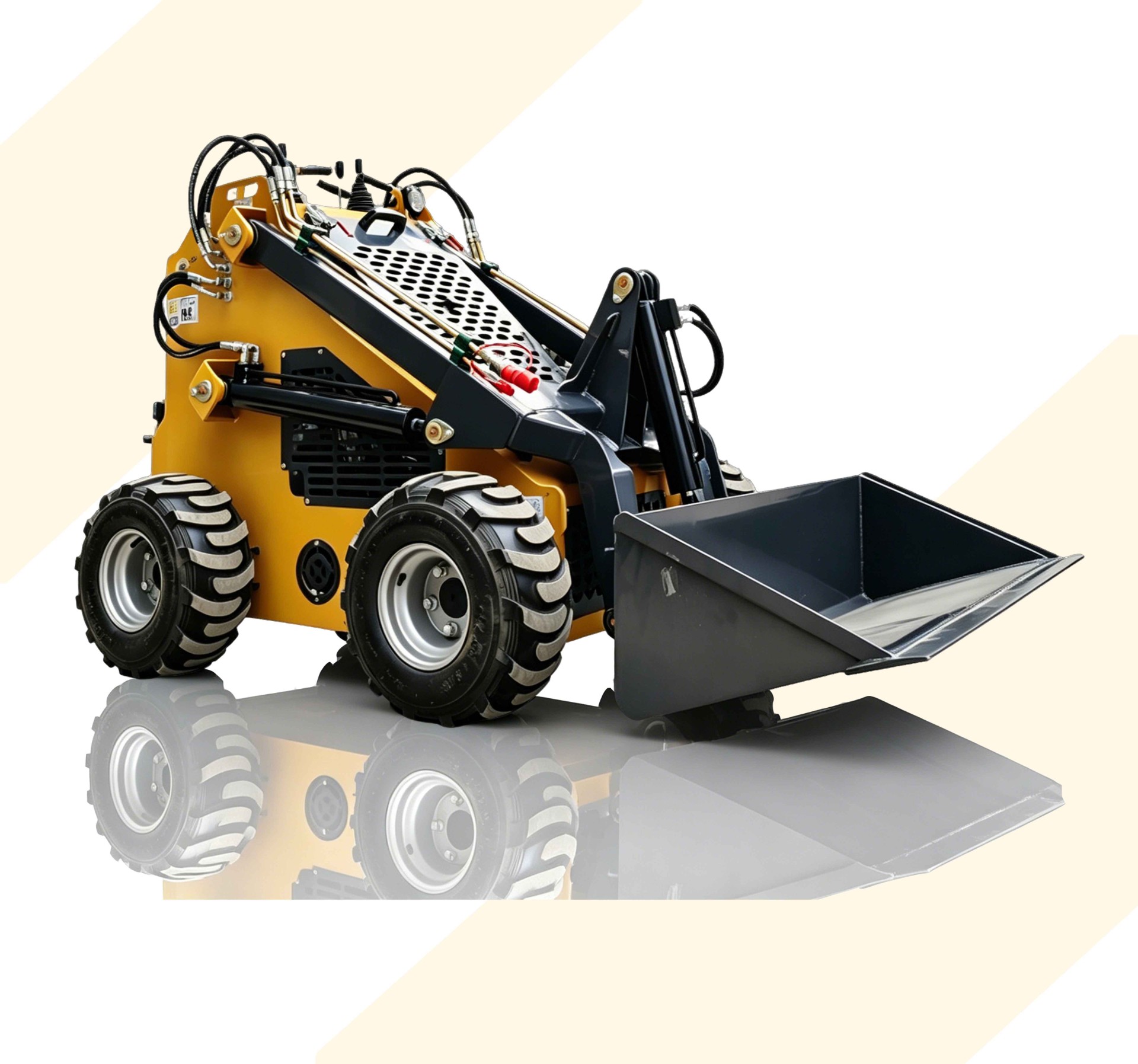
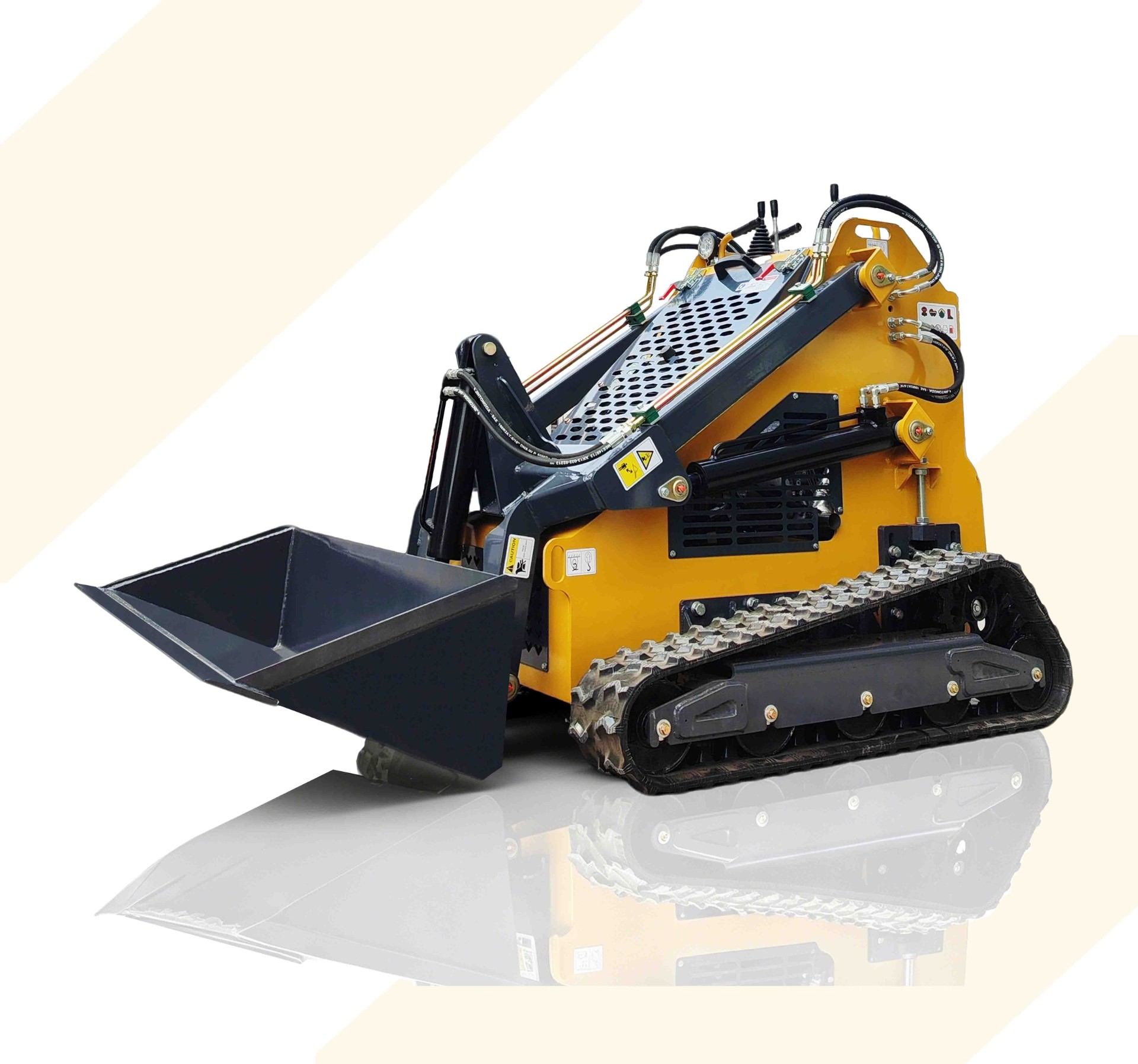
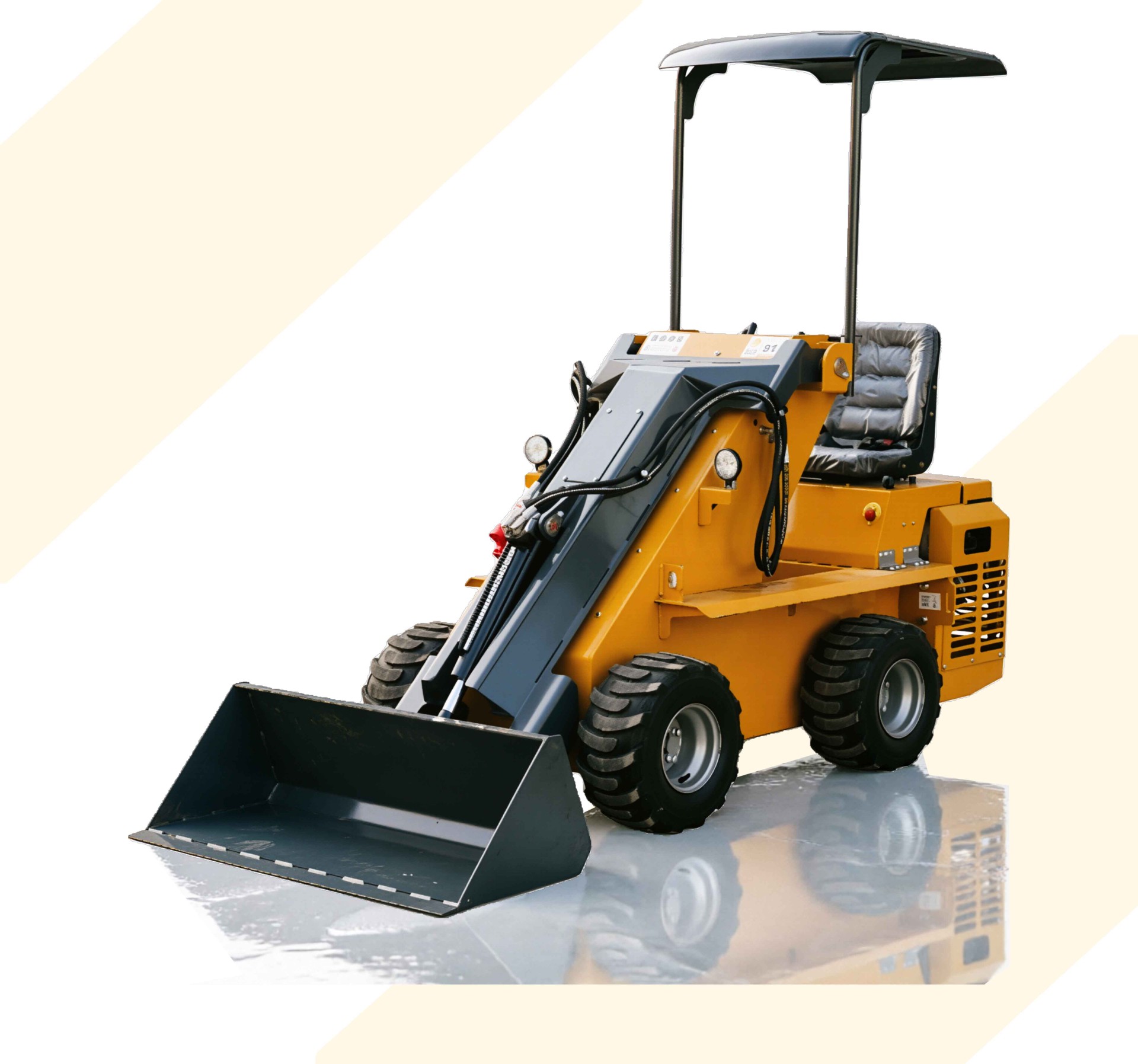
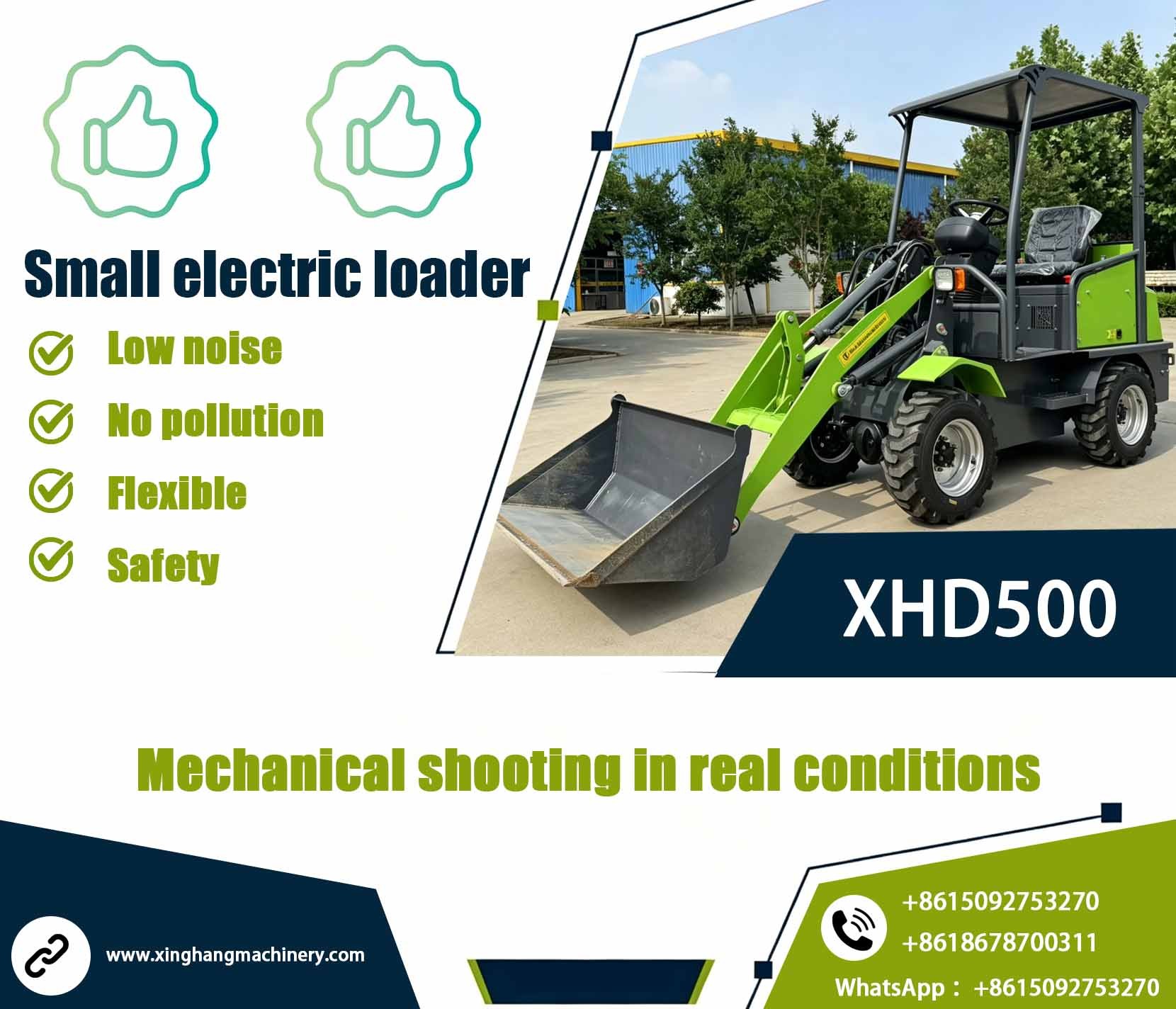
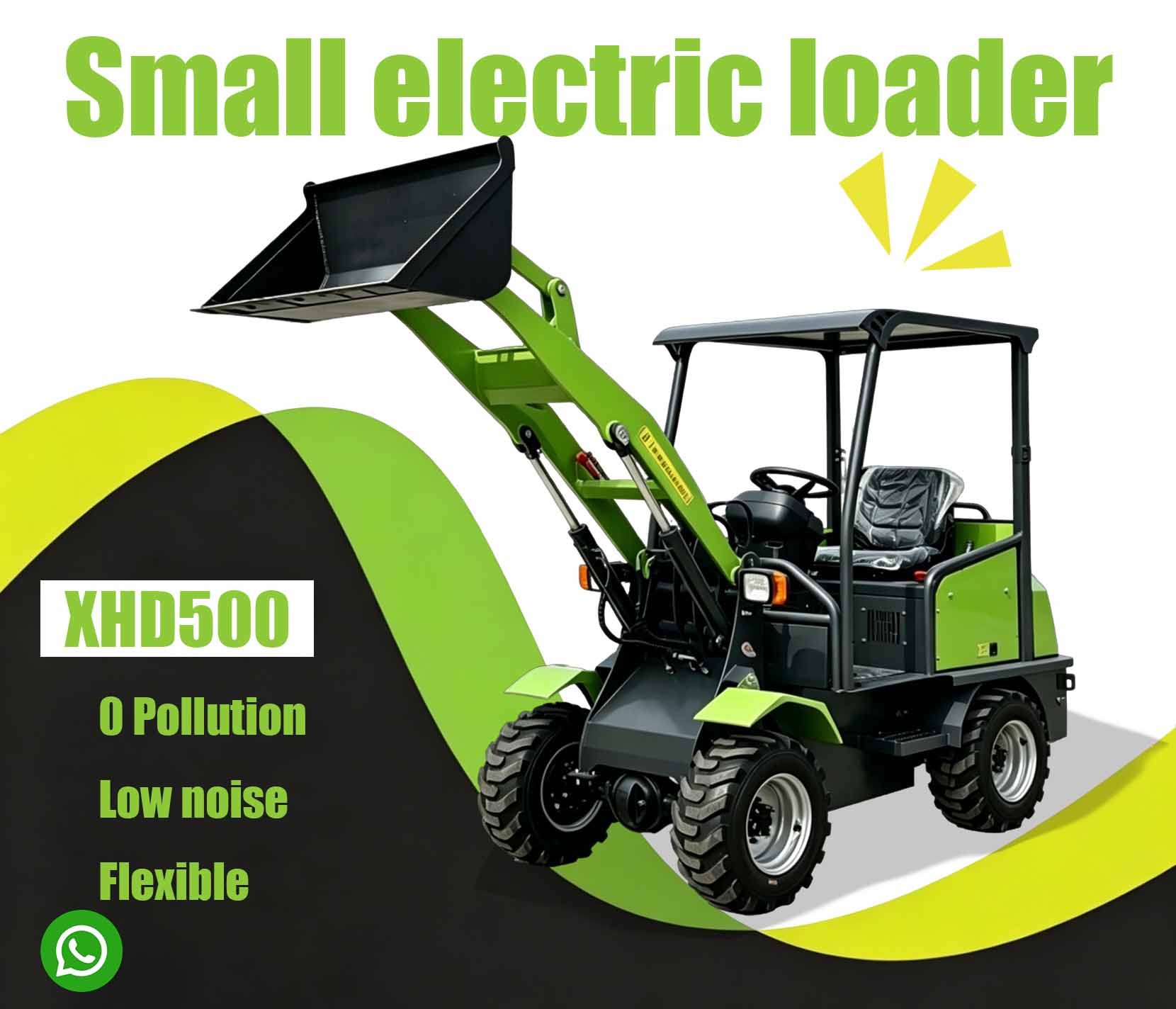
Governments, corporations, and individuals around the world are recognizing the urgent need to address environmental degradation. Climate change, air pollution, and resource depletion threaten ecosystems, economies, and public health. Heavy industries such as construction, mining, and agriculture have historically relied on diesel-powered machinery, which emits significant quantities of carbon dioxide, nitrogen oxides, and particulate matter. These emissions contribute directly to global warming and degrade air quality in both urban and rural environments. The XHD500 mini electric loader offers a practical pathway for businesses to reduce their environmental footprint while maintaining operational efficiency.
Transitioning From Fossil Fuels to Clean Energy
The most immediate environmental benefit of the XHD500 is its elimination of diesel fuel consumption. By replacing internal combustion engines with high-efficiency electric drivetrains, the machine produces zero exhaust emissions at the point of use. This transition directly reduces greenhouse gas output and lowers dependence on finite fossil fuel reserves. Companies that integrate electric loaders into their fleets demonstrate measurable progress toward carbon neutrality goals, aligning with international agreements such as the Paris Accord.
Contribution to Improved Air Quality
Air pollution remains a leading cause of respiratory illness and premature death worldwide. Diesel exhaust contains fine particulate matter and harmful gases that penetrate deep into the lungs and bloodstream. In enclosed or semi-enclosed environments such as warehouses, barns, and tunnels, these pollutants accumulate rapidly. The XHD500’s fully electric operation ensures that no harmful fumes are released during work, creating safer and healthier conditions for operators and nearby personnel. Improved air quality also benefits surrounding communities, particularly in densely populated urban areas.
Sustainable Battery Technology
The XHD500 supports multiple battery chemistries, including lithium iron phosphate and lead-acid systems. Each option presents distinct environmental and economic characteristics, giving businesses flexibility in balancing sustainability with budgetary constraints.
Lithium Iron Phosphate Advantages
Lithium iron phosphate batteries offer high energy density, long cycle life, and stable thermal performance. Their extended service life reduces the frequency of battery replacement, thereby decreasing resource extraction and waste generation. Additionally, these batteries are free from cobalt and nickel, metals often associated with environmentally destructive mining practices. By choosing lithium configurations, companies further reduce the ecological impact of their equipment fleets.
Responsible Lead-Acid Utilization
While lead-acid batteries have a shorter lifespan and lower energy density compared to lithium alternatives, they remain widely recyclable. Established recycling infrastructure ensures that a significant percentage of battery materials can be recovered and reused. For businesses operating under strict capital constraints, lead-acid configurations provide an accessible entry point into electrification without sacrificing the core environmental benefits of zero on-site emissions.
Energy Efficiency and Resource Conservation
Environmental protection extends beyond emission reduction; it also involves optimizing resource utilization. The XHD500 incorporates several design features that maximize energy efficiency and minimize waste.
Flat-Wire Motor Technology
Flat-wire motors utilize rectangular copper conductors instead of traditional round wires. This design increases slot fill rates, reduces electrical resistance, and enhances heat dissipation. Higher efficiency means more of the stored electrical energy is converted into useful work rather than lost as heat. Reduced energy waste directly translates into lower electricity demand, decreasing the upstream environmental impact associated with power generation.
Intelligent Electronic Control Systems
The XHD500’s electronic control unit continuously monitors operational parameters such as speed, load, and temperature. By adjusting motor output in real time, the system prevents unnecessary energy consumption. Features such as automatic temperature regulation and overload protection preserve component integrity, extending equipment lifespan and reducing the environmental burden of manufacturing replacements.
Noise Pollution Reduction
Although often overshadowed by chemical emissions, noise pollution poses serious environmental and social challenges. Excessive noise disrupts wildlife habitats, interferes with human communication, and contributes to stress-related health issues.
Quiet Operation in Sensitive Environments
The XHD500’s electric drivetrain operates at significantly lower noise levels than comparable diesel machines. This quiet performance makes it suitable for use in noise-sensitive settings such as hospitals, schools, residential neighborhoods, and nature reserves. Reduced acoustic disturbance benefits both human populations and local fauna, supporting biodiversity conservation efforts.
Long-Term Community Relations
Businesses that operate quietly are less likely to receive complaints or face regulatory restrictions related to noise ordinances. This operational flexibility allows projects to proceed on schedule without costly delays. Maintaining positive relationships with surrounding communities is an often-overlooked aspect of corporate environmental responsibility.
Material Selection and Durability
Sustainable equipment design begins with material choices that balance strength, longevity, and environmental impact.
High-Strength Manganese Steel Construction
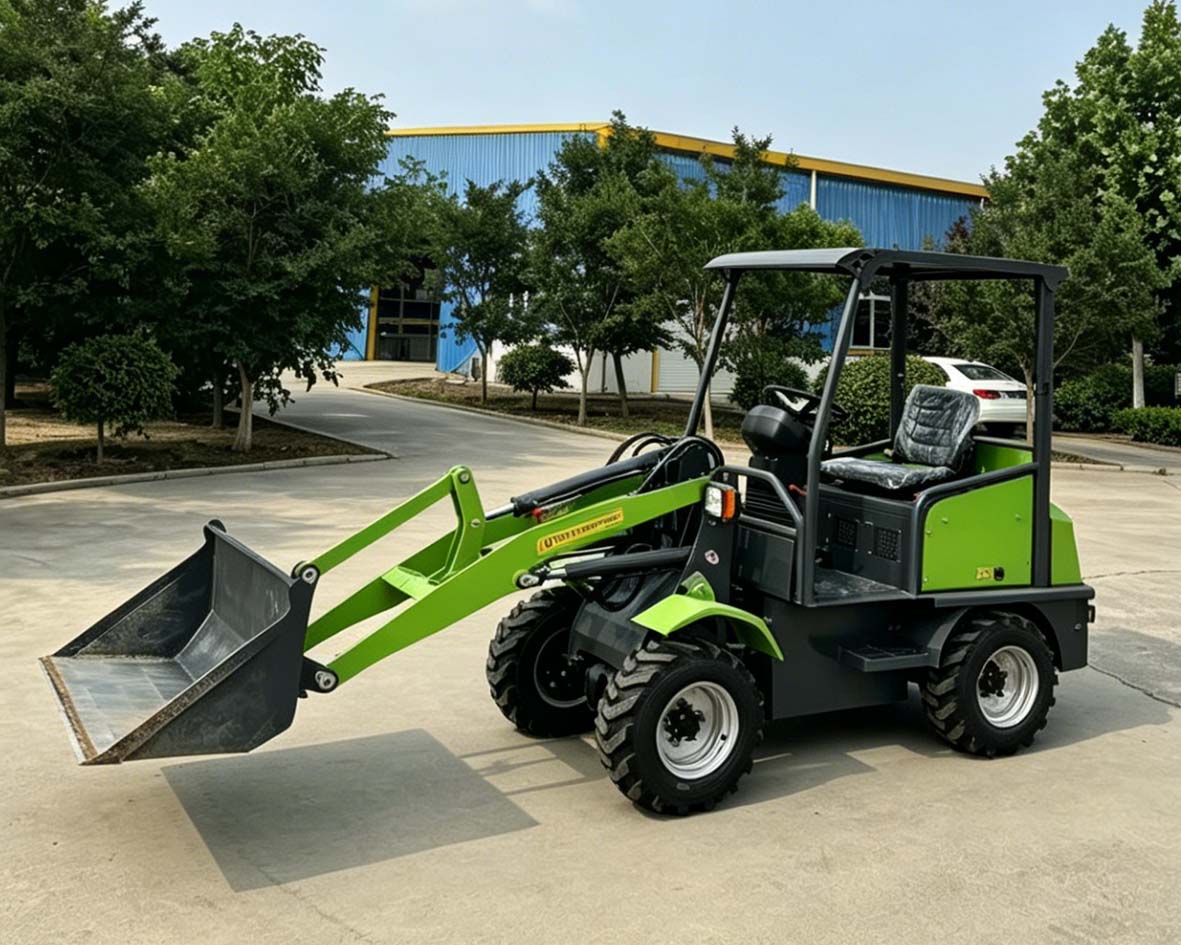
The XHD500 employs manganese steel for critical structural components. This material offers excellent impact resistance and tensile strength, enabling the loader to withstand demanding workloads without deformation. Extended service life reduces the frequency of equipment replacement, conserving raw materials and lowering lifecycle emissions associated with manufacturing and transportation.
Reduced Lubricant Dependency
Electric drivetrains eliminate many lubrication points required by combustion engines. Fewer fluids mean reduced risk of accidental spills that can contaminate soil and water systems. When maintenance is required, the volume and toxicity of consumables are significantly lower than those used in traditional machinery.
Lifecycle Environmental Impact
Evaluating environmental performance requires considering the entire lifecycle of equipment, from raw material extraction to end-of-life disposal.
Manufacturing Footprint
Although producing electric motors and batteries involves energy-intensive processes, the long-term operational savings offset initial impacts. Over several years of use, the cumulative emissions avoided through zero-exhaust operation far exceed the emissions generated during manufacturing. Businesses committed to transparency can report these lifecycle benefits as part of their environmental, social, and governance disclosures.
End-of-Life Recycling
Modern electric loaders are designed with disassembly and recycling in mind. Metals, plastics, and electronic components can be separated and processed through established recycling streams. Battery packs, in particular, are subject to emerging regulations that mandate responsible recovery of valuable materials. By planning for end-of-life management, companies ensure that environmental responsibility extends beyond daily operations.
Regulatory Compliance and Market Advantage
Environmental regulations continue to tighten worldwide. Emission standards, noise limits, and sustainability reporting requirements affect equipment procurement decisions across industries.
Meeting Stringent Standards
The XHD500’s zero-emission design positions it favorably in regions with aggressive environmental policies. Businesses operating in jurisdictions such as the European Union, California, and Japan can deploy the loader without concern for compliance violations. Early adoption of compliant equipment avoids costly retrofits or penalties in the future.
Strengthening Brand Reputation
Consumers, investors, and partners increasingly evaluate companies based on environmental performance. Demonstrating tangible reductions in emissions and resource consumption enhances brand credibility. Marketing campaigns centered on sustainable equipment choices resonate with eco-conscious audiences and differentiate businesses from competitors still reliant on outdated diesel fleets.
Integration With Renewable Energy
The environmental benefits of electric machinery multiply when paired with clean energy sources.
Solar and Wind Charging
Facilities equipped with solar panels or wind turbines can charge the XHD500 using electricity generated without carbon emissions. This integration creates a closed-loop system where both power generation and consumption align with sustainability objectives. In remote locations lacking reliable grid access, renewable microgrids provide a resilient and eco-friendly energy supply.