 Chinese
 English
 Russian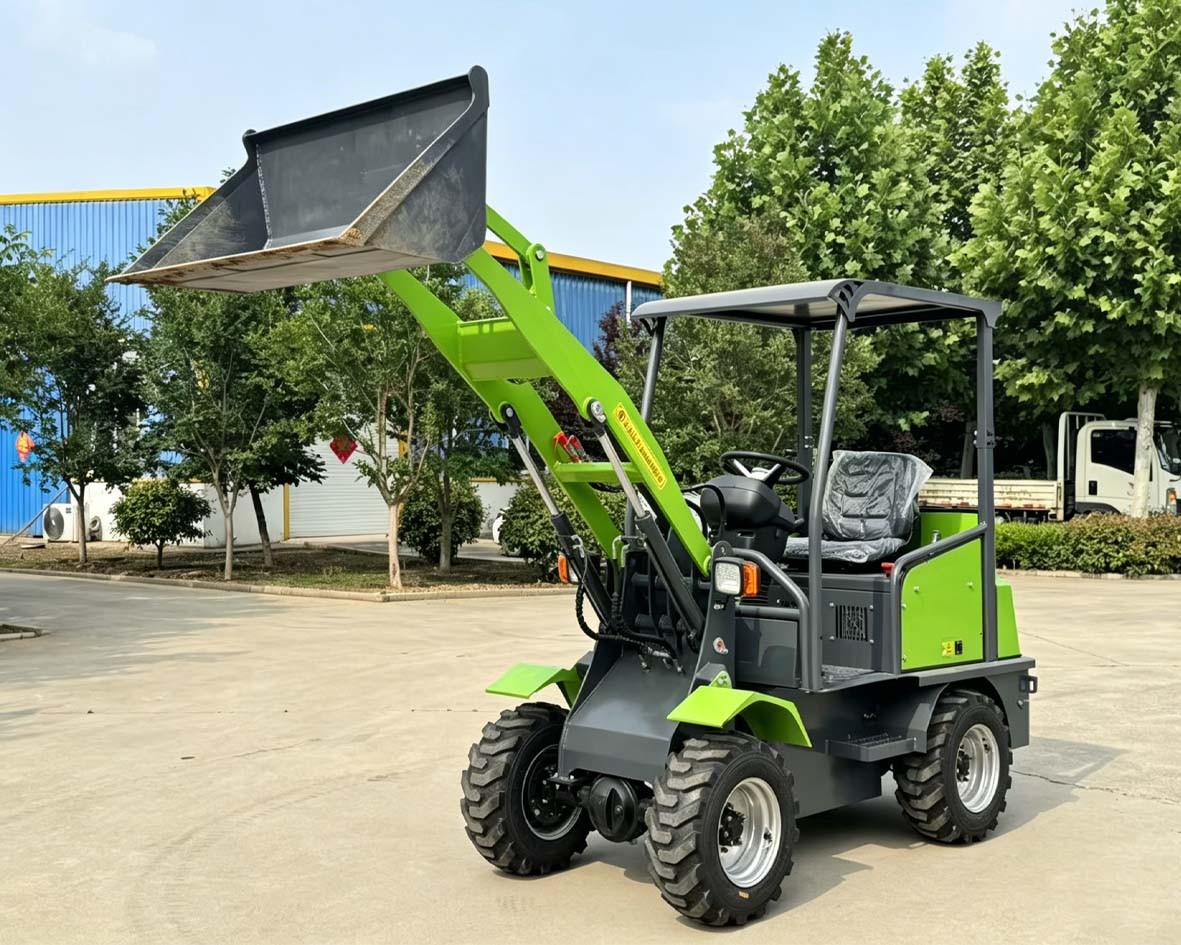
The Doorway Test
Every contractor knows the feeling. You arrive at a job site—a historic building renovation, a basement cleanup, or a greenhouse expansion—and you face the ultimate test: the doorway. You measure your skid steer: 1,200mm wide. You measure the door: 900mm clear. You measure the temper of the building owner: short.
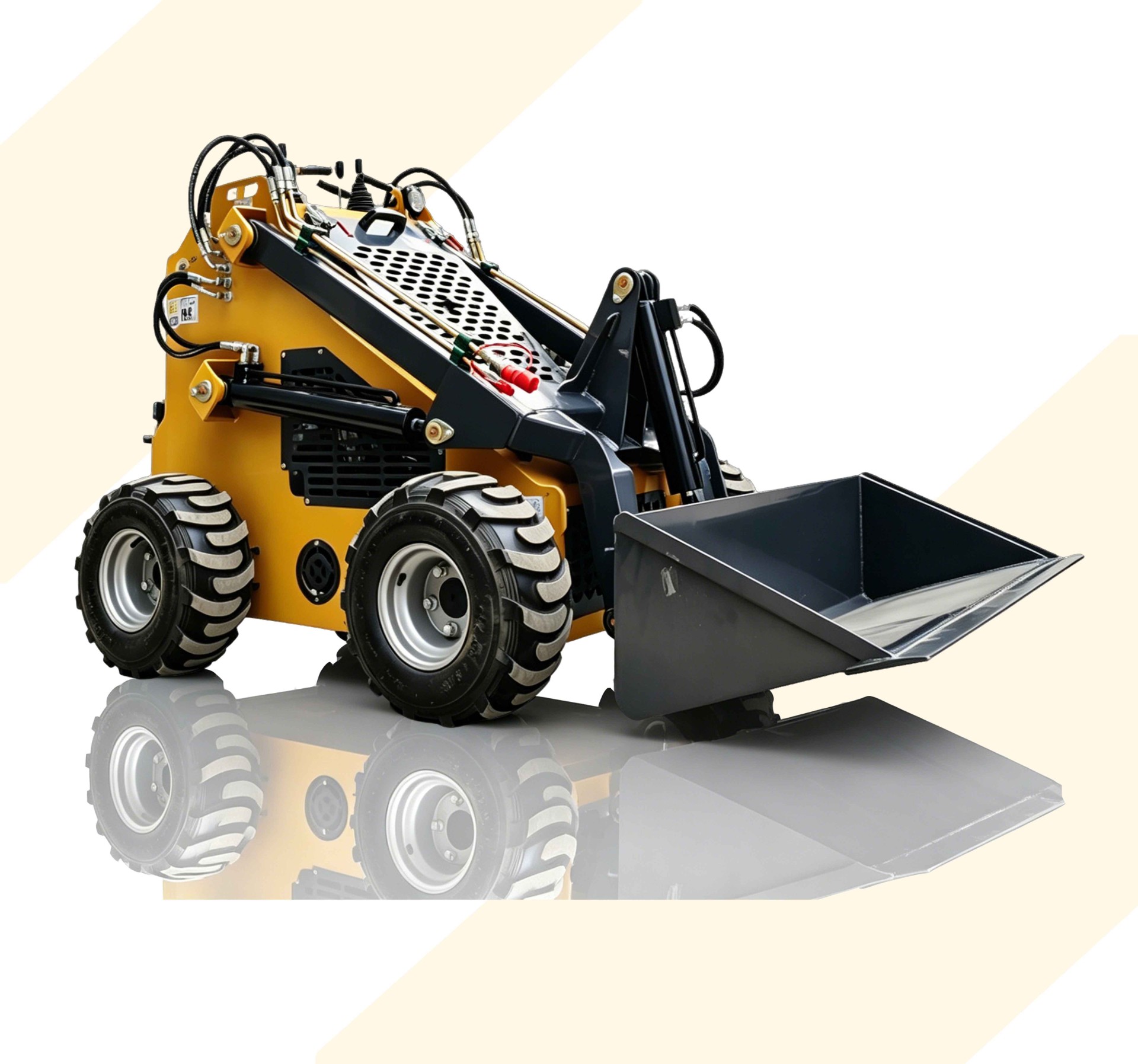
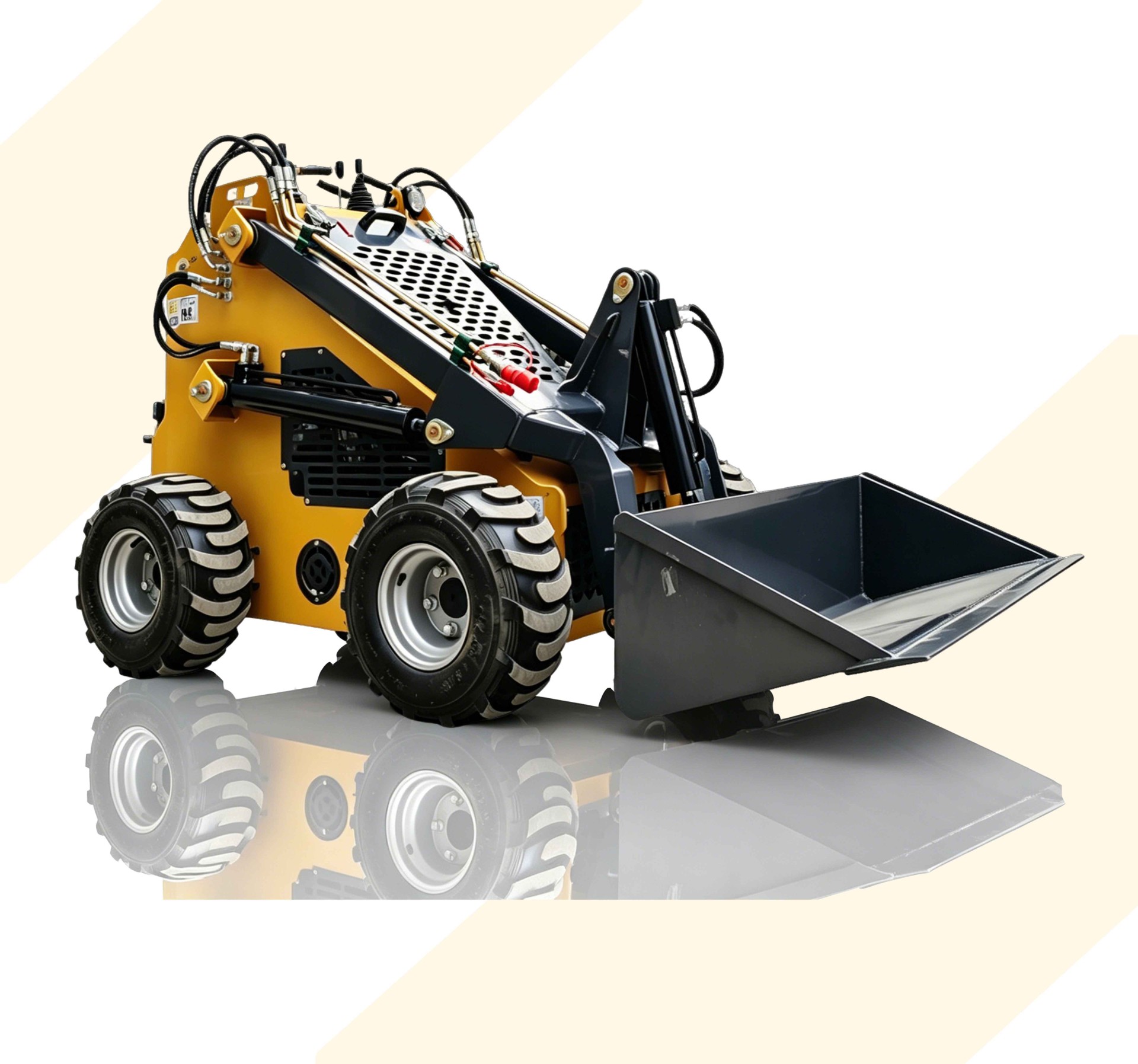
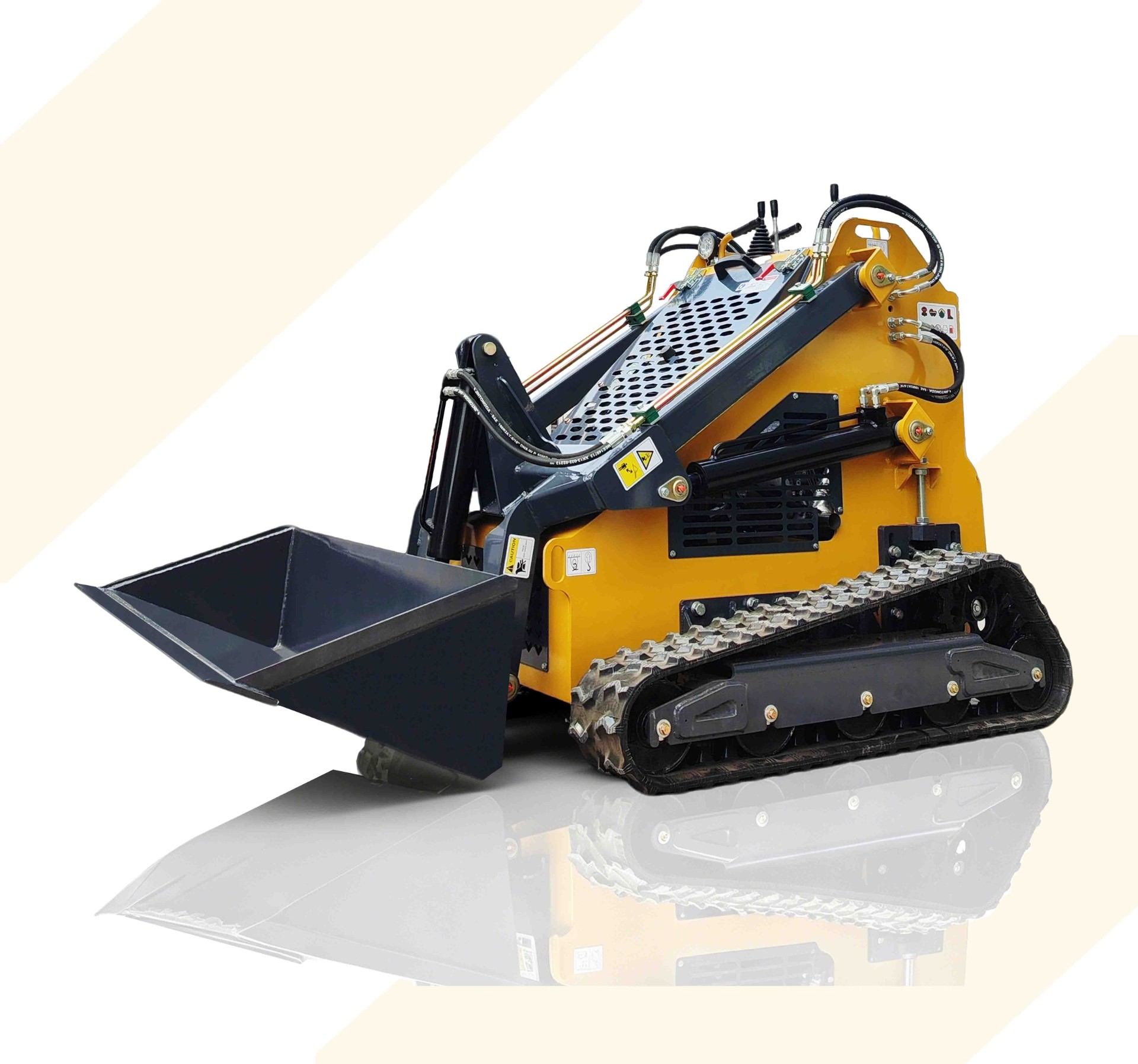
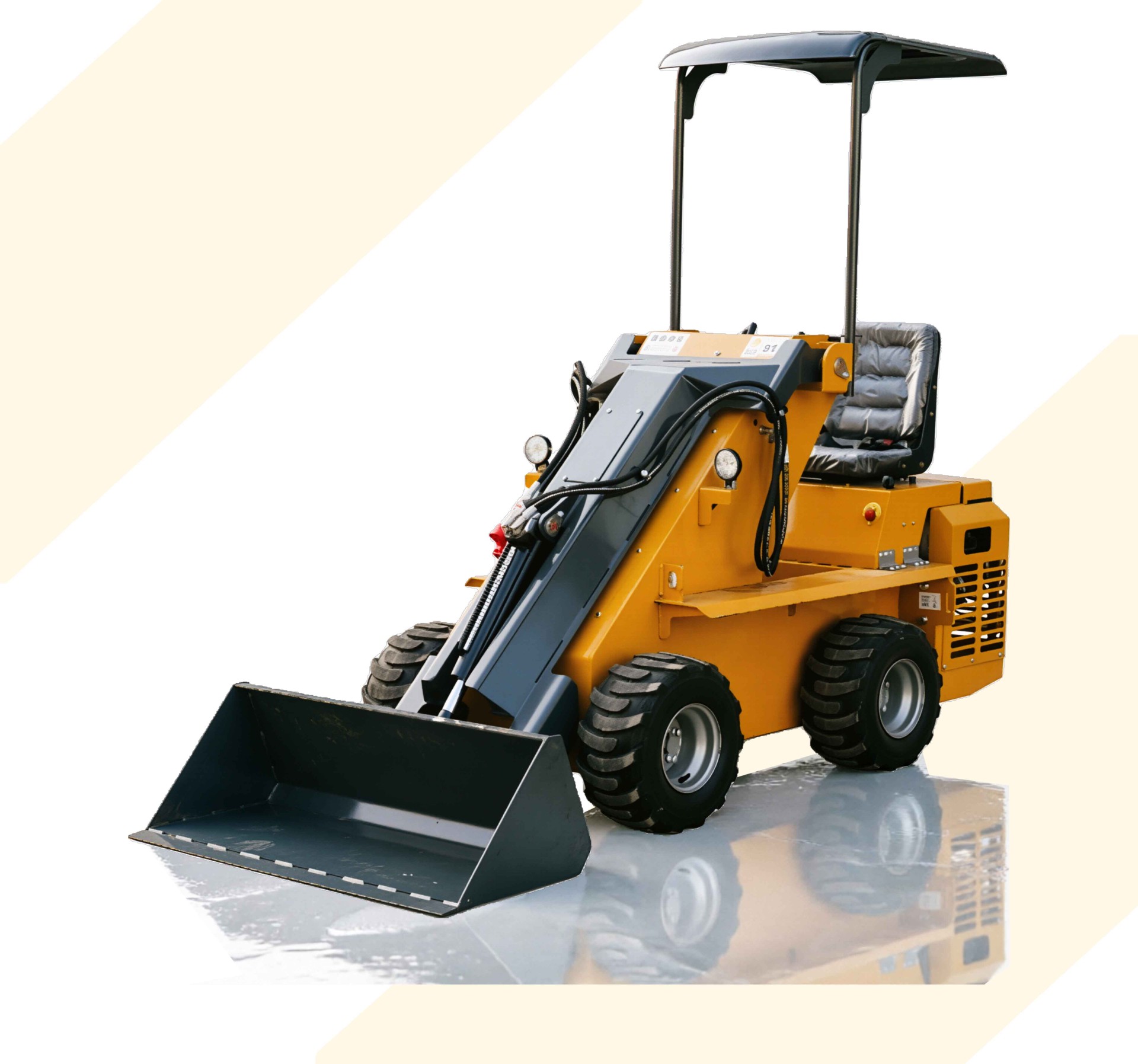
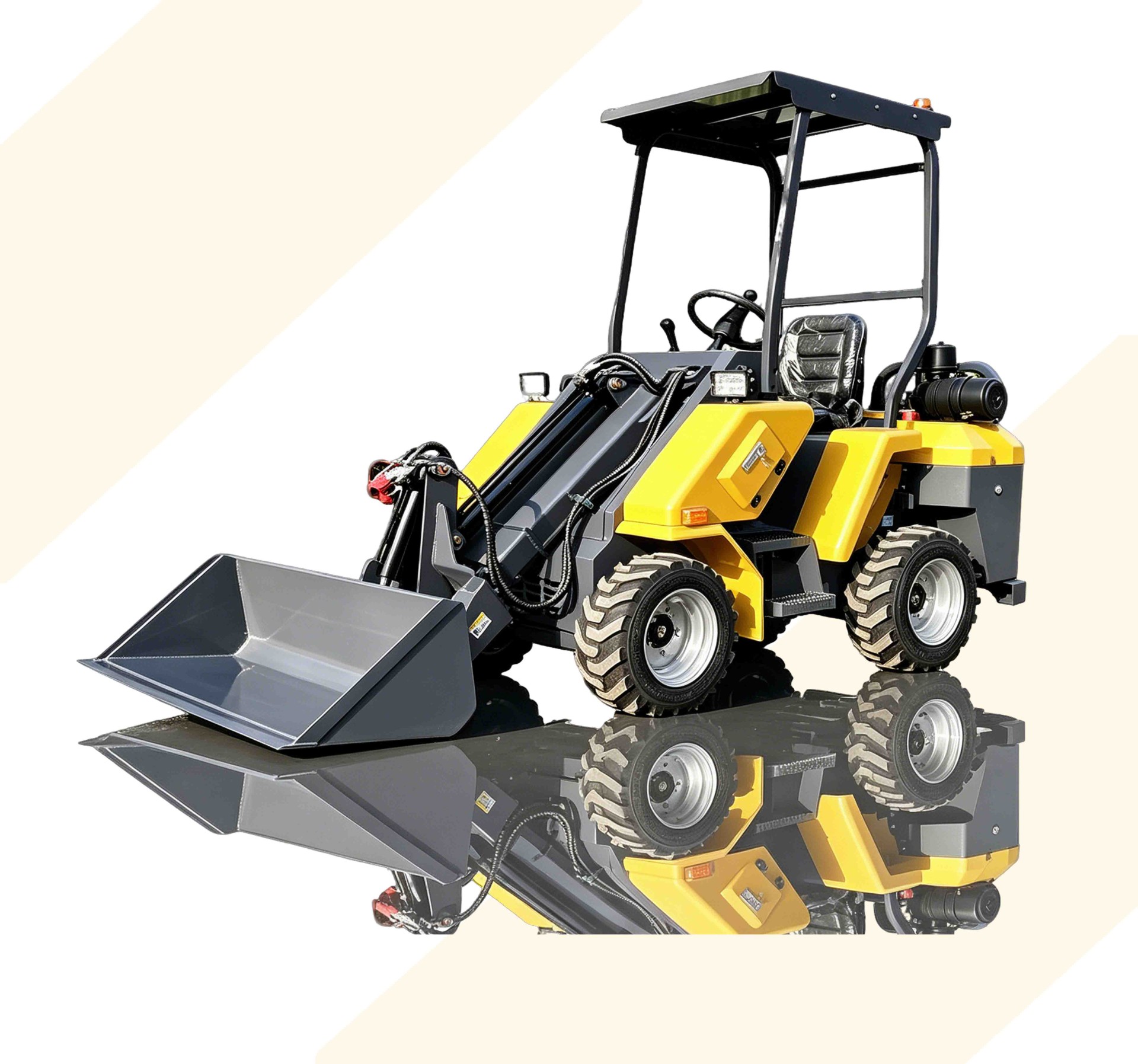
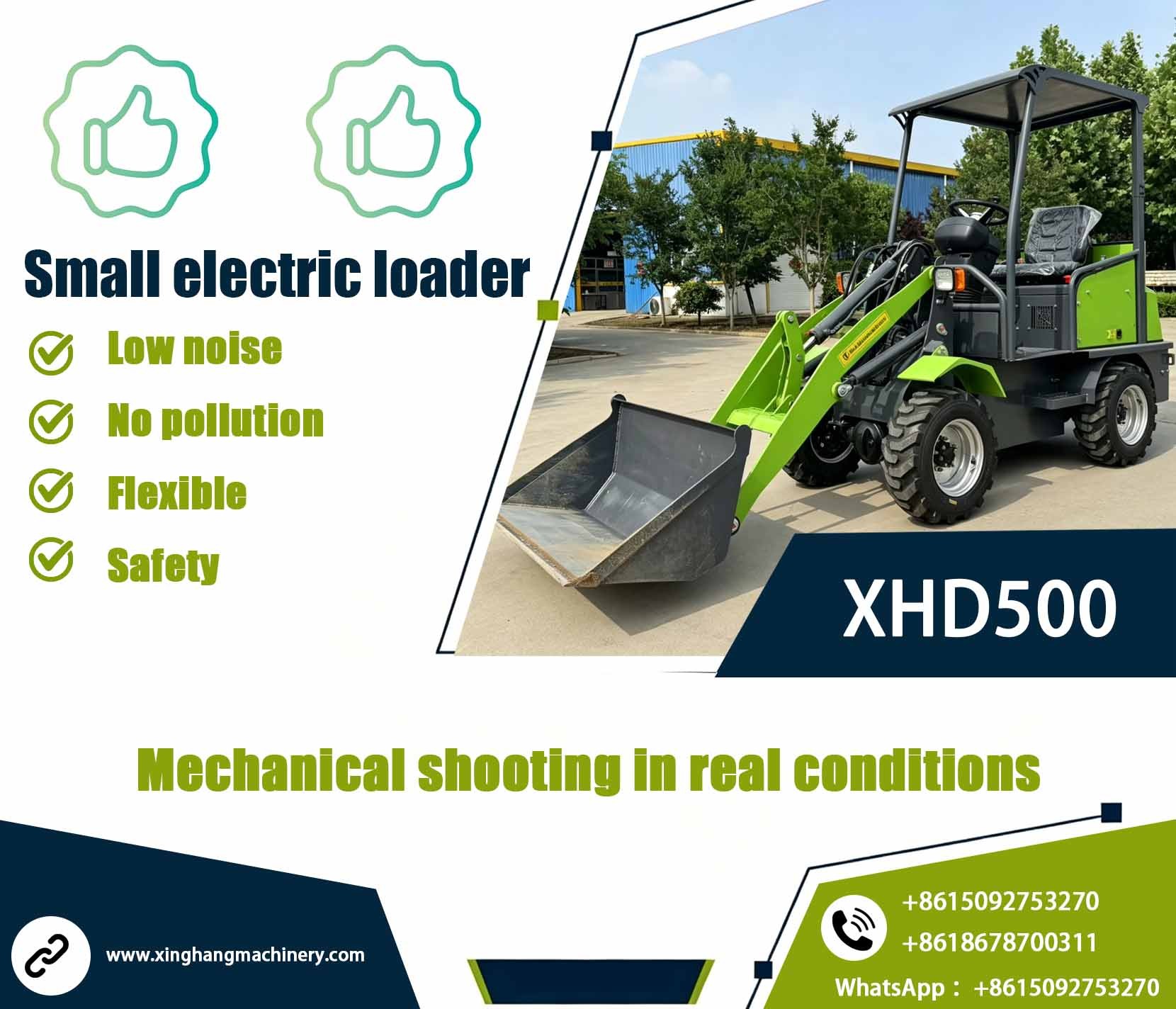
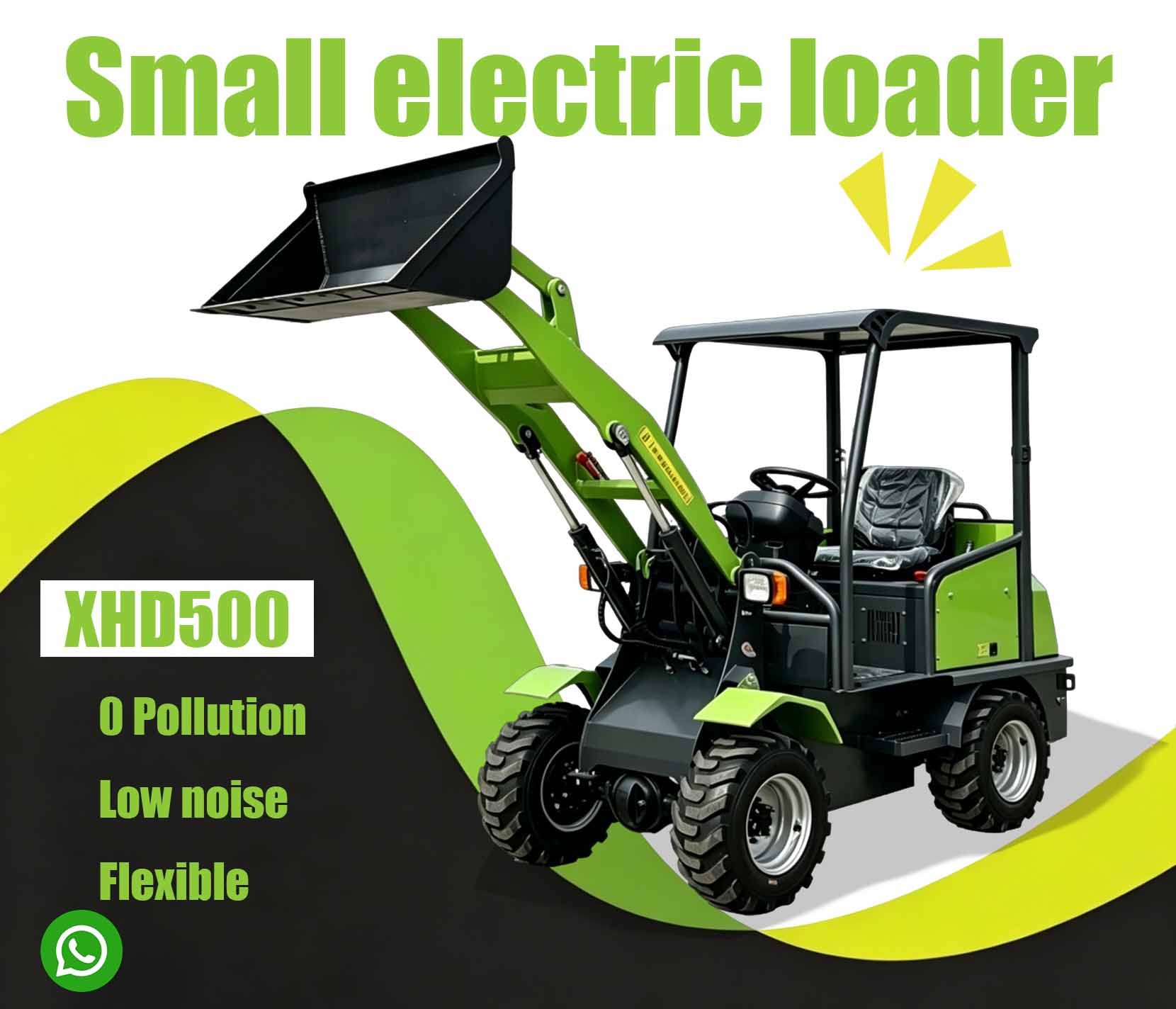
In the world of compact equipment, size isn't just a number; it's a gatekeeper. If your machine can't fit through the entrance, it might as well be a 20-ton excavator for all the good it does. This is where the Narrow-Body Articulated Mini Loader proves its worth. With an overall width of just 1,060mm—and often even narrower at the chassis—machines like the Xinghang XHD500 (Electric) and the XHW Series (Diesel) are redefining what's possible in confined spaces.
Today, we'll explore why width matters more than horsepower, how articulated steering preserves turf and prevents damage, and why these slim-profile machines are becoming the preferred choice for anyone working indoors, underground, or among delicate crops.
1. The Physics of the "Fit": It's Not Just About the Bucket
When people think of a loader's width, they usually look at the bucket. But the bucket is often removable. The real constraint is the chassis width and the turning radius.
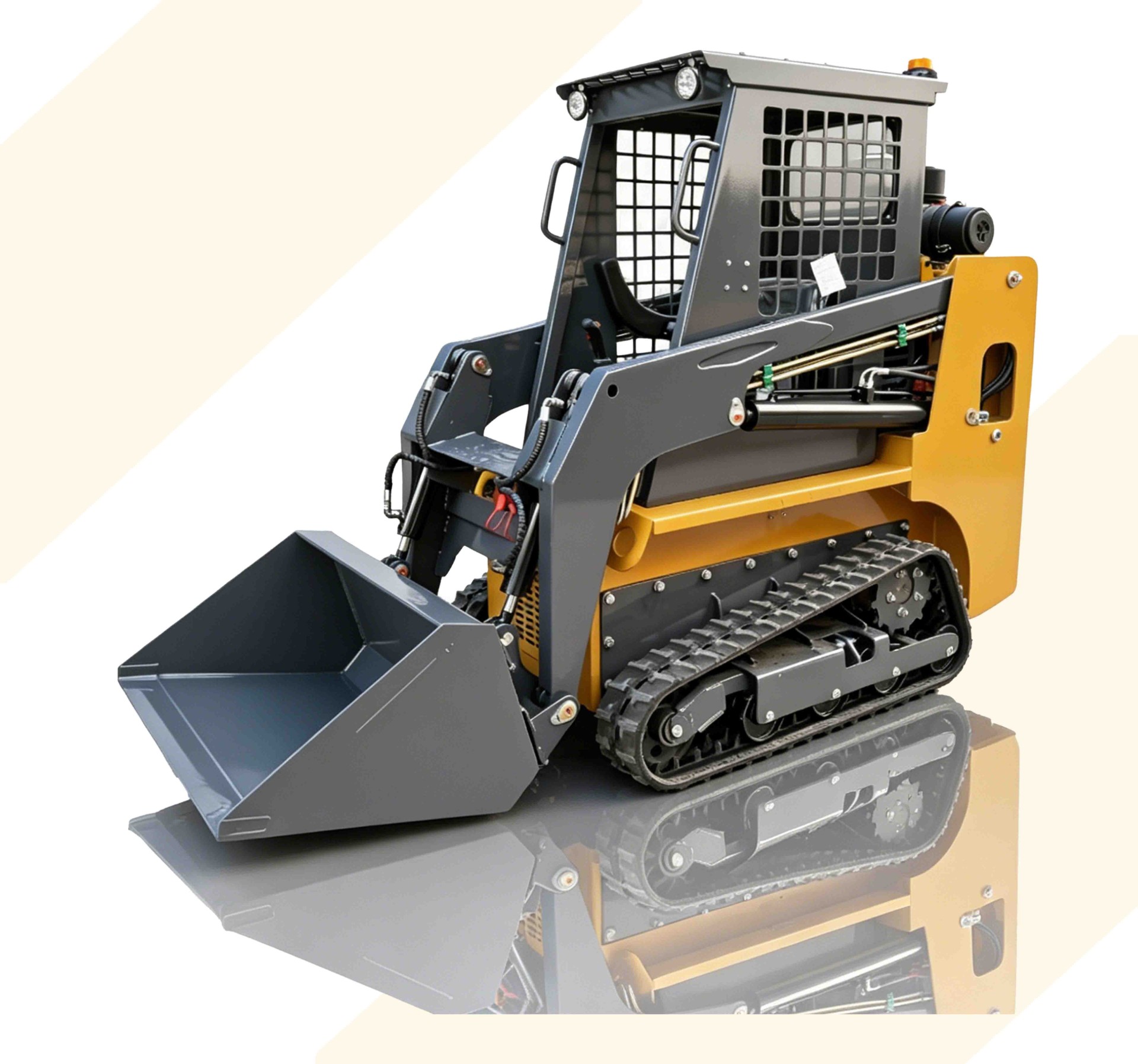
A typical small skid steer might have a chassis width of 1,000mm to 1,100mm. Add the mandatory clearance for safety and the fact that skid steers turn by dragging their rear wheels sideways, and you realize they need a wide berth to operate. If a doorway is 900mm, a skid steer is simply not getting through without removing a fence panel or widening the gap—neither of which makes the client happy.
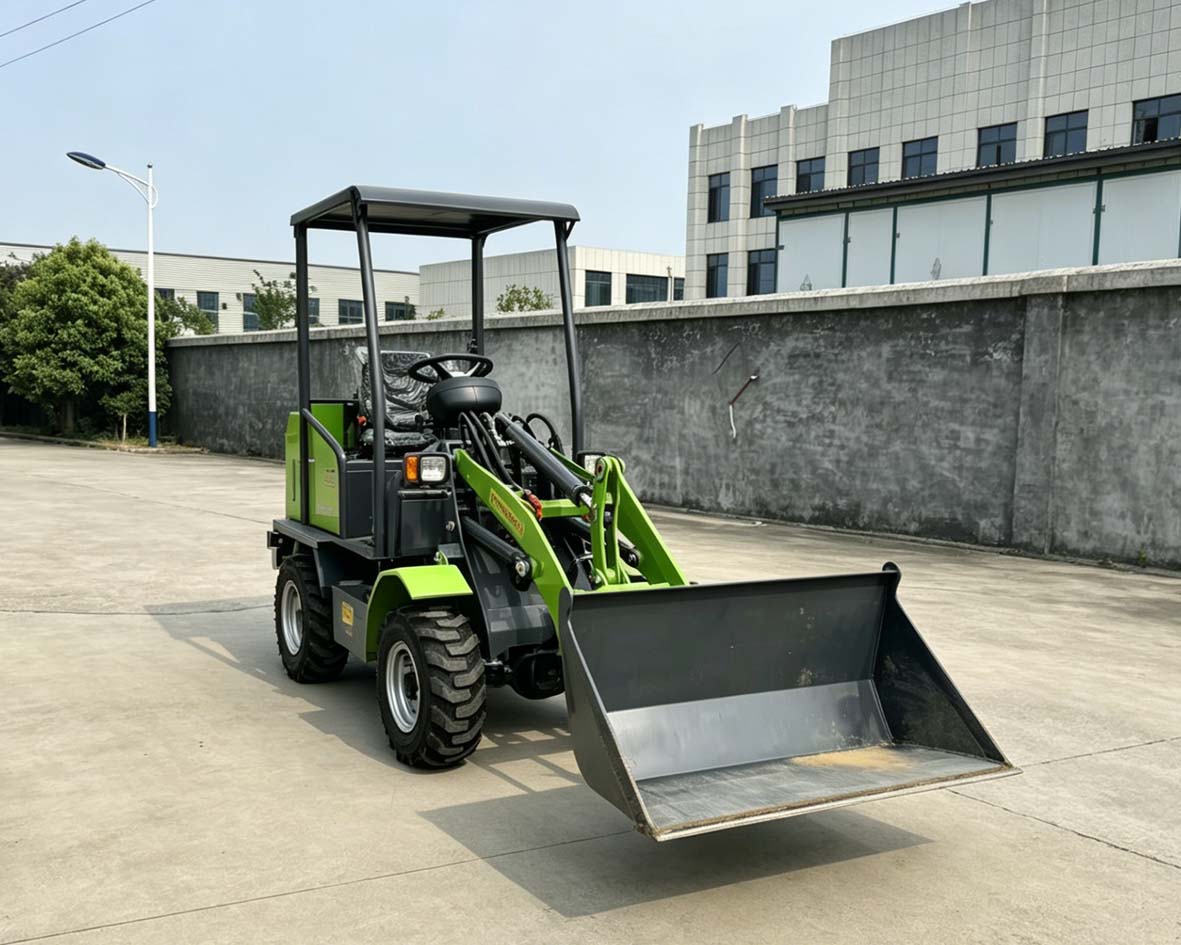
Now, consider the Xinghang XHW Series or the XHD500. Their chassis width is engineered to be exceptionally narrow. The XHD500, for instance, measures 1,060mm over the tires. But here’s the trick: because they utilize an Articulated Steering System (a central pivot joint that bends the machine in the middle), the effective turning radius is dramatically reduced.
More importantly, the Articulated design means the rear wheels follow the exact path of the front wheels. This "tracking" ability is crucial. When you enter a narrow greenhouse aisle or a basement corridor, you don't want the rear end swinging out and crushing a support post or a row of potted plants. The articulated mini loader "threads the needle," staying within the lines.
2. The Elevator Challenge: Taking the Job Upstairs
Basement renovations and multi-story interior demolitions present a unique challenge: how do you get the machine to the work area? Stairs are out of the question. Ramps are often too steep or non-existent. The answer is the freight elevator.
Most commercial freight elevators have a door width of 1,000mm to 1,200mm and a depth of 1,200mm to 1,500mm. A standard skid steer is often too tall (due to the ROPS canopy) or too wide to fit comfortably. Even if it fits, the weight distribution and the solid rubber tires can damage the elevator floor or the guide rails if the operator isn't extremely careful.
The Xinghang narrow-body loaders are designed with this in mind:
Height: The ROPS canopy is often foldable or low-profile, allowing it to clear standard elevator heights.
Width: At 1,060mm, it slides into most freight elevators with room to spare.
Tires: Equipped with non-marking, turf-friendly tires (or optional solid tires), they protect finished floors and reduce the risk of damaging the elevator cabin.
Imagine the efficiency: instead of hauling demolition debris up a flight of stairs by hand or using a cumbersome material hoist, you simply drive the XHD500 into the elevator, ascend to the third floor, and start working. It transforms a multi-day cleanup into a single morning's task.
3. Articulated vs. Skid Steer: The Turf War
Beyond doorways and elevators, there's the issue of the ground surface. Skid steers steer by "skidding"—dragging one set of wheels while the other set drives. This is effective for traction on hard surfaces like asphalt or gravel, but it's devastating on turf, finished lawns, or delicate greenhouse floors.
The Articulated Mini Loader uses a different principle. The front and rear halves of the machine pivot independently. The wheels roll smoothly during a turn; they don't scrub or slide. This results in:
Minimal Ground Disturbance: You can drive across a manicured lawn to access a backyard patio job without leaving deep ruts.
Reduced Tire Wear: Since the tires aren't being dragged sideways, they last significantly longer.
Lower Operating Effort: Articulated steering requires less effort from the hydraulic system and the operator, leading to less fatigue.
For landscapers, golf course superintendents, and greenhouse operators, this is a game-changer. You can bring the power of a loader into a sensitive environment without the environmental damage associated with heavier, skid-steering machines.
4. Greenhouse & Nursery Applications: The 1060mm Sweet Spot
In modern agriculture, efficiency is measured in inches. Greenhouse benches are typically spaced 1,000mm to 1,200mm apart. Aisles must be narrow to maximize growing space. A standard tractor or even a compact utility vehicle is too wide.
The 1,060mm width of the Xinghang XHW/XHD500 series hits the "sweet spot." It is wide enough to provide stability when carrying a 500kg load of soil or fertilizer, yet narrow enough to glide between standard nursery benches.
Operators use these machines for:
Moving Pallets of Potted Plants: Using the pallet fork attachment, they can move inventory from the growing area to the shipping area without manual handling.
Delivering Soil and Mulch: The bucket can carry several cubic feet of material directly to the point of use, reducing labor costs.
Cleaning Alleys: A simple brush attachment can sweep debris from aisles without damaging the irrigation lines below.
Because the XHD500 is electric, it offers an additional advantage in this environment: zero emissions. Diesel exhaust can stunt plant growth and contaminate the air in a closed greenhouse. The electric mini loader ensures a clean, healthy atmosphere for both the plants and the workers.
5. The Indoor Demolition Advantage
Interior demolition is messy, but it doesn't have to be destructive to the building's structure. Skid steers, with their aggressive turning and high ground pressure, can easily crack a finished concrete floor or scrape a load-bearing column.
The articulated mini loader is gentler. The weight is distributed over four tires, reducing ground pressure. The smooth steering prevents scuff marks on polished concrete or epoxy floors. And as we've discussed, the electric XHD500 produces no exhaust, eliminating the need for massive ventilation systems that disrupt other tenants in the building.
Furthermore, the hinged hood and easy-access panels on the Xinghang machines mean that if dust and debris do clog the radiator or air filters (common in demolition), the operator can perform a quick cleaning on-site without specialized tools. This keeps the machine running efficiently throughout the day.
6. Comparing the Specs: Why "Less" is "More"
Let's look at the practical implications of the narrow design:
Feature | Typical Small Skid Steer | Xinghang XHW / XHD500 |
|---|---|---|
Chassis Width | 1,000mm - 1,100mm | 1,060mm |
Turning Radius | High (requires pivoting in place) | Low (articulated pivot) |
Ground Disturbance | High (scrubs turf) | Low (smooth rolling) |
Doorway Fit | Difficult (<900mm) | Easy (fits 1,000mm+) |
Elevator Fit | Rarely fits | Commonly fits |
Greenhouse Use | Too wide/damaging | Ideal (narrow, low impact) |
(Note: Presented narratively in the English version to avoid tables)
The numbers tell a clear story: the narrow-body articulated loader isn't just a smaller version of a skid steer; it's a fundamentally different machine designed for a fundamentally different job site.
7. Xinghang's Commitment to the Narrow Standard
We didn't arbitrarily choose 1,060mm. We studied global building codes, elevator dimensions, and agricultural standards. We engineered our XHW Diesel Series and XHD500 Electric Series to be the most capable machines in their class without exceeding this critical width.
Both series feature:
Hydrostatic 4-Wheel Drive: Ensures power is delivered to all wheels, even on slippery greenhouse floors or dusty basements.
Tilt and Lift Functionality: Despite the narrow frame, they maintain a high hinge pin height (up to 2,950mm on the XHD500), allowing them to load high-sided trucks or hoppers.
Universal Quick-Attach: Compatible with a wide range of standard mini-loader attachments, ensuring versatility despite the compact size.
Don't Let Your Machine Be the Limiting Factor
Your skills as a contractor are valuable, but they are limited by the tools you use. If your loader can't fit through the door, it's not a tool—it's an obstacle. The Xinghang XHW and XHD500 Narrow-Body Articulated Mini Loaders remove that obstacle. They provide the power you need in the space you have.
Whether you're renovating a historic home, maintaining a high-end golf course, managing a commercial greenhouse, or performing interior demolition, the ability to access the workspace efficiently is the first step to profitability.
?? Contact Xinghang Machinery today to learn more about our 1060mm narrow-body solutions and request a quote. Find out how going narrow can expand your business horizons.
Small Machine, Giant Power — Fitting Where Others Fail.