 Chinese
 English
 Russian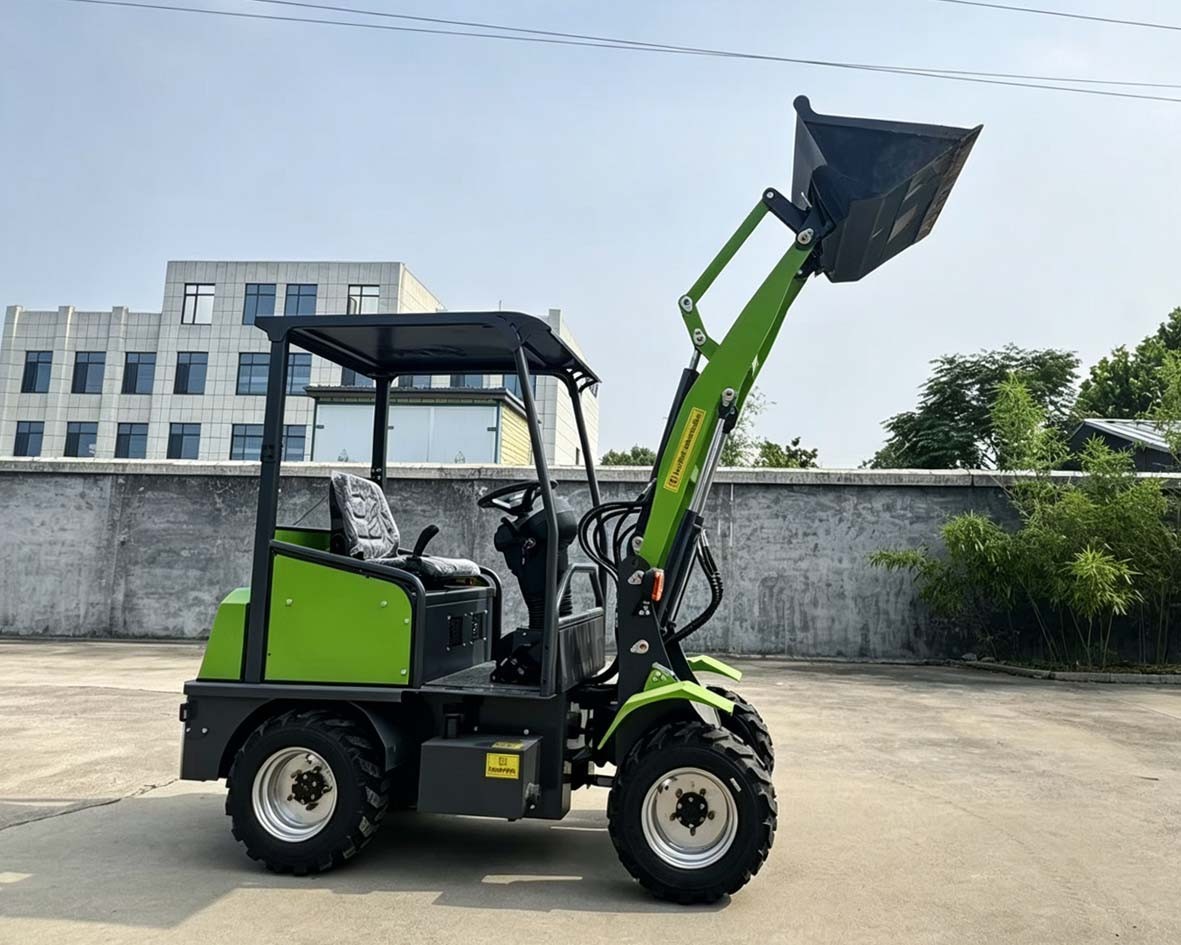
1. Quick Specs Comparison: Electric Mini Loader vs Diesel Loader
Feature | Electric Mini Loader (Xinghang XHD50/XHDL50) | Typical Diesel Compact Loader (similar class) |
|---|---|---|
Power Source | 64V/280Ah LiFePO? or 60V Lead-acid + 4KW flat-wire motor | 18–25 HP Diesel Engine |
Emissions | Zero (0 CO?, 0 NOx, 0 PM) | CO? ≈ 2.6 kg/h, NOx & particulates |
Noise Level | ≤65 dB(A) | 85–95 dB(A) |
Width (Xinghang model) | 1,060 mm – fits elevators & narrow aisles | Usually ≥1,200 mm |
Drive System | Full-time AWD, 92%+ motor efficiency | Hydrostatic transmission |
Daily Energy Cost (8h) | ≈$1.5–$3 (grid power) | ≈$15–$25 (diesel fuel) |
Maintenance Interval | Check battery & hydraulics only | Oil/filter every 250h, injector service, DPF |
Indoor Suitability | ? Excellent (no fumes) | ? Unsafe / prohibited |
Runtime per Charge | 4–6 hrs continuous / all-day intermittent | Unlimited (refuel in mins) |
Certifications (Xinghang) | CE / ISO 9001 / Euro V compliant components | CE / EPA / Euro V |
2. Operating Cost & Total Cost of Ownership (TCO)
Fuel vs Electricity
A diesel compact loader typically consumes 0.8–1.2 gallons (3–4.5 L) of diesel per hour. At current international diesel prices ($3.5–$4.5/gal or €1.5–€1.8/L), that's $12–$20 per 8-hour shift.
An electric mini loader like the Xinghang XHD50 draws ~5–6 kW average load. Charging overnight with industrial rate ($0.12–$0.18/kWh or €0.20–€0.30/kWh):
?Energy cost = $1.20–$3.00 per 8-hour shift
?Annual fuel saving: $2,500–$4,000+ (1,500h/year operation)
Maintenance Savings
Diesel engines require:
?Engine oil & filter changes (every 250h)
?Air filter, fuel filter, coolant flush
?Injector cleaning, belt/tensioner replacement
?DPF/EGR servicing (Tier 4 / Stage IV)
Electric drivetrains have 60–70% fewer moving parts:
?No oil changes, no spark plugs, no exhaust after-treatment
?Motor & controller sealed, maintenance-free within design life
?Battery BMS self-diagnoses; LiFePO? packs rated 2,000–3,000+ cycles
Over a 5-year lifecycle, maintenance cost for electric is typically 30–50% lower than diesel.
Break-even Point: Most contractors recover the price premium of an electric mini loader within 12–24 months through fuel + maintenance savings alone.
3. Environmental Compliance & Access to Jobsites
Zero-Emission Zones & Green Building Projects
Cities including London (ULEZ), Amsterdam, Oslo, Copenhagen, Paris, and select US cities (CA, NY) are introducing or planning zero-emission construction equipment requirements—especially for publicly funded or LEED-certified projects.
Diesel loaders may be:
Banned from indoor demolition / basement work
Restricted during high-smog days
Disqualified from "green bid" municipal contracts
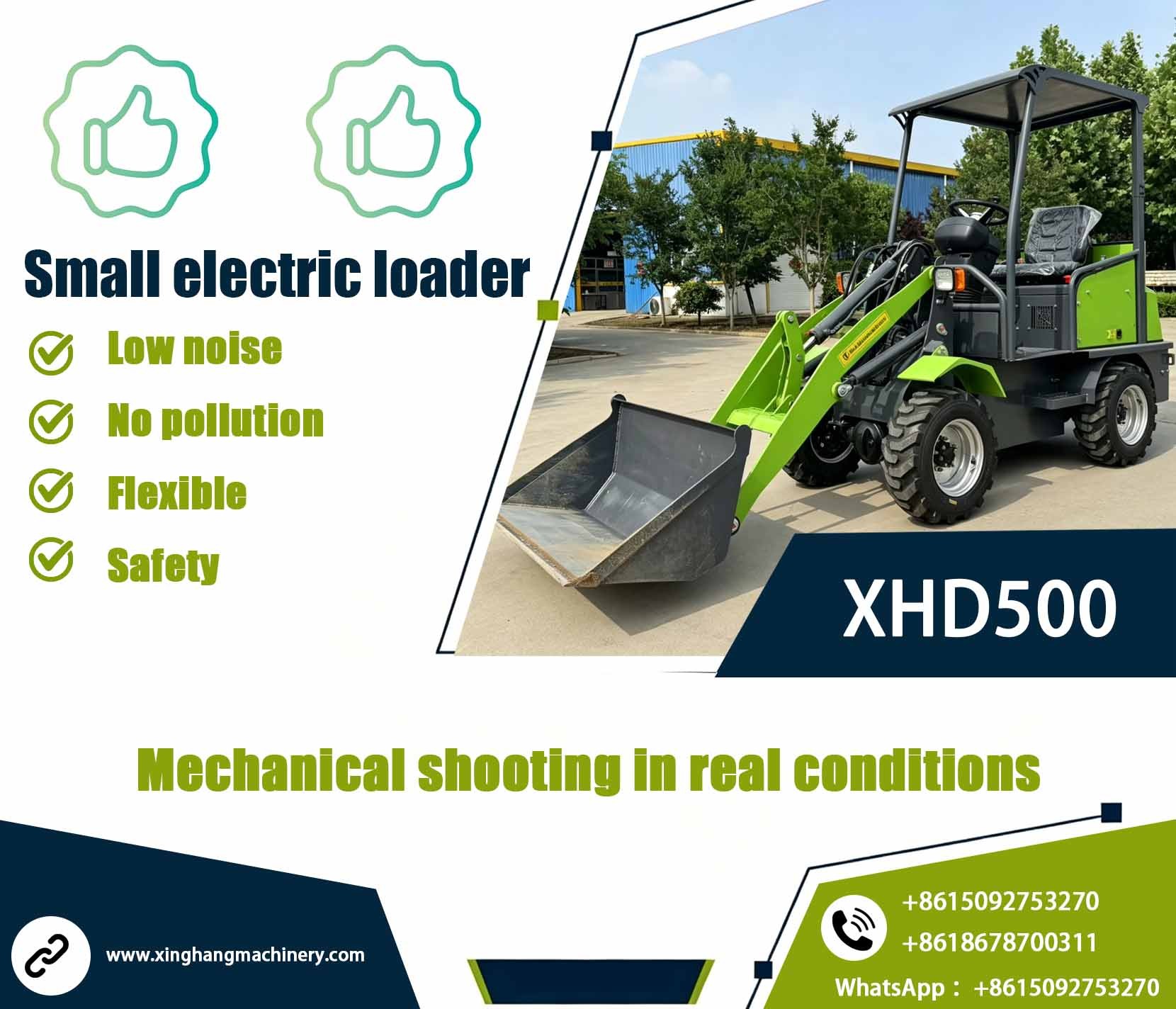
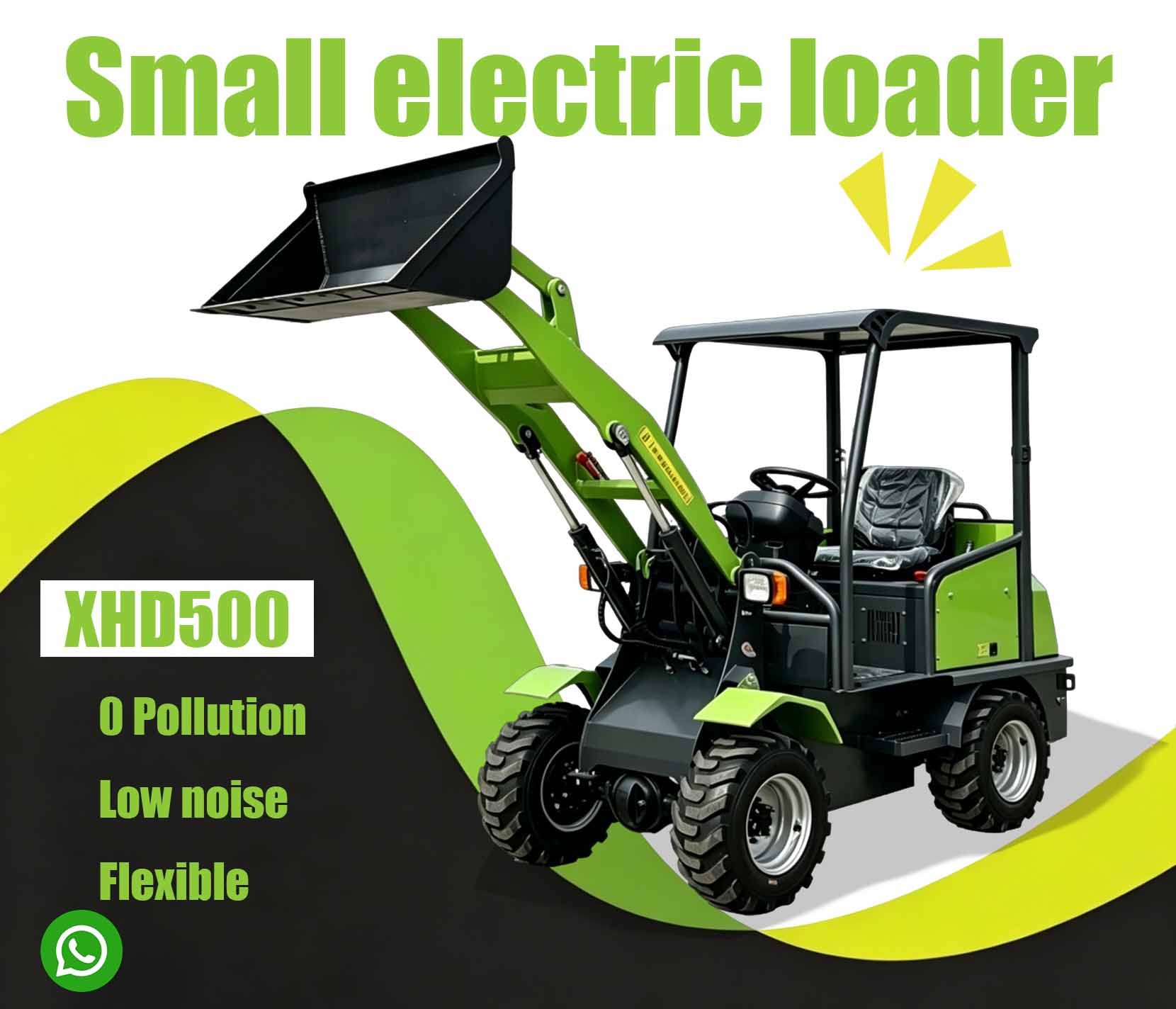
Electric loaders like the Xinghang XHD500:
Enter indoor warehouses, greenhouses, basements, food plants
Operate in hospitals, schools, residential areas without fume risk
Help contractors qualify for ESG / sustainability reporting
4. Noise Pollution & Operator Comfort
Diesel compact loaders produce 85–95 dB(A)—requiring hearing protection and often violating early-morning / evening noise ordinances in residential zones.
Electric mini loaders run at ≤50–55 dB(A)—roughly the volume of normal conversation. Benefits include:
Work earlier or later without neighbor complaints
Reduce operator fatigue & hearing-risk
Ideal for landscaping in gated communities, hotel renovations, zoo/stable barns
Real feedback from European rental houses: "The quiet electric loader lets our customers book more morning/evening jobs—directly increasing utilization rate."
5. Performance: Torque, Load Capacity & Maneuverability
Does Electric Mean Weak?
No. Permanent magnet motors deliver peak torque instantly from 0 RPM, unlike diesel engines that need to spool up. The Xinghang XHD500 features:
4 KW flat-wire drive motor + 3 KW lift motor
Rated load 500 kg, lift height 2,950 mm, dump height 2,200 mm
Full-time four-wheel drive with manganese steel chassis
Integrated CAN-bus digital dashboard + ergonomic joystick
In side-by-side testing, electric mini loaders match or exceed diesel counterparts in:
Bucket breakout force (adequate for sand, gravel, manure, light demolition debris)
Hill-climbing (torque-on-demand)
Precision inching (better for indoor pallet fork work)
Where Diesel Still Wins
Continuous 10+ hour outdoor shifts without charging opportunity
Extremely remote sites with no grid power or generator
Extreme cold (< -20°C) where battery heating is unavailable (though heated battery options exist)
6. Application Scenarios: Which One Fits You?
Scenario | Recommended Choice | Reason |
|---|---|---|
Indoor demolition / basement clearing | Electric Mini Loader | Zero fumes, narrow body (1060mm), quiet |
Greenhouse / nursery material handling | Electric | No exhaust harms plants/livestock |
Urban residential landscaping | Electric | Low noise → early/late work allowed |
Municipal sidewalk / park maintenance | Electric | Meets green procurement criteria |
Remote quarry / large earthwork (>8h continuous) | Diesel (or dual fleet) | No charging infrastructure |
Rental fleet serving mixed urban+remote | Mix both | Maximize utilization & compliance |
7. Xinghang Electric Mini Loader – Product Highlight
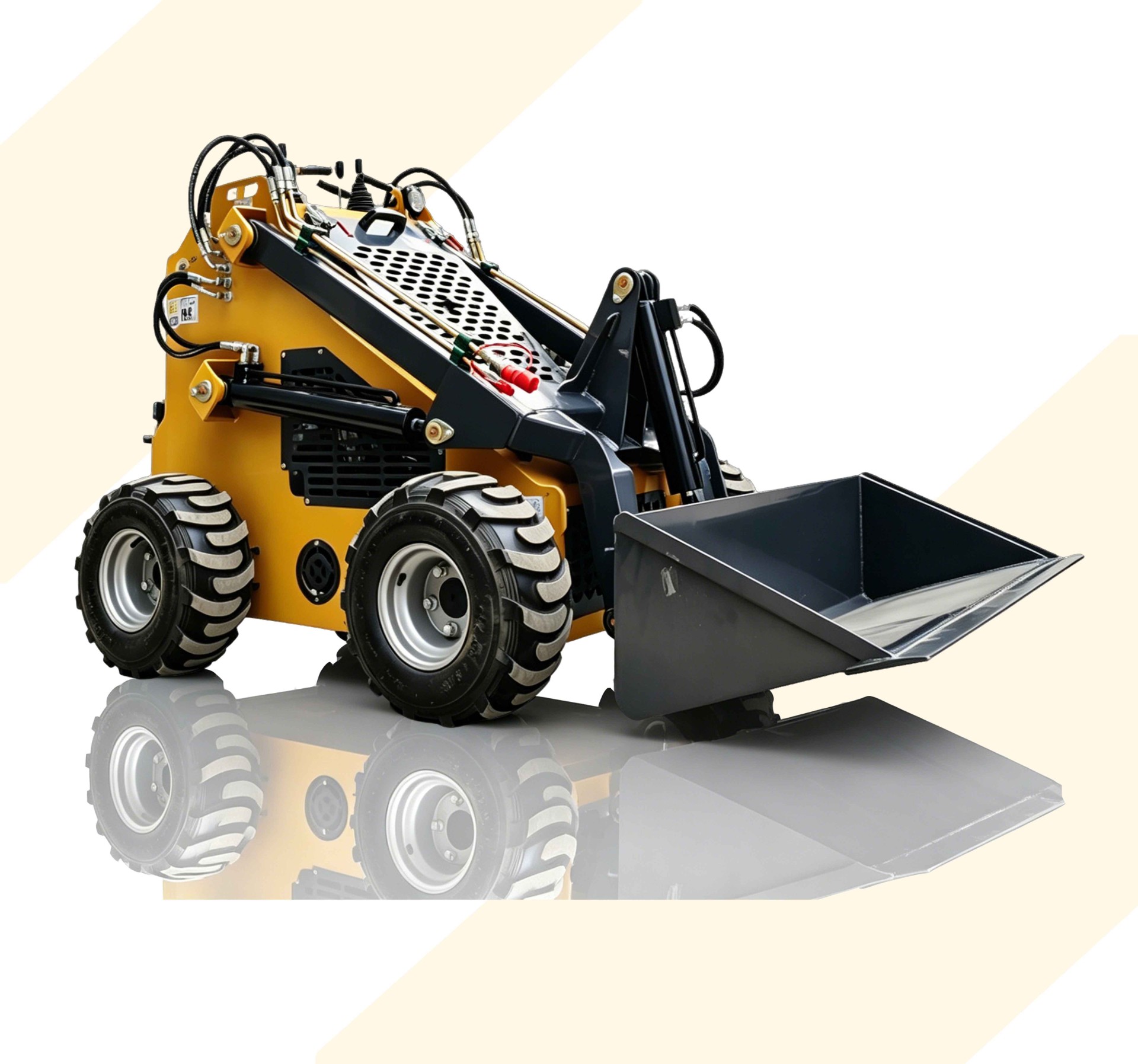
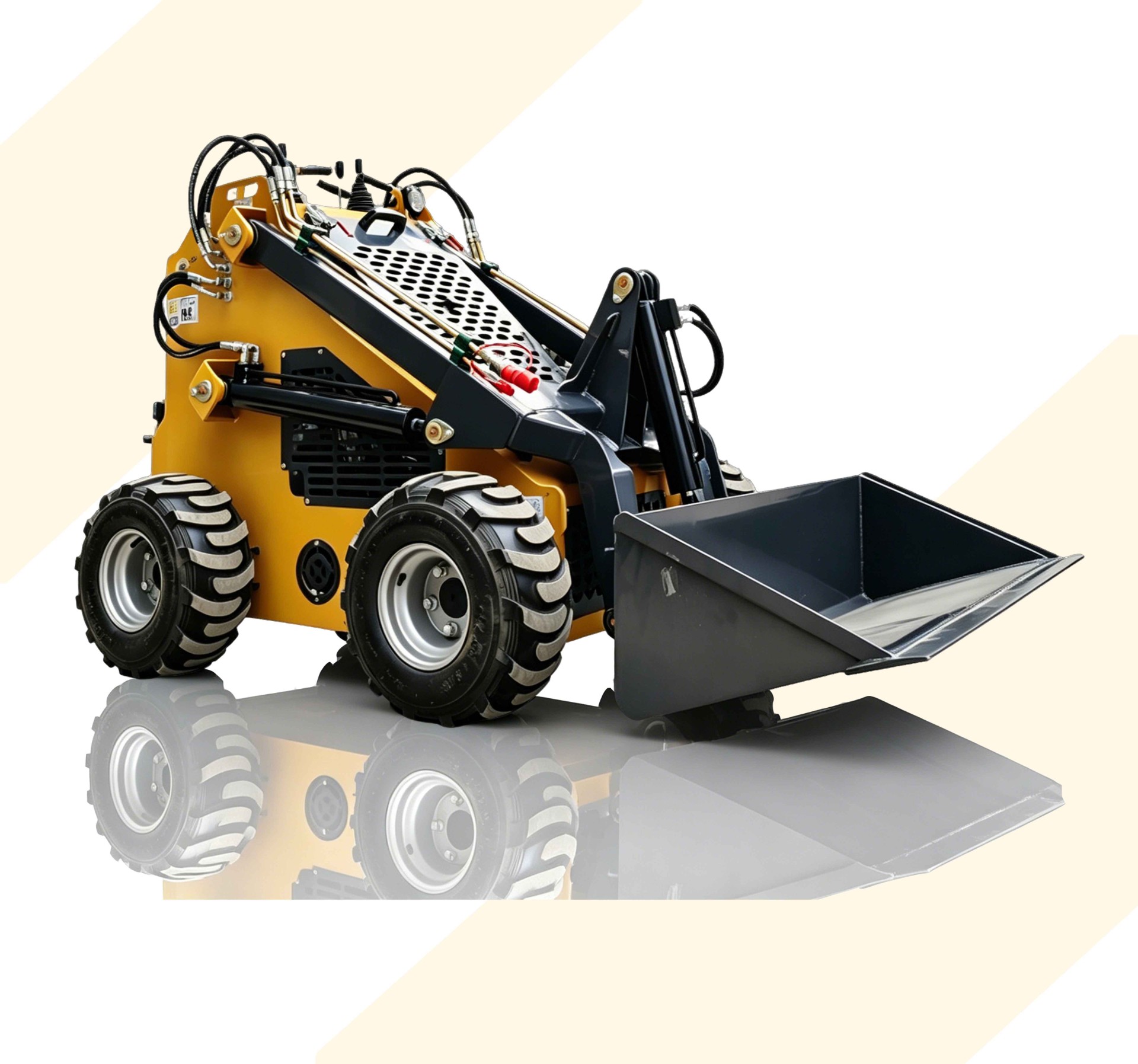
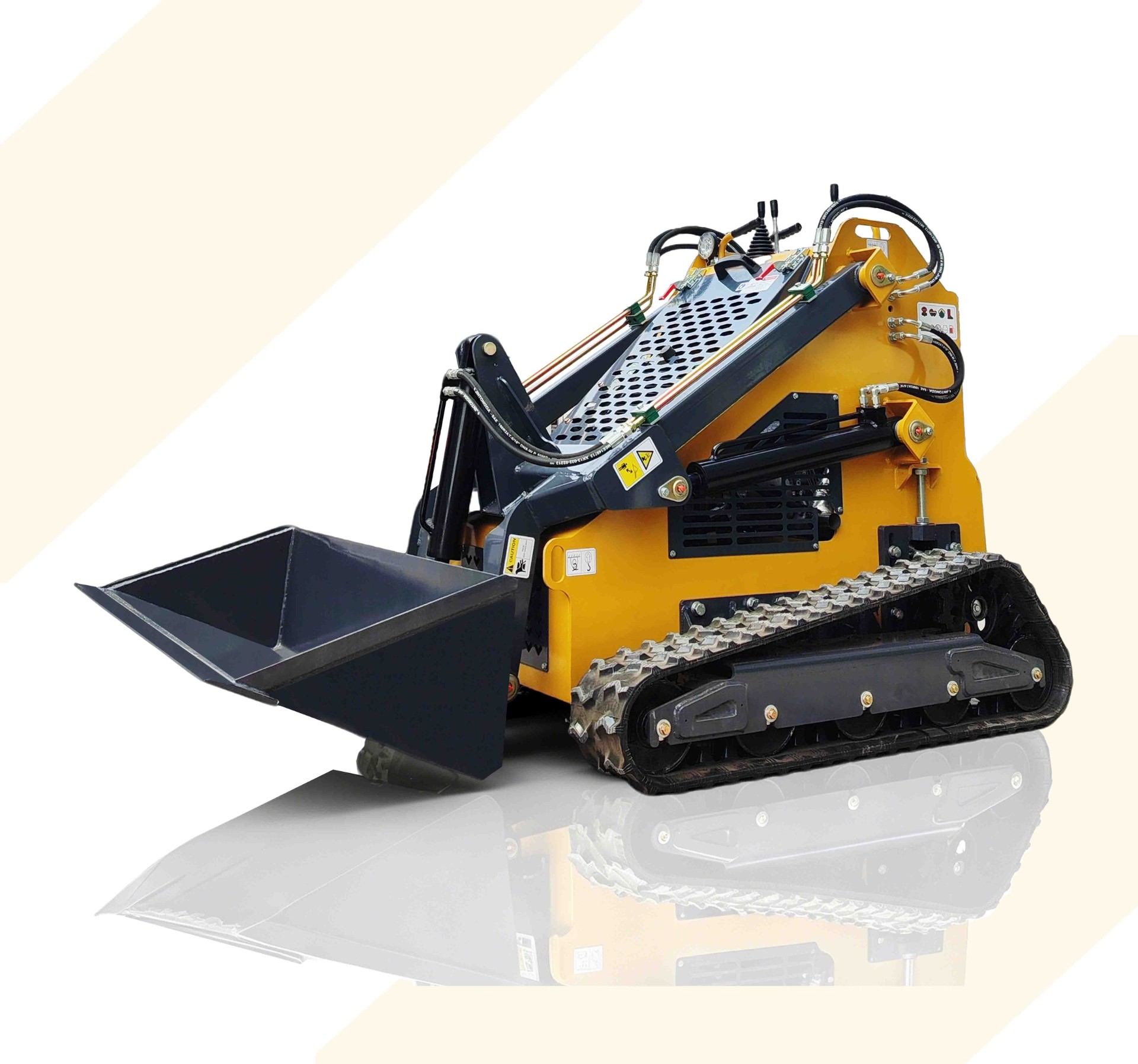
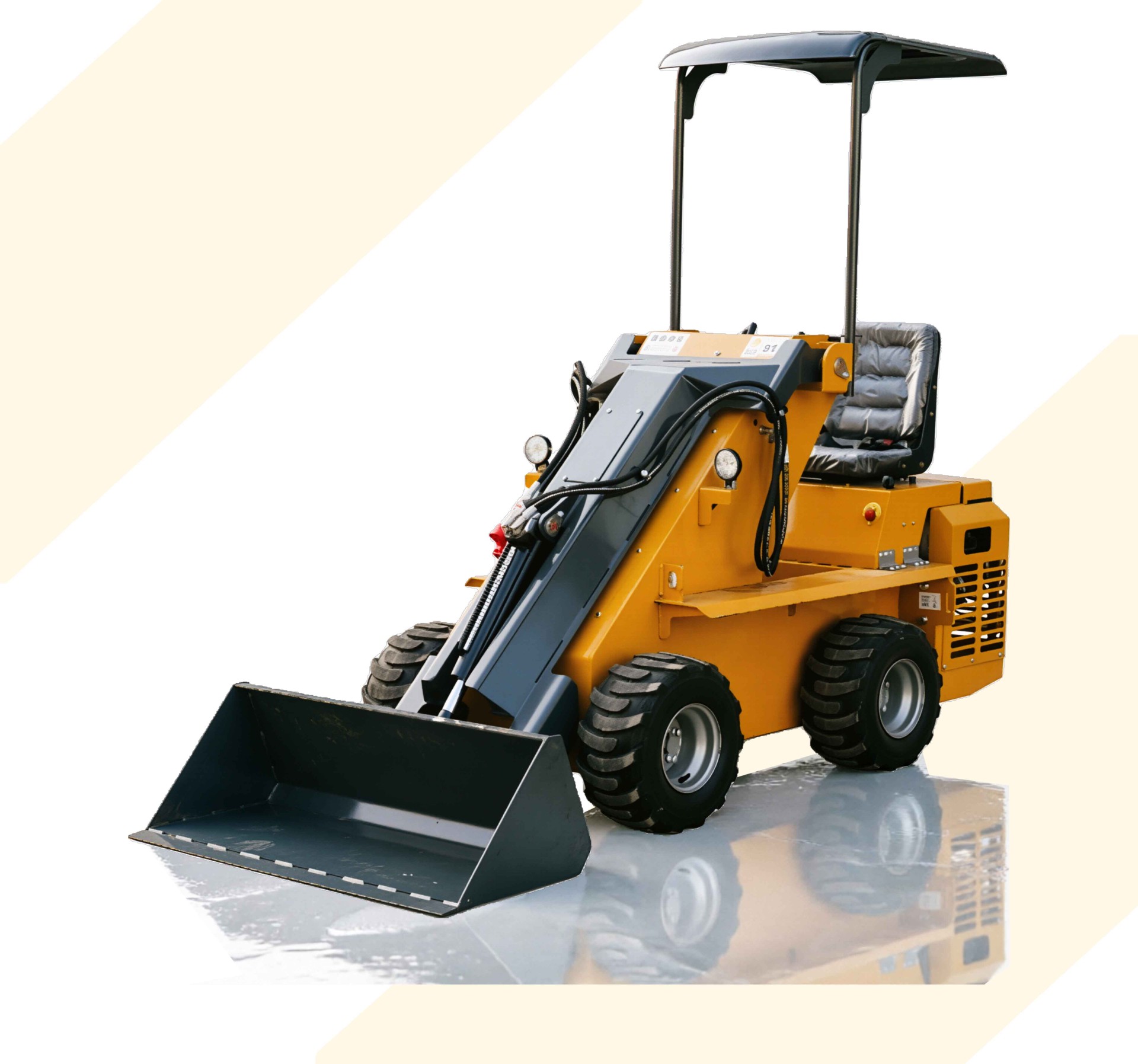
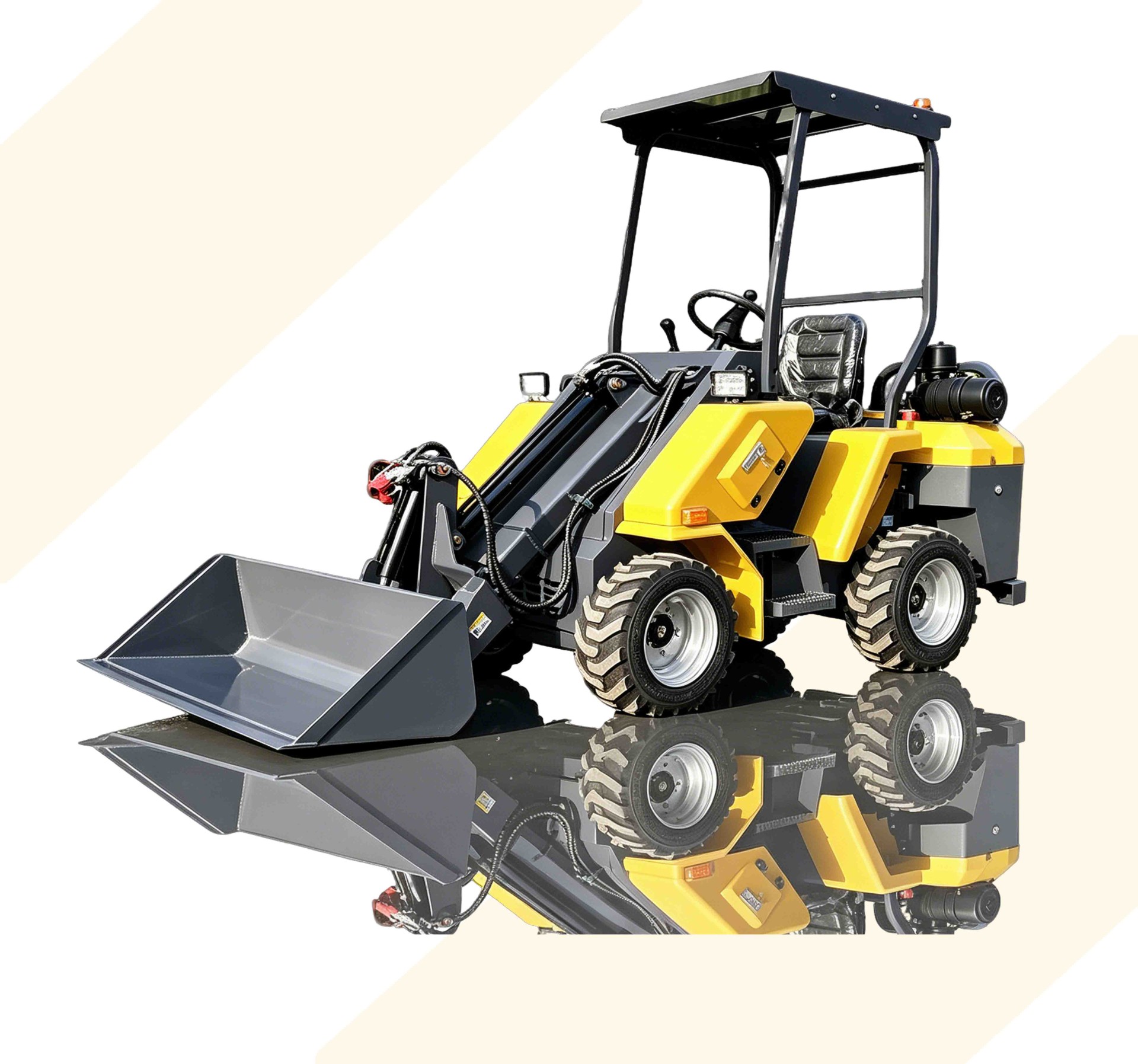
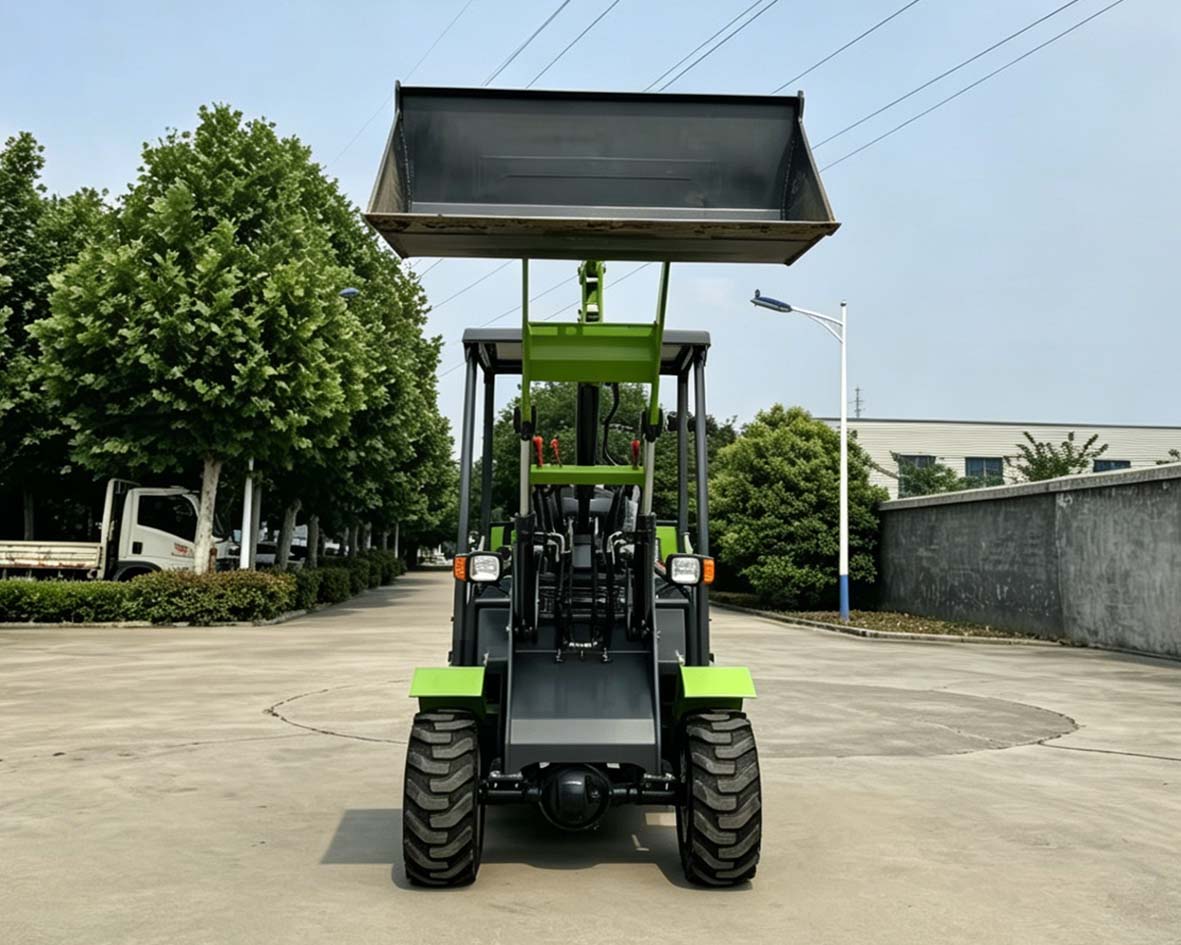
The Xinghang XHD500 / XHDL500 Electric Mini Loader is purpose-built for the scenarios above:
Width only 1.06 m – passes standard doorways, freight elevators, greenhouse rows
Optional 64V/180Ah LiFePO? battery (5–7h runtime) or economical 60V lead-acid
Flat-wire motor tech → higher slot fill, cooler running, longer life
Compatible with multiple attachments: standard bucket, pallet fork, grapple, augur (via hydraulic option)
CE certified, export-packaged (steel frame / fumigation-free wooden crate available)
________________________________________
8. Frequently Asked Questions
Q: How long does the battery last per charge?
A: 4–6 hours continuous heavy cycling; a typical intermittently-used workday (loading, moving, idling) covers a full 7–8 hour shift on one charge.
Q: Can I charge it from a regular 220V outlet?
A: Yes. The onboard charger supports standard single-phase 220V–240V (or 110V region-dependent). Overnight (~8h) full charge.
Q: What if the battery degrades?
A: LiFePO? packs are rated 2,000–3,000 cycles (~5–7 years typical use). Replacement is straightforward and far less costly than an engine overhaul.
Q: Is it as strong as a diesel loader?
A: For its size class (500kg rated load), yes—instant torque and full-time 4WD provide comparable or better feel in tight-space material handling.
Conclusion: Is Electric Right for You?
If your work involves indoor spaces, urban sites, greenhouses, municipalities, or noise-sensitive areas—or you want to future-proof your fleet against tightening emission laws—the electric mini loader is not just "greener," it's economically smarter over the machine's life.
Diesel still has a role on remote, high-hour, off-grid projects. Many smart fleet owners are adopting a mixed strategy: electric for city/indoor contracts, diesel for remote heavy-earthwork.
Contact Xinghang Machinery today for XHD500 specification sheet, container-load pricing, or to request a sample unit for your distributor evaluation.
Small Machine, Giant Power — Powered by Clean Energy.