 Chinese
 English
 Russian
Not All Electric Motors Are Created Equal
Walk through any trade show today, and you'll see the letters "EV" and "Electric" plastered across every booth. Everyone claims to have an electric mini loader. But peel back the paint, and you'll find a dirty secret: many of these machines are powered by repurposed golf-cart motors or generic industrial pump motors that were never designed for the stop-start, high-torque demands of a construction site.
When you buy a compact loader, you aren't just buying a battery on wheels. You are buying instant torque for steep ramps, thermal endurance for continuous lifting, and precise control when inching a 500 kg load through a narrow doorway.
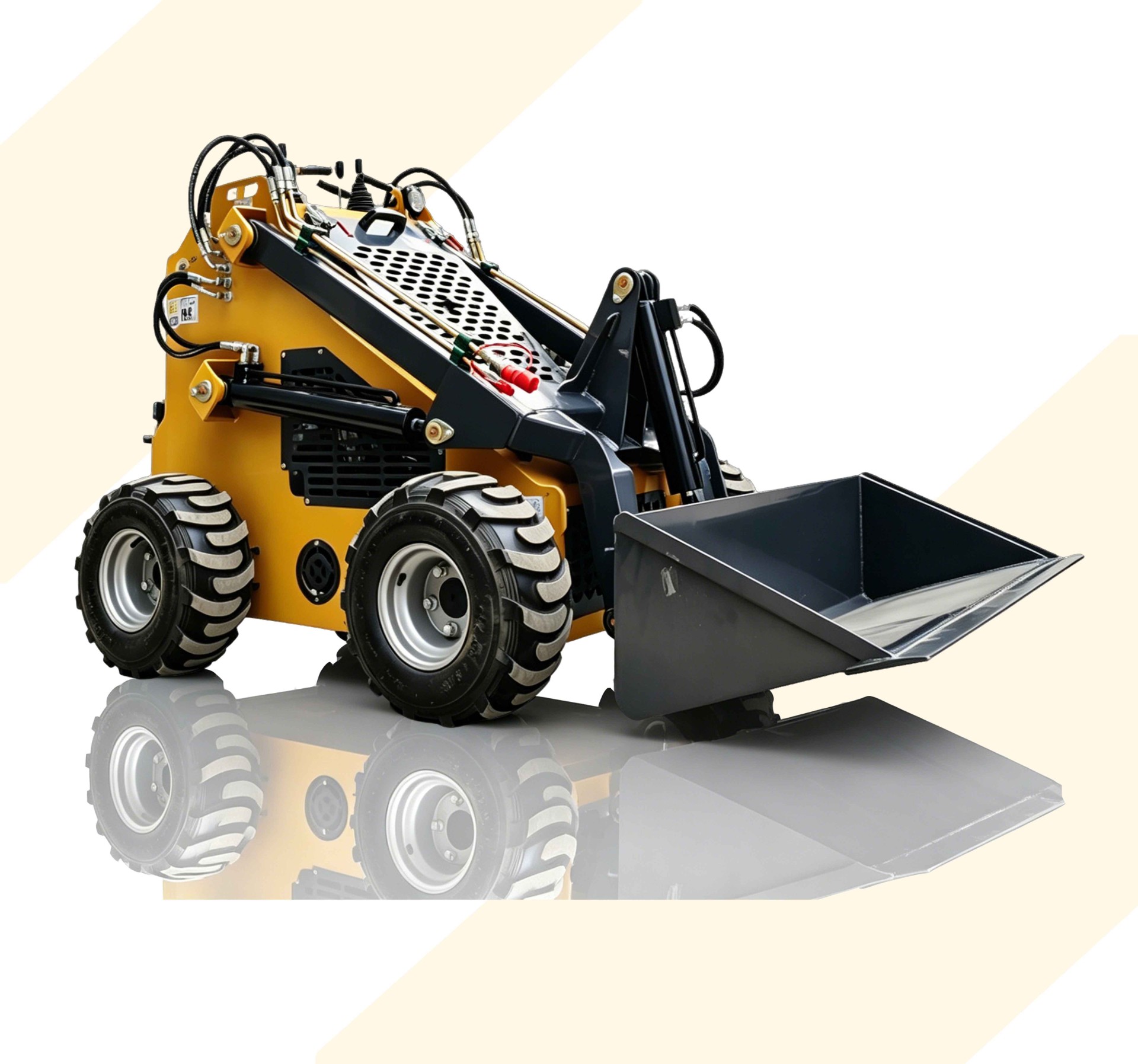
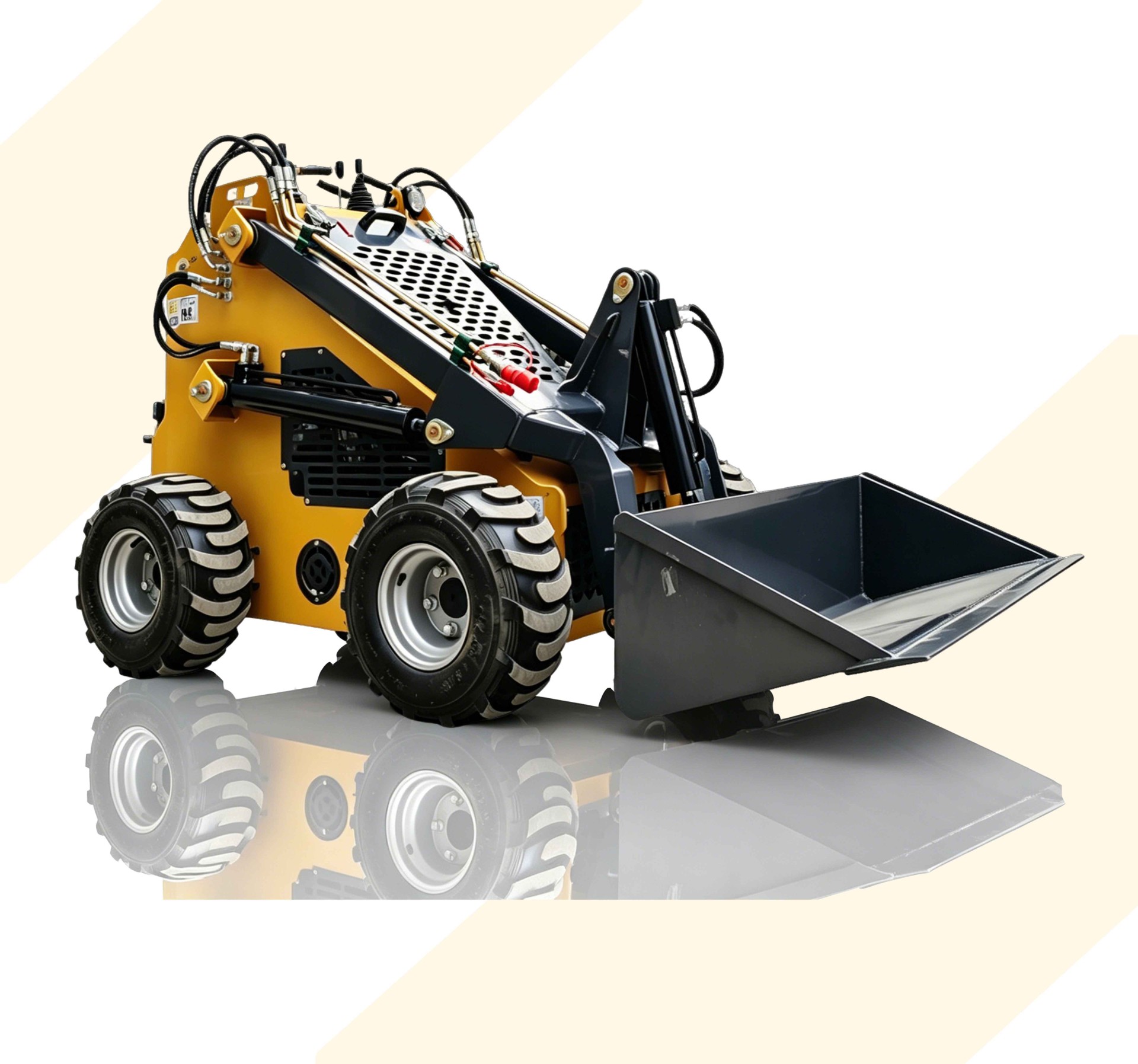
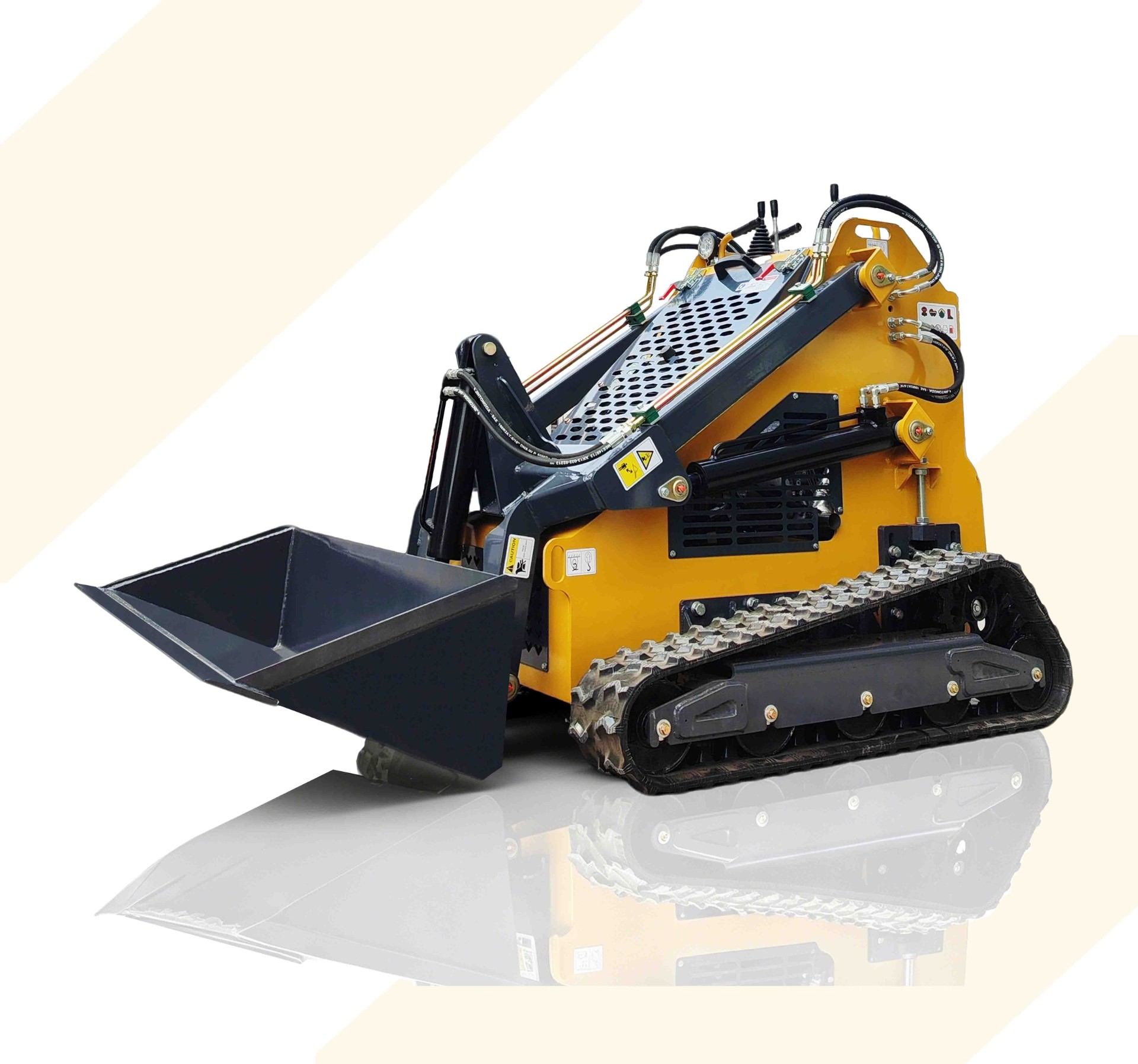
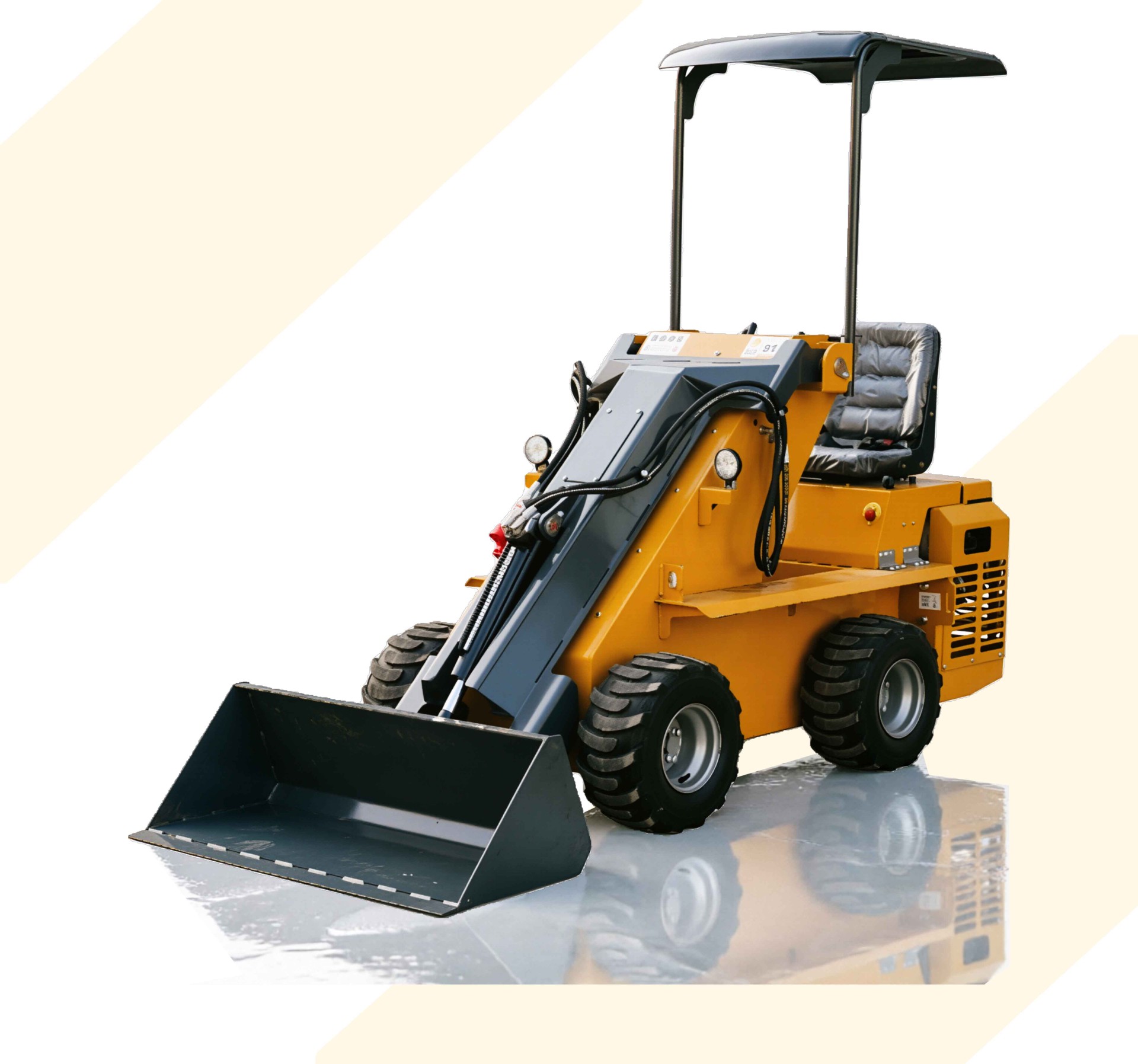
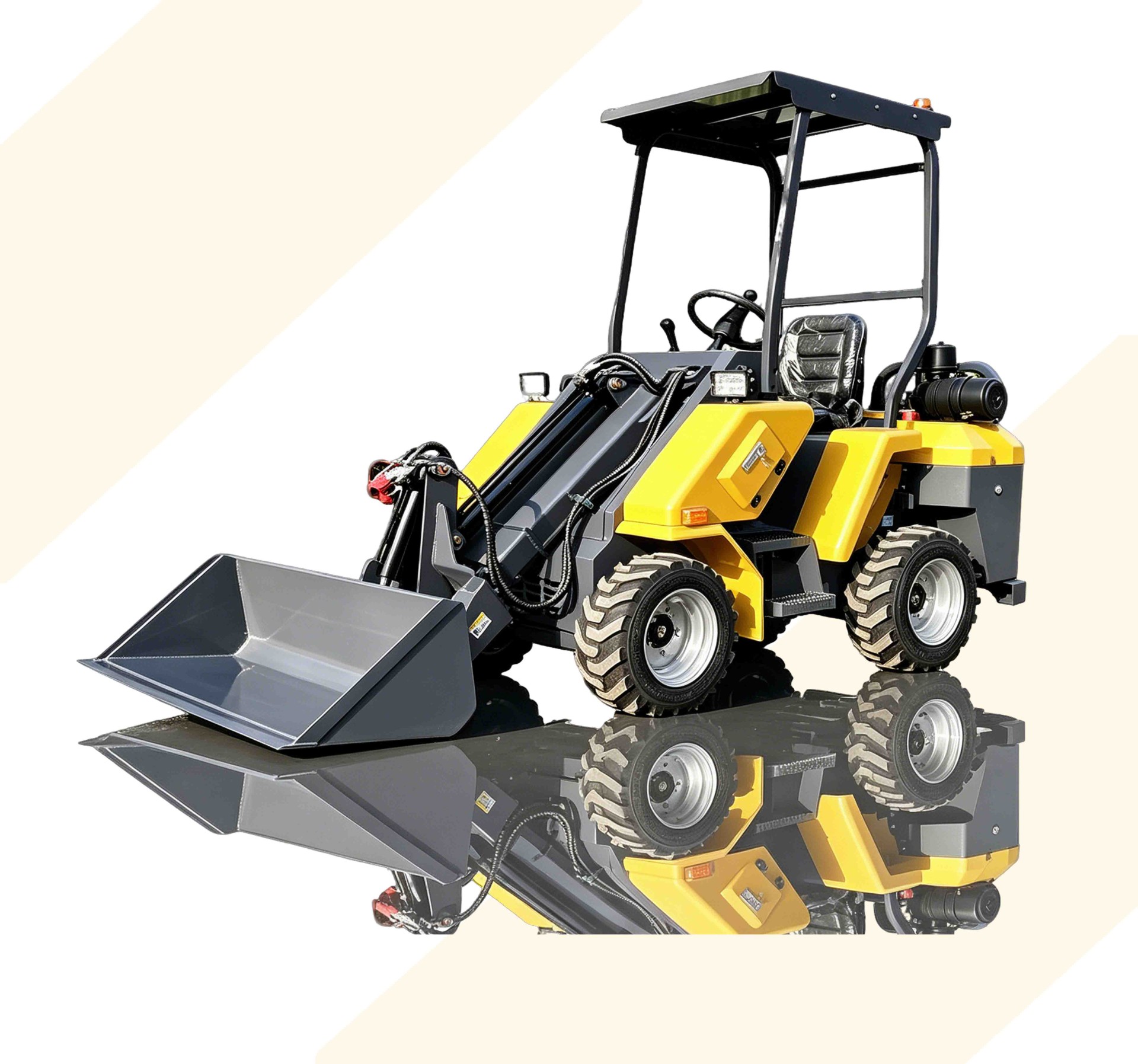
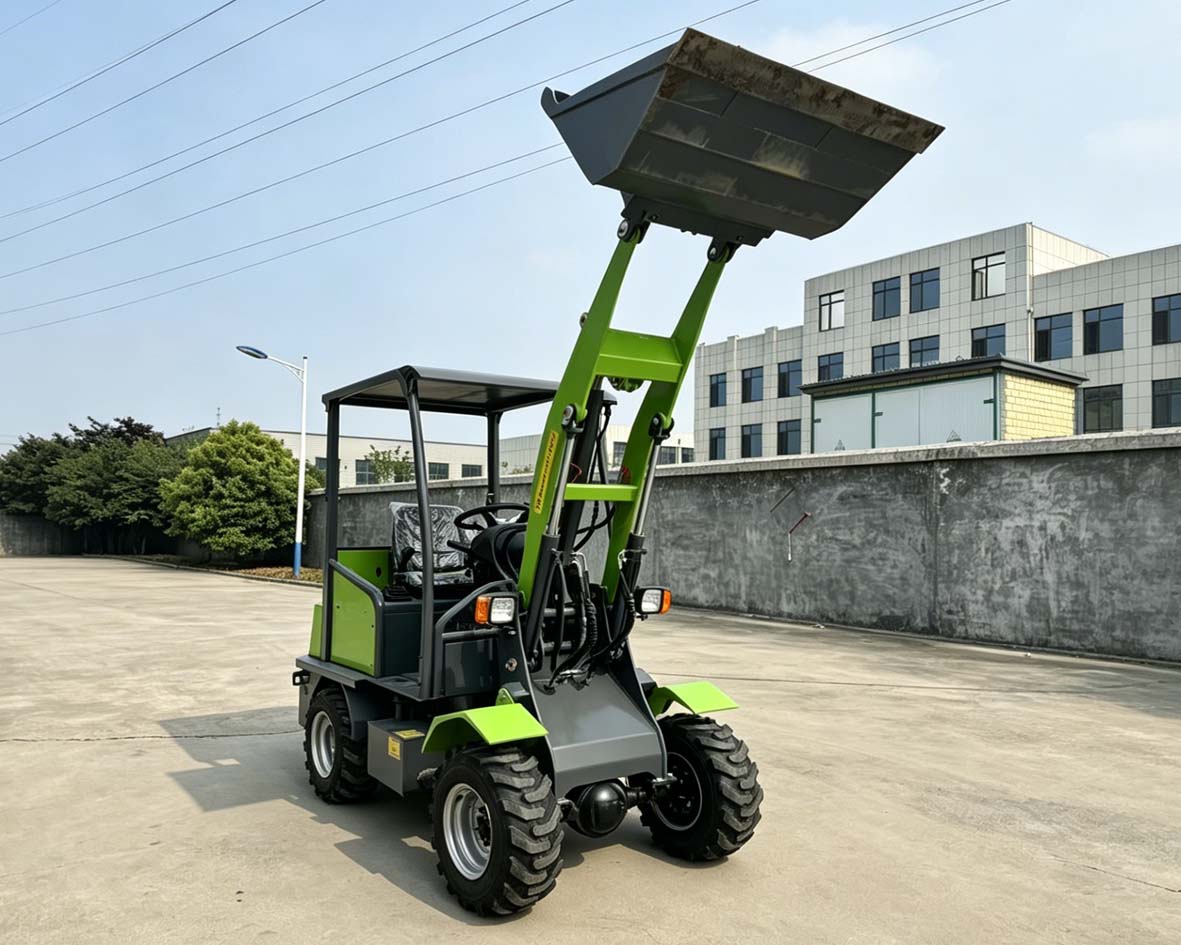
At Xinghang, we refused to compromise. The XHD500A is built around two core technologies that separate it from the crowd: a flat-wire permanent magnet synchronous motor (PMSM) powertrain and a CAN-bus digital control and instrumentation system. In this article, we'll take you under the hood and explain why these aren't just marketing buzzwords—they are the reasons the XHD500A works when others overheat, stall, or leave you guessing about faults.
1. The Heart of the Machine: Flat-Wire PMSM Powertrain
1.1 What Is a Flat-Wire Motor, Really?
In a traditional "round-wire" electric motor, the stator windings are made of circular magnet wire. When you bundle hundreds of these round wires together, microscopic air gaps are inevitable. Air is an insulator, not a conductor. Those gaps represent wasted space that could have been filled with conductive copper.
The XHD500A's drive motors and hydraulic pump motor use rectangular-section copper conductors instead. Imagine the difference between a bundle of drinking straws (round wire) and a stack of chocolate bars (flat wire). The flat wires fit tightly together, eliminating air gaps and maximizing the slot fill factor to over 70%.
1.2 Why >70% Slot Fill Changes Everything
More copper in the same stator volume delivers three transformative benefits:
A) Instant, Unwavering Torque
Round-wire motors need to ramp up RPM to build torque. The flat-wire PMSM in the XHD500A delivers 100% of its rated torque from 0 RPM. This is critical when you need to inch forward with a 500 kg load on a slope, or push through soft ground without wheel spin. The machine responds the instant your finger moves the joystick—not a second later.
B) Superior Thermal Management
Copper is an excellent heat conductor. By eliminating air gaps, the flat-wire windings act as a continuous thermal bridge, dissipating heat into the motor housing far more efficiently than round-wire designs. This means the XHD500A sustains heavy-cycle operations—such as repeatedly lifting spoil or pushing through resistance—without triggering thermal derating. Where a round-wire motor might force a cool-down break, the XHD500A keeps working.
C) Power Density & Compactness
Achieving the same torque output with a smaller, lighter motor contributes directly to the XHD500A's low center of gravity. The 1,090 kg operating weight is distributed with the battery pack and motors mounted low in the chassis, enhancing stability on side slopes and during heavy lifts.
1.3 Quiet by Design
Construction sites are loud enough. The XHD500A's flat-wire motors, combined with a low-noise gear pump, help the machine achieve a ≤50 dB(A) acoustic signature—quieter than normal conversation. This isn't just a comfort feature; it allows operation in noise-restricted residential zones, hospitals, and hotels without violating ordinances or triggering complaints.
2. The Brain of the Machine: CAN-Bus Digital Control System
If the motor is the heart, the control system is the brain. The XHD500A uses a CAN (Controller Area Network) bus architecture—the same communication standard used in modern automobiles—to link the motor controller, the Battery Management System (BMS), and the dashboard instrument cluster.
2.1 What CAN-Bus Actually Does
In older or simpler machines, each component speaks its own language. The controller doesn't know what the battery is doing; the dashboard can't tell you why the motor stopped. CAN-Bus creates a shared digital conversation between all major components.
The benefits are immediate:
Real-Time Telemetry: The dashboard displays battery voltage, state of charge (SoC), travel speed, hydraulic pump RPM (a proxy for load), and hour meter—all updated in real time.
Instant Fault Diagnosis: When something goes wrong, the system doesn't just blink an ambiguous LED. It displays a text-based fault code—for example, "Low Battery Voltage" or "Park Brake Engaged"—in plain English on the LCD screen.
Misoperation Warnings: If the operator tries to drive off with the park brake engaged or an attachment not fully locked, the system issues an audible and visual alert before any damage occurs.
2.2 Smarter, Safer Operation
The integration goes beyond diagnostics. The XHD500A's controller uses the CAN data to actively protect the machine:
Automatic Temperature-Controlled Cooling: The ECU monitors motor and hydraulic oil temperatures. If thresholds are approached, the cooling fan ramps up automatically—no operator intervention required.
Instantaneous Overload Protection: If the system detects a current draw that could damage components, it momentarily limits output to protect the motor and controller, then restores full power once the condition clears. This "soft trip" prevents catastrophic failures and reduces long-term repair costs.
Regenerative Braking (on select versions): When decelerating or traveling downhill, the motor acts as a generator, feeding energy back to the battery and extending runtime.
2.3 The Integrated Control Handle
All of this computing power is placed under the operator's right hand via a single multifunction electro-hydraulic joystick. Forward/reverse direction, high/low speed range, boom lift, and bucket tilt/curl are all controlled from one ergonomic handle. The learning curve is measured in minutes, not hours.
3. Battery Management: 64V 180Ah LiFePO? & 60V 160Ah Lead-Acid Options
The XHD500A's powertrain is fed by a choice of energy storage systems, both managed by a sophisticated BMS:
3.1 64V LiFePO? — 180 Ah
Cycle Life: Rated 2,000–3,000 full cycles (≈5–7 years typical use).
Thermal Stability: Decomposition temperature >250 °C—intrinsically safer than NMC or NCA chemistries.
Voltage Stability: Minimal sag under heavy load; hydraulic functions maintain full speed even as SoC drops.
Integration: The battery pack is mounted low in the chassis, serving as a structural counterweight and lowering the center of gravity.
3.2 60V Lead-Acid — 160 Ah (Economy Option)
Lower upfront cost; familiar technology.
Cycle life: 500–800 cycles.
Suitable for budget-conscious operations or lower daily utilization.
In both configurations, the BMS communicates continuously with the dashboard via CAN, providing state-of-charge readouts and proactive low-voltage warnings before deep discharge occurs.
4. Why This Matters to the Contractor
You might be wondering: "Do I really care about slot fill factors and CAN buses when I just need to move dirt?"
The answer is yes—because these technologies translate directly into three things that affect your bottom line:
Uptime: A machine that doesn't overheat or suffer cryptic failures stays on the job site, earning money.
Predictability: Text-based fault codes mean your mechanic (or you) can diagnose issues in minutes instead of hours, reducing downtime.
Versatility: Instant torque and precise control let you take on jobs—basement demolitions, indoor renovations, tight-access sites—that would stall a lesser machine.
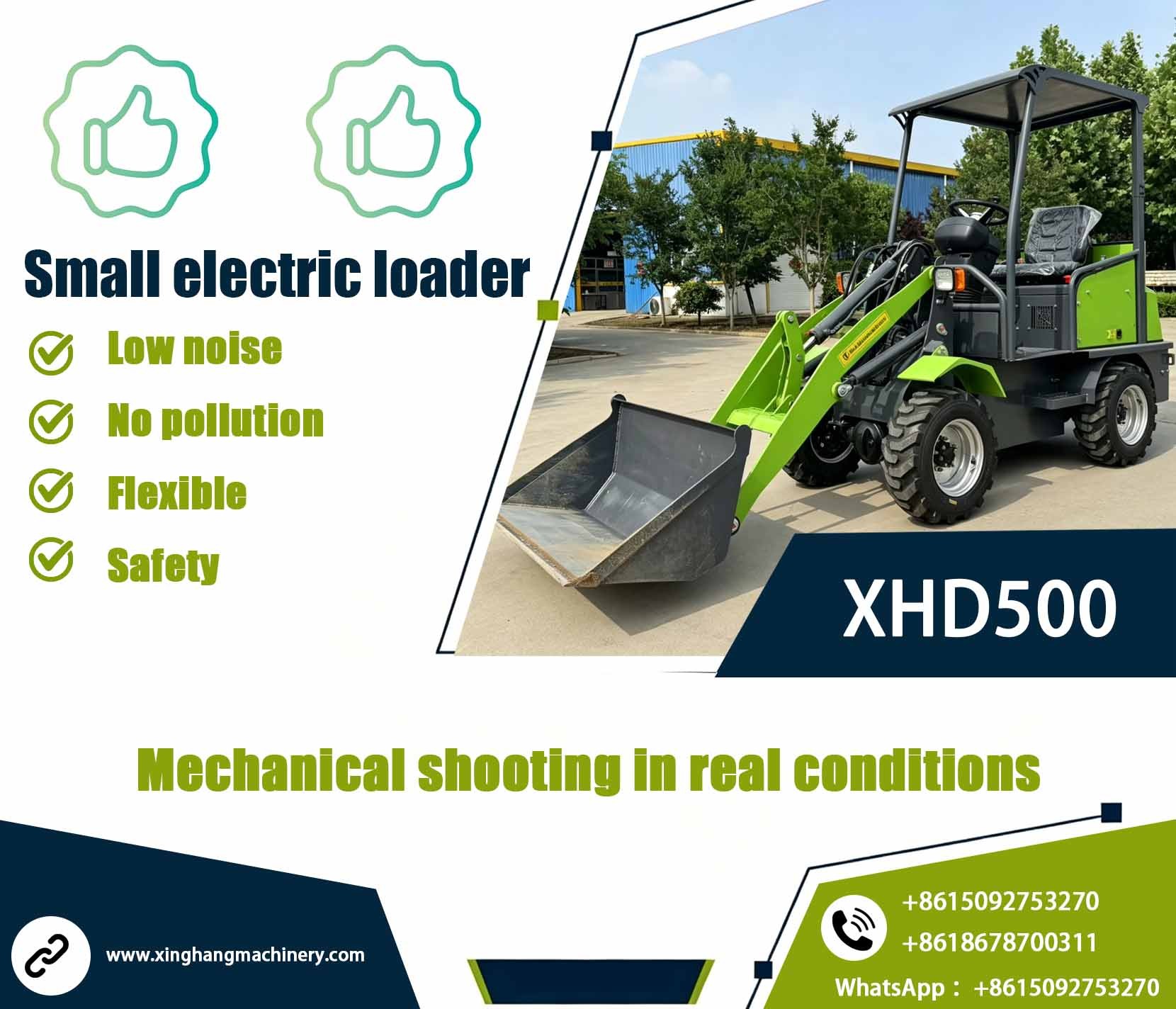
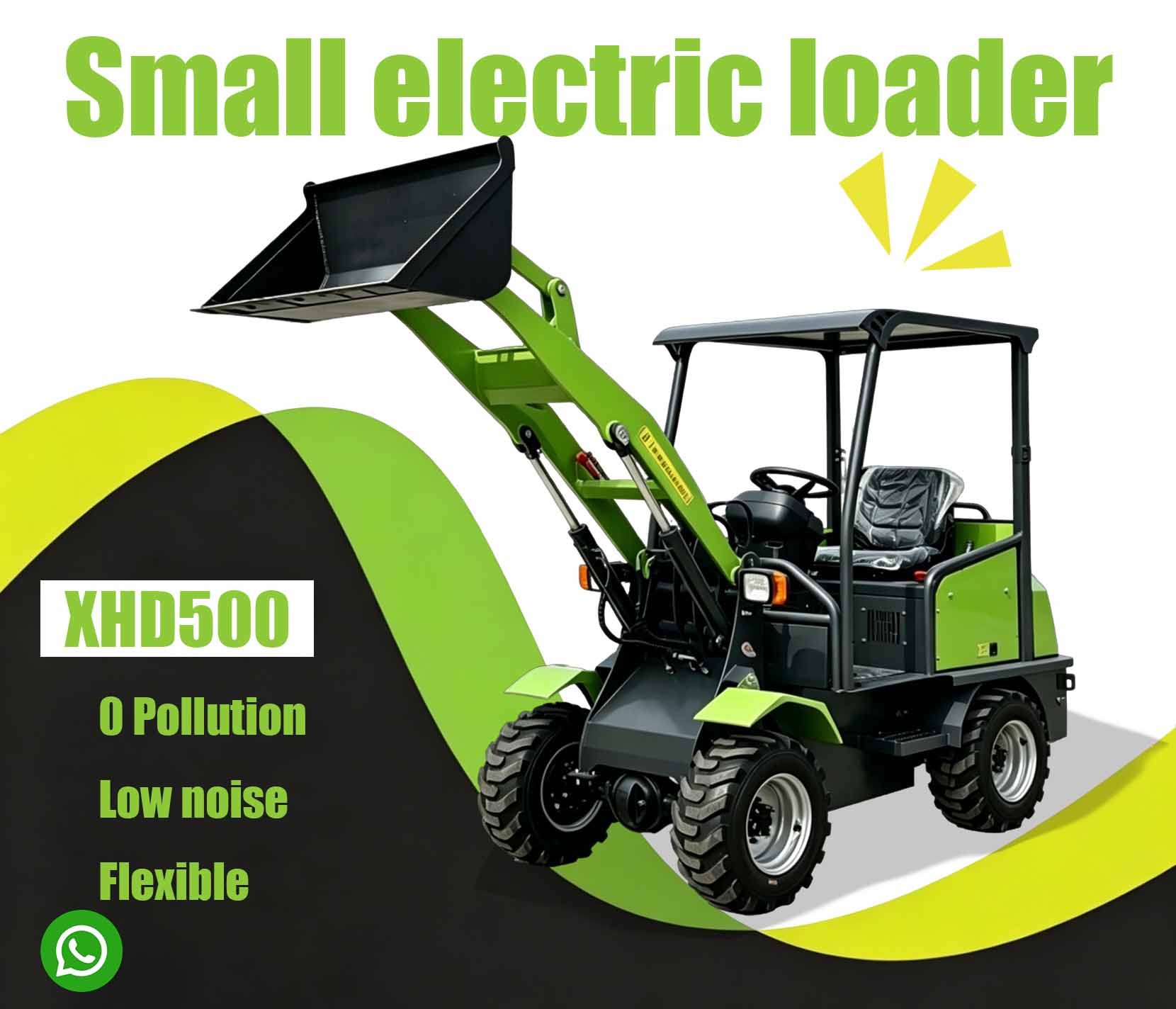
When you choose the XHD500A, you aren't buying a commodity electric loader. You are buying automotive-grade motor technology and a digital nervous system that works as hard as you do.
Don't Settle for a Golf-Cart Motor
The compact equipment market is being flooded with "electric" machines that are little more than rebranded golf carts with a bucket bolted on. They might work for light-duty garden paths, but they will fail in real construction conditions—overheating, stalling, and leaving you with cryptic fault lights.
The Xinghang XHD500A is different. Its flat-wire PMSM motors deliver instant, unwavering torque. Its CAN-bus digital control system gives you real-time diagnostics and protection. And its choice of 64V 180Ah LiFePO? or 60V 160Ah lead-acid batteries ensures you can spec the right energy storage for your budget and duty cycle.
Don't compromise on the powertrain. Choose the electric loader that was engineered for the job site, not the golf course.
?? Contact Xinghang Machinery for the XHD500A technical datasheet, FOB quotation, and container-load plan. Experience the difference true EV technology makes.
Small Machine, Giant Power — Engineered Intelligence, Not Just a Battery on Wheels.